
2026 Hino Cab and Chassis Trucks For Sale in Alabama
Shop 2026 Hino cab and chassis trucks in Alabama. Compare GVWR, wheelbase, engine, PTO, and upfit options for medium-duty fleet work.
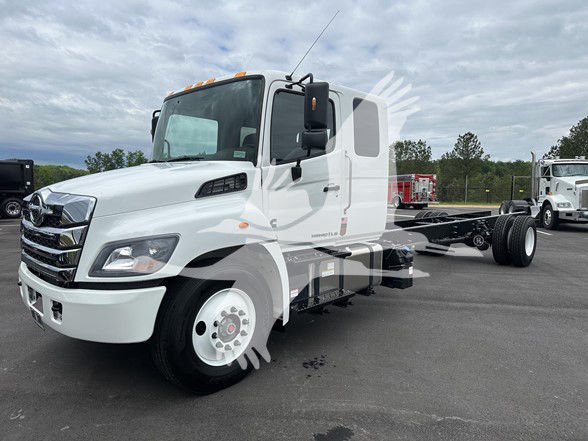
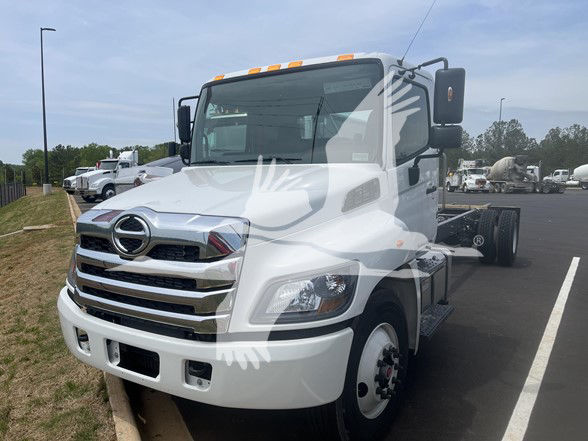
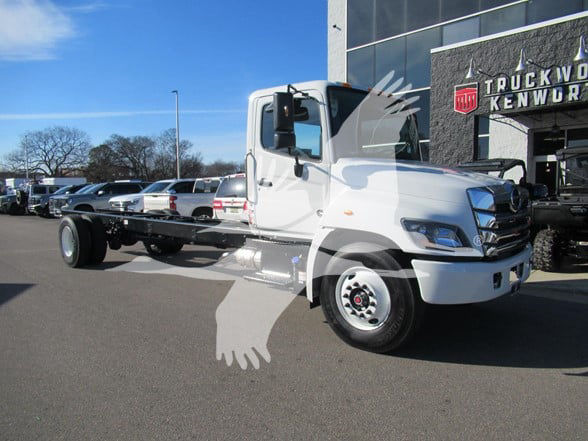
Selling a 2026 hino cab and chassis truck? List your 2026 hino cab and chassis truck for sale and reach thousands of commercial buyers.
2026 Hino Cab and Chassis Trucks in Alabama
For many buyers, the first question is fit. A chassis that will carry a van body is not spec'd the same way as one intended for a dump, crane, or utility body. Pay close attention to axle ratings, rear suspension capacity, frame rail dimensions, and available wheelbase options, because those determine body length, payload distribution, and turning radius. Hino medium-duty platforms such as the L Series are popular because they give upfitters a straightforward starting point with diesel power, commercial-grade frames, and cab layouts designed for route and vocational use. If your operation runs in Alabama heat and humidity, cooling performance, air conditioning output, and corrosion protection on the body and understructure also deserve attention during the spec process.
Powertrain and serviceability matter just as much as payload. Buyers often look at diesel engine output, transmission calibration, PTO provisions, fuel tank placement, exhaust routing, and aftertreatment packaging before finalizing a body design. Electronic stability systems, driver-assist features, and brake configuration can also influence the upfit, especially on trucks that will see stop-and-go urban routes or mixed highway duty. A well-matched cab and chassis should leave enough legal payload after the body and equipment are installed, while still meeting bridge law, axle spread, and jobsite maneuverability needs.
The best way to compare 2026 Hino cab and chassis trucks is to work backward from the finished job. Start with the body type, loaded weight, equipment needs, and operating radius, then match the truck's wheelbase, cab-to-axle, GVWR, and rear axle ratio to that application. For delivery fleets, driver comfort, visibility, and ingress-egress can affect daily productivity. For vocational use, frame upfit clearance, PTO access, and suspension spec usually carry more weight. A correctly spec'd Hino cab and chassis can be one of the most versatile assets in a fleet because it is built around the work the truck will actually perform, not just the badge on the hood.
Frequently Asked Questions about 2026 Hino Cab and Chassis Trucks in Alabama
What is a Hino cab and chassis truck?
A Hino cab and chassis truck is an incomplete commercial truck consisting of the cab, frame, drivetrain, axles, and running gear, with no permanent body installed. It is designed to be upfitted with a van body, flatbed, reefer body, service body, landscape body, or other vocational equipment. Buyers choose this configuration when they need a truck tailored to a specific payload, body length, or PTO-driven application.
What specs matter most when buying a 2026 Hino cab and chassis?
The most important specs are GVWR, front and rear axle ratings, wheelbase, cab-to-axle measurement, frame rail strength, and powertrain configuration. Those numbers determine what body will fit, how weight will be distributed, and how much usable payload will remain after the upfit is installed. PTO compatibility, rear axle ratio, suspension capacity, and brake system spec also matter if the truck will run hydraulic equipment, heavy loads, or frequent stop-and-go routes.
What bodies are commonly installed on Hino cab and chassis trucks?
Common body types include dry van bodies, refrigerated bodies, flatbeds, stake beds, dump bodies, service bodies, contractor bodies, and rollback carriers where the chassis rating is appropriate. The right body depends on the truck's wheelbase, axle capacity, and intended duty cycle. Upfit planning should also account for liftgates, toolboxes, compressors, generators, and other mounted equipment that reduce available payload.
Is a Hino cab and chassis a good choice for fleet use in Alabama?
Hino cab and chassis trucks are often a practical fit for Alabama fleets because they are used in delivery, municipal, construction, utility, and service applications where medium-duty diesel performance and upfit flexibility matter. In this region, buyers should pay close attention to cooling performance, corrosion resistance, air conditioning performance, and body material selection. Route density, highway miles, and seasonal humidity can all influence the ideal spec.
How do I choose the right wheelbase and cab-to-axle length?
Wheelbase and cab-to-axle should be selected based on the finished body length, desired weight distribution, and turning requirements. A longer body usually requires a longer wheelbase, but too much chassis length can reduce maneuverability and complicate urban or jobsite use. The body builder's dimensional guide should be matched to the truck's frame layout, axle placement, and any PTO or underbody equipment before the final order is placed.