
Hino Cab and Chassis Trucks For Sale in New Jersey
Shop Hino cab and chassis trucks for sale in New Jersey. Learn GVWR, body-fit options, Cummins-Allison specs, and common upfit uses.
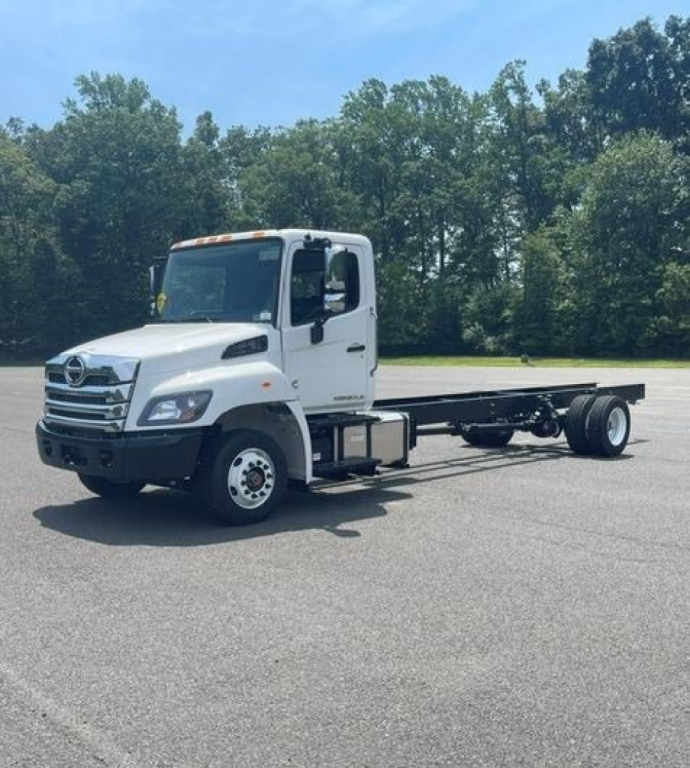
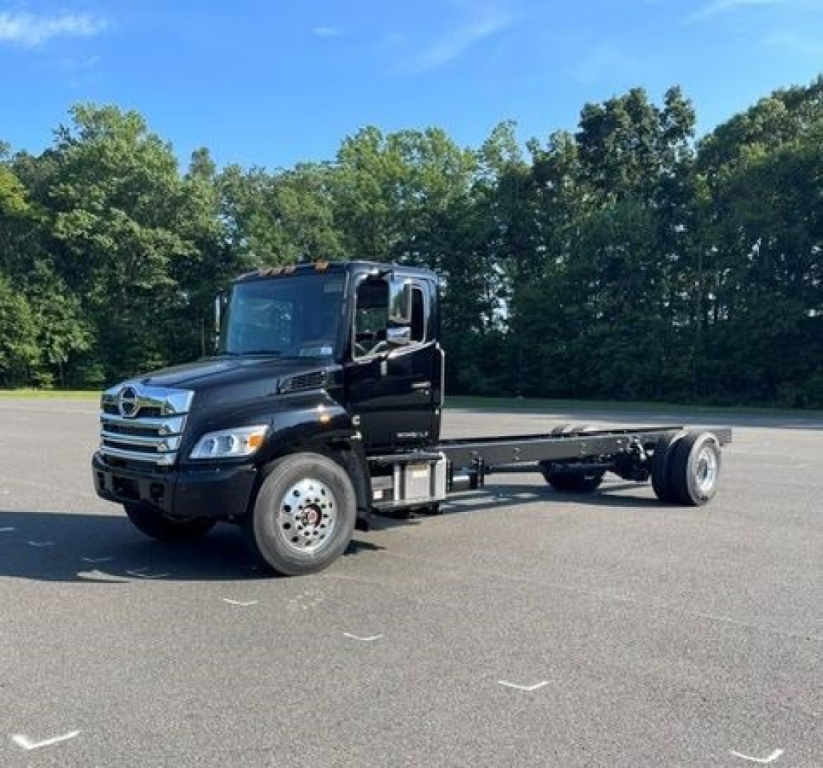
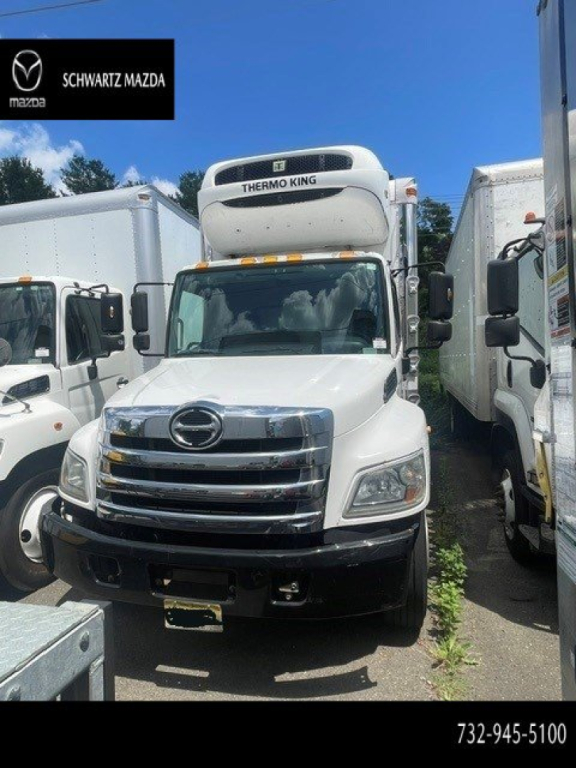
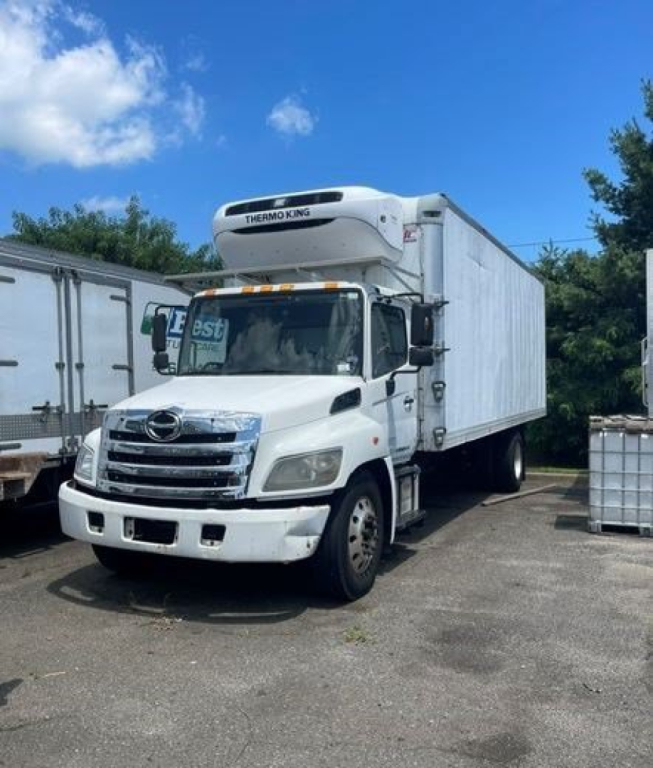
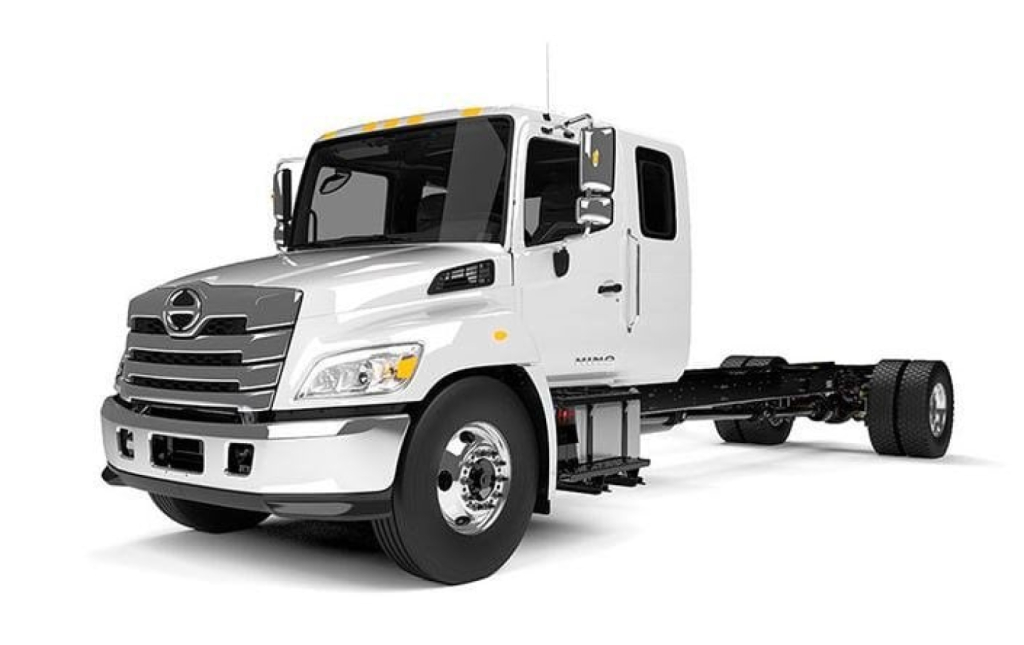
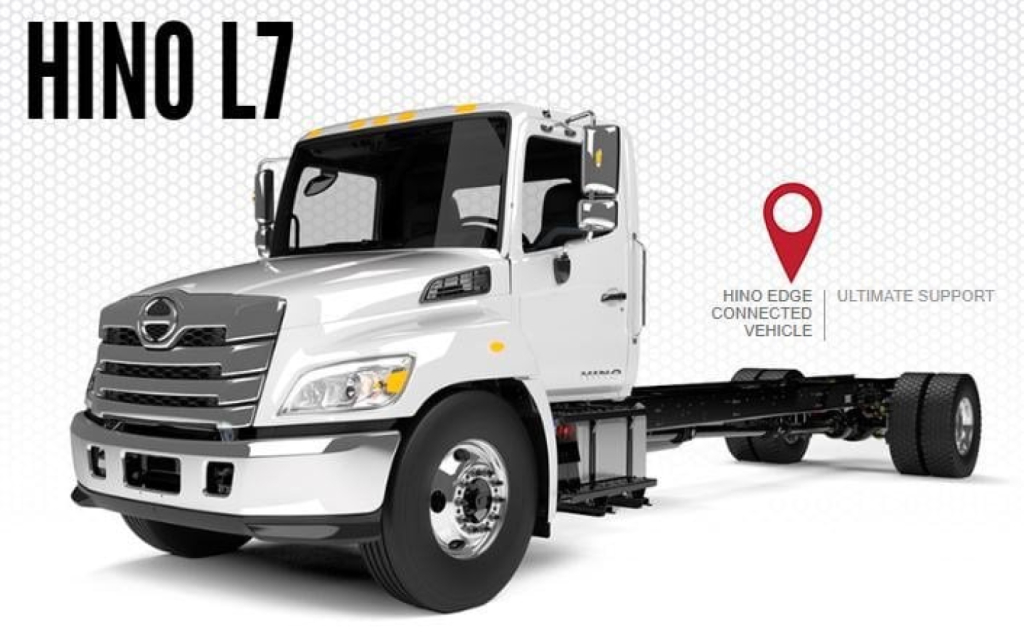
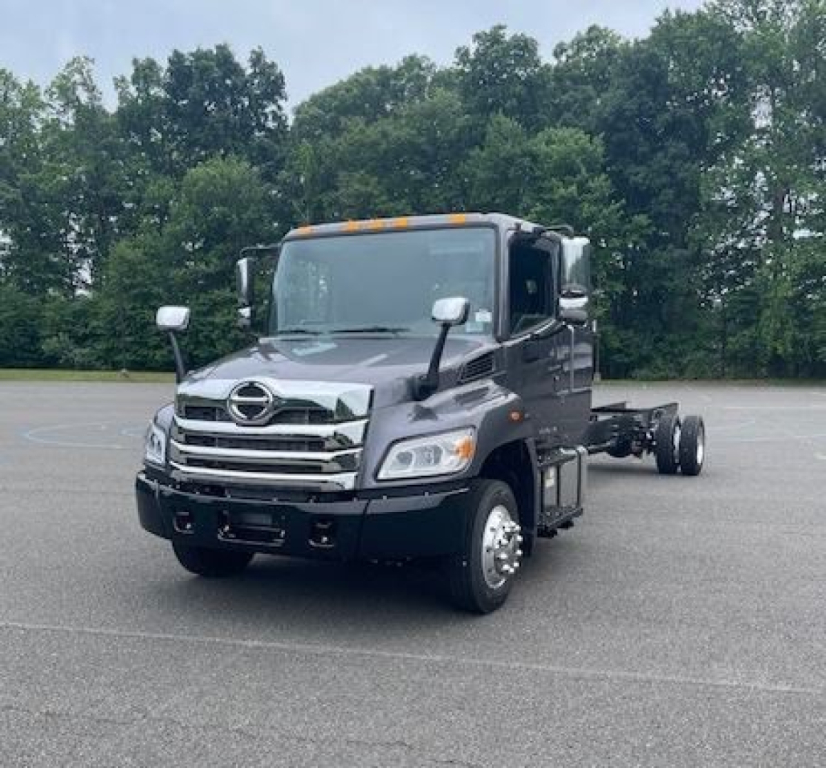
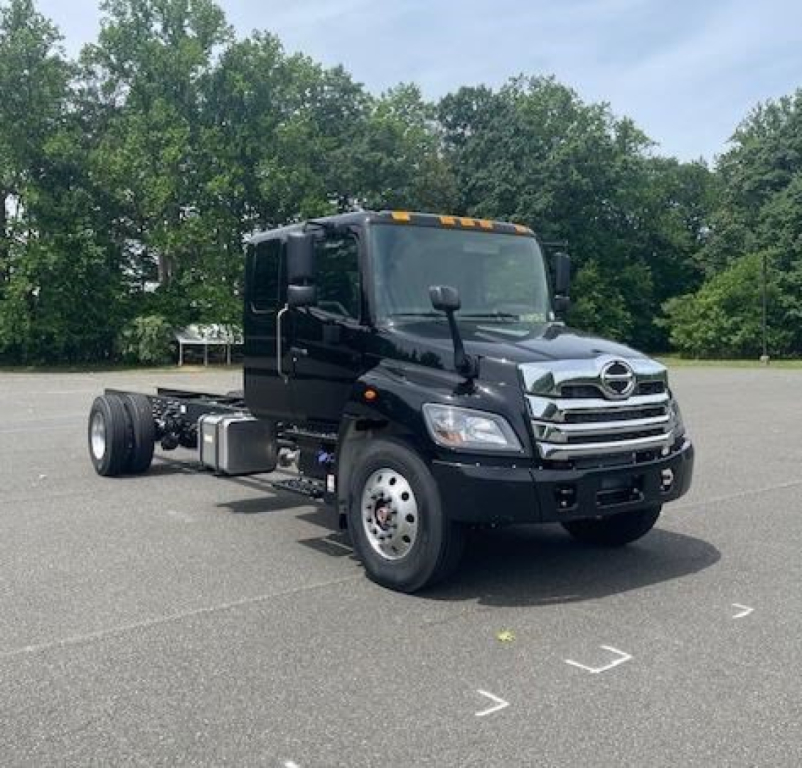
Selling a hino cab and chassis truck? List your hino cab and chassis truck for sale and reach thousands of commercial buyers.
Hino Cab and Chassis Trucks in New Jersey
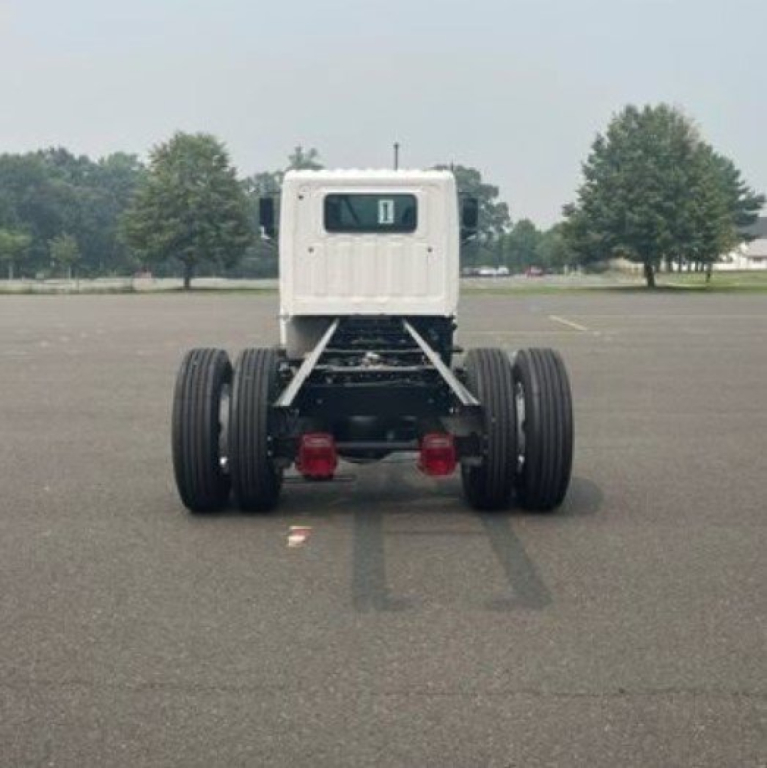
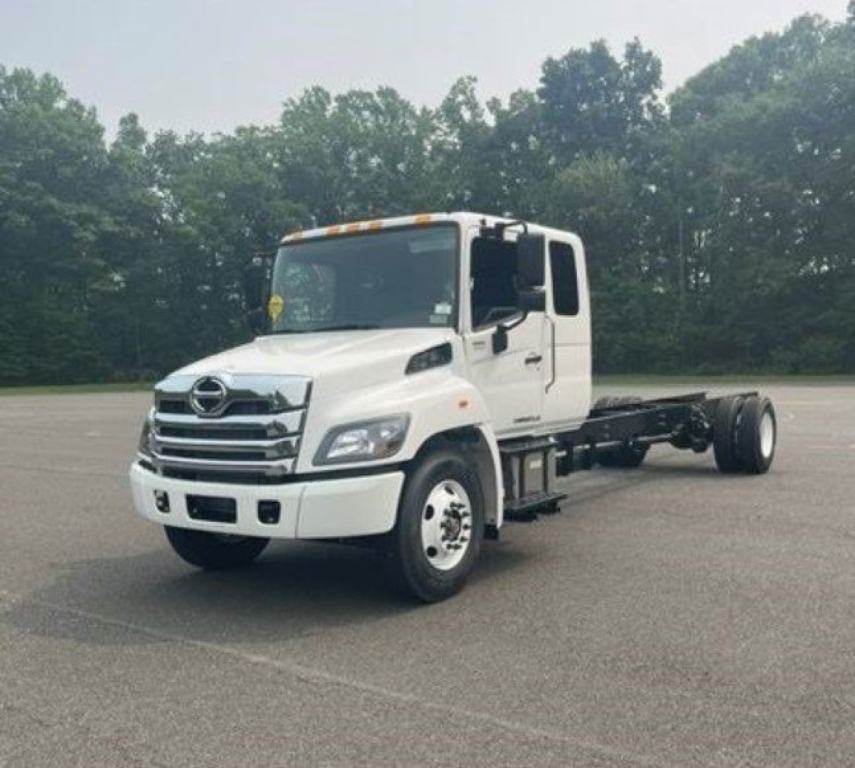
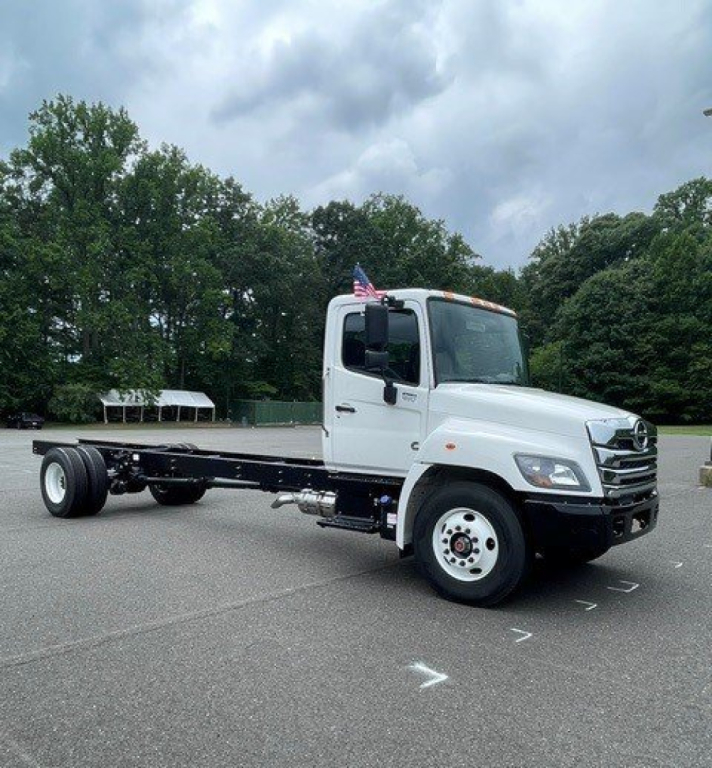
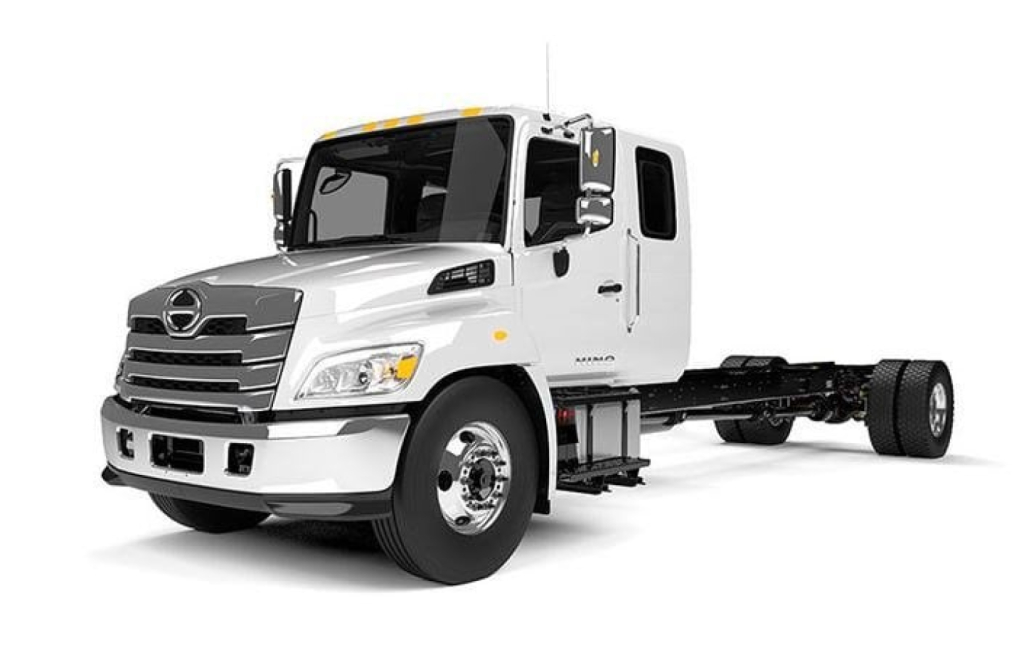
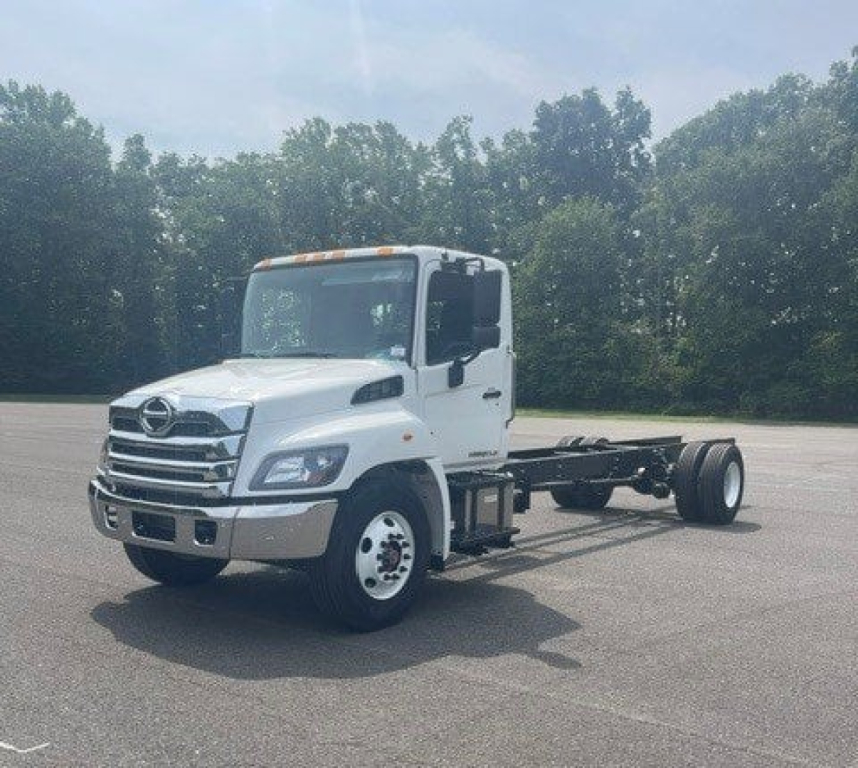
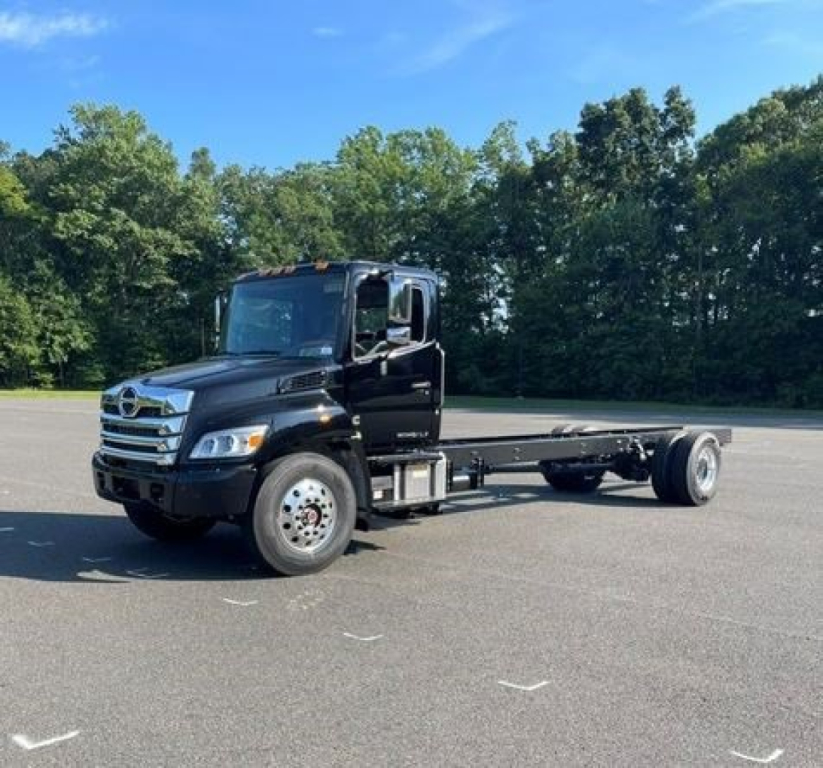
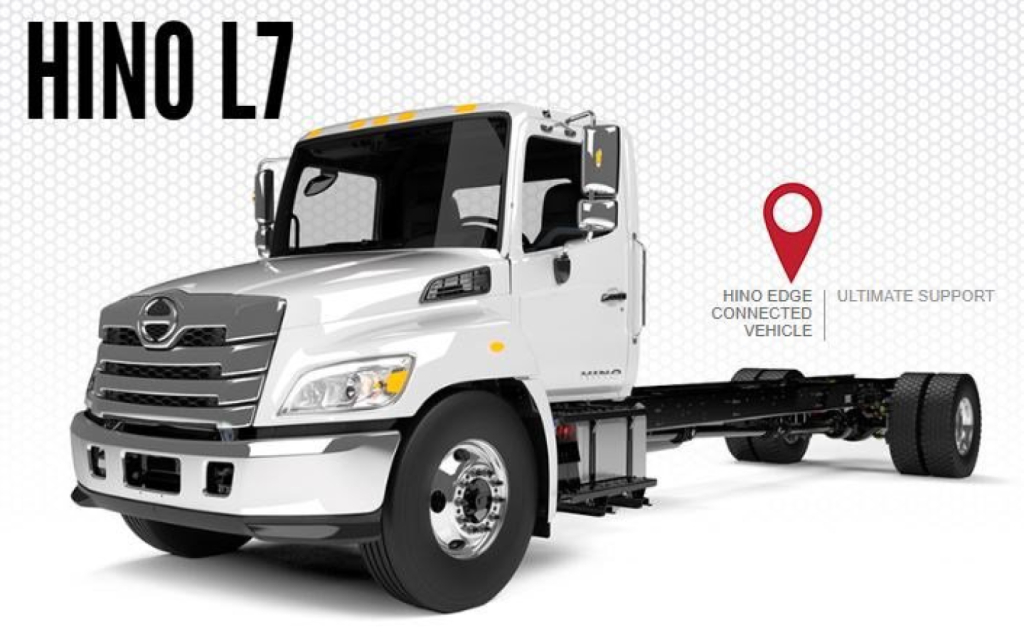
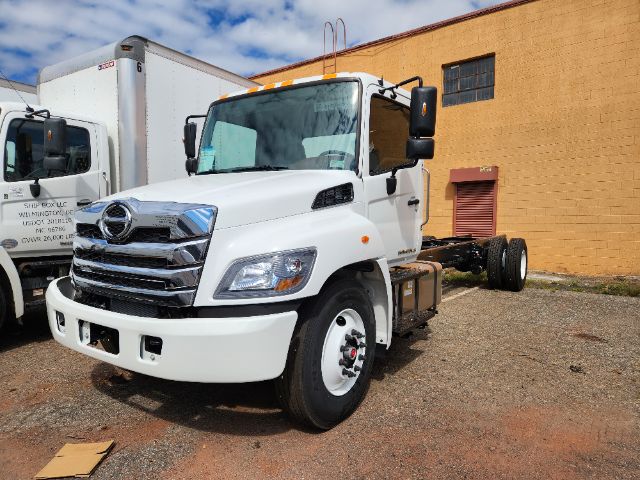
One of the first decisions is GVWR and wheelbase. Hino L6 cab and chassis models are commonly spec'd around the 25,500 to 25,950 GVWR range, which makes them popular for 26-foot van bodies and other medium-duty applications that need payload without stepping into a heavier chassis than necessary. The L7 moves upward for buyers needing more axle capacity, more body options, or a tougher duty cycle. Wheelbase, rear axle ratio, frame height, and cab-to-axle dimension all matter because they determine body length, weight distribution, and turning radius. Buyers comparing listings should pay close attention to front and rear axle ratings, suspension type, tire size such as 11R22.5, and whether the chassis has air brakes, PTO provision, or a frame suitable for the intended upfit.
Current Hino cab and chassis trucks in this class are commonly powered by the Cummins B6.7 diesel, often paired with an Allison automatic such as the 2200, 2500, or 3000 RDS. That combination is familiar to fleets and service shops, which helps with driver acceptance, maintenance planning, and resale. Horsepower ratings can vary by application, commonly in the 240 to 260 hp range, and that should be matched to body weight, route speed, and stop-and-go duty. A truck hauling a dry van on local delivery has different needs than a rollback or a truck running a hydraulic package off the PTO. Features like engine brake, cruise control, heated mirrors, air-ride driver seat, and larger aluminum fuel tanks also matter more than they may seem on paper when the truck is used year-round in Northeast conditions.
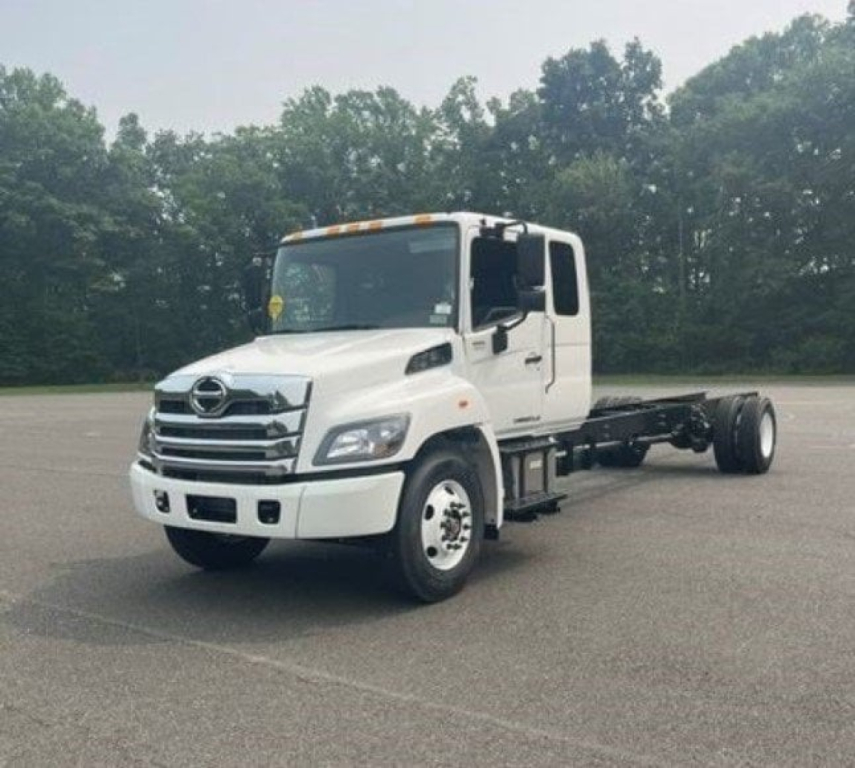
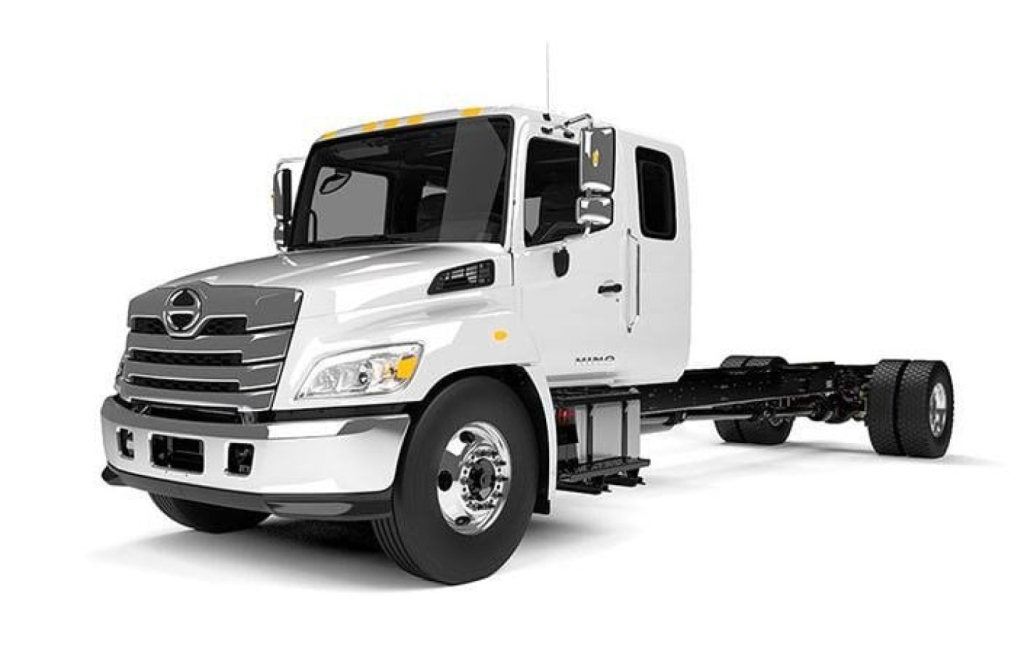
A good Hino cab and chassis spec is really about body integration and long-term operating fit. Buyers should confirm body-ready details such as cab-to-axle measurement, clear back-of-cab space, electrical provisions, transmission PTO capability, and any local bridge or registration considerations tied to gross weight in New Jersey. It is also worth checking if the truck is a regular cab or extended cab, since crew space, storage, and tool access can change the usefulness of the chassis for contractor and municipal work. For buyers who want a diesel medium-duty truck that is easy to upfit and widely used in pickup-and-delivery service, Hino cab and chassis trucks remain a practical category to compare closely.
Frequently Asked Questions about Hino Cab and Chassis Trucks in New Jersey
What are Hino cab and chassis trucks commonly used for?
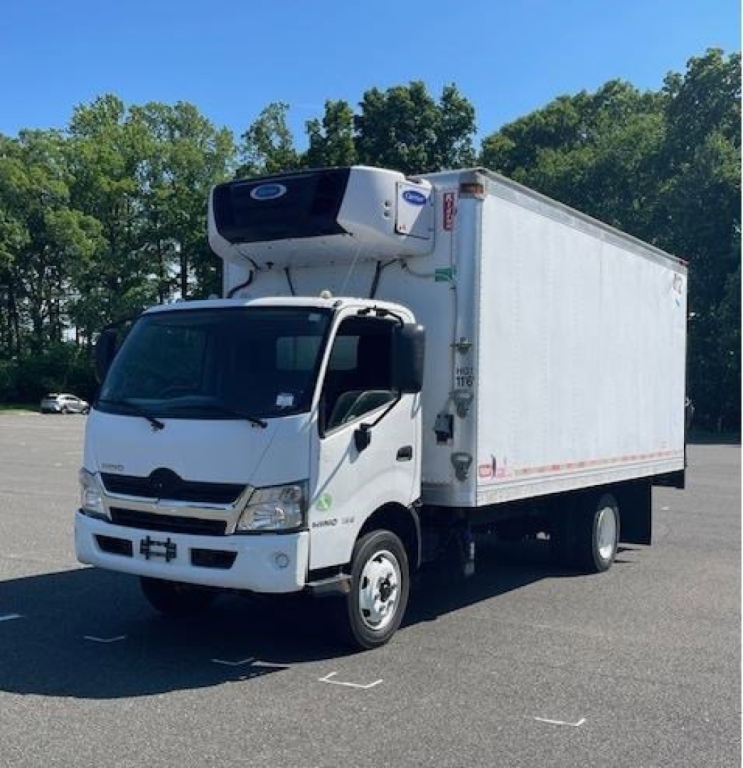
Hino cab and chassis trucks are commonly used as the base platform for box trucks, refrigerated bodies, flatbeds, stake bodies, dump bodies, tow trucks, utility bodies, and landscape bodies. The chassis is sold without a permanent rear body so it can be matched to the exact job. That makes this category popular with delivery fleets, contractors, municipalities, equipment rental companies, and service operations that need a purpose-built truck rather than a one-size-fits-all body.
What is the difference between a Hino L6 and a Hino L7 cab and chassis?
The Hino L6 is typically chosen for medium-duty applications in the Class 6 range, often around 25,500 to 25,950 GVWR, while the Hino L7 steps up into a heavier Class 7 platform with greater capacity potential. In practical terms, the L6 is a frequent fit for 26-foot van bodies and general delivery work, while the L7 is better suited for heavier payloads, more demanding upfits, or more severe service cycles. The right choice depends on body weight, cargo weight, axle ratings, and how the truck will actually be used day to day.
What engine and transmission are common in Hino cab and chassis trucks?
A common powertrain in late-model Hino cab and chassis trucks is the Cummins B6.7 diesel engine paired with an Allison automatic transmission. Depending on the spec, buyers may see Allison 2200 RDS, 2500 RDS, or 3000 RDS transmissions, along with horsepower ratings around 240 to 260 hp. This is a well-known medium-duty combination with broad service support, and it is often preferred by fleets that want familiar diagnostics, predictable maintenance, and easy driver operation.
How do I know what body length will fit a Hino cab and chassis?
Body fit is determined by more than the model name alone. Buyers need to verify the wheelbase, cab-to-axle dimension, frame length, rear overhang allowance, and the body manufacturer's requirements. A listing may mention that a chassis will accept a 26-foot body, but that should still be confirmed against the exact upfit, payload target, and axle loading. Matching the body correctly helps avoid clearance problems, poor weight distribution, and handling issues once the truck is in service.
What should buyers in New Jersey pay attention to on a cab and chassis truck?
New Jersey buyers should pay close attention to gross vehicle weight rating, axle ratings, brake spec, body length, and maneuverability for dense local routes. Regional conditions also make practical features important, including heated mirrors, air conditioning, corrosion-conscious fuel tank and frame specs, and driver comfort features for stop-and-go work. If the truck will carry a specialized body, it is smart to confirm PTO provision, electrical interfaces, and any state or local registration implications tied to the final completed vehicle weight.