
2027 Hino Cab and Chassis Trucks For Sale in New Jersey
Shop 2027 Hino cab and chassis trucks with Cummins diesel power, Allison automatics, and versatile upfit options for medium-duty work.
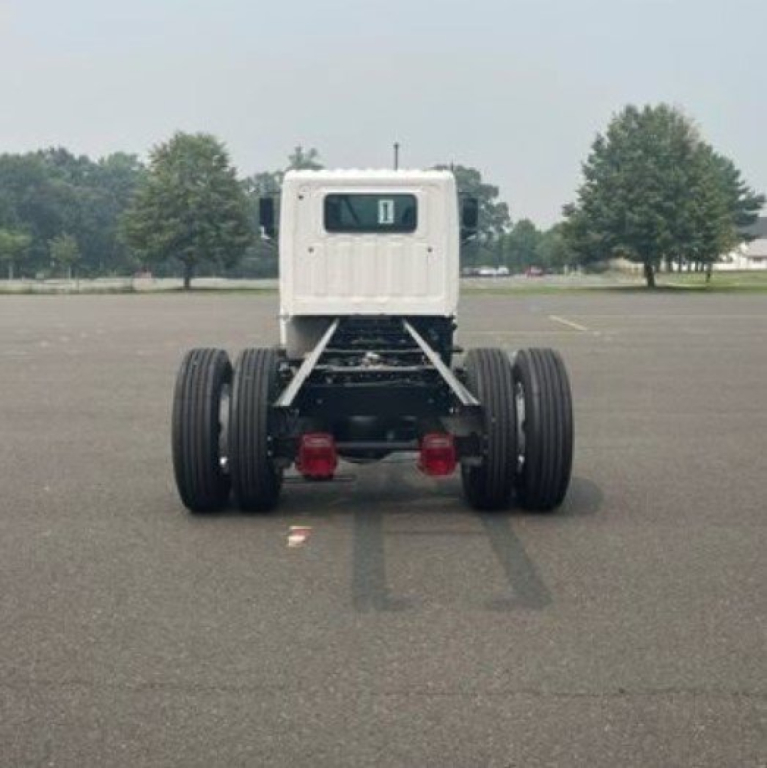
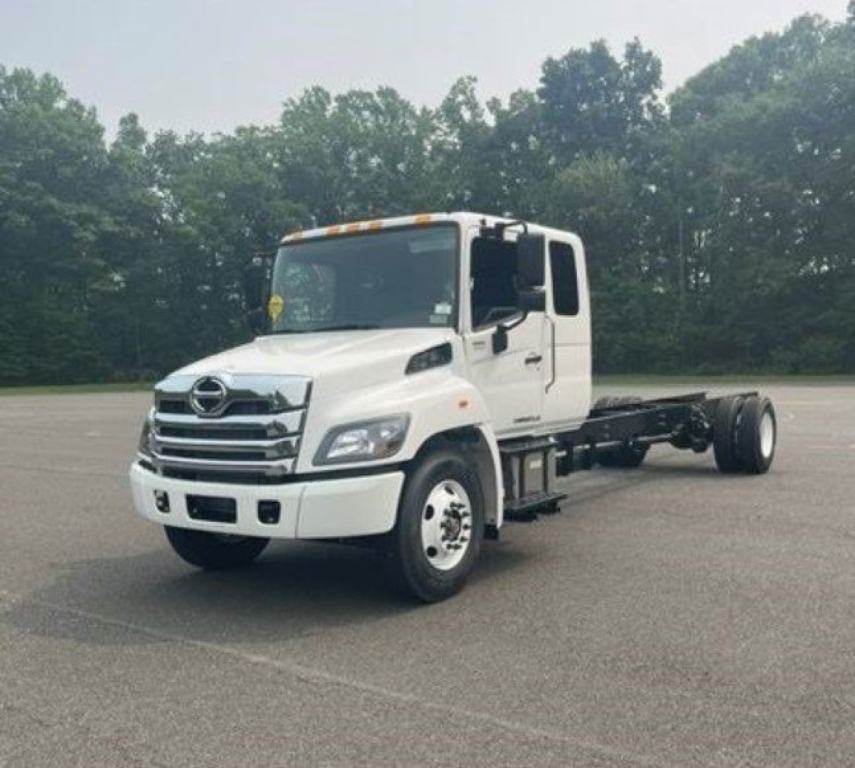
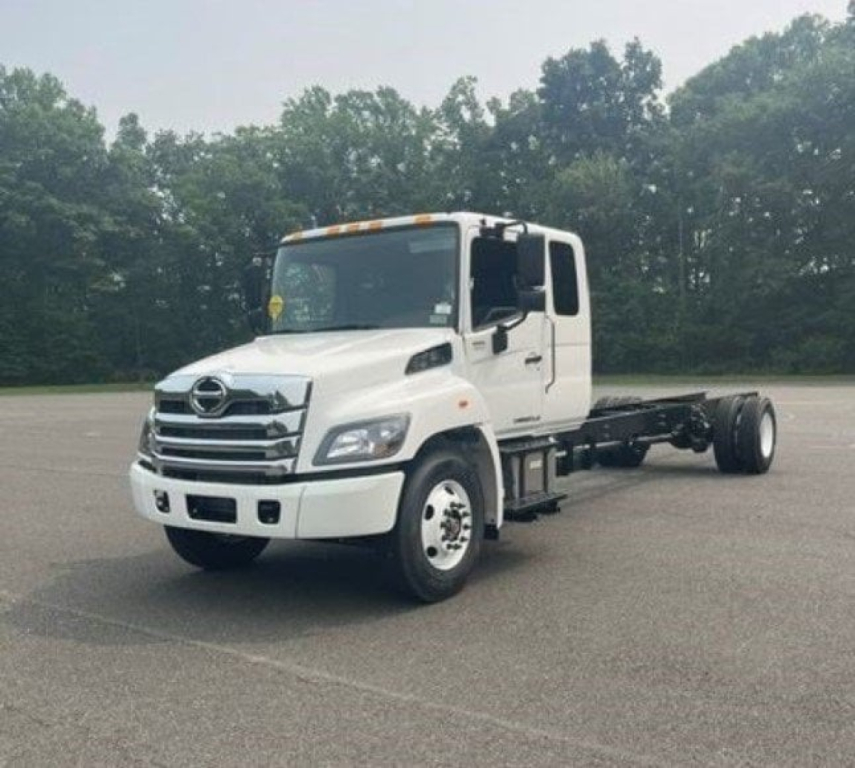
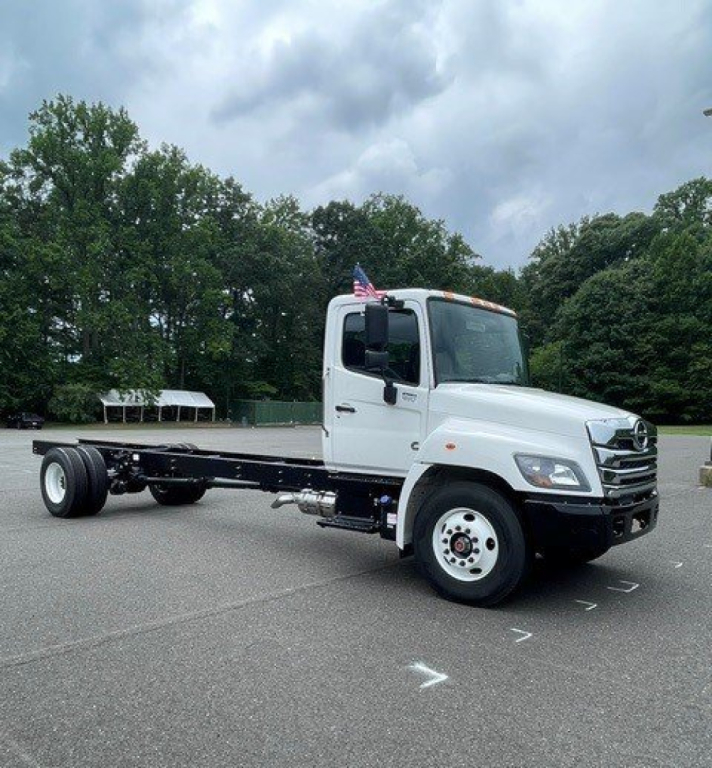
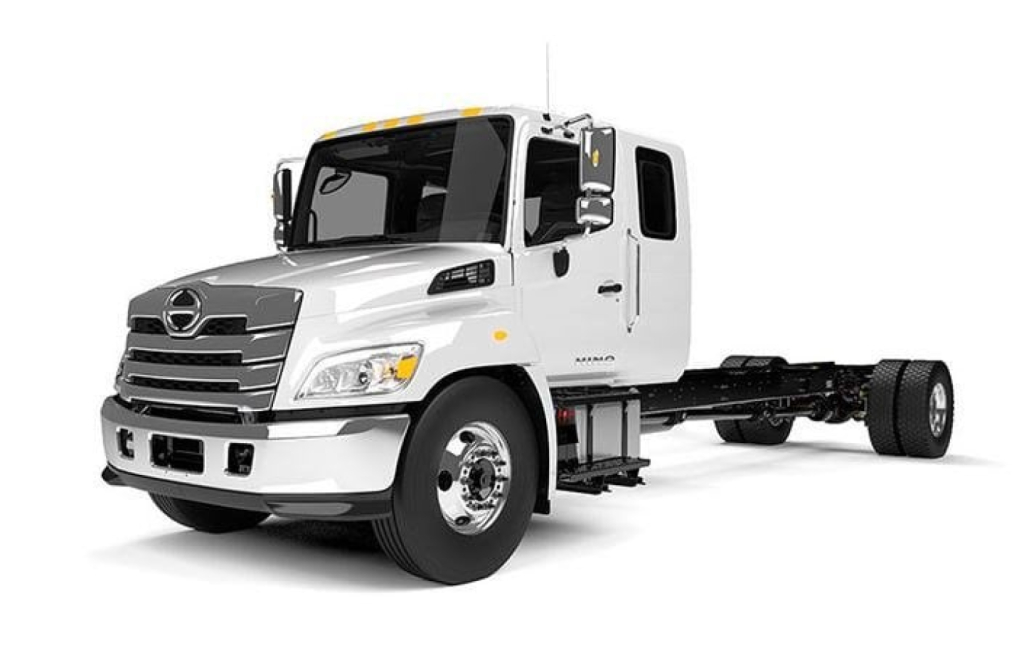
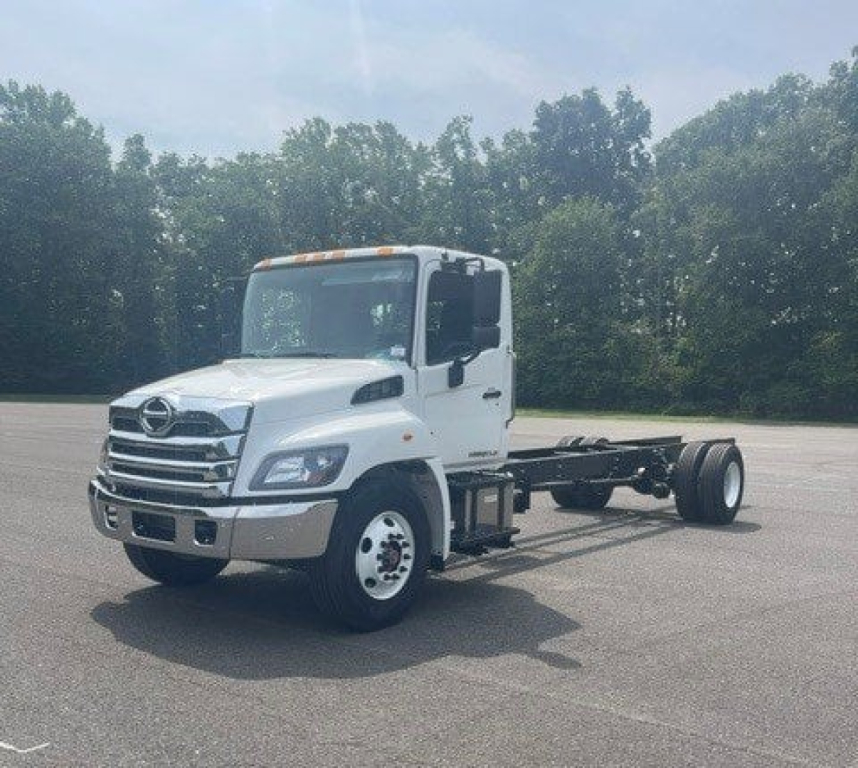
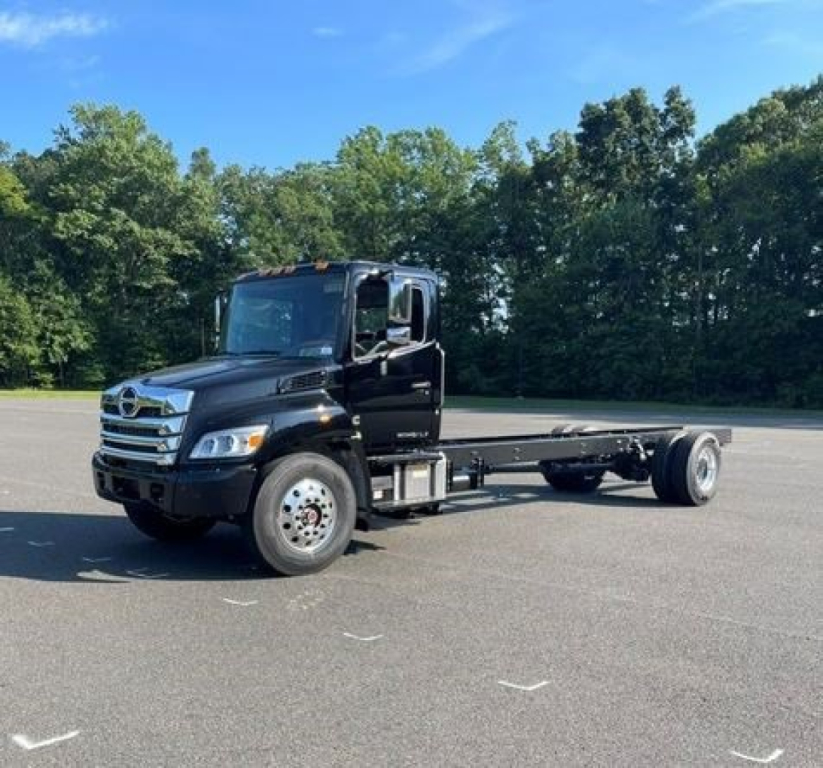
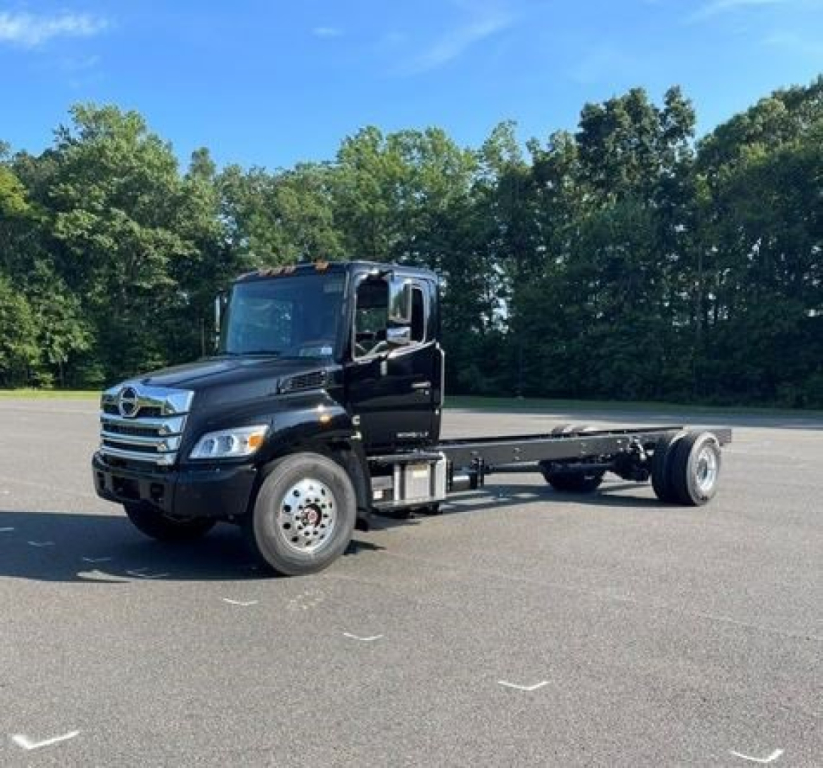
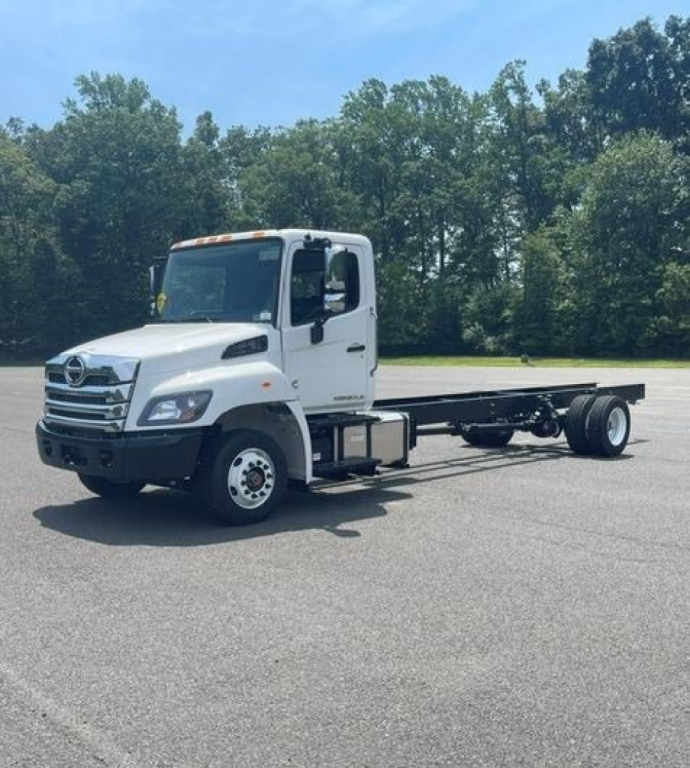
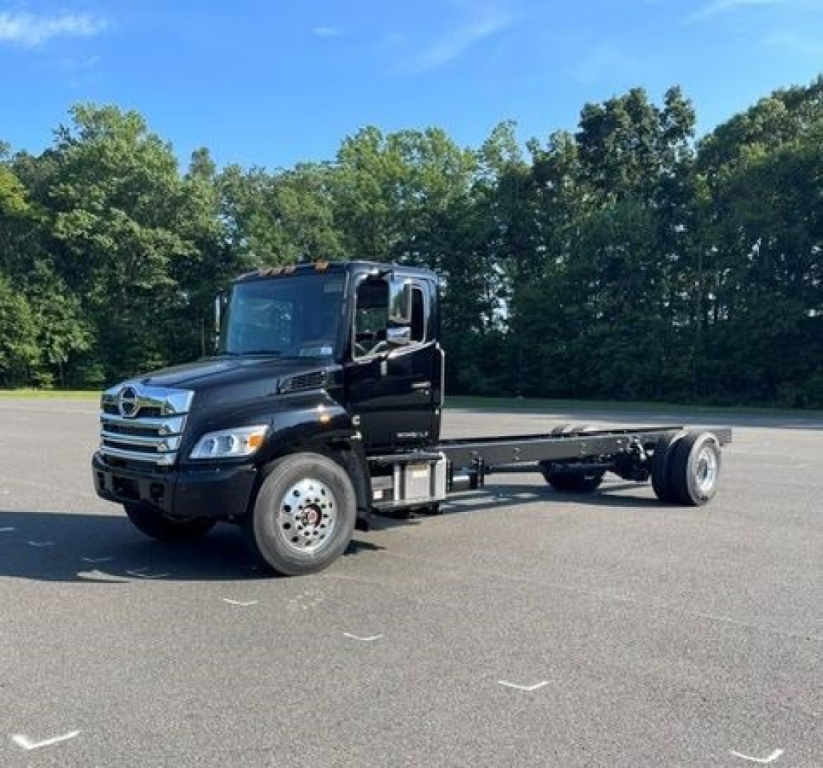
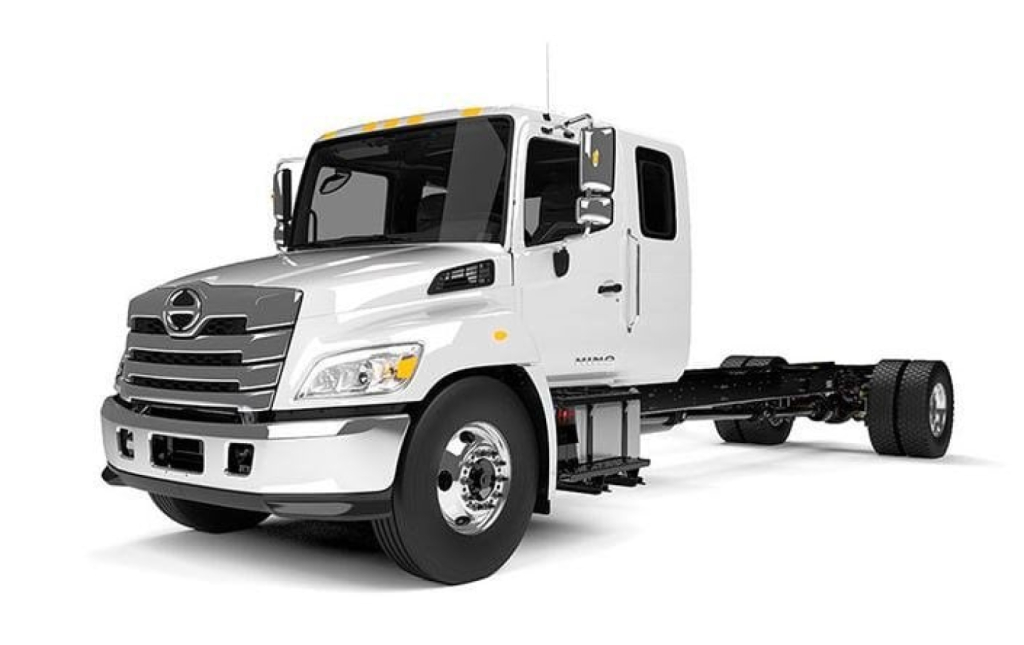
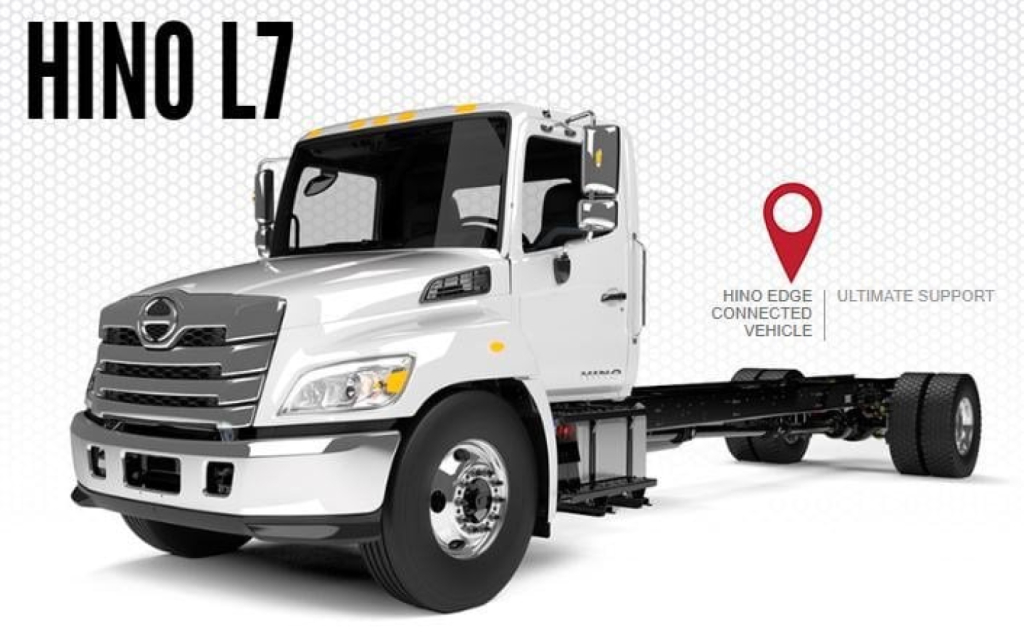
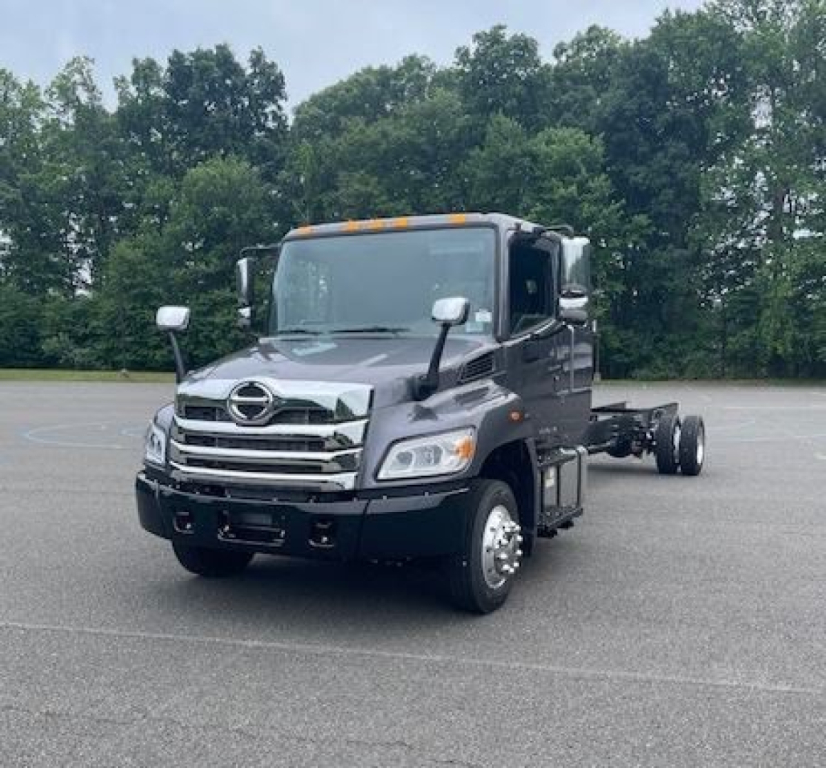
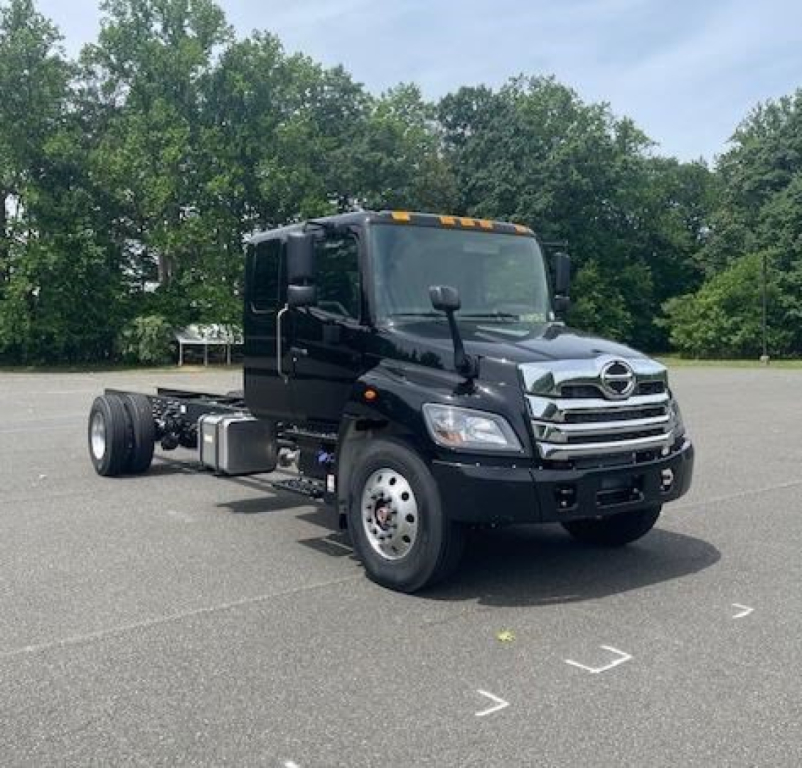
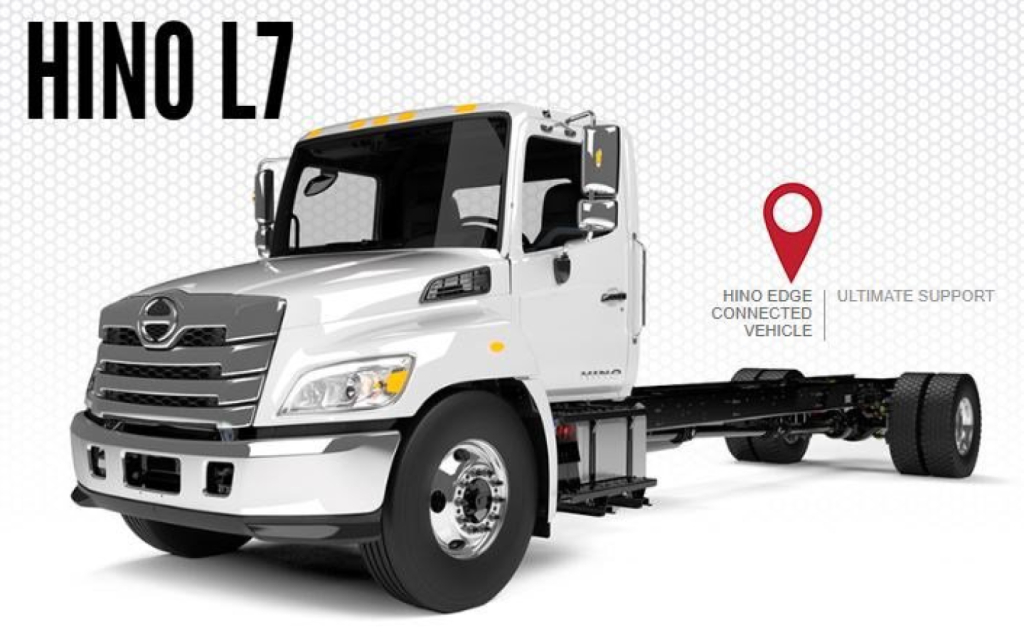
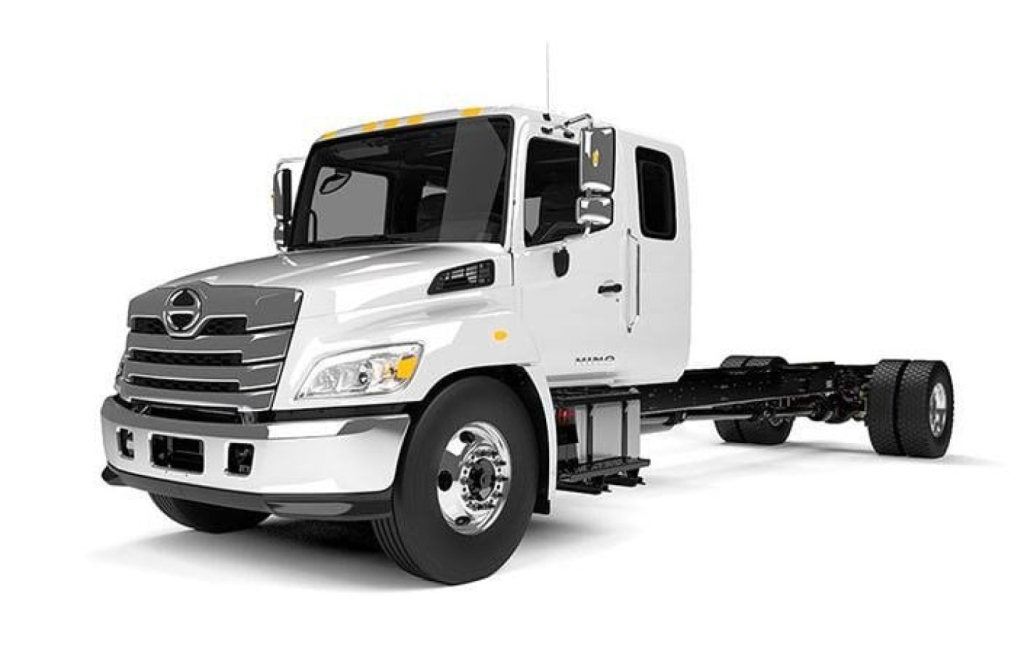
Selling a 2027 hino cab and chassis truck? List your 2027 hino cab and chassis truck for sale and reach thousands of commercial buyers.
2027 Hino Cab and Chassis Trucks in New Jersey
Two of the biggest buying decisions are GVWR and powertrain. Many Hino L6 and L7 configurations are ordered around a 25,950-lb GVWR to stay under CDL thresholds in many applications, which matters for municipal fleets, local delivery operators, and companies hiring broad driver pools in New Jersey and the Northeast. Typical 2027 Hino specs in this segment include the Cummins B6.7 diesel, usually in the 240 to 260 hp range, paired with an Allison automatic such as the 2200 RDS or 2500 RDS. That combination is popular because it is familiar to fleet service departments, works well in stop-and-go duty cycles, and supports PTO-driven equipment for many body types.
Chassis details matter as much as the engine badge. Buyers should pay close attention to cab-to-axle length, wheelbase, rear axle ratio, frame RBM, fuel tank capacity, brake type, and suspension setup before selecting a truck for a body install. An air brake spec can be a plus for heavier vocational use and repeated urban stops, while an extended cab may add useful lockable interior space for crews, tools, and paperwork. If the goal is a 24-foot to 26-foot van body, reefer, or landscape body, confirm body and axle placement with the upfitter so the finished truck balances payload, bridge law considerations, and turning radius.
For New Jersey buyers, Hino cab and chassis trucks fit a wide range of regional work, from local P&D routes to contractor service fleets operating in dense suburban traffic. The Hino L-series is generally chosen for its straightforward medium-duty layout, driver-friendly cab, and compatibility with common commercial body installations. When comparing listings, focus less on trim and more on how the chassis was ordered: GVWR rating, PTO provision, cab style, frame length, and suspension capacity will determine how well the truck performs once the body is mounted and the truck goes to work.
Frequently Asked Questions about 2027 Hino Cab and Chassis Trucks in New Jersey
What is a Hino cab and chassis truck used for?
A Hino cab and chassis truck is used as a base vehicle for installing a commercial body or vocational upfit. Common applications include box trucks, refrigerated trucks, flatbeds, landscaper bodies, dumps, utility bodies, tow bodies, and stake beds. Buyers choose a chassis cab when they need the truck built around a specific payload, body length, or job function rather than buying a pre-bodied truck.
What is the difference between the Hino L6 and Hino L7 cab and chassis?
The Hino L6 and L7 are both medium-duty chassis cab models, but the L7 is generally spec'd for heavier vocational demands and may offer higher output, different transmission pairing, or chassis configurations better suited to tougher body applications. In many listings, the L6 appears with a 240 hp Cummins B6.7 and Allison 2200 RDS, while the L7 often shows a 260 hp version of the same engine with an Allison 2500 RDS. The right choice depends on body weight, payload, PTO needs, and duty cycle.
Why do so many Hino cab and chassis trucks have a 25,950-lb GVWR?
A 25,950-lb GVWR is a common medium-duty rating because it can keep the truck under the 26,001-lb CDL threshold for many operations. That helps fleets widen the available driver pool while still carrying a substantial payload once the body is installed. It is a popular specification for local delivery, beverage, reefer, and service applications, but buyers still need to confirm actual payload after body weight, liftgate weight, and cargo needs are factored in.
What should I check before ordering a body on a Hino chassis cab?
The most important checks are cab-to-axle length, wheelbase, frame length, axle ratings, fuel tank placement, exhaust routing, PTO compatibility, and desired body length. You should also verify the final center of gravity, rear overhang, and loaded axle weights with the body builder. A chassis that looks correct on paper can still become a poor match if the body, liftgate, reefer unit, or tool storage shifts too much weight to one axle.
Are Hino cab and chassis trucks a good fit for New Jersey operations?
Yes. Hino cab and chassis trucks are well suited for New Jersey delivery routes, contractor fleets, and municipal or service work because they can be spec'd for tight urban and suburban operating conditions. Buyers in this market often prioritize non-CDL GVWR ratings, automatic transmissions, good visibility, and wheelbases that balance body capacity with maneuverability on crowded streets and loading areas.