
2027 Hino Cab and Chassis Trucks For Sale
Shop 2027 Hino cab and chassis trucks built for box, reefer, flatbed, and service body upfits with diesel power and medium-duty GVWR options.
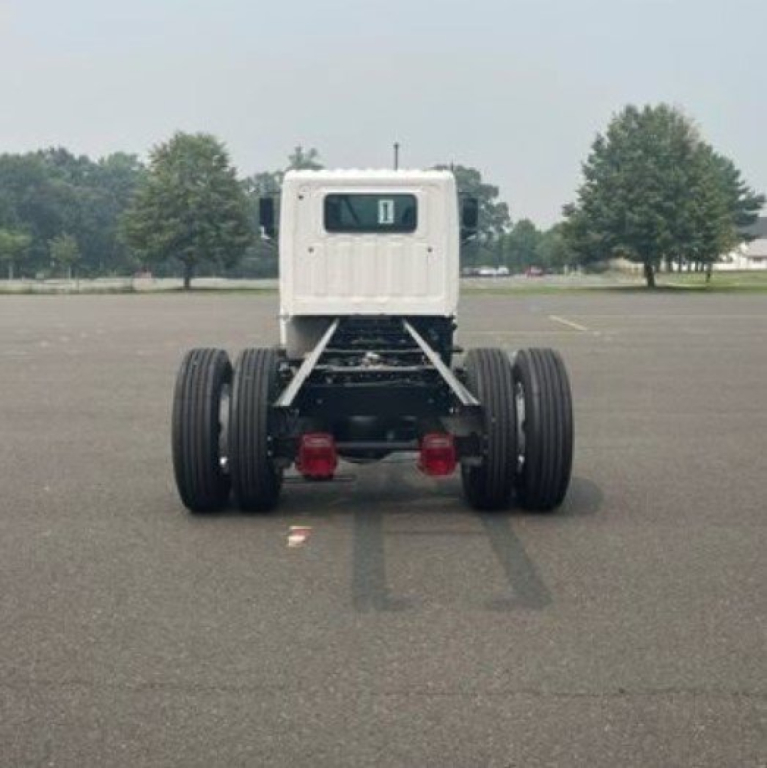
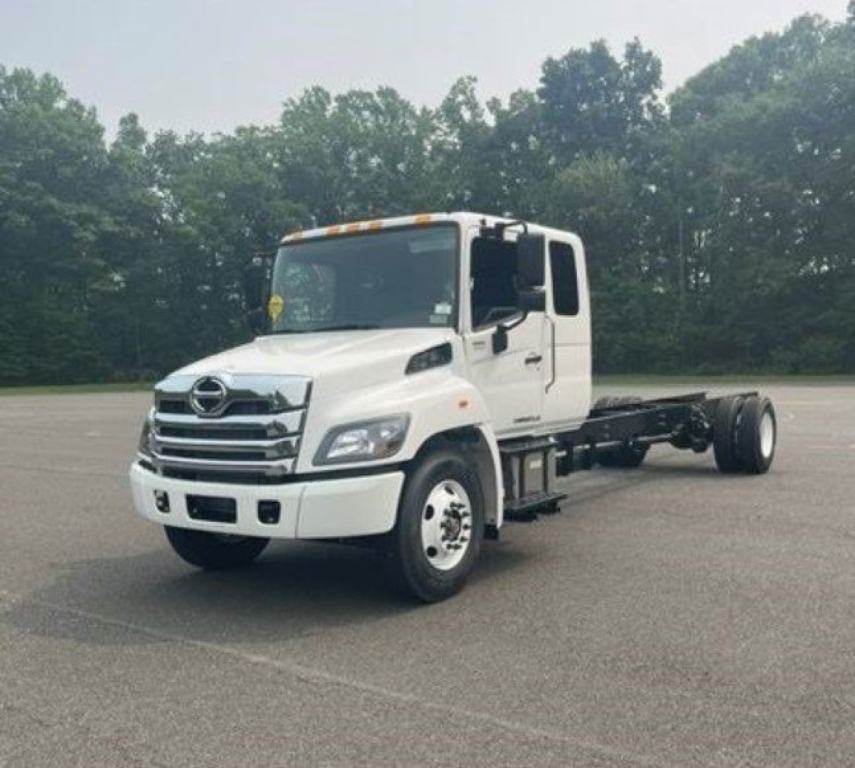
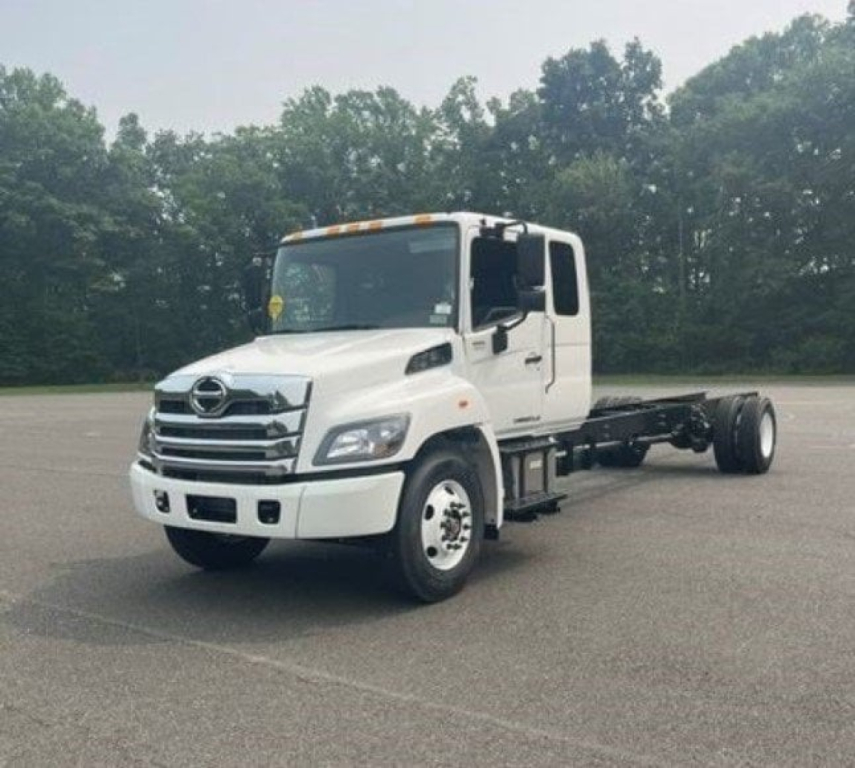
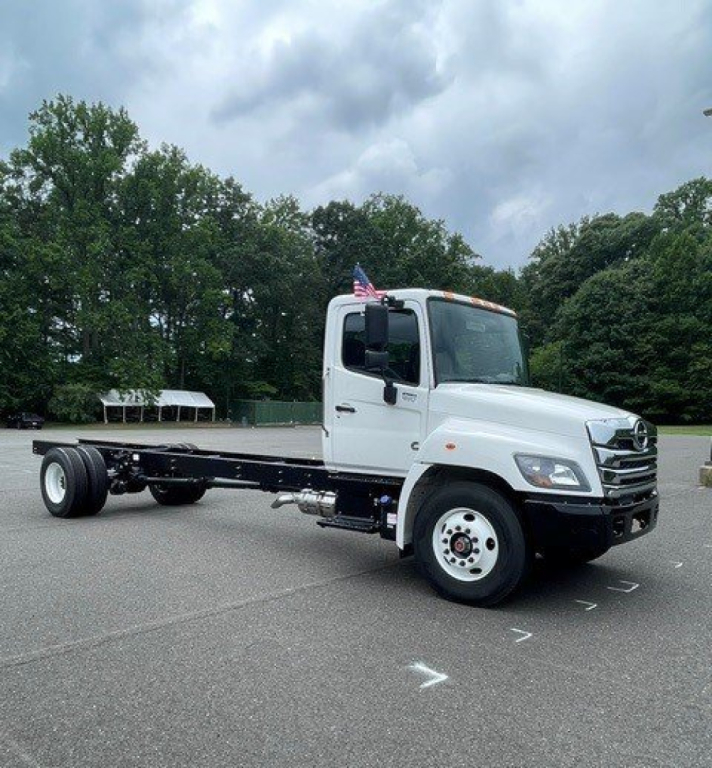
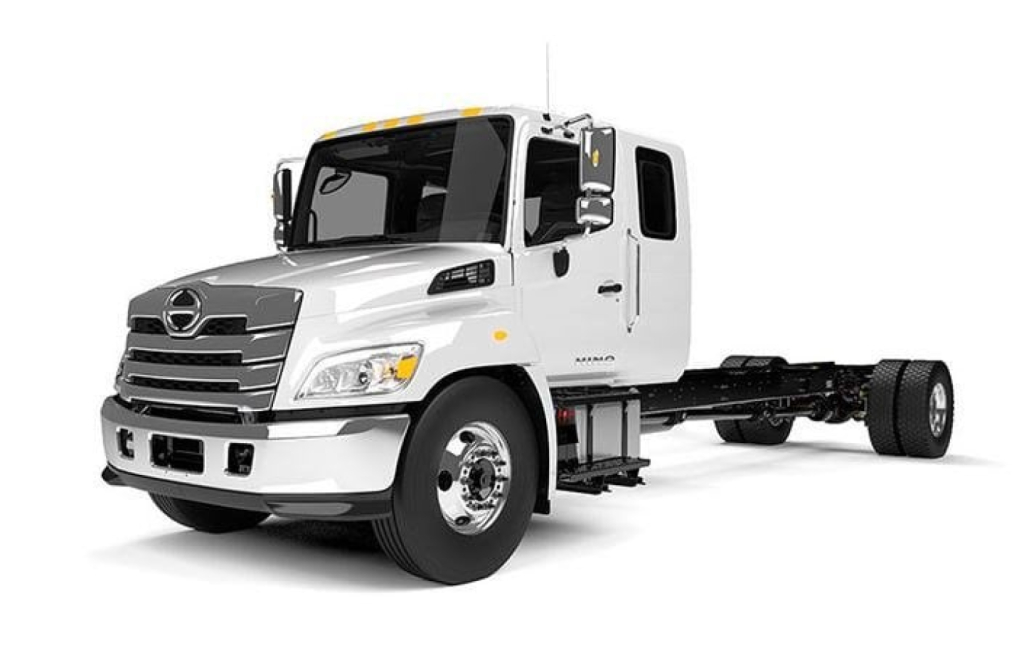
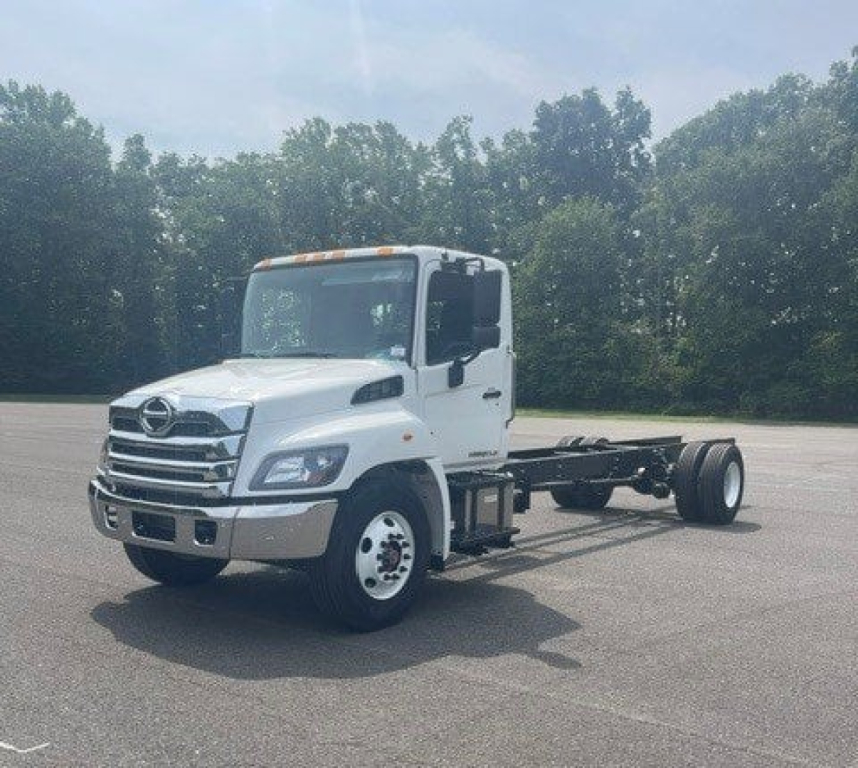
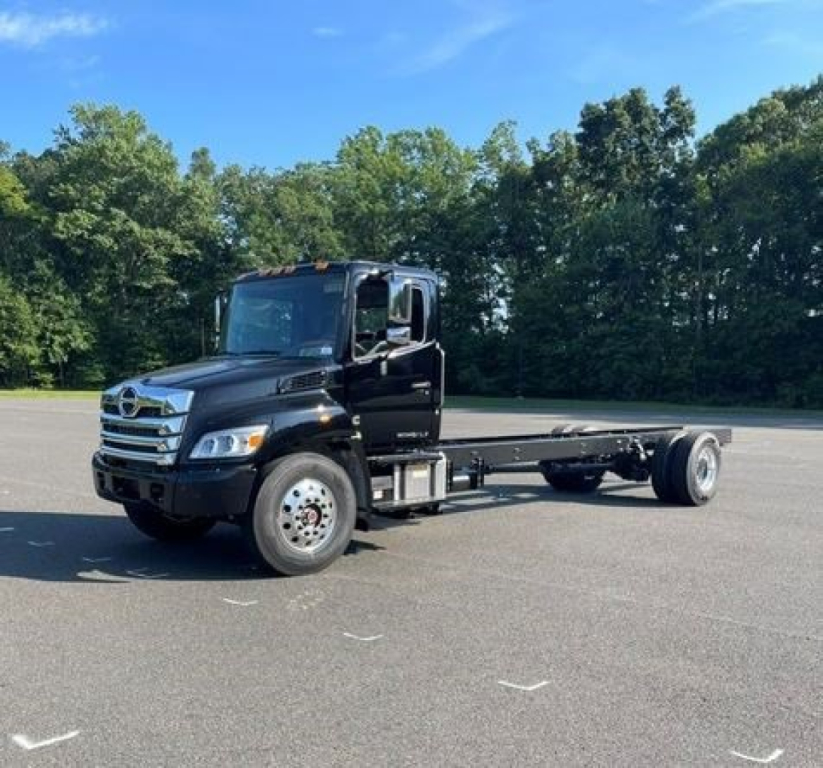
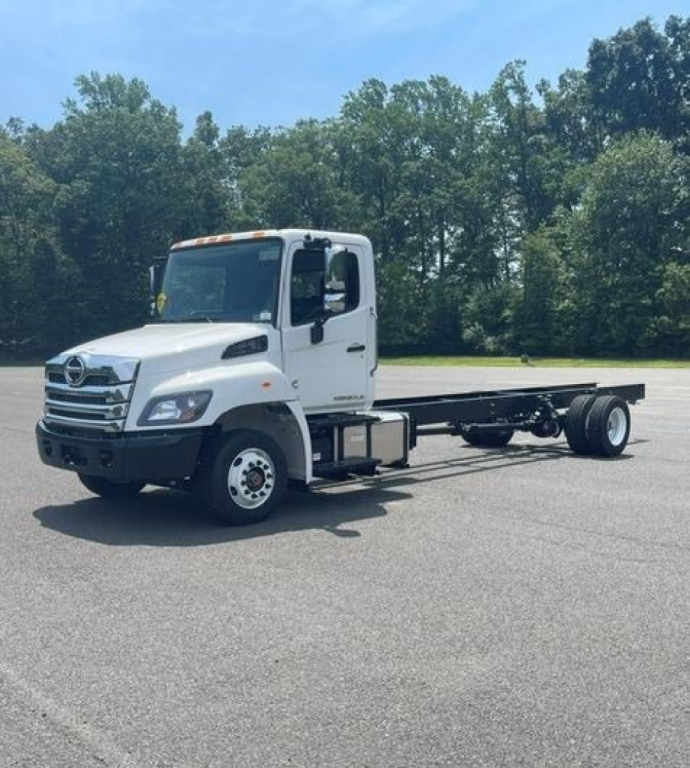
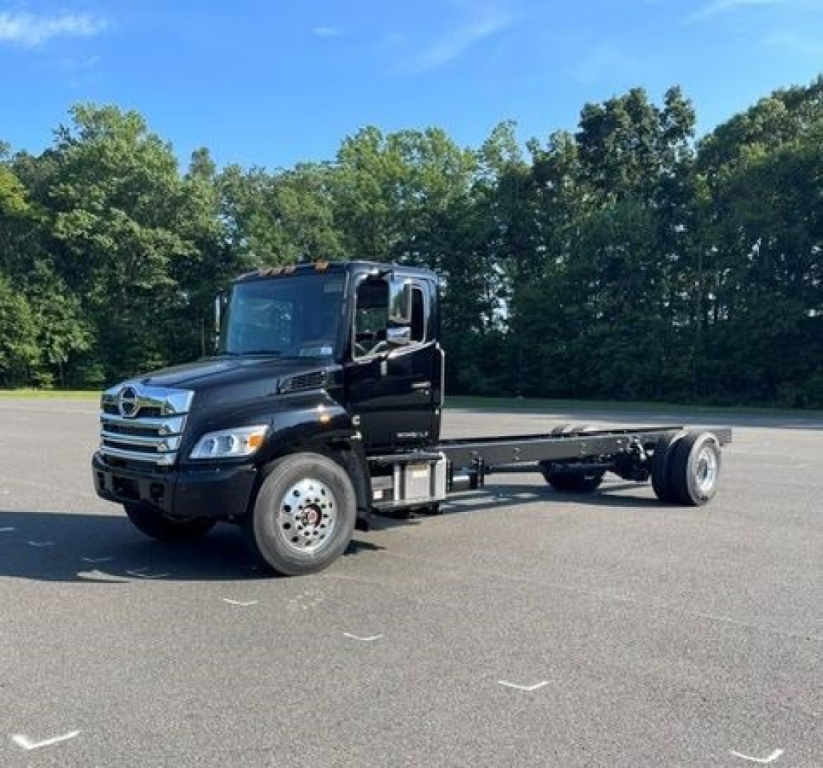
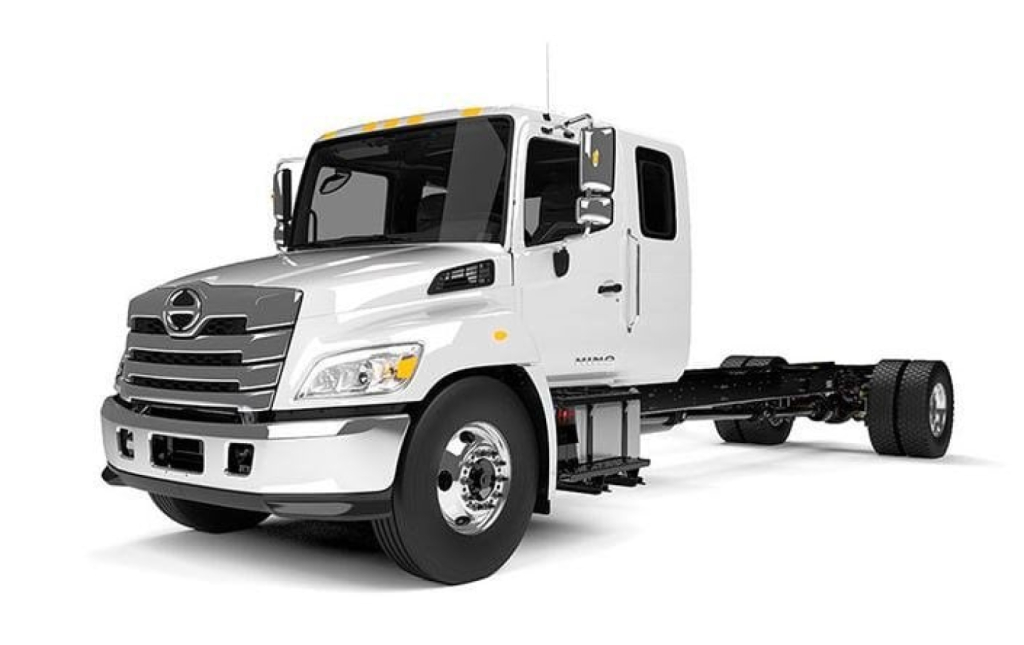
Selling a 2027 hino cab and chassis truck? List your 2027 hino cab and chassis truck for sale and reach thousands of commercial buyers.
2027 Hino Cab and Chassis Trucks
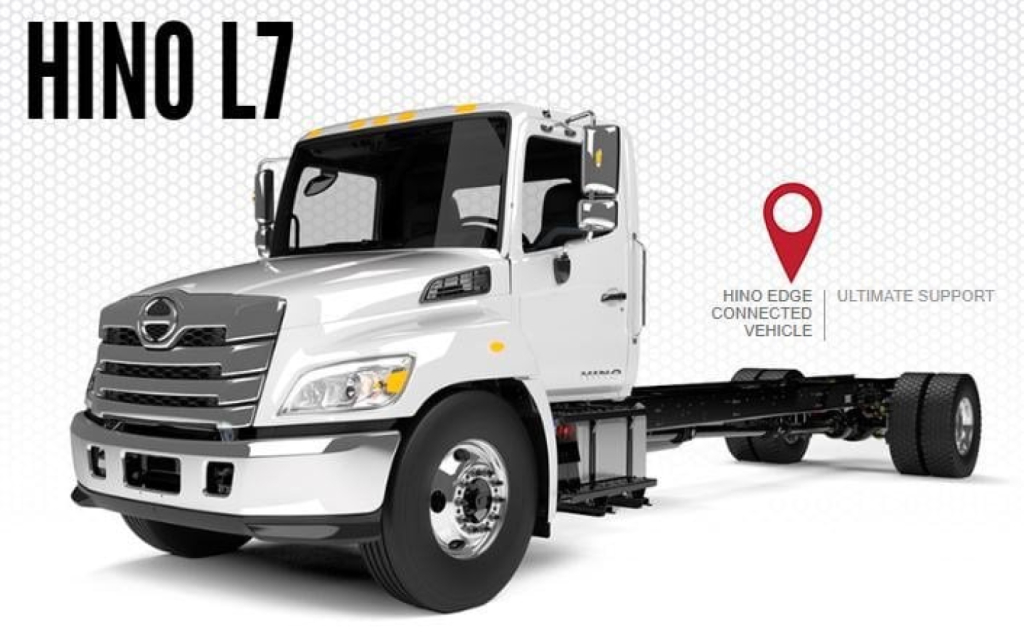
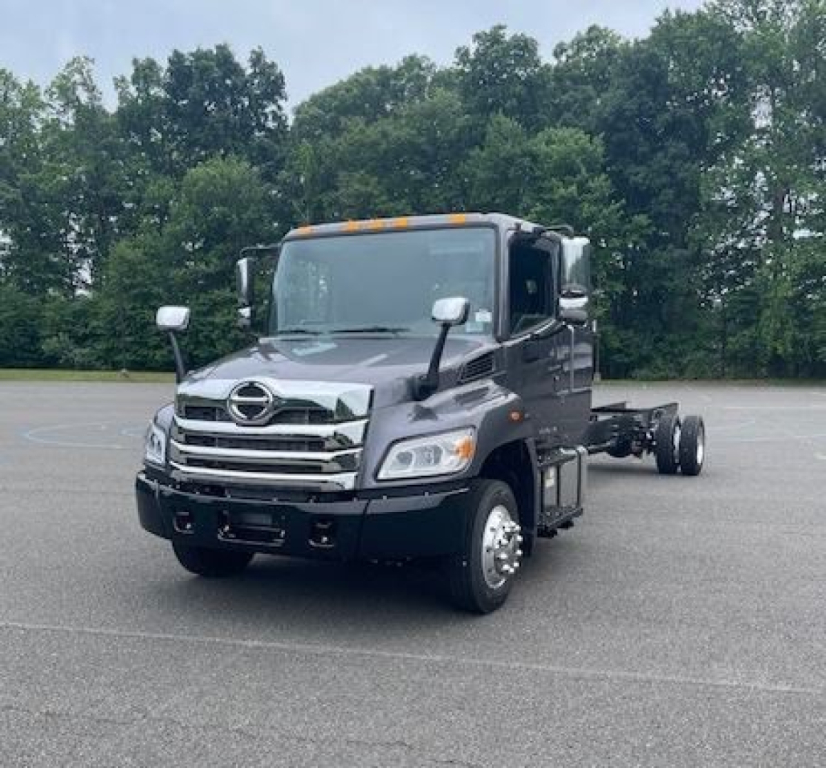
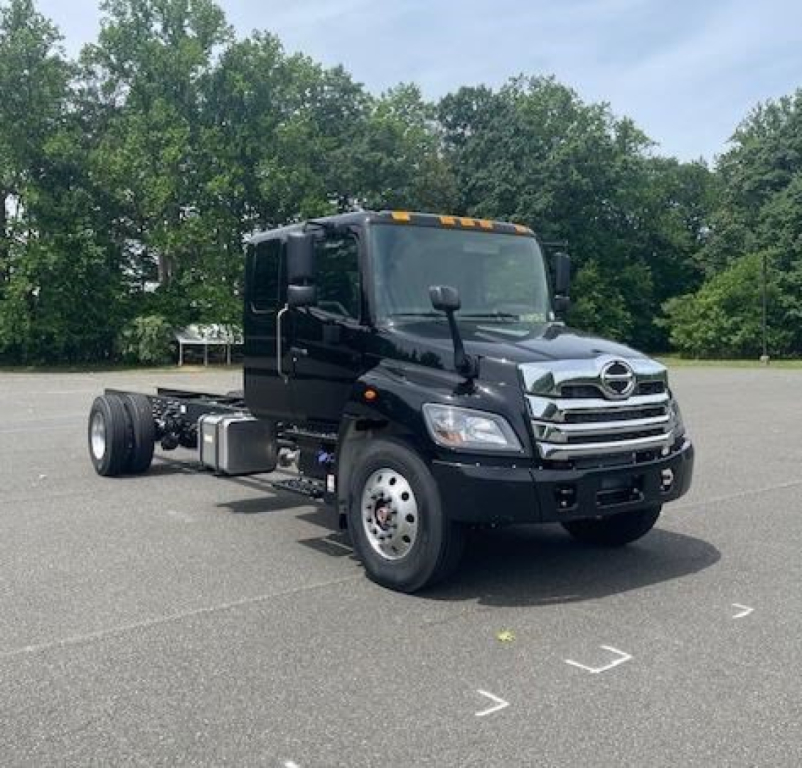
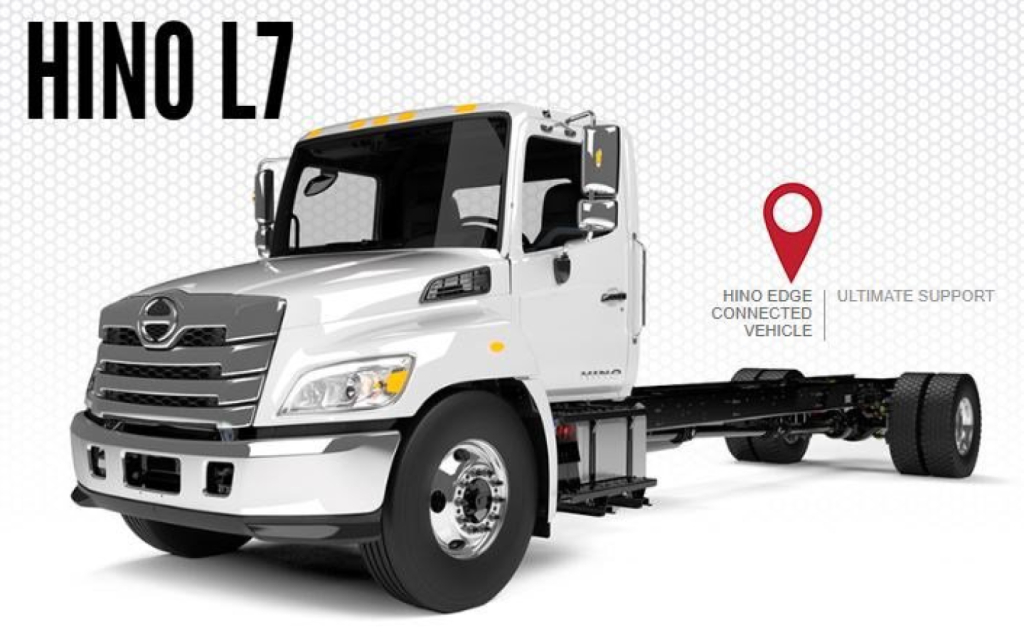
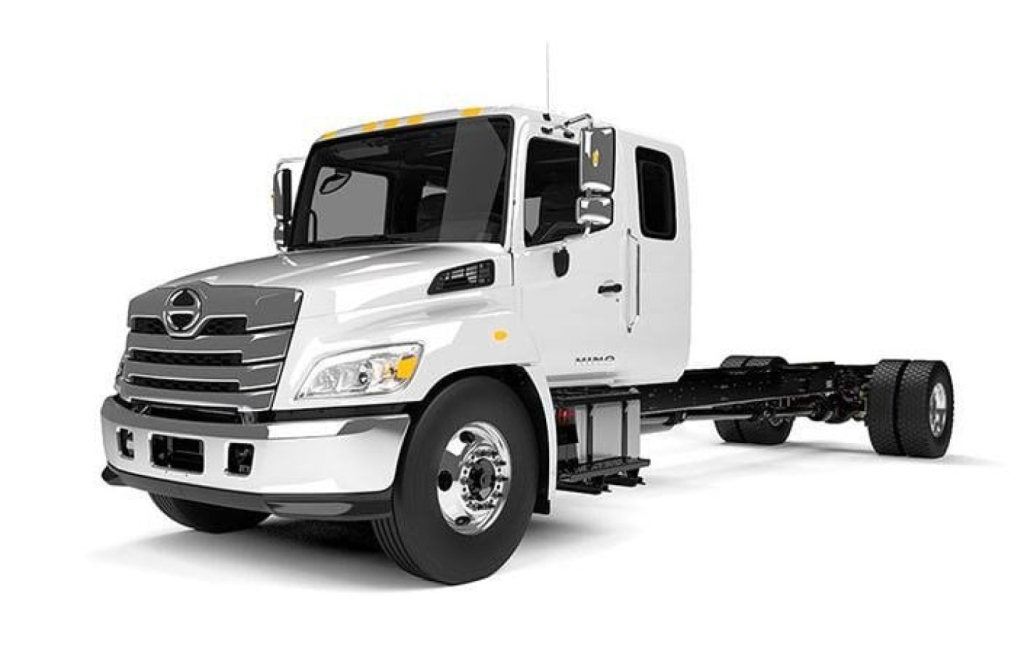
The Hino L Series is the main reference point for this category, with models such as the L6 and L7 frequently spec'd as cab and chassis units. Buyers typically compare GVWR, axle ratings, wheelbase, frame height, and powertrain compatibility with the intended body. Common specs in this class include Cummins B6.7 diesel power, Allison automatic transmissions with PTO provision, and configurations around 25,950 lb GVWR on Class 6 models, with higher ratings available as the chassis moves up. Front axle and rear axle ratings matter just as much as published GVWR, especially if the truck will carry concentrated loads like palletized freight, liftgate work, or equipment mounted behind the cab. Air brakes, air ride suspension, fuel tank capacity, and cab seating are all worth reviewing early because they affect both compliance and day-to-day usability.
Wheelbase selection is one of the biggest purchase factors on a Hino cab and chassis. A longer wheelbase may be needed for a 24 ft to 26 ft box, refrigerated body, or larger stake body, while a shorter setup can improve turning radius for urban delivery and service work. Body and axle placement also affect bridge law considerations, overall length, and ride quality once the truck is completed. Buyers should confirm frame rail dimensions, clear back-of-cab space, exhaust routing, PTO needs, and any body-builder wiring provisions before committing to a chassis. If the truck will run a reefer unit, crane, compressor, pump, or hydraulic package, electrical capacity and PTO compatibility should be checked before the body is installed.
For many fleets, Hino cab and chassis trucks appeal because they balance medium-duty payload capability with a driver-friendly cab. Features often seen in newer trucks include ergonomic controls, air-ride driver seats, LED lighting, and straightforward dash layouts that work well for multi-stop routes. The best spec is the one that matches the finished job, not just the chassis alone. A buyer comparing 2027 Hino cab and chassis trucks should focus on body length target, loaded weight, route type, brake preference, suspension setup, and service access. That approach usually leads to a chassis that performs correctly after the upfit is complete, which is what matters most in this equipment class.
Frequently Asked Questions about 2027 Hino Cab and Chassis Trucks
What is a Hino cab and chassis truck used for?
A Hino cab and chassis truck is a factory-built truck with the cab, frame, drivetrain, and axles in place, but without the final body installed. It is designed to accept an upfit such as a box body, reefer body, flatbed, dump body, rollback, or utility body. This makes it a common choice for delivery fleets, contractors, municipalities, and service businesses that need a truck matched to a specific application.
What should I check first when comparing Hino cab and chassis trucks?
Start with the finished application, then work backward to the chassis. The most important items are GVWR, front and rear axle ratings, wheelbase, frame length, and the body size the truck is meant to carry. Buyers should also verify engine and transmission specs, PTO provision, brake type, suspension, and fuel tank size because those items affect both body installation and operating performance.
Which Hino models are common in the cab and chassis category?
Hino L Series models such as the L6 and L7 are common choices in the cab and chassis segment. These medium-duty trucks are frequently spec'd for local and regional work where buyers need diesel power, automatic transmissions, and body-builder flexibility. Exact capacity depends on the model and spec, so the chassis should always be matched to the intended payload and body length.
How does wheelbase affect a cab and chassis truck?
Wheelbase has a direct impact on what body can be installed, how the truck turns, and how weight is distributed across the axles. A longer wheelbase is often needed for larger van bodies or refrigerated bodies, while a shorter wheelbase can be better for tight urban routes and service applications. Incorrect wheelbase selection can limit body options or create poor axle loading after the upfit is completed.
Are PTO and body-builder provisions important on a Hino cab and chassis?
Yes. PTO provision is important any time the truck will run hydraulic or mechanical equipment such as a dump body, compressor, pump, crane, or refrigeration-related accessory package. Body-builder provisions, wiring access, and electrical capacity can simplify installation and reduce upfit delays. These details should be confirmed before purchase so the chassis supports the equipment it will be expected to run.