
New 2025 Hino Cab and Chassis Trucks For Sale
Shop new 2025 Hino cab and chassis trucks, including L6 and L7 models, built for box trucks, flatbeds, utility bodies, and vocational upfits.
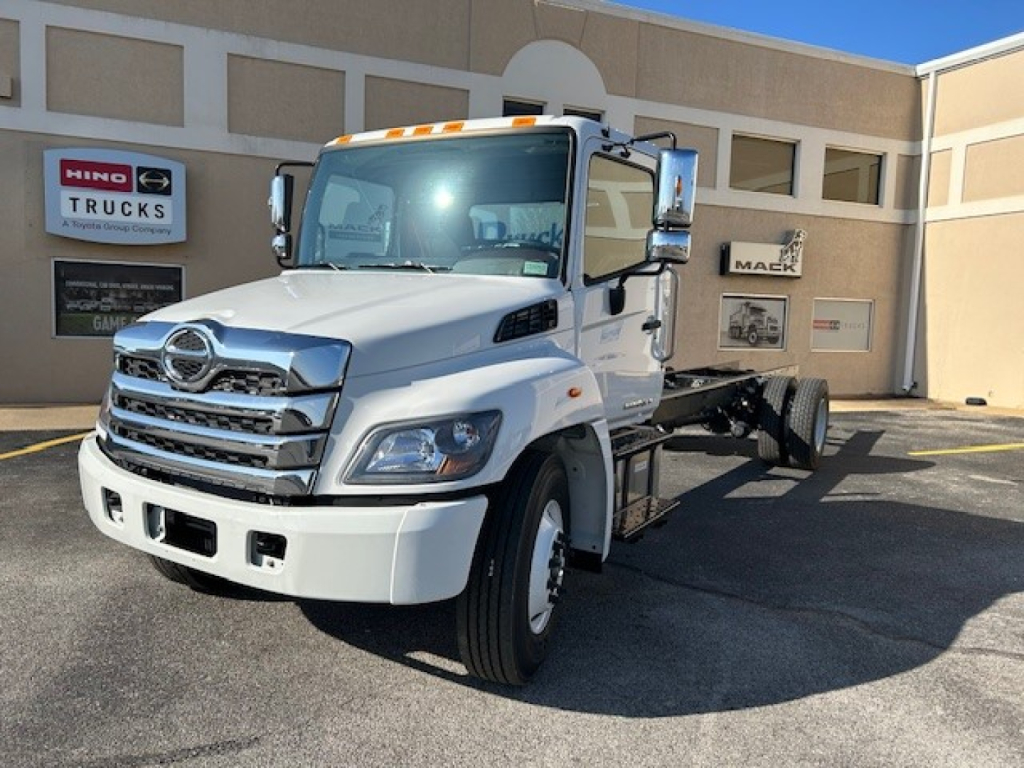
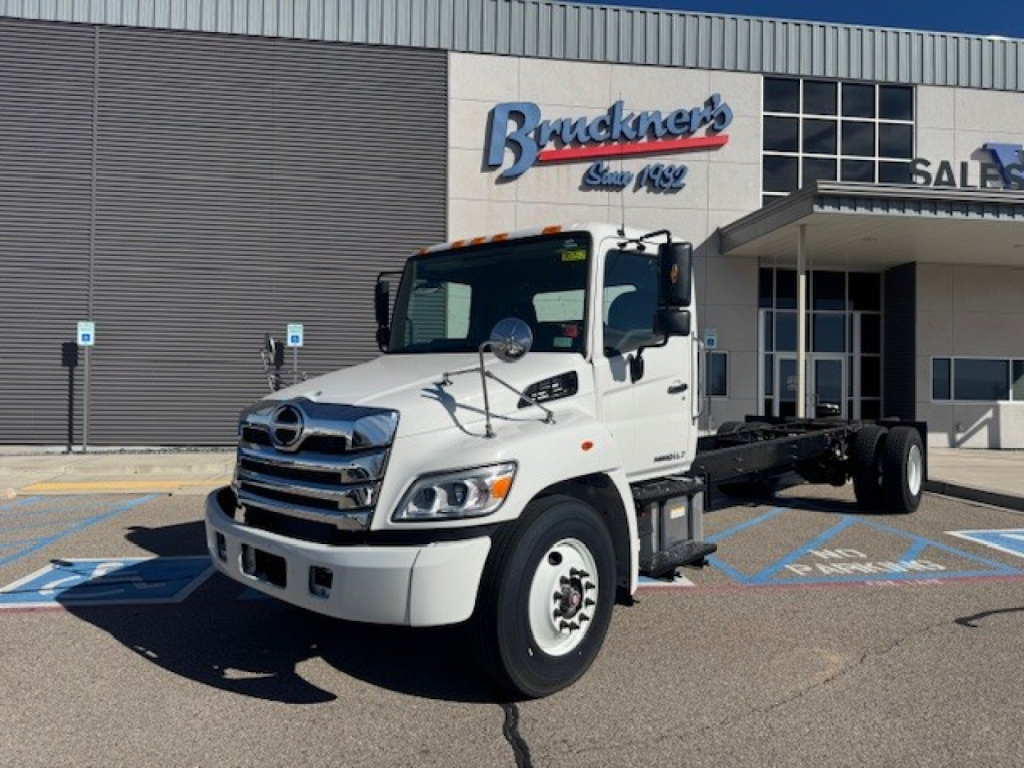
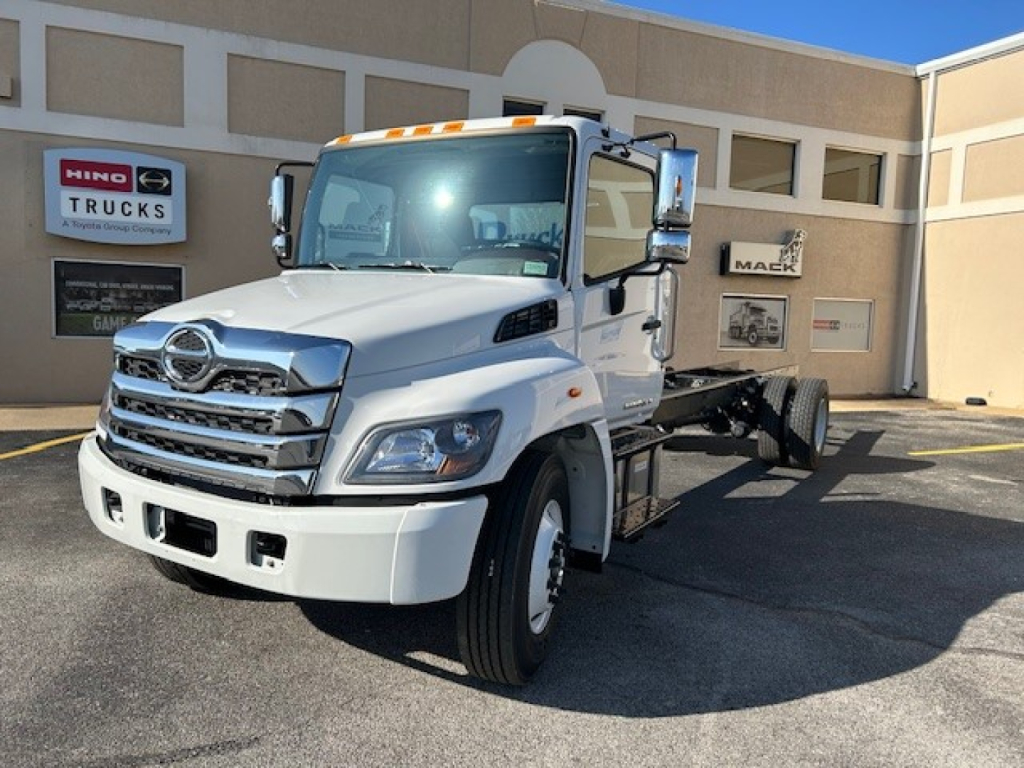
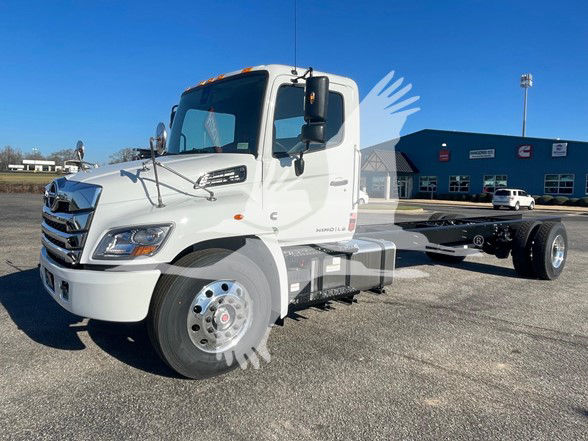
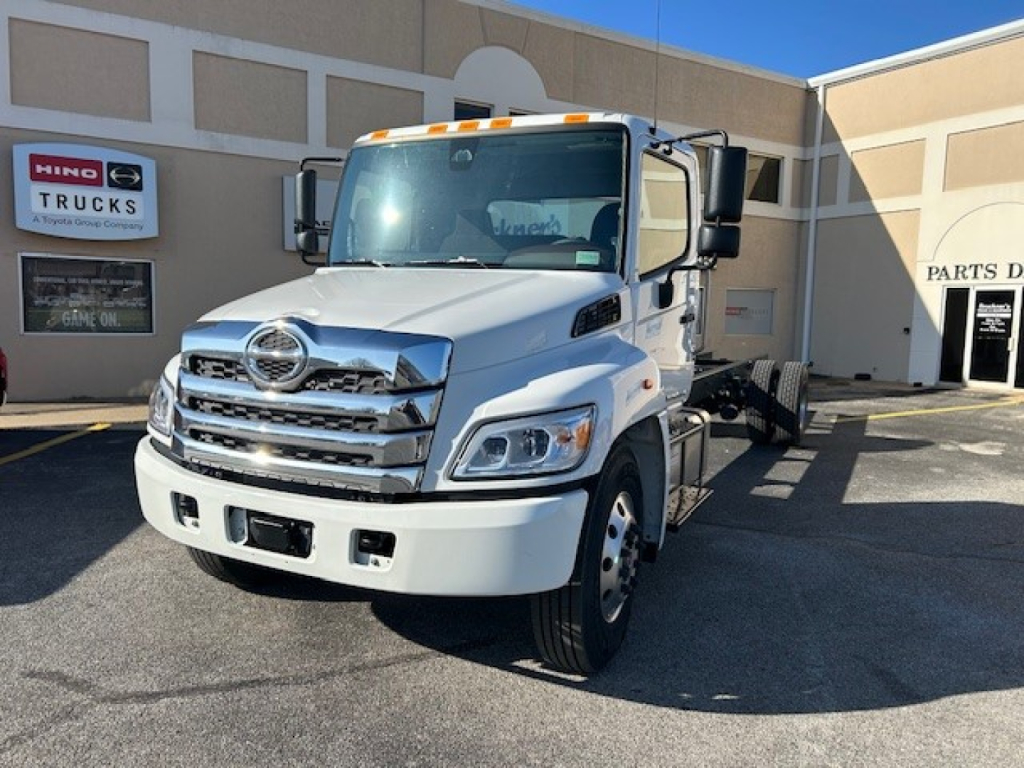
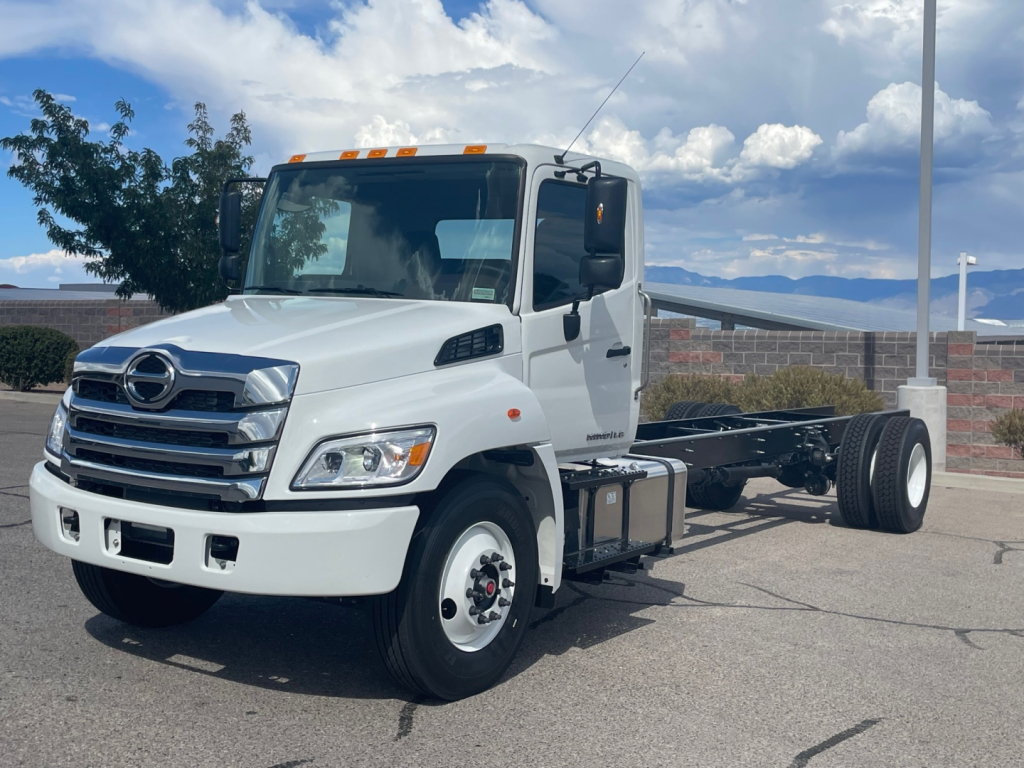
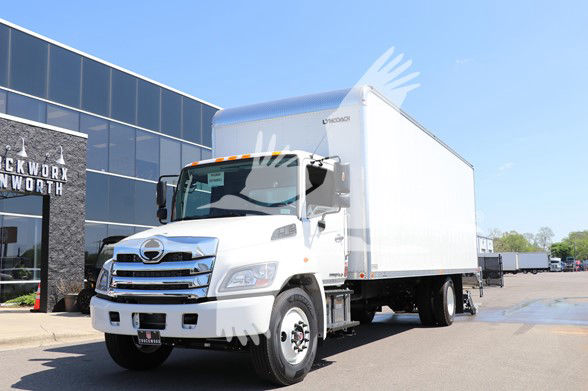
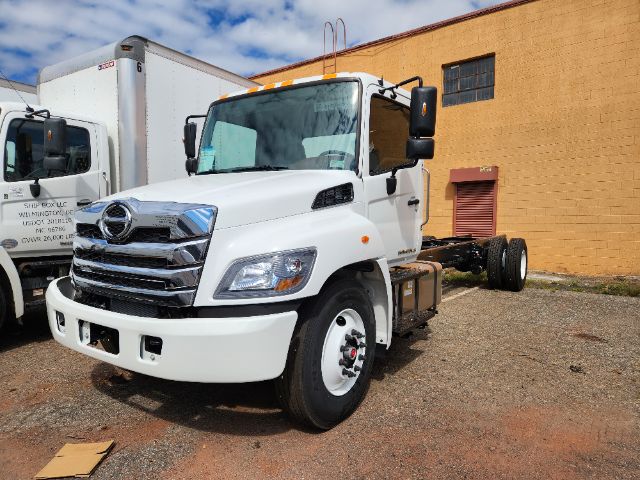
Selling a new 2025 hino cab and chassis truck? List your new 2025 hino cab and chassis truck for sale and reach thousands of commercial buyers.
New 2025 Hino Cab and Chassis Trucks
For buyers comparing 2025 Hino cab and chassis trucks, the powertrain matters because it affects uptime, service access, and driver acceptance. These trucks are commonly paired with the Cummins B6.7 diesel and an Allison automatic transmission, a combination widely used in medium-duty fleets for straightforward operation and broad parts support. Depending on the exact specification, buyers will also see air brake setups, fuel tank size options, cold weather packages, and cab equipment like air conditioning, power heated mirrors, and Bluetooth-capable radios. Those are not cosmetic details. They directly affect cold-start performance, route comfort, and daily usability for delivery, municipal, and contractor work.
Upfit compatibility is where a cab and chassis truck either works for the job or becomes expensive to correct later. Buyers should verify wheelbase, frame height, rear axle rating, and back-of-cab to end-of-frame dimensions before assigning a body. A common example is a medium-duty chassis intended to accept a 24-foot to 26-foot van body, but the same platform may also be suitable for a rollback, dry freight body, reefer, dump insert, or mechanic service body depending on frame and axle spec. Clearance for liftgates, PTO needs, suspension type, and brake configuration should also be checked early in the spec process, especially for vocational or urban stop-and-go service.
Hino cab and chassis trucks are known in the market for practical medium-duty packaging, clean cab ergonomics, and applications that demand frequent starts, short-route delivery, and fleet standardization. A 2025 model appeals to buyers who want current emissions-compliant diesel power, predictable operating controls, and a chassis ready for body installation rather than a preconfigured straight truck. For a buyer sorting through multiple listings, the most important comparison points are GVWR, axle ratings, wheelbase, engine and transmission pairing, brake type, and the exact body the truck is meant to carry. Those details determine legal payload, driver requirements, upfit cost, and long-term usability far more than the badge on the hood alone.
Frequently Asked Questions about New 2025 Hino Cab and Chassis Trucks
What is a Hino cab and chassis truck used for?
A Hino cab and chassis truck is a medium-duty truck sold as a bare chassis behind the cab so it can be fitted with a specific body. Common uses include dry van bodies, refrigerated bodies, flatbeds, stake beds, landscape bodies, utility bodies, and service bodies. The main advantage is flexibility. The buyer can match the chassis to the exact body, payload, and route profile instead of buying a completed truck with a body that may not fit the operation.
Is a 2025 Hino L6 cab and chassis a non-CDL truck?
Many 2025 Hino L6 cab and chassis trucks are spec'd at 25,950 lbs GVWR, which keeps them below the 26,001-lb federal CDL threshold. That makes them attractive for delivery and service fleets trying to maximize payload while keeping driver qualification simpler. Buyers still need to confirm the exact GVWR on the individual truck, because axle ratings, body choice, and final upfit can affect legal operating requirements.
What should I verify before installing a body on a Hino cab and chassis?
The most important items are wheelbase, back-of-cab to axle measurement, usable frame length, frame height, rear axle capacity, and GVWR. You should also confirm brake type, suspension, PTO compatibility if needed, and any clearance requirements for liftgates or specialized equipment. A truck can look correct on paper and still be a poor fit for the intended body if one of those dimensions is off. Early coordination between the chassis spec and the body builder prevents costly rework.
What engines and transmissions are common in new Hino medium-duty cab and chassis trucks?
A common setup in this class is the Cummins B6.7 diesel paired with an Allison automatic transmission. That combination is popular because it is familiar to fleet technicians, easy for drivers to operate, and well suited to urban and regional duty cycles. Exact horsepower, transmission model, and brake configuration vary by chassis spec, so buyers should compare the complete driveline rather than assuming every truck is equipped the same way.
What is the difference between a Hino L6 and L7 cab and chassis?
The L6 is commonly chosen for medium-duty applications where non-CDL GVWR and van body compatibility are priorities, including many 24-foot to 26-foot body installations. The L7 typically moves into heavier vocational work, larger body options, or higher-capacity applications that need more chassis capability. The practical difference comes down to GVWR, axle ratings, wheelbase choices, and the type of body and payload the truck is expected to handle every day.