
New 2025 Hino Cab and Chassis Trucks For Sale in Arkansas
Shop new 2025 Hino cab and chassis trucks in Arkansas, including L6 and L7 models built for bodies like box, dump, flatbed, and service trucks.
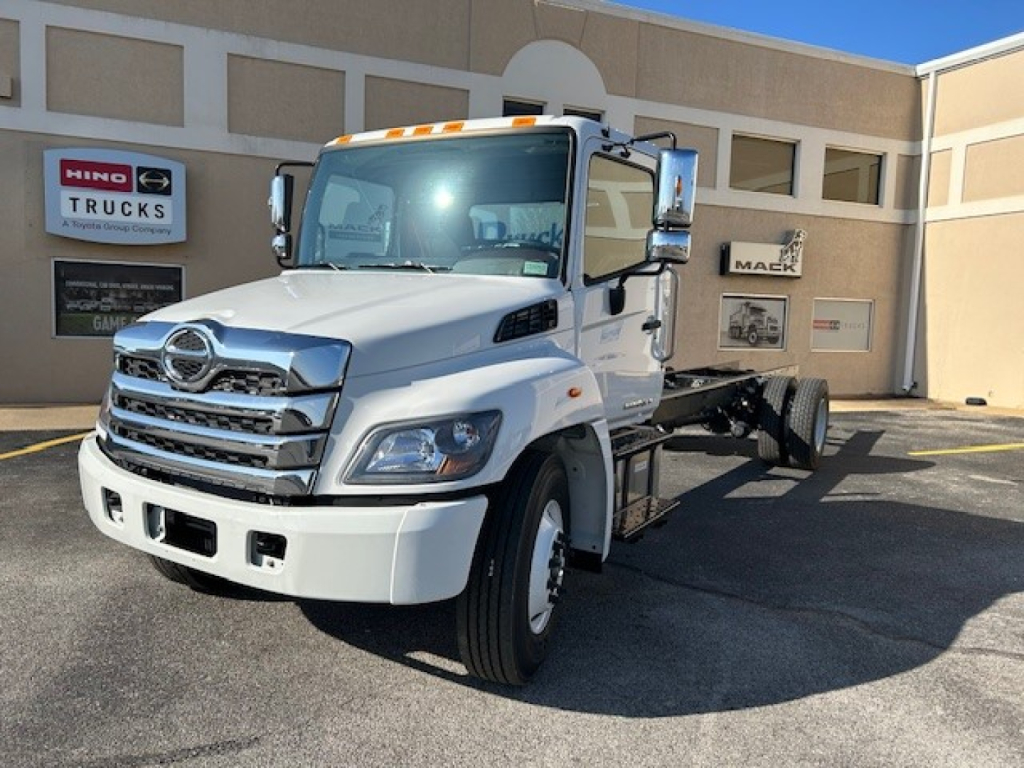
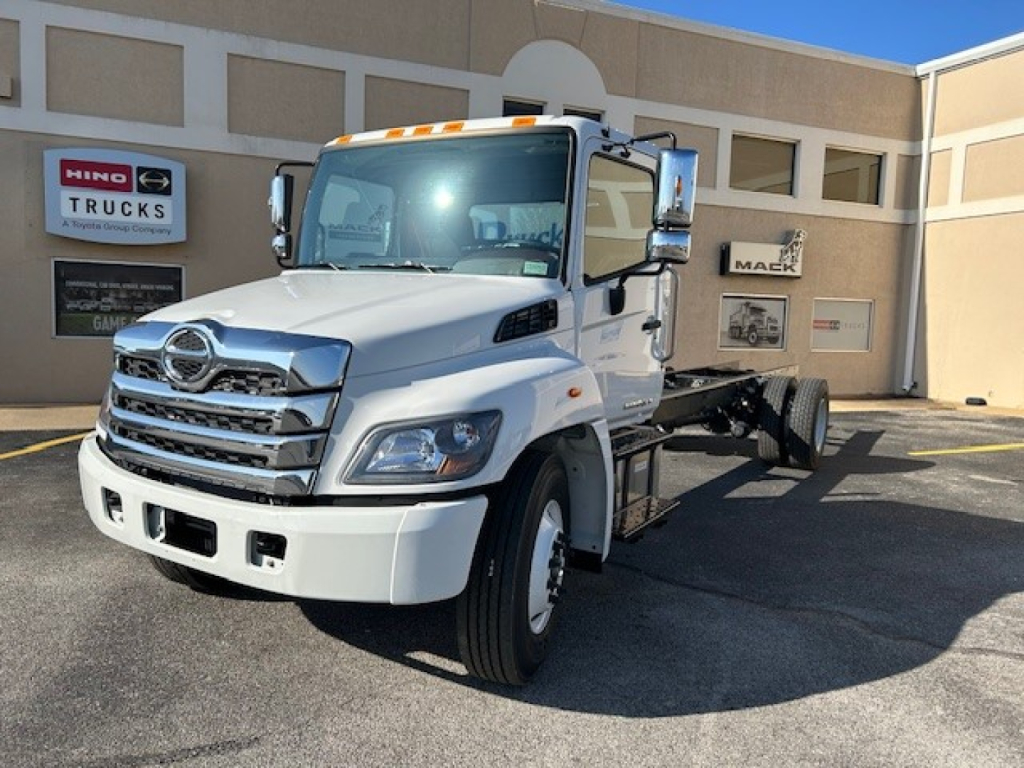
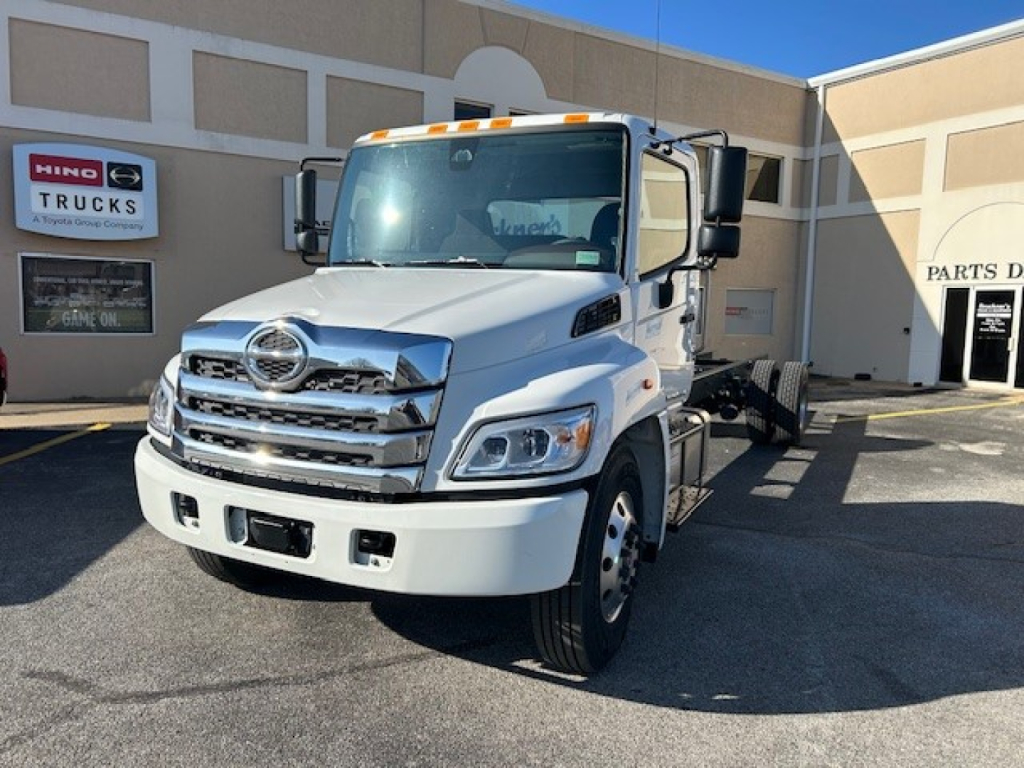
Selling a new 2025 hino cab and chassis truck? List your new 2025 hino cab and chassis truck for sale and reach thousands of commercial buyers.
New 2025 Hino Cab and Chassis Trucks in Arkansas
The most important buying decision is matching GVWR, wheelbase, and axle ratings to the body you plan to mount. In this class, buyers often compare Hino L6 and Hino L7 chassis based on front axle capacity, rear axle capacity, suspension type, and frame dimensions. The L6 generally fits many Class 6 applications where maneuverability and payload balance are key, while the L7 steps up for heavier Class 7 work and more demanding vocational bodies. Powertrain choices commonly include Cummins diesel engines such as the ISB6.7 or L9 paired with Allison automatic transmissions like the 3500 RDS, a combination widely used for reliability, PTO capability, and easier driver training in mixed fleets.
Upfit planning is where a cab and chassis purchase is won or lost. Wheelbase and cab-to-axle measurement need to match the intended body length, and buyers should confirm frame height, exhaust routing, fuel tank placement, and any body-builder provisions before the truck goes to the upfitter. For Arkansas operations, rear axle ratio and suspension setup can matter just as much as horsepower. A truck running stop-and-go municipal or local delivery routes may prioritize low-speed response and durability, while a chassis set up for highway miles may benefit from gearing that keeps engine speed controlled at cruise. If the body requires hydraulic equipment, crane operation, refrigeration, or towing functions, check PTO compatibility, electrical provisions, and cooling capacity early in the spec process.
New Hino cab and chassis trucks also appeal to fleets focused on uptime and driver acceptance. Cab access, visibility, turning radius, and automatic transmission availability all matter when the truck will be used by multiple drivers over long service intervals. Buyers should review brake configuration, tire size, wheelbase options, and expected completed vehicle weight rather than shopping by model badge alone. A properly spec'd 2025 Hino cab and chassis can be a strong foundation for a long-service work truck, but the best value comes from choosing a chassis that fits the body, route profile, and operating weight from day one.
Frequently Asked Questions about New 2025 Hino Cab and Chassis Trucks in Arkansas
What is the difference between a Hino L6 and Hino L7 cab and chassis?
The Hino L6 is typically used for Class 6 medium-duty applications, while the Hino L7 is generally spec'd for heavier Class 7 work. The practical difference comes down to GVWR range, axle capacities, frame strength, and how much body and payload the chassis is expected to carry. Buyers comparing the two should focus on the completed truck weight, body type, wheelbase requirement, and duty cycle instead of choosing by model name alone.
What bodies can be mounted on a 2025 Hino cab and chassis?
A 2025 Hino cab and chassis can be configured for many commercial bodies, including dry van bodies, refrigerated bodies, flatbeds, stake beds, dump bodies, utility bodies, hooklift systems, rollback carriers, and service bodies. The right fit depends on cab-to-axle dimension, frame length, axle ratings, and PTO or electrical requirements. Body planning should be done before purchase so the chassis dimensions and options support the upfit without costly modifications.
Why are Allison automatic transmissions common in Hino cab and chassis trucks?
Allison automatic transmissions are common because they are well suited to stop-and-go commercial work, vocational use, and fleets with multiple drivers. They simplify operation, reduce driver fatigue, and often integrate well with PTO-driven equipment depending on the build. In applications such as delivery, municipal work, towing, and utility service, that combination of ease of use and vocational compatibility is a major advantage.
What should Arkansas buyers look for in a new Hino cab and chassis truck?
Arkansas buyers should pay close attention to axle ratio, suspension type, cooling capacity, and the planned body installation. Route conditions can vary from urban delivery and short-cycle service work to regional highway use, so the chassis should be spec'd for the actual terrain, payload, and operating speed. Corrosion exposure, seasonal heat, and the need for dependable PTO performance can also influence the right chassis setup.
How do I choose the right wheelbase for a cab and chassis truck?
The correct wheelbase is based on the body length, weight distribution, and required cab-to-axle measurement. A wheelbase that is too short can limit body options or create balance issues, while an unnecessarily long chassis can hurt maneuverability and add weight. The best approach is to confirm the body manufacturer's dimensional requirements first, then match the chassis so the completed truck meets axle loading, turning radius, and application needs.