
New Hino Cab and Chassis Trucks For Sale in Arkansas
Shop new Hino cab and chassis trucks in Arkansas. Compare L6, L7, and XL7 specs for body upfit, GVWR, wheelbase, and drivetrain needs.
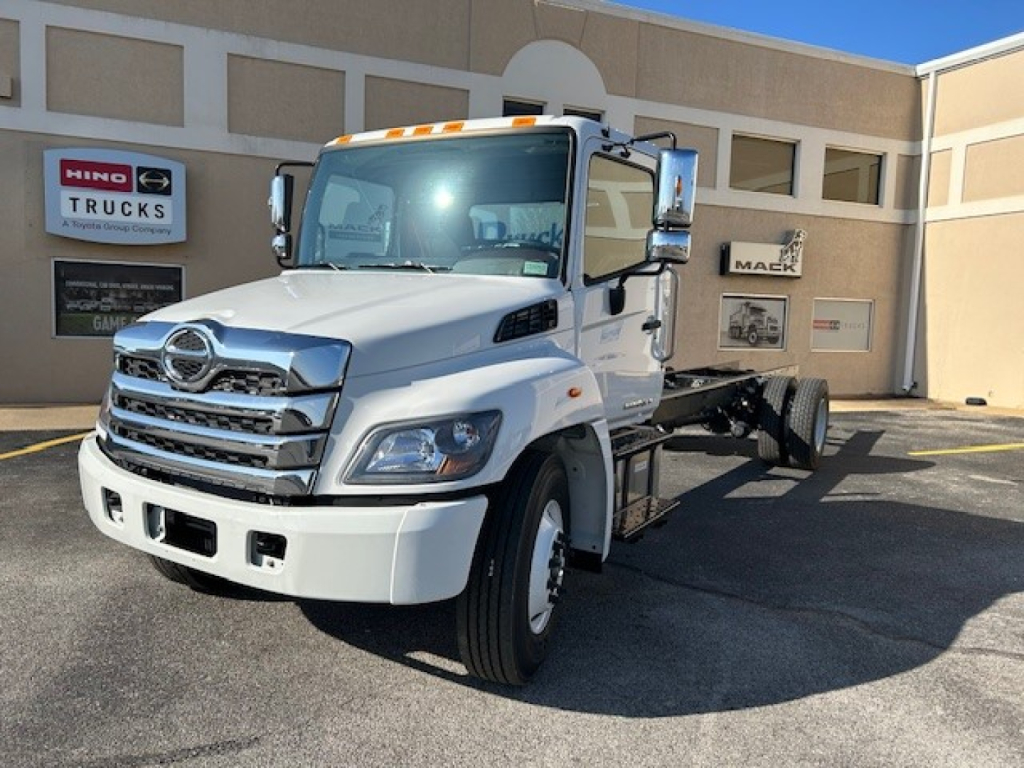
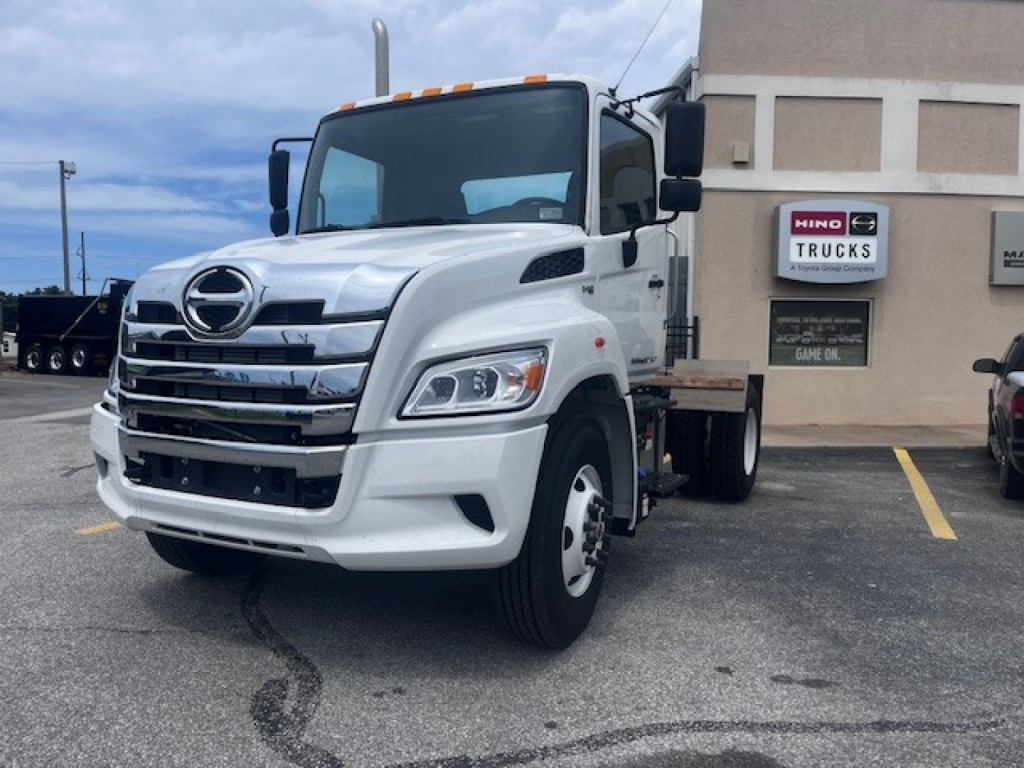
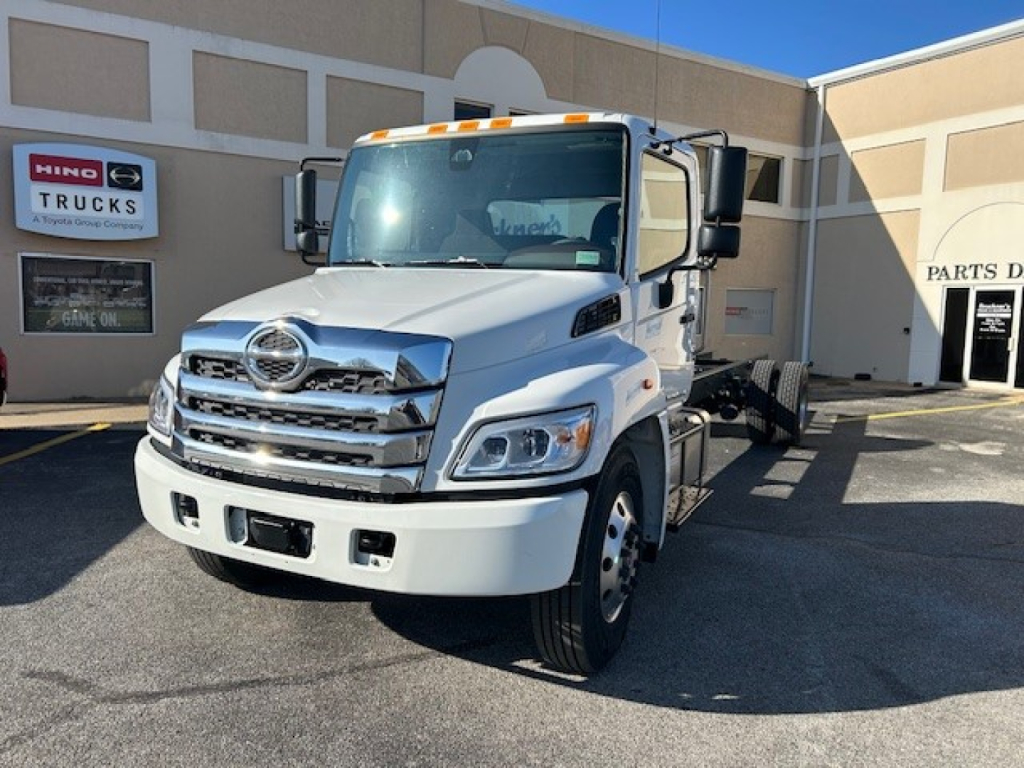
Selling a new hino cab and chassis truck? List your new hino cab and chassis truck for sale and reach thousands of commercial buyers.
New Hino Cab and Chassis Trucks in Arkansas
The first decision is usually capacity and engine package. Hino L-Series and XL-Series cab and chassis trucks are often spec’d with Cummins diesel power, commonly the B6.7 or L9 depending on model and GVWR target, paired with Allison automatic transmissions such as the 2500 or 3500 RDS. That combination is popular because it fits municipal, contractor, and regional delivery work where ease of operation and PTO compatibility matter. Buyers should compare front axle ratings, rear axle ratings, rear axle ratio, suspension type, and wheelbase carefully, since those specs determine body length, payload distribution, turning radius, and how well the truck handles a loaded jobsite or stop-and-go route.
Wheelbase and cab-to-axle dimensions are what make a cab and chassis truck work for the body builder. A short wheelbase can improve urban maneuverability, but a longer wheelbase may be required for larger van bodies, landscape bodies, or equipment-hauling setups. It is also worth confirming frame height, frame rail dimensions, and any factory body-builder provisions before ordering an upfit. Hino cab and chassis trucks are often chosen by fleets that want straightforward serviceability, diesel durability, and a clean platform for PTO-driven equipment, liftgates, cranes, compressors, or hydraulic systems.
For Arkansas operations, application matters as much as badge and horsepower. Local beverage routes, HVAC fleets, municipalities, and construction contractors all use cab and chassis trucks differently, so suspension spec, tire size, fuel tank placement, and brake configuration should line up with the body and the route. If the truck will spend time on rough county roads or mixed pavement and gravel, spring suspension, axle ratio, and tire selection become more important. If it will live in town, visibility, ingress-egress, and turning radius may matter more. A well-matched new Hino cab and chassis saves money after the upfit by improving body compatibility, reducing overloaded axle issues, and giving the truck the right driveline for the work it will actually do.
Frequently Asked Questions about New Hino Cab and Chassis Trucks in Arkansas
What is a Hino cab and chassis truck used for?
A Hino cab and chassis truck is a commercial truck sold as a bare chassis with cab so it can be fitted with a specific vocational body. Common uses include box trucks, refrigerated trucks, flatbeds, stake beds, dump bodies, utility bodies, service trucks, tow bodies, and landscape bodies. The chassis is selected based on the body length, payload, axle ratings, and operating environment rather than as a finished one-purpose truck.
What Hino models are common in cab and chassis configurations?
Common Hino cab and chassis models include the L6, L7, and XL7. The L6 and L7 are popular medium-duty choices for local delivery, service, and municipal work, while the XL7 moves into heavier Class 7 applications with higher axle capacities and stronger body-upfit potential. Exact specs vary by model year and build, so buyers should compare GVWR, wheelbase, engine, transmission, and axle ratings closely.
How do I choose the right wheelbase on a new Hino cab and chassis?
The right wheelbase depends on the planned body, desired cab-to-axle dimension, turning radius, and axle loading after the truck is fully upfitted. A longer body generally requires a longer wheelbase, but going too long can hurt maneuverability and add unnecessary weight. Buyers should confirm the body builder’s required cab-to-axle measurement and then review how the final load will sit across the front and rear axles so the truck stays balanced and legal.
Why are Cummins engines and Allison transmissions common on Hino chassis trucks?
Cummins diesel engines and Allison automatic transmissions are common because they are widely supported in commercial service networks and well suited to vocational duty cycles. Many fleets prefer the combination for stop-and-go work, PTO applications, and driver familiarity. It also simplifies training and service planning when the truck will be used in delivery, contractor, municipal, or utility service.
What specs matter most before upfitting a Hino cab and chassis?
The most important specs are GVWR, front and rear axle ratings, wheelbase, cab-to-axle, frame dimensions, engine and transmission, rear axle ratio, suspension, tire size, and any PTO or body-builder provisions. These details affect what body can be installed, how much payload the truck can legally carry, and how the finished unit will perform on the road. Getting those specs right before the body is ordered prevents expensive changes later.