
New 2027 Hino Cab and Chassis Trucks For Sale
Shop new 2027 Hino cab and chassis trucks built for box trucks, stake beds, dump bodies, and service applications.
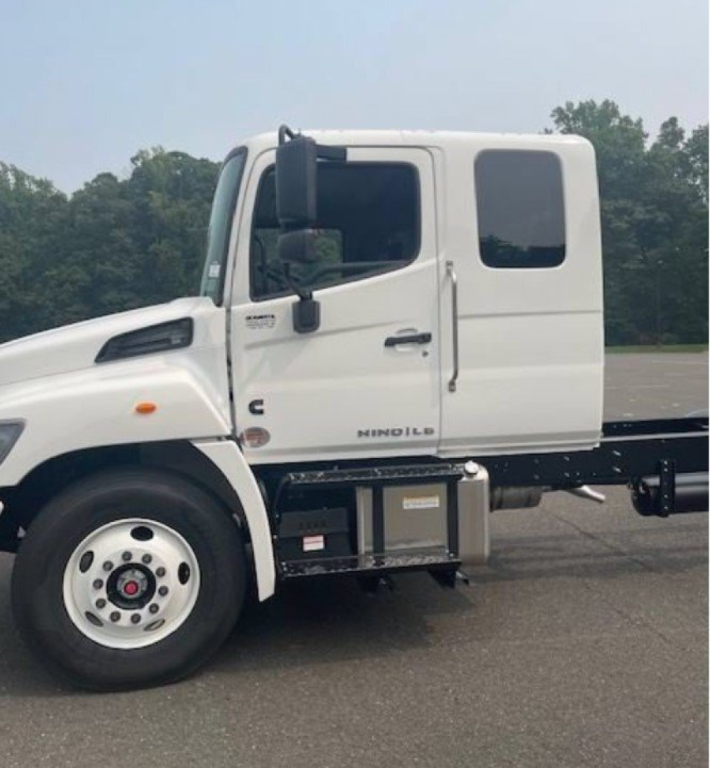
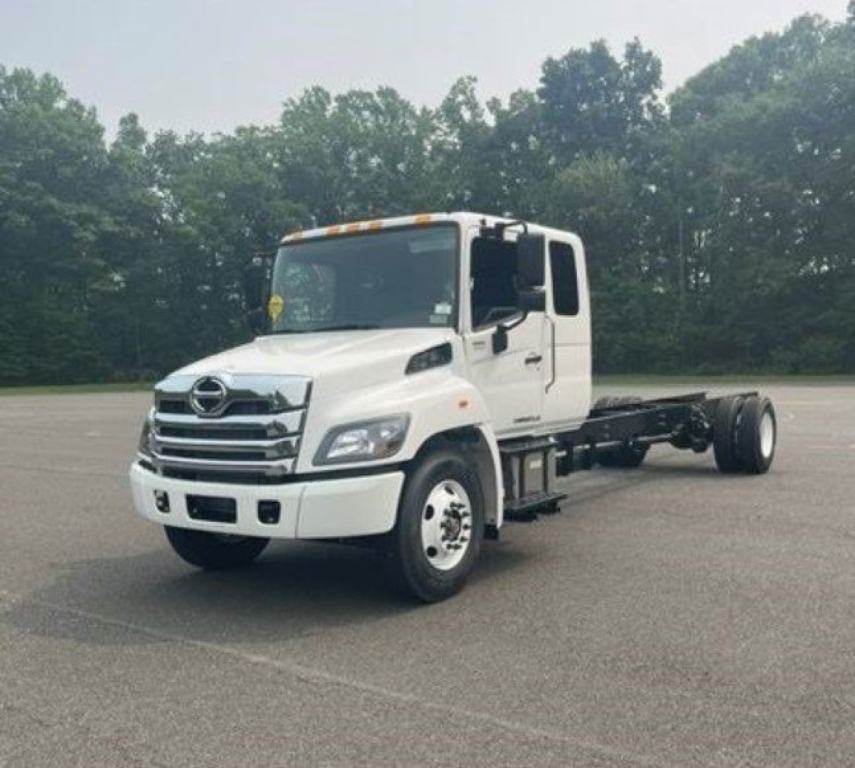
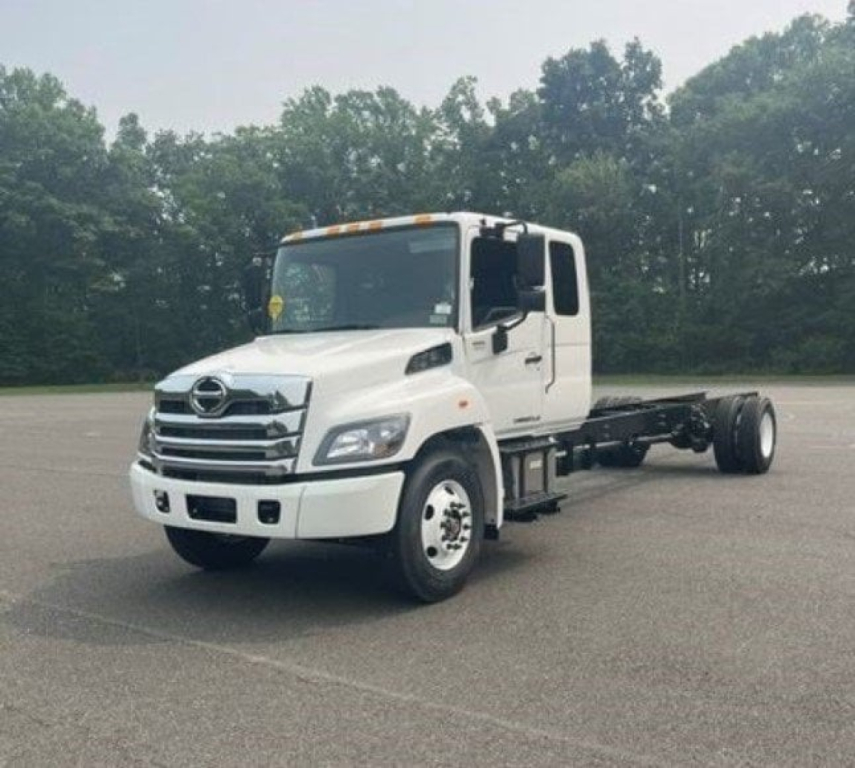
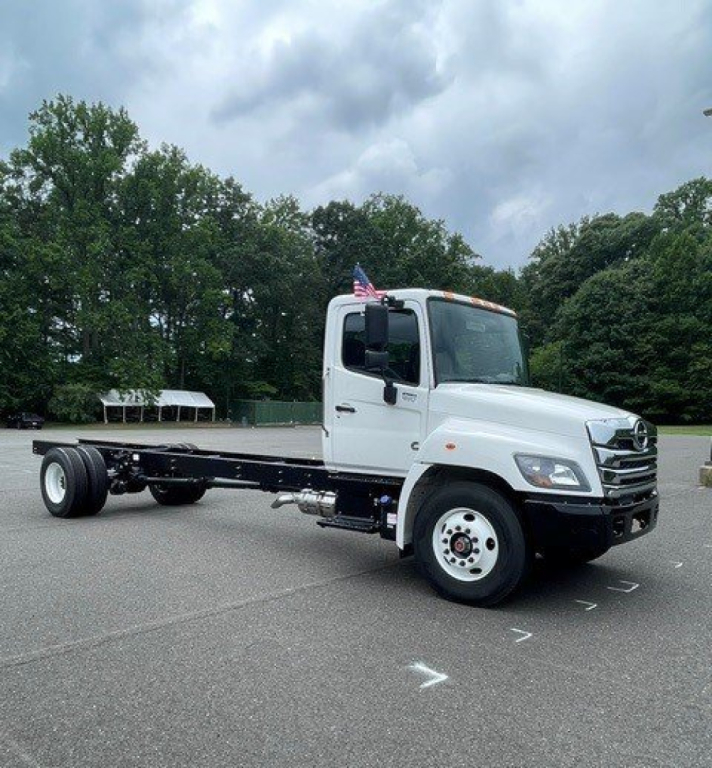
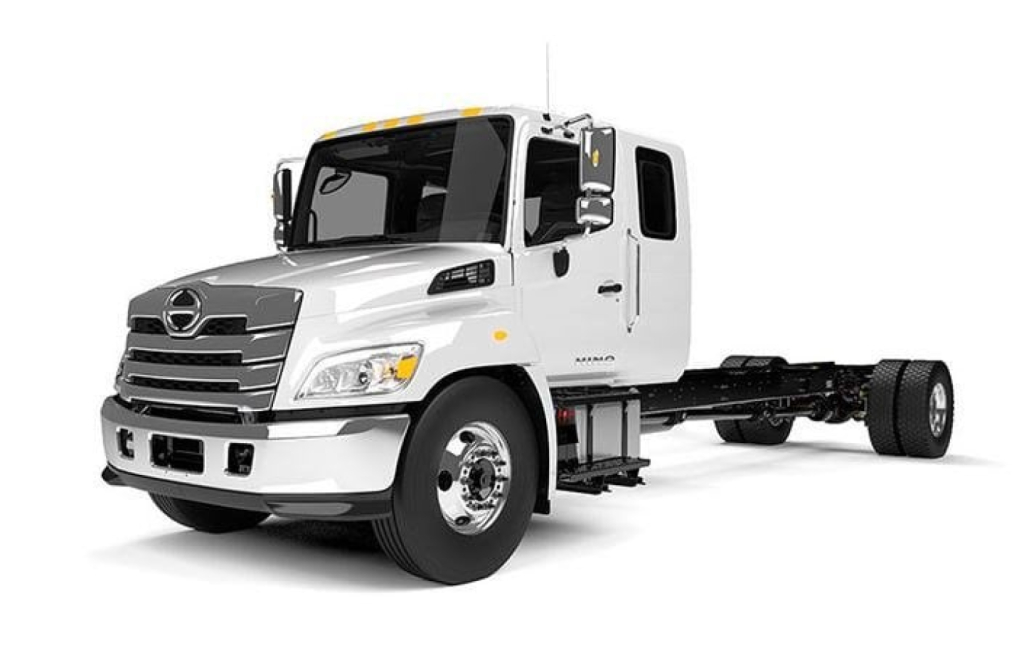
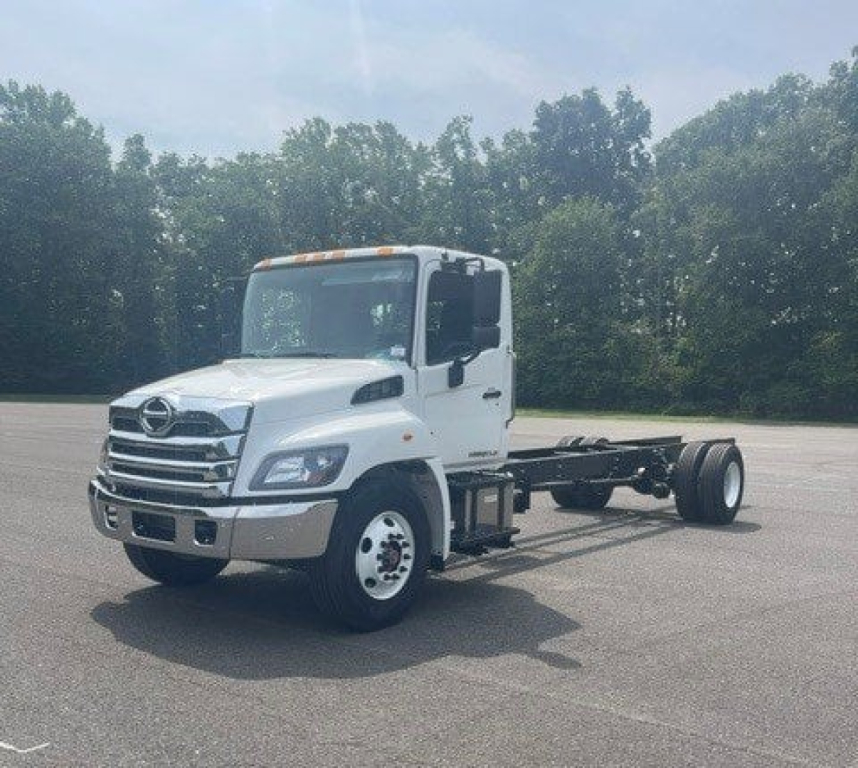
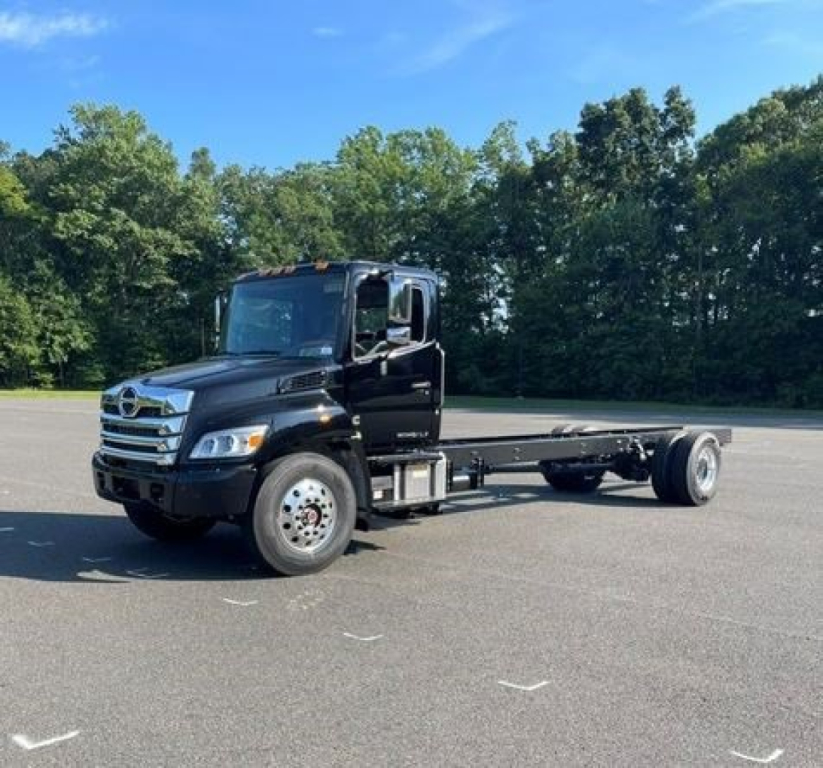
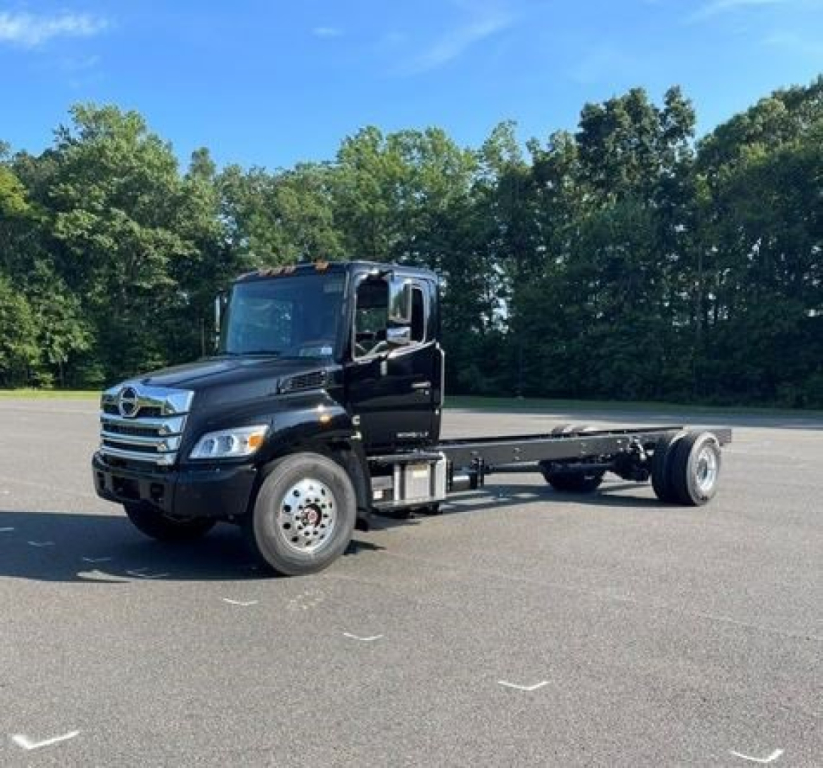
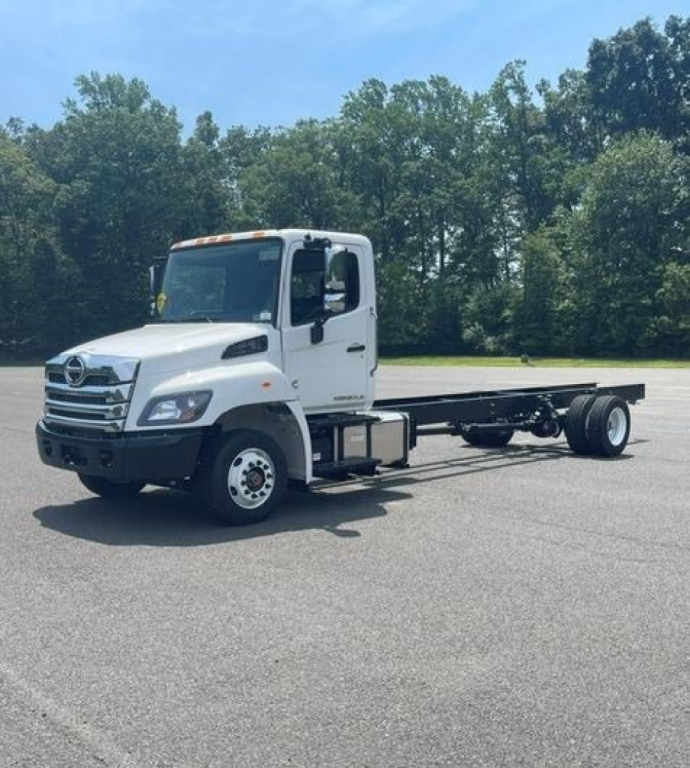
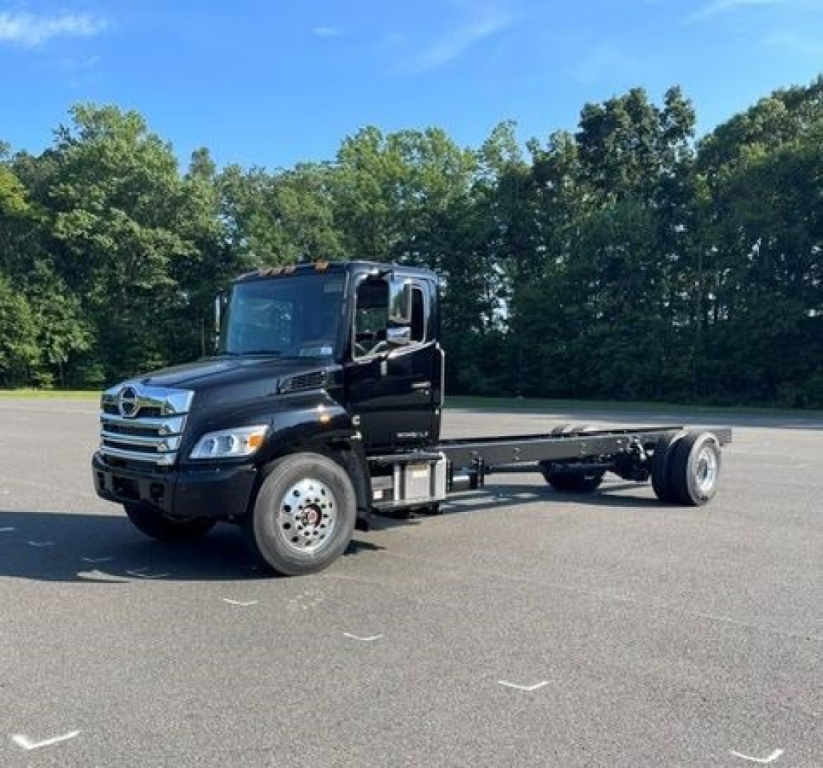
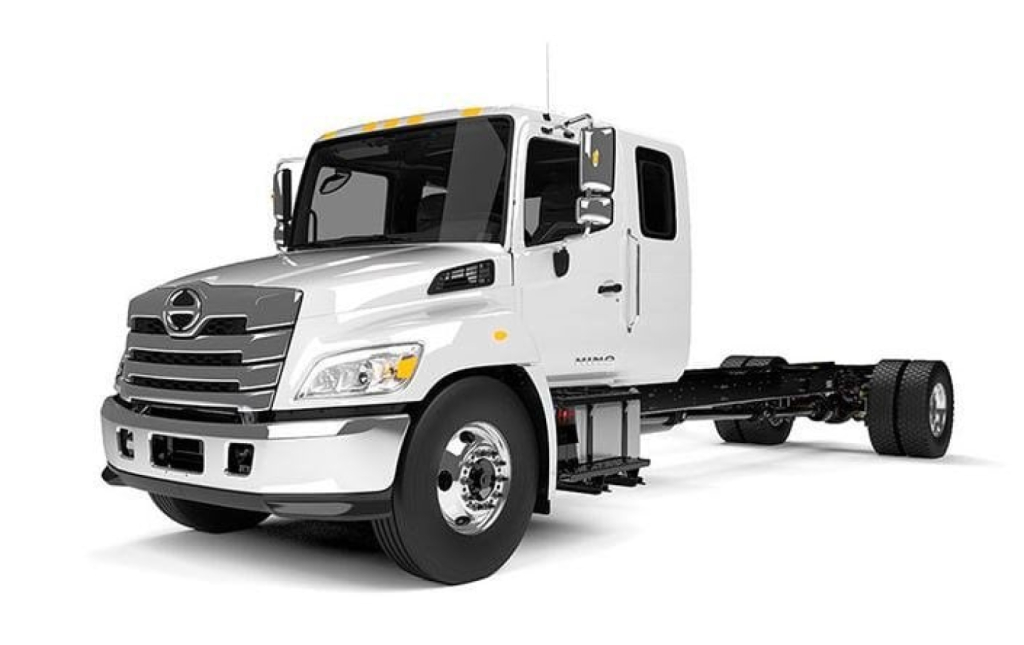
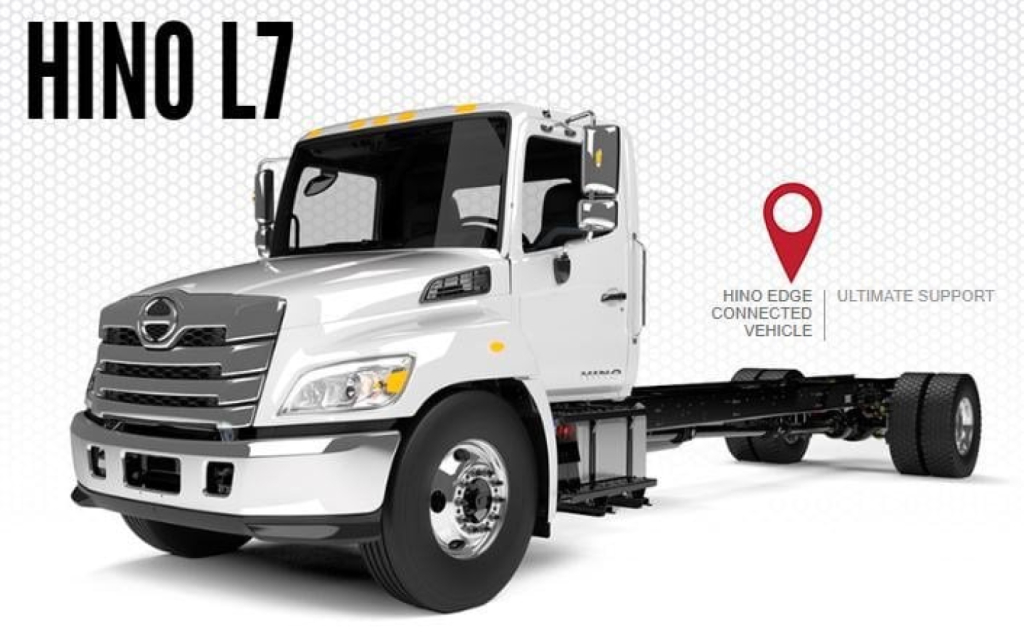
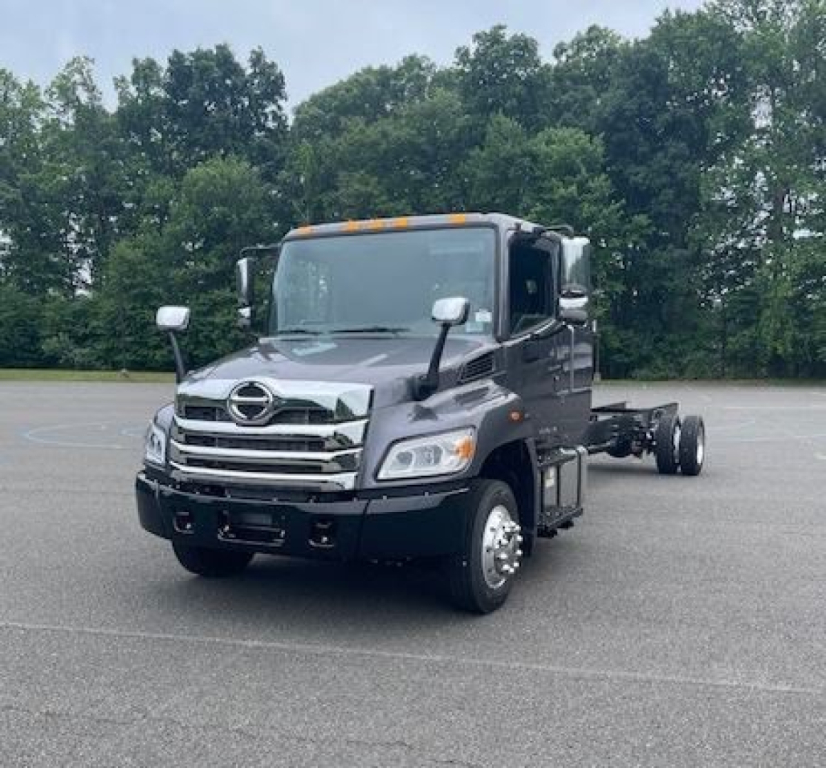
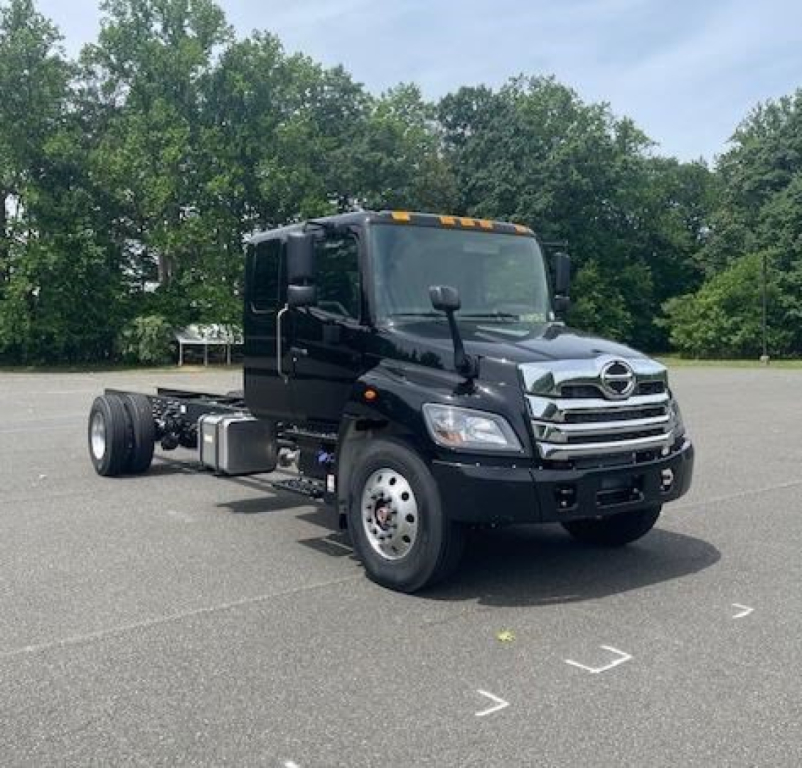
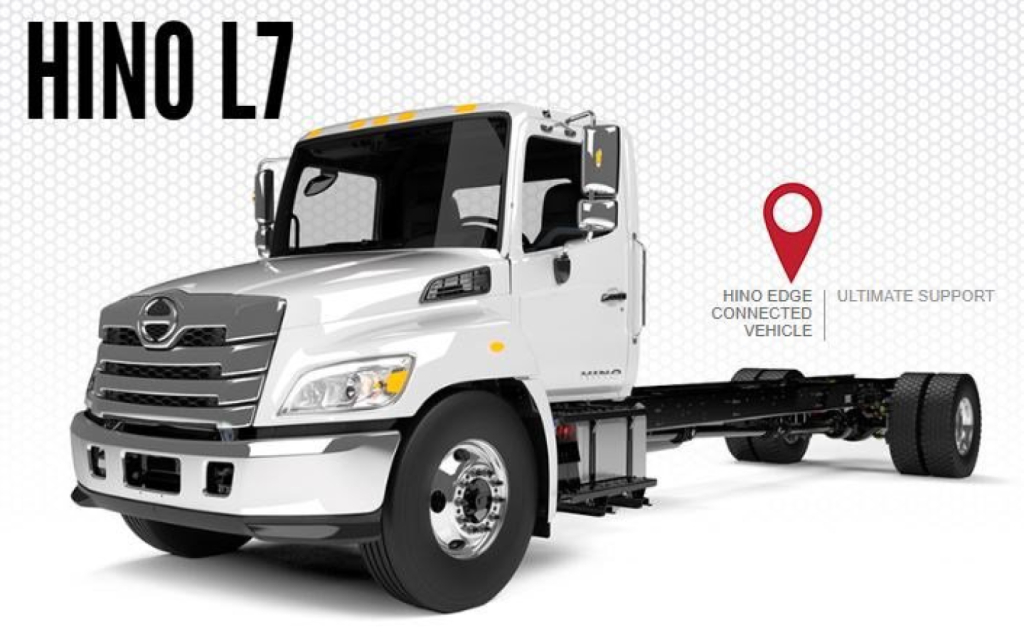
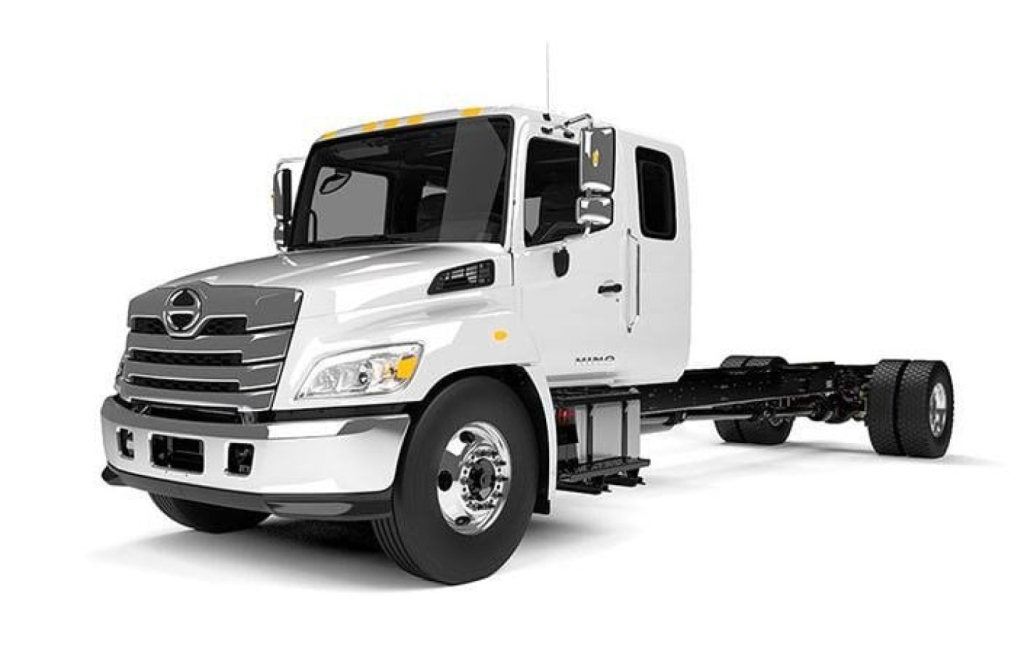
Selling a new 2027 hino cab and chassis truck? List your new 2027 hino cab and chassis truck for sale and reach thousands of commercial buyers.
New 2027 Hino Cab and Chassis Trucks
For many buyers, the first real decision is chassis size and body length compatibility. Hino cab and chassis trucks in this class are commonly spec'd for 24-foot to 26-foot van bodies, but the right fit depends on cab-to-axle measurement, wheelbase, rear overhang, and the final body builder’s requirements. A typical L6 spec may land around a 25,950-lb GVWR with front axles near 10,000 lbs and rear axles around 19,000 lbs, while L7 configurations can step up for heavier body and payload demands. If your operation will run a reefer unit, liftgate, crane, compressor, or other PTO-driven equipment, it is worth confirming frame length, clean back-of-cab space, and available upfitter provisions before committing to a chassis.
Powertrain specs in this category often center on the Cummins B6.7 diesel paired with an Allison automatic, usually in 2200 RDS or 3500 RDS configurations depending on rating and intended use. That combination is popular because it is familiar to fleet maintenance teams, easy for mixed-driver operations to manage, and well suited for urban and regional route work. Buyers should also compare hydraulic brakes versus air brakes, suspension type, fuel tank size, and axle ratio. Air ride can help with ride quality and cargo protection, while air brakes may make more sense for certain vocational bodies or fleets standardizing across larger trucks.
Cab details matter more than many buyers expect on a route truck. Hino cab and chassis models are often ordered with cloth seating, a two-person passenger bench, heated mirrors, LED headlights, and cold weather packages that improve daily usability. Visibility, cab access, turning radius, and serviceability are all important if the truck will see dense city delivery work or frequent stop-and-go use. The strongest buying approach is to match the chassis to the finished application, not just the engine badge. Confirm body length, target payload, bridge-law considerations, liftgate or reefer weight, and any local CDL threshold concerns before choosing your 2027 Hino cab and chassis.
Frequently Asked Questions about New 2027 Hino Cab and Chassis Trucks
What is a Hino cab and chassis truck used for?
A Hino cab and chassis is built to accept a vocational or commercial body after delivery from the factory. Common upfits include box trucks, refrigerated bodies, flatbeds, stake beds, dump bodies, rollback-style equipment bodies, and utility or service bodies. The chassis gives the buyer flexibility to spec the truck around the exact job instead of buying a finished body configuration that may not match payload, storage, or equipment needs.
How do I choose between a Hino L6 and L7 cab and chassis?
The main factors are GVWR, axle ratings, body weight, and the final payload target. An L6 is often selected for lighter medium-duty applications such as 24-foot to 26-foot van bodies and general delivery service, while an L7 is commonly considered when the body is heavier or the truck needs more chassis capacity. The right choice depends on the completed vehicle weight after the body, liftgate, reefer unit, tools, or cargo-handling equipment are installed.
What wheelbase and body length should I look for on a new Hino cab and chassis?
Wheelbase and cab-to-axle dimensions must match the intended body. Many medium-duty Hino chassis are ordered for 24-foot or 26-foot body applications, but the correct measurement depends on the body manufacturer, rear overhang, and any added equipment such as liftgates or refrigeration units. Buyers should always verify the body builder’s required cab-to-axle and frame length before selecting a chassis because an incorrect dimension can delay upfitting or limit payload distribution.
Are Allison automatic transmissions common in Hino cab and chassis trucks?
Yes. Allison automatic transmissions are very common in Hino medium-duty cab and chassis trucks because they are well suited for stop-and-go routes, municipal use, and operations with multiple drivers. Pairings such as the Allison 2200 RDS or 3500 RDS with a Cummins B6.7 diesel are widely used because they balance drivability, service familiarity, and vocational flexibility.
Should I choose air brakes or hydraulic brakes on a Hino cab and chassis?
That depends on the truck’s GVWR, body type, operating environment, and fleet standardization goals. Hydraulic brakes may be suitable for many lighter medium-duty applications, while air brakes are often preferred for heavier specs, certain vocational bodies, and fleets that want consistency with larger commercial trucks. Brake choice can also affect driver qualification, maintenance planning, and resale appeal depending on the application.