
New 2026 Hino Cab and Chassis Trucks For Sale
Shop new 2026 Hino cab and chassis trucks, including versatile L6 and L7 platforms built for box, stake, dump, service, and utility bodies.
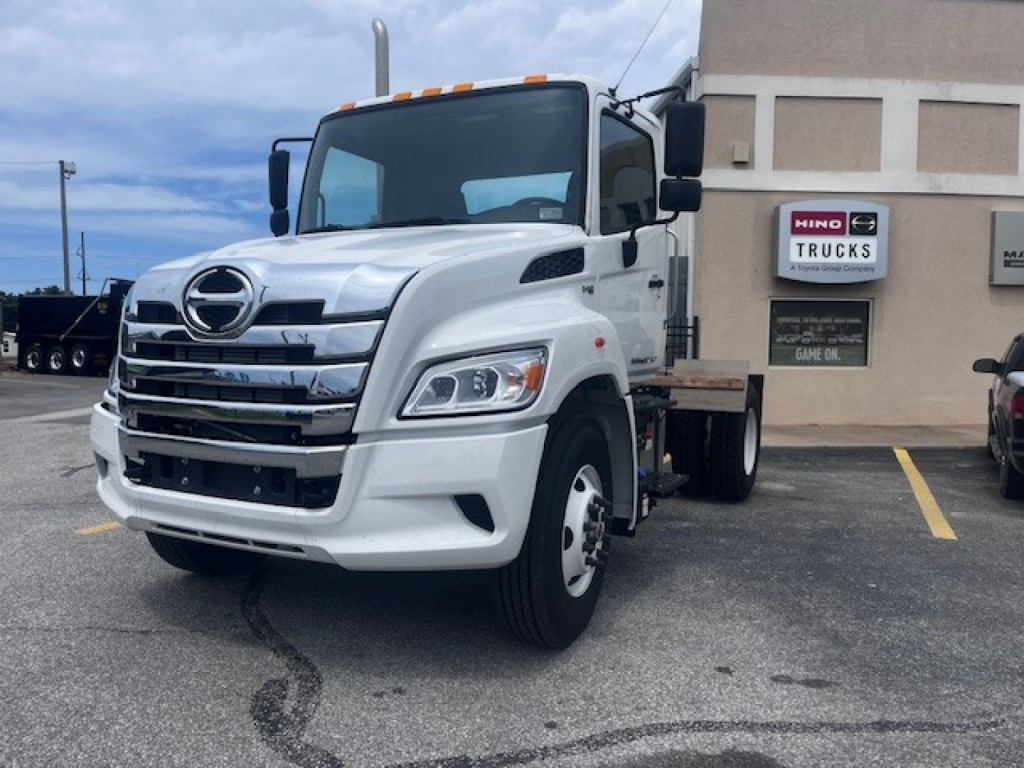
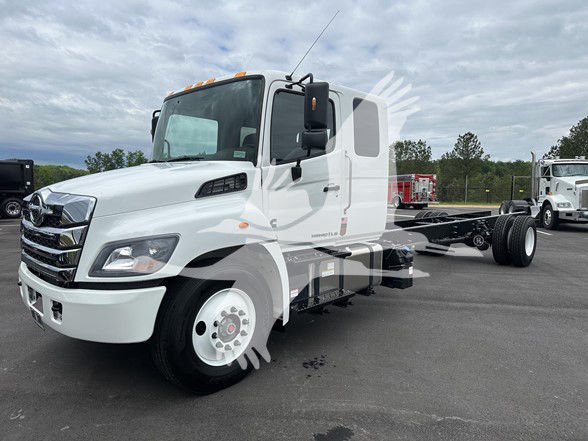
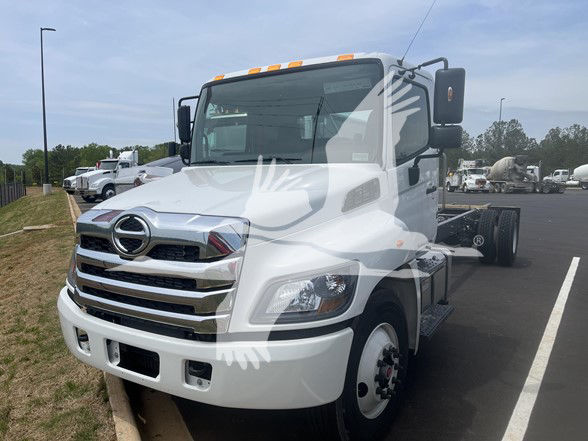
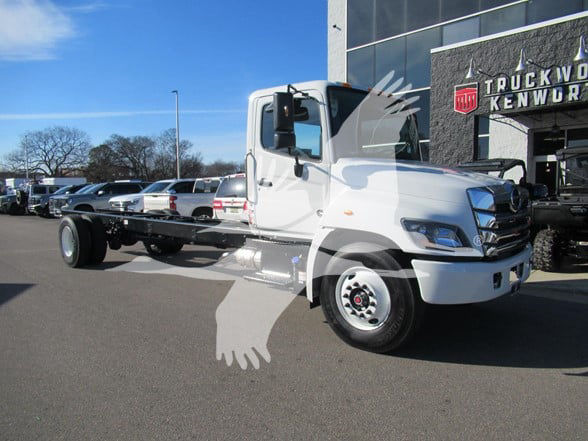
Selling a new 2026 hino cab and chassis truck? List your new 2026 hino cab and chassis truck for sale and reach thousands of commercial buyers.
New 2026 Hino Cab and Chassis Trucks
For most buyers, the first decision is GVWR and axle capacity. Hino L6 models are typically spec'd in the Class 6 range for urban delivery, municipal work, and lighter vocational bodies, while the L7 moves into heavier Class 7 territory for larger van bodies, denser payloads, and more demanding upfits. Common specs in this class include the Cummins B6.7 diesel, Allison automatic transmissions such as the 2500 RDS or 3000 RDS, air brake configurations on certain builds, and wheelbases tailored to the body length you plan to install. If your build requires cranes, compressors, pumps, or hydraulic equipment, confirm PTO provisions, frame RBM, rear suspension capacity, and whether the truck has the front axle and tire rating needed for the finished curb weight.
Body-builder details are what separate a workable chassis from one that creates delays in the shop. Check the usable frame length behind the cab, the exact cab-to-axle measurement, exhaust aftertreatment placement, fuel tank location, battery box position, and any factory frame drilling restrictions. Extended cab configurations can add secure interior storage and room for crews, but they also affect body length calculations. On heavier Hino L7 specs, buyers often look for locking differentials, multi-leaf rear suspensions, helper springs, heavier frame sections, and higher front axle ratings to support snow and ice equipment, utility bodies, or dense route freight.
A new 2026 Hino cab and chassis also appeals to fleets that want current emissions hardware, driver-focused ergonomics, and a modern medium-duty platform that can be standardized across multiple body types. The cab layout, visibility, and seat options matter on route trucks that make frequent stops, while service and municipal users may prioritize switch layouts, mirror packages, and electrical capacity for accessories. Before buying, match the chassis to the finished application, not just the empty-truck spec sheet. Final body weight, payload distribution, bridge formula exposure, and operating region all affect whether an L6 or L7 is the better fit.
Frequently Asked Questions about New 2026 Hino Cab and Chassis Trucks
What is the difference between a Hino L6 and Hino L7 cab and chassis?
The main difference is weight class and intended upfit range. A Hino L6 is generally used in the Class 6 segment for medium-duty delivery and vocational work with lighter finished body weights. A Hino L7 is typically spec'd for heavier Class 7 applications, larger bodies, higher axle ratings, and more demanding payloads. Buyers should compare GVWR, front and rear axle ratings, suspension capacity, frame strength, wheelbase, and transmission spec against the final body and payload plan.
What bodies are commonly installed on a new Hino cab and chassis truck?
Common upfits include box trucks, refrigerated bodies, flatbeds, stake beds, landscape bodies, dump bodies, utility and service bodies, and some rollback or specialized vocational builds. The right chassis depends on body length, body weight, center of gravity, and any PTO-driven equipment. A chassis that works for a dry van route truck may not be suitable for a crane body or heavy dump insert without changes to axle, suspension, and frame specifications.
What specs matter most when buying a new cab and chassis truck?
The most important specs are GVWR, wheelbase, cab-to-axle length, axle ratings, suspension type, frame section, engine and transmission pairing, brake system, and PTO capability. Buyers also need to verify fuel tank placement, battery box location, exhaust aftertreatment packaging, and clear frame space for the upfit. These details directly affect body installation time, finished payload capacity, and legal weight distribution.
Is a Cummins and Allison drivetrain common in Hino cab and chassis trucks?
Yes. In this equipment class, buyers often look for the Cummins B6.7 diesel paired with an Allison automatic transmission because it is a familiar and widely supported medium-duty combination. Exact ratings vary by model and spec, but this drivetrain is commonly chosen for delivery, municipal, and vocational applications where serviceability, straightforward operation, and reliable power delivery are priorities.
Should I choose an extended cab on a Hino cab and chassis?
An extended cab can be a smart choice if the truck carries crews, tools, safety gear, or route equipment that needs to stay secure and out of the weather. It can improve day-to-day usability for utility, municipal, and field service applications. The tradeoff is that cab length affects available body space and overall dimensional planning, so buyers need to verify body length, turning radius, and axle placement before finalizing the chassis.