
New 2026 Isuzu Cab and Chassis Trucks For Sale
Shop new 2026 Isuzu cab and chassis trucks with low-cab-forward design, diesel or gas power, and wheelbases ready for box, dump, or service bodies.
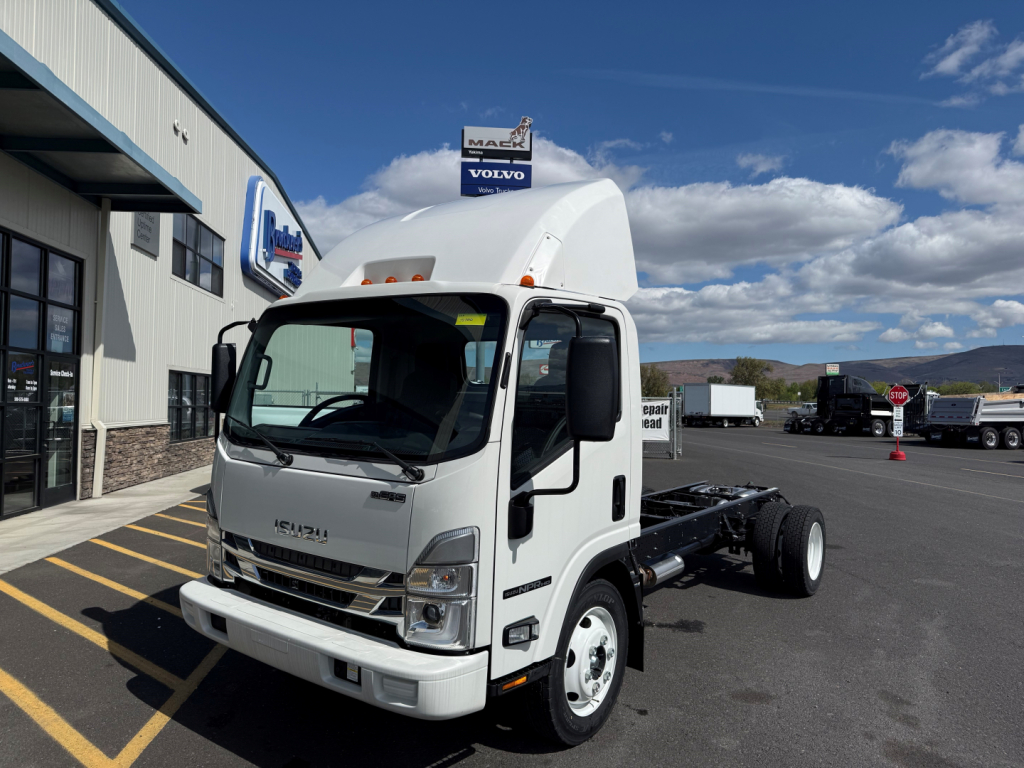
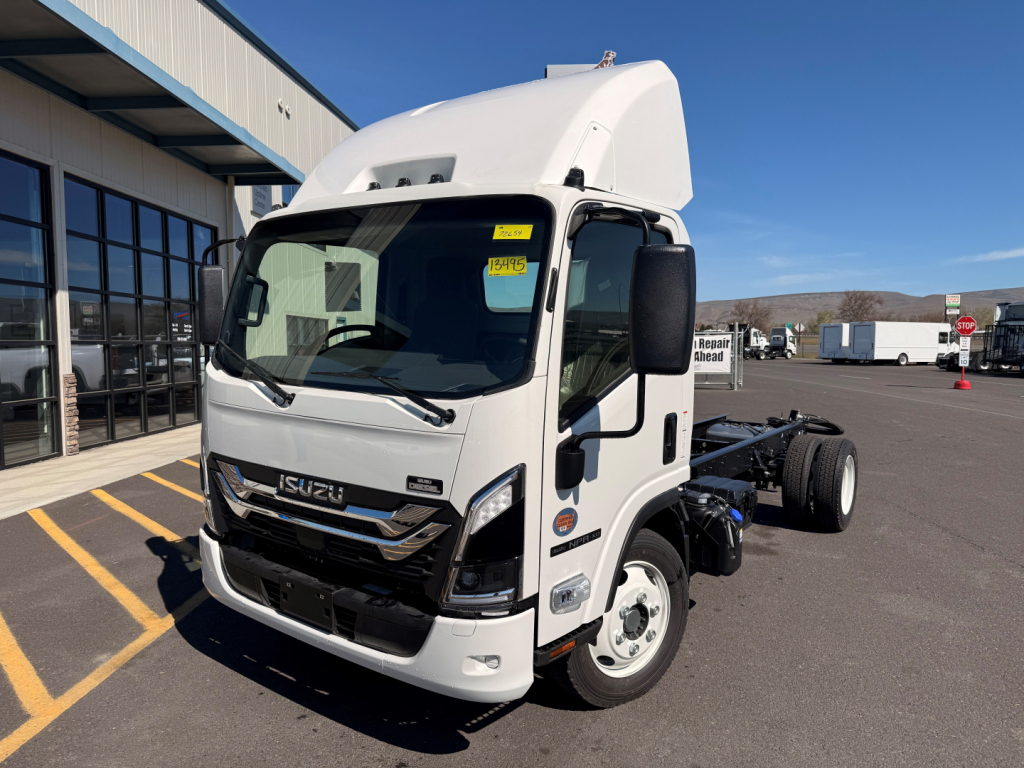
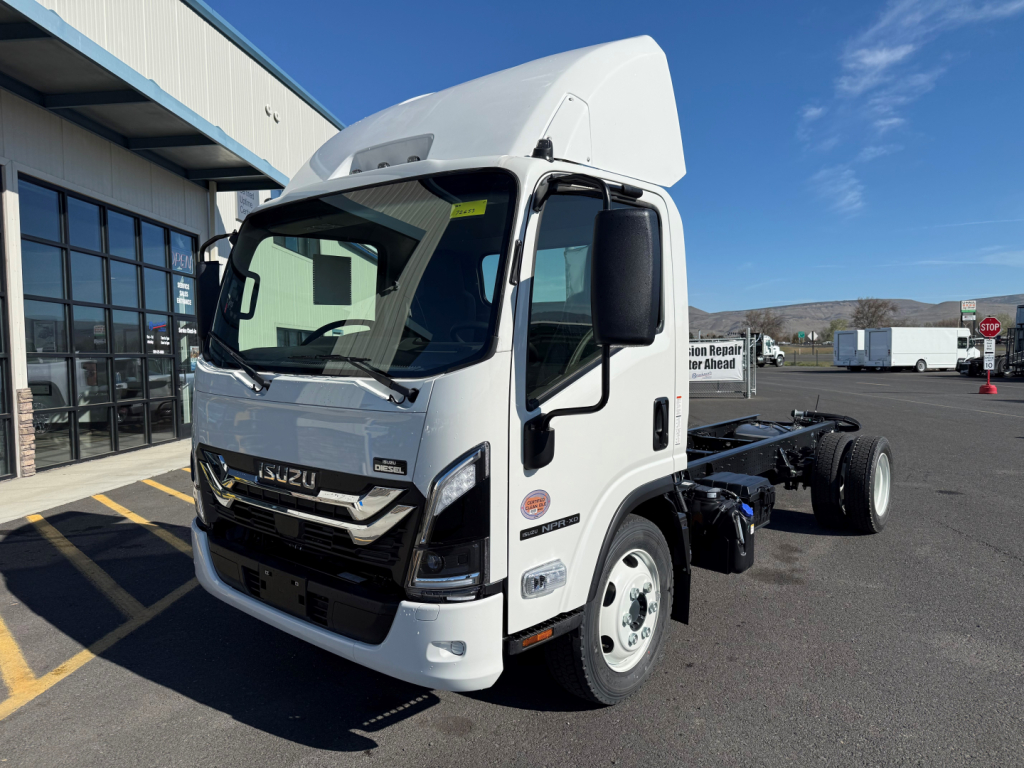
Selling a new 2026 isuzu cab and chassis truck? List your new 2026 isuzu cab and chassis truck for sale and reach thousands of commercial buyers.
New 2026 Isuzu Cab and Chassis Trucks
The biggest buying decision is usually class, engine, and wheelbase. In the lighter cab and chassis range, Isuzu NPR and NPR HD models are commonly used for van bodies, reefer bodies, stake beds, and flatbeds. Diesel-focused models like the NPR XD bring more GVWR and payload capability, often in the 16,000-lb class, and are a common fit for 16-foot to 18-foot body applications depending on axle ratings and upfit weight. Moving up to the Isuzu FTR gets you into a heavier conventional-capacity work truck with popular specs such as a Cummins diesel, Allison automatic transmission, and wheelbases that support 22-foot to 26-foot bodies in many applications. Buyers should confirm GVWR, front and rear axle ratings, frame height, and cab-to-axle dimensions before choosing a body.
For many fleets, the real value in an Isuzu cab and chassis is cost control over the life of the truck. Gas V8 configurations can make sense for shorter routes, lower annual mileage, and operations that want simpler fueling logistics. Diesel configurations are often preferred for higher payloads, longer daily cycles, and applications where torque and fuel economy matter more. Common buyer checkpoints include turning radius, service access, transmission pairing, PTO compatibility, and whether the chassis is prepped for dry freight, refrigerated delivery, dump, utility, hooklift, or landscape bodies. It is also worth checking suspension type, brake setup, fuel tank capacity, and how the wheelbase lines up with the intended body and liftgate.
A good 2026 Isuzu cab and chassis spec is the one that leaves enough payload after the body is installed and still matches licensing, route, and driver needs. Non-CDL buyers often focus on GVWR thresholds and body sizing, especially on medium-duty models used for furniture delivery, parcel work, and local distribution. Contractors may prioritize frame strength, rear axle capacity, and upfit flexibility for service bodies or dump inserts. If the truck will spend most of its life in urban traffic, Isuzu’s cabover layout remains one of the strongest selling points because it gives you body capacity and maneuverability without stepping up to a larger footprint than the job requires.
Frequently Asked Questions about New 2026 Isuzu Cab and Chassis Trucks
What are new 2026 Isuzu cab and chassis trucks commonly used for?
New 2026 Isuzu cab and chassis trucks are commonly used as platforms for box trucks, refrigerated bodies, flatbeds, stake beds, dump bodies, landscape bodies, and service bodies. The chassis is sold for upfitting, so the final application depends on wheelbase, cab-to-axle measurement, GVWR, and axle ratings. Isuzu’s low-cab-forward layout makes these trucks especially popular in local delivery and urban service work where tight turning and visibility are important.
What is the difference between an Isuzu NPR, NPR HD, NPR XD, and FTR cab and chassis?
The difference is mainly in weight class, powertrain, and intended body application. NPR and NPR HD models typically serve lighter medium-duty jobs and are common in delivery and trade applications. The NPR XD steps up in GVWR and payload capacity, often with diesel power for heavier body and cargo demands. The FTR moves into a heavier class with larger axle capacities and longer body capability, making it a strong choice for 22-foot to 26-foot body applications and more demanding commercial use.
How do I choose the right wheelbase on a new Isuzu cab and chassis?
The correct wheelbase depends on the body length, body type, and installed equipment weight. A chassis that works for a 16-foot van body may not be right for a 20-foot reefer or a contractor body with compressors and tool storage. Buyers should match wheelbase and cab-to-axle dimensions to the body manufacturer’s requirements, then verify axle loading, frame space, and overall length. Choosing by body first and chassis second usually prevents expensive upfit problems.
Are Isuzu cab and chassis trucks good for non-CDL applications?
Yes, many Isuzu cab and chassis trucks are popular in non-CDL service when properly spec'd under the applicable GVWR threshold. That is one reason they are widely used for local delivery, moving, and route-based businesses. Buyers still need to account for body weight, liftgates, refrigeration units, and payload because a truck that starts as non-CDL on paper can lose usable capacity quickly once fully upfitted.
Should I choose gas or diesel in a new 2026 Isuzu cab and chassis?
Gas and diesel both have strong use cases. Gas engines are often a practical fit for lower annual mileage, shorter stop-and-go routes, and fleets that want easier fueling and potentially lower upfront cost. Diesel is often the better choice when the truck will carry heavier payloads, run longer routes, or spend more time under load. The best decision usually comes down to duty cycle, expected mileage, maintenance planning, and the weight of the finished upfit.