
New 2026 Isuzu Cab and Chassis Trucks For Sale in Washington
Shop new 2026 Isuzu cab and chassis trucks in Washington. Compare low cab forward gas and diesel models for box, flatbed, dump, and service upfits.
Selling a new 2026 isuzu cab and chassis truck? List your new 2026 isuzu cab and chassis truck for sale and reach thousands of commercial buyers.
New 2026 Isuzu Cab and Chassis Trucks in Washington
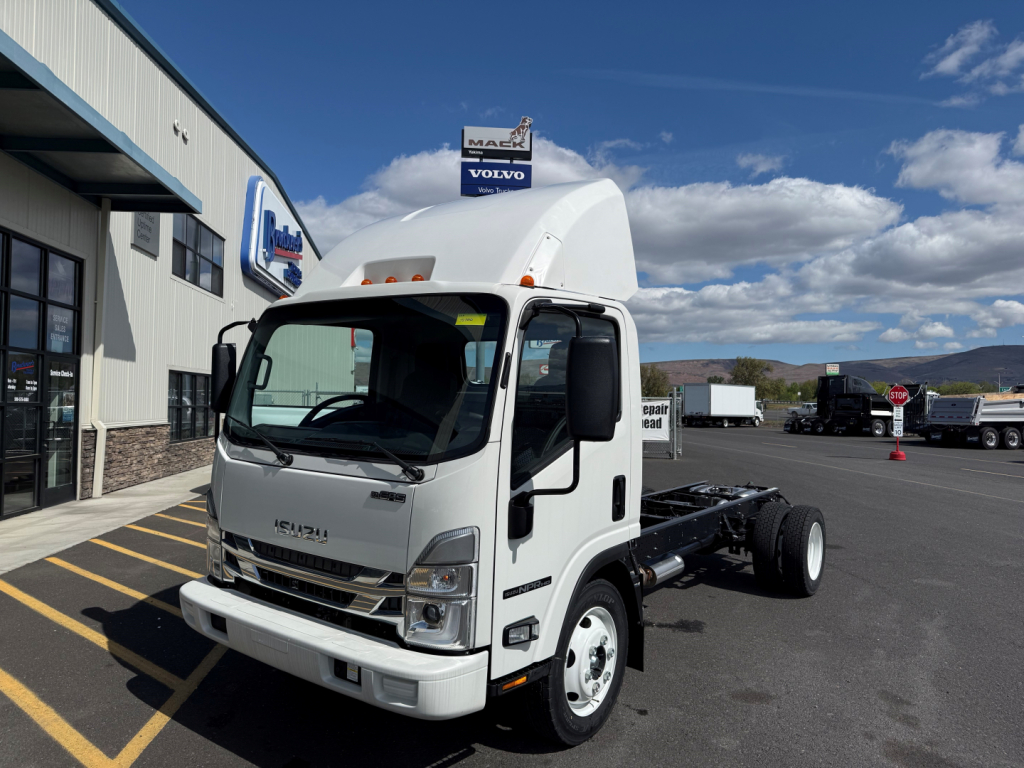
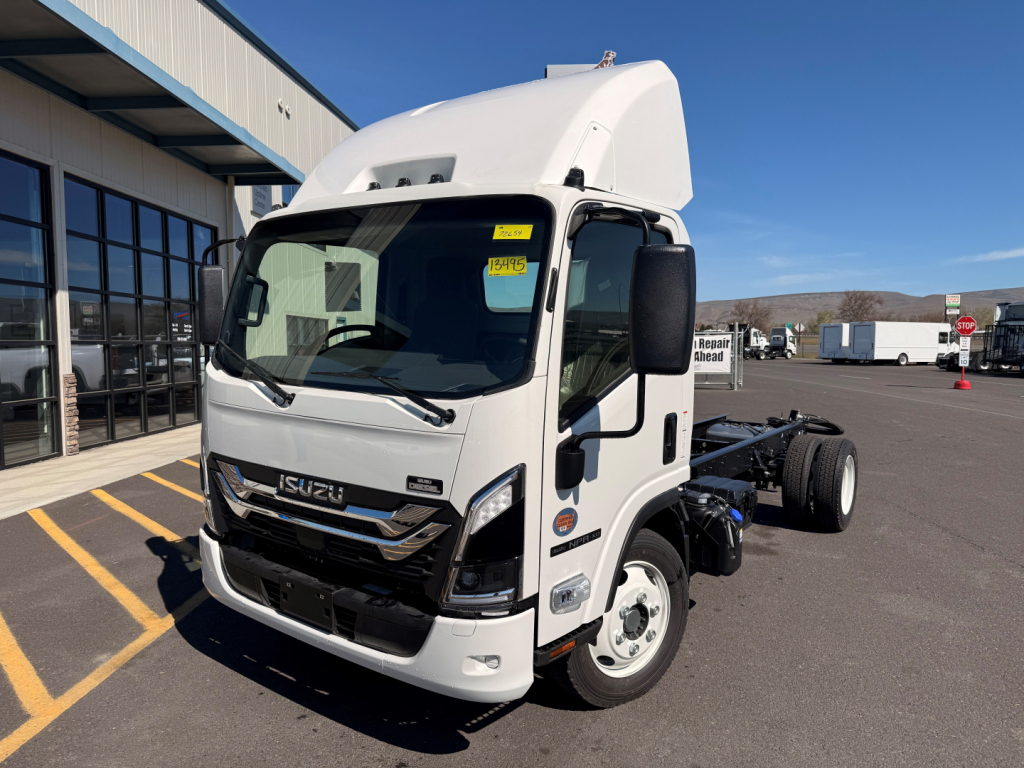
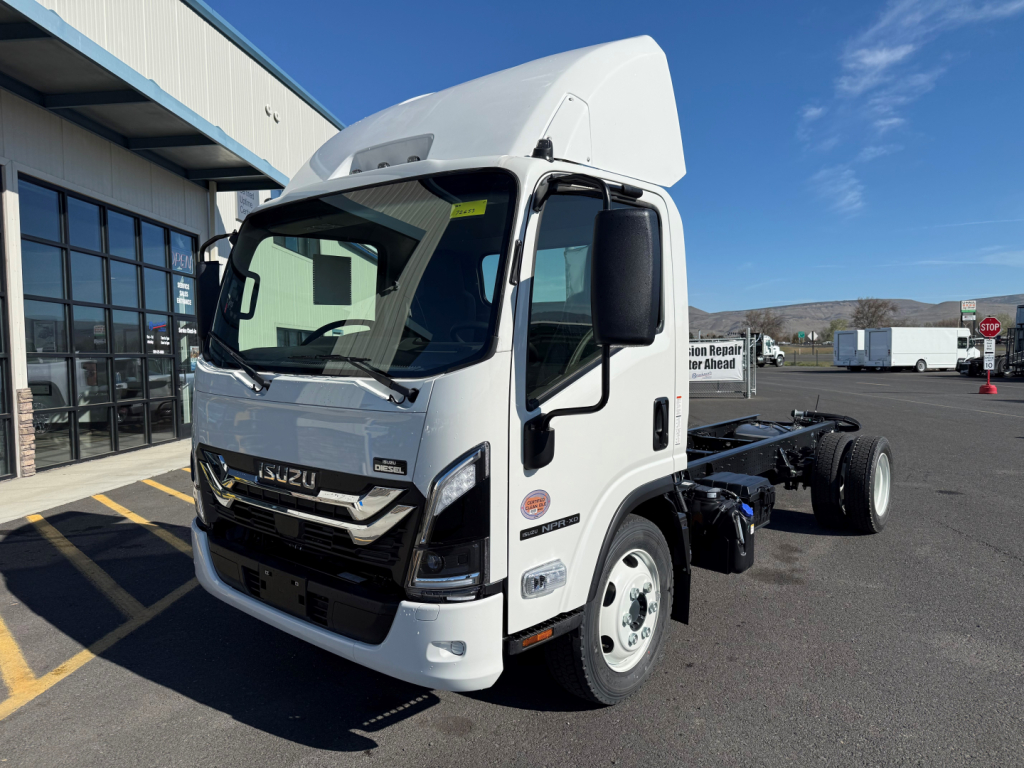
A key buying decision is powertrain and GVWR. In this class, buyers will commonly compare diesel and gas Isuzu models based on payload demands, route profile, idle time, and maintenance strategy. Models such as the Isuzu NPR XD are commonly chosen for diesel durability, strong torque, and higher-GVWR applications, with examples around the 16,000-pound GVWR range and chassis lengths suited for 16-foot to 18-foot bodies. Gas HD variants appeal to fleets that want simpler service routines, lower initial acquisition cost, and strong performance for local delivery or vocational upfits. The right spec depends on body weight, cargo density, expected annual miles, and whether the truck will spend more time in city delivery, utility work, or mixed highway service.
Body-builder compatibility is just as important as engine choice. Cab-to-axle length, wheelbase, frame strength, and rear axle rating all determine what kind of body can be installed and how well the finished truck will balance its payload. Buyers should confirm clear upfit plans before selecting a chassis, especially for van bodies, contractor dumps, stake beds, refrigerated boxes, or utility bodies with compressors and shelving. Suspension tuning, axle ratio, and brake configuration also affect how the completed truck will perform once loaded. On Isuzu low cab forward trucks, the packaging is efficient, but proper weight distribution still matters to protect front axle capacity, preserve ride quality, and keep the truck compliant after the body is installed.
Washington operators should also think about terrain, emissions compliance, and service access. Local delivery in Seattle, Tacoma, Spokane, and other congested areas tends to favor maneuverability and visibility, while routes crossing grades or carrying heavier vocational loads may justify a diesel chassis with more torque on tap. Buyers comparing new 2026 Isuzu cab and chassis trucks should look closely at GVWR, wheelbase, cab-to-axle measurement, body length compatibility, fuel type, and the support network for maintenance and parts. A well-matched Isuzu chassis can be one of the most efficient ways to build a purpose-specific truck without paying for features that do not add value to the job.
Frequently Asked Questions about New 2026 Isuzu Cab and Chassis Trucks in Washington
What is an Isuzu cab and chassis truck used for?
An Isuzu cab and chassis truck is a stripped chassis with the cab, frame, drivetrain, and running gear in place so a body can be installed for a specific job. Common applications include box trucks, dry freight bodies, refrigerated bodies, flatbeds, dumps, stake beds, utility bodies, and landscape bodies. The low cab forward design makes these trucks especially popular in city delivery and service work where maneuverability and visibility are critical.
What should I check before choosing a body for a 2026 Isuzu cab and chassis?
Start with cab-to-axle length, wheelbase, GVWR, front and rear axle ratings, and frame dimensions. Those measurements determine body length compatibility and how the finished truck will carry weight. Buyers should also account for the body itself, liftgates, shelving, compressors, tool storage, and any cargo or equipment that will stay on the truck full time. A chassis that looks adequate on paper can become overloaded once the full upfit is installed.
Is diesel or gas better on a new Isuzu cab and chassis truck?
Diesel is often preferred for heavier payloads, higher annual mileage, and applications that benefit from strong low-end torque. Gas models can make sense for local routes, lighter vocational service, and fleets focused on lower upfront cost and straightforward maintenance. The better choice depends on route length, body weight, idle time, terrain, and total cost of ownership rather than fuel type alone.
Why do buyers choose Isuzu low cab forward trucks for city work?
The low cab forward layout shortens overall vehicle length while preserving usable body length, which helps in dense urban areas and tight loading zones. Drivers also benefit from a wide field of view and a tighter turning radius than many conventional cab trucks in the same class. That combination can improve productivity on multi-stop routes and reduce the stress of operating in narrow streets, alleys, and crowded commercial districts.
How do I know if a new Isuzu chassis can handle a 16-foot to 18-foot body?
Body length fitment depends on the wheelbase and cab-to-axle measurement, not just the badge on the truck. Many medium-duty Isuzu chassis are configured to accept bodies in the 16-foot to 18-foot range, but the final answer depends on the exact chassis spec and the finished body weight. The safest approach is to match the planned upfit to the chassis dimensions and confirm that the completed truck will stay within its GVWR and axle ratings.