
Isuzu Cab and Chassis Trucks For Sale
Shop Isuzu cab and chassis trucks with diesel or gas power, low-cab-forward visibility, and upfit-ready frames for delivery, service, and box bodies.
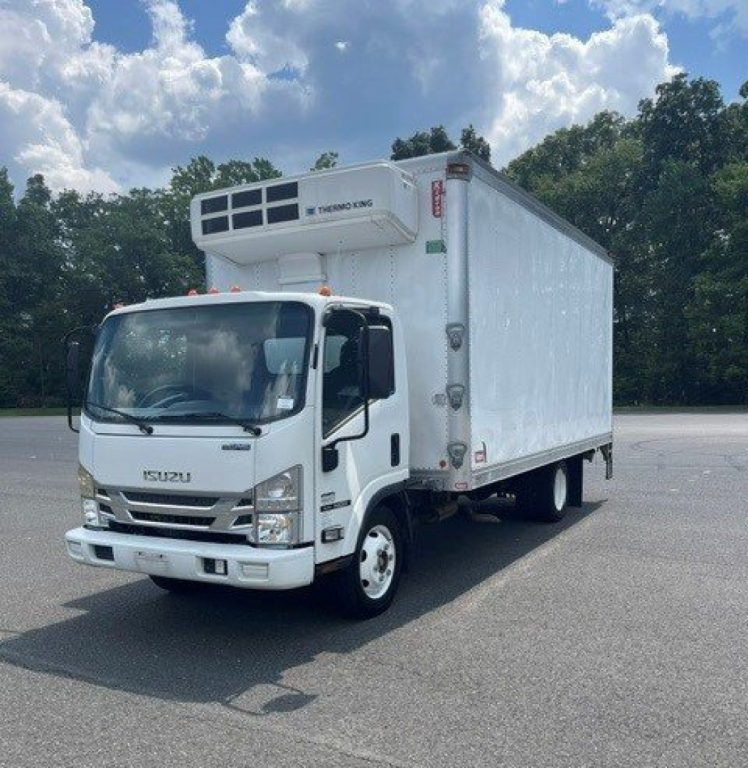
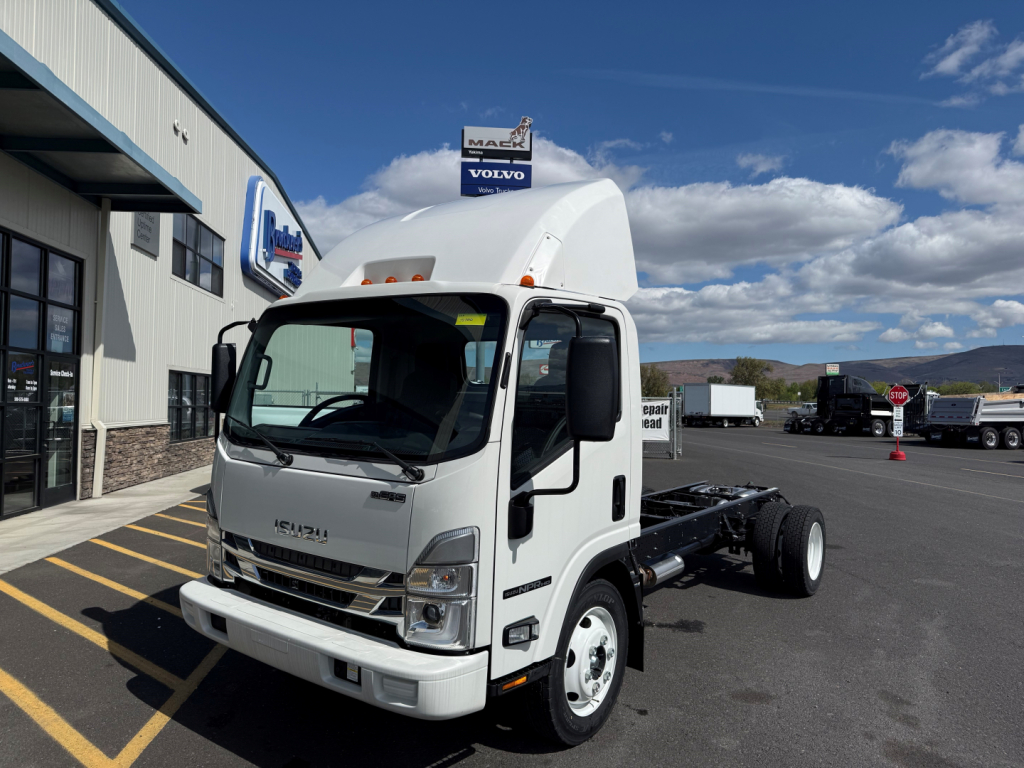
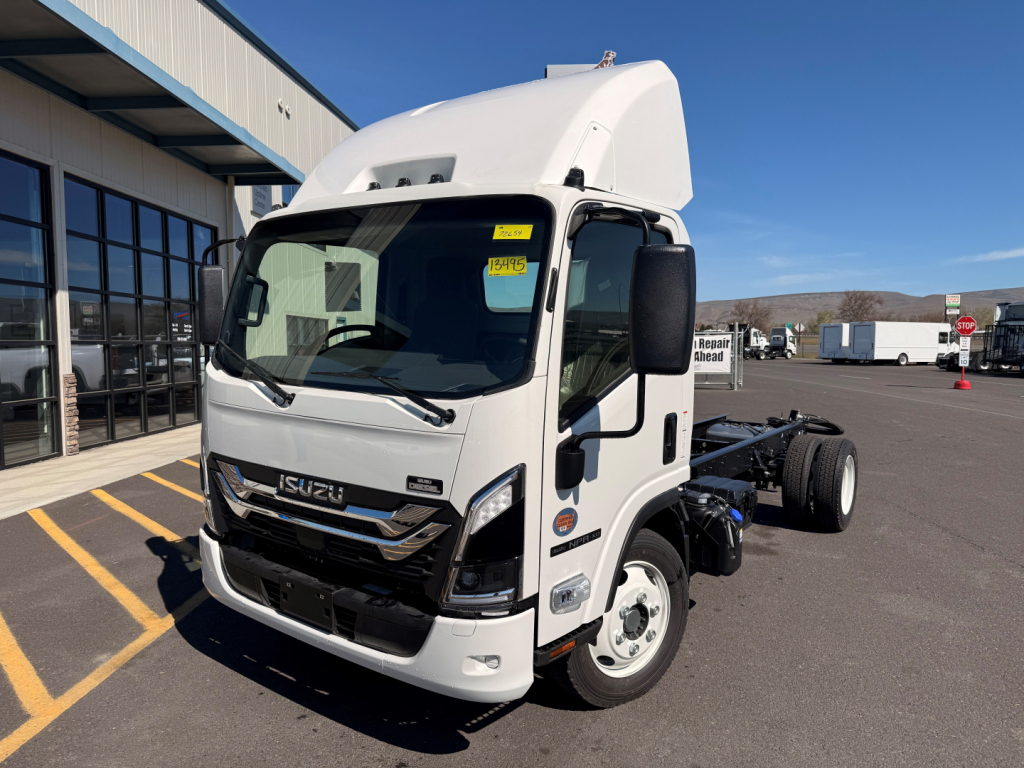
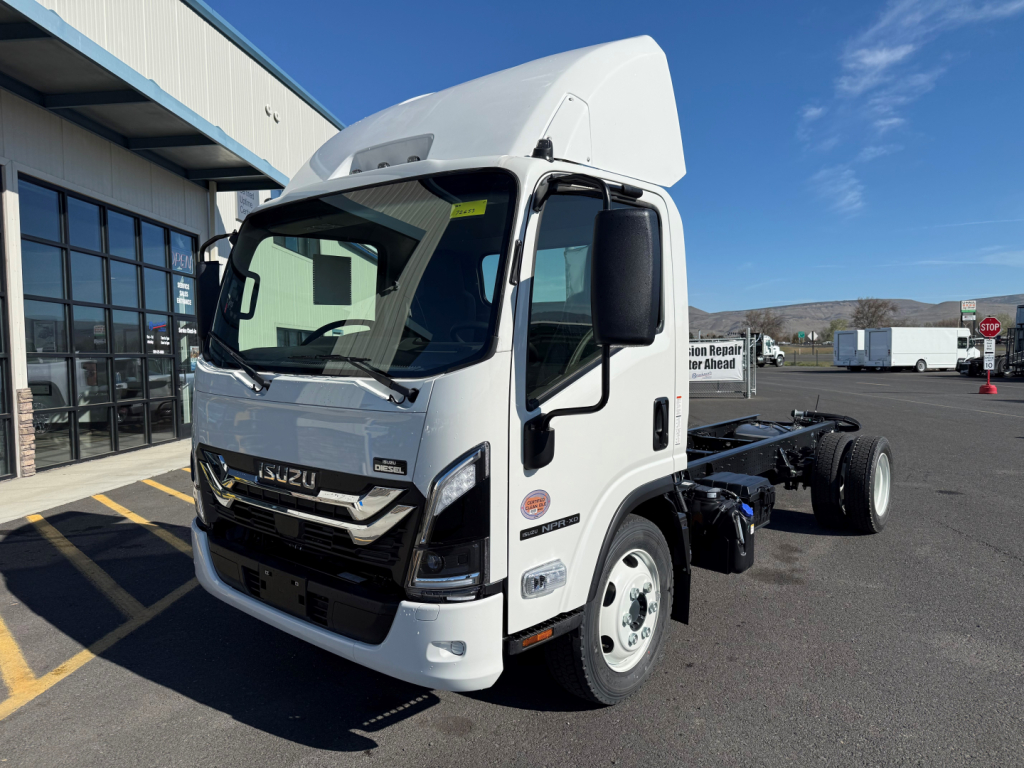
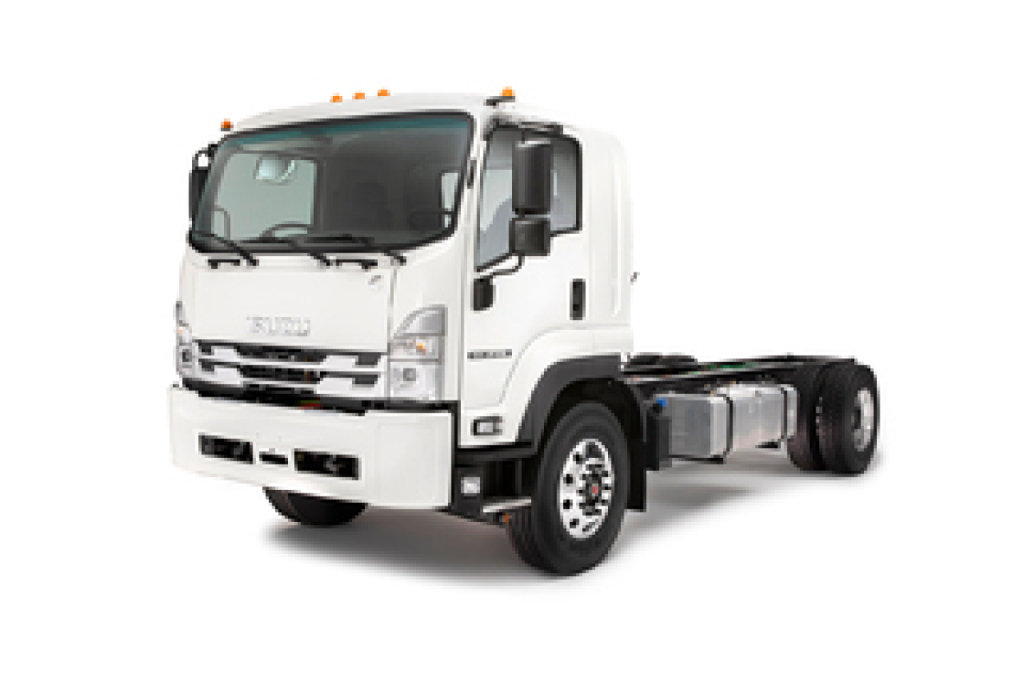
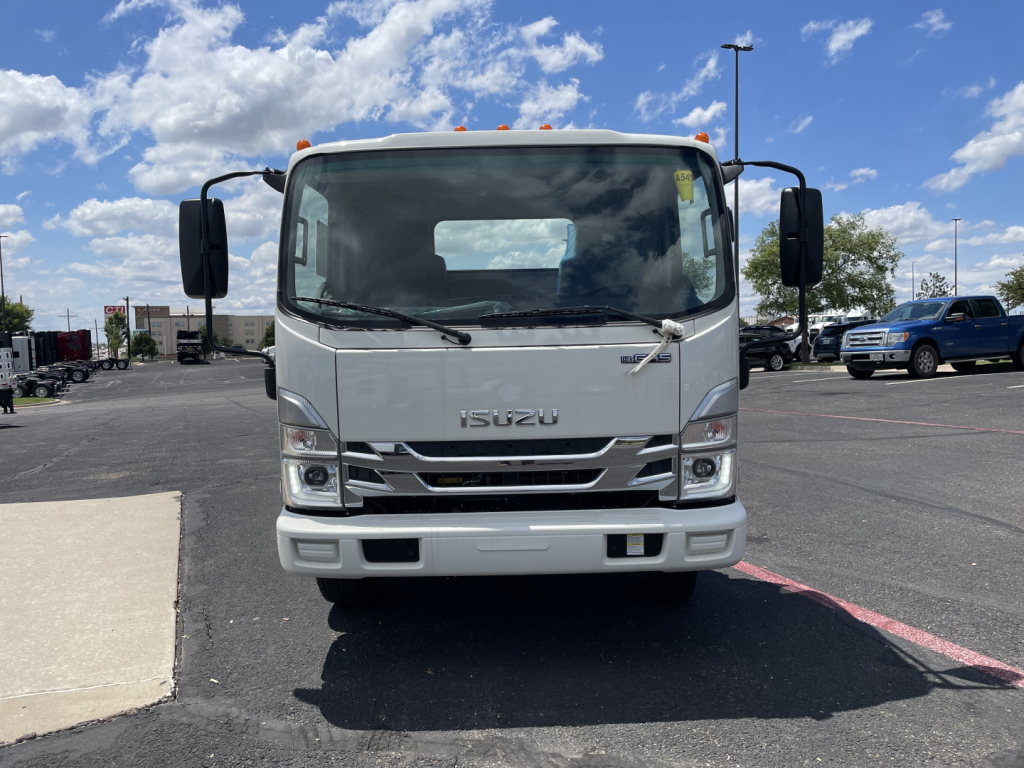
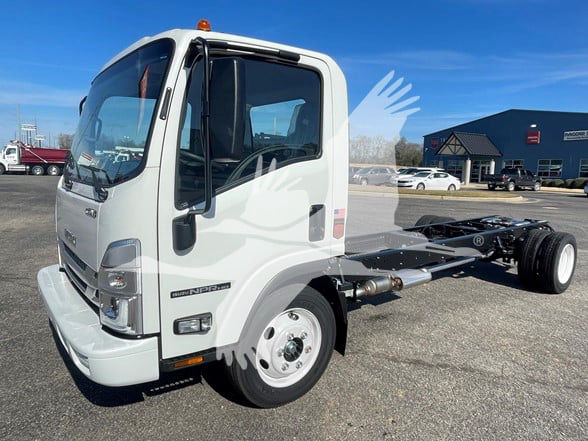
Selling a isuzu cab and chassis truck? List your isuzu cab and chassis truck for sale and reach thousands of commercial buyers.
Isuzu Cab and Chassis Trucks
The first buying decision is usually body length and payload, because that drives wheelbase, axle ratings, and engine choice. Lighter NPR HD and NQR chassis are commonly spec'd for van bodies, reefer bodies, stake beds, and light flatbeds, while NRR and FTR models step up for heavier payloads and larger body applications. Wheelbases in this class often fall around 176 to 224 inches, which can support a wide range of cab-to-axle requirements for box trucks, dump inserts, utility bodies, and landscape beds. Buyers comparing listings should pay close attention to front and rear axle ratings, rear ratio, frame dimensions, and cab-to-axle measurement, since those details determine whether a chassis will accept the upfit you need without costly modification.
Powertrain choice matters because Isuzu cab and chassis trucks can appear with both diesel and gasoline configurations depending on model year and series. Diesel N-Series trucks are known for fuel efficiency and long-route durability, often using the Isuzu 4HK1 platform with automated or automatic transmissions from Aisin. Newer gasoline options, including GM-based 6.6L V8 applications in models like the NPR HD Gas and NRR-Gas, appeal to fleets looking for simpler emissions systems, lower acquisition cost, and easier service access in mixed commercial shops. In heavier F-Series chassis such as the FTR, buyers will also see Cummins diesel power paired with Allison automatic transmissions, especially in specs aimed at larger van bodies and non-CDL Class 6 applications.
Suspension, tire size, and cab equipment should be matched to the route, not just the load rating. Spring suspension is common and durable for general freight and vocational use, while air ride on some heavier Isuzu chassis can help protect cargo and improve ride quality. Most buyers also look for practical fleet features such as power mirrors, easy cab entry, PTO capability on certain specs, and a turning radius that works in alleys, docks, and residential streets. If you are comparing used Isuzu cab and chassis trucks, inspect frame condition, previous upfit holes, corrosion around crossmembers, transmission service history, and any signs of overloading. A clean, correctly sized chassis will save money on the body install and perform better over the life of the truck.
Frequently Asked Questions about Isuzu Cab and Chassis Trucks
What are Isuzu cab and chassis trucks commonly used for?
Isuzu cab and chassis trucks are commonly used for box trucks, refrigerated bodies, flatbeds, stake beds, service bodies, landscape bodies, and light dump applications. Their low-cab-forward layout makes them especially useful in urban and regional work where maneuverability, visibility, and dock access matter. The chassis design also gives body builders a straightforward platform for commercial upfits across delivery, utility, and contractor operations.
What is the difference between an Isuzu NPR, NQR, NRR, and FTR cab and chassis?
The main differences are GVWR, axle capacity, powertrain, and intended body size. NPR HD models are generally positioned on the lighter end for Class 4 and some Class 5 work, while NQR and NRR models step up in payload and axle ratings for heavier box or vocational bodies. The FTR moves into a larger Class 6 platform with higher GVWR, bigger axle ratings, and specs that can support longer bodies and heavier commercial use. Buyers should match the model to the finished body weight, cargo profile, and cab-to-axle requirement rather than choosing by model name alone.
Are Isuzu cab and chassis trucks available with gas and diesel engines?
Yes. Isuzu cab and chassis trucks can be found with both gasoline and diesel engines depending on the model and year. Diesel versions are often favored for fuel economy, torque delivery, and high-mileage commercial use, while gasoline versions are popular with fleets that want lower upfront cost and simpler emissions-related maintenance. The right choice depends on annual miles, idle time, service network, payload demands, and how long the truck is expected to stay in the fleet.
How do I choose the right wheelbase on an Isuzu cab and chassis truck?
Wheelbase should be selected based on the body length, desired cab-to-axle dimension, weight distribution, and turning requirements. A wheelbase that is too short may not support the body you need, while one that is too long can reduce maneuverability and create unnecessary rear overhang. For accurate fitment, buyers should confirm cab-to-axle, cab-to-end-of-frame, frame height, and axle placement with the body manufacturer before purchase.
What should I inspect on a used Isuzu cab and chassis truck before buying?
Start with the frame rails, crossmembers, suspension mounts, and any evidence of prior body removal or modification. On used Isuzu trucks, it is also important to review engine and transmission service history, check for corrosion, inspect tire wear for alignment or loading issues, and verify that axle ratings and GVWR still match the planned application. If the truck already had an upfit, look closely at drilled frame holes, wiring repairs, PTO provisions, and signs the chassis was previously overloaded.