
2026 Isuzu Cab and Chassis Trucks For Sale
Shop 2026 Isuzu cab and chassis trucks, including NPR and NPR XD models, with low-cab-forward design, strong GVWR options, and upfit-ready frames.
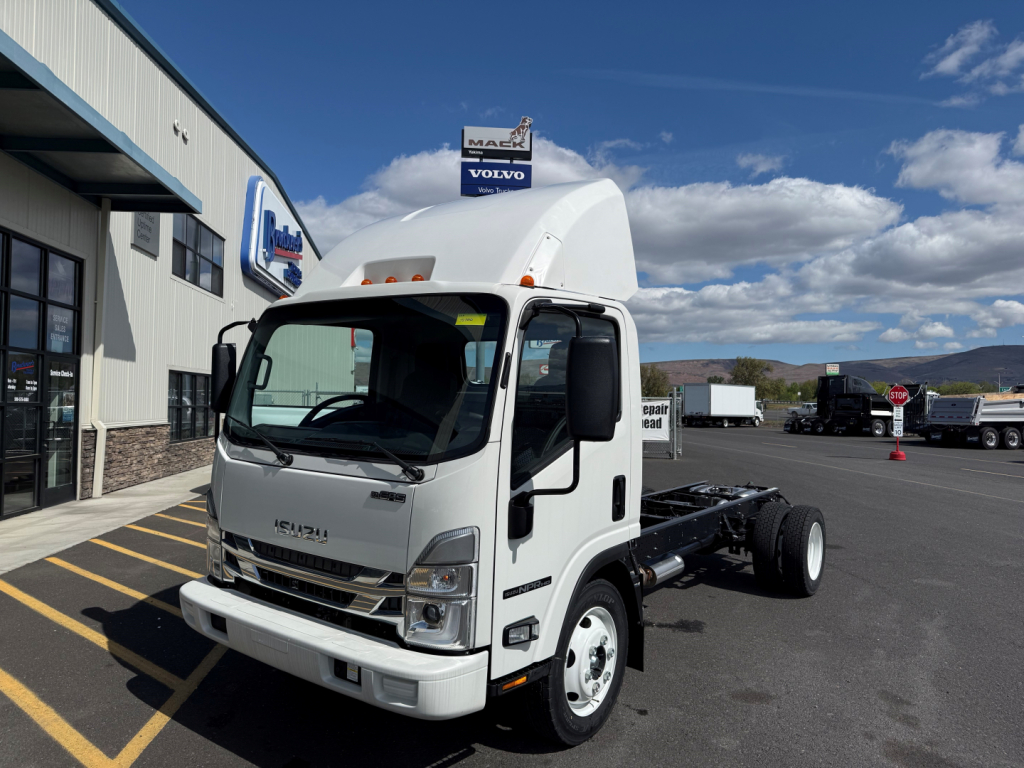
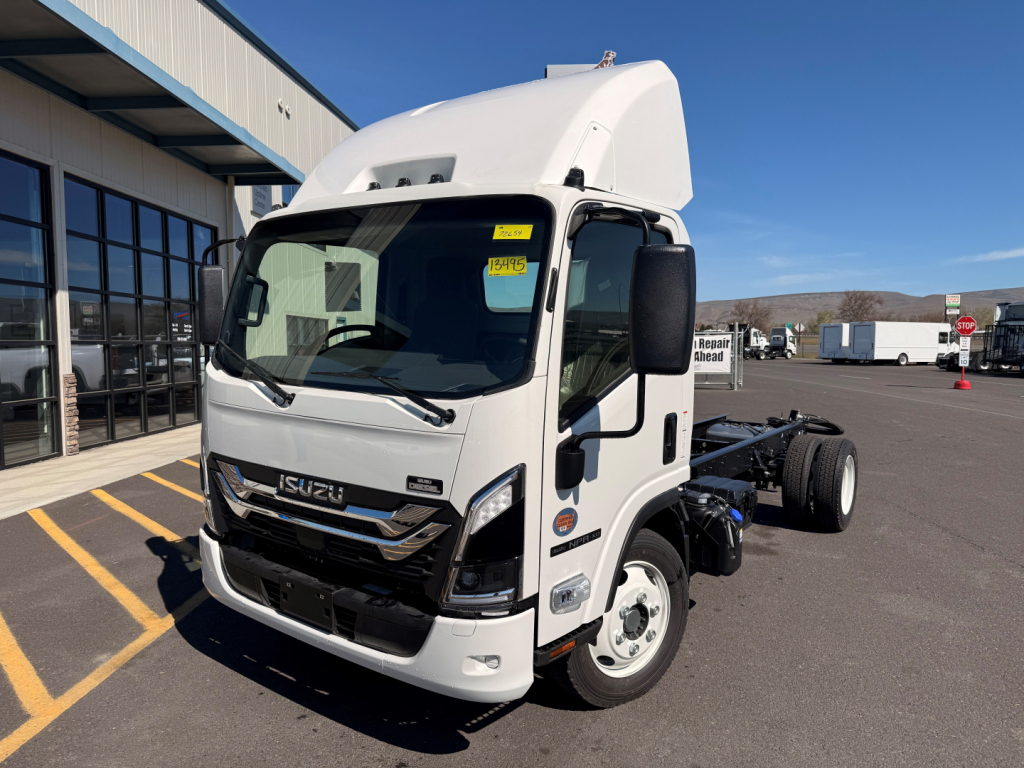
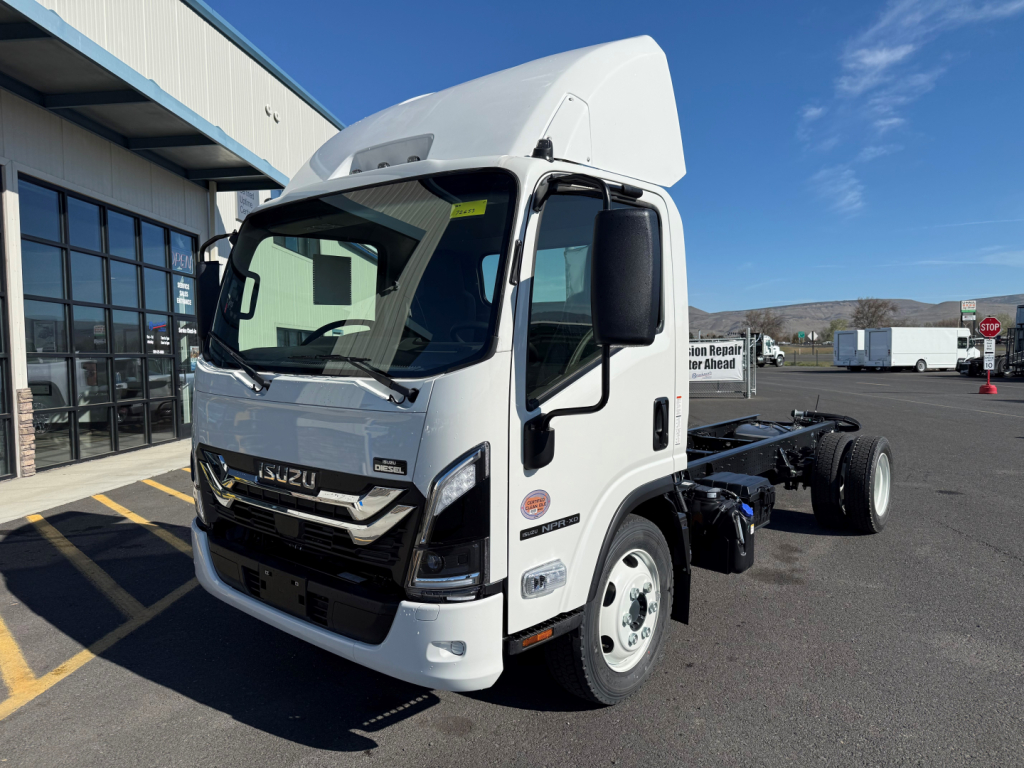
Selling a 2026 isuzu cab and chassis truck? List your 2026 isuzu cab and chassis truck for sale and reach thousands of commercial buyers.
2026 Isuzu Cab and Chassis Trucks
For most buyers, the first decision is GVWR and fuel type. In this class, common 2026 Isuzu choices include gas and diesel variants such as the NPR HD, NPR-XD, and similar medium-duty cab and chassis configurations. Diesel models are often chosen for higher payload demands, longer route cycles, and operators who want strong low-end torque from Isuzu’s 5.2L platform. Gas models can make sense for shorter routes, simpler maintenance planning, and fleets standardizing around gasoline service. Typical GVWR ranges in this family commonly fall from the mid-14,000-pound class up into the 16,000-pound range, with wheelbase and cab-to-axle dimensions selected to match the body length and weight distribution of the final upfit.
Body fit is where a cab and chassis purchase is won or lost. Buyers should confirm wheelbase, cab-to-axle, frame height, axle ratings, and intended body length before committing to a truck. Many Isuzu configurations in this segment are commonly paired with 12-foot to 18-foot bodies, depending on model and chassis specification. A longer body is not automatically better if it compromises payload, rear axle loading, or maneuverability at job sites. It is also worth checking frame reinforcement needs, PTO compatibility if hydraulic equipment is planned, and any electrical provisions required for liftgates, reefer units, compressors, or work truck accessories.
The appeal of a 2026 Isuzu cab and chassis is not just the spec sheet. It is the combination of commercial durability, easy cab access, and a chassis architecture that suits high-stop routes and vocational work. Buyers comparing listings should pay close attention to axle capacity, transmission pairing, suspension setup, brake configuration, and the exact cab-to-axle measurement rather than shopping by model name alone. The right Isuzu cab and chassis should match the body builder’s requirements, keep payload legal, and fit the daily route without wasting wheelbase or capacity.
Frequently Asked Questions about 2026 Isuzu Cab and Chassis Trucks
What is the main advantage of a 2026 Isuzu cab and chassis truck?
The main advantage is the low-cab-forward design. It improves forward visibility, reduces overall vehicle length for a given body size, and delivers a tighter turning radius than many conventional cab trucks. That makes Isuzu cab and chassis models especially effective for city delivery, service routes, and applications with frequent backing, alley access, or crowded job sites.
How do I choose between a gas and diesel Isuzu cab and chassis?
The choice usually comes down to route profile, payload, and maintenance priorities. Diesel is often preferred for heavier work, more torque under load, and higher daily utilization. Gas can be a strong fit for lighter duty cycles, shorter runs, and fleets looking for a simpler engine package. The better choice is the one that matches the truck’s body, loaded weight, annual miles, and stop-and-go operating pattern.
What body sizes are commonly installed on an Isuzu cab and chassis?
Common body lengths often fall in the 12-foot to 18-foot range, depending on the exact model, wheelbase, and cab-to-axle dimension. A buyer should not select body length by assumption. The upfit has to match chassis ratings, axle loading, and the body builder’s dimensional requirements. An 16-foot to 18-foot body is common on heavier NPR-XD style configurations, but the correct size depends on the final application.
What specs matter most when comparing Isuzu cab and chassis listings?
The most important specs are GVWR, front and rear axle ratings, wheelbase, cab-to-axle, cab-to-end-of-frame, engine, transmission, and suspension. Those numbers determine what body can be installed, how much payload remains after upfit, and whether the truck will balance correctly when loaded. Buyers should also verify brake type, tire size, frame dimensions, and any PTO or electrical provisions needed for the job.
Are Isuzu cab and chassis trucks good for upfit applications?
Yes. Isuzu cab and chassis trucks are widely used as foundations for box trucks, reefer bodies, landscaper bodies, stake beds, dumps, utility bodies, and service trucks. Their straight frame rails, compact cab design, and vocational-friendly dimensions make them popular with body builders. The key is matching the chassis spec to the finished body weight and operating environment before the upfit is installed.