
2026 Isuzu Cab and Chassis Trucks For Sale in Washington
Shop 2026 Isuzu cab and chassis trucks in Washington. Low-cab-forward diesel and gas models built for box, service, dump, and reefer upfits.
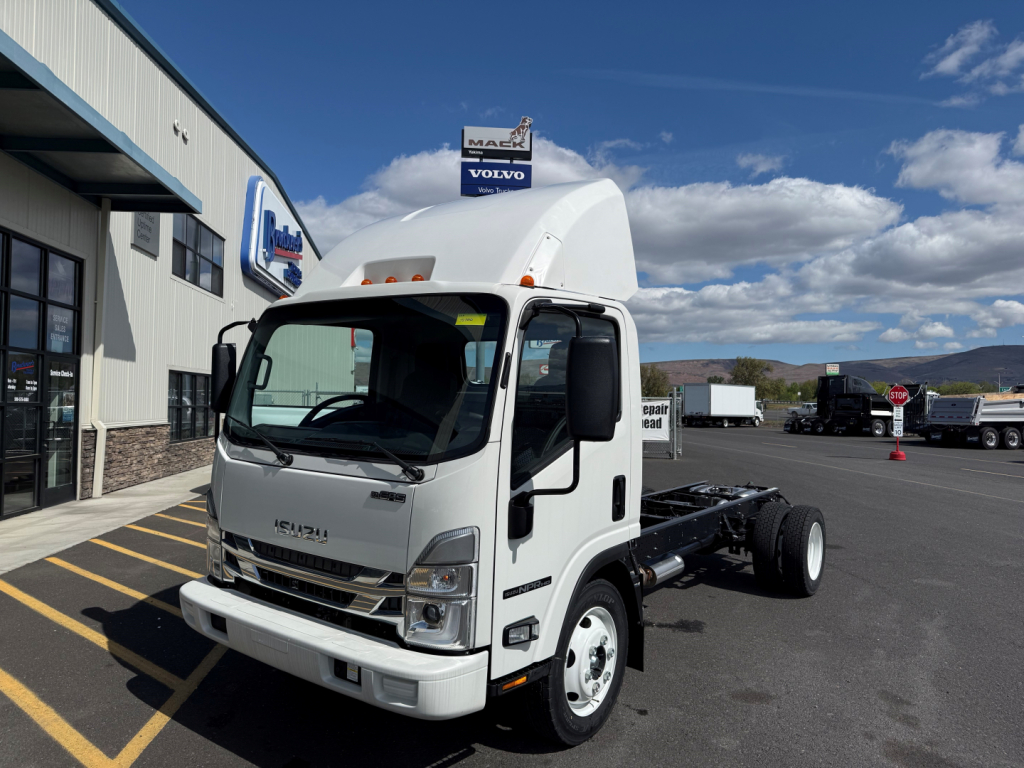
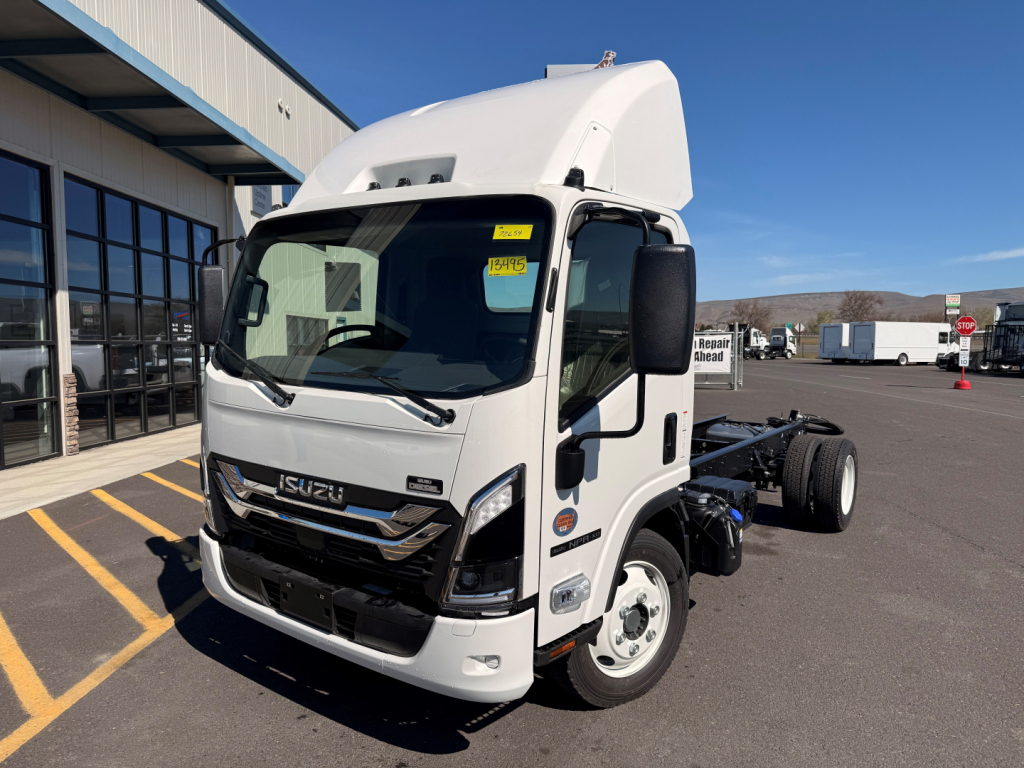
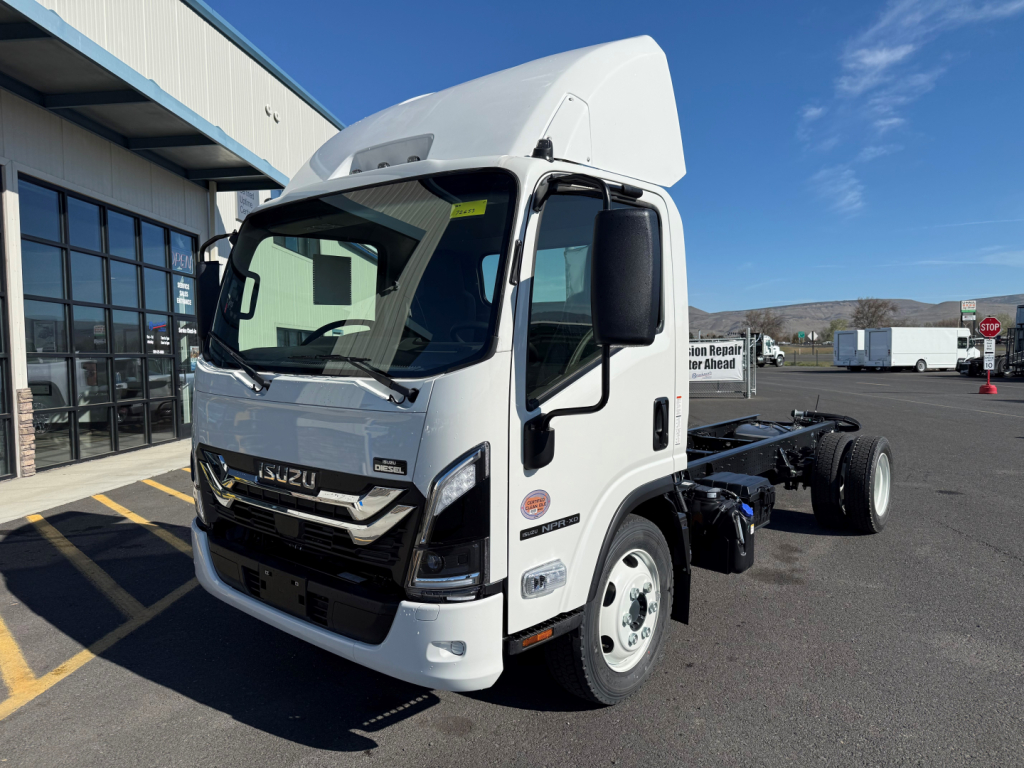
Selling a 2026 isuzu cab and chassis truck? List your 2026 isuzu cab and chassis truck for sale and reach thousands of commercial buyers.
2026 Isuzu Cab and Chassis Trucks in Washington
A key buying decision in this category is diesel versus gas. The 2026 Isuzu NPR XD diesel is commonly chosen for higher payload demands, longer daily routes, and operators who want the torque characteristics of a 5.2L turbo-diesel with a medium-duty feel in a compact chassis. Gas-powered models such as the NPR Gas HD appeal to fleets looking for simpler fueling, lower upfront cost, and a good fit for lighter vocational duty cycles. GVWR, wheelbase, rear axle rating, and cab-to-axle measurement should be matched to the body you plan to install. Many cab and chassis configurations in this class are suitable for 16 to 18 foot bodies, depending on the wheelbase and intended upfit.
This equipment class is often used for dry vans, refrigerated bodies, flatbeds, stake beds, dump bodies, contractor bodies, landscape beds, and service utility upfits. Buyers should look closely at frame dimensions, fuel type, transmission pairing, PTO compatibility if required, and expected payload after the body and equipment are installed. Cab and chassis trucks live or die by upfit compatibility, so body length, floor height, axle placement, and clear frame space for liftgates, compressors, generators, or reefer units are all worth confirming before purchase. Suspension setup and brake configuration also matter if the truck will carry dense loads or operate in hilly areas.
Isuzu has long been a strong fit for route-based commercial work because these trucks are designed around ease of entry, forward visibility, and predictable serviceability. For a Washington buyer, that can translate into practical advantages for beverage delivery, produce distribution, plumbing and electrical service, parcel work, and local government fleets. The best 2026 Isuzu cab and chassis choice usually comes down to body plan, route density, payload target, and fuel strategy, not just advertised GVWR. A properly matched chassis will upfit cleaner, carry the load correctly across the axles, and stay productive over the long term.
Frequently Asked Questions about 2026 Isuzu Cab and Chassis Trucks in Washington
What is a cab and chassis truck used for?
A cab and chassis truck is a stripped commercial truck platform that includes the cab, frame, drivetrain, and rear chassis so it can be fitted with a vocational body. Common uses include box trucks, refrigerated trucks, flatbeds, landscape bodies, service bodies, dump bodies, and stake beds. Buyers choose cab and chassis units when they need a truck built around a specific application instead of a factory-installed body.
What is the advantage of an Isuzu low-cab-forward chassis?
The main advantage is packaging efficiency. A low-cab-forward Isuzu can provide more body length in a shorter overall vehicle, which improves maneuverability in city traffic, loading docks, alleys, and crowded job sites. The cab position also improves forward visibility and makes frequent entry and exit easier for route drivers and service crews.
How do I choose between a 2026 Isuzu diesel and gas cab and chassis?
Diesel is typically the better fit for higher payloads, more demanding duty cycles, and routes where low-end torque and fuel efficiency under load matter most. Gas is often preferred by fleets that want lower initial cost, simpler fueling, and a good match for lighter or medium-duty urban work. The right choice depends on annual mileage, payload, idle time, maintenance strategy, and whether your operation already supports diesel equipment.
What specs matter most when buying a cab and chassis for an upfit?
The most important specs are GVWR, wheelbase, cab-to-axle measurement, rear axle rating, frame height, and available clear frame space. Those dimensions determine what body length will fit and how the completed truck will balance its weight. Buyers should also verify engine and transmission combination, PTO provisions if needed, and final payload after the body, tools, refrigeration equipment, or liftgate are installed.
How much body can an Isuzu NPR-class chassis usually carry?
Many Isuzu NPR-class cab and chassis trucks are commonly configured for bodies in the 16 to 18 foot range, but the exact fit depends on wheelbase, cab-to-axle length, body type, and weight distribution requirements. A dry van, reefer, flatbed, or dump body each places weight differently on the frame. The safest approach is to match the chassis dimensions and axle capacities to the finished upfit rather than choosing by body length alone.