
Isuzu Cab and Chassis Trucks For Sale in Washington
Shop Isuzu cab and chassis trucks with low-cab-forward design, flexible upfit options, strong payload ratings, and tight urban maneuverability.
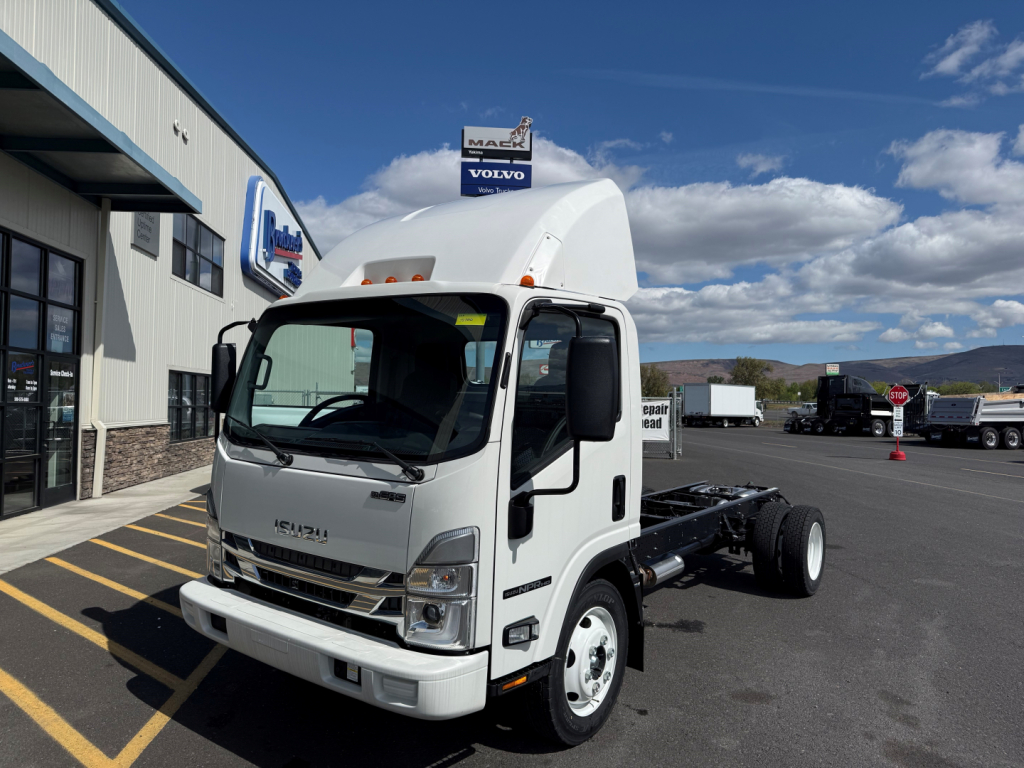
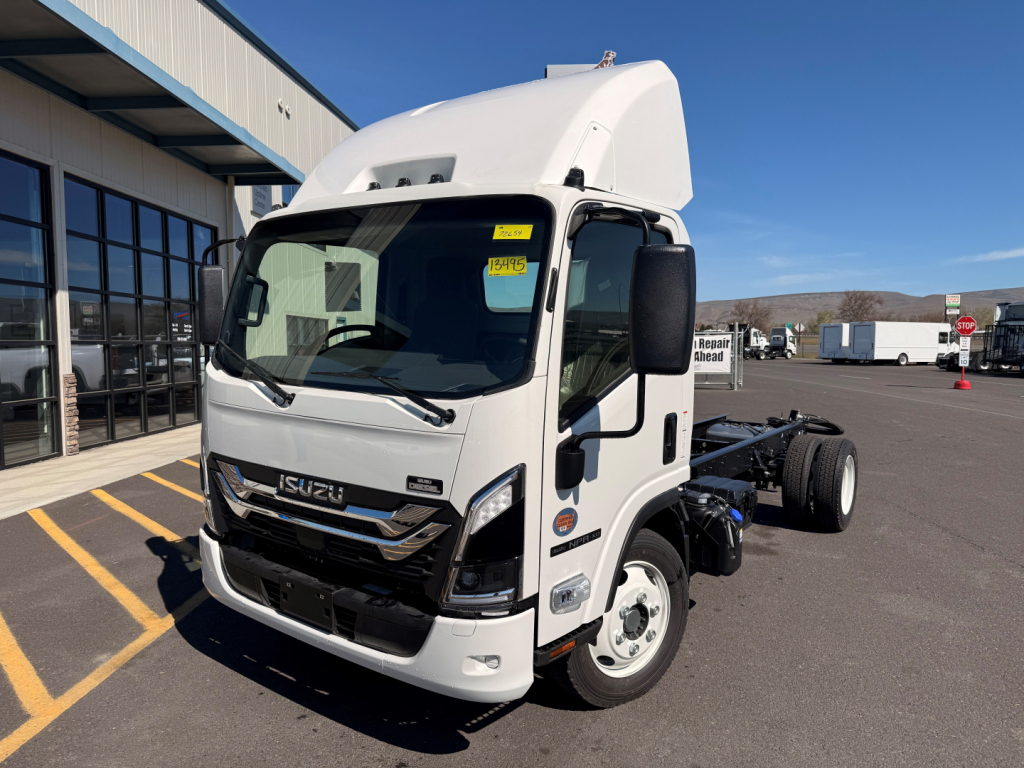
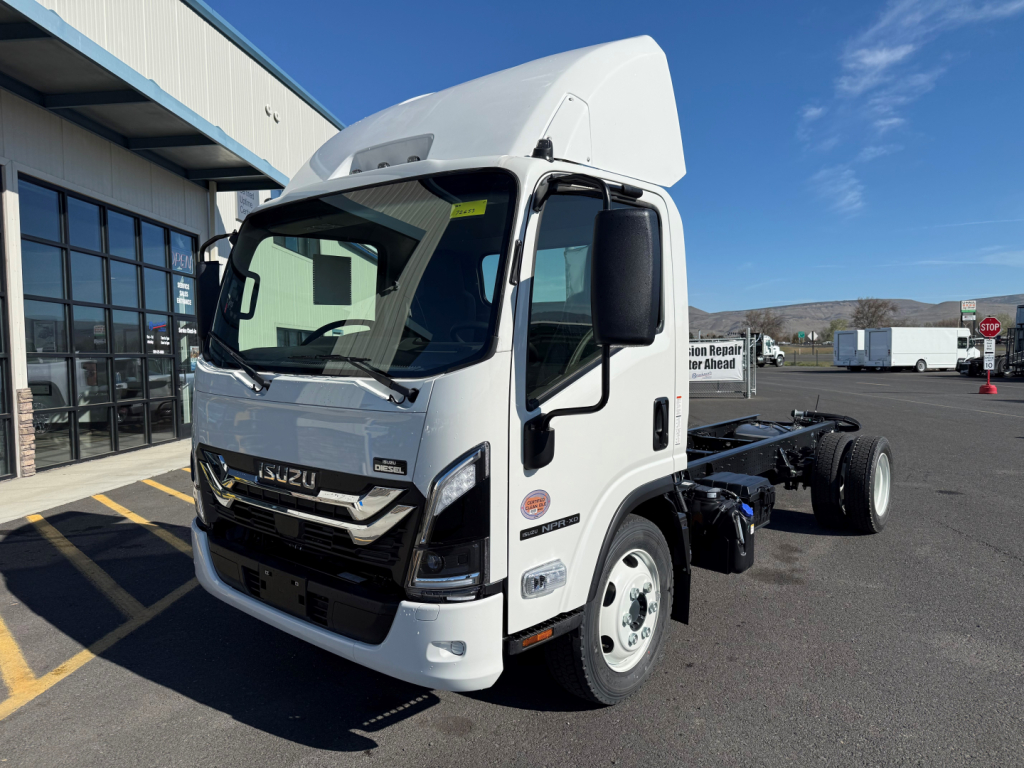
Selling a isuzu cab and chassis truck? List your isuzu cab and chassis truck for sale and reach thousands of commercial buyers.
Isuzu Cab and Chassis Trucks in Washington
The main buying decision is usually gas versus diesel, followed by chassis rating and body length. Current Isuzu cab and chassis models often fall in the Class 4 and Class 5 range, with GVWRs commonly around 16,000 to just over 19,000 pounds, and some diesel configurations reaching higher ratings depending on model. Gas versions typically appeal to fleets with shorter routes, lower annual miles, and easier access to gasoline service. Diesel models are often chosen for higher torque, heavier payload demands, and longer-duty cycles. Wheelbase, rear axle ratio, and rear suspension matter because they determine how well the chassis matches a 14-foot, 16-foot, or 18-foot body and how it performs once fully upfitted.
For Washington buyers, maneuverability and corrosion resistance matter as much as powertrain choice. Stop-and-go metro work around Seattle, Tacoma, Spokane, and Everett favors the Isuzu cabover configuration because it is easier to position in alleys, loading zones, and tight commercial lots. If the truck will run year-round in wet conditions or mountain corridors, pay attention to frame condition, electrical routing, and whether the final build will add significant rear weight from liftgates, refrigeration units, tool cabinets, or hydraulic systems. Front axle capacity, rear axle rating, and payload after upfit should be checked before purchase, not after the body is installed.
A good Isuzu cab and chassis spec is one that matches the body builder's requirements without leaving too little legal payload or too much unused chassis. Buyers should look closely at cab-to-axle dimension, wheelbase, GVWR, transmission calibration, and PTO or auxiliary equipment compatibility when the application calls for pumps, compressors, or other powered accessories. Isuzu has long been a strong choice in medium-duty cabover trucks because the platform is straightforward to upfit, easy to drive, and well suited for mixed city use where access, visibility, and body efficiency matter more than long-hood highway packaging.
Frequently Asked Questions about Isuzu Cab and Chassis Trucks in Washington
What is an Isuzu cab and chassis truck used for?
An Isuzu cab and chassis truck is an incomplete truck designed to receive a vocational body. Common uses include box trucks, refrigerated delivery trucks, flatbeds, stake beds, landscape bodies, dump bodies, utility service bodies, and contractor upfits. The chassis is selected first, then matched to body length, payload needs, and the equipment required for the job.
Should I choose a gas or diesel Isuzu cab and chassis?
Gas Isuzu cab and chassis trucks are often a good fit for lighter-duty routes, lower annual mileage, and operations that want simpler fueling and maintenance planning. Diesel models are typically preferred when torque, fuel efficiency under load, and heavier-duty use are more important. The right choice depends on route density, idle time, gross operating weight, and how much body and cargo weight the truck will carry every day.
What body length can an Isuzu cab and chassis handle?
Body length depends primarily on wheelbase, cab-to-axle measurement, and the body builder's specifications. Many Isuzu cab and chassis setups are configured for bodies in the 14-foot to 18-foot range, though exact fitment varies by model and intended application. Buyers should confirm that the chassis dimensions match the upfit requirement before ordering a body, especially when adding liftgates, refrigeration equipment, or other rear-mounted components.
Why are Isuzu cabover trucks popular for city routes?
The low-cab-forward design gives Isuzu trucks a shorter bumper-to-back-of-cab length than many conventional trucks, which helps maximize body space while keeping the truck maneuverable. Drivers also benefit from strong forward visibility and easier placement in tight streets, loading docks, and commercial parking areas. That combination makes them especially effective for urban delivery and service work.
What specs matter most when buying an Isuzu cab and chassis?
The most important specs are GVWR, front and rear axle ratings, wheelbase, cab-to-axle dimension, engine type, transmission, rear axle ratio, and suspension. Those numbers determine legal payload, body compatibility, driveability, and how well the truck handles a specific upfit. Buyers should also verify clearance needs, PTO capability if required, and final operating weight after the body, tools, fuel, and cargo are all included.