
2025 Isuzu Cab and Chassis Trucks For Sale
Shop 2025 Isuzu cab and chassis trucks with gas or diesel power, low-cab-forward visibility, and body-ready specs for many work applications.
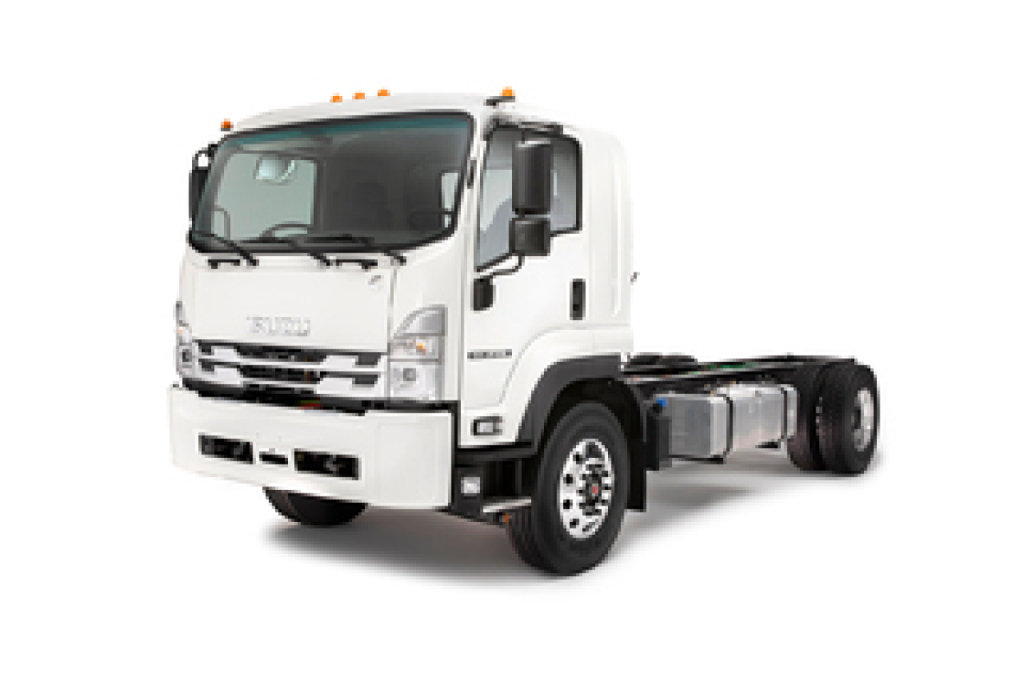
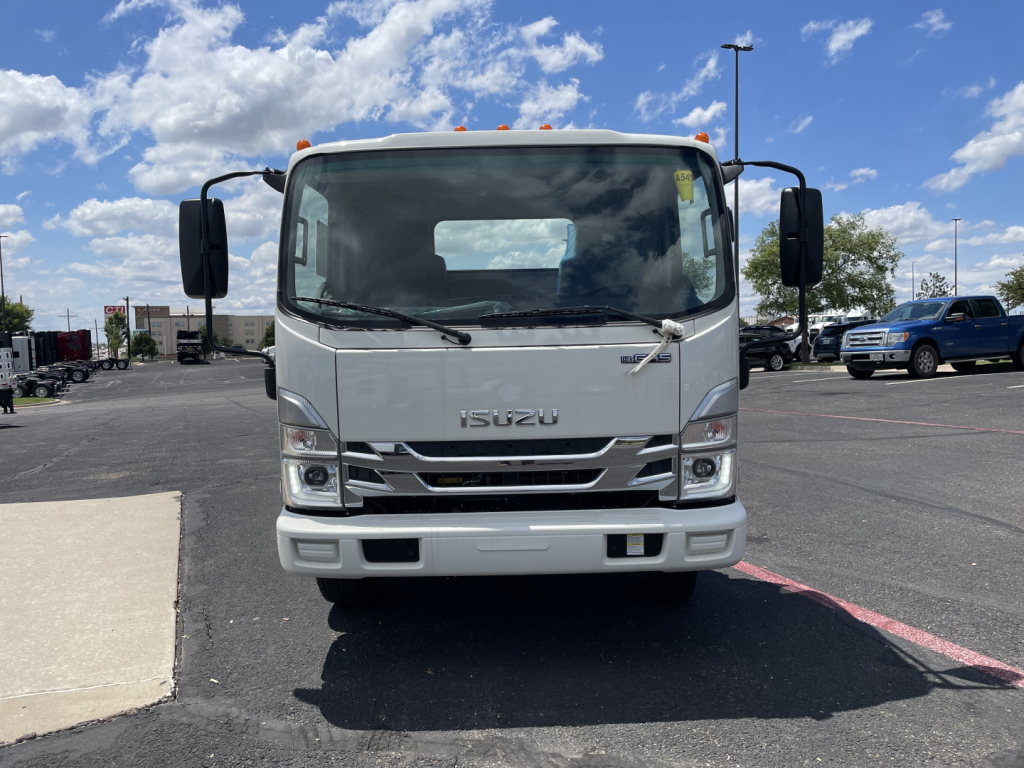
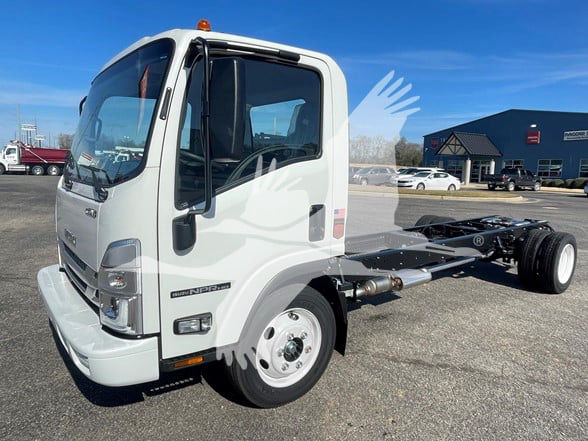
Selling a 2025 isuzu cab and chassis truck? List your 2025 isuzu cab and chassis truck for sale and reach thousands of commercial buyers.
2025 Isuzu Cab and Chassis Trucks
Powertrain choice is one of the first decisions. Gas models such as the NRR-GAS are often selected for municipal work, landscape crews, rental fleets, and lighter regional delivery where lower upfront cost and simpler service access matter. Diesel models in the NPR and NPR XD range remain popular for higher annual mileage, heavier payload demands, and applications that benefit from strong low-end torque and fuel efficiency under load. Moving up to the Isuzu FTR brings medium-duty capability with higher axle ratings, longer wheelbase options, and common 24 to 26 foot body applications, including dry van, refrigerated, stake, flatbed, rollback, dump, and specialized vocational upfits.
Body fitment details matter as much as engine choice. Buyers should pay close attention to wheelbase, cab-to-axle, frame height, single-frame versus reinforced frame needs, rear axle ratio, suspension type, and PTO compatibility if hydraulic equipment will be added. Common build targets include 14 to 18 foot bodies on NPR-class chassis and longer 20 to 26 foot bodies on FTR configurations, but final suitability depends on the upfit weight, floor rating, liftgate requirement, and where the finished truck must operate. If non-CDL operation is important, verify actual GVWR and completed body weight, especially on larger chassis where the truck may be spec'd close to licensing thresholds.
For many buyers, Isuzu cab and chassis trucks stand out for uptime, easy body integration, and driver-friendly packaging. The cab design gives excellent sightlines, step-in height is practical for route work, and automatic transmissions from suppliers such as Allison or Aisin are common in this class. When comparing listings, focus on the real working specs: front and rear axle ratings, wheelbase, cab-to-axle measurement, suspension, engine family, transmission model, and intended body length. Those details determine payload, turning performance, and upfit flexibility far more than model badge alone.
Frequently Asked Questions about 2025 Isuzu Cab and Chassis Trucks
What is the best 2025 Isuzu cab and chassis model for a 16 to 18 foot box or service body?
For many 16 to 18 foot body applications, buyers start with the Isuzu NPR, NPR HD, NRR, or NPR XD depending on required GVWR and payload. The right choice depends on body weight, liftgate needs, cargo density, and the cab-to-axle dimension required by the body manufacturer. A lighter service body or van body may fit well on an NPR or NPR HD, while a heavier upfit or higher payload target may push the decision toward an NRR or NPR XD diesel configuration.
Should I choose a gas or diesel 2025 Isuzu cab and chassis truck?
Gas Isuzu cab and chassis trucks are often preferred when lower acquisition cost, simpler maintenance, and shorter urban routes are the priority. Diesel models generally make more sense for higher mileage fleets, heavier loads, and duty cycles where torque, fuel economy under load, and engine longevity are key decision points. The best fit comes from matching fuel type to annual miles, average payload, idle time, and service support in your area.
What body types are commonly installed on a 2025 Isuzu cab and chassis?
Common body applications include dry vans, reefer bodies, flatbeds, stake beds, dump bodies, landscape bodies, utility and service bodies, rollback carriers, and other vocational upfits. Isuzu low-cab-forward chassis are especially popular where body length must be maximized without increasing total vehicle length too much. The correct chassis depends on wheelbase, cab-to-axle, frame strength, axle ratings, and whether PTO or hydraulic equipment is part of the final build.
Why do buyers choose an Isuzu low-cab-forward chassis over a conventional cab truck?
The low-cab-forward layout improves visibility, shortens bumper-to-back-of-cab measurement, and delivers a tighter turning radius than many conventional medium-duty trucks. That makes it useful for urban delivery, downtown service calls, food and beverage routes, and other operations with frequent turns, narrow streets, and close-quarter maneuvering. It also helps maximize usable body length within a compact overall footprint.
What specs should I verify before buying a 2025 Isuzu cab and chassis?
The most important items to verify are GVWR, front and rear axle ratings, wheelbase, cab-to-axle dimension, engine and transmission, rear axle ratio, suspension type, frame configuration, and target body length. Buyers should also confirm brake setup, tire size, fuel type, PTO readiness if needed, and the expected curb weight of the completed upfit. Those details determine legal payload, fitment, performance, and whether the truck will match the intended application.