
New Isuzu Cab and Chassis Trucks For Sale
Shop new Isuzu cab and chassis trucks, including NPR, NRR and FTR models built for box trucks, flatbeds, service bodies and delivery fleets.
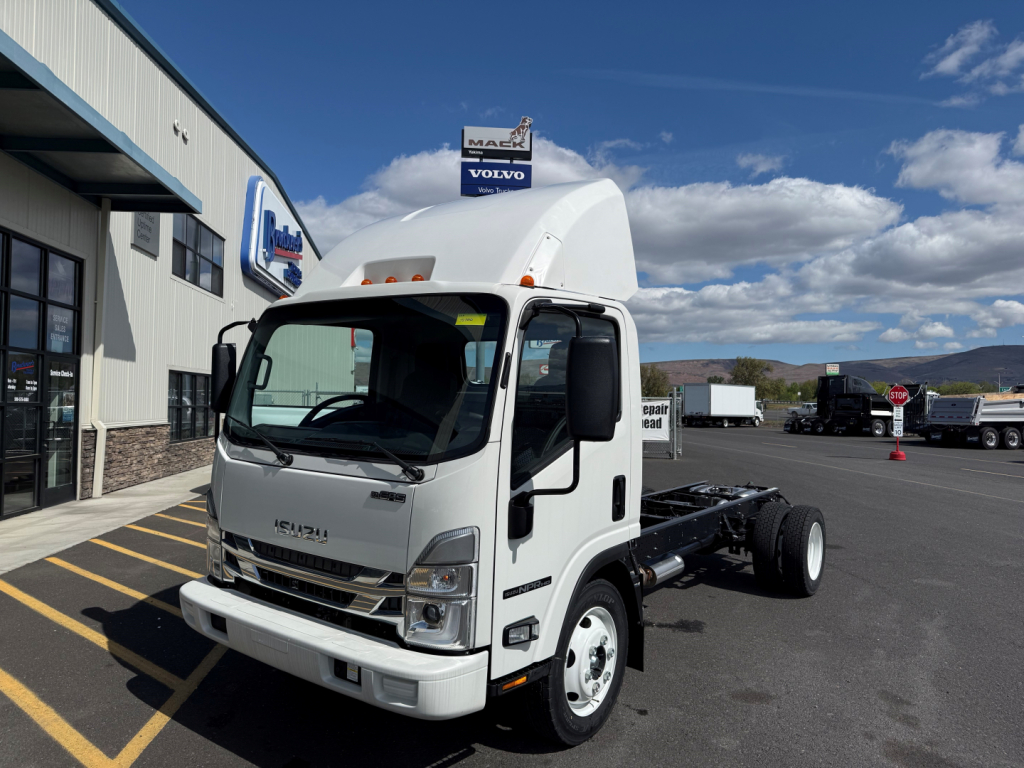
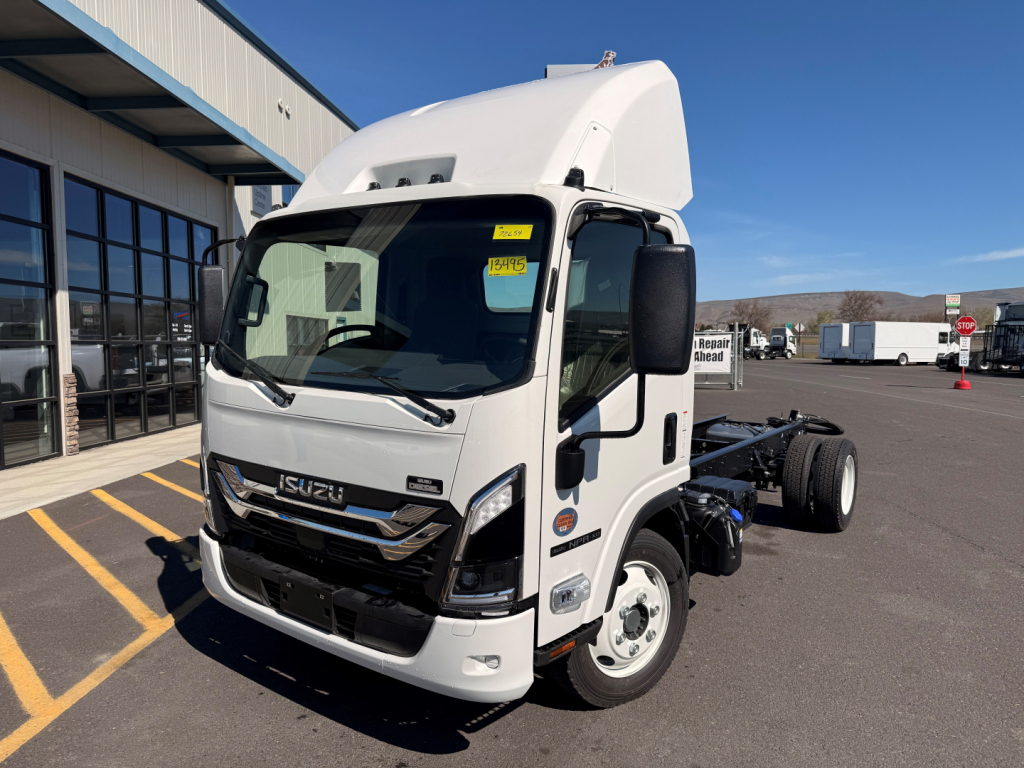
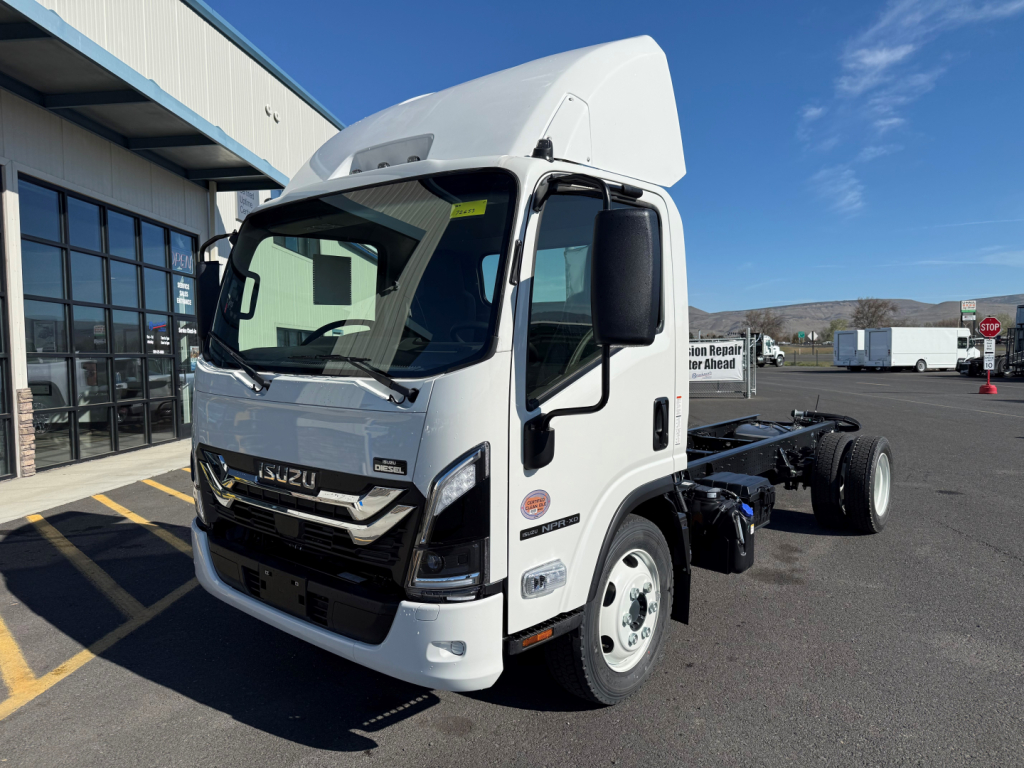
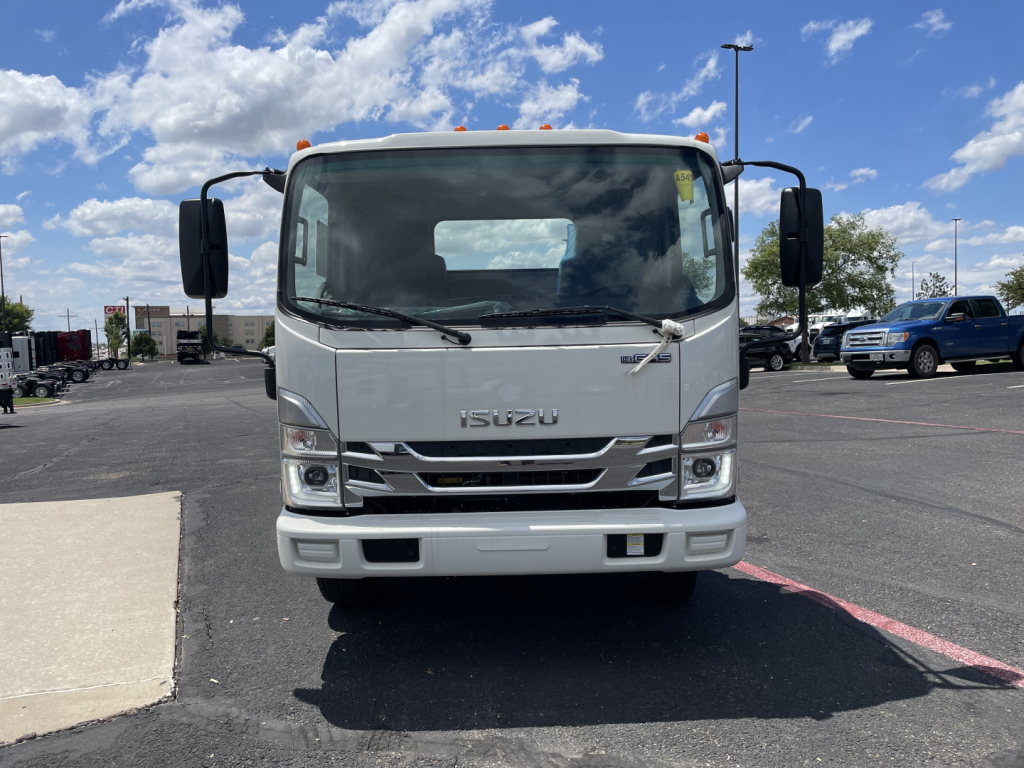
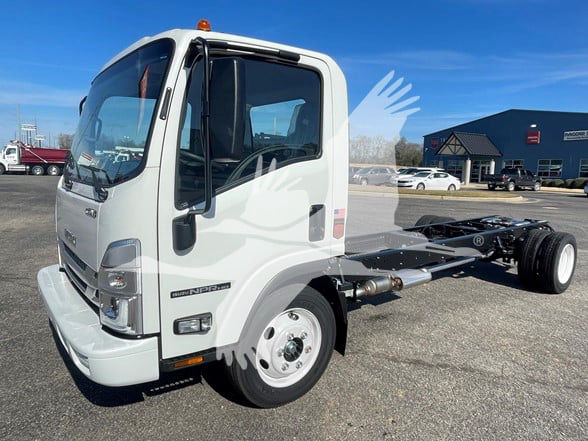
Selling a new isuzu cab and chassis truck? List your new isuzu cab and chassis truck for sale and reach thousands of commercial buyers.
New Isuzu Cab and Chassis Trucks
The biggest buying decision is usually matching GVWR, wheelbase, and powertrain to the body you intend to mount. In Isuzu’s lineup, common choices include NPR HD, NRR-Gas, NPR-XD diesel, and FTR models. Lighter NPR and NPR HD chassis are often used for dry van and service body applications, while NRR and NPR-XD trucks give buyers more payload capability for heavier vocational use. The FTR moves into the Class 6 range and is a common choice for 24 to 26 foot van bodies, larger reefer bodies, and applications that need higher axle ratings without stepping into a CDL truck in some specifications. Wheelbase selection is critical because it determines body length, bridge spacing, and overall maneuverability. Shorter wheelbases suit urban routes, while longer setups better support larger cargo bodies and higher cubic capacity.
Powertrain choices on new Isuzu cab and chassis trucks typically include gasoline and diesel options, depending on model. Gas engines such as the 6.6L V8 appeal to fleets that want lower upfront cost, simpler service support, and good fit for local delivery duty cycles. Diesel models such as the Isuzu 4HK1 or Cummins-powered FTR generally make more sense for higher annual mileage, heavier payloads, and operations focused on fuel economy and long-term durability. Most current configurations pair with proven 6-speed automatic transmissions from Allison or Aisin, which is a plus for mixed-driver fleets and urban use. Buyers should also pay attention to axle ratings, rear ratio, and suspension type. Spring suspension is common and durable for general service, while air ride can improve ride quality and help protect sensitive cargo.
Upfit compatibility is where Isuzu cab and chassis trucks really earn their place in commercial fleets. Straight frame rails, strong body-builder support, and familiar dimensions make them a practical foundation for dry freight, refrigerated distribution, beverage work, parcel delivery, municipal use, and contractor service bodies. When comparing listings, focus on CA dimension, wheelbase, GVWR, and front and rear axle ratings before looking at cosmetics or convenience options. Those chassis numbers determine how well the truck will carry the body, payload, and equipment your operation requires. A well-matched Isuzu chassis will usually deliver lower driver fatigue in tight urban work, efficient body packaging, and predictable operating costs over the life of the truck.
Frequently Asked Questions about New Isuzu Cab and Chassis Trucks
What is the difference between an Isuzu cab and chassis truck and a box truck?
An Isuzu cab and chassis truck is sold as the truck chassis with cab, frame rails, powertrain, axles, and suspension, but without the final body installed. A box truck is typically a completed upfit built on that chassis with a cargo body already mounted. Buyers choose cab and chassis units when they want to spec the exact body type, body length, liftgate, shelving, refrigeration system, or vocational equipment needed for their business.
Which Isuzu cab and chassis model is best for a 16 to 18 foot body?
A 16 to 18 foot body is commonly matched to Isuzu NPR, NPR HD, or NPR-XD configurations, depending on payload needs and the weight of the finished upfit. The right choice depends on wheelbase, cab-to-axle measurement, GVWR, and rear axle capacity. A lighter dry van body may fit well on an NPR HD, while a heavier refrigerated body or service body may require stepping up to an NPR-XD or NRR for better payload margin.
Are new Isuzu cab and chassis trucks available with gas and diesel engines?
Yes. New Isuzu cab and chassis trucks are commonly available with both gasoline and diesel powertrains, depending on model. Gas engines are often preferred for local delivery fleets that want lower initial cost and broad service access. Diesel engines are typically selected for heavier payloads, longer routes, and operations that value torque, fuel economy, and long service life under demanding duty cycles.
Is an Isuzu FTR a non-CDL truck?
Some Isuzu FTR configurations are spec'd at 25,950 or 26,000 pounds GVWR, which keeps them in non-CDL territory in many jurisdictions when operated as a straight truck and when no other licensing factor applies. Other FTR specifications can be rated higher, so the exact GVWR on the door label matters. Buyers should verify local CDL rules, body weight, and intended payload before assuming a truck will remain under non-CDL limits after upfitting.
What specs matter most when buying a new Isuzu cab and chassis?
The most important specs are GVWR, front and rear axle ratings, wheelbase, cab-to-axle dimension, engine, transmission, and suspension type. These numbers determine what body can be installed, how much payload the truck can legally and safely carry, and how the truck will perform in city or regional service. A good buyer starts with body length and payload requirements, then works backward to the chassis that provides enough capacity without overspending on unnecessary truck.