
New 2025 Isuzu Cab and Chassis Trucks For Sale
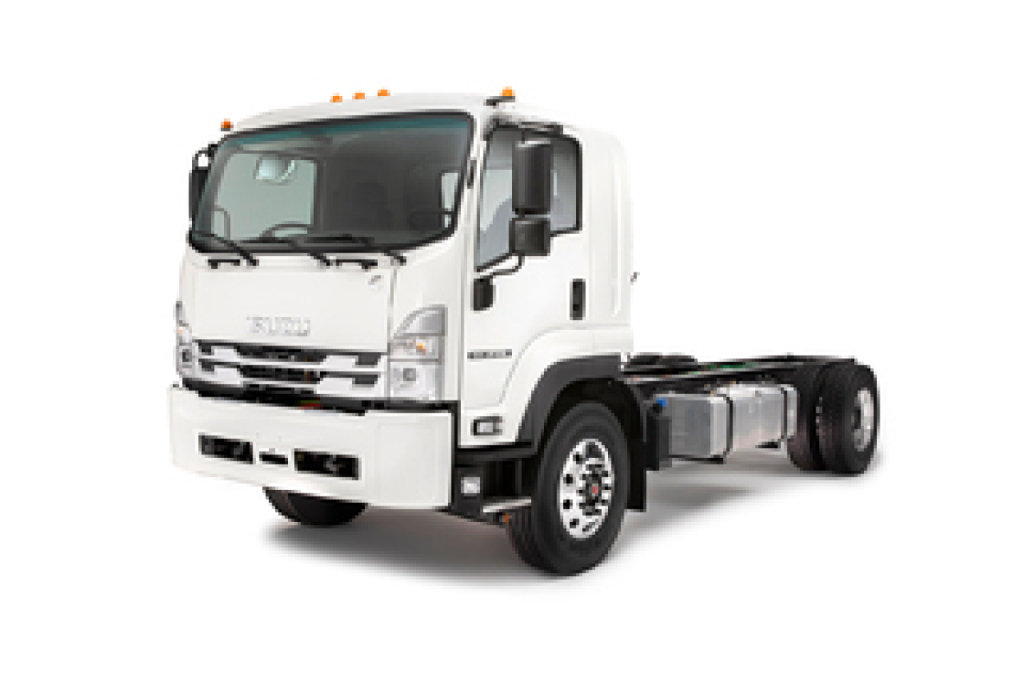
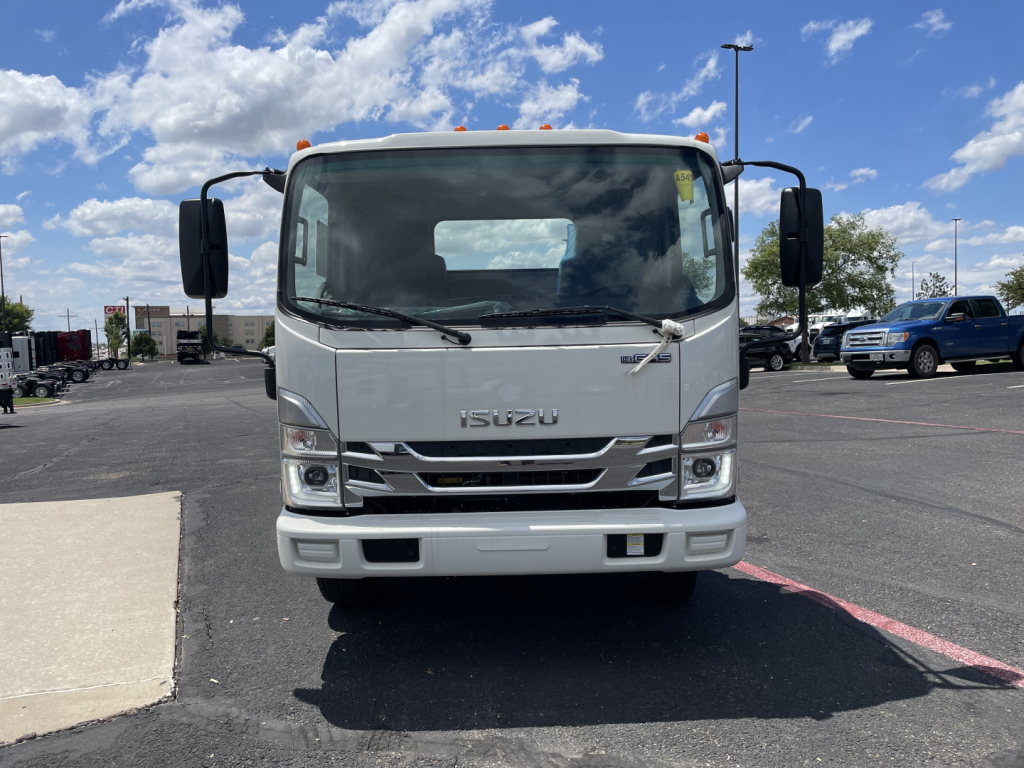
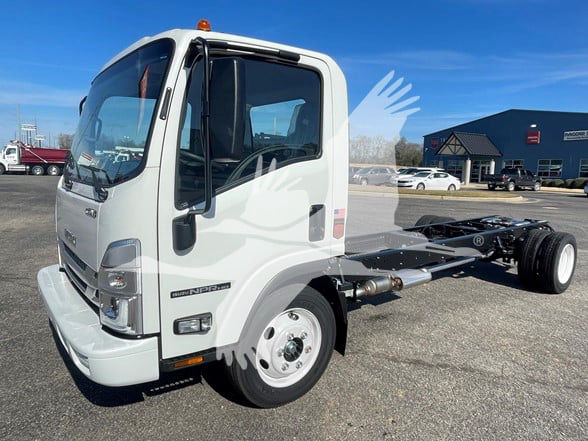
Shop new 2025 Isuzu cab and chassis trucks, including NPR, NRR, NQR, and FTR models built for box, reefer, dump, and service body upfits.
Selling a new 2025 isuzu cab and chassis truck? List your new 2025 isuzu cab and chassis truck for sale and reach thousands of commercial buyers.
New 2025 Isuzu Cab and Chassis Trucks
The biggest buying decision is usually matching the chassis to the body, payload, and route profile. In the 2025 lineup, buyers will commonly compare gas models like the NPR-HD Gas and NRR Gas with diesel models such as the NPR-XD, along with larger Class 6 choices like the FTR. Gas units are often attractive for shorter routes, simpler emissions considerations, and lower initial acquisition cost. Diesel models remain a strong fit for heavier payloads, higher annual mileage, and applications where low-end torque and fuel economy matter. Typical body pairings include dry van, refrigerated box, stake bed, dump, contractor body, utility body, rollback, and landscape bodies. Wheelbase, cab-to-axle, frame section, and GVWR need to be checked carefully against the intended upfit so the finished truck carries weight legally and still balances correctly on the axles.
Common specs in this category include GVWR ratings from the mid-14,000-pound range up into the Class 6 segment, Allison automatic transmissions, and either gas V8 or diesel power depending on model. Isuzu cab and chassis trucks are well known for easy body packaging because of their straight frame rails and upfit-friendly layouts. Buyers should still confirm rear axle ratio, suspension type, brake configuration, fuel tank placement, and any factory PTO provisions before finalizing a build. On longer bodies, the wheelbase and rear overhang relationship becomes especially important for ride, turning performance, and dock approach angles. If the truck will carry a reefer unit, liftgate, crane, compressor, or other power-hungry equipment, electrical capacity and idle strategy also deserve attention.
For fleet buyers and owner-operators alike, the value in a new 2025 Isuzu cab and chassis usually comes down to fit for application. A correctly spec'd chassis reduces upfit complications, helps protect payload, and keeps the truck maneuverable once the body is installed. Isuzu has a long track record in last-mile and vocational work, and that shows in the details buyers tend to care about most: visibility from the cab, easy entry and exit for route drivers, practical service access, and model choices that cover light to medium-duty applications without overbuying truck.
Frequently Asked Questions about New 2025 Isuzu Cab and Chassis Trucks
What are Isuzu cab and chassis trucks commonly used for?
Isuzu cab and chassis trucks are commonly used for box trucks, refrigerated delivery trucks, flatbeds, stake beds, dump bodies, utility bodies, service trucks, and landscape bodies. The low cab forward layout makes them especially effective in urban delivery and vocational work where tight turns, frequent stops, and good driver visibility are important. The chassis is sold as the platform, then outfitted with the body and equipment required for the job.
What is the difference between an Isuzu NPR, NRR, NPR-XD, and FTR cab and chassis?
The main differences are weight class, powertrain, axle capacity, and body application range. NPR and NPR-HD models are popular in lighter medium-duty work, while the NRR steps up in GVWR and payload capacity. The NPR-XD diesel is often selected when buyers want diesel torque in a compact low cab forward chassis. The FTR moves into the larger Class 6 range and is commonly chosen for longer bodies and heavier applications, including many non-CDL 26-foot box truck builds when properly spec'd.
Should I choose a gas or diesel 2025 Isuzu cab and chassis?
Gas Isuzu cab and chassis trucks typically appeal to buyers focused on lower upfront cost, shorter or regional routes, and straightforward maintenance planning. Diesel models are often better suited to heavier payloads, frequent highway use, and higher annual miles where torque and fuel efficiency can offset the higher acquisition cost. The right choice depends on payload, route length, idle time, maintenance capabilities, and expected service life of the truck.
How do I know what body length will fit a 2025 Isuzu cab and chassis?
Body length depends on the truck’s wheelbase, cab-to-axle measurement, frame length, and the weight distribution requirements of the finished build. A chassis that accepts a 16-foot body will not necessarily be ideal for an 18-foot or 20-foot body once liftgates, refrigeration units, or heavy cargo are added. Buyers should confirm the body manufacturer’s dimensional requirements and axle loading calculations before ordering the upfit.
Are 2025 Isuzu cab and chassis trucks good for city routes?
Yes. Isuzu cab and chassis trucks are widely used in city and suburban routes because the cab over engine design shortens overall vehicle length and improves maneuverability. Drivers also benefit from a commanding view of the road, easier curbside positioning, and quicker entry and exit during frequent stop work. Those advantages are a major reason Isuzu remains a strong choice for last-mile delivery and municipal service applications.