
New 2026 Cab and Chassis Trucks For Sale in Colorado
Shop new 2026 cab and chassis trucks in Colorado. Compare wheelbases, GVWR, engine options, PTO setup, and body-ready specs.
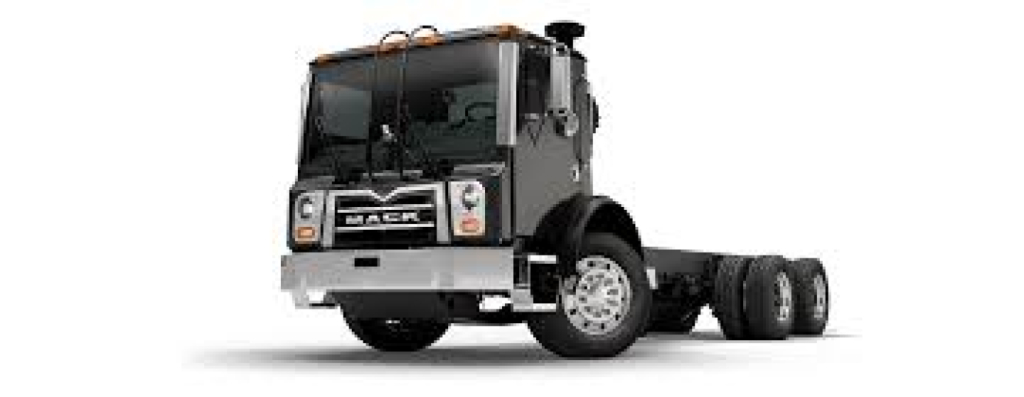
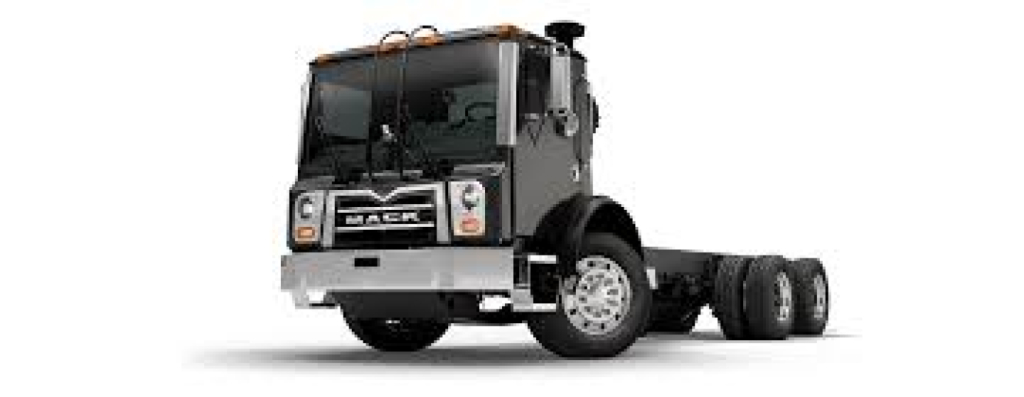
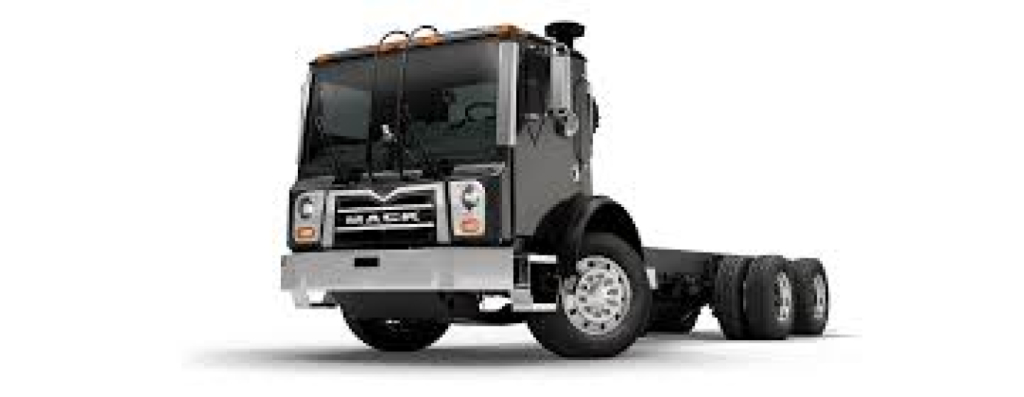
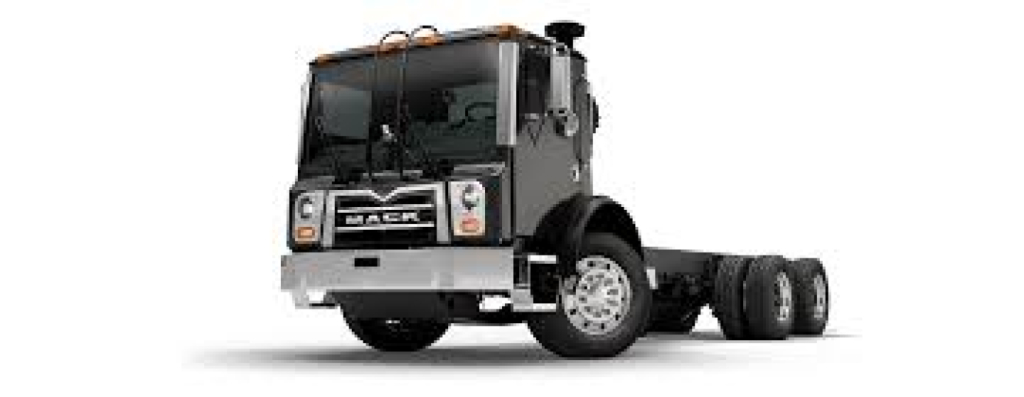
Selling a new 2026 cab and chassis truck? List your new 2026 cab and chassis truck for sale and reach thousands of commercial buyers.
New 2026 Cab and Chassis Trucks in Colorado
The most important buying decisions usually come down to GVWR, axle configuration, wheelbase, and frame layout. A buyer should confirm the truck has enough front and rear axle capacity for the finished body, payload, and mounted equipment, not just the bare chassis. Cab-to-axle and axle-to-end-of-frame dimensions determine what body lengths will fit correctly, while frame height and rail strength affect hoist installation, liftgate clearance, and PTO-driven applications. Transmission choice also matters early. Automatic and automated transmissions are common in vocational cab and chassis trucks because they reduce driver fatigue and work well in urban duty cycles, while PTO compatibility, gear ratios, and cooling capacity become critical if the truck will run hydraulics, pumps, compactors, or other auxiliary equipment.
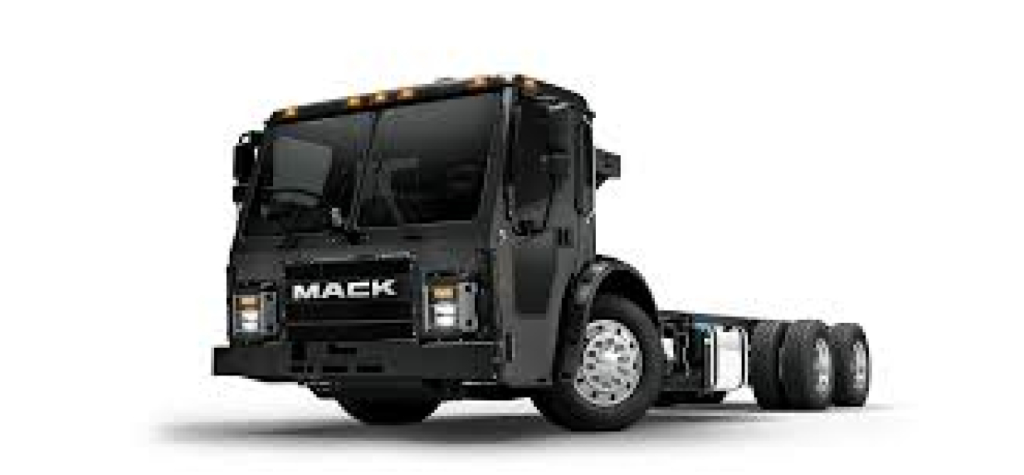
In Colorado, altitude and terrain should be part of the spec process from day one. Engines lose power at elevation, so horsepower and torque need to be matched to gross weight, body type, and expected route profile. Rear axle ratios, suspension design, wheel cut, and brake configuration all affect how the truck performs in mountain towns, on job sites, and in tight municipal routes. Buyers looking at low-cab-forward or highly maneuverable chassis should pay attention to visibility, door configuration, and turning radius for alley work, refuse service, and dense commercial areas. Conventional cab and chassis models may offer easier service access, broader body compatibility, and more room for regional or higher-speed vocational use.
A new model-year cab and chassis also gives the upfitter a clean platform with current emissions equipment, warranty coverage, and the latest safety systems. Before buying, it is worth verifying body-builder guidelines, wiring provisions, wheelbase adjustability, fuel tank placement, DEF packaging, and any factory remote PTO or switch provisioning that can simplify installation. The best cab and chassis truck is not the one with the biggest engine on paper. It is the one whose frame, axle ratings, drivetrain, and cab configuration match the finished application from the start.
Frequently Asked Questions about New 2026 Cab and Chassis Trucks in Colorado
What is a cab and chassis truck used for?
A cab and chassis truck is built to receive a vocational or commercial body after purchase. Common applications include dump trucks, box trucks, utility trucks, rollback carriers, stake beds, service trucks, refuse units, flatbeds, tank trucks, and snow and ice equipment. Buyers choose this configuration when they need a truck tailored to a specific job instead of a factory-complete body style.
What specs matter most when buying a new cab and chassis truck?
The key specs are GVWR, front and rear axle ratings, wheelbase, cab-to-axle measurement, frame rail dimensions, engine torque, transmission type, and PTO capability. These numbers determine what body can be installed, how much payload the finished truck can legally carry, and how well it will perform in stop-and-go, off-road, or mountain service. A correct upfit starts with matching the chassis to the final body and duty cycle, not just the base truck price.
How does Colorado operation affect cab and chassis truck selection?
Colorado buyers should pay close attention to gradeability, cooling capacity, engine output at elevation, and traction-related spec choices such as axle ratio, differential options, and tire selection. Steep terrain and winter conditions can expose an under-specced drivetrain quickly. Municipal, construction, and utility fleets often benefit from configurations that balance maneuverability with enough power and braking capacity for mountain routes and variable weather.
What is the difference between cab-to-axle and wheelbase on a cab and chassis truck?
Wheelbase is the distance between the front axle and rear axle, while cab-to-axle is the distance from the back of the cab to the centerline of the rear axle. Upfitters rely heavily on cab-to-axle because it helps determine body length and mounting position. Wheelbase still matters for ride, turning radius, axle loading, and overall packaging, but cab-to-axle is often the first fitment number a body builder needs.
Should I choose a conventional cab or a low-cab-forward cab and chassis?
A conventional cab generally offers easier engine access, familiar serviceability, and strong compatibility with many body types and regional applications. A low-cab-forward design usually provides better visibility, tighter turning radius, and easier urban maneuvering, which is useful for refuse, delivery, and municipal work. The better choice depends on route density, body design, service access needs, and how often the truck operates in confined spaces.