
New 2026 Mack Cab and Chassis Trucks For Sale in Colorado
Shop new 2026 Mack cab and chassis trucks in Colorado. Built for refuse, utility, and vocational upfits with strong frames and body-builder flexibility.
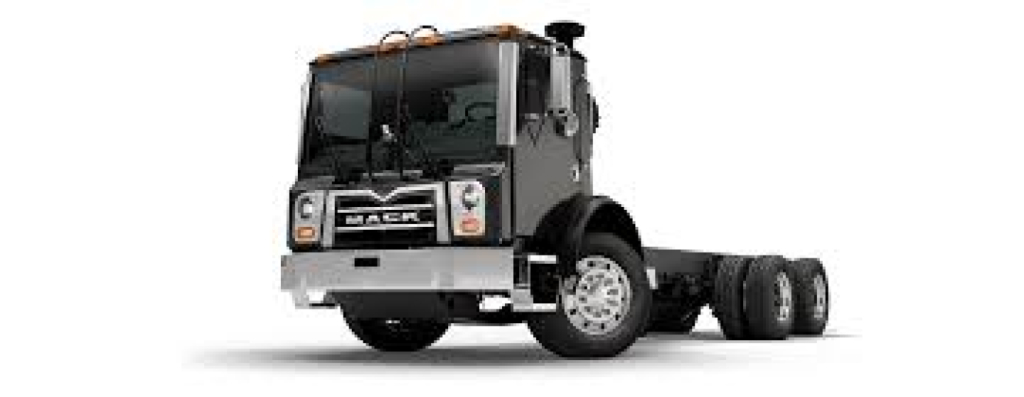
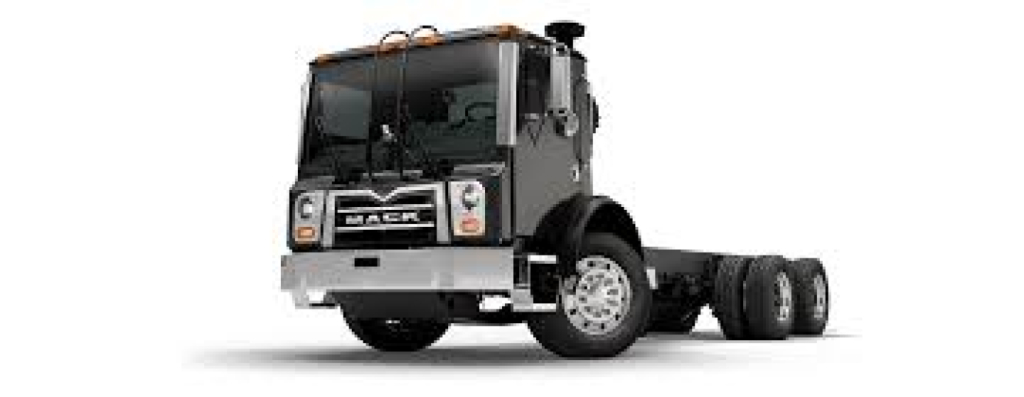
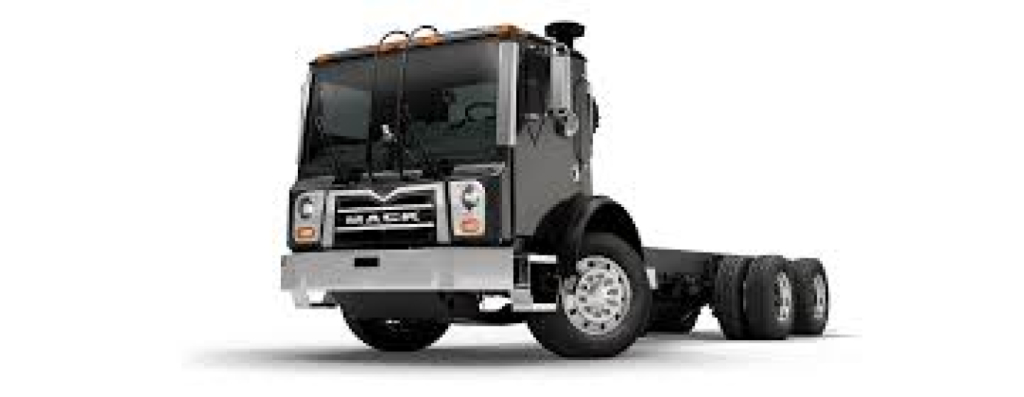
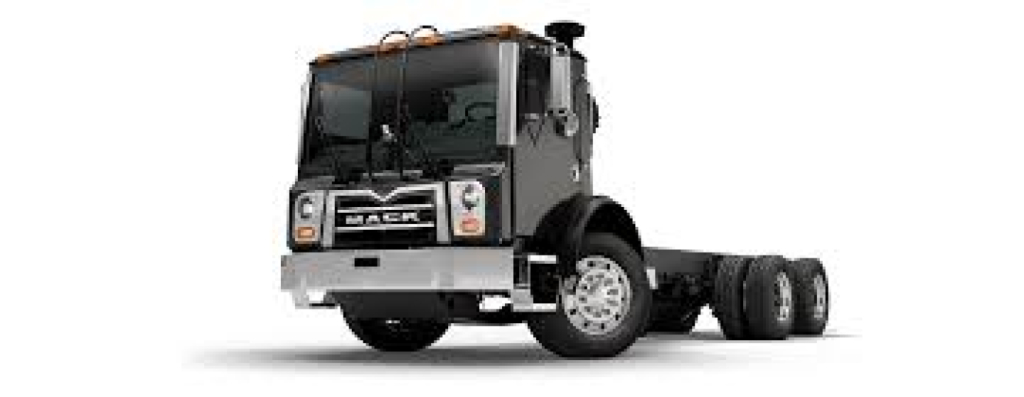
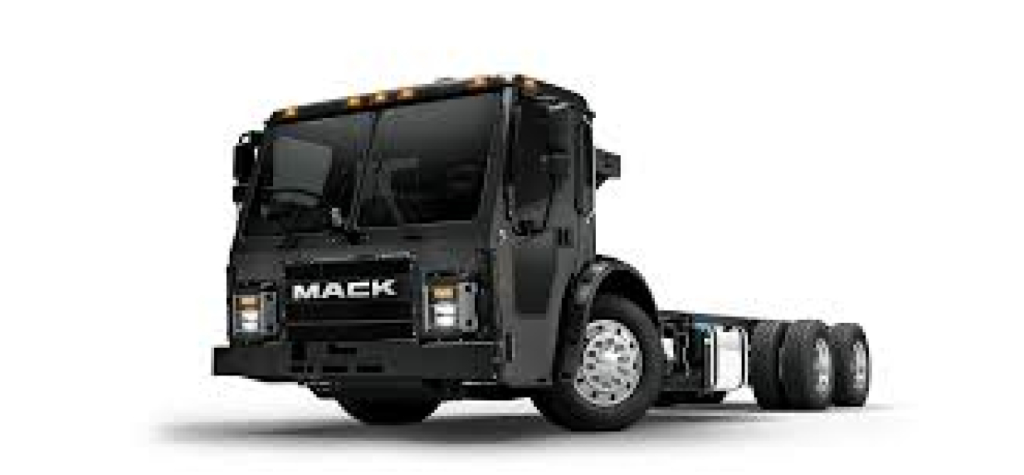
Selling a new 2026 mack cab and chassis truck? List your new 2026 mack cab and chassis truck for sale and reach thousands of commercial buyers.
New 2026 Mack Cab and Chassis Trucks in Colorado
For many buyers, the first decision is the operating environment. Mack LR chassis are widely associated with refuse work, especially in stop-and-go urban routes where low-entry access, visibility, and automatic transmission pairing are important. TE64 configurations are also relevant to fleets looking at purpose-built vocational or alternative-power platforms, depending on the final body application and local emissions strategy. Key spec points on a Mack cab and chassis include GVWR, wheelbase, cab-to-axle measurement, front frame extension, PTO compatibility, rear axle ratio, suspension type, and whether the truck is set up for dual controls or specialized municipal equipment. If the truck will spend time in mountain service, powertrain calibration and braking strategy become more important than headline horsepower alone.
A cab and chassis truck is bought for what it will become after upfit, so body-builder details should be reviewed early. Buyers should confirm frame rail dimensions, clear back-of-cab space, exhaust routing, fuel tank placement, battery box location, and any factory switches or multiplexing provisions needed for body controls. Mack is a familiar name in severe-duty and municipal service because these trucks are typically engineered around vocational use, with robust chassis components, application-specific layouts, and support for high-cycle work. In Colorado, corrosion exposure may be lower than coastal markets, but snow, road treatment chemicals, and elevation still make underbody protection, air system routing, and service access worth checking.
The best 2026 Mack cab and chassis spec is the one that matches the finished body and route profile, not the one with the longest option list. A refuse packer, water truck, dump body, or service body all place different demands on axle spread, suspension travel, steering geometry, and PTO performance. Buyers comparing listings should focus on the hard-to-change items first: engine family, transmission, axle ratings, wheelbase, cab configuration, and intended body compatibility. Once those are right, the rest of the build can be tailored around operator access, safety equipment, and the exact vocational job the truck needs to handle.
Frequently Asked Questions about New 2026 Mack Cab and Chassis Trucks in Colorado
What is a Mack cab and chassis truck used for?
A Mack cab and chassis truck is a factory-built truck platform delivered without the final vocational body, so it can be upfitted for a specific job. Common applications include refuse collection, roll-off, hooklift, dump, utility, service, tanker, and municipal fleet work. The value of the cab and chassis format is that the frame, wheelbase, axle ratings, and drivetrain can be selected to support the body and payload requirements from the start.
Which specs matter most when buying a new Mack cab and chassis?
The most important specs are the ones that affect body fitment and operating performance: GVWR, front and rear axle ratings, wheelbase, cab-to-axle dimension, engine and transmission combination, rear axle ratio, PTO provisions, and suspension type. Buyers should also verify back-of-cab clearance, frame rail layout, and component placement so the body installer does not run into conflicts with tanks, battery boxes, or exhaust aftertreatment components.
Is the Mack LR a good choice for refuse applications?
The Mack LR is commonly chosen for refuse work because its low-entry design supports frequent stops, easy cab access, and strong visibility in residential and urban routes. It is often paired with automatic transmissions and vocational chassis specs that suit front loader, side loader, or rear loader body installations, depending on the exact configuration. For refuse fleets, the LR platform is often evaluated on turning radius, cab layout, serviceability, and compatibility with dual-control or route-specific requirements.
What should Colorado buyers consider when spec'ing a cab and chassis truck?
Colorado buyers should consider elevation, steep grades, temperature swings, and seasonal road treatment when reviewing a Mack cab and chassis spec. Cooling capacity, engine torque curve, transmission calibration, braking performance, and axle ratio can all affect how well the truck performs in mountain or municipal service. It is also smart to review corrosion protection, tire choice, and body weight distribution carefully, especially if the truck will operate year-round in snow or mixed urban and rural terrain.
Why is cab-to-axle measurement so important on a cab and chassis truck?
Cab-to-axle, often called CA, is critical because it determines which body lengths and body styles will fit correctly on the chassis. If the CA dimension is wrong, the body may not mount properly, axle loading can be affected, and key clearances around the back of cab or hoist equipment may be compromised. It is one of the first measurements body builders use to match a truck chassis to the intended vocational equipment.