
New 2026 Cab and Chassis Trucks For Sale in Washington
Shop new 2026 cab and chassis trucks in Washington. Compare GVWR, wheelbase, engine options, and upfit readiness for commercial use.
Selling a new 2026 cab and chassis truck? List your new 2026 cab and chassis truck for sale and reach thousands of commercial buyers.
New 2026 Cab and Chassis Trucks in Washington
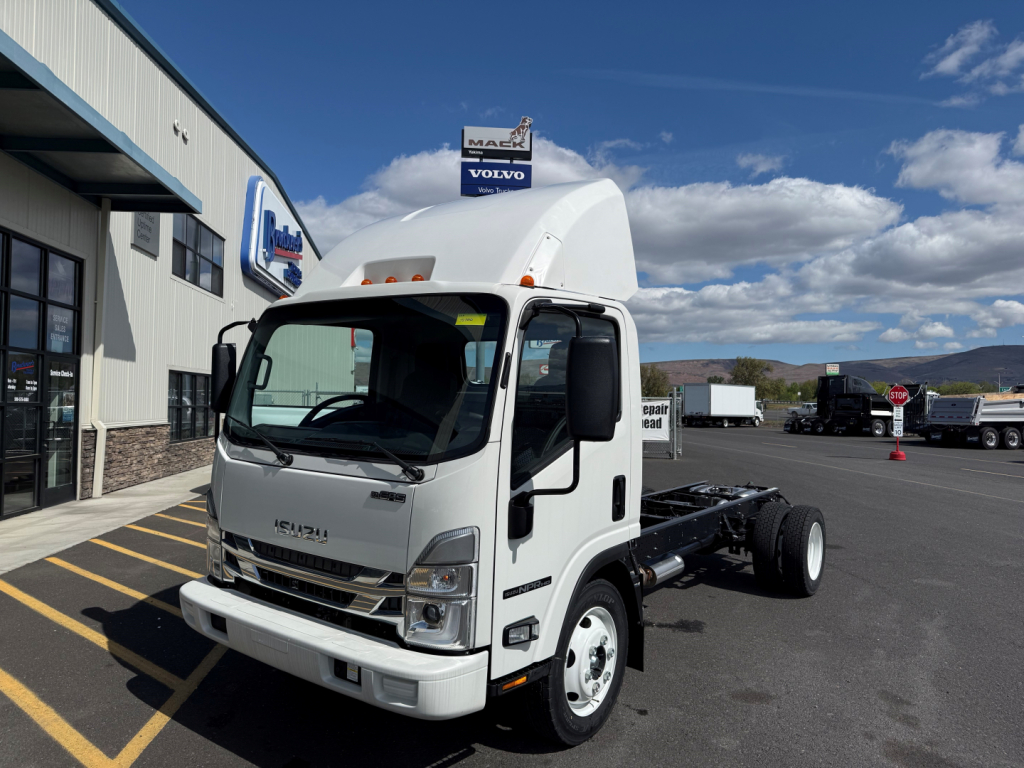
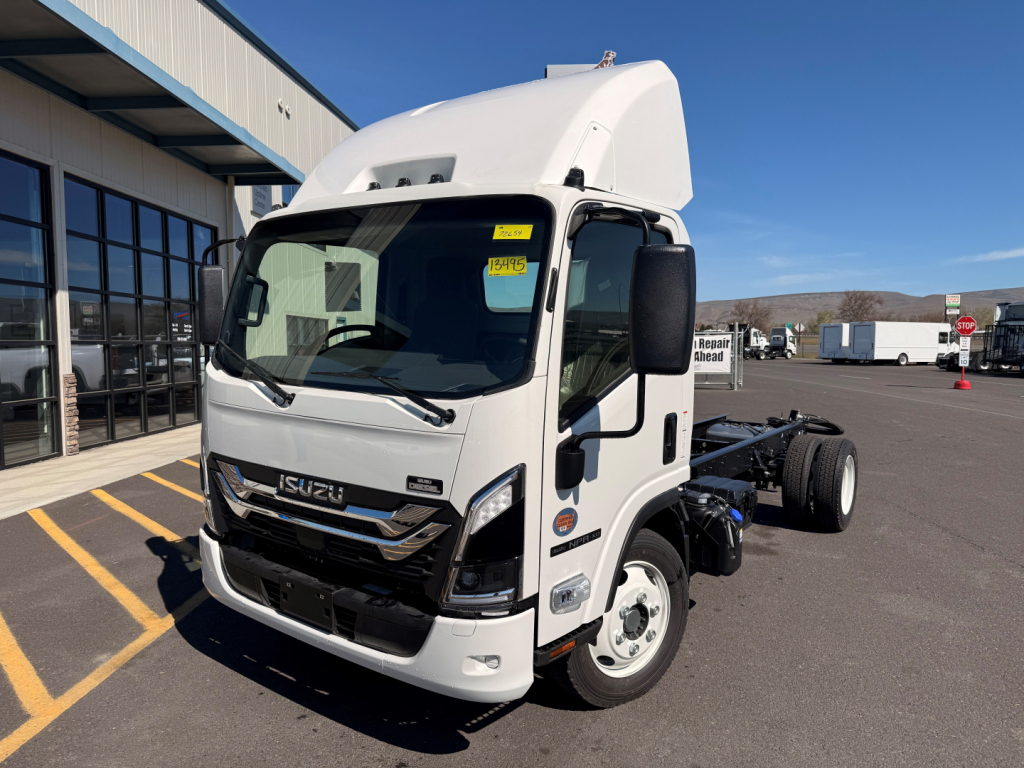
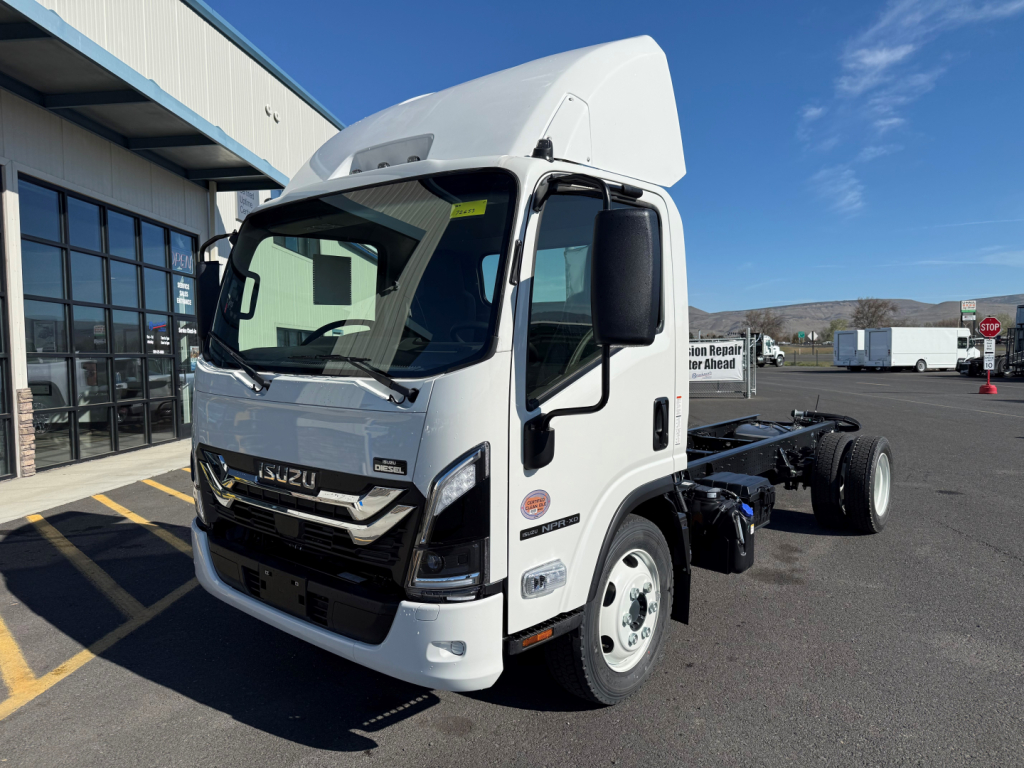
In the medium-duty market, common cab and chassis choices include low cab forward models and conventional layouts. Low cab forward trucks, such as the Isuzu NPR-series, are popular for urban delivery, contractor work, and municipal use because they offer a tight turning radius, strong forward visibility, and efficient body length on a shorter overall footprint. Typical specs in this class include GVWRs around 12,000 to 19,500 pounds, gas V8 or small displacement turbo-diesel engines, automatic transmissions, and wheelbases set up for 12-foot to 18-foot bodies depending on the chassis. Diesel models are often favored for higher annual mileage and torque under load, while gas models can make sense for lighter duty cycles, lower upfront cost, and simpler service access.
Washington buyers should pay close attention to terrain, route density, and operating environment. Trucks running Seattle metro routes, alleys, and delivery stops benefit from maneuverability, visibility, and easy cab access. Trucks working eastern Washington, mountain grades, or longer regional runs may put more value on diesel torque, cooling capacity, and rear axle ratios suited for steady loaded travel. If the truck will carry a reefer body, crane, liftgate, compressor, or other PTO-driven equipment, confirm that frame layout, electrical provisions, fuel tank placement, and upfit interfaces match the build plan. New chassis also give buyers the advantage of current safety and emissions systems, along with a clean maintenance baseline before the body goes on.
The right cab and chassis truck is less about the badge and more about fit. Look closely at GVWR, front and rear GAWR, wheelbase, cab-to-axle measurement, frame section strength, fuel type, and the intended body and payload. Also consider door opening height, step-in ergonomics, and serviceability if the truck will see frequent stops or multiple drivers. A properly spec'd new 2026 cab and chassis truck can reduce upfit delays, prevent overweight issues, and give you a purpose-built work truck that performs the way the route demands.
Frequently Asked Questions about New 2026 Cab and Chassis Trucks in Washington
What is a cab and chassis truck used for?
A cab and chassis truck is a stripped commercial truck platform sold without a finished rear body, allowing the buyer to install the body that matches the job. Common applications include dry van bodies, refrigerated bodies, flatbeds, stake beds, dump bodies, utility bodies, and service trucks. The main advantage is flexibility, because the same base chassis can be configured for delivery, construction, contractor, municipal, or trade work.
How do I choose the right wheelbase and cab-to-axle length?
Start with the body you plan to install, because body length and mounting requirements determine the wheelbase and cab-to-axle dimensions you need. A chassis that is too short may not accept the desired body, and one that is too long can create poor weight distribution or unnecessary overall length. Body manufacturers and upfitters usually publish recommended CA ranges for 12-foot, 14-foot, 16-foot, and 18-foot bodies, so it is important to confirm those measurements before purchase.
Should I buy a gas or diesel cab and chassis truck?
Gas engines are often a strong fit for lighter duty cycles, lower annual mileage, and fleets that want lower upfront cost and straightforward maintenance. Diesel engines typically make more sense for heavier payloads, frequent loaded operation, mountain grades, and higher mileage service because they deliver stronger low-end torque and can be more efficient in sustained commercial use. The better choice depends on route profile, idling time, payload, and how long the truck will stay in the fleet.
What weight ratings matter most on a cab and chassis truck?
GVWR is the headline number because it defines the truck's maximum total operating weight, but buyers should also look closely at front and rear GAWR. Those axle ratings matter when a body, liftgate, tools, product, or mounted equipment shifts weight distribution. A truck can be under its GVWR and still overload an axle, so matching the body design and payload placement to the chassis ratings is essential.
Why are low cab forward cab and chassis trucks popular in city work?
Low cab forward trucks are popular because they maximize usable body length while keeping the overall vehicle compact. That matters in dense delivery routes, tight job sites, and urban streets where turning radius, curb approach, and visibility affect productivity every day. They also tend to offer easy entry and exit for frequent-stop applications, which can reduce driver fatigue on local routes.