
New 2026 Advanced Fabricators Trucks For Sale
Shop new 2026 Advanced Fabricators trucks, including dump, flatbed dump, and chipper body configurations for vocational hauling needs.
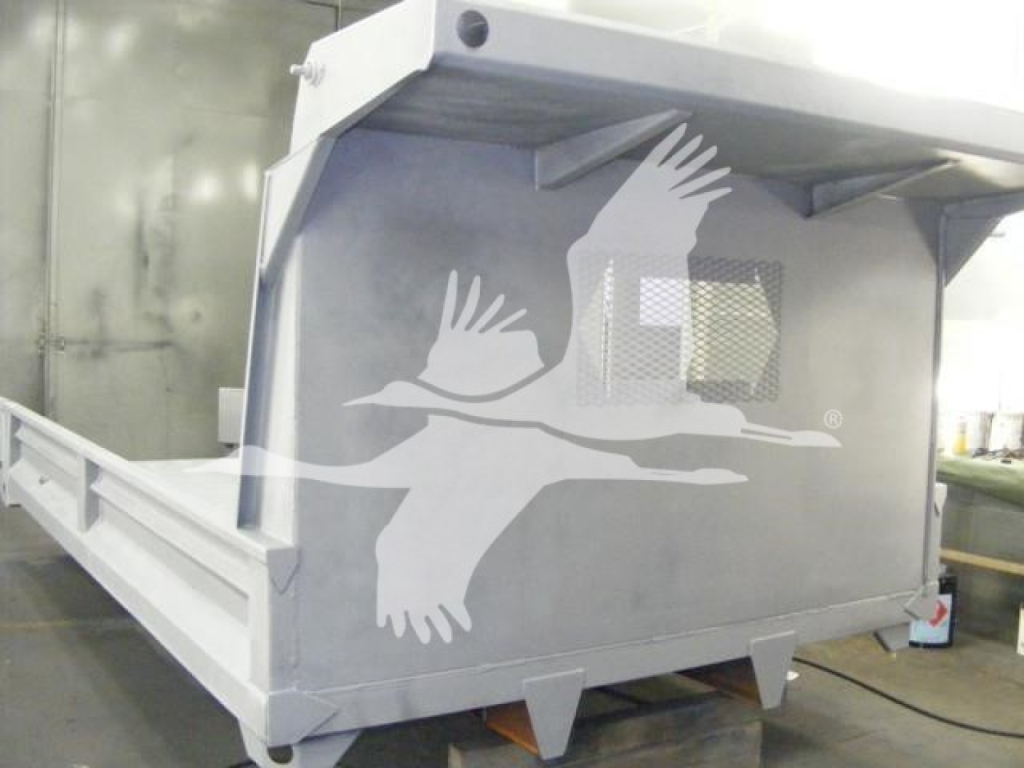
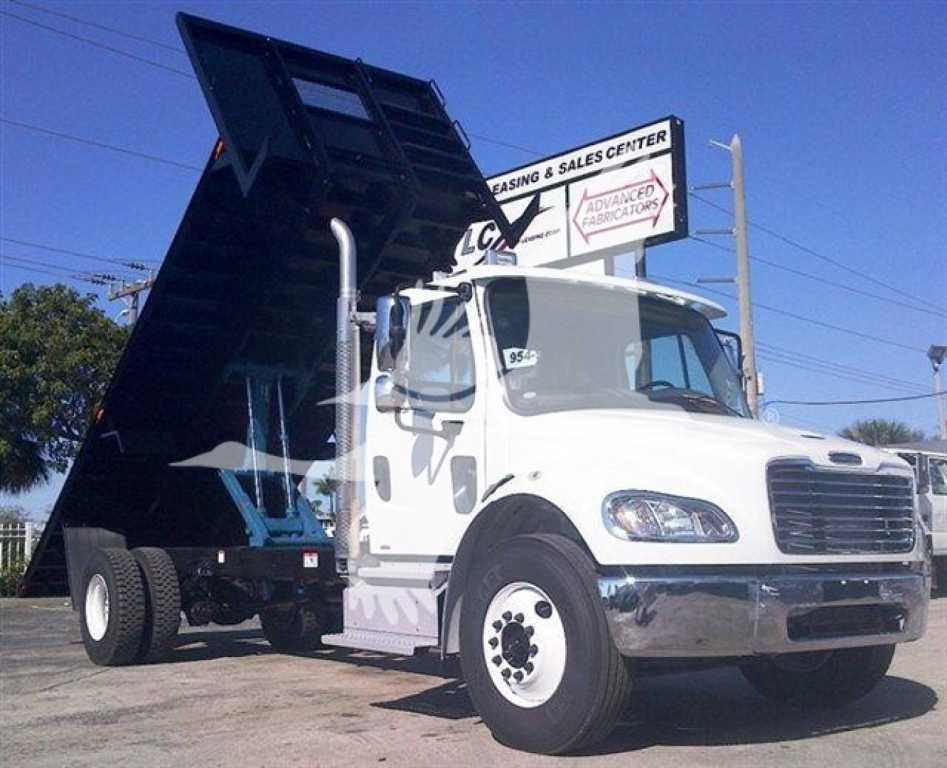
2026 Advanced Fabricators 14 FT
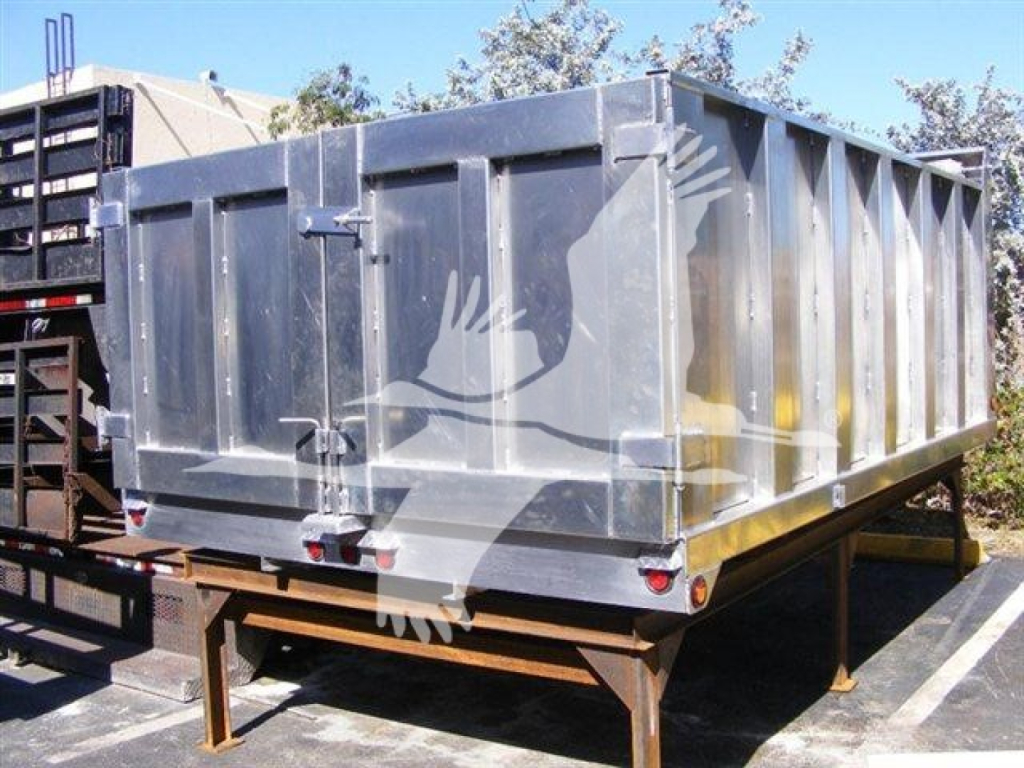
2026 Advanced Fabricators 12 Ft
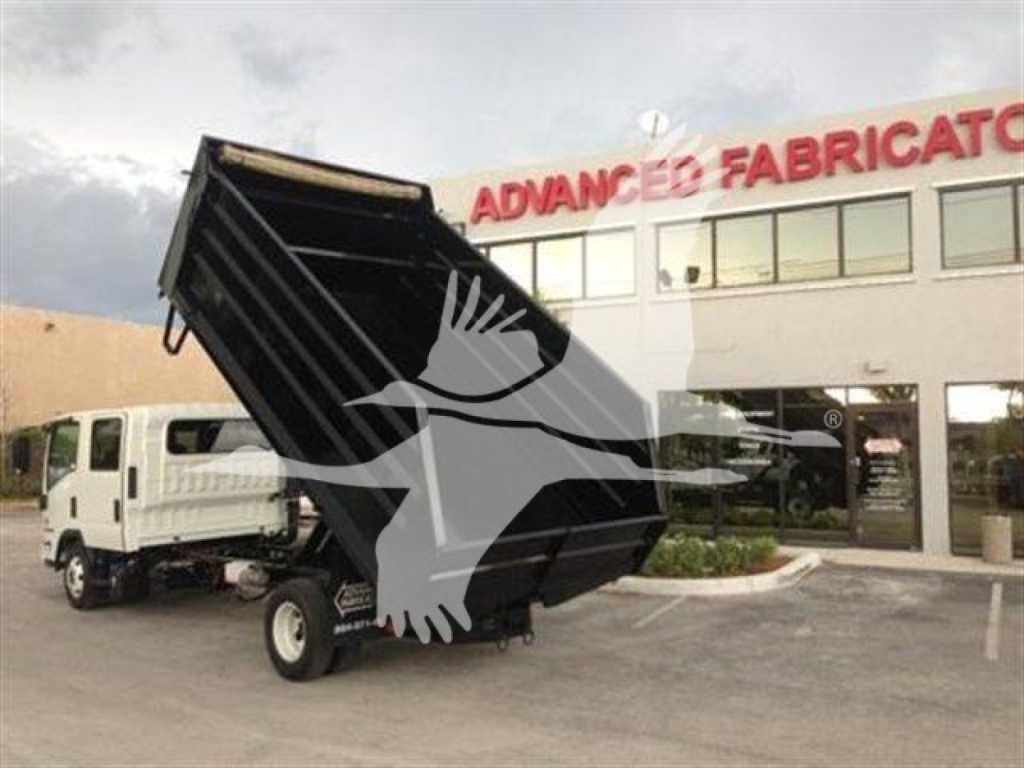
2026 Advanced Fabricators 14 FT
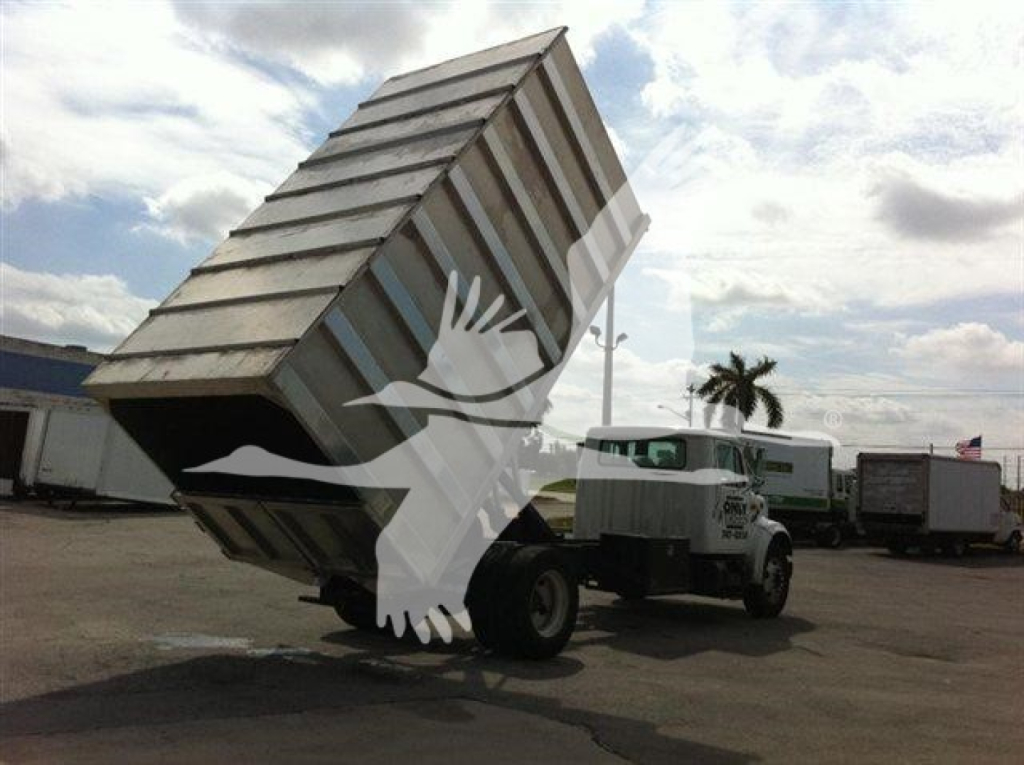
Selling a new 2026 advanced fabricators truck? List your new 2026 advanced fabricators truck for sale and reach thousands of commercial buyers.
New 2026 Advanced Fabricators Trucks
A lot of Advanced Fabricators builds in this group center on dump and flatbed dump applications. Common specs include 3/16-inch floors, structural channel crossmembers on 12-inch or 16-inch centers, 6-inch to 8-inch longsills, bulkheads with cab protection, barn doors, receiver hitches, tarp systems, and standard FMVSS 108 lighting packages. Steel bodies are usually the better fit for severe-duty hauling, demolition debris, aggregate, and jobs where impact resistance matters more than tare weight. Aluminum bodies are often chosen for landscape material, tree service, and chipper work because they reduce empty weight and can improve legal payload while resisting corrosion. On chipper bodies, enclosed tops, tall side walls, and rear barn doors are key details because they determine cubic capacity and how easily brush and wood waste can be contained.
On flatbed dump bodies, pay close attention to deck construction, hinge placement, bulkhead strength, side rail design, and winch equipment. Features like smooth plate floors, boxed longsills, webbed side rails, front steps and grab handles, ICC bumpers, and frame-mounted tow hooks point to a body intended for real field use rather than light occasional duty. Hoist selection also matters. Electric-over-hydraulic systems can be a practical match for lighter commercial use, while telescopic scissor hoists and PTO-driven hydraulic systems are typically preferred when the body will see more frequent dump cycles or heavier loads. If the truck will tow equipment, confirm hitch rating, brake connections, and rear lighting layout so the body spec supports the full work package.
The best way to shop this category is to match the body to the material being hauled and the jobsite conditions. A 14-foot landscape dump with higher sides and tarp gear suits mulch, debris, and light aggregate. A steel flatbed dump with integrated winches and a heavy bulkhead fits contractors moving equipment, palletized material, or mixed loads that need both securement points and dumping capability. A high-side aluminum chipper dump is better for tree crews prioritizing volume and lower empty weight. On any new 2026 Advanced Fabricators truck, review floor thickness, wall construction, crossmember spacing, door design, hoist brand, and cab-to-axle fitment before comparing price, because those are the specs that determine service life and daily productivity.
Frequently Asked Questions about New 2026 Advanced Fabricators Trucks
What types of trucks are common from Advanced Fabricators in the 2026 model year?
The most common configurations are dump bodies, landscape dumps, chipper dumps, and flatbed dump bodies mounted on medium-duty cab chassis. These trucks are built for vocational use rather than long-haul service, and the exact body specification usually matters more than the model name alone. Buyers should expect variation in body length, side height, floor material, door style, tarp setup, and hoist system depending on the intended trade.
Is a steel or aluminum Advanced Fabricators truck body the better choice?
Steel is typically the better choice when the truck will handle abrasive material, demolition debris, dense aggregate, or severe loading conditions that can dent or gouge a lighter body. Aluminum is usually the better option when payload, corrosion resistance, and lower empty weight are priorities, especially in landscape and tree service work. The right decision depends on the material being hauled, expected duty cycle, and how long the truck will remain in a high-use fleet application.
What specs matter most on a dump or flatbed dump truck?
The most important specs are floor thickness, crossmember spacing, longsill size, hoist type, side wall height, bulkhead design, and rear door configuration. These details control how the body handles load stress, how well it resists twisting, and how safely it dumps. Buyers should also check tarp equipment, hitch setup, lighting compliance, mud flap mounting, and any cab protection features because those items affect daily usability and jobsite safety.
What is the advantage of a flatbed dump body compared with a standard dump body?
A flatbed dump body combines load deck versatility with hydraulic dumping capability. It can carry palletized freight, equipment, bundled material, and awkward loads that would not fit easily in a conventional box, while still allowing bulk material to be unloaded by raising the body. Features such as side rails, weld-on winches, straps, and a reinforced bulkhead make this style useful for contractors who need one truck to cover multiple roles.
How do I know if a body will fit my chassis correctly?
Body fitment starts with the cab-to-axle dimension, frame height, axle placement, and the truck's intended weight distribution. Buyers should verify body length, hinge placement, hoist clearance, bulkhead setback, bumper location, and any chassis-mounted accessories such as toolboxes, baskets, PTO equipment, or exhaust routing. Proper fitment is critical because even a well-built body can perform poorly if the chassis dimensions and hydraulic setup are not matched correctly.