
New Advanced Fabricators Trucks For Sale
Shop new Advanced Fabricators trucks, including aluminum and steel dump, chipper, landscape, and flatbed dump body configurations.
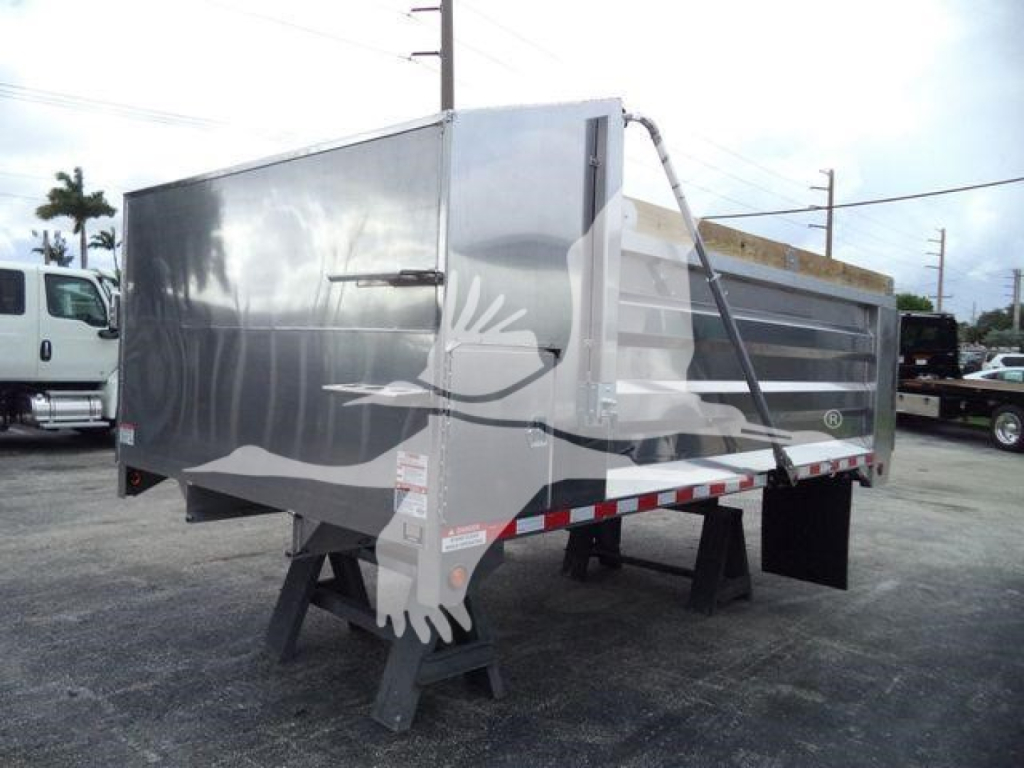
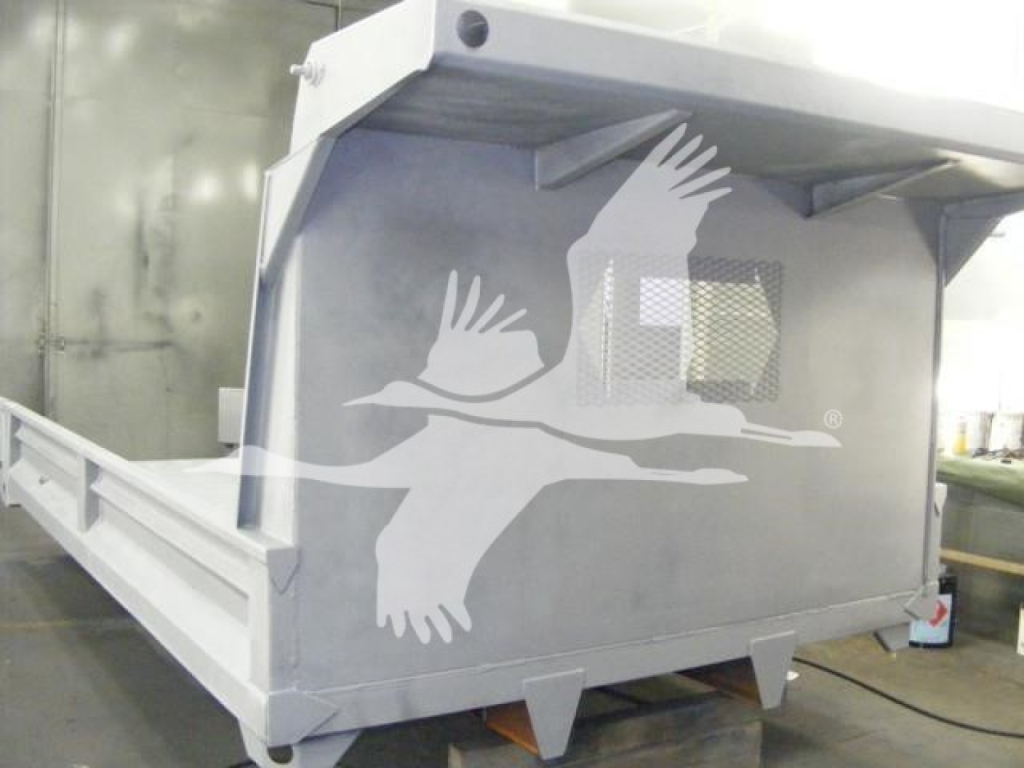
2026 Advanced Fabricators 14 FT
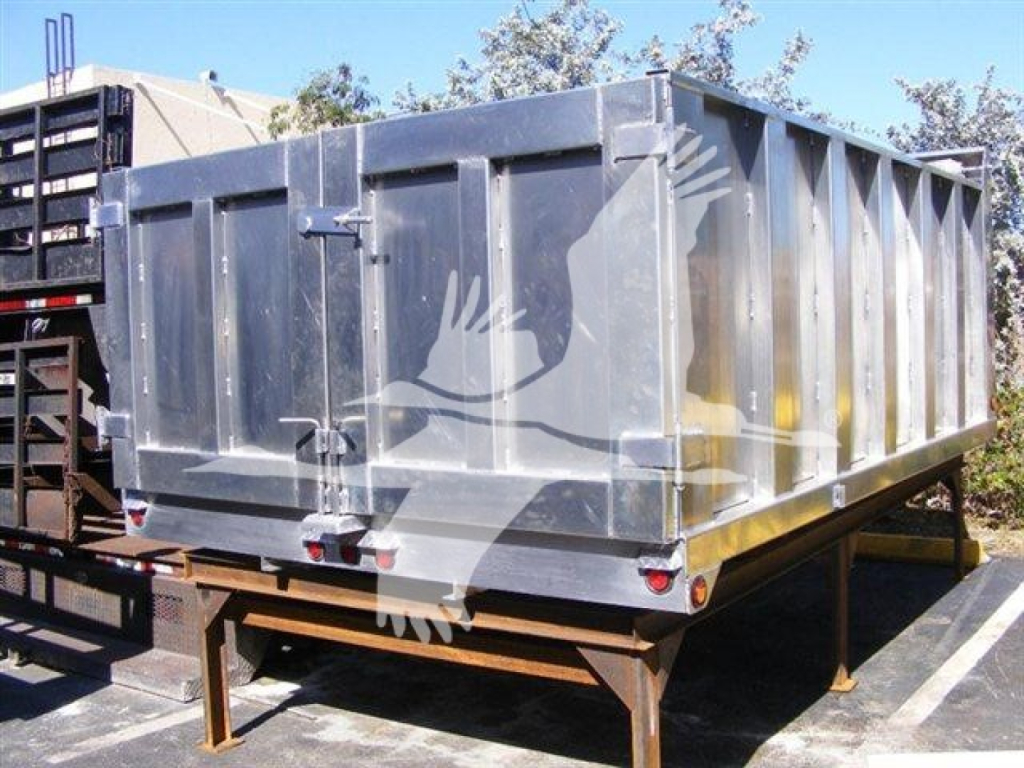
2026 Advanced Fabricators 12 Ft
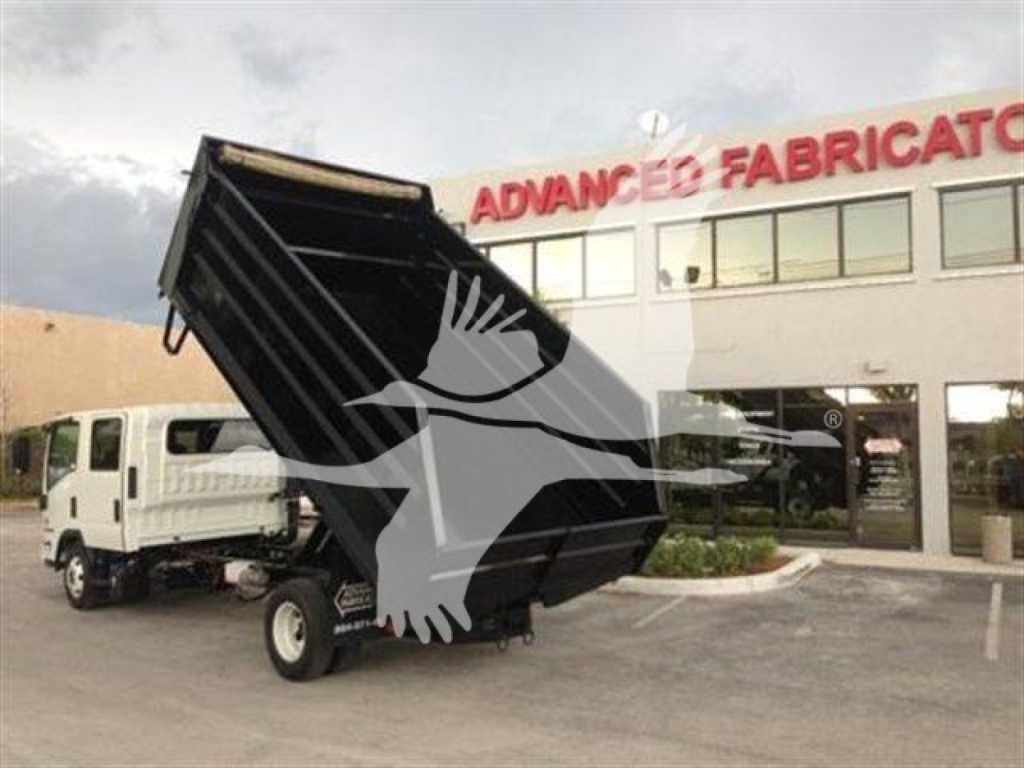
2026 Advanced Fabricators 14 FT
Selling a new advanced fabricators truck? List your new advanced fabricators truck for sale and reach thousands of commercial buyers.
New Advanced Fabricators Trucks
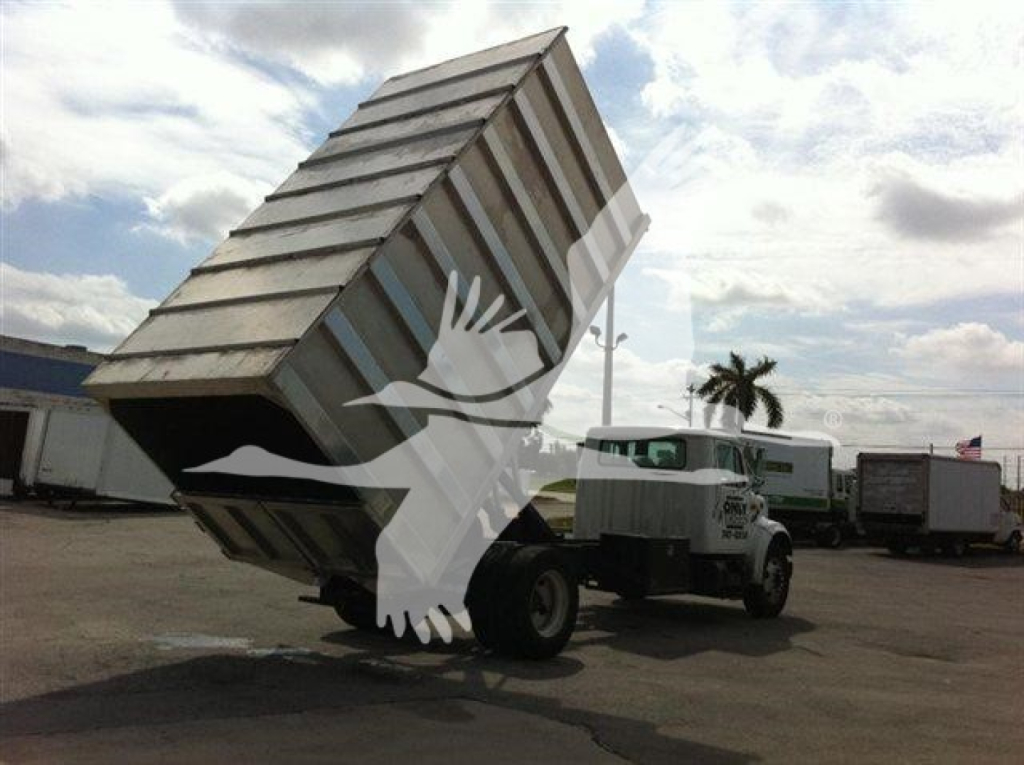
A lot of Advanced Fabricators builds use aluminum for weight savings and corrosion resistance, especially on trash, landscape, and chipper dump bodies. Common specs include 3/16-inch aluminum floors, channel crossmembers on 12-inch centers, channel longsills, solid side walls, bulkheads without windows, and barn doors sized for loader access or hand-unloading. Aluminum bodies can make sense for operators trying to maximize legal payload while reducing rust concerns in wet climates or on seasonal fleets. Steel body configurations remain a strong choice when impact resistance, lower repair complexity, or lower upfront body cost matter more than tare weight.
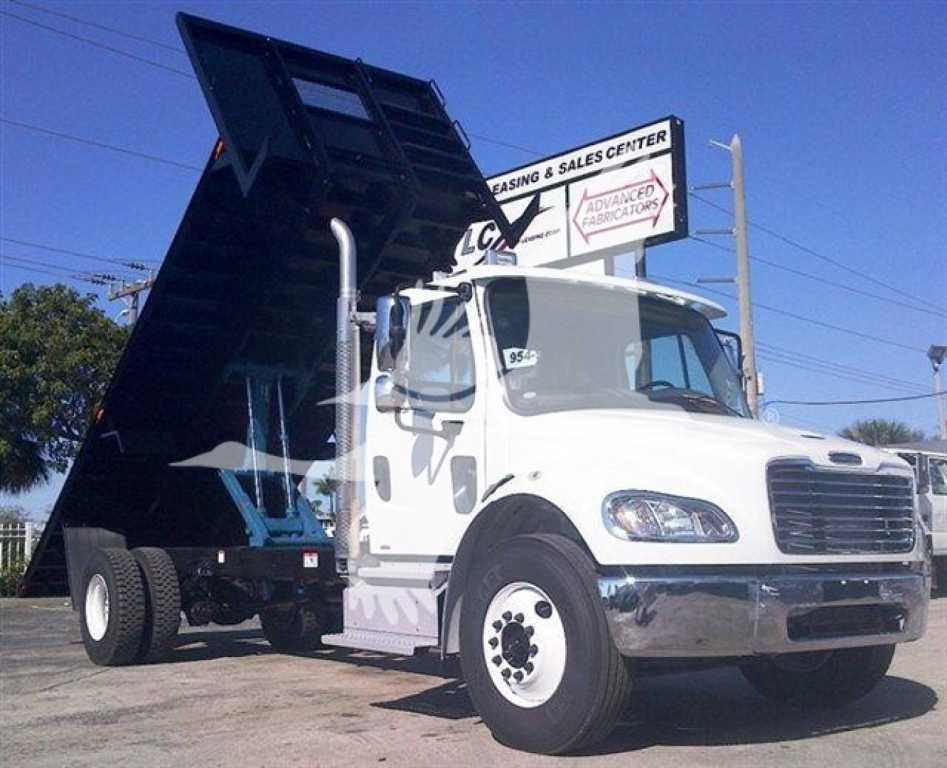
For buyers looking at landscape or chipper applications, side-wall height and rear-door design are major decision points. Higher 48-inch to 72-inch sides increase cubic capacity for brush, chips, and light debris, while canopy bulkheads, integrated tarp systems, shovel racks, and board pockets can make daily use much easier for crews. On flatbed dump builds, pay attention to deck thickness, hinge placement, side rail construction, welded winches, ICC bumper location, PTO setup, and hoist design such as a telescopic scissor hoist. Those details affect load security, dumping stability, and serviceability once the truck is working every day.
Because Advanced Fabricators equipment is often custom-fabricated, body length, body width, bulkhead style, lighting, mud flap brackets, hitch equipment, and tool storage can vary significantly from one truck to the next. The best buying approach is to match the body spec to the material being hauled and the chassis it will live on. Check frame clearance, cab-to-axle dimensions, intended payload, and whether the build includes FMVSS 108 lighting, tarp hardware, backup alarms, and other jobsite or DOT-related equipment. On this type of truck, a well-matched body spec is usually more important than a long option list.
Frequently Asked Questions about New Advanced Fabricators Trucks
What types of trucks does Advanced Fabricators commonly build?
Advanced Fabricators commonly appears in vocational truck applications such as dump trucks, landscape dumps, chipper dumps, trash dump bodies, and flatbed dump trucks. Many builds are body-focused and installed on medium-duty chassis, so buyers should evaluate the body design, material choice, and hydraulic setup as closely as the truck itself.
Is an aluminum Advanced Fabricators dump body better than steel?
Aluminum is usually preferred when payload and corrosion resistance are top priorities. It is common on chipper, trash, and landscape bodies that carry bulky but lighter material. Steel is often favored for harsher impact conditions, denser material, and fleets that prioritize lower initial body cost or simpler weld repair. The better choice depends on what the truck hauls every day.
What should I check on a flatbed dump or landscape dump build?
Focus on floor thickness, crossmember spacing, longsill size, side-wall height, rear-door design, tarp system, hoist type, and PTO compatibility. On working vocational trucks, these specs have a direct effect on body rigidity, dumping performance, load containment, and long-term durability. Also confirm the body dimensions match the chassis cab-to-axle measurement and axle capacity.
Why do side height and door style matter so much on chipper and debris trucks?
Side height determines cubic capacity and influences how efficiently the truck handles brush, chips, and loose debris. Taller sides help with volume, but they can also affect loading method and center of gravity. Barn doors, split doors, and full-width rear openings each change how the truck unloads and how easily crews can access the body during cleanup or disposal work.
Are Advanced Fabricators trucks usually custom spec builds?
Yes. Many Advanced Fabricators trucks are built around a specific use case, which is why body length, side configuration, bulkhead design, lighting, storage, hitch equipment, and tarp systems often vary. That makes it important to compare the actual body spec against your job requirements instead of relying only on model year or body length.