
New 2026 Refrigerated Trucks For Sale
Shop new 2026 refrigerated trucks with insulated bodies, liftgates, ramps, and diesel reefer units for cold-chain delivery routes.
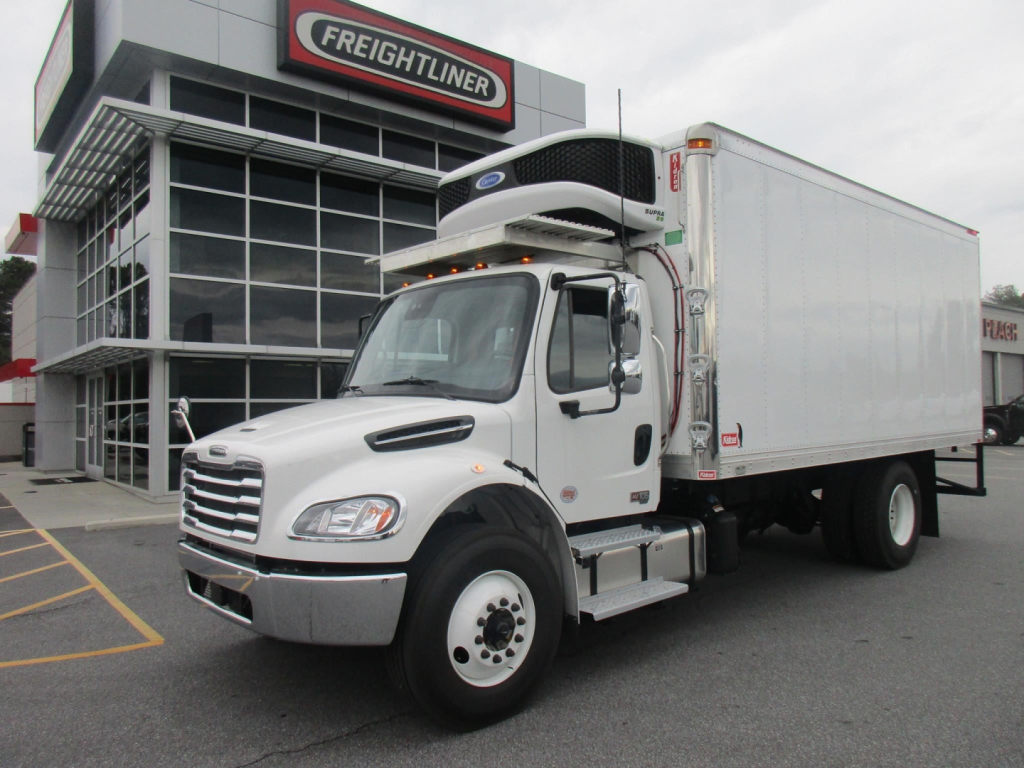
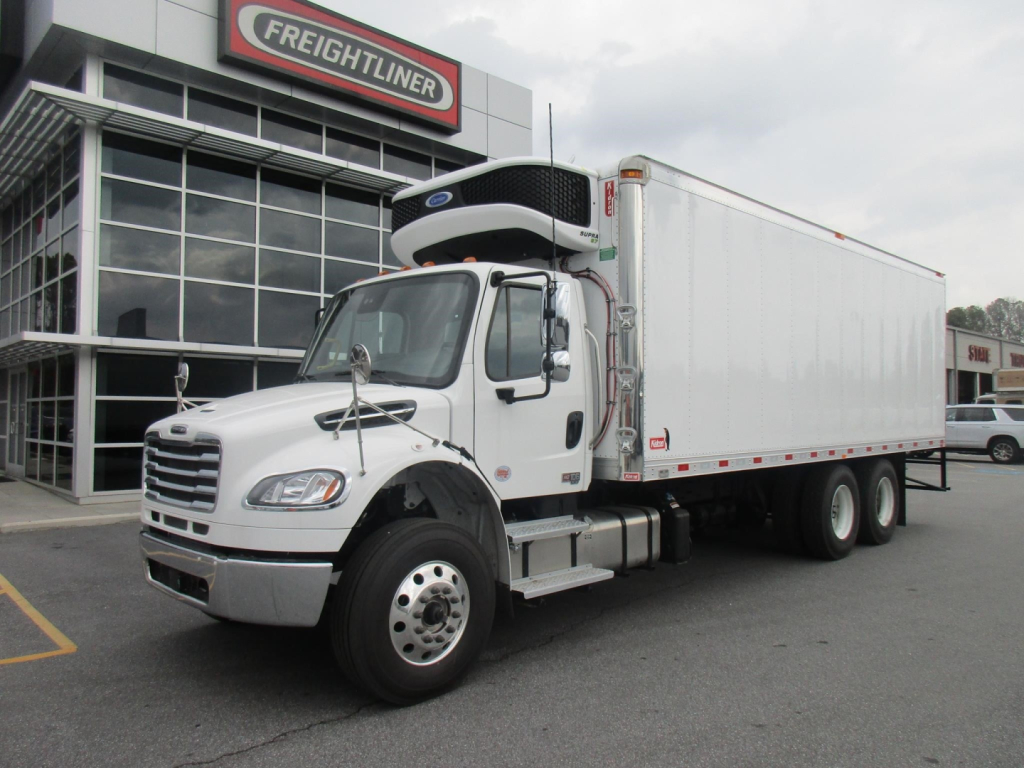
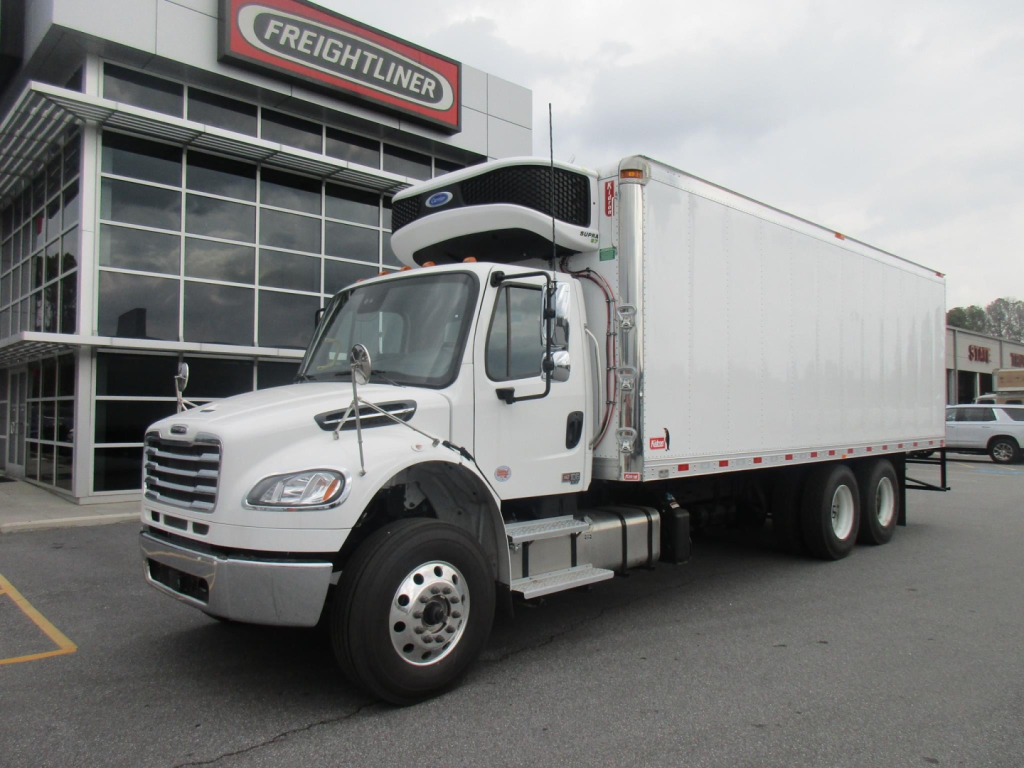
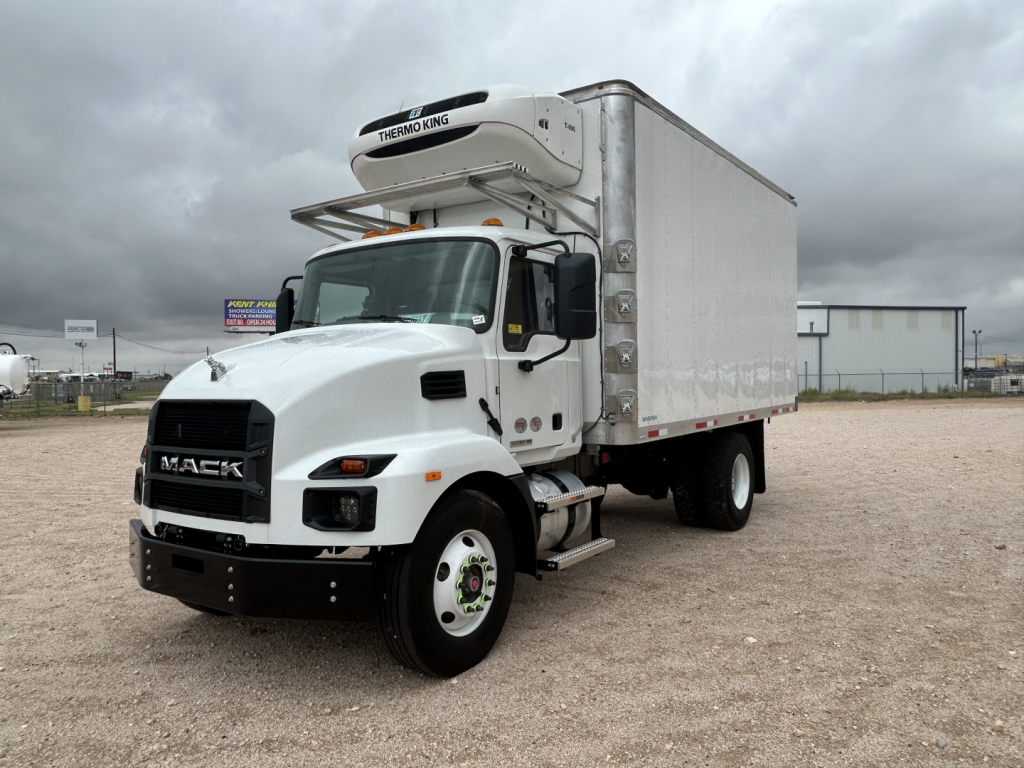
Selling a new 2026 refrigerated truck? List your new 2026 refrigerated truck for sale and reach thousands of commercial buyers.
New 2026 Refrigerated Trucks
A lot of the value in a refrigerated truck comes from the body and refrigeration package, not just the cab and chassis. Insulated bodies from well-known builders are often paired with diesel-powered units from Thermo King or Carrier, with models sized for fresh, frozen, or split-duty applications depending on how the truck will be used. Buyers should look closely at insulation performance, floor construction, air chute design, bulkhead options, and door seal quality. Aluminum T-flooring, wood floors with forklift packages, E-track, scuff liners, roll-up rear doors, side doors, walk ramps, liftgates, and cargo cages all affect how efficiently the truck works in daily service. If the route includes a lot of hand-unload stops, a ramp or liftgate can be just as important as the reefer unit itself.
On the chassis side, 2026 reefer trucks in this class typically range from non-CDL Class 6 configurations up through heavier Class 7 tandem axle trucks. Popular engine choices include the Cummins B6.7, ISB6.7, and L9, usually backed by Allison automatic transmissions such as the 2500 or 3000 series. Non-CDL specs around 25,995 GVWR are a strong fit for city delivery where driver availability matters, while higher-GVWR tandem trucks support larger 24-foot bodies, heavier payloads, and more demanding regional routes. Suspension, axle ratings, wheelbase, and rear ratio should be matched to stop frequency, dock access, and typical cargo density. Air-ride suspension can help protect fragile product, while tighter wheelbases are easier to work in urban alleys, store lots, and dock aprons.
For many buyers, the smartest comparison point is total route suitability rather than just sticker price. Pay attention to reefer run hours, fuel tank sizing for the refrigeration unit, noise requirements for urban deliveries, and service support for both the chassis and the cold unit. New 2026 refrigerated trucks also tend to bring an advantage in driver-assist systems, backup cameras, collision mitigation, lane departure warning, and adaptive cruise features that matter in dense delivery work. If your operation handles mixed fresh and frozen freight, frequent door openings, or strict delivery windows, the right refrigerated truck spec can improve temperature recovery, reduce claims, and keep the route moving with fewer compromises.
Frequently Asked Questions about New 2026 Refrigerated Trucks
What body size is most common on a new refrigerated truck?
Common refrigerated truck body lengths typically range from 16 to 24 feet. A 16-foot reefer truck is often used for city delivery, restaurant supply, and non-CDL applications, while 18-foot to 24-foot bodies are more common for higher-cube routes, grocery work, and regional cold-chain delivery. The right size depends on your product mix, dock access, stop count, and whether payload or maneuverability is the bigger priority.
What is the difference between a non-CDL reefer truck and a heavier tandem refrigerated truck?
A non-CDL reefer truck is usually spec'd at or below 25,995 GVWR so it can be operated without a CDL in many applications, making it attractive for urban delivery fleets and labor-sensitive operations. A heavier tandem refrigerated truck carries more payload, supports longer bodies such as 24-foot insulated boxes, and is better suited for denser freight or regional routes. The tradeoff is higher operating cost, a larger physical footprint, and CDL driver requirements in most cases.
Which refrigeration unit brands are common on new reefer trucks?
Thermo King and Carrier are two of the most common refrigeration unit brands found on new refrigerated trucks. Both are widely supported in the market and offer units for fresh, frozen, and multi-temperature applications depending on truck size and duty cycle. When comparing trucks, buyers should focus on cooling capacity, service network strength, fuel consumption, and how quickly the unit recovers temperature after frequent door openings.
What floor and cargo control options matter most in a refrigerated body?
Flooring and cargo control have a major effect on durability and loading efficiency. Aluminum T-flooring is common where washout and sanitation matter, while wood floors with forklift packages can be a good fit for palletized freight and repeated forklift loading. E-track, scuff liners, bulkheads, ramps, liftgates, and roll-up doors should be selected based on how the freight is secured, how often the body is entered, and whether deliveries are dock-high, ground-level, or both.
How do I choose the right refrigerated truck for my route?
Start with the product temperature range, average payload, and number of stops per day. Then match the reefer body length, insulation package, refrigeration unit capacity, and chassis GVWR to those needs. Frequent-stop city routes usually favor shorter wheelbases, automatic transmissions, and non-CDL specs where possible, while longer regional routes often justify larger insulated bodies, higher axle ratings, and more robust refrigeration capacity. A good reefer truck spec is one that protects product temperature without giving up too much payload, maneuverability, or serviceability.