
New Refrigerated Trucks For Sale
New refrigerated trucks for food, floral, pharma, and cold-chain delivery. Compare reefer body sizes, cooling units, GVWR, and route-ready specs.
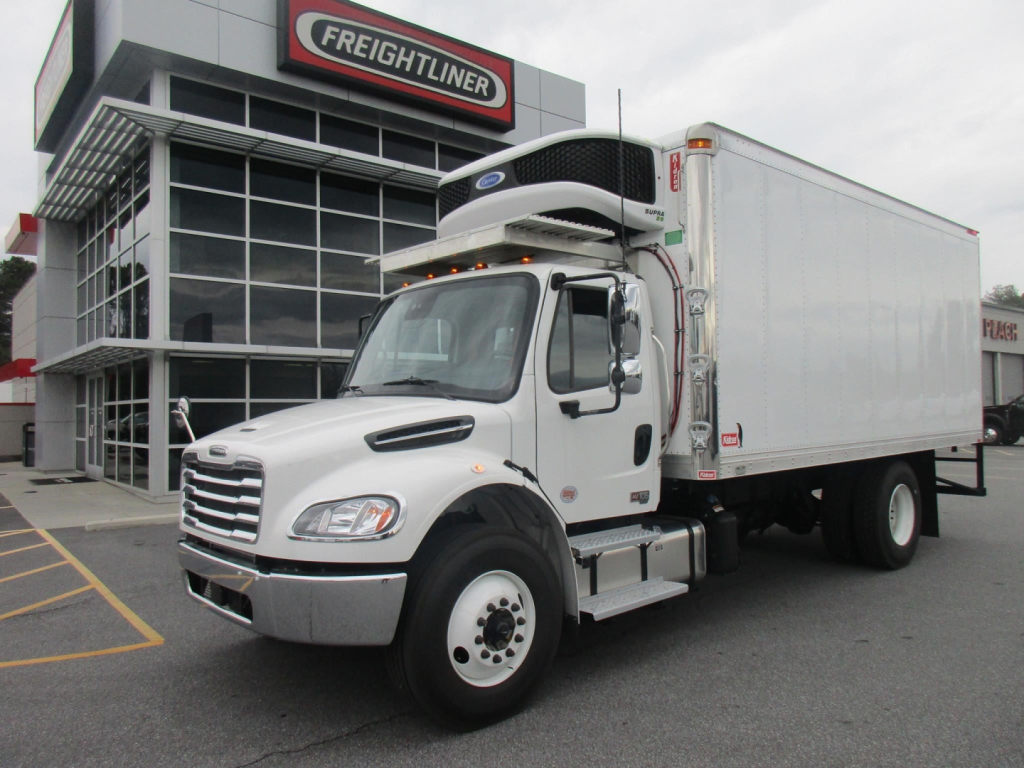
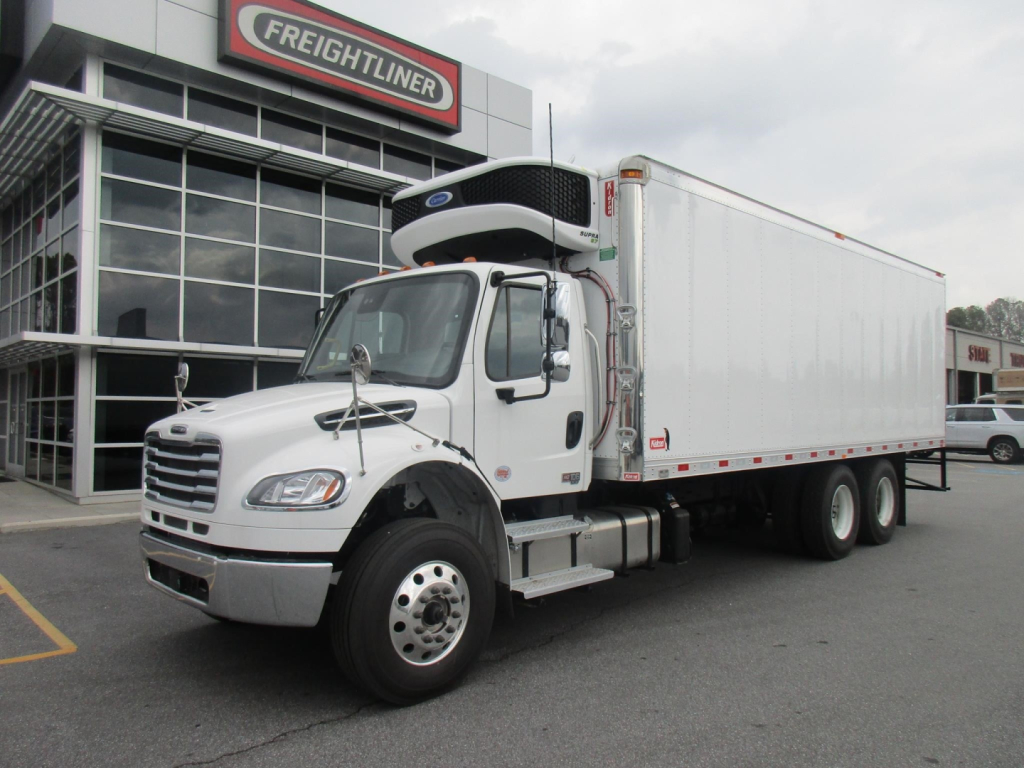
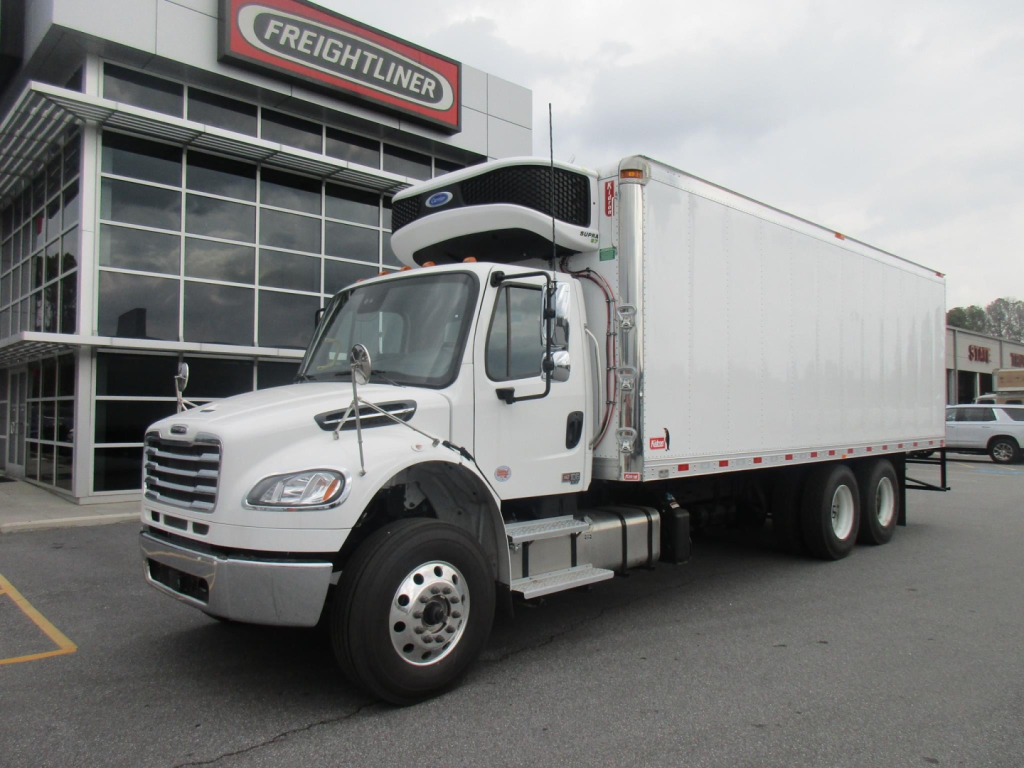
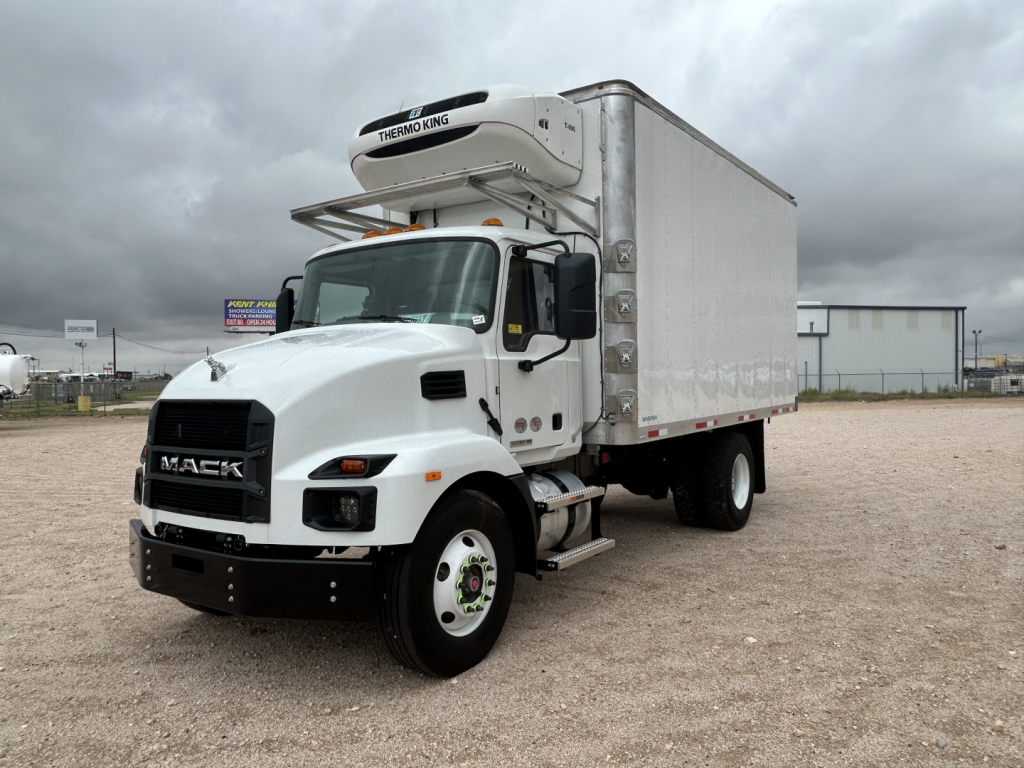
Selling a new refrigerated truck? List your new refrigerated truck for sale and reach thousands of commercial buyers.
New Refrigerated Trucks
The body spec drives day-to-day performance. Good reefer bodies typically use high-density insulated walls, aluminum or hardwood floor systems, and corrosion-resistant interior finishes. Buyers hauling boxed food, dairy, produce, meat, floral product, or medical freight should pay close attention to body thickness, door seal quality, drain design, and floor style. Aluminum T-flooring is common when airflow under the load is important. If freight is hand-loaded, a rear ramp can be useful. If routes involve pallets and repeated dock loading, liftgate capacity, door opening dimensions, and threshold durability matter more. Interior options like scuff liners, ducted air delivery, bulkheads, and standby electric operation can make a major difference in route flexibility and temperature recovery.
On the chassis side, new refrigerated trucks are often powered by medium-duty diesel engines in the 250 to 330 horsepower range paired with Allison automatic transmissions. That setup fits stop-and-go delivery, minimizes driver fatigue, and works well in urban and suburban distribution. Axle ratings, rear ratio, and suspension should match the product weight and route profile, not just the box size. A non-CDL reefer truck can make sense for operations trying to broaden the driver pool, but payload, fuel, and refrigeration system weight still need to pencil out. Buyers should also verify reefer unit fuel source, service access, noise restrictions in delivery areas, and whether the truck will be used for frozen, chilled, or multi-temp work.
A new refrigerated truck gives buyers the advantage of current emissions equipment, warranty coverage, and a fresh cold-chain spec with no unknown temperature history. That matters for fleets serving grocery, restaurant supply, institutional foodservice, catering, beverage, and pharmaceutical lanes. The best choice usually comes down to matching box volume, reefer output, and curb weight to the actual route. Short urban delivery routes may favor a compact body and tight turning radius. Longer regional runs may justify more insulation, larger fuel capacity, and a higher-output unit for better pull-down and temperature stability in hot weather.
Frequently Asked Questions about New Refrigerated Trucks
What is the difference between a refrigerated truck and an insulated box truck?
A refrigerated truck has an active cooling system that can maintain a set cargo temperature during transit, while an insulated box truck only slows temperature change. Insulation helps retain cold or protect freight from outside heat, but it does not replace a reefer unit. For perishable food, frozen goods, and temperature-sensitive medical products, an actual refrigerated truck is usually the correct equipment.
What size reefer body is most common on a new medium-duty refrigerated truck?
In the medium-duty straight truck market, 14 to 20 foot reefer bodies are very common. The right size depends on pallet count, product density, and delivery environment. A shorter body can improve maneuverability in city routes and tight docks, while a longer body increases cube and route efficiency if payload and axle ratings are still within target.
Can a new refrigerated truck be spec'd for non-CDL operation?
Yes. Many refrigerated trucks are built to fit non-CDL applications by keeping the GVWR under the CDL threshold. That can help with hiring and local delivery operations, but buyers still need to account for the added weight of the reefer body, refrigeration unit, fuel, liftgate, and cargo. A non-CDL spec is only practical if the remaining payload supports the intended product mix.
Which reefer truck features matter most for food delivery routes?
The most important features usually include reliable temperature control, strong insulation, good door seals, and a floor that supports airflow and repeated loading. Liftgate rating, rear ramp design, interior width, and body height also affect route efficiency. For foodservice and grocery work, standby electric, bulkheads, and easy-to-clean interior surfaces can add real operating value.
How do I choose the right refrigeration unit for a new reefer truck?
Start with the required temperature range, the product being hauled, the number of door openings per day, and the climate the truck will work in. Frequent stops and hot ambient temperatures require strong recovery performance, not just a low setpoint on paper. Buyers should also consider service network coverage, fuel type, maintenance intervals, and whether the application requires frozen, chilled, or multi-temperature capability.