
New 2026 Commercial Trucks For Sale in Arkansas
Shop new 2026 trucks for sale in Arkansas, including day cabs, dump trucks, box trucks, refuse trucks, and vocational chassis.
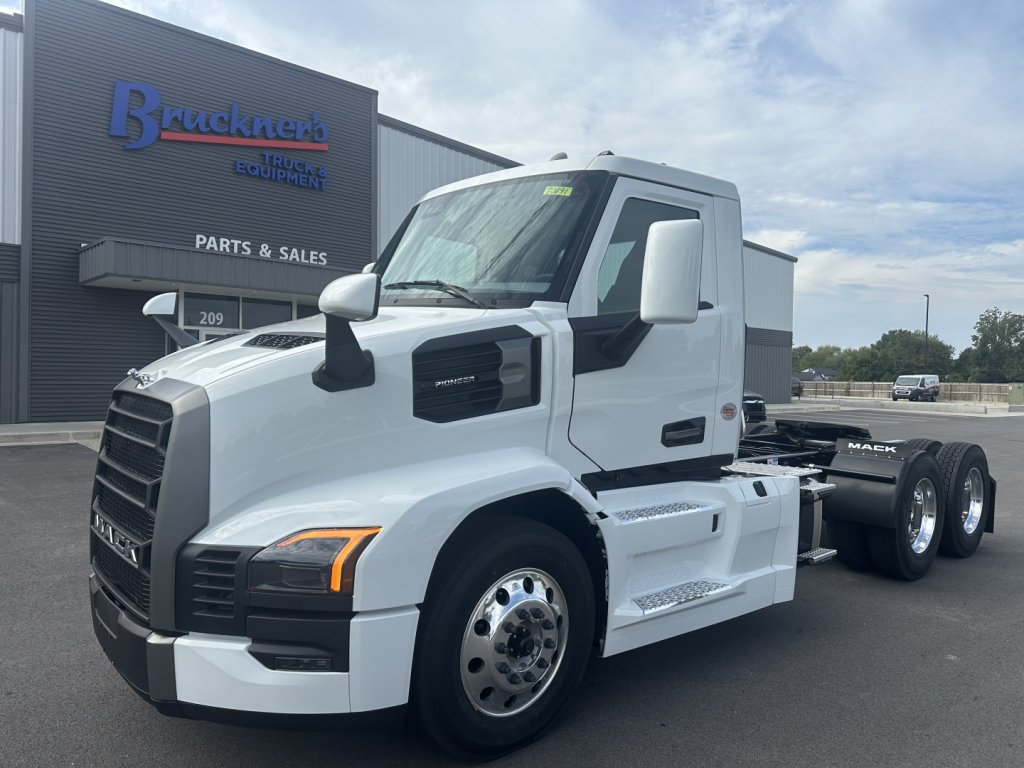
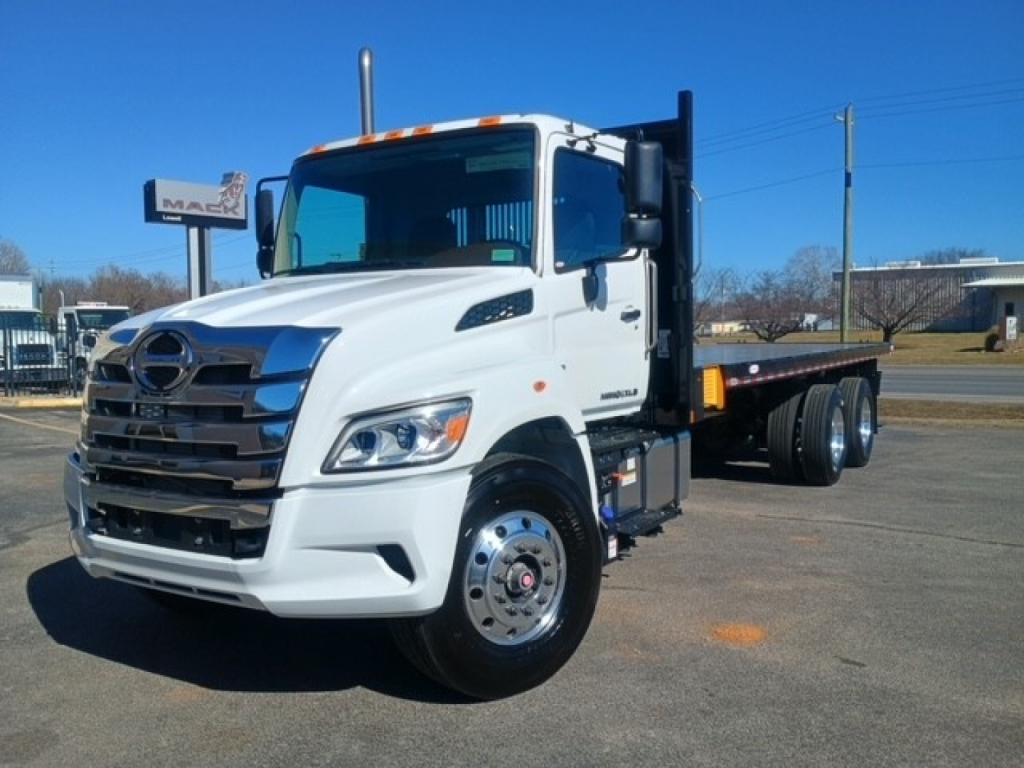
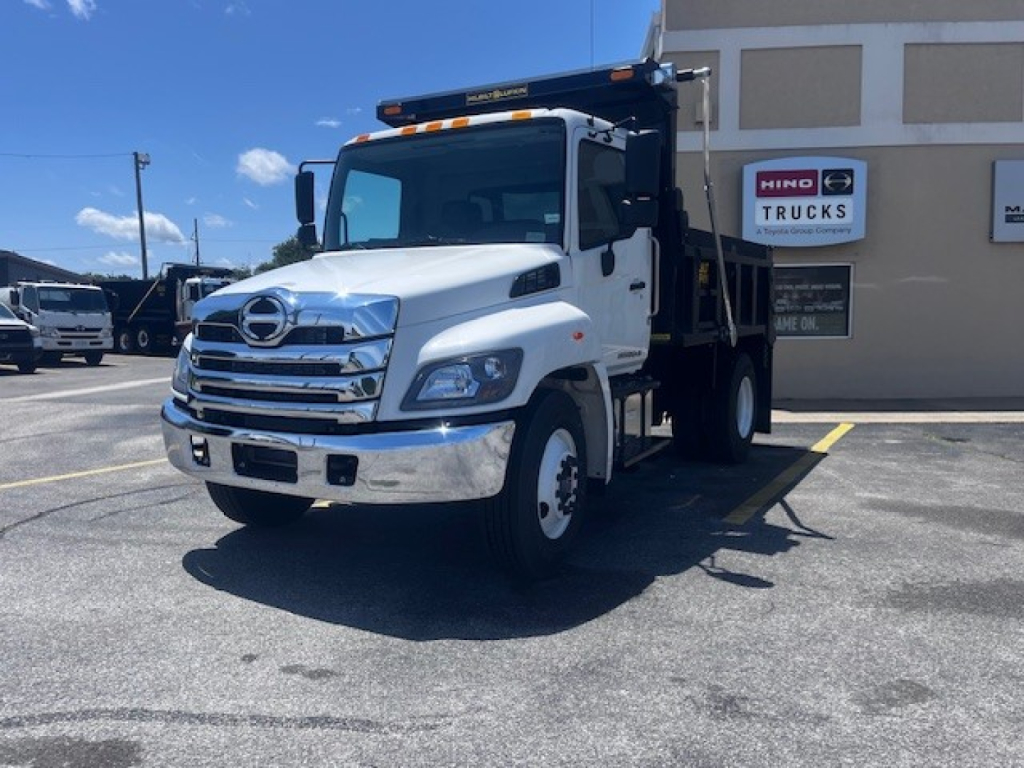
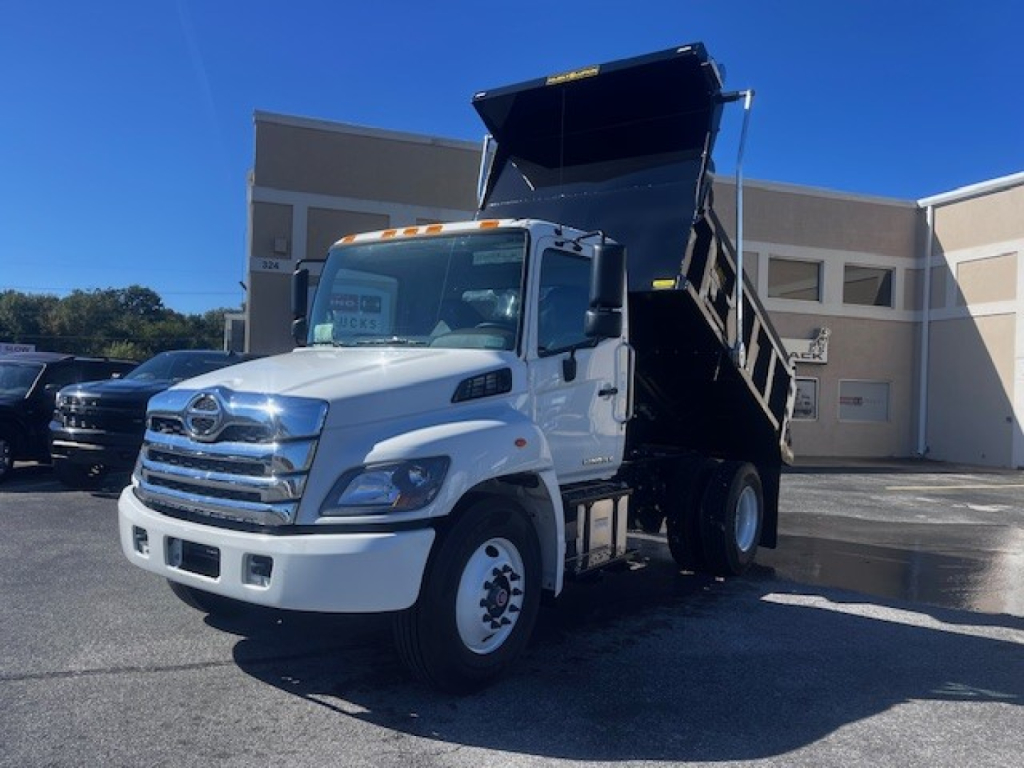
Selling a new 2026 commercial truck? List your new 2026 commercial truck for sale and reach thousands of commercial buyers.
New 2026 Commercial Trucks in Arkansas
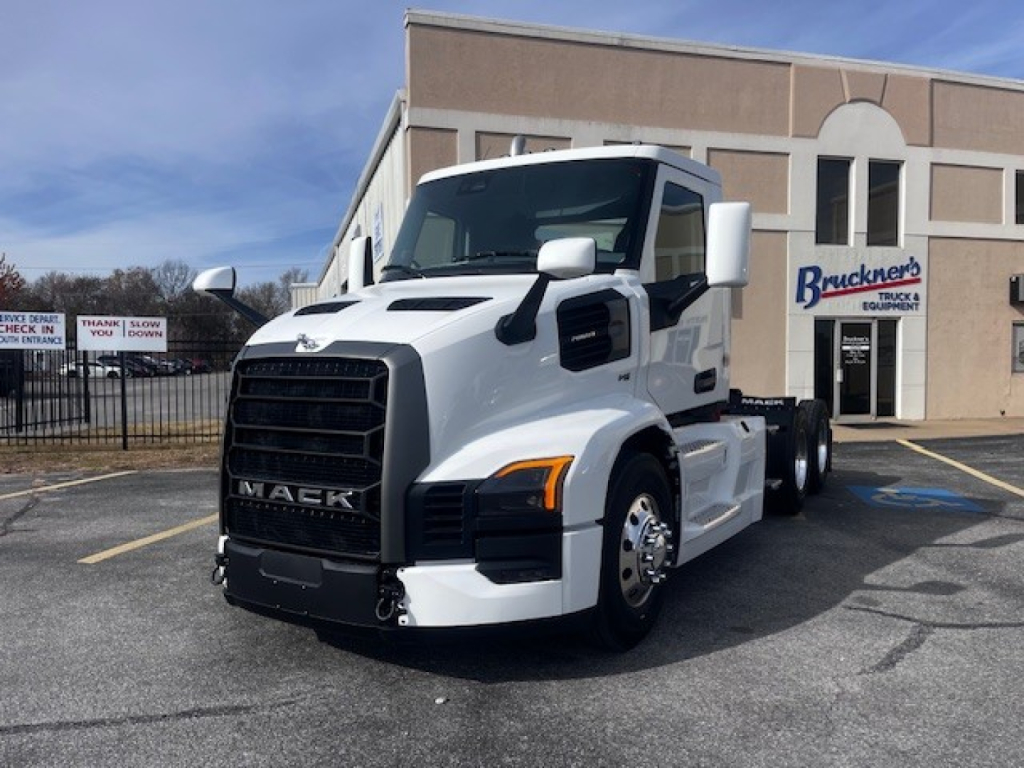
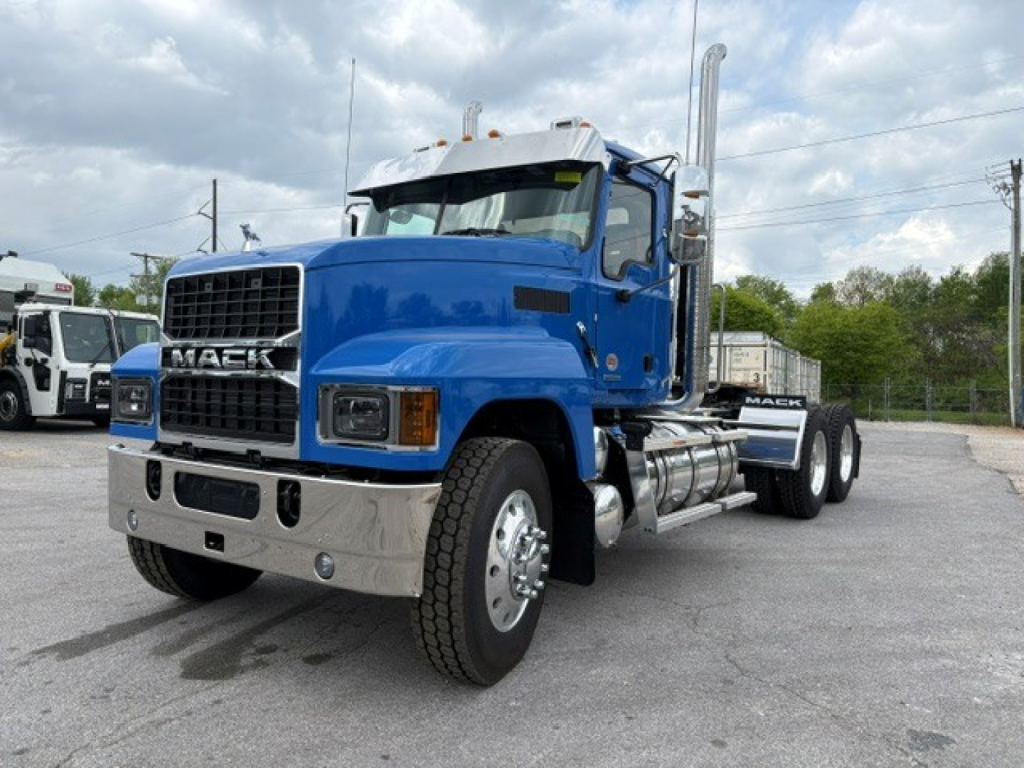
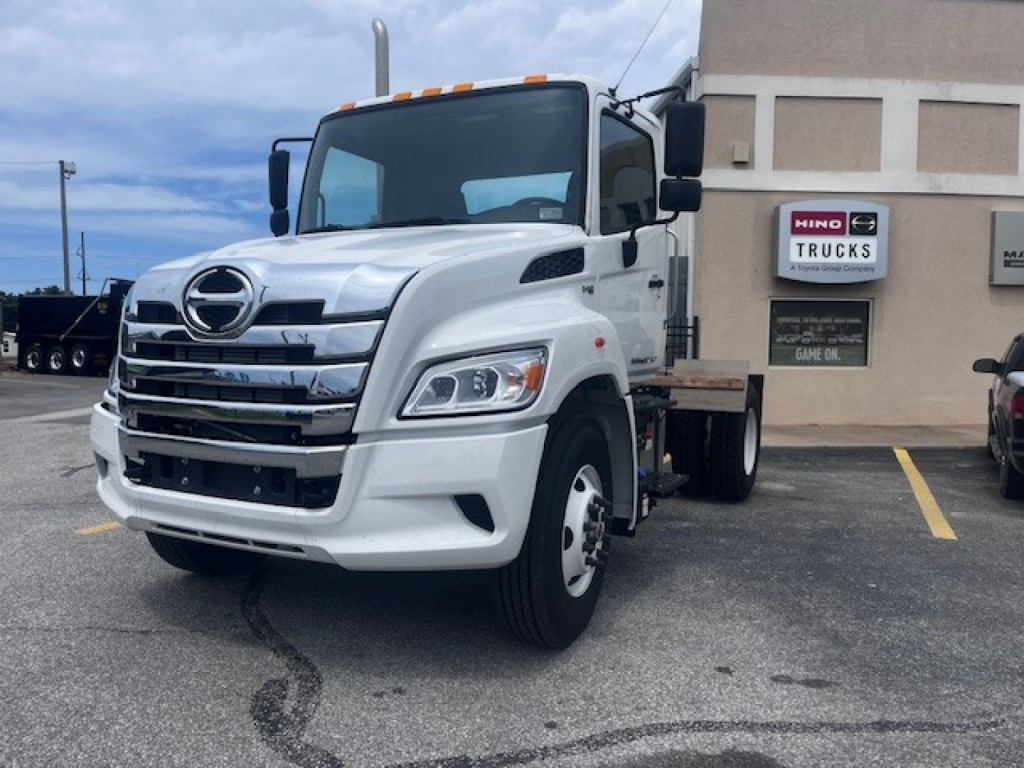
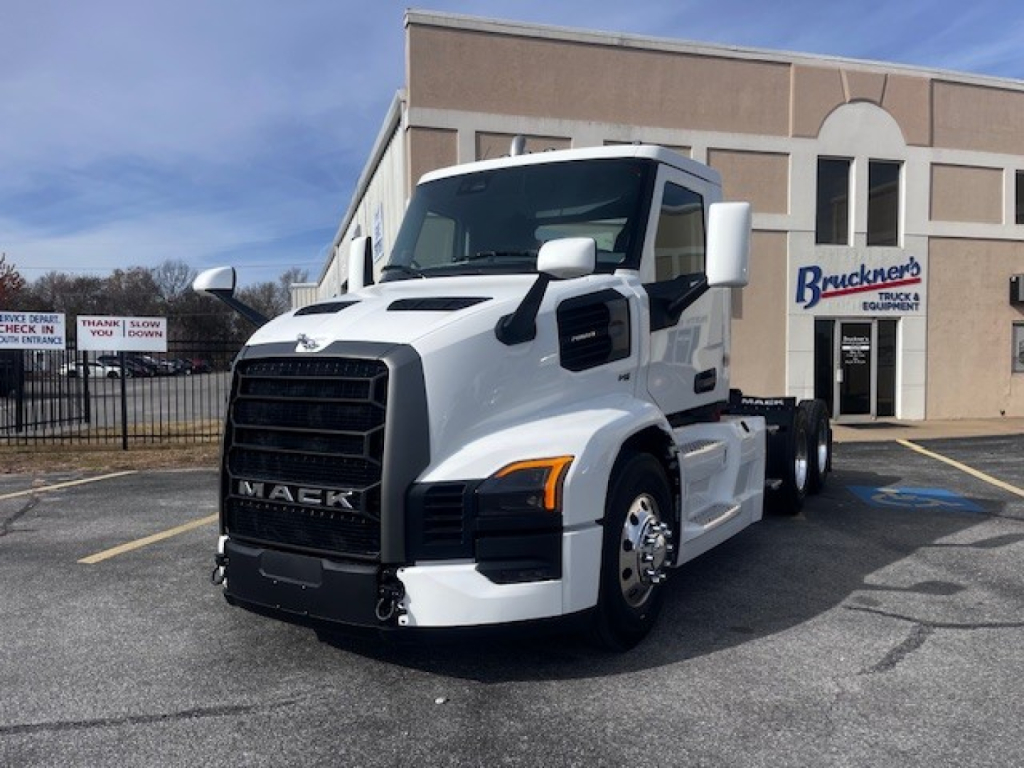
For highway and regional tractor applications, 2026 conventional day cabs are commonly spec'd with diesel engines in the 400 to 500 horsepower range, automated manual or automatic transmissions, tandem rear axles, and rear ratios chosen around cruise speed and startability. Buyers should compare horsepower and torque with axle ratio, wheelbase, and expected trailer weight instead of looking at one number in isolation. A 3.08 or 3.23 rear ratio may suit fuel-conscious regional hauling, while heavier vocational work often needs deeper gearing. Disc brakes, differential locks, suspension type, and tire size all affect drivability, maintenance planning, and resale in the Arkansas market.
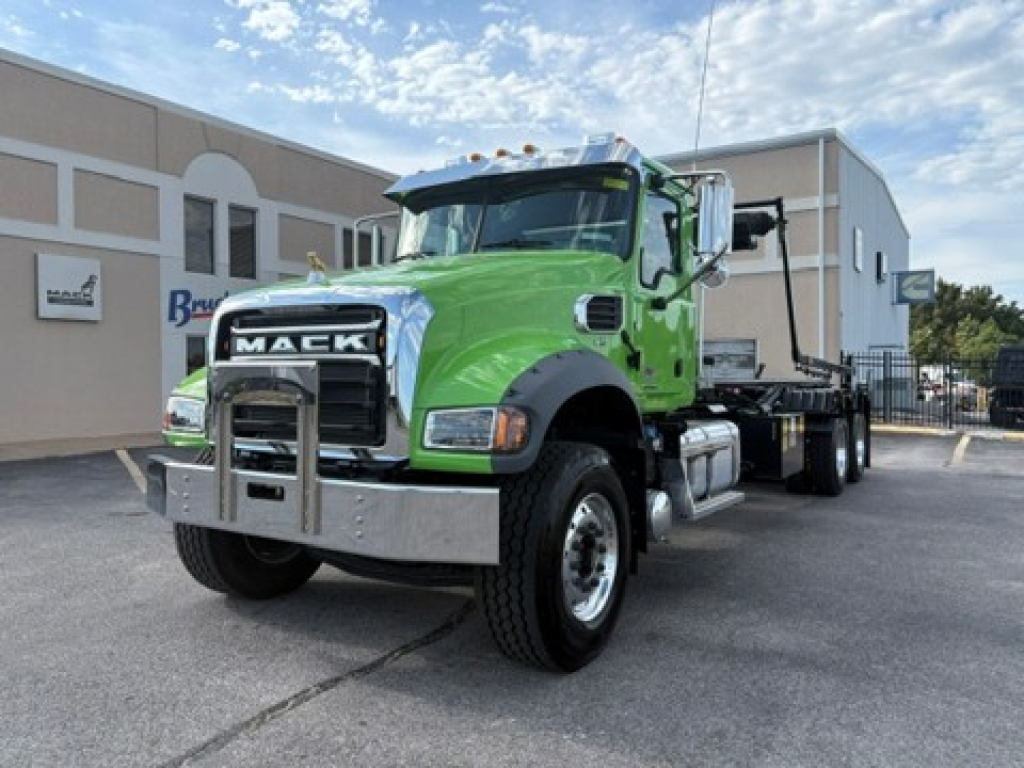
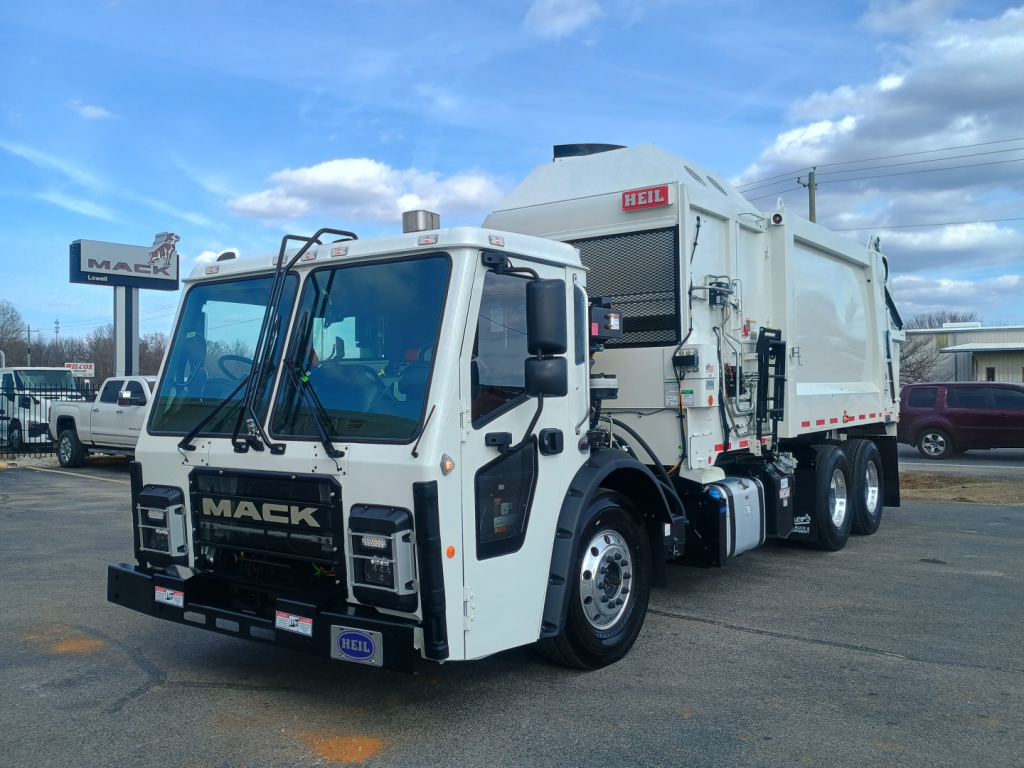
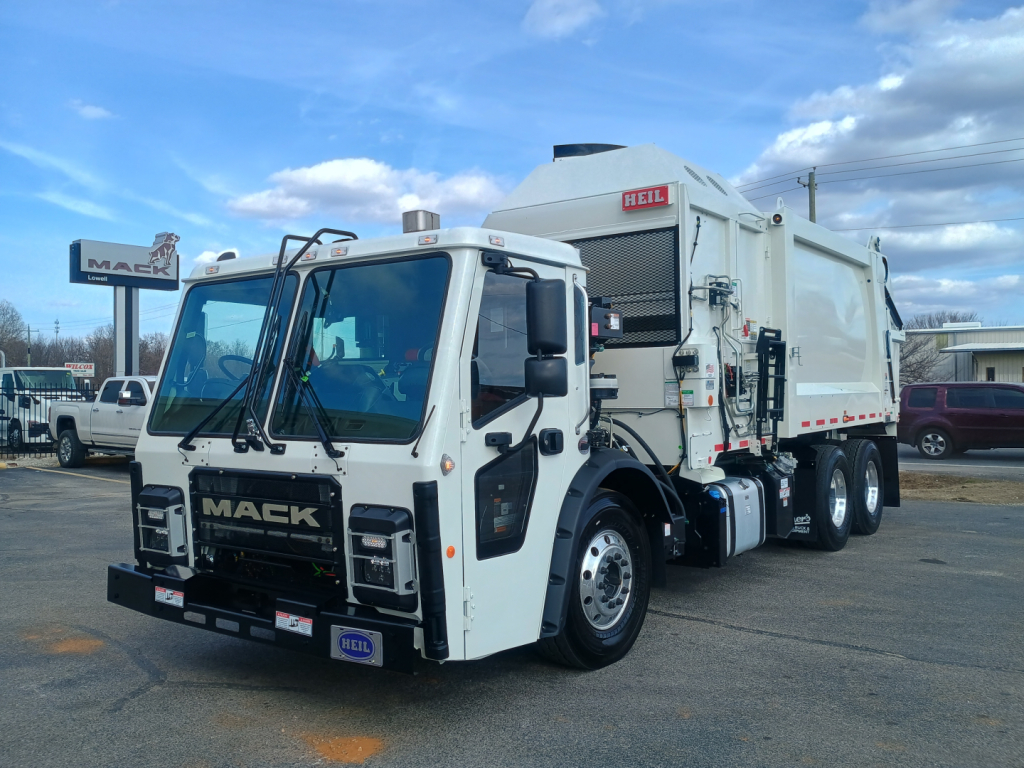
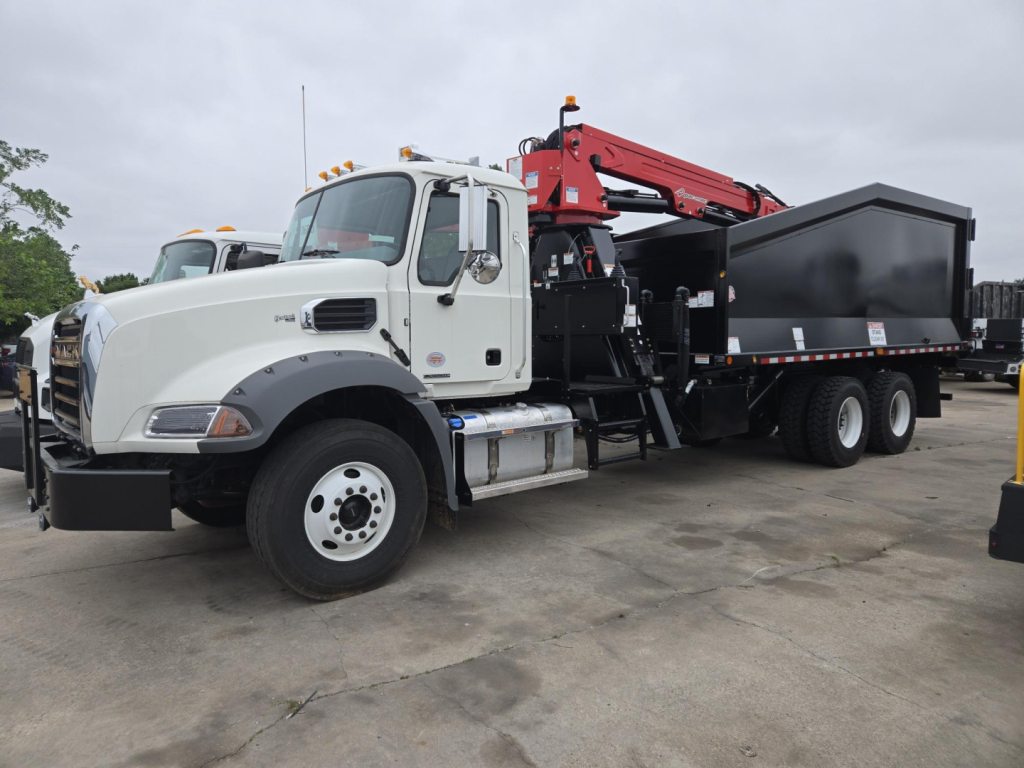
Vocational 2026 trucks require even closer attention to body integration and operating environment. Dump trucks are often spec'd with medium-duty diesel power, automatic transmissions, PTO capability, pintle or hitch packages, and bed materials such as AR450 for abrasion resistance. Refuse trucks and side loaders usually prioritize low-speed durability, hydraulic performance, axle ratings, visibility, and body control integration, with common features including heavy rear suspensions, camera systems, and high-capacity Allison automatics. Box trucks and cab-forward delivery units are more sensitive to GVWR, body length, inside dimensions, liftgate capacity, and dock-to-route maneuverability. For urban and mixed suburban use, cab-forward chassis can be especially useful where turning radius and sightlines matter.
Buying a new 2026 truck also means evaluating emissions warranty coverage, driver-assist technology, and service access along your operating lanes. Arkansas fleets often balance interstate travel with jobsite, rural, and city-stop conditions, so cooling performance, brake life, suspension durability, and body service support all matter. A well-matched spec should account for payload, legal weight, idle time, trailer or body requirements, and the skills of the drivers and technicians who will run it. The best 2026 truck is not simply the newest chassis on the lot. It is the one with the right engine-transmission pairing, axle package, frame and wheelbase layout, and vocational equipment for the work it will do every day.
Frequently Asked Questions about New 2026 Commercial Trucks in Arkansas
What types of new 2026 trucks are commonly available in Arkansas?
New 2026 trucks in Arkansas typically include conventional day cab tractors, dump trucks, box trucks, refuse trucks, cab-forward delivery chassis, and other vocational configurations. The exact chassis and body combinations vary, but buyers can generally expect both on-highway and job-specific trucks with diesel engines, automatic or automated manual transmissions, and axle ratings matched to the intended application.
What should I look at first when comparing new 2026 trucks for sale?
Start with the application, then match the truck's GVWR or GCWR, engine torque, transmission type, axle ratings, wheelbase, and gearing to that job. A truck built for regional freight, municipal refuse, aggregate hauling, or local delivery will have very different priorities. Body requirements, PTO needs, suspension design, brake type, and maneuverability should be reviewed early because they determine how well the truck fits the work and how expensive it may be to modify later.
Are 2026 day cab trucks a good fit for Arkansas fleets?
2026 day cab trucks are a strong fit for many Arkansas operations that run regional lanes, local freight, dedicated routes, or vocational tractor work. They are easier to maneuver than sleeper tractors, typically weigh less, and can be spec'd for fuel economy or heavier-duty service depending on axle ratio, engine output, and suspension. Buyers should still confirm wheelbase, fifth wheel setup, and drivetrain gearing against trailer length, terrain, and average payload.
What matters most on a new vocational truck like a dump or refuse truck?
On a vocational truck, the chassis and body must be treated as one system. Buyers should verify front and rear axle capacities, frame strength, transmission PTO compatibility, suspension rating, hydraulic setup, body material, and cab visibility. For dump applications, bed construction, hoist design, and hitch equipment are key. For refuse applications, body controls, camera systems, low-speed transmission durability, and service access are often more important than highway-focused specifications.
Is buying a new 2026 truck better than buying an older unused model year?
A new 2026 truck may offer the latest emissions updates, factory warranty start date advantages, newer safety systems, and a spec that better matches current fleet requirements. An older unused model year can still be a smart buy if the chassis and body are already configured correctly and the price advantage is meaningful. The decision usually comes down to warranty timing, available technology, body compatibility, financing, and whether the truck's original spec still fits today's operating demands.