
New 2026 Dump Trucks For Sale in Arkansas
Have new 2026 dump truck to sell? List it here to reach thousands of buyers.
New 2026 Dump Trucks in Arkansas
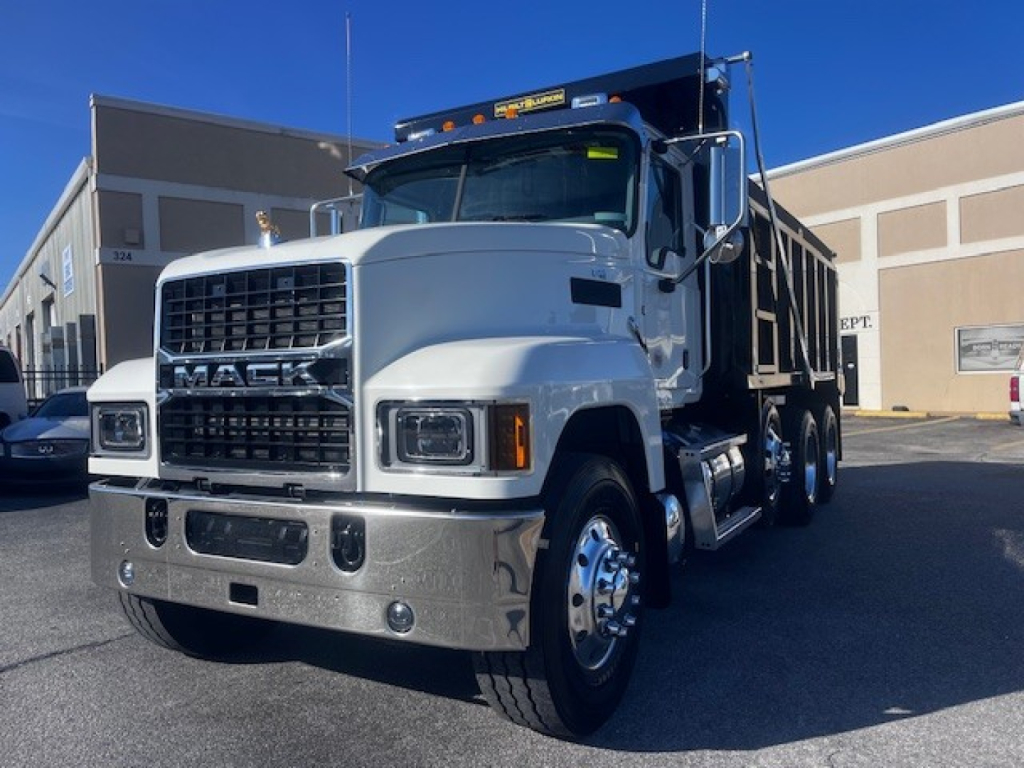
Powertrain choice matters because dump trucks spend their lives starting, stopping, backing, idling, and working in soft or uneven ground. Medium-duty models often use diesel engines in the 260 to 300 horsepower range paired with Allison automatic transmissions, while heavier tandem-axle and tri-axle trucks commonly move into 400 plus horsepower engines with automated manual transmissions or heavy-duty automatics. Gear ratio, suspension design, and differential locks all affect launch performance and traction under load. In heavier Arkansas vocational applications, buyers often look for double-frame construction, multileaf rear suspension, lift axles, and higher-capacity front axles to support bridge-law compliance and better payload distribution.
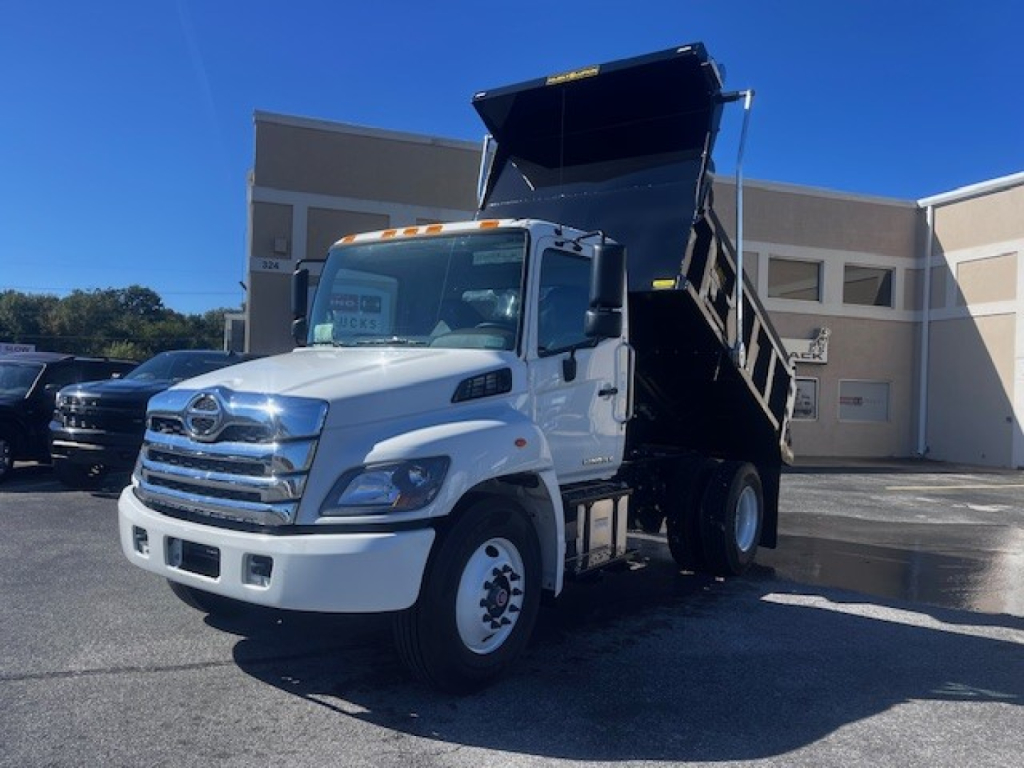
The dump body itself deserves as much attention as the chassis. Body length, side height, floor thickness, and steel grade determine how well the truck handles abrasive aggregate versus lighter bulk material. AR450 and similar abrasion-resistant floors are common on contractor-spec units, while hoist capacity, tailgate style, and tarp system affect cycle time and load control. A square-body dump can be a practical fit for general construction and landscape material, while heavier spec material bodies are better suited for rock, riprap, and repeated loader impact. Buyers should also look at pintle hitch capacity, PTO setup, cab-to-axle measurement, and whether the truck is spec'd for trailer towing, spreader use, or snow and municipal attachments.
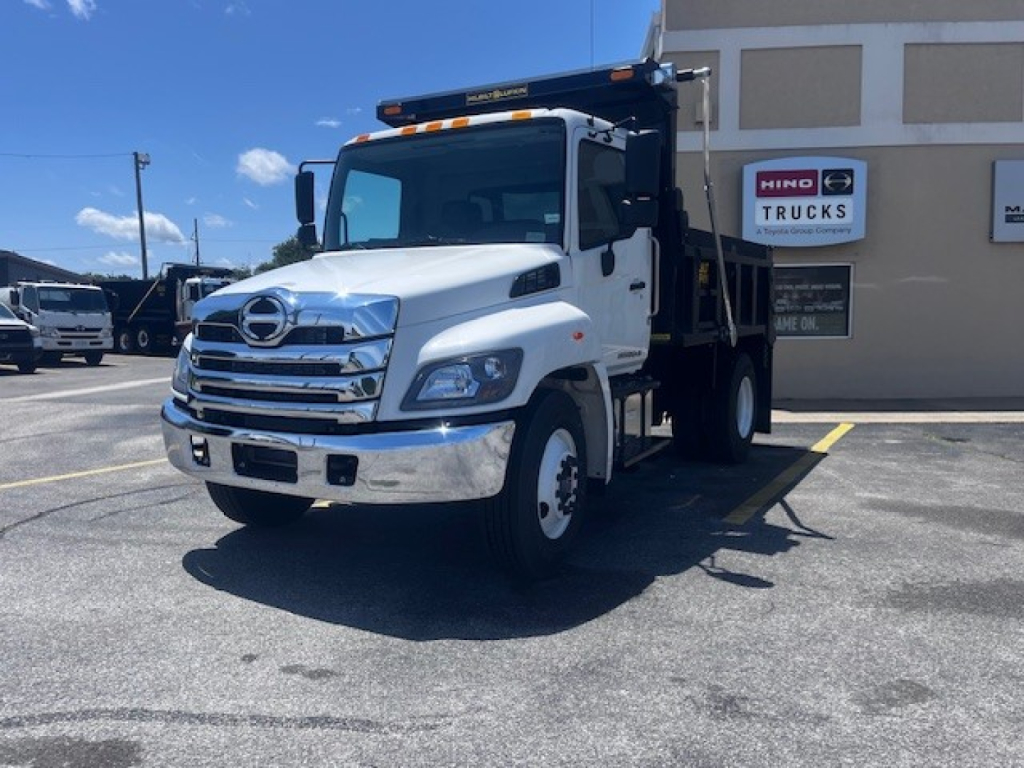
For many buyers, the best 2026 dump truck is not the biggest one. A de-rated non-CDL dump truck can make sense for crews that need to avoid CDL staffing limits while still hauling mulch, topsoil, or light aggregate. On the other hand, contractors running quarry routes or asphalt work usually need tandem or tri-axle trucks with steerable lift axles, heavier brakes, and stronger hoists. New dump trucks also appeal to buyers who want current emissions systems, updated safety electronics, warranty coverage, and a clean maintenance baseline. When comparing listings, focus on the real working spec: legal payload, body material, axle package, transmission type, and how the truck is equipped for the exact job cycle it will run.
Frequently Asked Questions about New 2026 Dump Trucks in Arkansas
What size dump truck is best for construction work in Arkansas?
The right size depends on the material, route length, and whether the truck needs to stay under CDL thresholds. Medium-duty dump trucks with 10 to 12 foot bodies are common for landscaping, municipal work, and lighter construction material, while tandem and tri-axle dump trucks are better for aggregate, asphalt, and higher-volume hauling. Arkansas buyers usually compare GVWR, axle ratings, and local bridge-law considerations before choosing body size because legal payload matters more than advertised body capacity alone.
What is the difference between a non-CDL dump truck and a tandem-axle dump truck?
A non-CDL dump truck is generally de-rated or spec'd below the 26,001-pound GVWR threshold, making it easier to place with drivers who do not hold a CDL. These trucks are popular for smaller contractors, utility crews, and landscaping operations. A tandem-axle dump truck is built for substantially heavier payloads, typically with stronger rear suspensions, larger dump bodies, and more robust axle ratings. The tradeoff is greater operating capacity versus stricter licensing, weight, and route considerations.
Which dump body features matter most on a new dump truck?
The most important dump body features are body length, side height, floor and side material, hoist design, and tailgate configuration. Abrasion-resistant steel floors are important for rock, gravel, and demolition material because they stand up better to repeated impact and scraping. A properly matched hoist improves dump performance and stability, while a good tarp system helps with load retention and compliance. Buyers should also check pintle hitch rating, cab protector design, and body-to-chassis fit based on the intended application.
Are automatic transmissions a good choice for dump trucks?
Automatic and automated manual transmissions are both common in modern dump truck specs. Fully automatic transmissions are often preferred in stop-and-go vocational service because they are easy to operate, reduce driver fatigue, and perform well in tight jobsites. Automated manuals are common in heavier dump applications because they can handle high torque efficiently and may improve fuel economy in some operations. The best choice depends on driver experience, terrain, load weight, and how often the truck works off-road or in traffic.
Why do some dump trucks have lift axles?
Lift axles are added to increase legal load-carrying capacity by spreading weight across more axles when the truck is loaded. On dump trucks, steerable lift axles are especially useful because they improve weight distribution without sacrificing as much maneuverability as a fixed axle. They are common on heavier tandem and tri-axle vocational trucks used in aggregate and paving work. Buyers should confirm axle capacity, suspension type, and local weight regulations because a lift axle only adds value when it matches the truck's actual hauling pattern and legal requirements.