
New 2026 Dump Trucks For Sale
Shop new 2026 dump trucks with current-spec engines, vocational chassis options, and body configurations for hauling aggregate, asphalt, debris, and site materials.
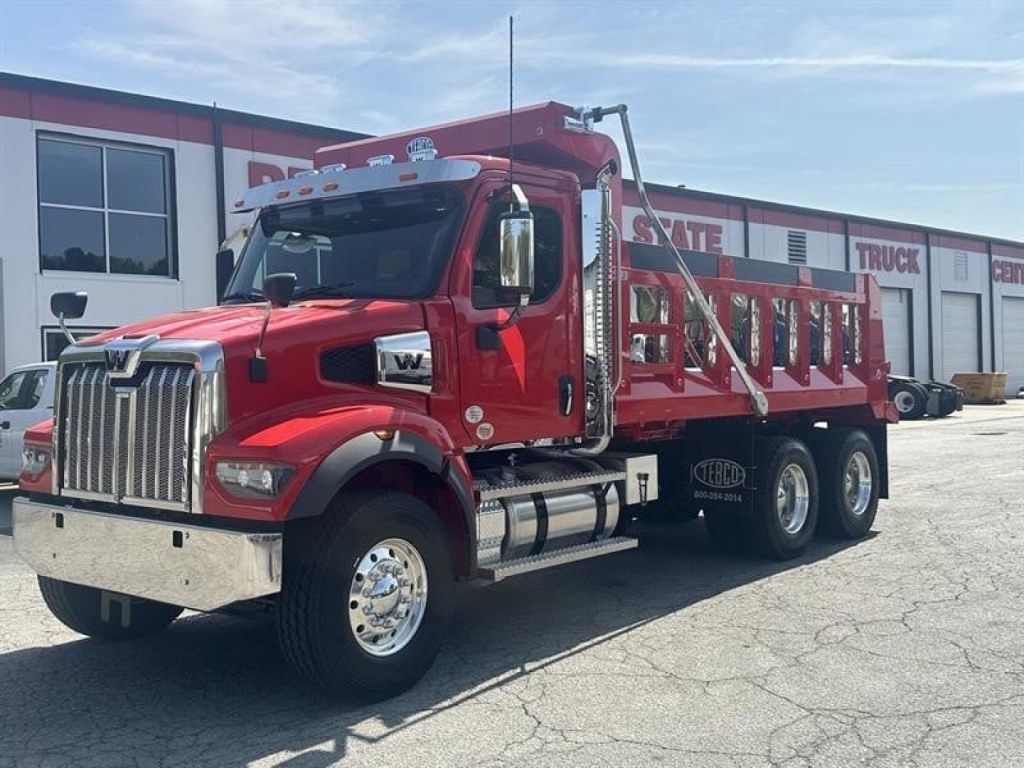
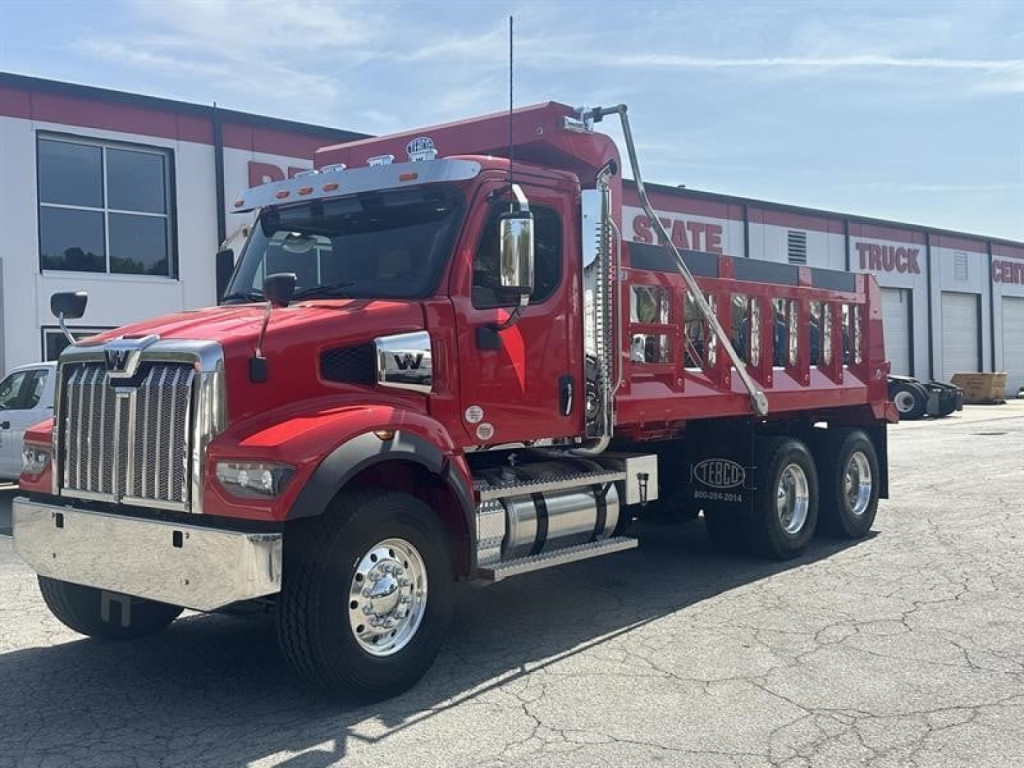
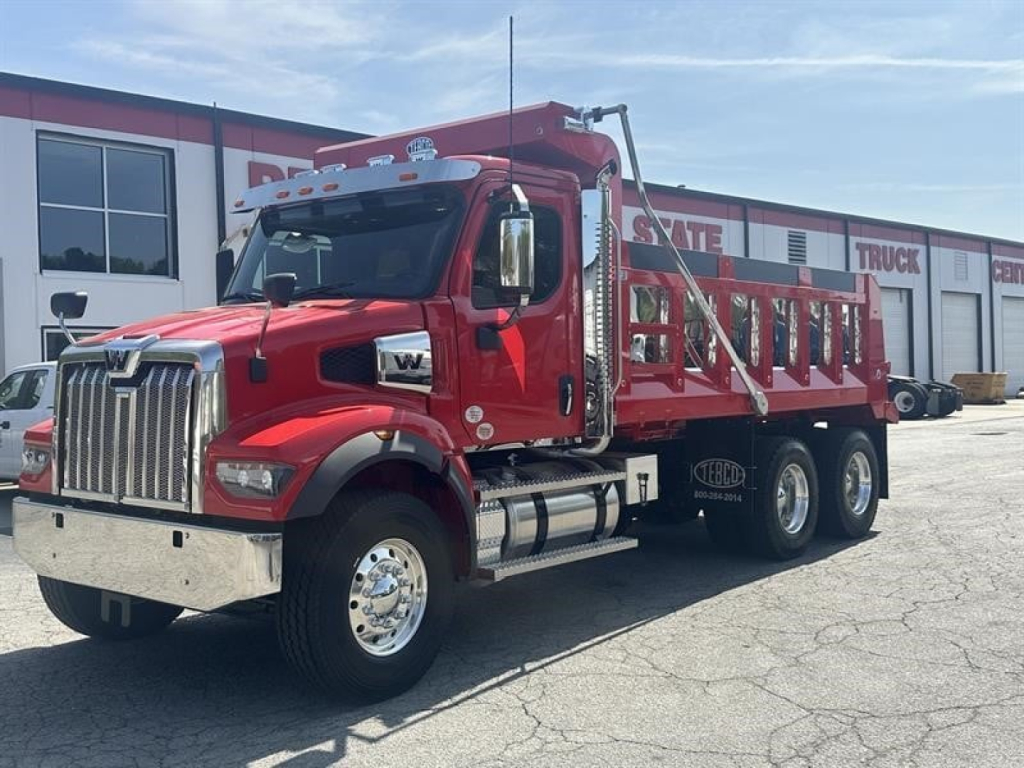
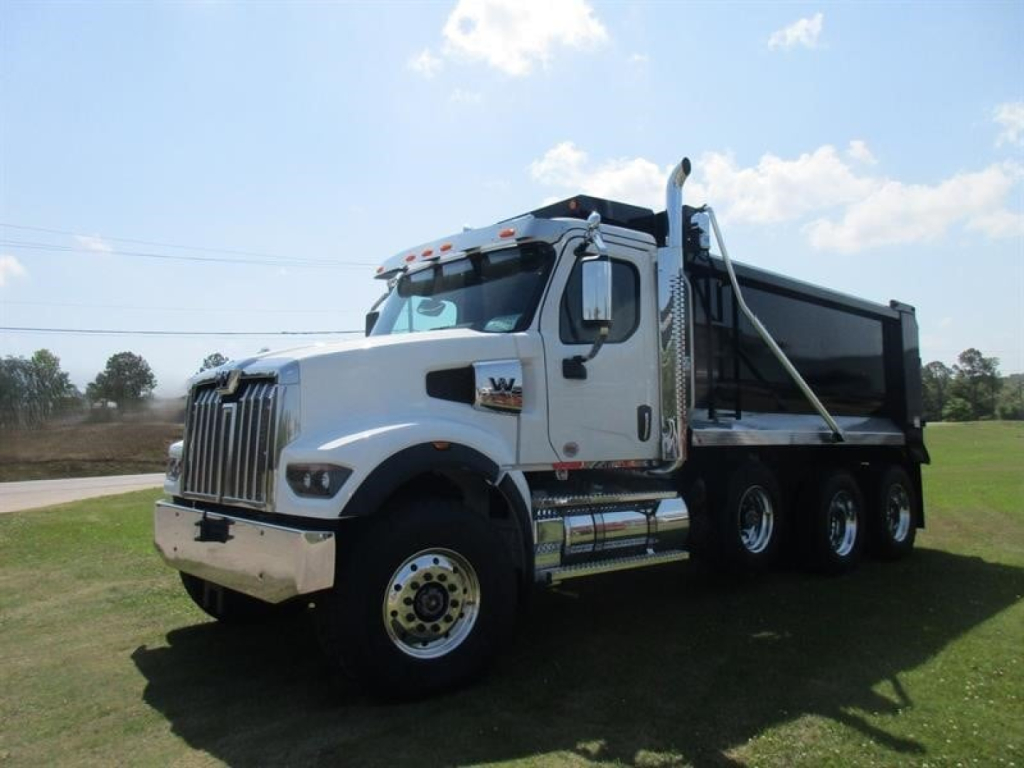
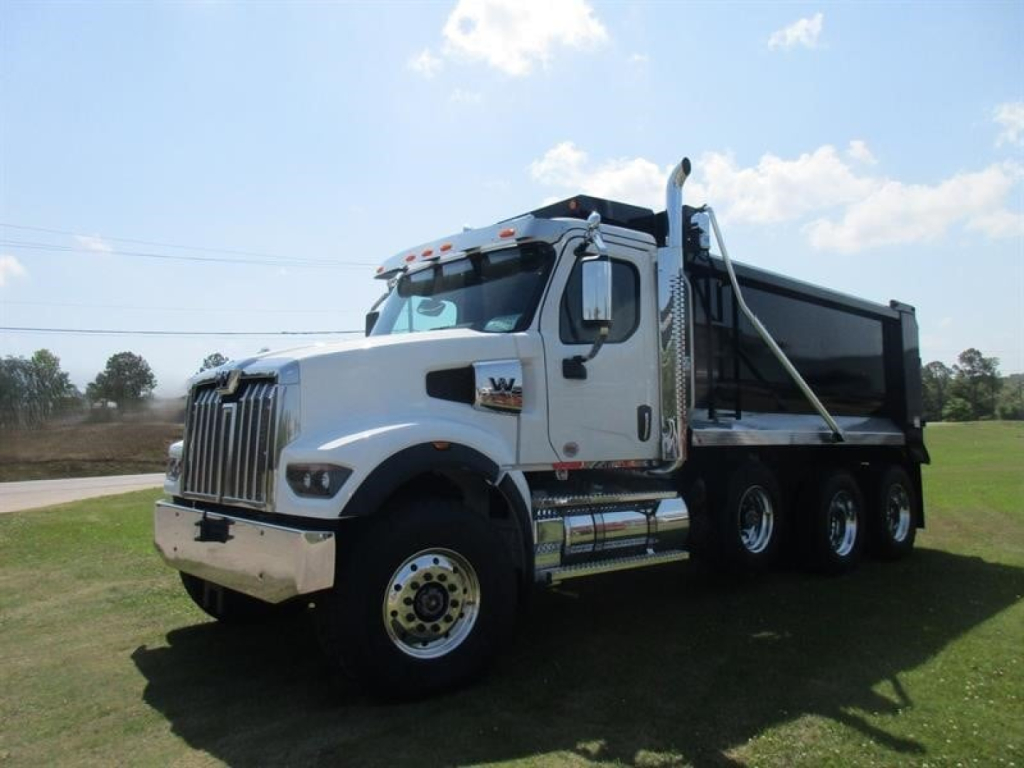
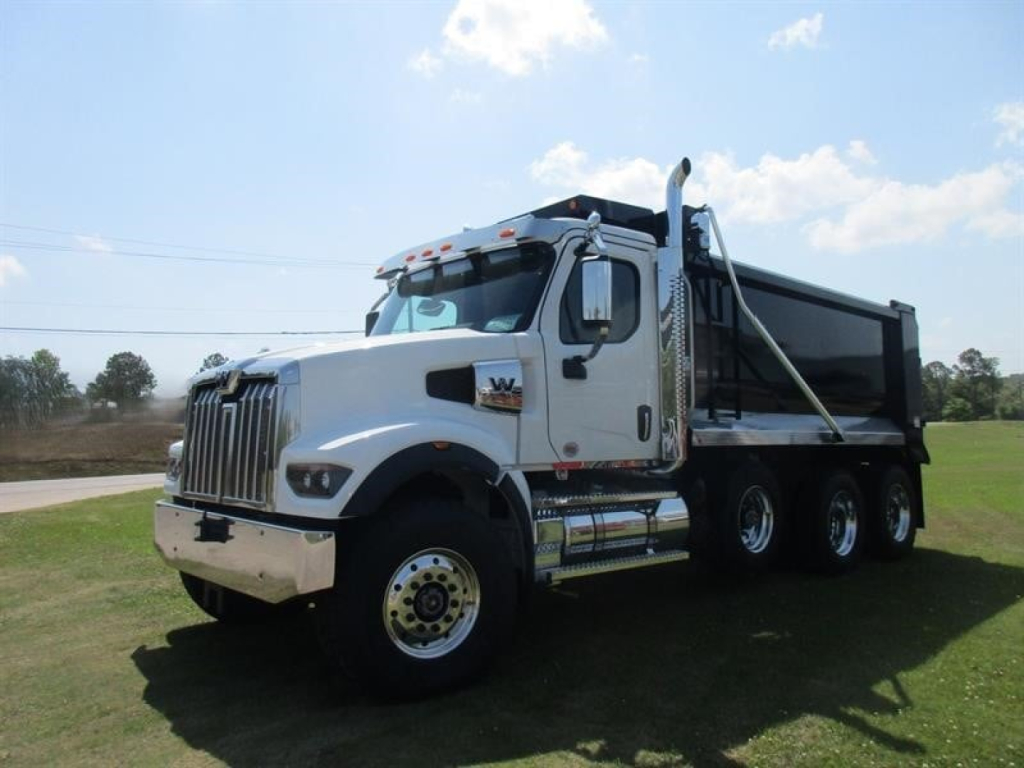
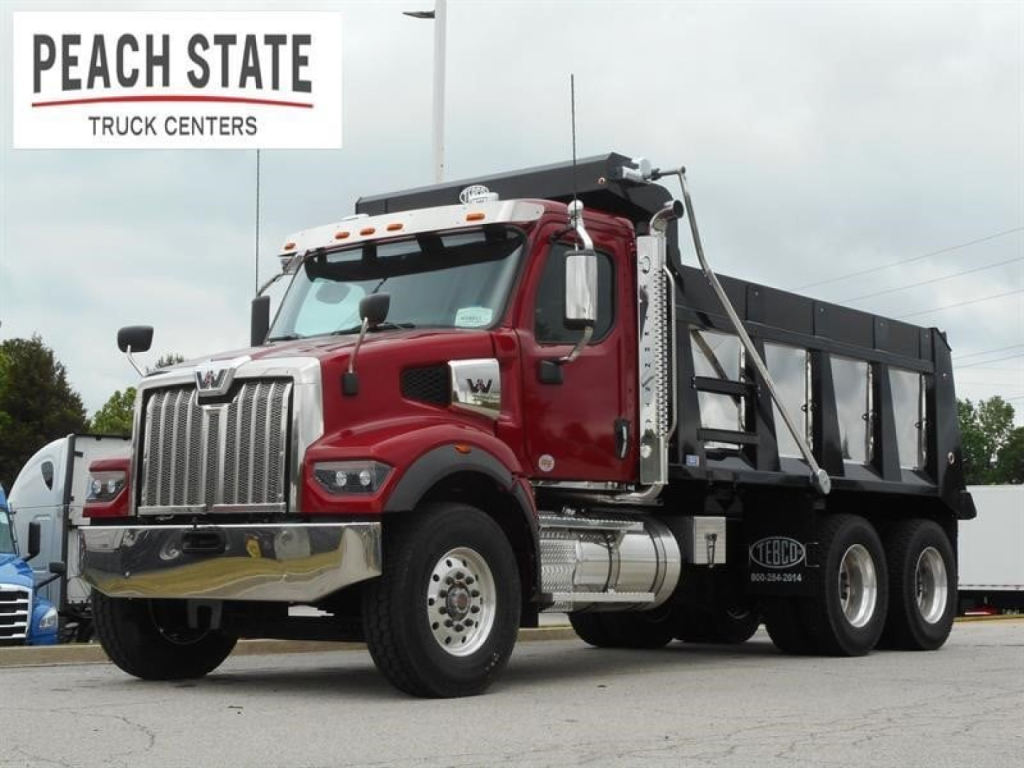
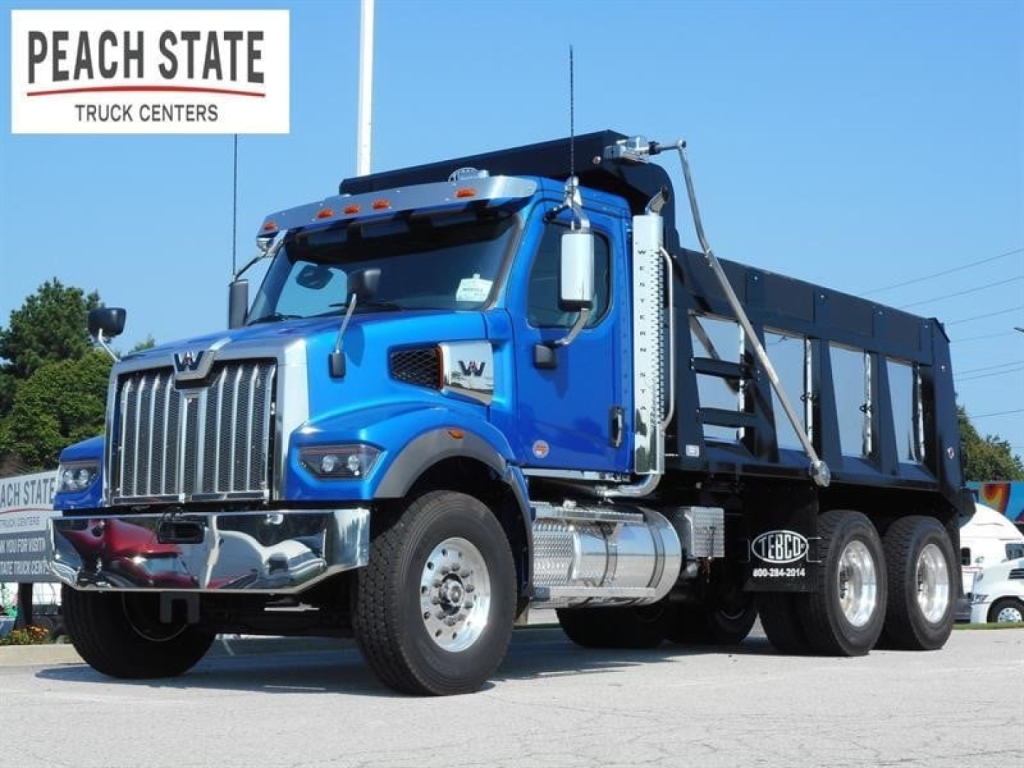
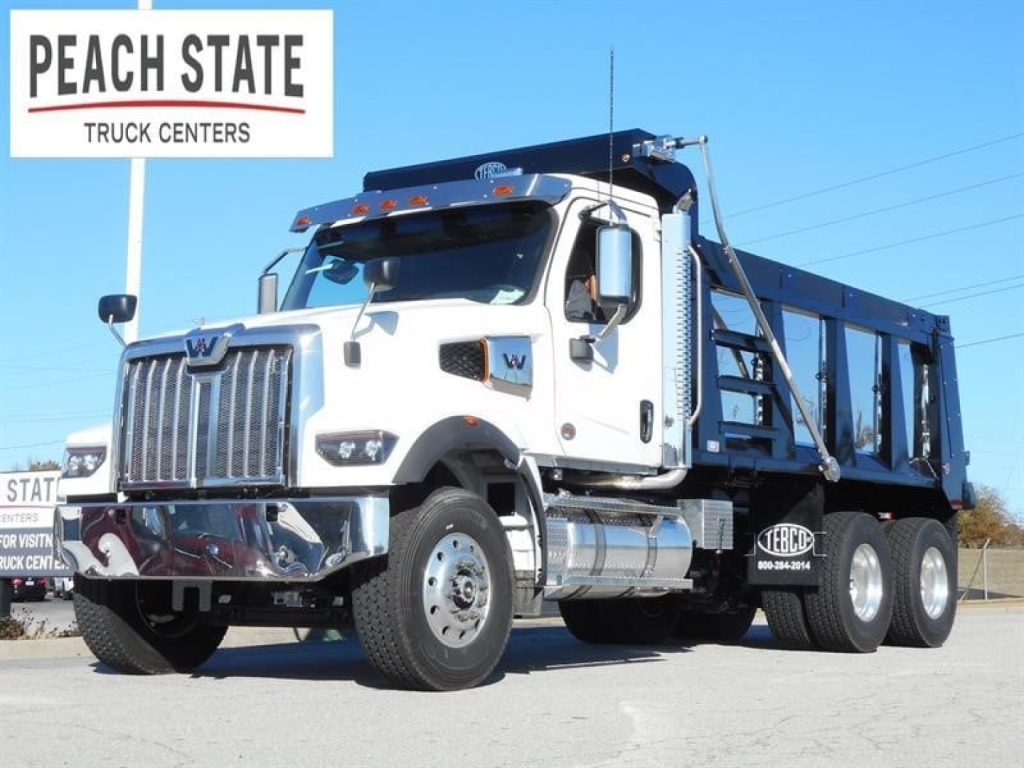
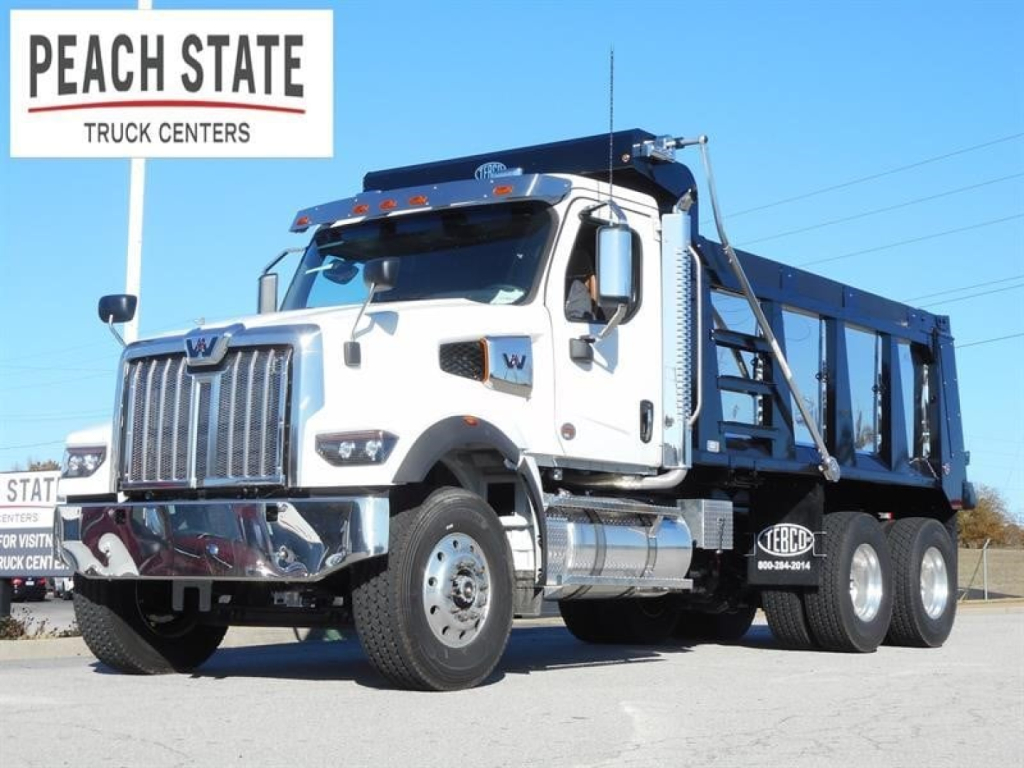
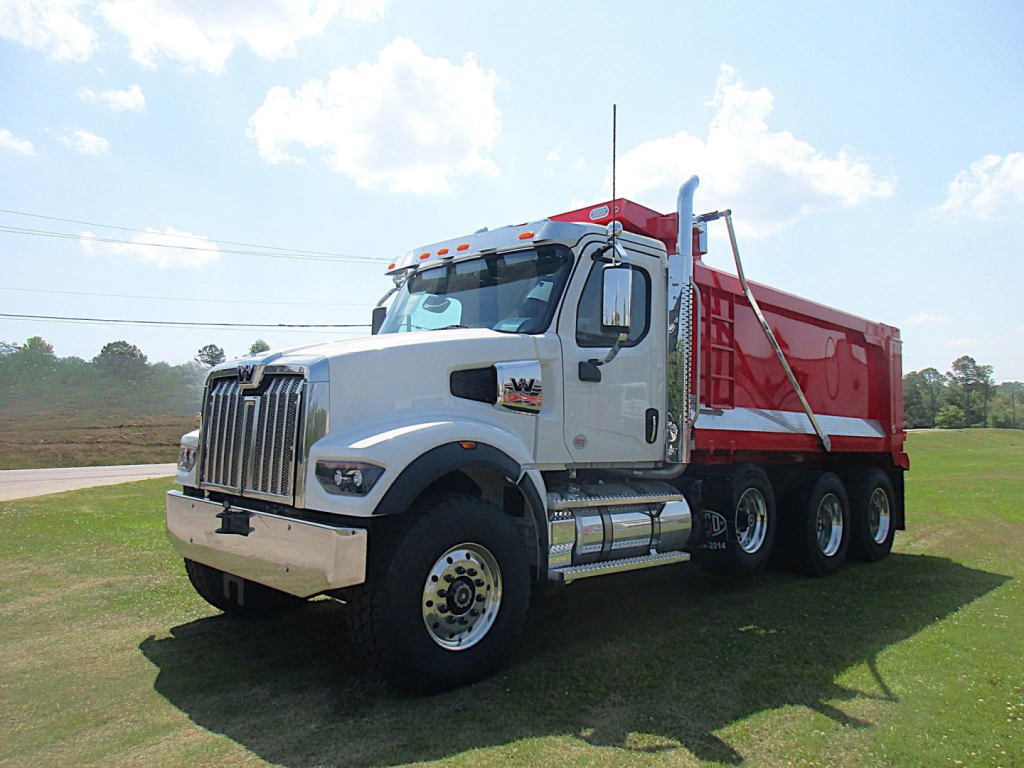
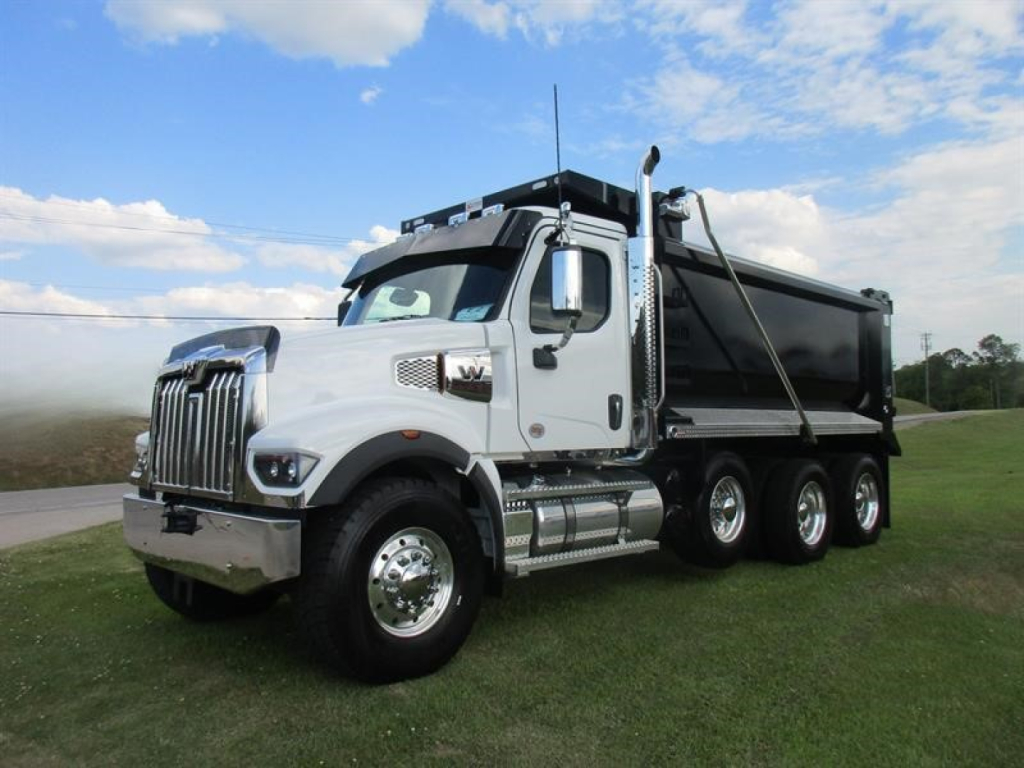
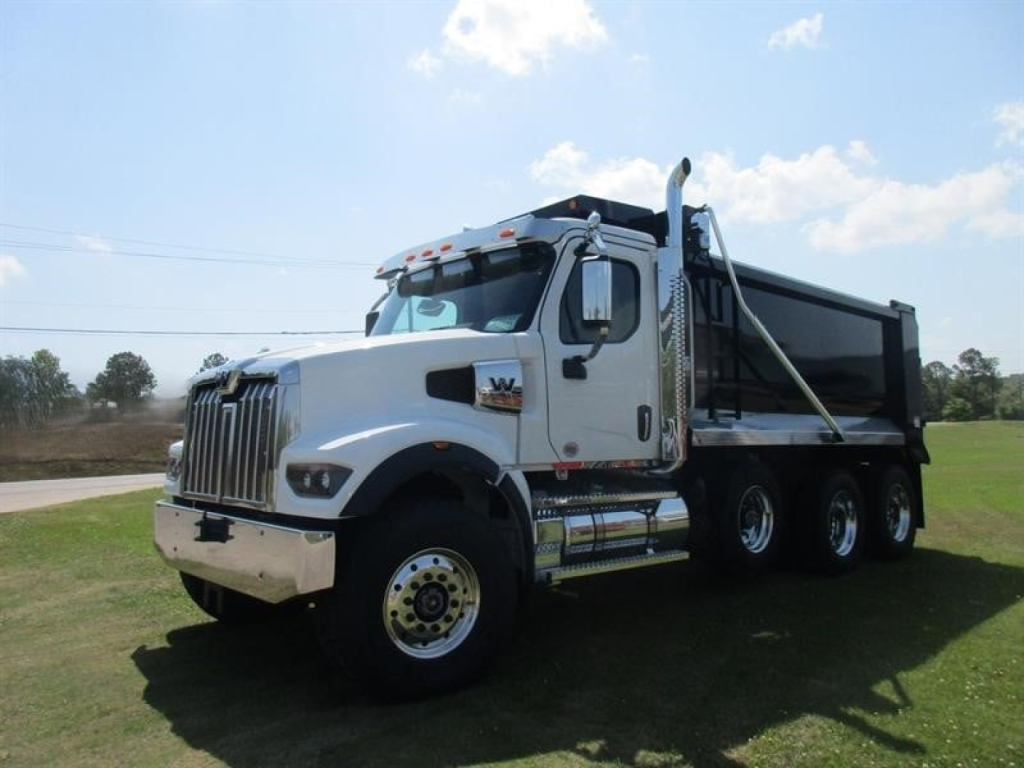
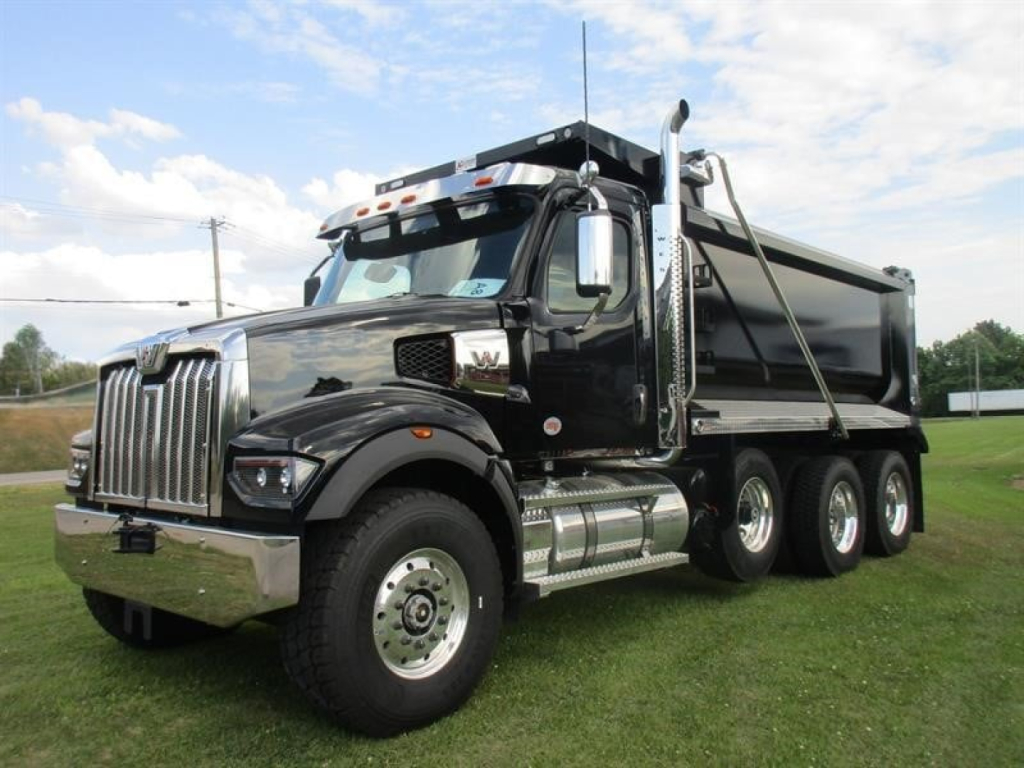
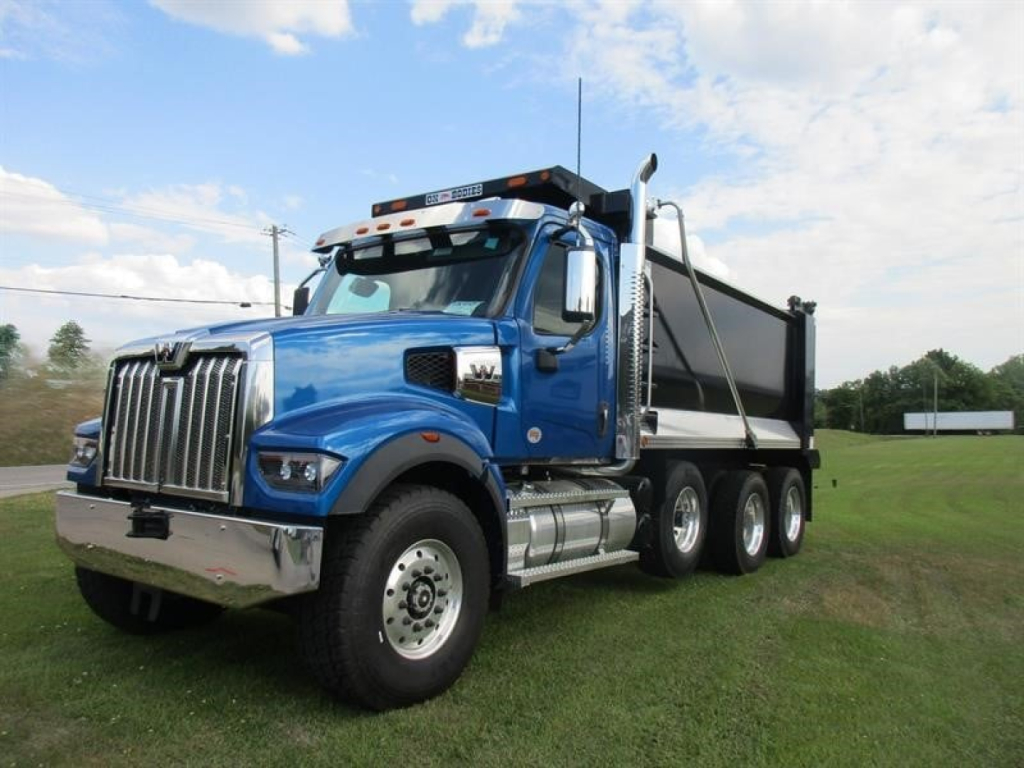
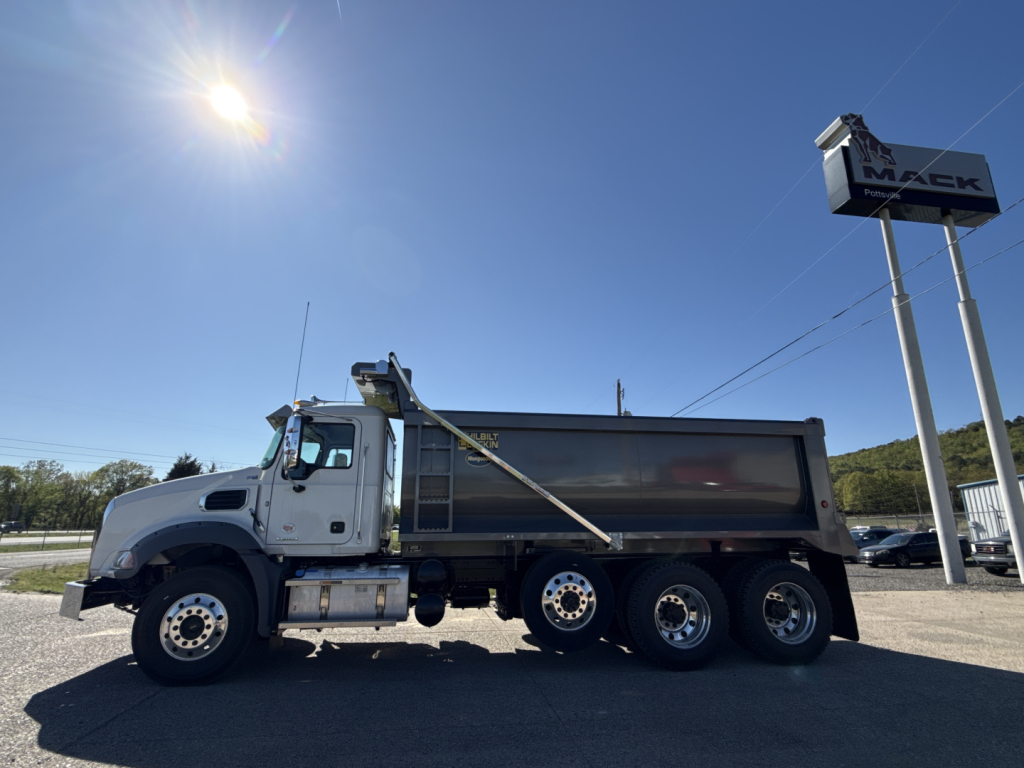
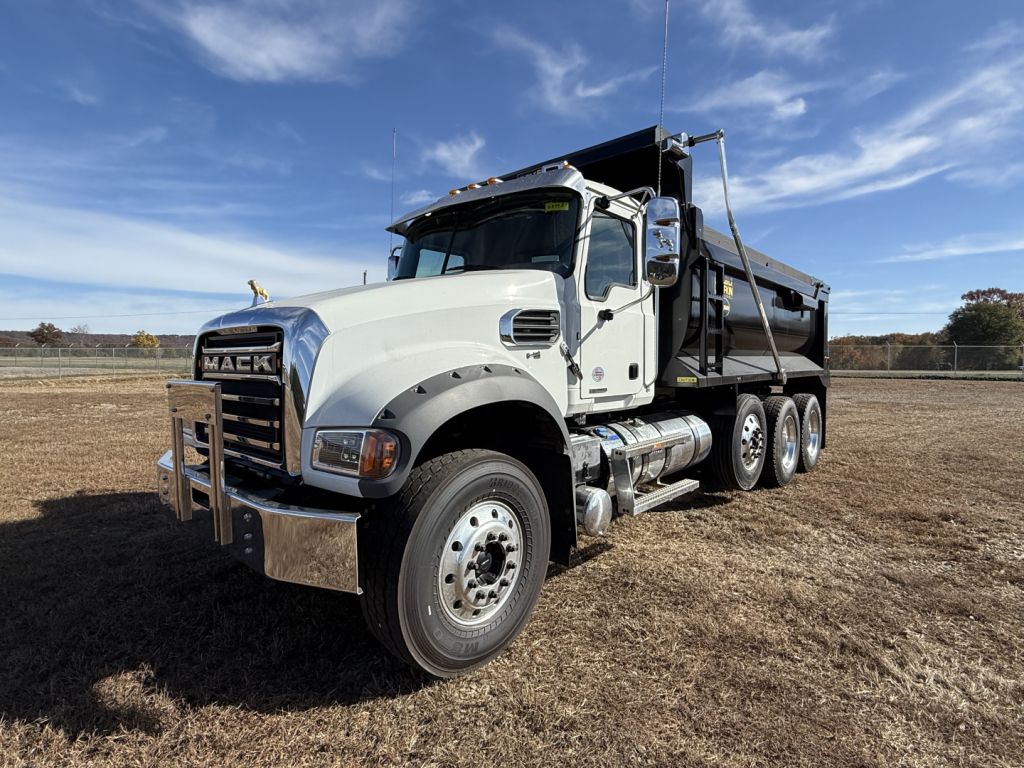
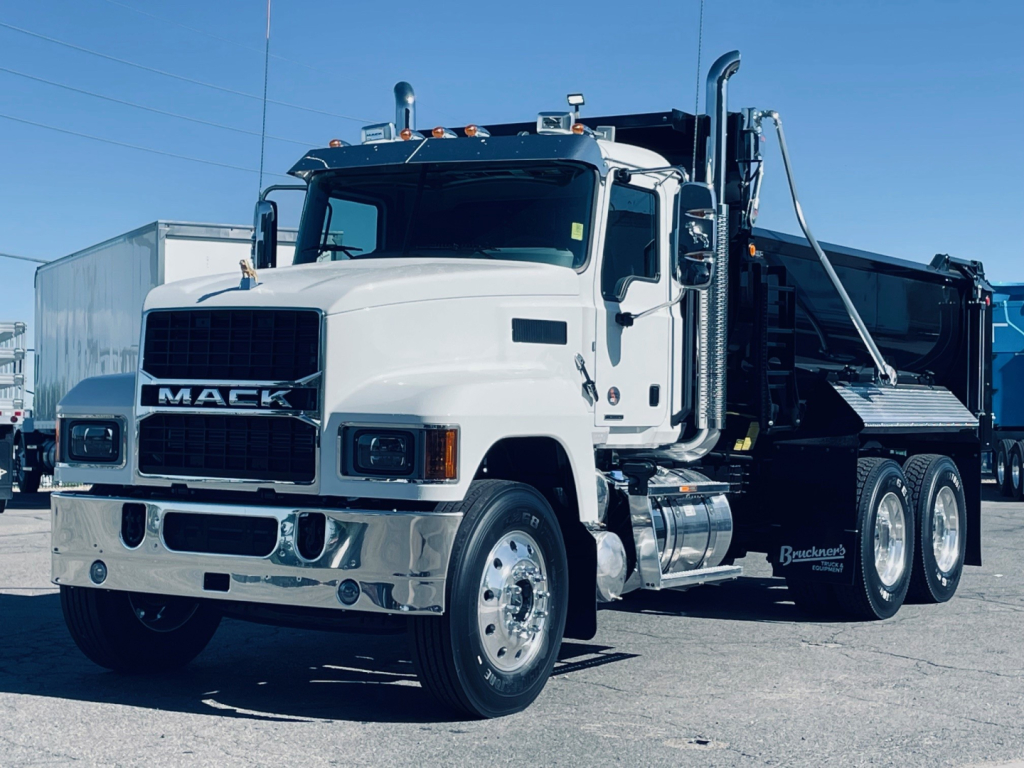
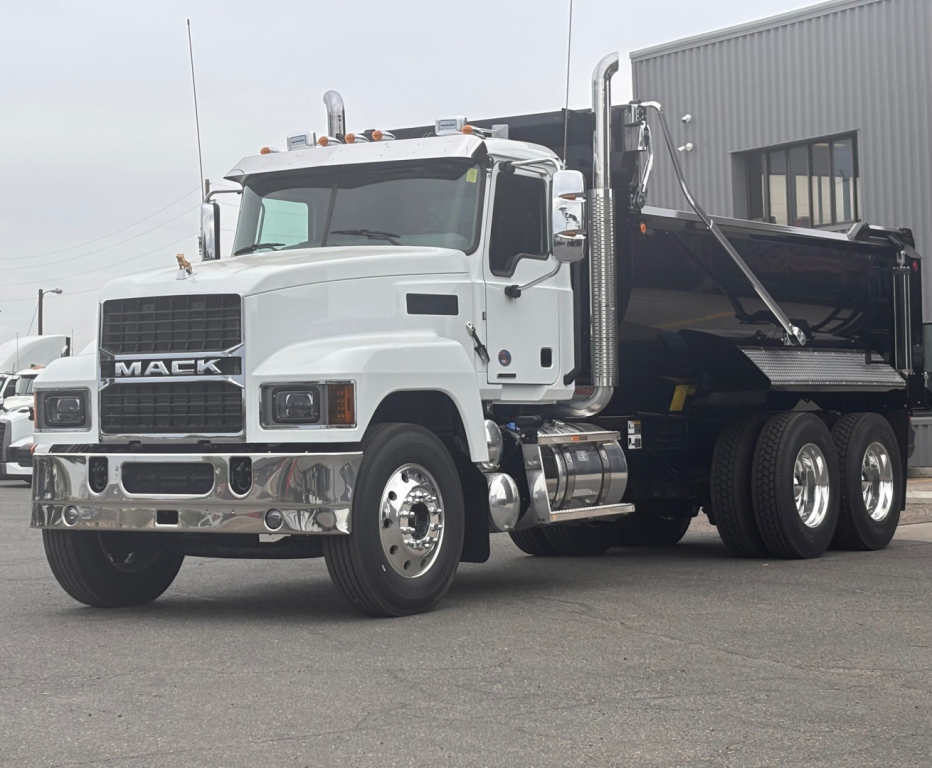
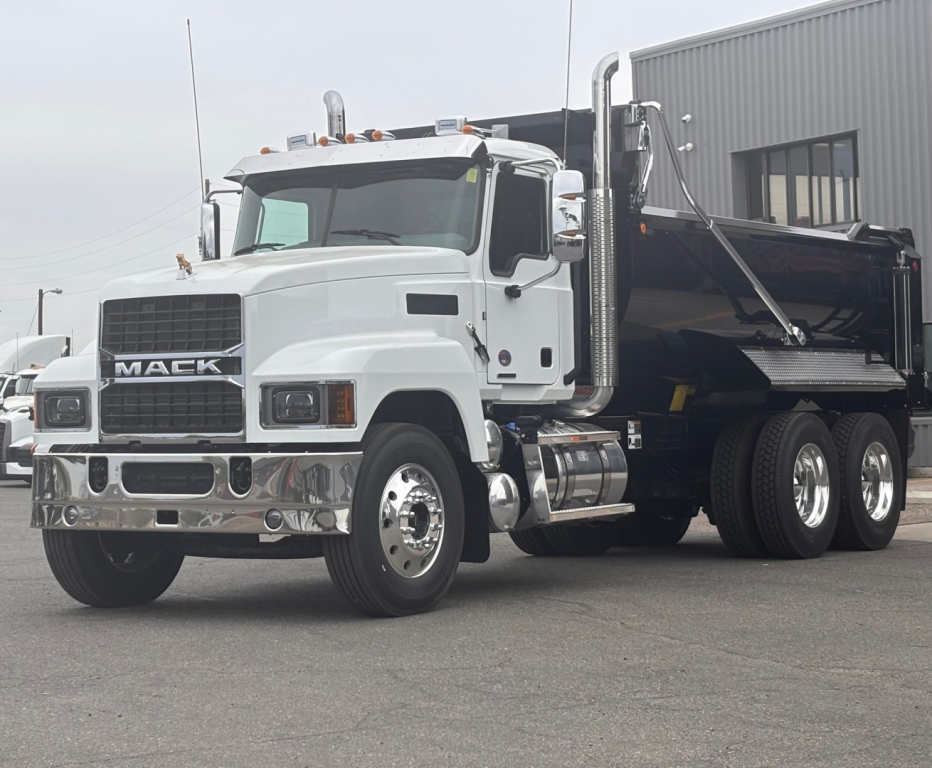
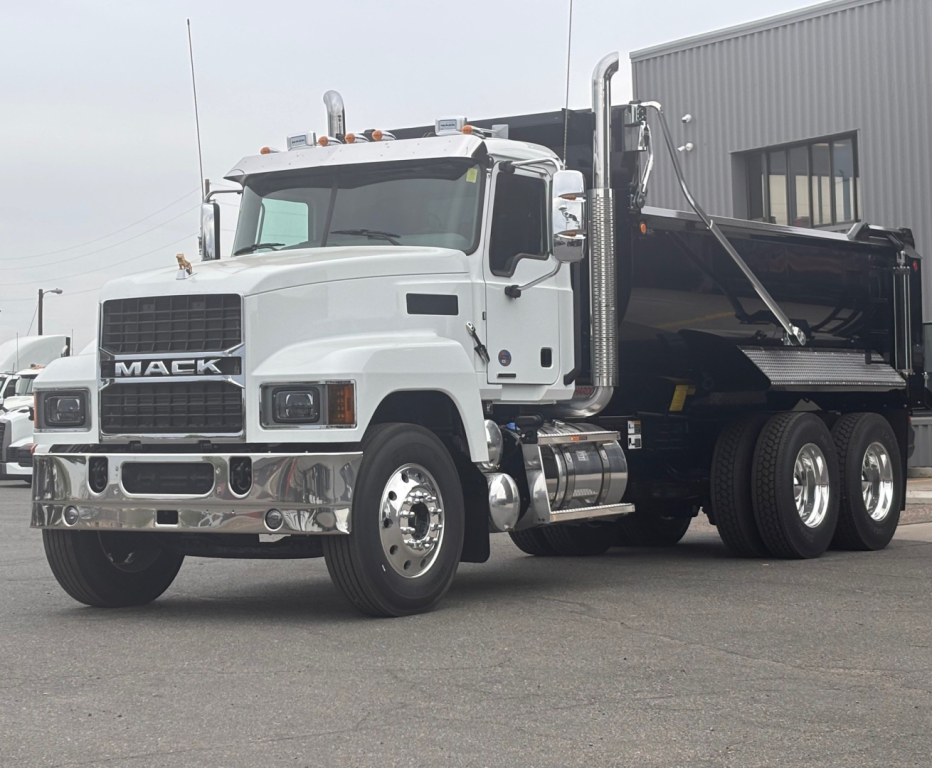
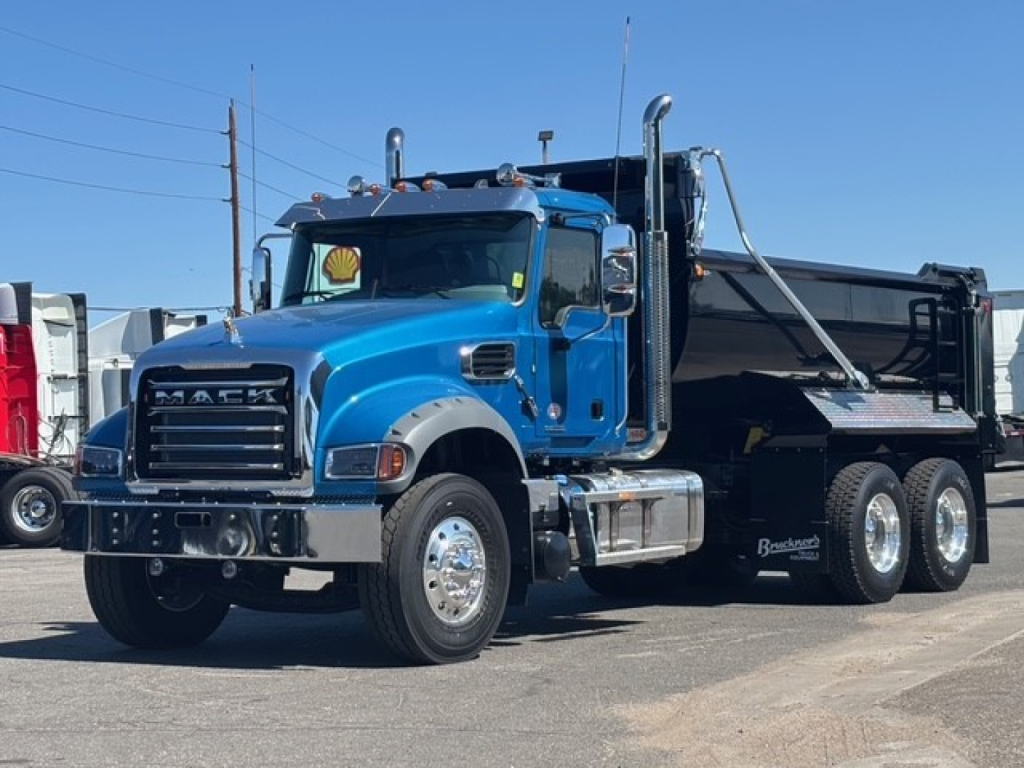
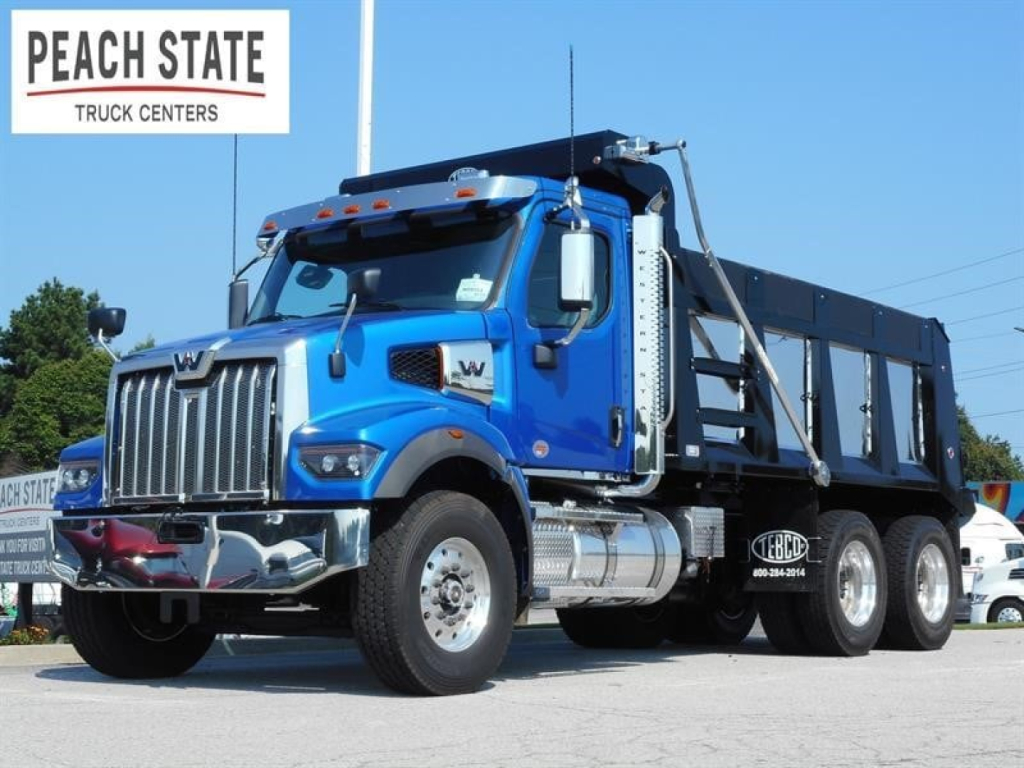
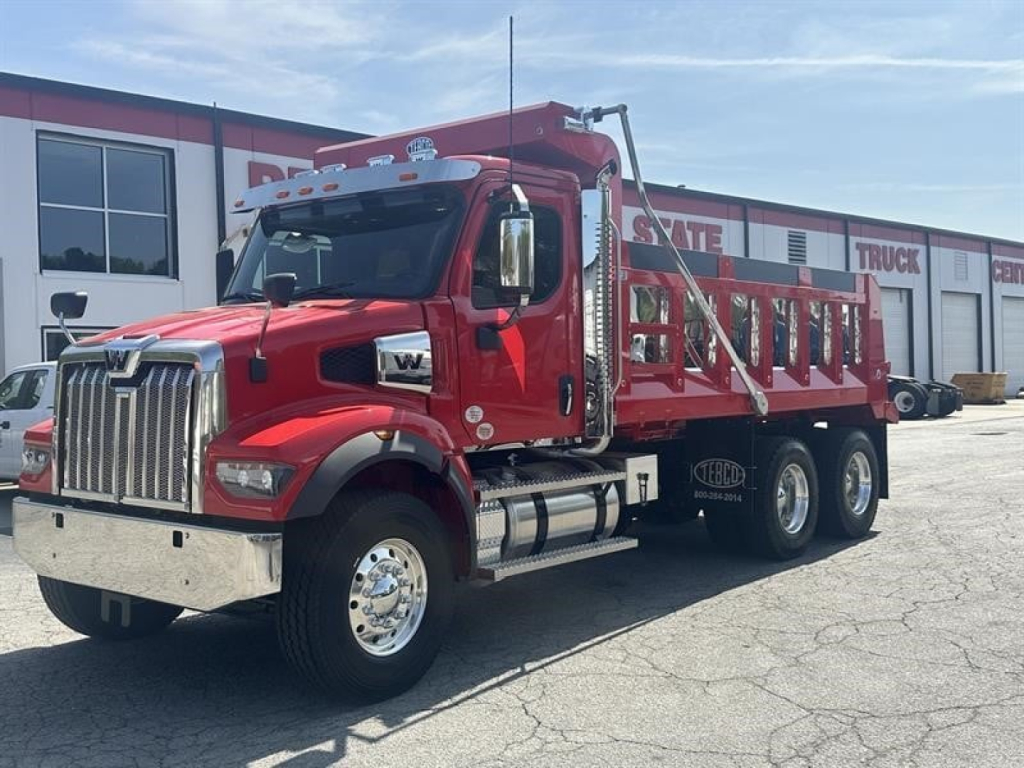
Showing 1 to 28 of 65 results
Selling a new 2026 dump truck? List your new 2026 dump truck for sale and reach thousands of commercial buyers.
New 2026 Dump Trucks
Current-spec dump trucks commonly pair vocational diesel engines in the 400 to 500 horsepower range with automated manual or heavy-duty automatic transmissions. Popular setups include 12-speed and 13-speed automated transmissions with creeper gears for low-speed maneuvering, especially on rough grades, soft fill, and asphalt plants. Rear axle ratings often fall in the 40,000 to 46,000 lb. range on tandem drive configurations, while heavier trucks may add lift axles or steerable pusher axles to spread load and improve bridge compliance. Differential locks, traction control, severe-duty suspensions, and high-capacity cooling packages matter more on a dump truck than on a highway tractor because these trucks spend their lives starting heavy, backing into uneven sites, and cycling PTO-driven hydraulics all day.
Body spec is where a dump truck becomes a dirt truck, gravel truck, asphalt truck, or demolition hauler. Common body sizes run roughly 15 to 19 feet, with capacities often in the 15 to 17 yard range on tandem and tri-axle units, though exact volume depends on side height, tailgate design, and material density. Buyers should compare body steel thickness, floor construction, crossmember spacing, hoist type, and whether the body includes a cab shield, tarp system, toolbox, hitch, ladder, and high-lift or combo gate. A heavy-duty apron and abrasion-resistant floor can pay off quickly in rock, broken concrete, and demolition debris, while smoother-sided bodies and clean gate seals are important for asphalt and finer materials.
A new 2026 dump truck also brings emissions-system updates, warranty coverage, and the chance to spec the truck correctly from day one. That includes gearing, tire size, fuel capacity, camera systems, heated mirrors, air ride or spring ride choices, and PTO and hydraulic package compatibility with the body. Buyers running local municipal, construction, quarry, or site-development work should match the truck to haul distance, legal axle limits, and loading equipment already in the fleet. The best dump truck is not simply the one with the biggest body or highest horsepower. It is the one that can make legal weight, survive repeated off-road cycles, and unload cleanly without giving up uptime.
Frequently Asked Questions about New 2026 Dump Trucks
What size dump body is common on a new tandem or tri-axle dump truck?
A common vocational setup uses a dump body around 15 to 19 feet long, with many aggregate and construction units falling in the 15 to 17 yard range. Actual usable payload depends on body material, side height, tailgate style, axle ratings, and the density of the material being hauled. A body that works well for mulch or light debris may reach weight limits quickly with gravel, millings, or wet sand.
Is an automated transmission a good choice for a dump truck?
Yes, many new dump trucks now use automated manual transmissions because they reduce driver fatigue, improve consistency, and still provide low-speed control when properly spec'd with vocational programming and creeper gears. The key is matching the transmission to the truck's startability, axle ratio, PTO needs, and jobsite conditions. For severe stop-and-go hauling or specialized body operation, transmission calibration matters as much as the number of gears.
How do I choose between a tandem, tri-axle, and quad-axle dump truck?
The right axle configuration depends on state weight laws, haul distance, material type, and where the truck has to operate. Tandem axle dump trucks are simpler and more maneuverable, making them common for general construction and paving support. Tri-axle and quad-axle trucks are used when legal payload is the priority, but they add complexity, cost, and turning constraints. The best approach is to spec around legal bridge formula requirements and the payload target that actually drives revenue.
What chassis specs matter most on a new dump truck?
Front axle rating, rear axle capacity, suspension type, wheelbase, frame reinforcement, and axle ratio are core dump truck specs. Those items affect legal payload, body fitment, durability, and how the truck handles rough access roads or uneven dumpsites. Buyers should also confirm PTO provision, hydraulic compatibility, brake configuration, and tire setup, because a dump truck's performance is tied directly to how the chassis and body work together.
What body features are worth paying for on a dump truck?
Features that often justify the cost include a cab protector, tarp system, high-lift or combo tailgate, heavy-duty apron, toolbox, hitch, and an abrasion-resistant floor for severe material. Steerable lift axles, load scales, cameras, and heated body components may also make sense depending on region and application. On a working dump truck, useful options are the ones that protect uptime, improve legal loading, and shorten cycle time at the plant or jobsite.