
New 2026 Western Star Dump Trucks For Sale
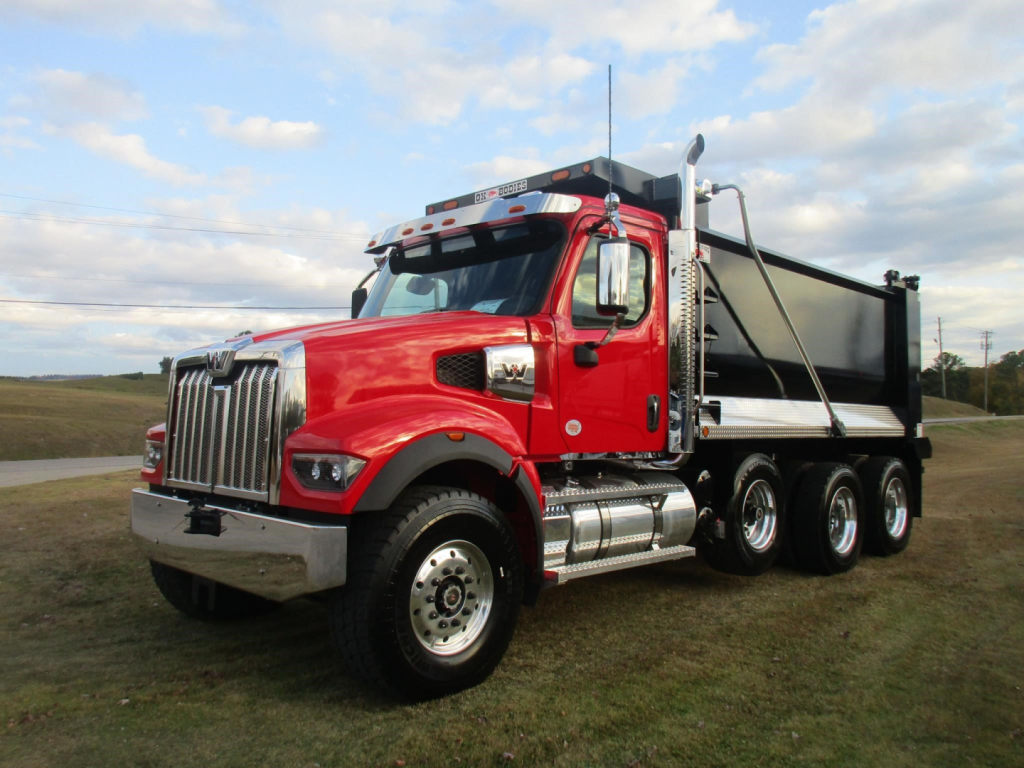
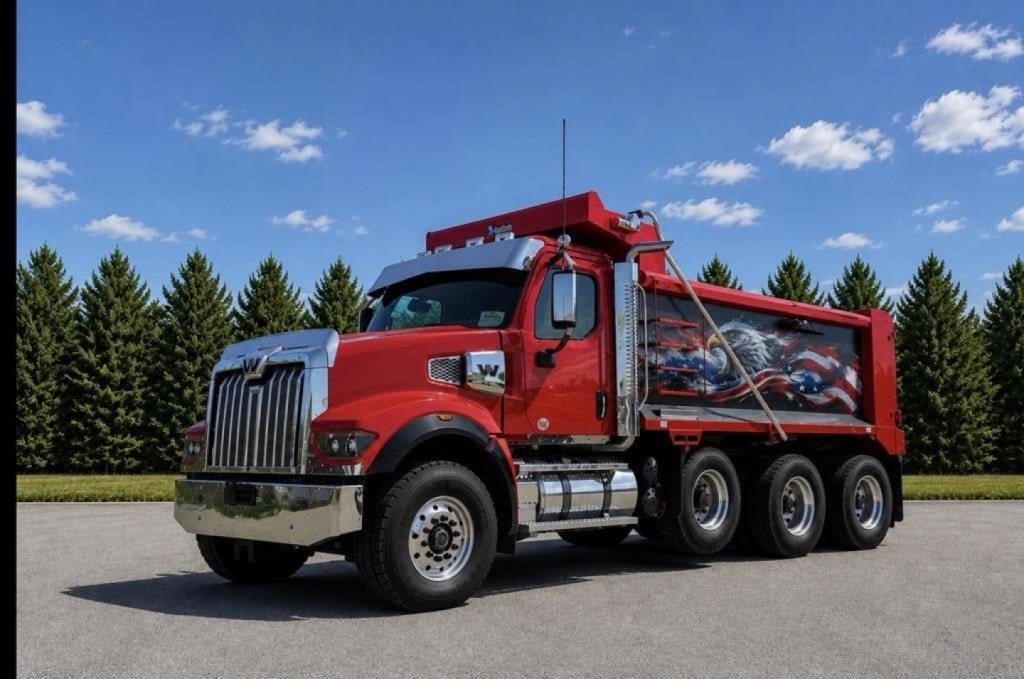
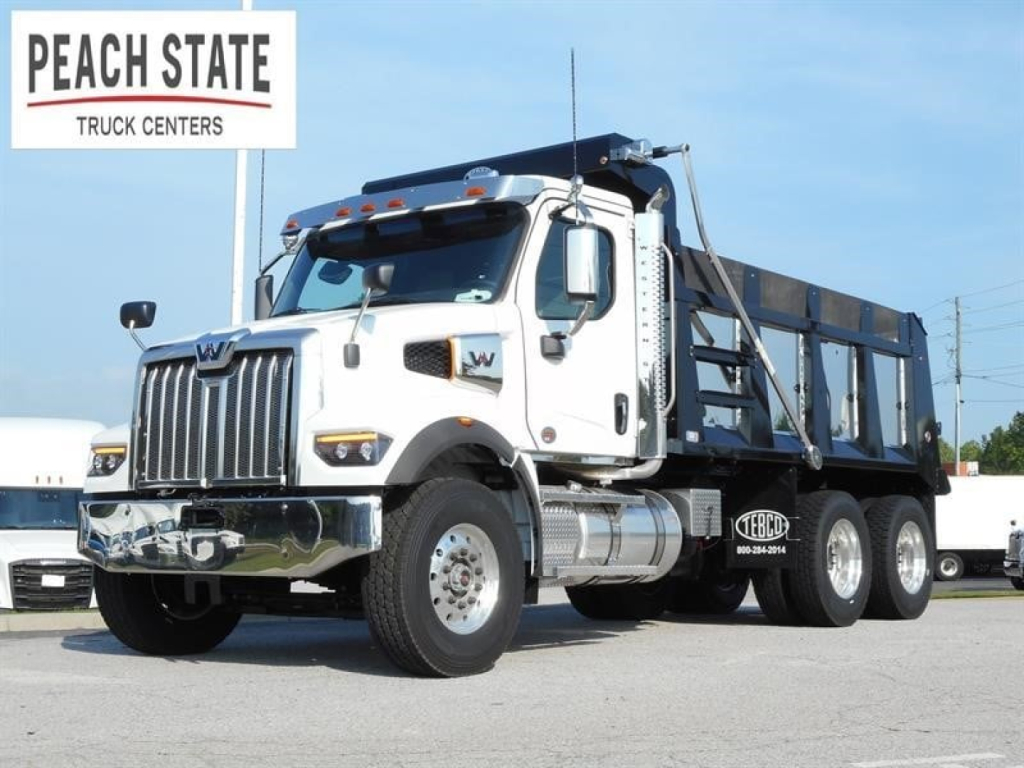
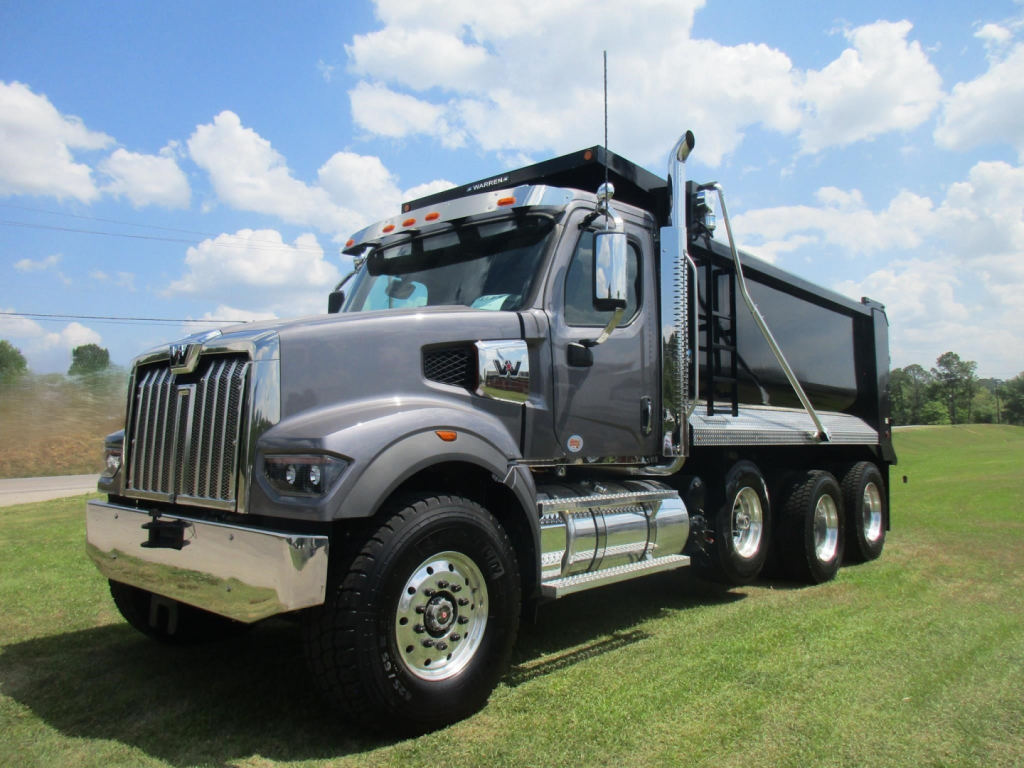
Shop new 2026 Western Star dump trucks, including 47X and 49X models built for construction, aggregate, paving, and vocational hauling.
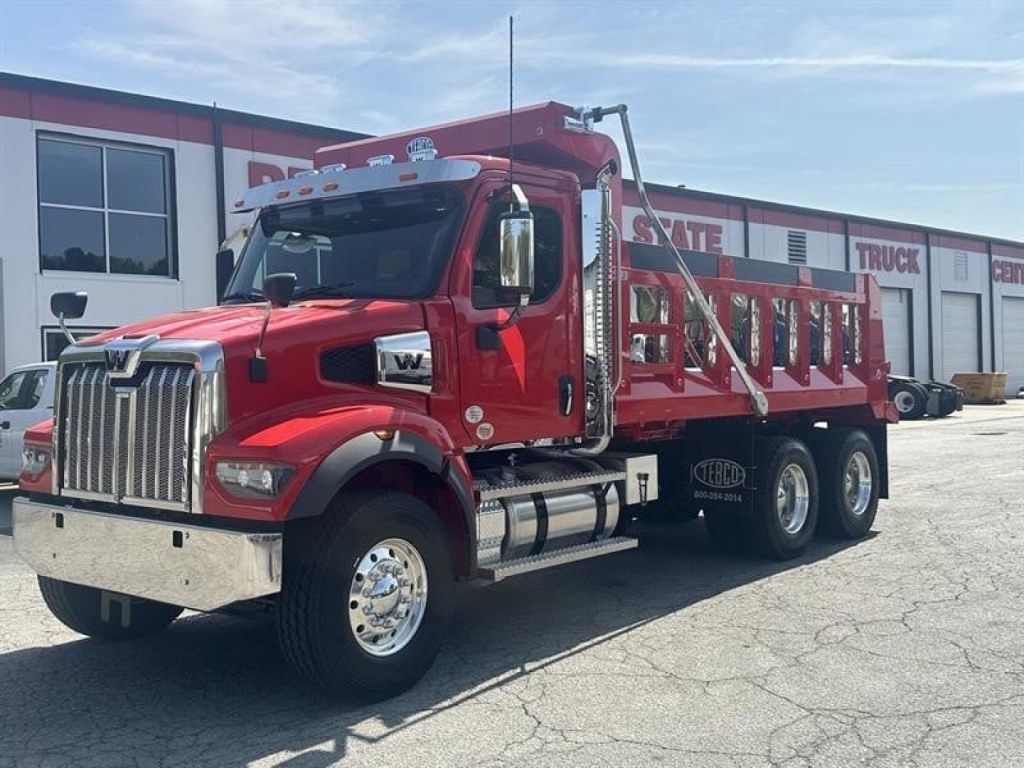
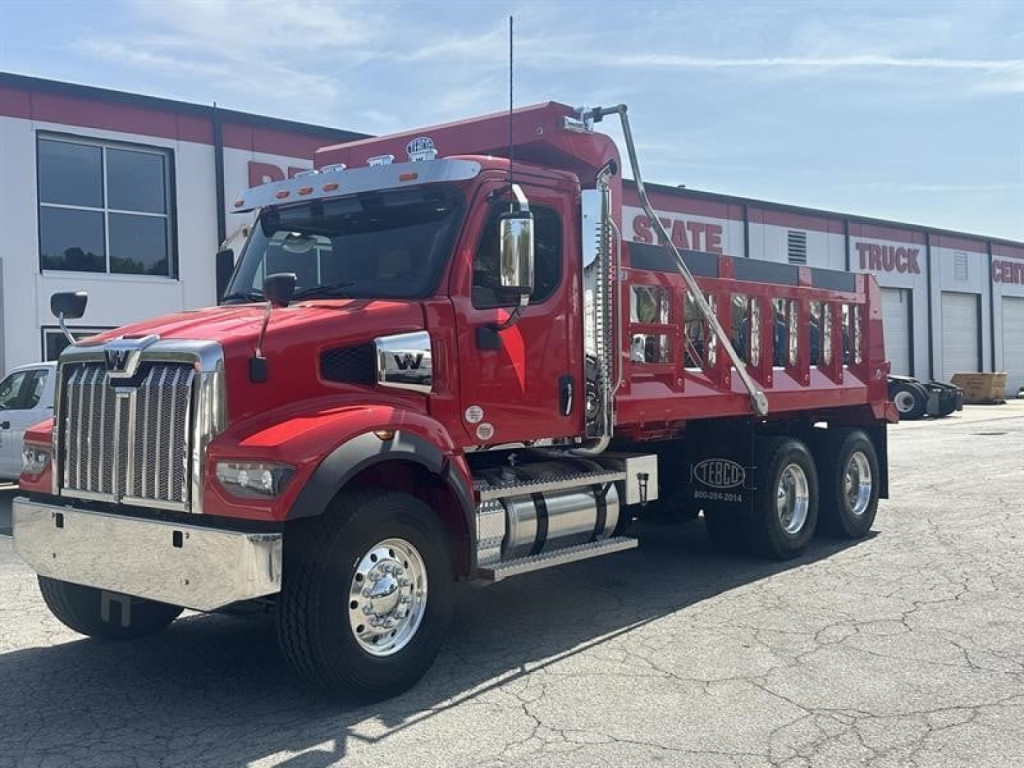
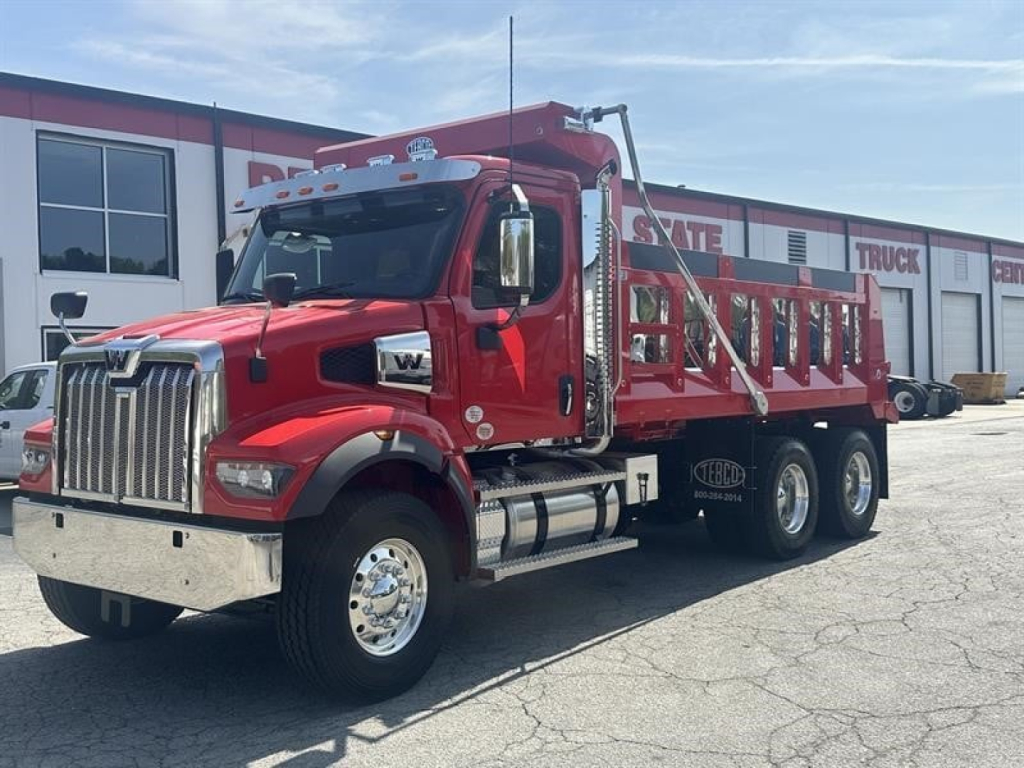
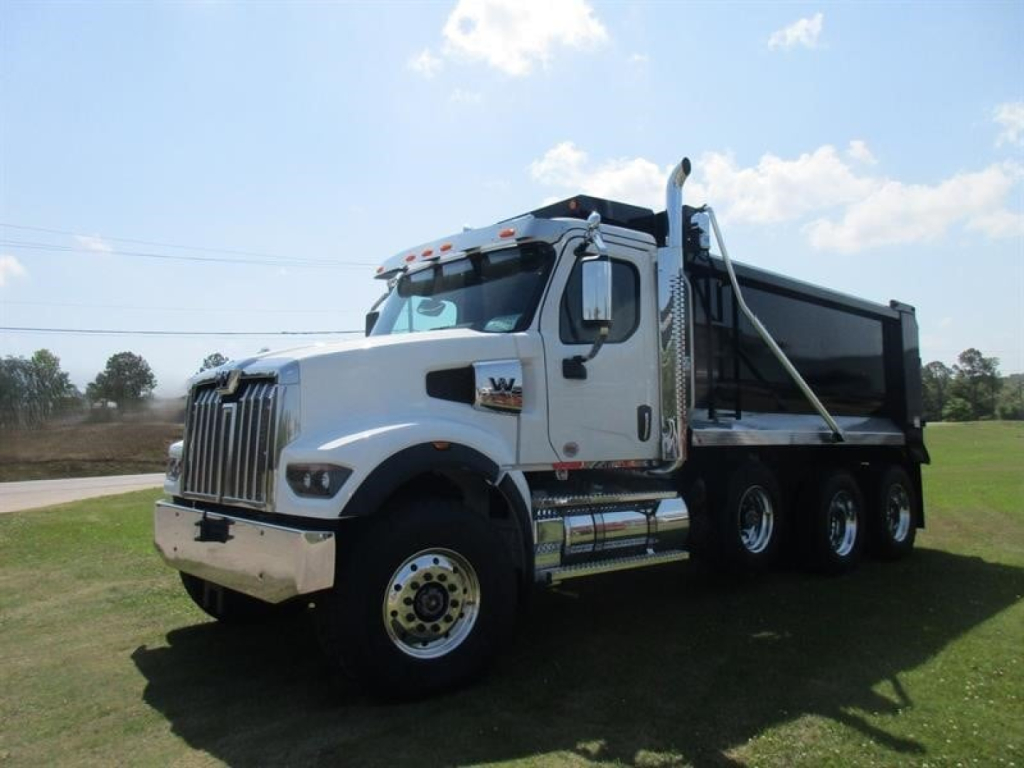
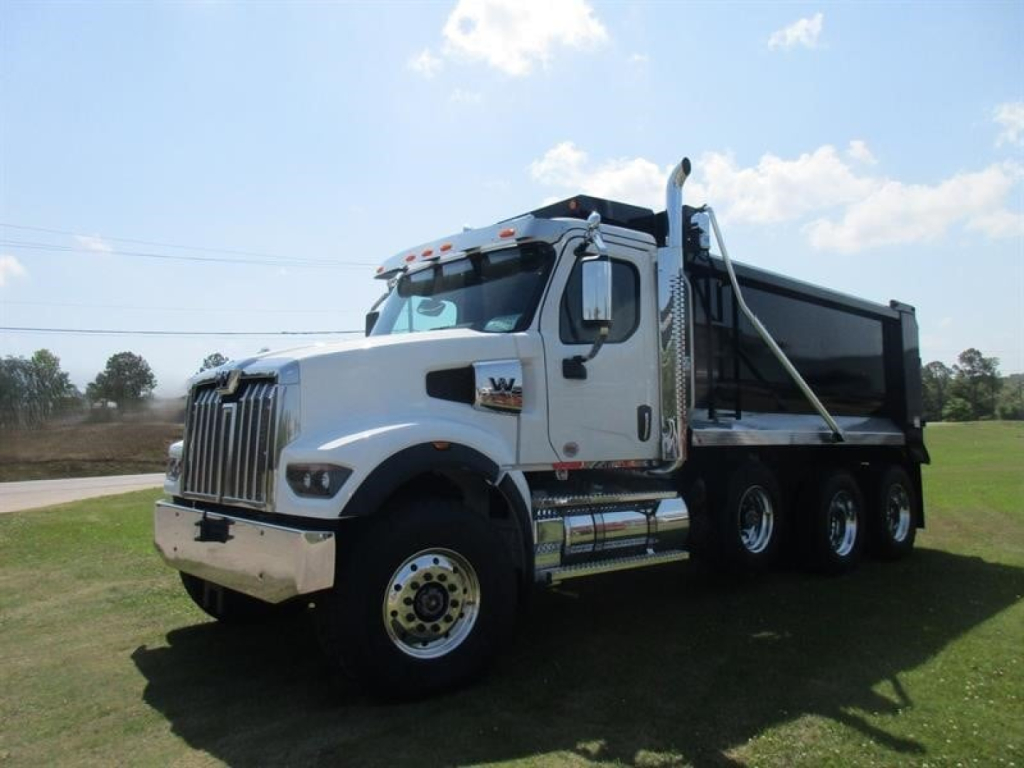
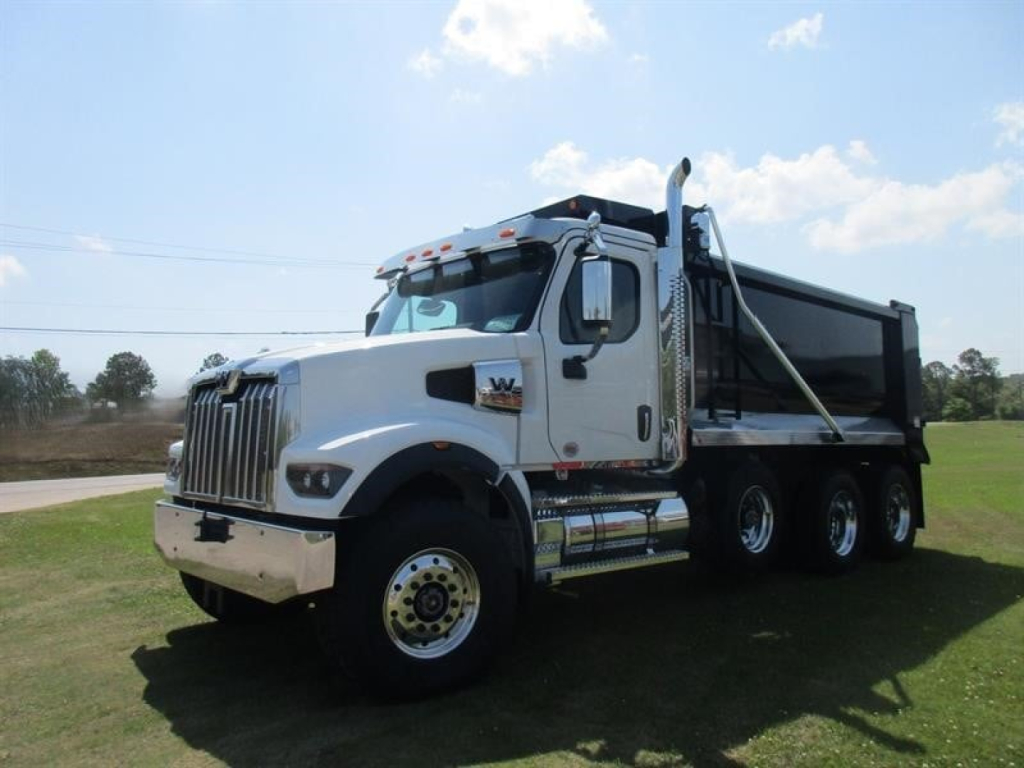
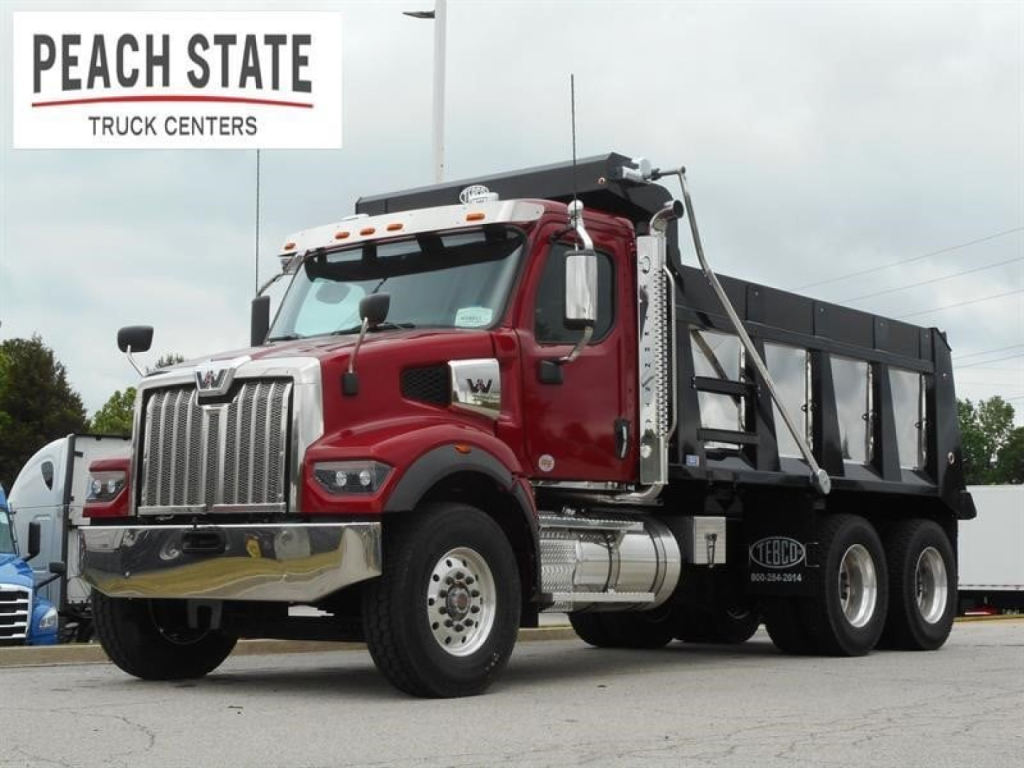
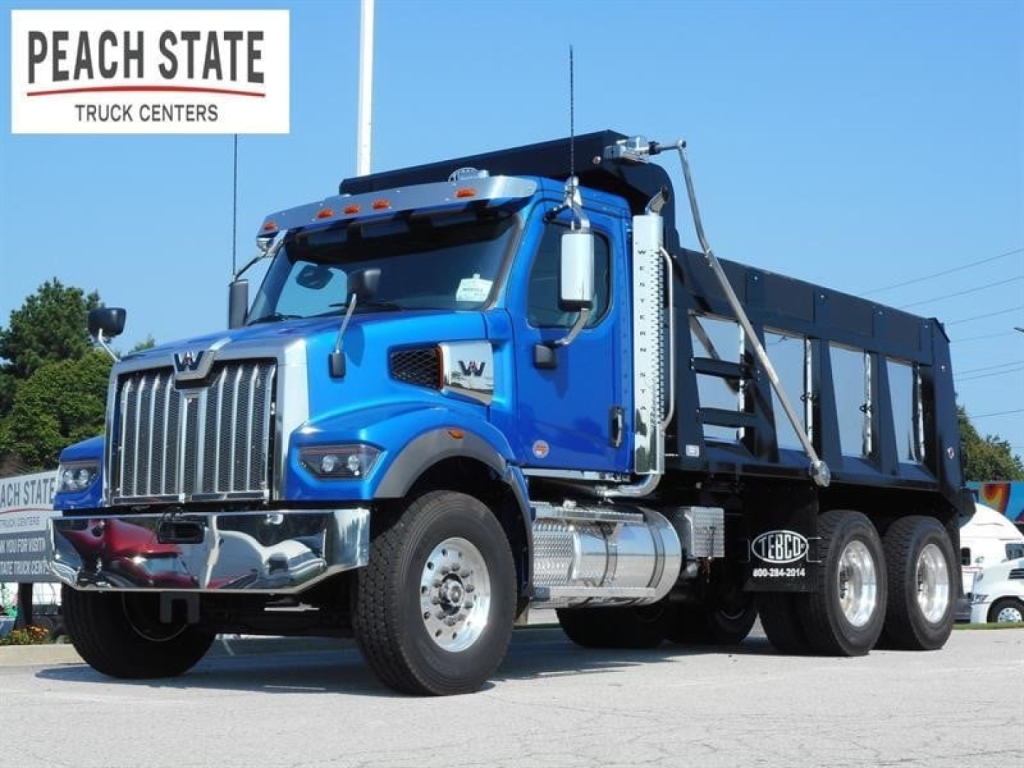
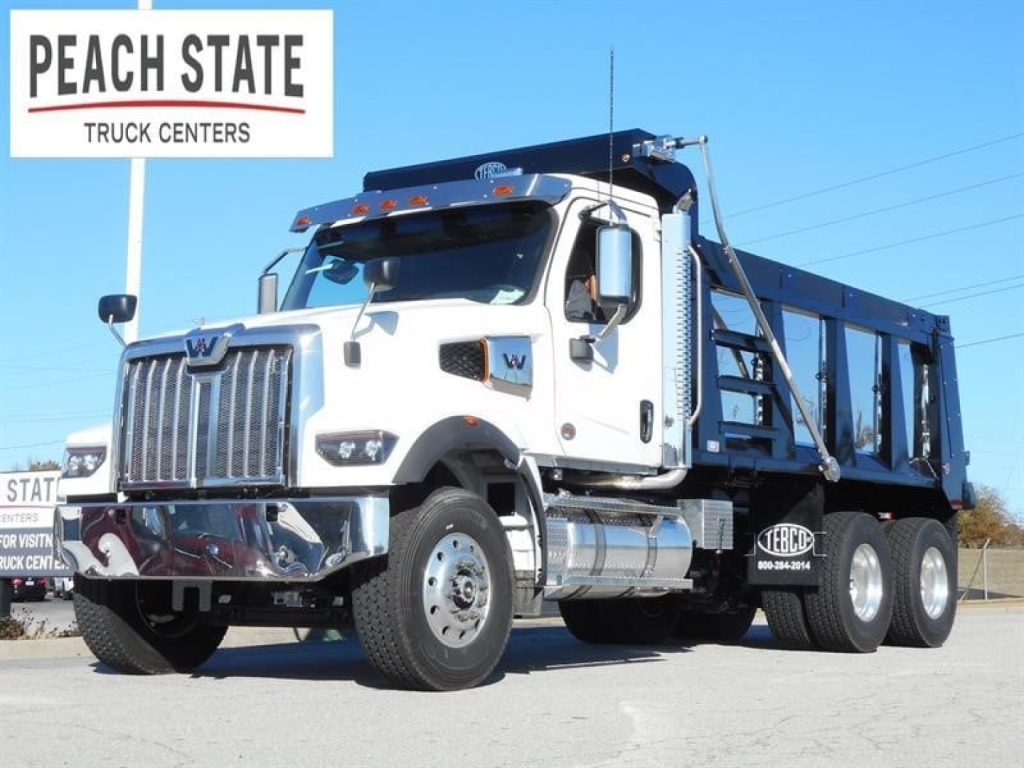
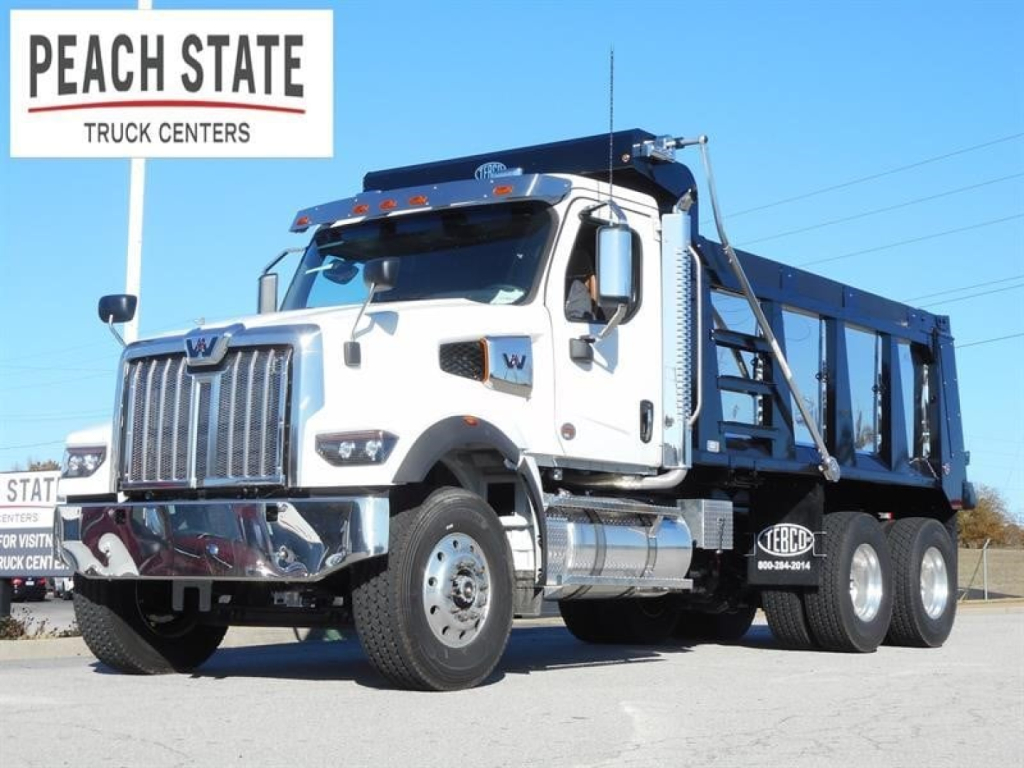
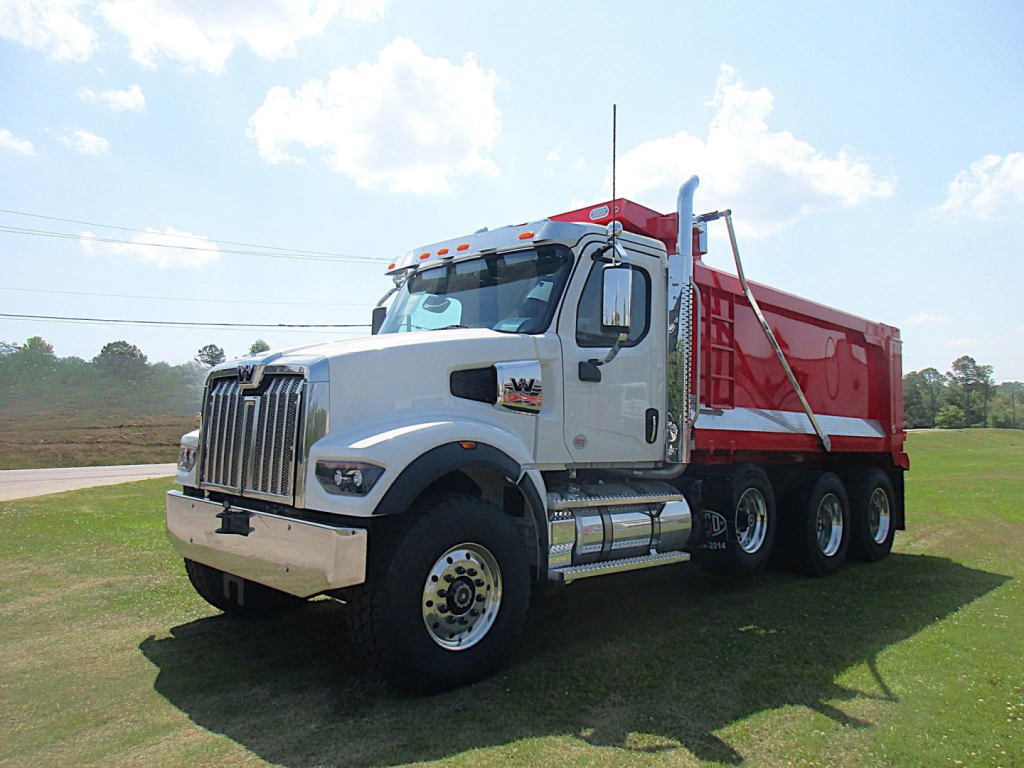
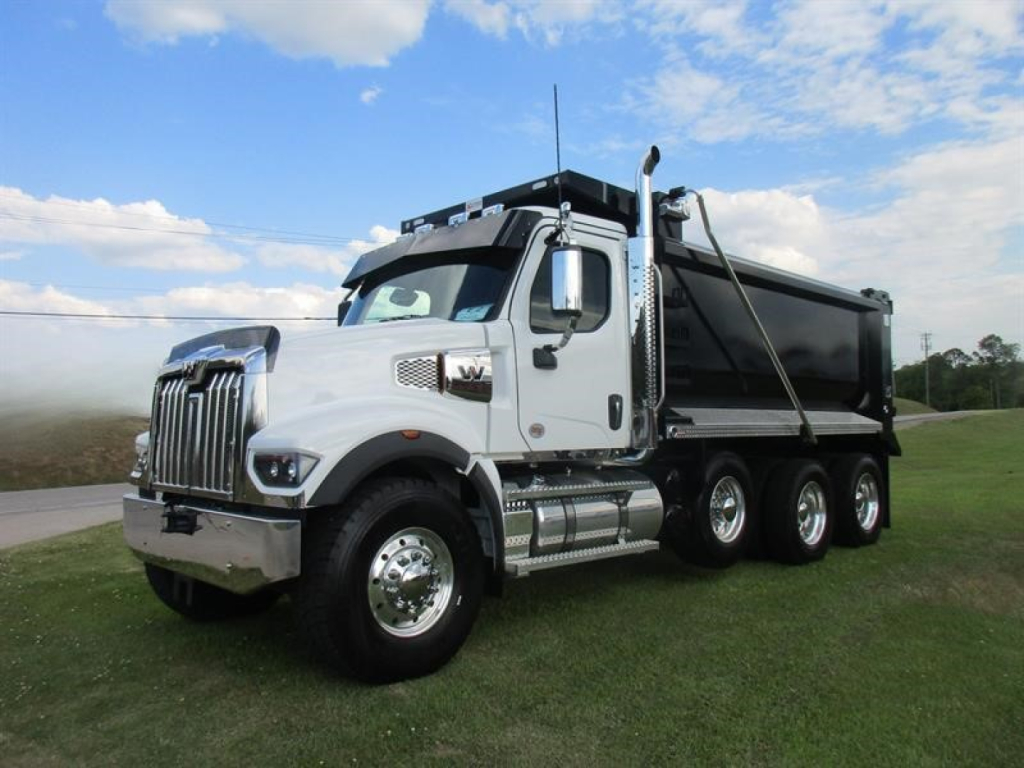
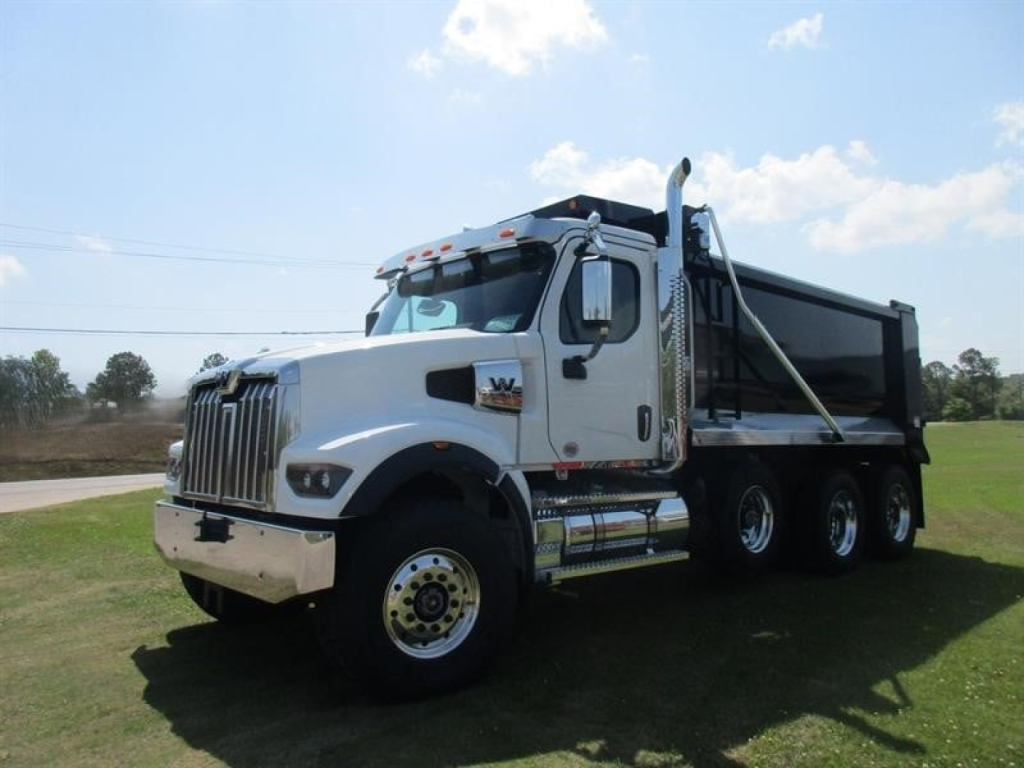
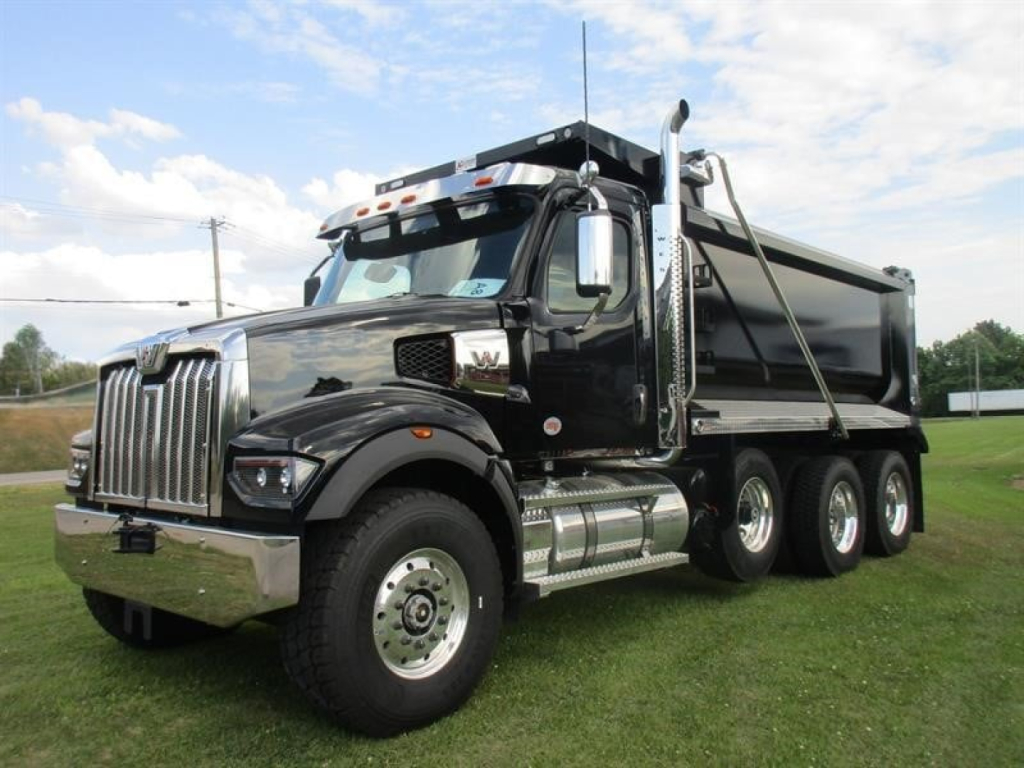
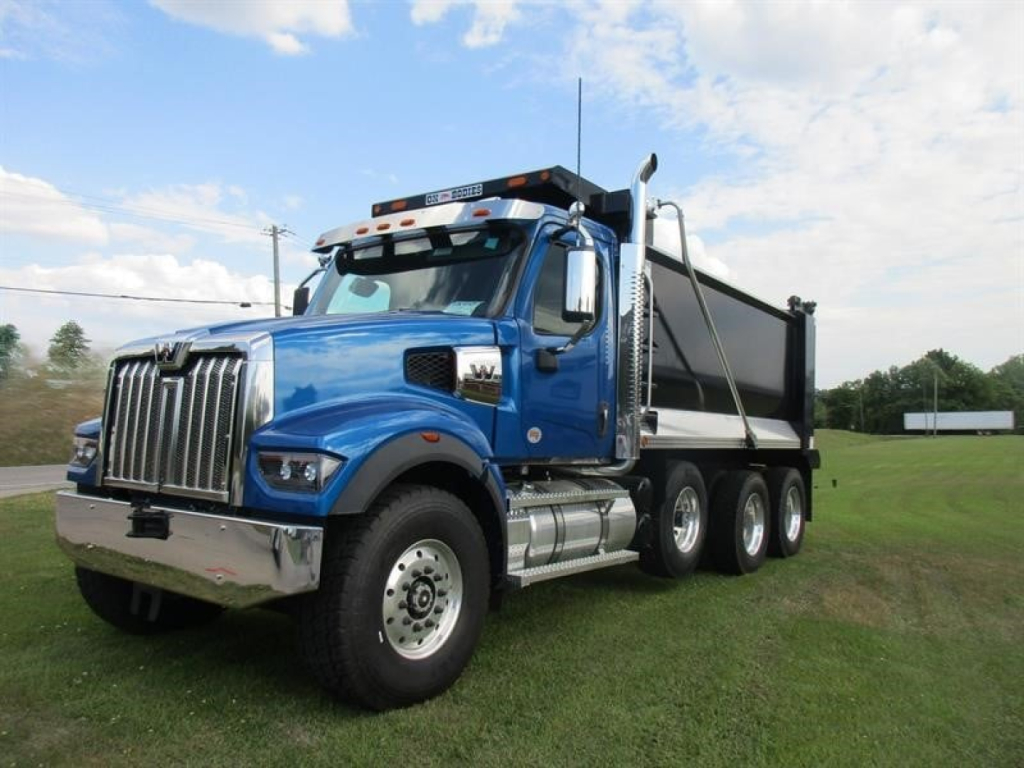
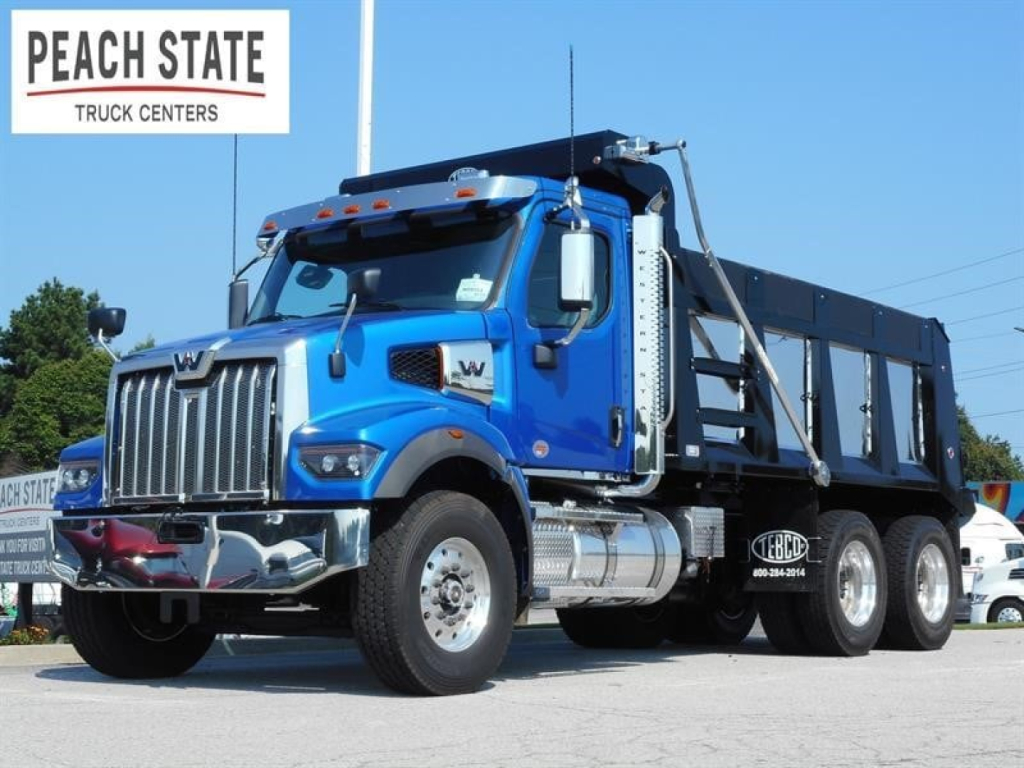
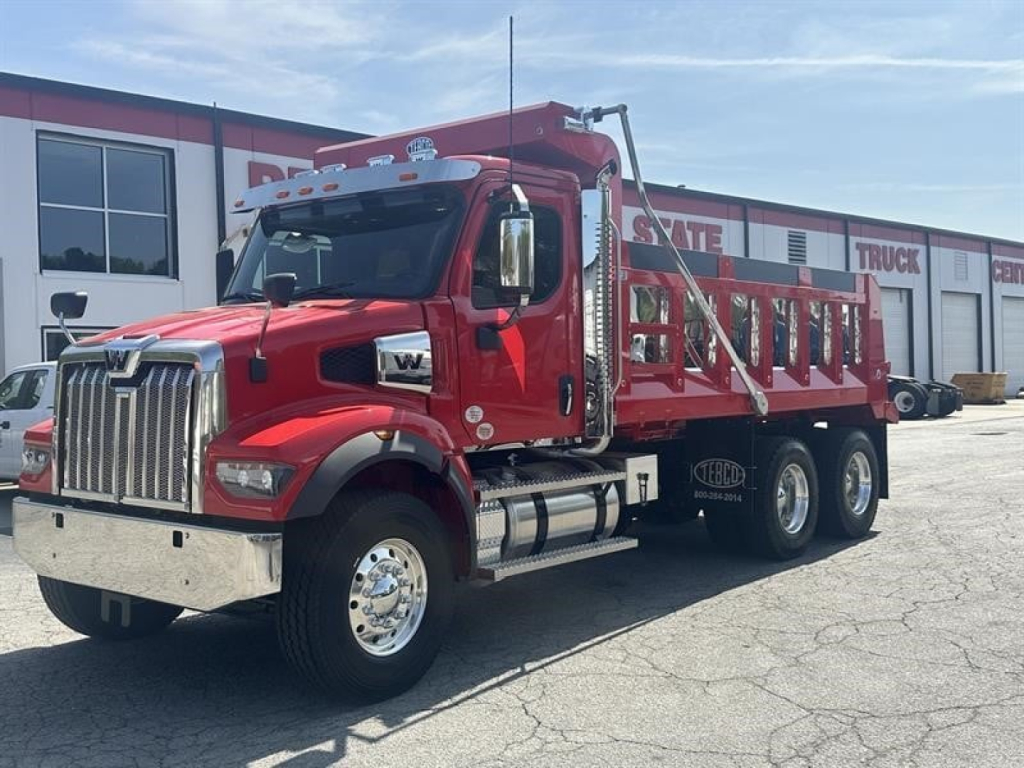
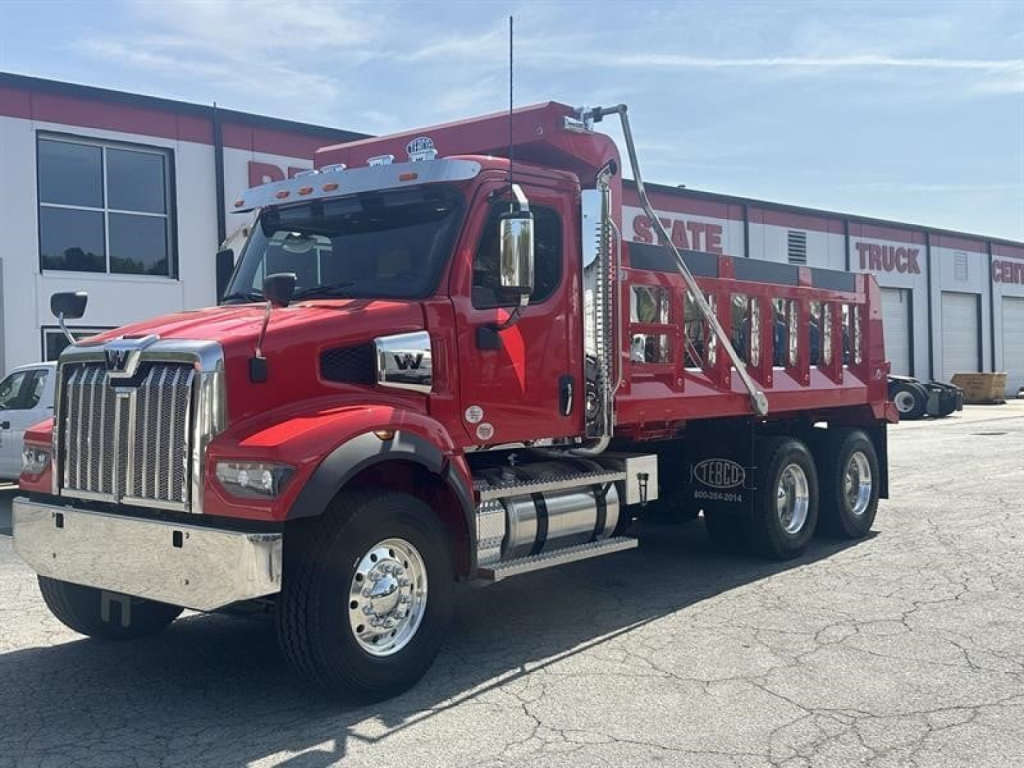
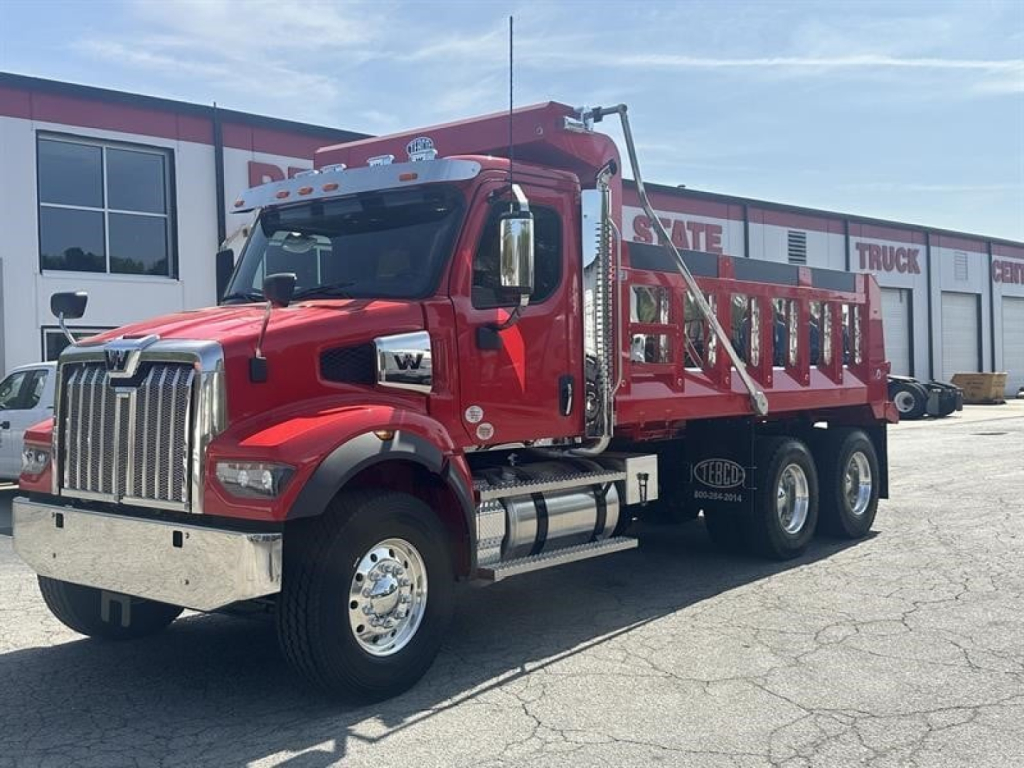
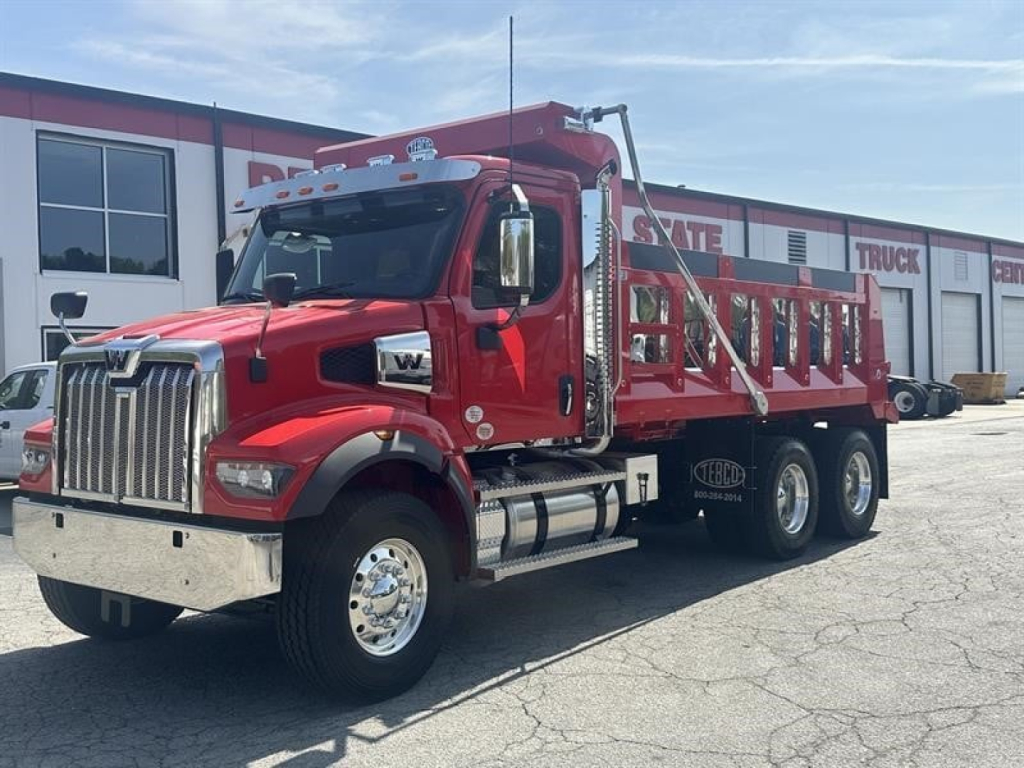
Selling a new 2026 western star dump truck? List your new 2026 western star dump truck for sale and reach thousands of commercial buyers.
New 2026 Western Star Dump Trucks
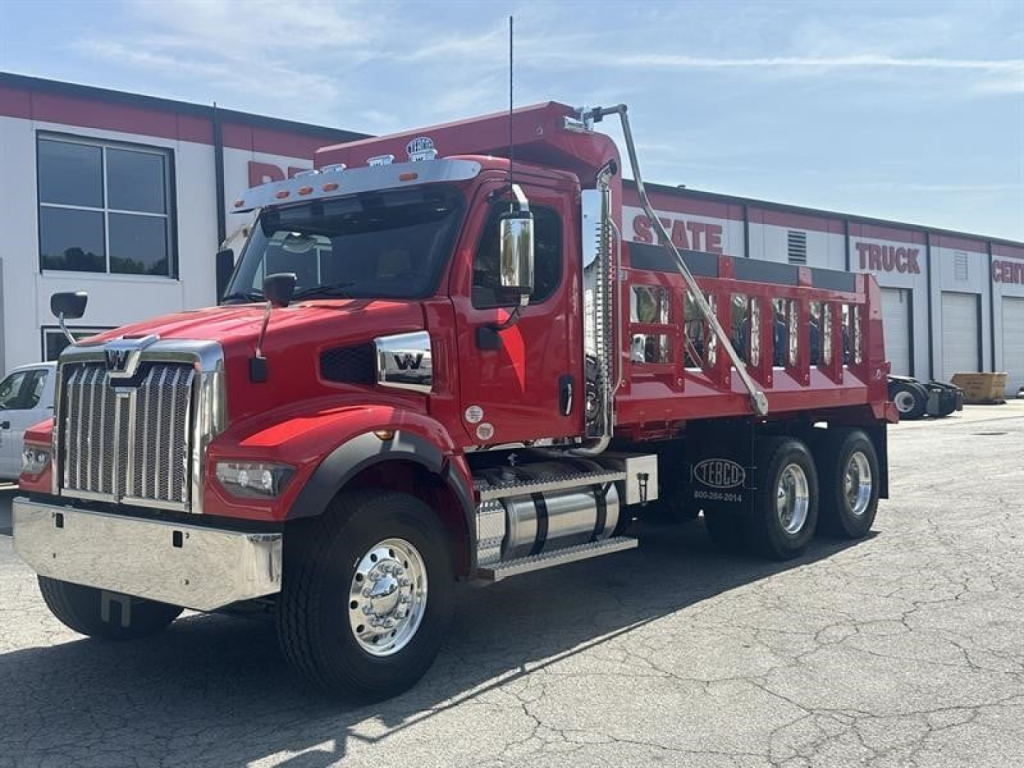
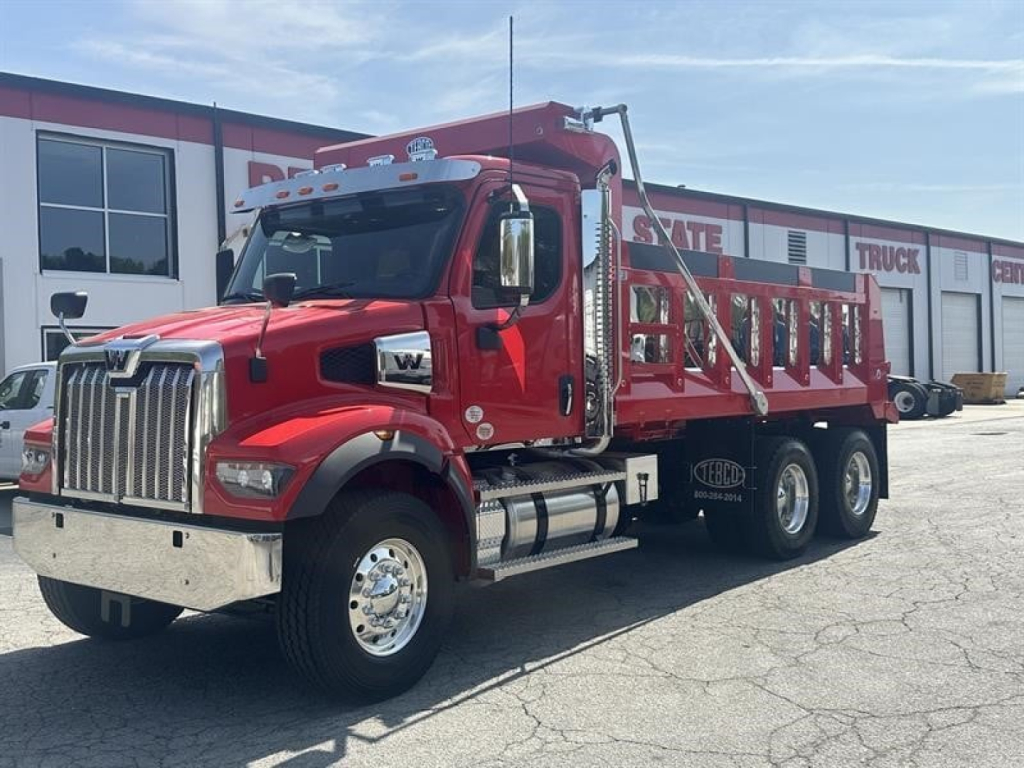
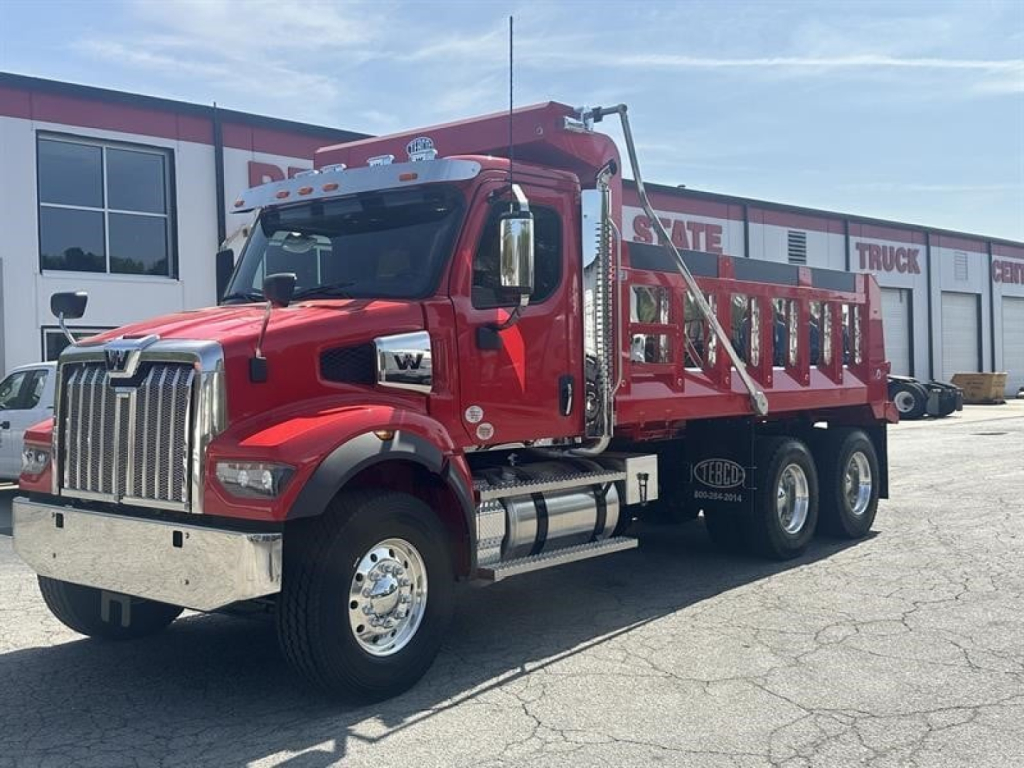
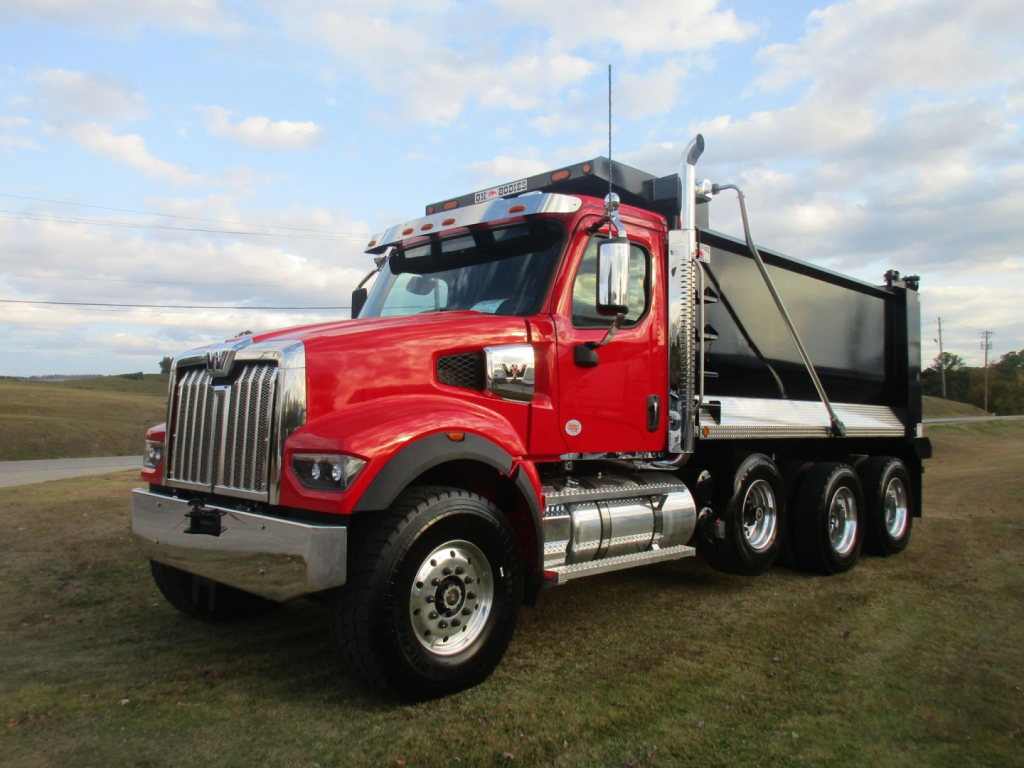
The most important buying decisions usually start with axle layout and body size. Typical dump truck setups include tandem axle and tri-axle configurations, with body lengths often ranging from around 10 to 16 feet depending on application and local weight laws. Front axle ratings, rears, suspension choice, and frame reinforcement all affect payload potential and durability. Buyers should pay close attention to double-frame or frame liner specifications, PTO and hoist compatibility, wheelbase, and cab-to-axle dimensions so the truck matches the dump body without compromise. Locking differentials, heavy-duty vocational suspensions, and lift axle provisions are especially relevant for fleets running in mud, gravel pits, or mixed pavement and off-road conditions.
Powertrain selection on a new Western Star dump truck should be matched to terrain, haul distance, and driver preference. These trucks are commonly spec'd with high-torque diesel engines, automated manual or manual transmissions, aggressive rear axle ratios, and vocational cooling packages. For start-stop job site work, low-speed gradeability and launch performance are usually more important than highway cruise speed. If the truck will spend time on paved runs between plants and job sites, gearing and transmission programming become more important for fuel economy and drivability. Buyers should also look at steering axle set-back versus set-forward considerations, visibility from the cab, and durability features such as vocational bumpers, high-mounted air intakes, and protection for exposed chassis components.
Body and equipment details can make the difference between a truck that merely carries material and one that earns consistently. Common dump body choices include steel and aluminum construction, half-round and rectangular designs, air tailgates, electric tarps, pintle hitches, and backup camera systems. For abrasive loads like rock, concrete, and demolition debris, floor thickness, side height, and liner options deserve close review. For asphalt or municipal work, tarp systems, heated bodies, and cleaner load release may matter more. A well-spec'd 2026 Western Star dump truck is less about the badge on the hood and more about how the chassis, hoist, body, and axle package work together for the exact payload, route, and job site conditions you run every day.
Frequently Asked Questions about New 2026 Western Star Dump Trucks
What is the difference between a Western Star 47X dump truck and a 49X dump truck?
The Western Star 47X is typically chosen for applications that need strong vocational performance with better maneuverability and a tighter overall package. It is a common choice for construction, municipal, and regional dump work where turning radius and shorter wheelbase options matter. The 49X is generally better suited for heavier-duty specifications, larger dump bodies, higher gross weight ratings, and more demanding severe-service work. The right choice depends on payload target, axle configuration, and the amount of off-road versus on-road operation.
What axle configuration is most common for a new dump truck?
Tandem axle and tri-axle dump truck configurations are the most common, but the right setup depends on local bridge laws, target payload, and job type. Tandem axle trucks are often easier to maneuver and maintain, making them a strong fit for tighter routes and general construction work. Tri-axle setups can improve legal payload in many regions, especially when a lift axle is part of the specification. Front axle rating, rear suspension capacity, and wheelbase should always be evaluated with the body and hoist package as one complete system.
What should I look for in a dump truck body specification?
Body material, body shape, floor thickness, side construction, and hoist design all directly affect service life and productivity. Steel bodies are commonly preferred for abrasive materials such as rock, rubble, and demolition debris because they handle impact and wear well. Aluminum bodies can reduce tare weight in applications where corrosion resistance or payload optimization is more important. Buyers should also review tailgate style, tarp system, liner options, and whether the body dimensions match the truck's intended load type and legal weight requirements.
Are new Western Star dump trucks good for off-road and job site use?
Yes, Western Star dump trucks are widely spec'd for severe-duty vocational work, including rough job sites, aggregate yards, paving operations, and construction access roads. Their value in these applications comes from the way they can be configured with heavy-duty frames, vocational suspensions, locking differentials, high-capacity front axles, and body-ready chassis layouts. The truck's actual off-road performance depends on the final spec, especially tire selection, suspension, axle ratio, and how much weight is carried on the steer and drive axles.
How do I choose the right engine and transmission for a dump truck?
The best engine and transmission combination depends on haul distance, terrain, stop frequency, and driver preference. For short, repeated trips with heavy loads, buyers often prioritize torque delivery, low-speed control, and reliable PTO operation over top-end road speed. Automated manual transmissions are popular for reducing driver fatigue and improving consistency, while manual transmissions still appeal in some severe-duty applications. Rear axle ratio, transmission gearing, and engine torque curve should be evaluated together so the truck launches well on grades and stays efficient on the road.