
New 2026 Dump Trucks For Sale in Florida
Shop new 2026 dump trucks in Florida, including landscape, chipper, trash, and dirt dump configurations with steel or aluminum bodies.
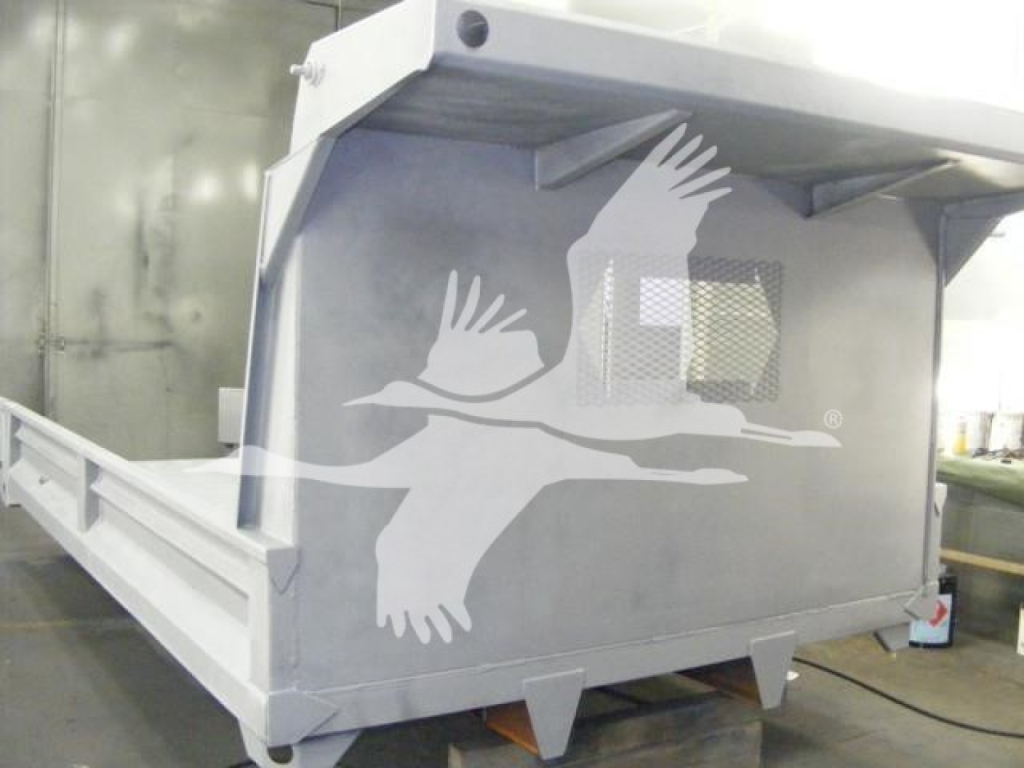
2026 Advanced Fabricators 14 FT
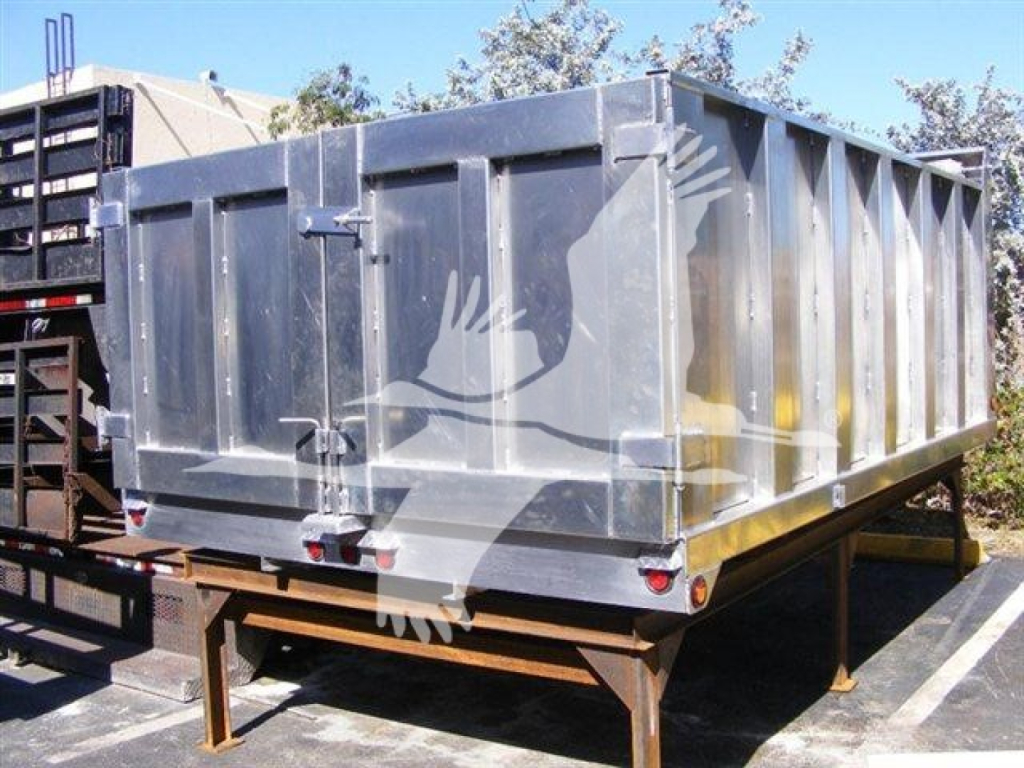
2026 Advanced Fabricators 12 Ft
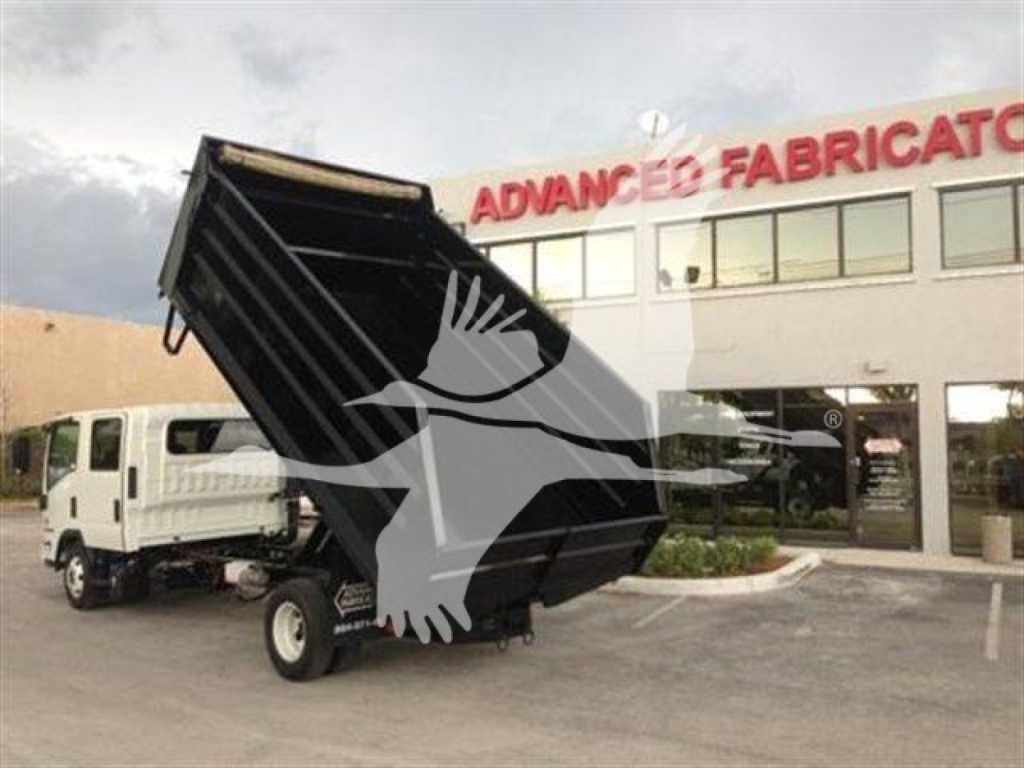
2026 Advanced Fabricators 14 FT
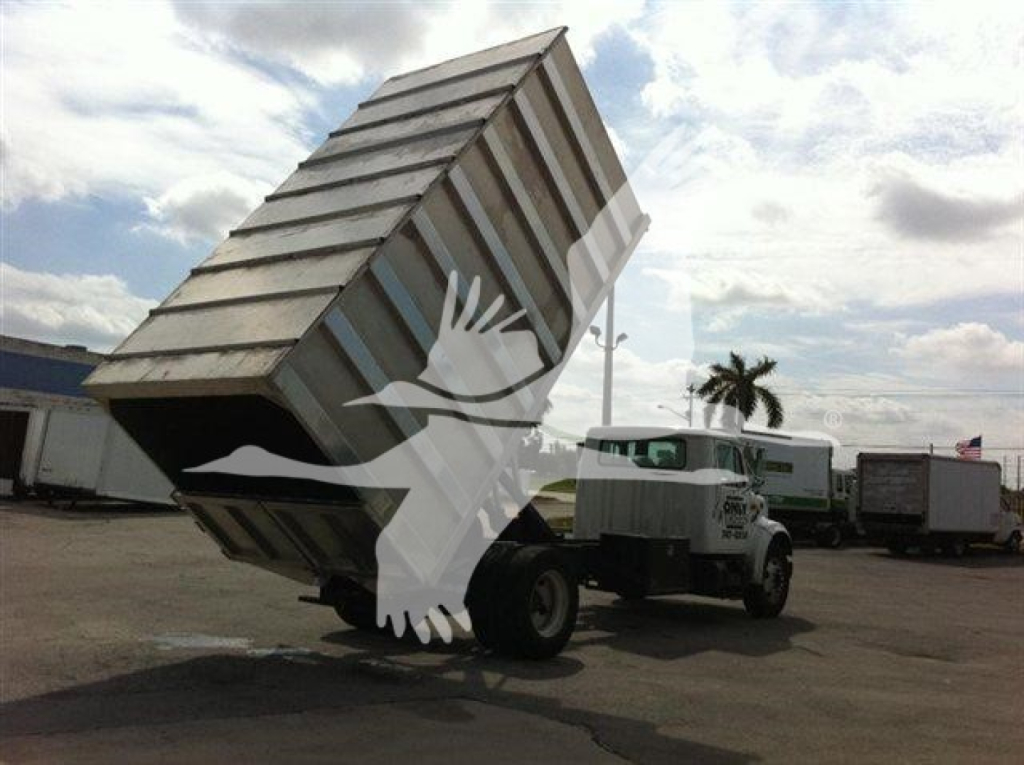

Selling a new 2026 dump truck? List your new 2026 dump truck for sale and reach thousands of commercial buyers.
New 2026 Dump Trucks in Florida
On lighter GVWR chassis, dump trucks commonly range from about 14,500 to 26,000 pounds GVWR, with body lengths often running from 10 to 16 feet. Florida buyers will frequently see Class 4 through Class 6 platforms from Chevrolet, International, Isuzu, and similar makes, paired with gas or diesel engines and automatic transmissions. Aluminum bodies are popular for chipper, trash, and landscape applications because they help preserve payload and resist corrosion in humid coastal environments. Steel bodies remain the better choice for concentrated loads and abrasive material, especially when the truck will regularly haul rock, broken concrete, or wet fill. Common body features include scissor hoists or electric-over-hydraulic hoists, barn doors, top-hinged tailgates, fold-down gates, cab shields, tarp systems, underbody toolboxes, hitch packages, and trailer wiring.
Body construction matters as much as chassis spec. A 3/16-inch floor, closely spaced crossmembers, reinforced longsills, and a properly matched hoist give the truck better durability under repeated loading and dumping. High-side chipper and landscape dumps often use 48-inch to 72-inch sides, canopy-style bulkheads, and roof structures for loose debris containment, while mason dumps and dirt dumps typically use lower sides and stronger steel floors for dense material. Door style affects unloading speed and versatility. Barn doors work well for brush and bulk debris, combination spreader gates help with aggregate, and fold-down or swing options can make loading equipment or pallets easier. Buyers planning to tow should verify hitch rating, brake controller compatibility, and rear frame setup rather than assuming every dump body is configured the same.
In Florida service, corrosion resistance, cooling performance, and upfit quality deserve extra scrutiny on a new 2026 dump truck. Aluminum bodies and quality coatings can help in coastal markets, but hydraulic routing, wiring protection, sealed lighting, and clean body-to-chassis integration are just as important for long-term uptime. Cab configuration also changes the truck's role. Regular cabs maximize body length and wheelbase efficiency, while crew cabs make sense for landscape crews, utility work, and municipal teams carrying multiple workers. The best dump truck is the one that matches material type, payload target, dump frequency, and jobsite access without overspec'ing the chassis or underbuilding the body.
Frequently Asked Questions about New 2026 Dump Trucks in Florida
What is the difference between a landscape dump truck and a dirt dump truck?
A landscape dump truck, also called a chipper dump or trash dump in some applications, is built for bulky and relatively light material such as brush, mulch, storm debris, and refuse. These trucks usually have taller sides, larger enclosed body volume, and often aluminum construction to reduce tare weight. A dirt dump truck or mason dump is built for dense material like sand, gravel, asphalt, soil, and demolition debris. It typically uses lower sides, heavier steel construction, and a body floor designed to handle concentrated loading and abrasion.
Is an aluminum dump body better than a steel dump body?
Neither is universally better. Aluminum dump bodies are lighter, resist corrosion well, and are a strong fit for Florida buyers hauling landscape debris, tree waste, or other non-abrasive material. Steel dump bodies are heavier but generally hold up better under repeated hauling of rock, concrete, dirt, and similar dense loads. The right choice depends on the material being hauled, the desired payload, and how much body durability matters in high-impact loading conditions.
What GVWR range is common for new 2026 dump trucks?
Many new dump trucks in this segment fall between 14,500 and 26,000 pounds GVWR, especially on Class 4, 5, and 6 chassis. That range covers a broad mix of municipal, contractor, arborist, and landscape work. Buyers should match GVWR to expected payload, body weight, crew size, tools, towing requirements, and any CDL or registration considerations that apply to their operation.
What hoist setup should I look for on a dump truck?
The hoist should be matched to body length, body material, and the density of the load. Scissor hoists are common because they provide strong lifting force and good stability through the dump cycle. Electric-over-hydraulic systems are also common on lighter-duty applications and can be a good fit when properly sized. What matters most is lift capacity, mounting quality, cylinder geometry, and how consistently the hoist performs with the material you plan to haul.
What features matter most on a Florida dump truck?
For Florida use, corrosion resistance and electrical durability are especially important because humidity, rain, and coastal exposure can shorten service life if the upfit is poorly protected. Buyers should look closely at body material, paint or coating quality, sealed lighting, protected wiring, tarp system design, and hydraulic hose routing. Cooling performance, A/C operation, and clean body installation also matter because many trucks spend long days idling, cycling hydraulics, and working in high ambient temperatures.