
New 2026 Advanced Fabricators Dump Trucks For Sale in Florida
Shop new 2026 Advanced Fabricators dump trucks in Florida. Compare steel and aluminum dump body options for landscape, trash, chipper, and hauling work.
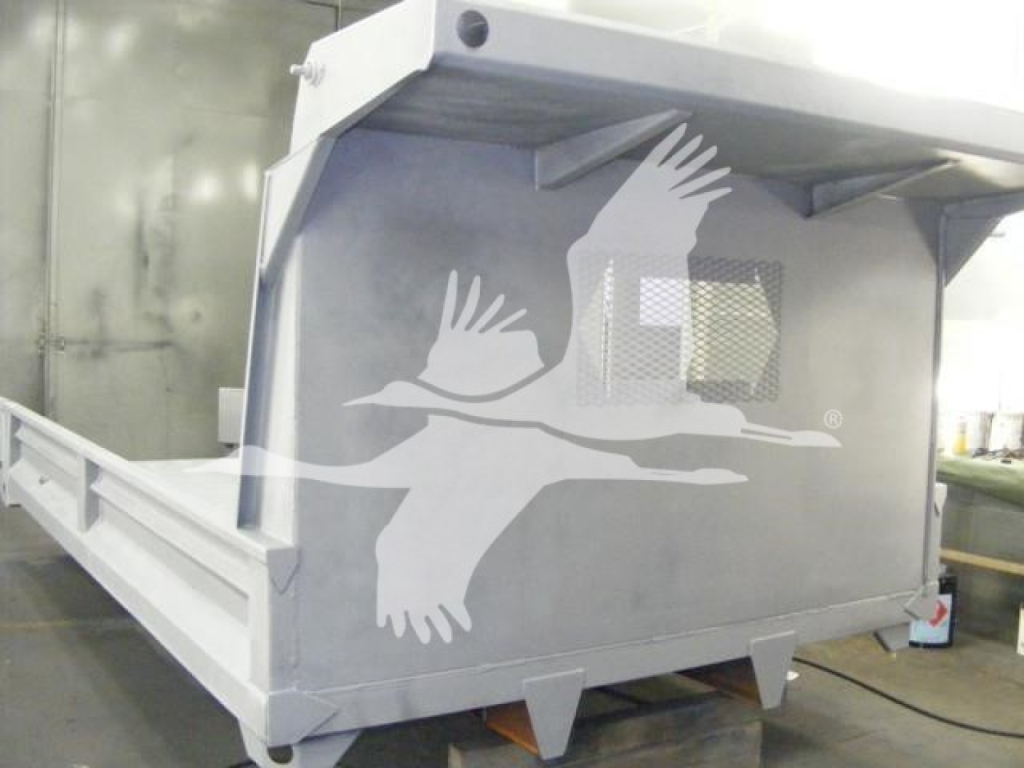
2026 Advanced Fabricators 14 FT
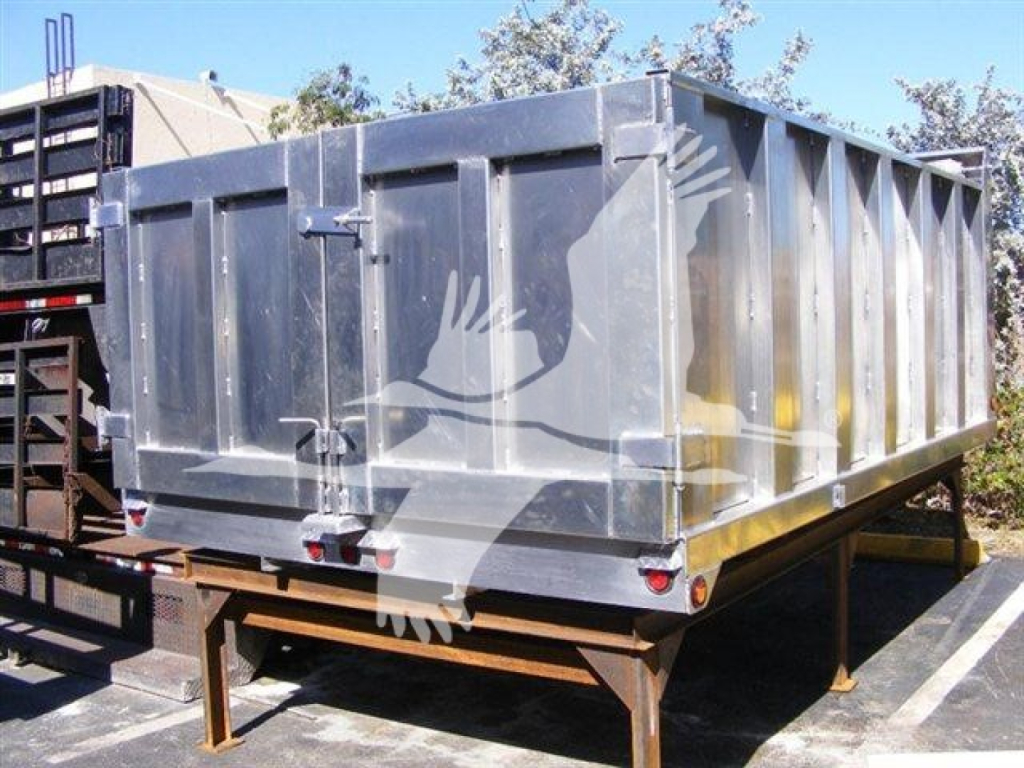
2026 Advanced Fabricators 12 Ft
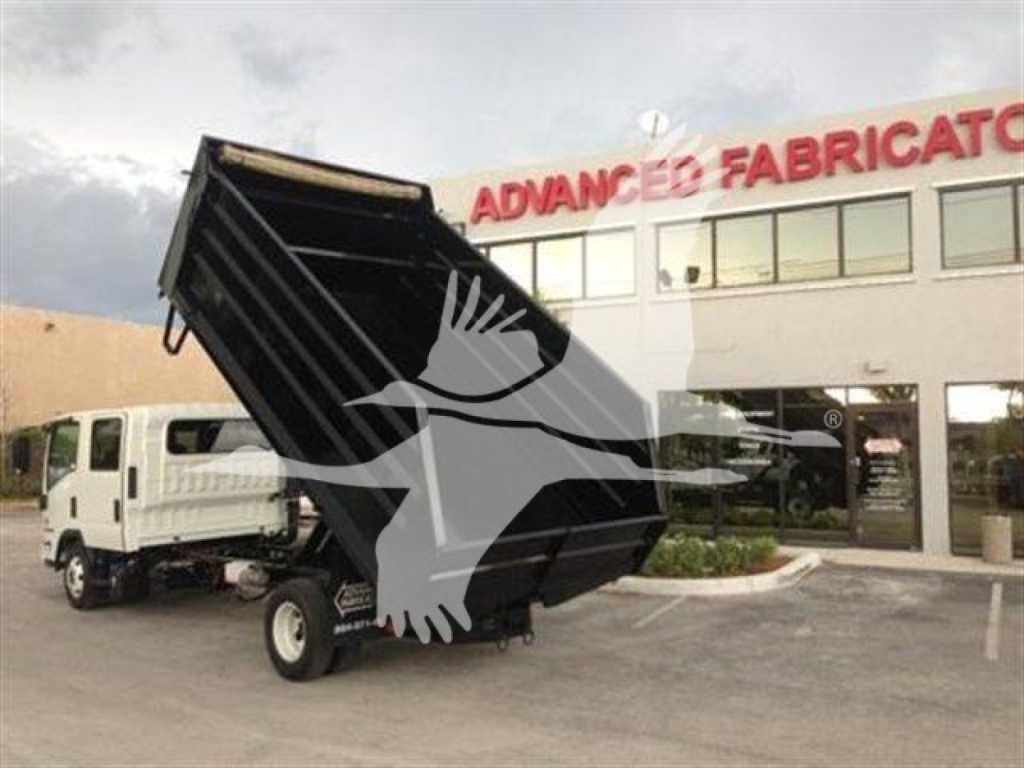
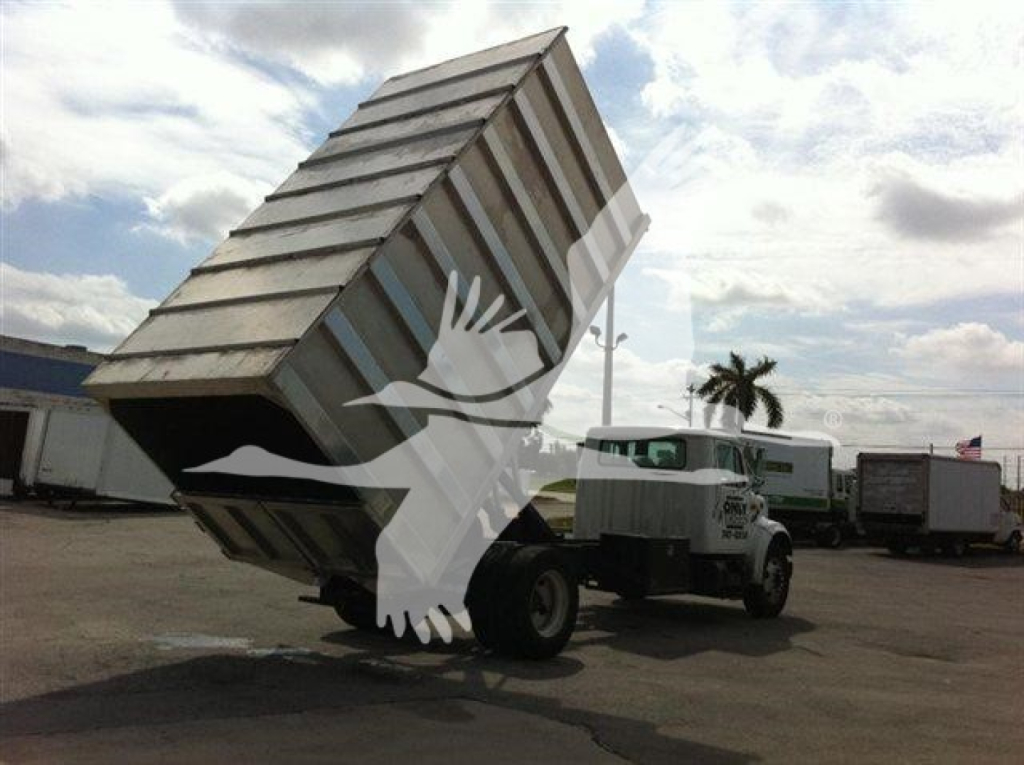
Selling a new 2026 advanced fabricators dump truck? List your new 2026 advanced fabricators dump truck for sale and reach thousands of commercial buyers.
New 2026 Advanced Fabricators Dump Trucks in Florida
The sample specs in this category point to practical vocational configurations. Common construction details include 3/16-inch floors or decks, channel crossmembers on 12-inch or 16-inch centers, and 6-inch to 8-inch longsills. Buyers comparing steel versus aluminum should look closely at use case. Steel dump bodies usually make sense for harder aggregate, demolition debris, and jobs where sidewall abuse is expected. Aluminum dump bodies reduce tare weight and can improve legal payload for lighter bulk materials such as mulch, brush, leaves, chip, and trash. Tall solid sides, V-stamped panels, barn doors, canopy bulkheads, and integrated tarp systems are all common features in this segment because they support high-volume, lower-density loads and daily stop-and-go work.
Hoist and rear access details matter as much as body dimensions. Electric-over-hydraulic hoists are common on this type of dump truck and are a good fit for landscaping, debris, and municipal routes where clean, reliable cycling is important. Barn doors remain a popular rear closure because they give flexibility when unloading brush, loose material, or hand-loaded debris. Buyers should also confirm bulkhead design, cab protection, hitch provisions, board pockets, tarp length, and lighting compliance. Details like side steps, grab handles, mud flaps, FMVSS 108 lighting, and receiver hitches affect how usable the truck is on day one, especially for crews towing chippers, mini skids, or small equipment trailers.
When comparing new 2026 Advanced Fabricators dump trucks for sale, it helps to think beyond body length alone. Match side height and body volume to the material you actually haul, then verify that the chassis, hoist rating, and axle capacity support that load safely. A 14 ft landscape dump with moderate sidewalls works differently than a 16 ft chipper body with a roof and 72-inch sides. Buyers running tree service, storm cleanup, site maintenance, or municipal debris routes should pay particular attention to cubic capacity, rear door design, and corrosion resistance. Buyers hauling denser material should focus more on floor strength, crossmember spacing, longsill design, and overall body durability.
Frequently Asked Questions about New 2026 Advanced Fabricators Dump Trucks in Florida
What is the difference between a landscape dump body and a chipper dump body?
A landscape dump body is generally configured for mulch, soil, light debris, and mixed crew work, often with moderate side heights and open-top loading. A chipper dump body is usually built for tree service and brush handling, with much taller sides and often a roof structure to contain wood chips and reduce blowout during transport. The right choice depends on material density, required cubic capacity, and how the body will be loaded and unloaded each day.
Is steel or aluminum better for a dump truck body?
Steel is usually the better choice for abrasive or heavy material because it handles impact and concentrated loading well. Aluminum is often the better choice for high-volume, lighter materials because it cuts body weight, improves corrosion resistance, and can increase payload capacity on the same chassis. In Florida, aluminum can be especially attractive for fleets operating in humid or coastal conditions, but buyers still need to match the material to the abuse level of the job.
What body specs matter most when comparing dump trucks?
Floor thickness, crossmember spacing, longsill size, side height, door style, and hoist type are the main specs that affect durability and daily performance. A 3/16-inch floor, closely spaced channel crossmembers, and properly sized longsills are common signs of a body built for vocational use. Side height determines cubic capacity, while rear barn doors, tarp systems, bulkhead design, and hitch options affect how efficiently the truck works with crews and related equipment.
Why do many dump trucks in this category use barn doors instead of a tailgate?
Barn doors are popular because they provide wide rear access for brush, trash, and bulky debris that does not flow like gravel or asphalt. They also make hand unloading and equipment access easier in landscaping and tree service applications. Buyers should still inspect latch design, hinge construction, and door framing because those details affect long-term durability and how well the doors hold up under repeated loading cycles.
How do I choose the right dump body length and side height?
Start with the material being hauled, not just the wheelbase. Dense material can overload a longer body quickly, while light materials such as brush, leaves, mulch, and chip often benefit from taller sides and more cubic volume. A 12 ft to 14 ft body is common for versatile crew work, while 16 ft bodies are often selected when maximizing volume is more important. The final decision should account for chassis GVWR, axle ratings, hoist capacity, turning radius, and local route conditions.