
New 2026 Dump Trucks For Sale in Colorado
Shop new 2026 dump trucks for sale in Colorado. Compare light and tandem axle dump trucks, body specs, engine options, and jobsite-ready features.
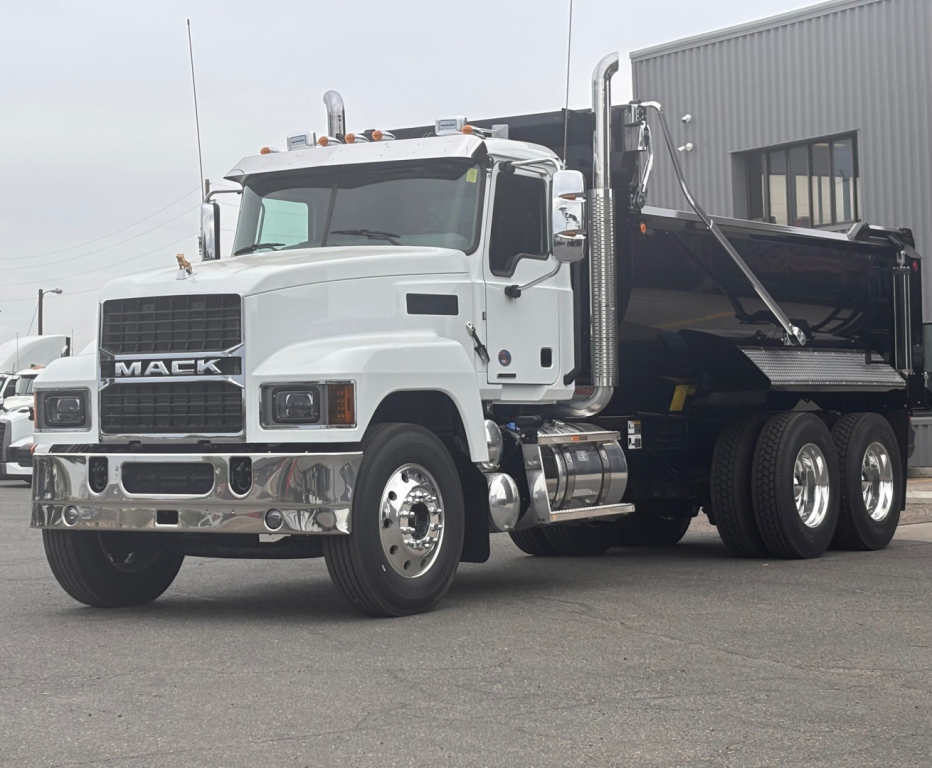
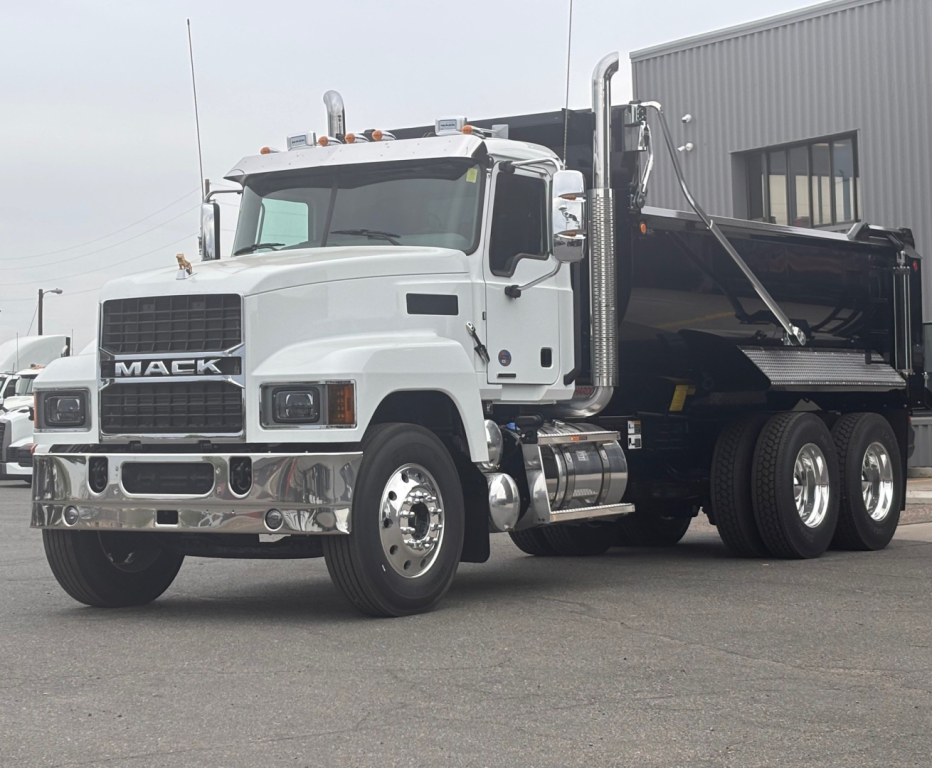
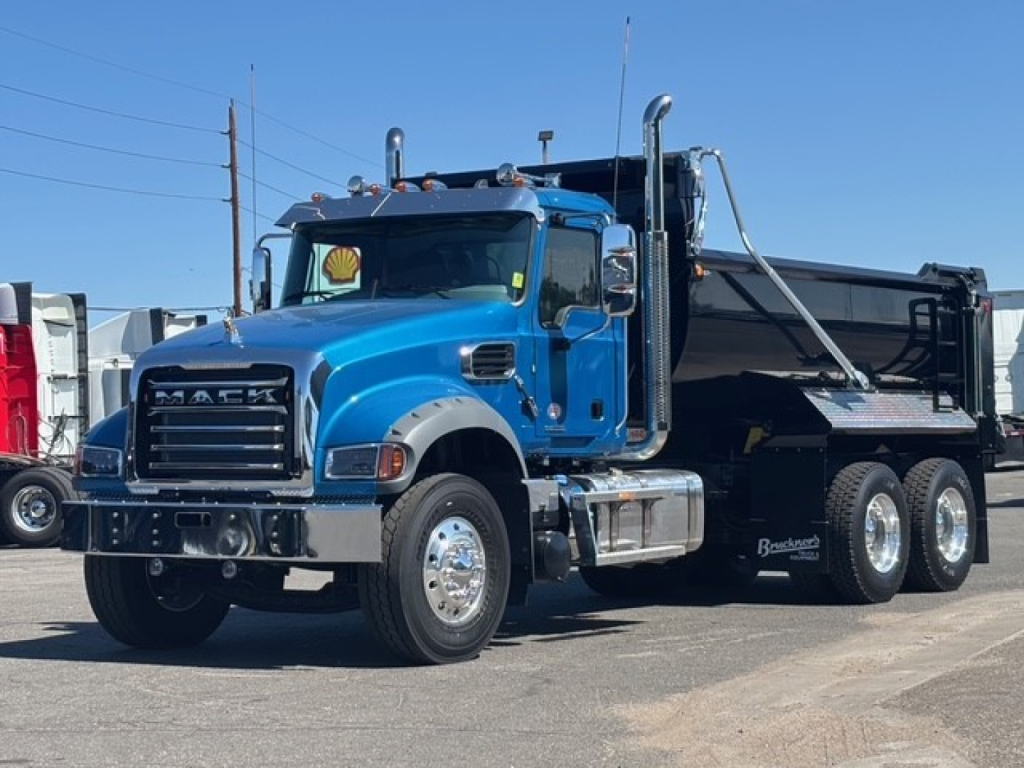
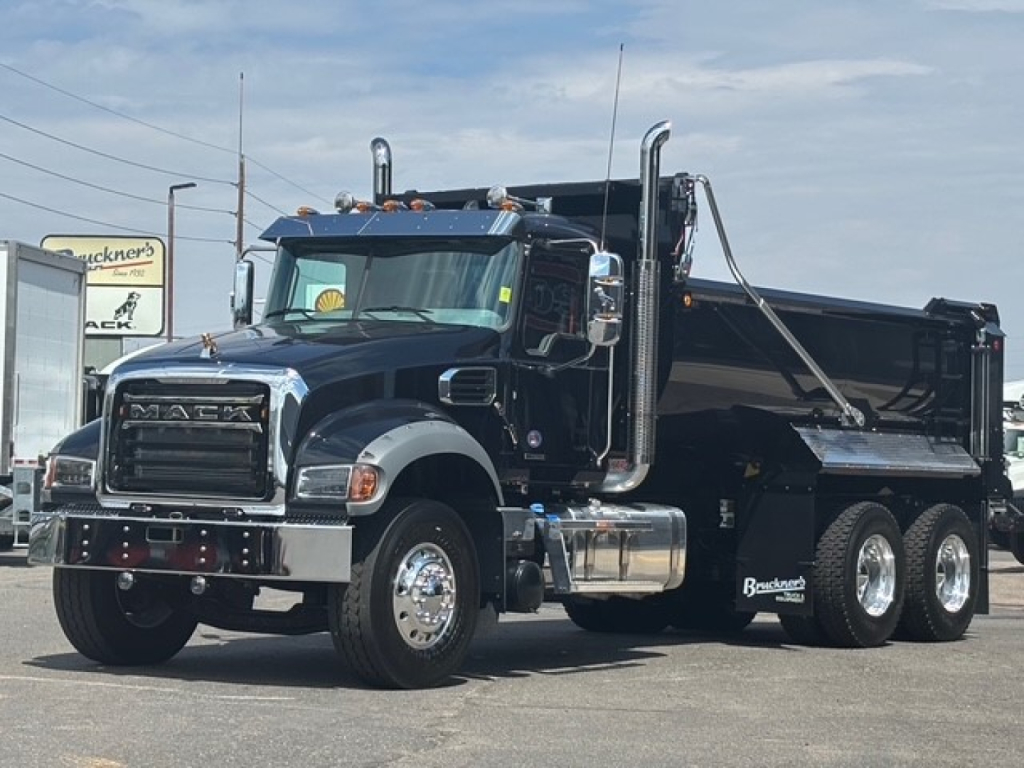
Selling a new 2026 dump truck? List your new 2026 dump truck for sale and reach thousands of commercial buyers.
New 2026 Dump Trucks in Colorado
Body construction matters as much as horsepower. Buyers comparing new dump trucks should look closely at body length, side height, floor thickness, hoist capacity, tailgate style, and material choice. Elliptical and half-round bodies shed material efficiently and are common in aggregate applications, while square bodies can be a practical choice when a cleaner stack and more versatility are needed. Hardox and other abrasion-resistant steel options are common on rock boxes because they hold up better against repeated impact and sliding wear. A high-lift gate, electric tarp system, pintle hitch, glad hands, and trailer plug can turn a straight dump into a more versatile truck for crews that also pull tag trailers, compact equipment, or support attachments.
Powertrain selection should match terrain and payload, especially in Colorado where elevation, grades, and mixed on-road and off-road use can expose an under-specced truck fast. Medium-duty dumps often use engines in the mid-200 HP range paired with an Allison automatic for stop-and-go work, municipal use, and less experienced driver pools. Heavier tandem dumps commonly step into the 400-plus HP class with automated manual transmissions for better gradeability, loaded starts, and fuel control under sustained hauling. Suspension type, rear axle ratio, wheelbase, and bridge law considerations all affect how the truck carries weight and how well it turns on a crowded site. For mountain and Front Range applications, cooling capacity, engine brake performance, and vocational tire selection deserve extra attention.
A new dump truck also gives buyers the advantage of current emissions systems, factory warranty coverage, and a spec built around the job instead of retrofitting an older chassis. Practical features like heated power mirrors, backup cameras, power windows and locks, and integrated infotainment may seem secondary, but they can improve safety and driver acceptance on daily routes. The right 2026 dump truck is the one that balances body durability, legal payload, turning radius, hoist performance, and driveline strength for the material being hauled most often. On Colorado jobs, that usually means choosing a spec that can handle both highway miles and rough site entrances without sacrificing uptime.
Frequently Asked Questions about New 2026 Dump Trucks in Colorado
What is the difference between a single-axle and tandem-axle dump truck?
A single-axle dump truck is generally lighter, easier to maneuver, and better suited for tighter jobsites, municipal work, landscape materials, and shorter-haul delivery. A tandem-axle dump truck adds carrying capacity, stability under heavier loads, and better suitability for aggregate, excavation, and construction hauling. The tradeoff is a larger turning radius, higher operating cost, and more attention to bridge formula and axle weight compliance.
What body material is best for a dump truck hauling rock and abrasive material?
For rock, demolition debris, and other abrasive loads, abrasion-resistant steel such as Hardox is a strong choice because it resists wear better than standard steel. Body shape also matters. Elliptical or half-round bodies tend to release sticky or heavy material more cleanly and reduce carryback. Buyers hauling mixed materials should compare floor thickness, sidewall thickness, crossmember design, and tailgate setup along with the steel grade.
What engine and transmission setup is common in a new dump truck?
Medium-duty dump trucks commonly use engines in the 250 to 300 HP range with an Allison automatic for city work and frequent stops. Heavier tandem-axle dump trucks often move into the 400 to 450 HP range with an automated manual transmission for better torque management and fuel efficiency on heavier hauls. The right setup depends on payload, terrain, driver experience, and how much off-road or mountain use the truck will see.
Are dump trucks in Colorado better spec'd with vocational features like pintle hitches and tarps?
In many Colorado applications, yes. A pintle hitch with air and electrical connections adds flexibility for pulling equipment or material trailers, which is valuable for excavation, paving, utility, and municipal fleets. An electric tarp is also a practical feature because it helps with load control, compliance, and faster cycle times. Other useful vocational specs include high-lift gates, heated mirrors, backup cameras, severe-duty suspensions, and tires selected for mixed pavement and jobsite traction.
What should buyers look at besides payload when comparing new dump trucks?
Payload is important, but the full picture includes wheelbase, axle ratings, body dimensions, hoist capacity, suspension, rear axle ratio, turning radius, and brake performance. Buyers should also consider how the truck will be loaded, where it will dump, and whether it needs to run highway miles, climb grades, or access uneven jobsites. A dump truck that is too lightly spec'd can wear out faster, while an overbuilt truck may give up legal payload and efficiency.