
New 2026 Conventional Daycab Trucks For Sale in Arkansas
Shop new 2026 conventional daycab trucks in Arkansas. Compare specs for local, regional, vocational, and heavy-haul fleet applications.
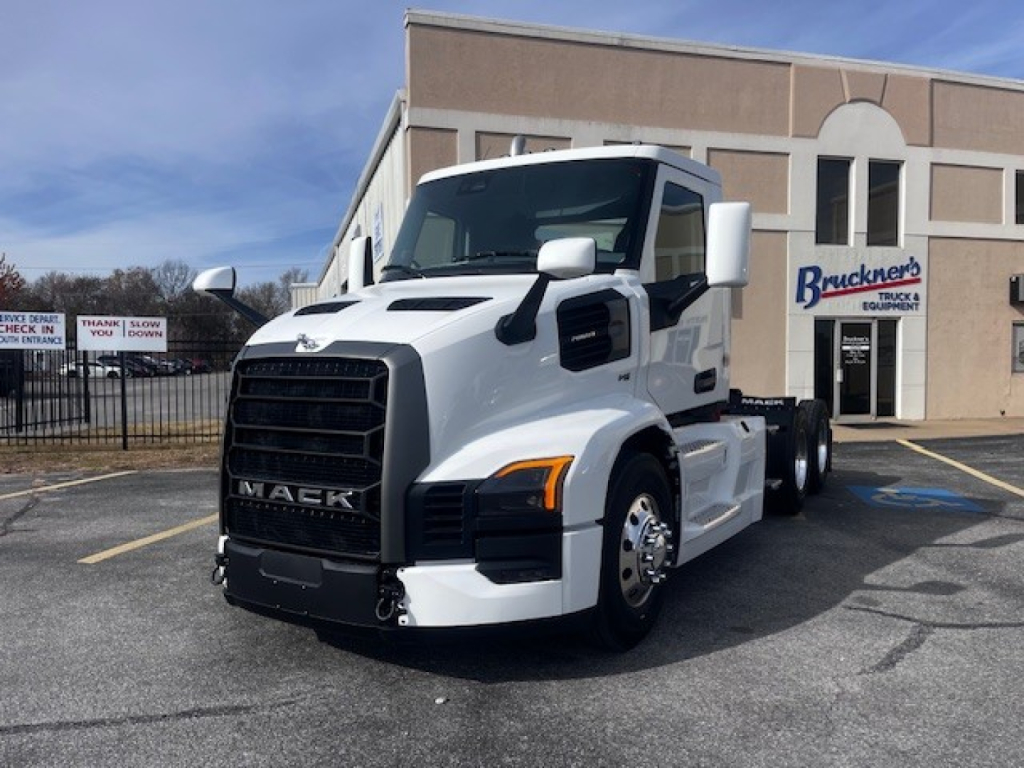
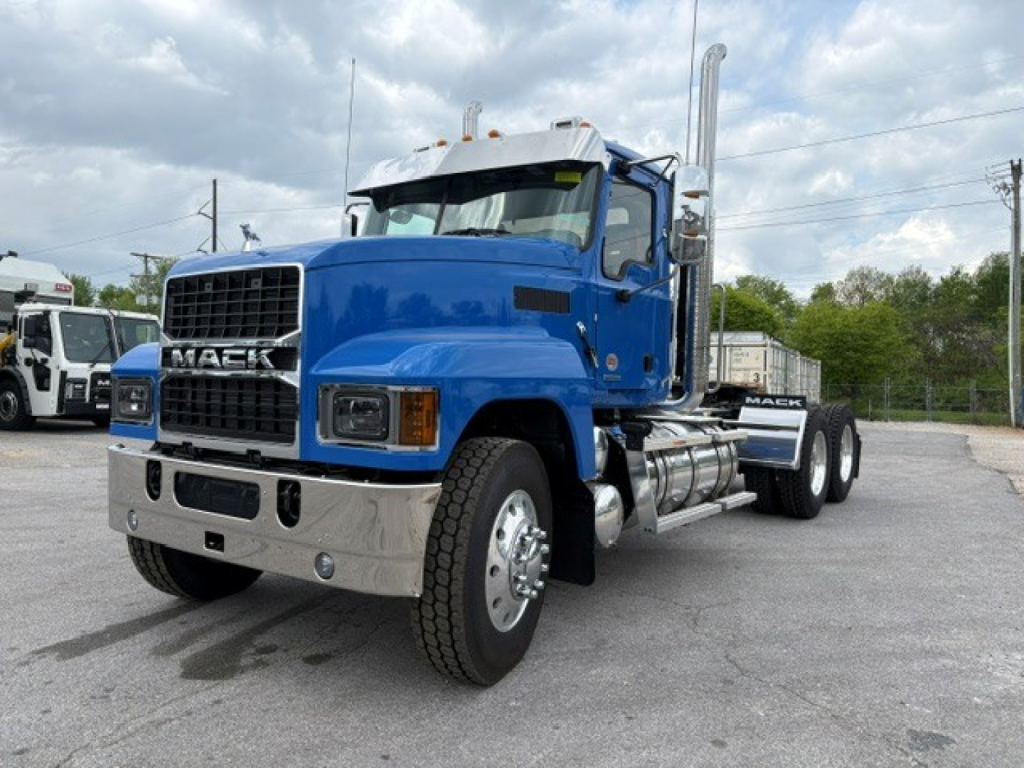
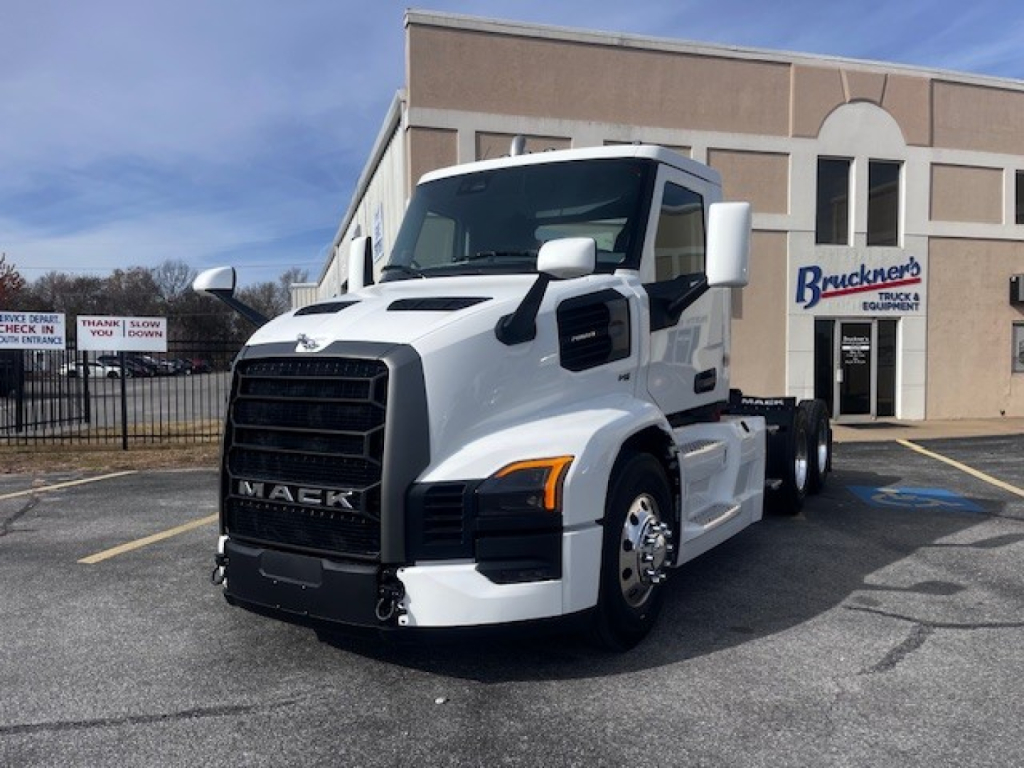
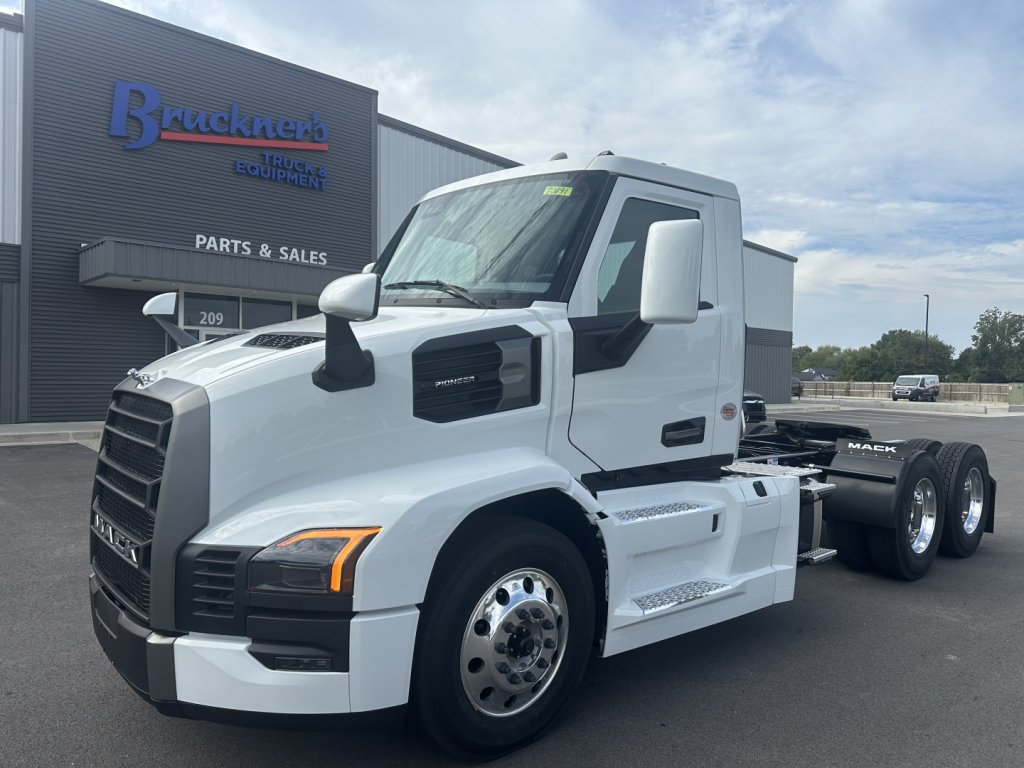
Selling a new 2026 conventional daycab truck? List your new 2026 conventional daycab truck for sale and reach thousands of commercial buyers.
New 2026 Conventional Daycab Trucks in Arkansas
The key buying decision is matching the spec to the job. Highway-oriented daycabs often run 400 to 455 horsepower with downsped drivetrains, automated manual transmissions, 12,000 to 13,200 lb front axles, 40,000 lb rears, and faster ratios such as 2.64 to 3.25 for fuel economy. Heavier vocational or logging specs step up to 14,000 to 20,000 lb front axles, 44,000 to 46,000 lb rears, higher horsepower and torque, and deeper ratios like 3.55 to 4.11 for startability and off-road control. Wheelbase matters too. A shorter wheelbase helps in tight yards and city docks, while a 210 to 230-plus inch wheelbase can leave room for frame-mounted hydraulics, wet kits, headache racks, larger fuel capacity, lift axles, or specialized vocational equipment.
For buyers comparing new 2026 models, pay close attention to brake and suspension configuration, axle locks, and frame layout. Air disc brakes are becoming more common on premium daycab specs because they improve stopping consistency and serviceability. Suspension choices affect ride quality, traction, and body upfit compatibility, especially in rough-site or mixed pavement use. Interaxle and interwheel differential locks are important on trucks that leave the pavement, and tire size, ride height, and kingpin setting should match the trailer fleet the truck will actually pull. Fuel tank placement, battery box location, exhaust routing, and PTO provision are also worth reviewing before purchase because they determine how easy the truck will be to upfit for hydraulic, vacuum, tanker, or vocational service.
New-model buyers also tend to focus on driver retention and operating cost. A modern conventional daycab usually brings improved cab ergonomics, better sightlines, more effective insulation, integrated safety systems, and more efficient powertrain calibration than older fleet units. In stop-and-go regional work, an automated manual transmission can reduce driver fatigue and improve clutch life, while a traditional manual may still appeal in certain vocational fleets. For Arkansas operations, a practical spec often balances highway efficiency with enough axle, suspension, and traction capacity to handle farm roads, job sites, timber roads, and uneven loading conditions without overbuying the truck.
Frequently Asked Questions about New 2026 Conventional Daycab Trucks in Arkansas
What is a conventional daycab truck used for?
A conventional daycab truck is used for local and regional hauling where the driver returns home or to the terminal the same day. Common applications include dry van, flatbed, dump, tanker, intermodal, feed, construction materials, refuse, and logging support. The conventional hood layout provides easy engine access, and the daycab configuration removes sleeper weight and length, which helps with maneuverability and payload.
What specs matter most when buying a new 2026 daycab?
The most important specs are engine horsepower and torque, transmission type, front and rear axle ratings, rear axle ratio, wheelbase, suspension, and brake package. Buyers should also confirm PTO capability, frame space, fuel tank capacity, and differential lock configuration. Those choices determine whether the truck is optimized for fuel-efficient highway runs, heavy vocational work, or a mixed-duty operation that needs both road speed and low-speed pulling power.
Is an automated manual transmission a good choice for a daycab fleet?
In many fleets, yes. Automated manual transmissions are popular in daycab service because they reduce driver fatigue, help protect the driveline from poor shifting, and can improve consistency across multiple drivers. They are especially effective in urban pickup-and-delivery, regional hauling, and any operation with frequent stop-and-go traffic. Manual transmissions still have a place in some specialized vocational applications or fleets with strong driver preference for full manual control.
How do I choose the right wheelbase for a conventional daycab?
Choose wheelbase based on trailer swing clearance, bridge law requirements, turning radius needs, and any equipment that must be installed on the frame. Shorter wheelbases are better for tight terminals, city work, and agile maneuvering. Longer wheelbases provide more room for larger fuel tanks, wet line kits, toolboxes, headache racks, pumps, or other vocational components. The right answer depends on the trailer and the upfit, not just the truck itself.
Are daycab trucks a good fit for Arkansas operations?
Yes, especially for fleets running local and regional lanes, construction routes, agricultural support, timber-related work, and distribution across the state. Arkansas operations often need a truck that can run efficiently on the highway but still handle uneven yards, rural roads, and seasonal traction challenges. A properly spec'd conventional daycab can cover that range well, provided the axle ratings, gear ratio, suspension, and locking differentials match the terrain and payload.