
New 2026 Mack Conventional Daycab Trucks For Sale in Arkansas
Shop new 2026 Mack conventional daycab trucks with MP engines, automated transmissions, strong axle specs, and regional-ready configurations.
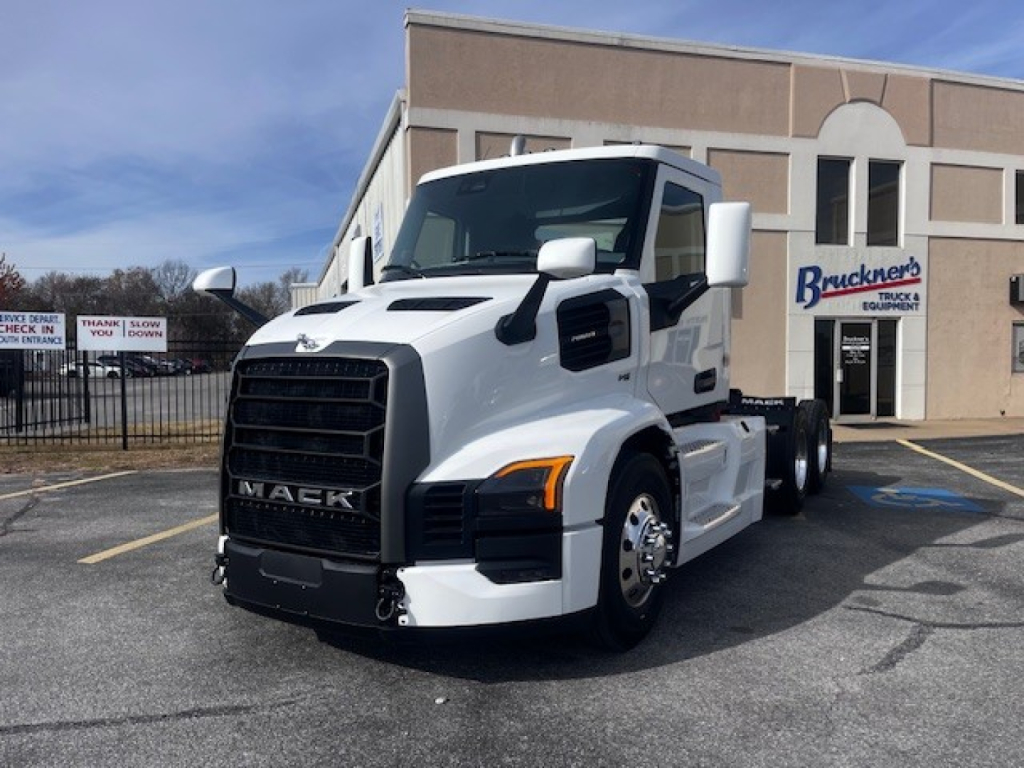
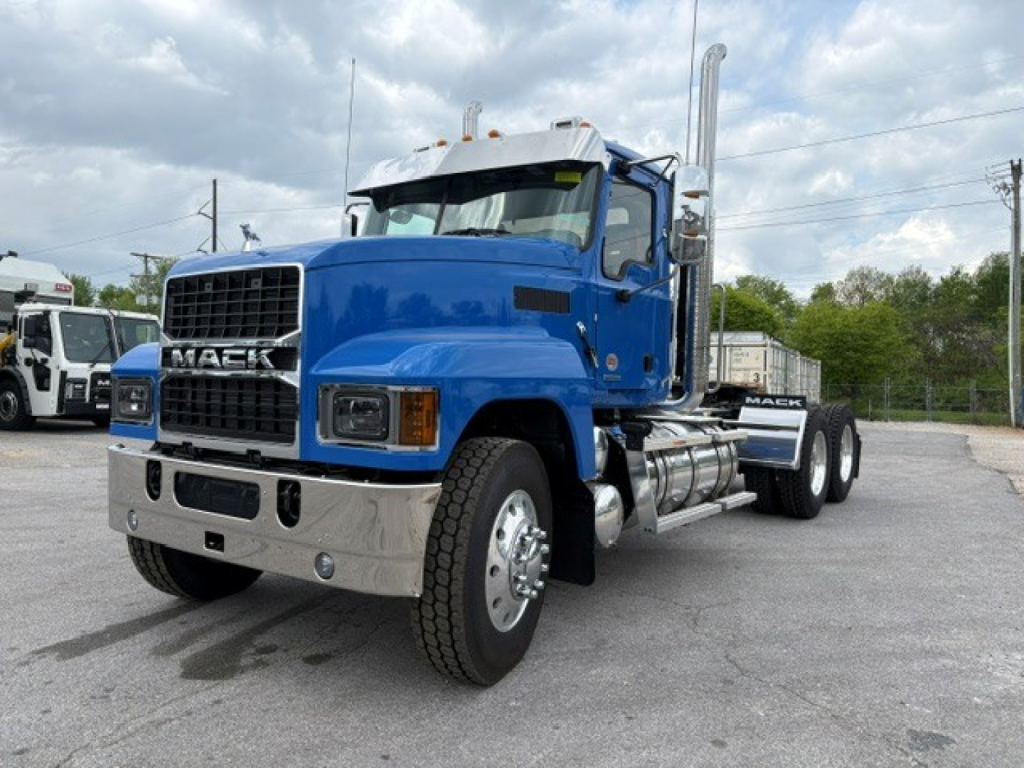
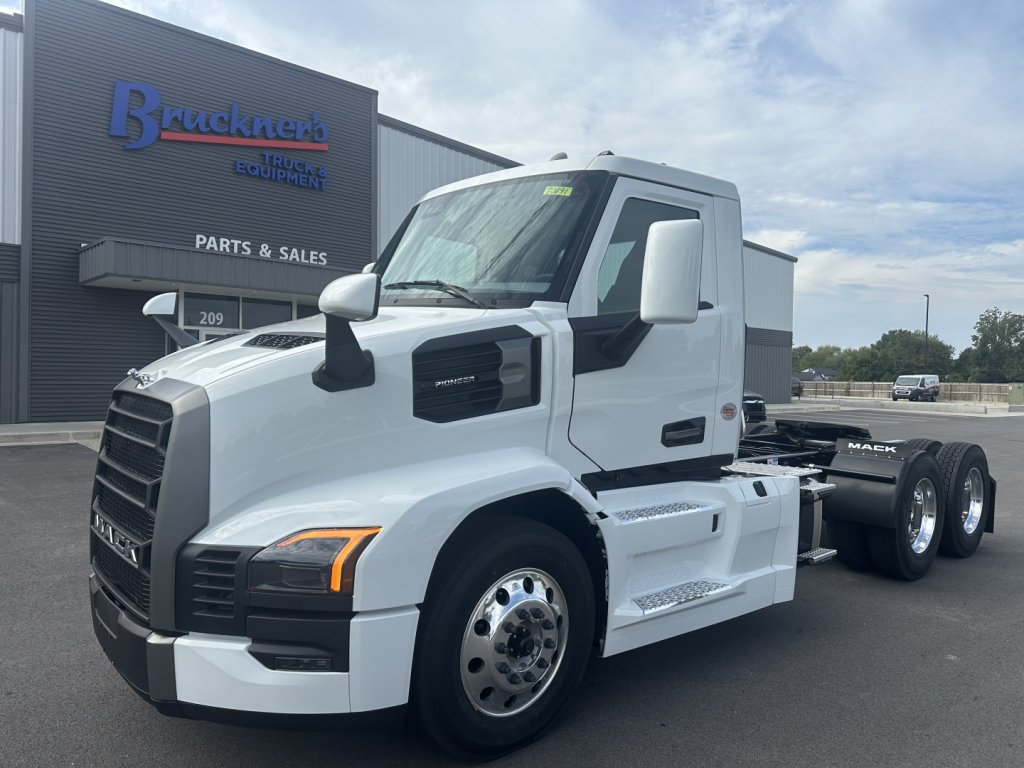
Selling a new 2026 mack conventional daycab truck? List your new 2026 mack conventional daycab truck for sale and reach thousands of commercial buyers.
New 2026 Mack Conventional Daycab Trucks in Arkansas
Current Mack daycab specs often center on MP-series diesel power and Mack automated transmissions, including M-Drive and related 12-speed automated manual setups. Buyers comparing 2026 trucks should pay close attention to horsepower and torque ratings, especially if the truck will spend time on rolling terrain, pull heavy gross weights, or run PTO-driven equipment. A lighter regional tractor may be optimized with a faster rear ratio for fuel economy, while a vocational or heavy local haul spec may lean toward a deeper ratio, heavier front axle, and more room on the frame for hydraulic tanks, wet kits, vac systems, or a headache rack. Wheelbase is a major decision point because it affects trailer swing clearance, bridge law flexibility, and the ability to add frame-mounted accessories.
Brake and suspension choices also separate one conventional daycab from another. Many new Mack daycabs are equipped with air ride rear suspension for ride quality and traction, while all-disc brake setups are increasingly attractive for fleets focused on stopping performance, maintenance consistency, and driver confidence in frequent-stop service. Tire size, wheel material, and axle ratings should be reviewed with the actual payload and trailer type in mind. A 12,500-pound or 14,600-pound steer axle, paired with a 40,000-pound rear, is common in this class, but the right spec depends on fifth wheel load, auxiliary equipment, and how the truck is scaled in real work. For buyers planning body or equipment additions, clear back-of-cab space and frame layout are just as important as engine rating.
The 2026 Mack conventional daycab category appeals to buyers who want a modern tractor with updated aerodynamics, a durable chassis, and a straightforward operating profile for fleet service. New trucks bring emissions-compliant powertrains, factory safety technology, and warranty coverage that can make budgeting more predictable in the first years of operation. The best buying approach is to start with the job: trailer type, average gross combination weight, route length, PTO needs, and turning environment. From there, compare Mack daycab listings by model family, engine output, transmission, wheelbase, axle package, and brake spec rather than price alone.
Frequently Asked Questions about New 2026 Mack Conventional Daycab Trucks in Arkansas
What is a Mack conventional daycab truck best used for?
A Mack conventional daycab is best suited for local and regional hauling where the driver returns home daily and sleeper space is not needed. Common applications include dry van, reefer, flatbed, tanker, dump, bulk commodities, and vocational tractor work. The conventional hood layout provides engine access and a familiar service platform, while the daycab design keeps overall weight and length lower than a sleeper tractor.
What specs matter most when comparing new 2026 Mack daycab trucks?
The most important specs are engine rating, transmission type, axle ratings, rear axle ratio, wheelbase, suspension, and brake package. These factors determine startability, fuel economy, legal payload, PTO compatibility, and maneuverability. Buyers should also review frame space behind the cab, fifth wheel placement, tire size, and whether the truck is set up for hydraulic or vocational equipment if the application requires it.
Are Mack daycabs good for regional highway work as well as vocational service?
Yes. Mack conventional daycabs can be spec'd for both regional highway freight and more demanding vocational use. A highway-oriented configuration may emphasize aerodynamic efficiency, lighter weight, and fuel-saving axle ratios, while a vocational spec may include a heavier steer axle, different suspension tuning, PTO provisions, and extra frame capacity for auxiliary equipment. The key is matching the chassis and drivetrain to the actual job cycle.
Is an automated manual transmission a good choice in a new Mack daycab?
For many fleets and owner-operators, an automated manual transmission is a strong choice because it can improve driver consistency, reduce clutch-related wear, and simplify operation in stop-and-go service. Mack automated 12-speed options are common in this class and are well suited for regional hauling, vocational tractor work, and mixed-route duty. Buyers should still confirm the transmission programming and gearing align with gross weight, terrain, and PTO requirements.
Why does wheelbase matter on a daycab tractor?
Wheelbase affects turning radius, ride quality, trailer clearance, bridge compliance, and the amount of usable frame space for accessories. A shorter wheelbase can help in tight urban or jobsite conditions, while a longer wheelbase may provide better balance for certain trailer setups and more room for side-mounted tanks, wet kits, vac systems, or a headache rack. It is one of the most important dimensions to verify before buying a daycab for specialized work.