
New 2026 Mack Conventional Daycab Trucks For Sale
Shop new 2026 Mack conventional daycab trucks with modern powertrains, vocational-ready specs, and highway efficiency for regional hauling.
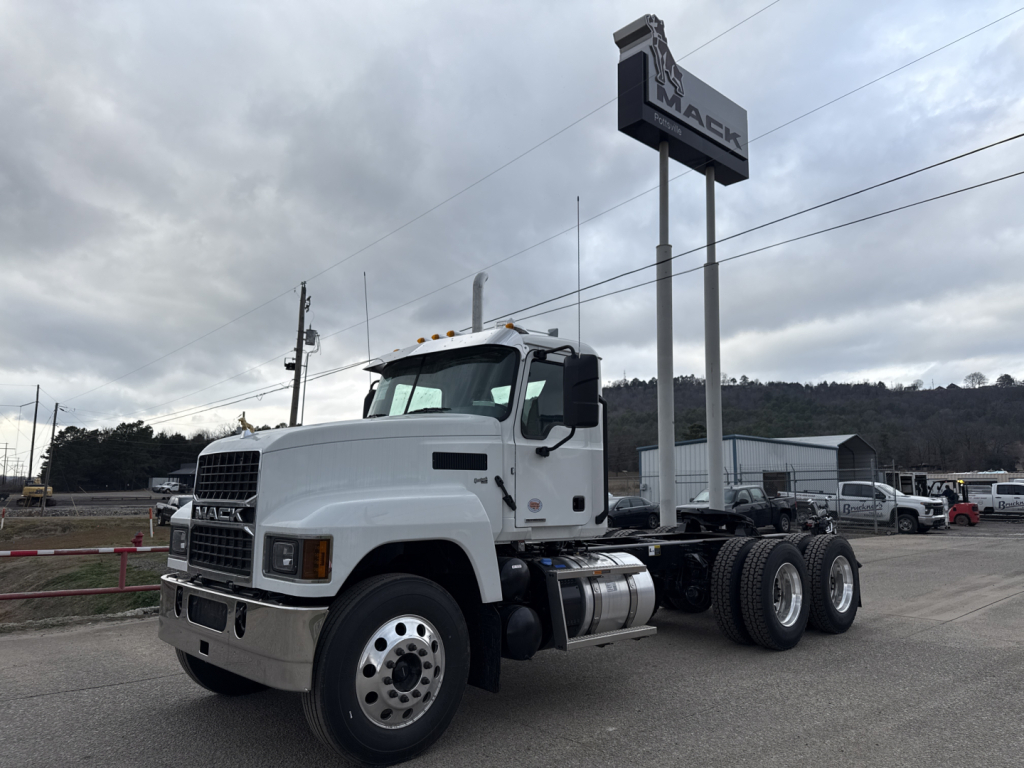
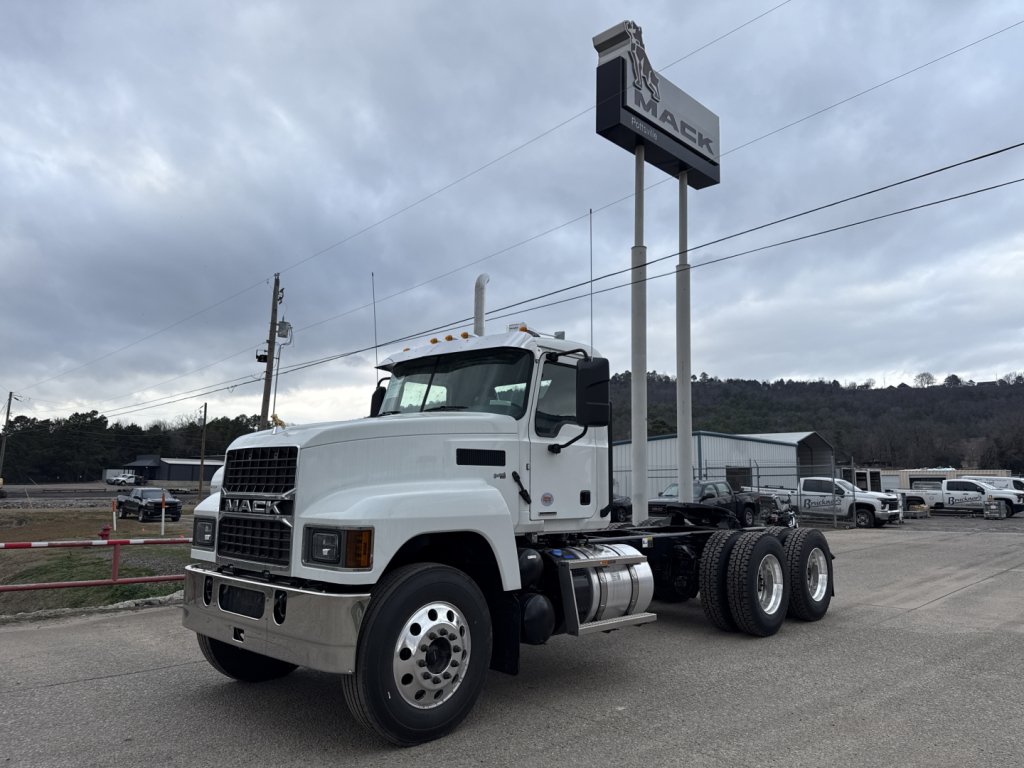
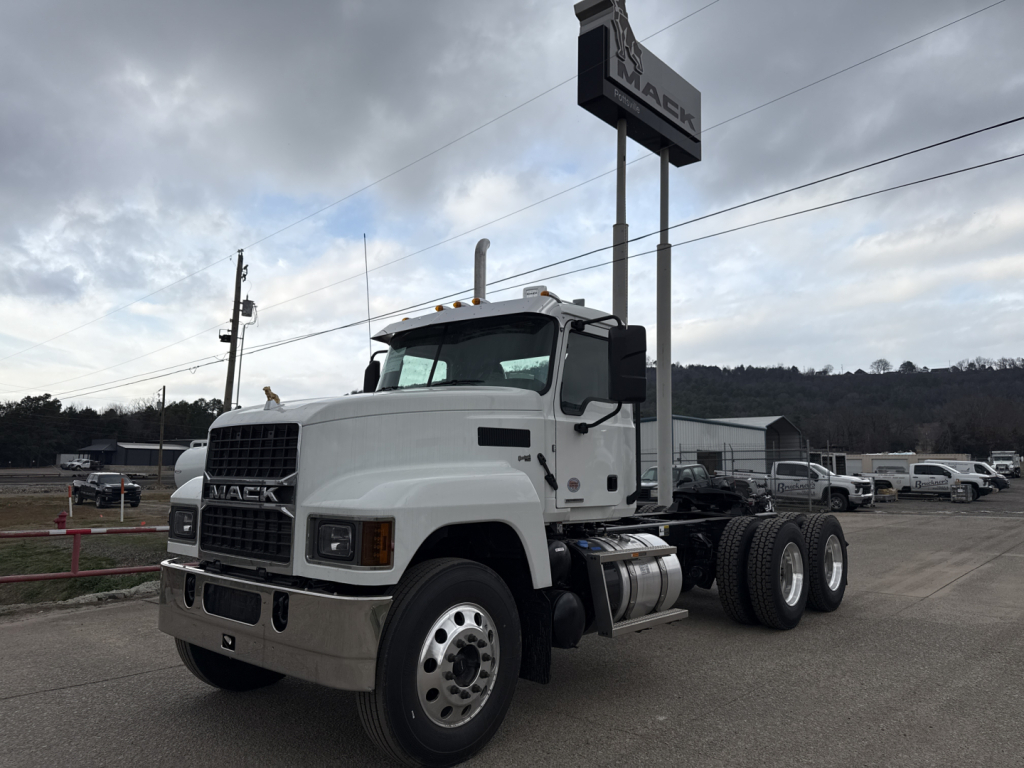
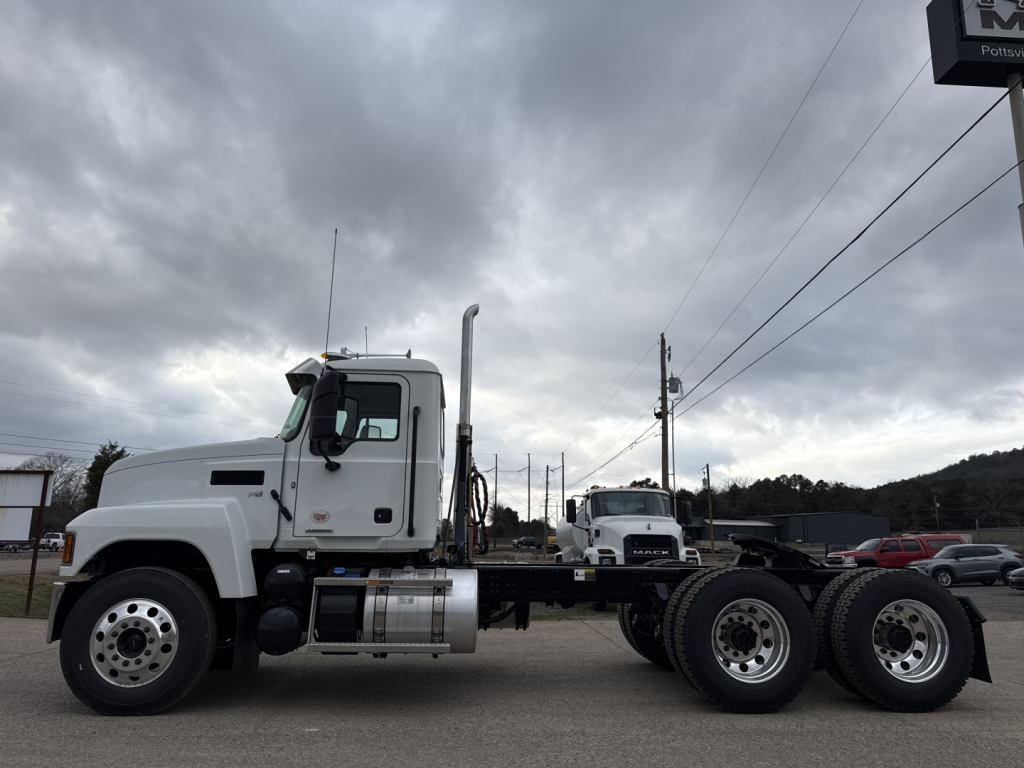
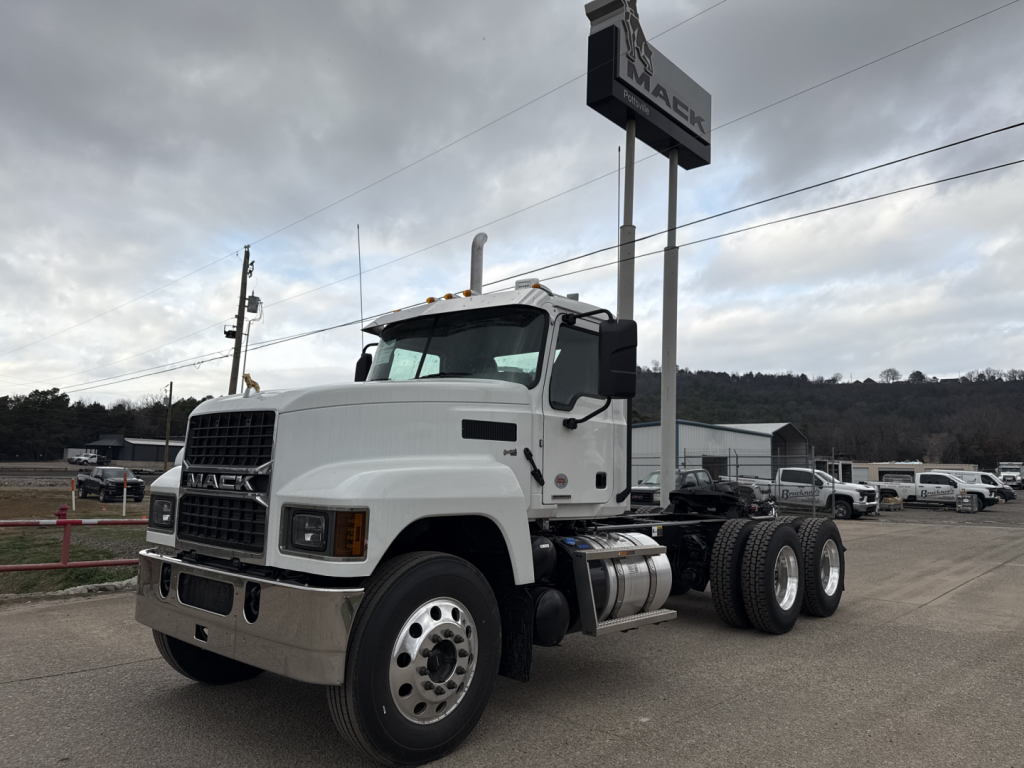
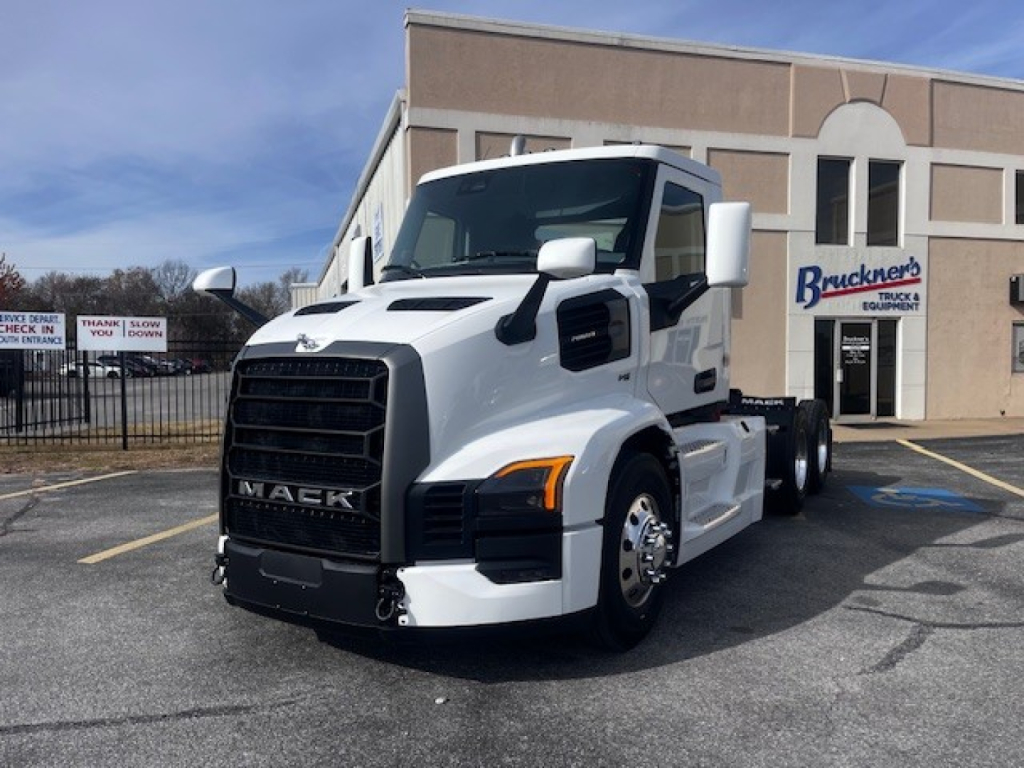
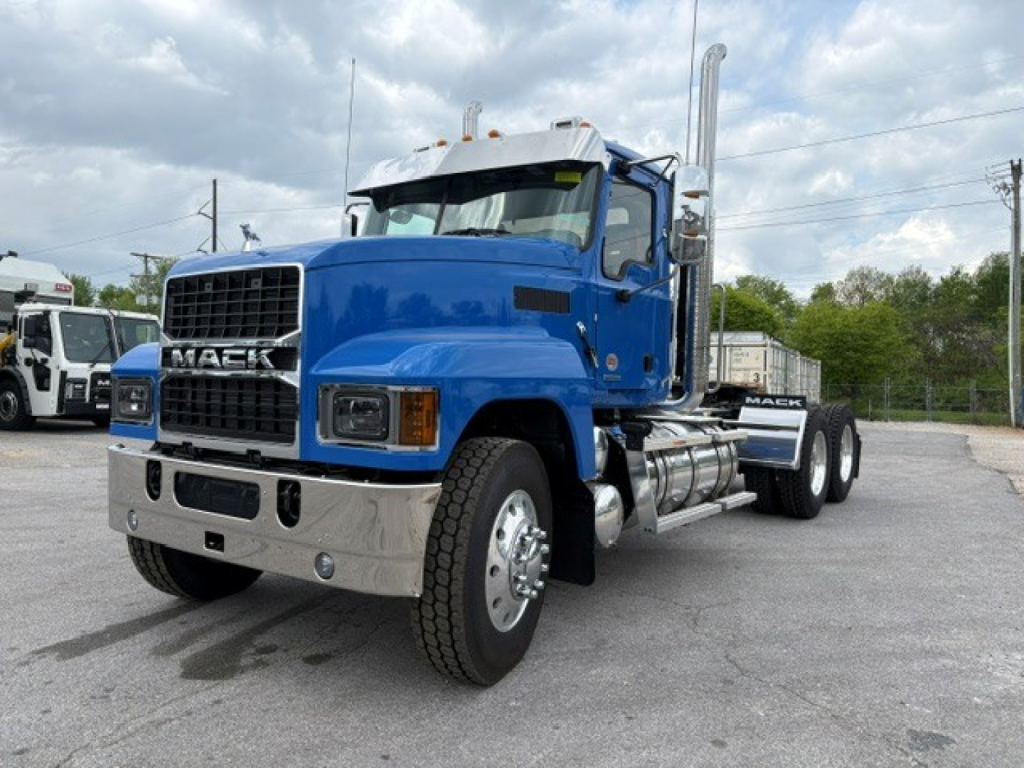
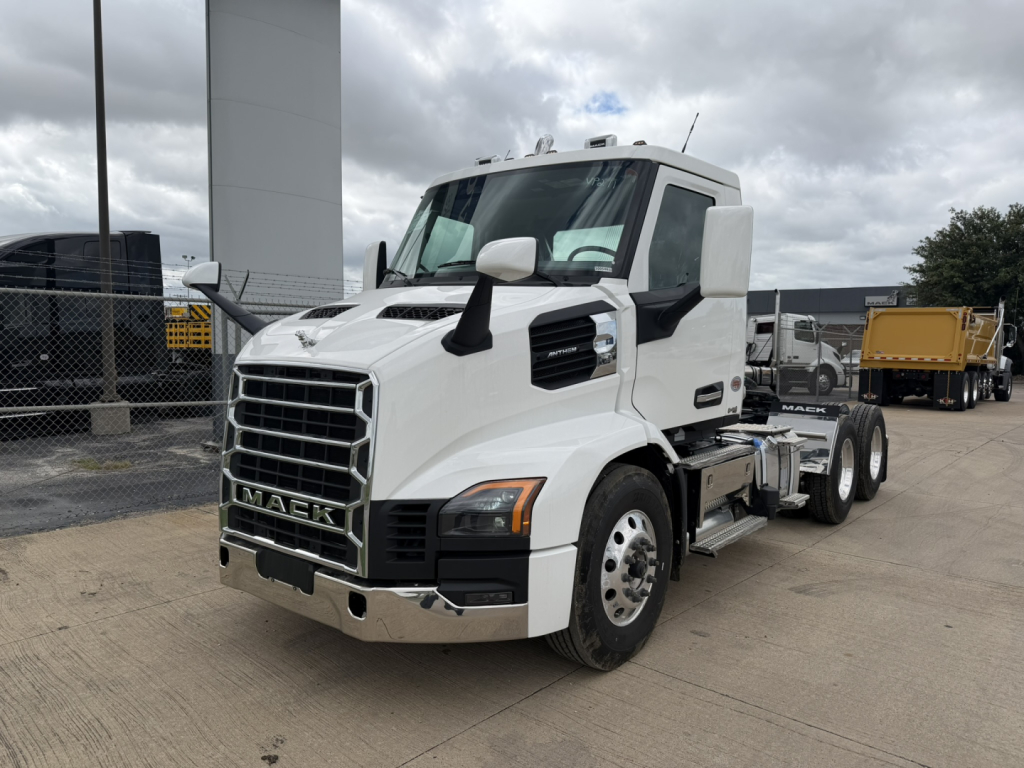
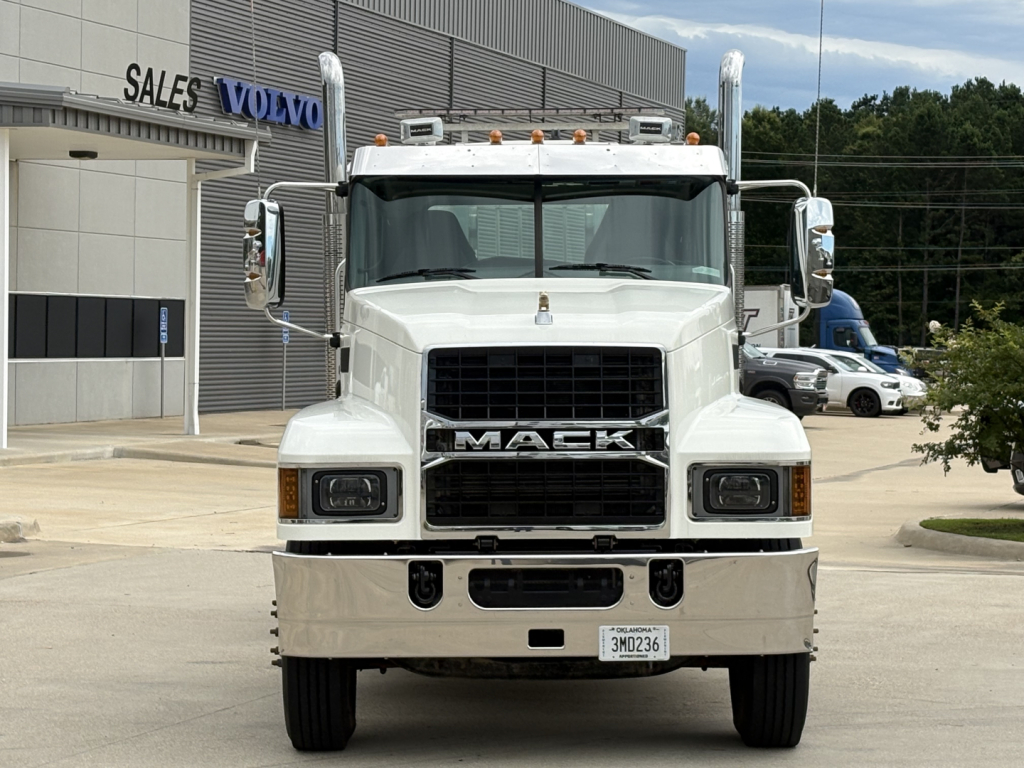
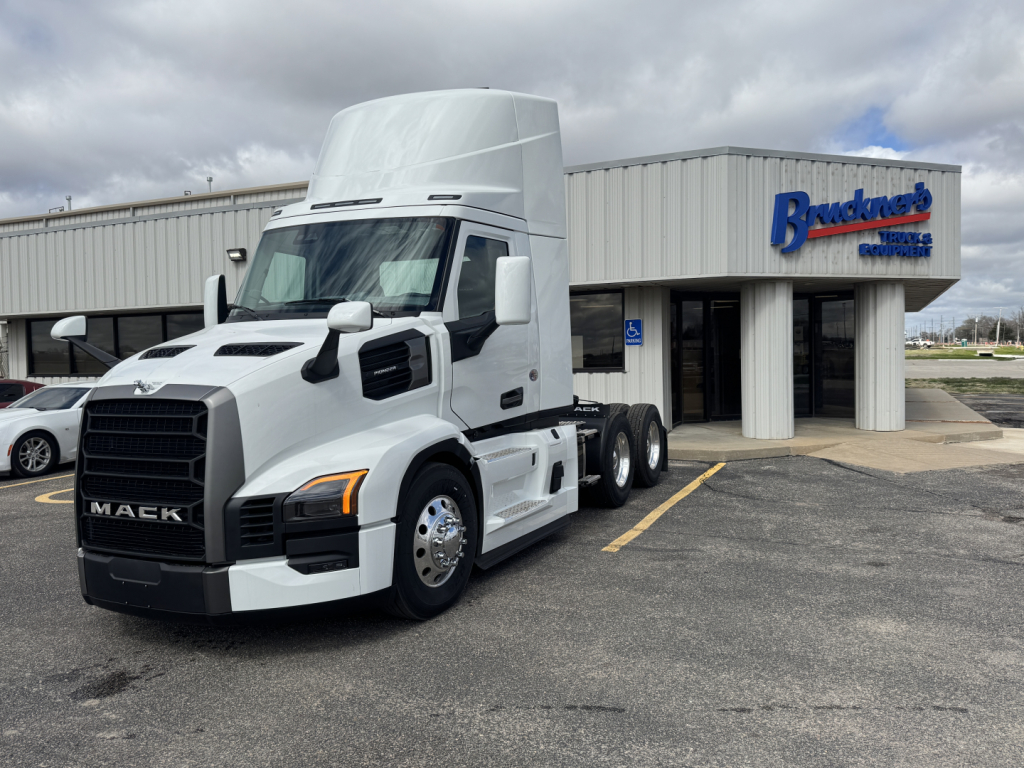
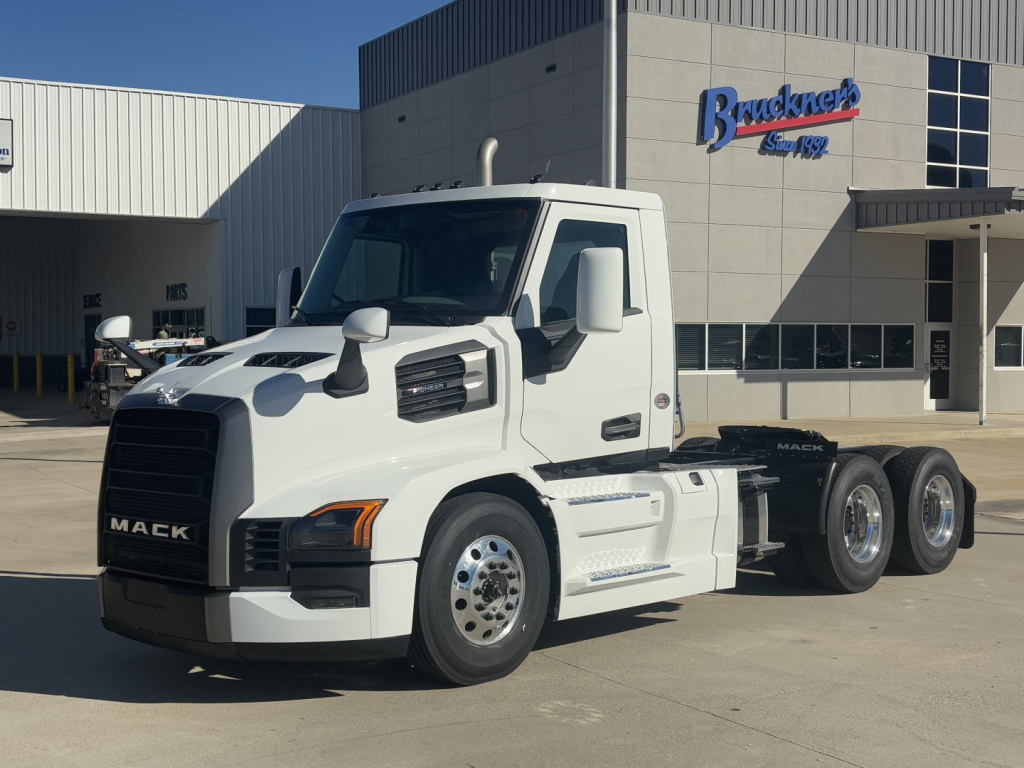
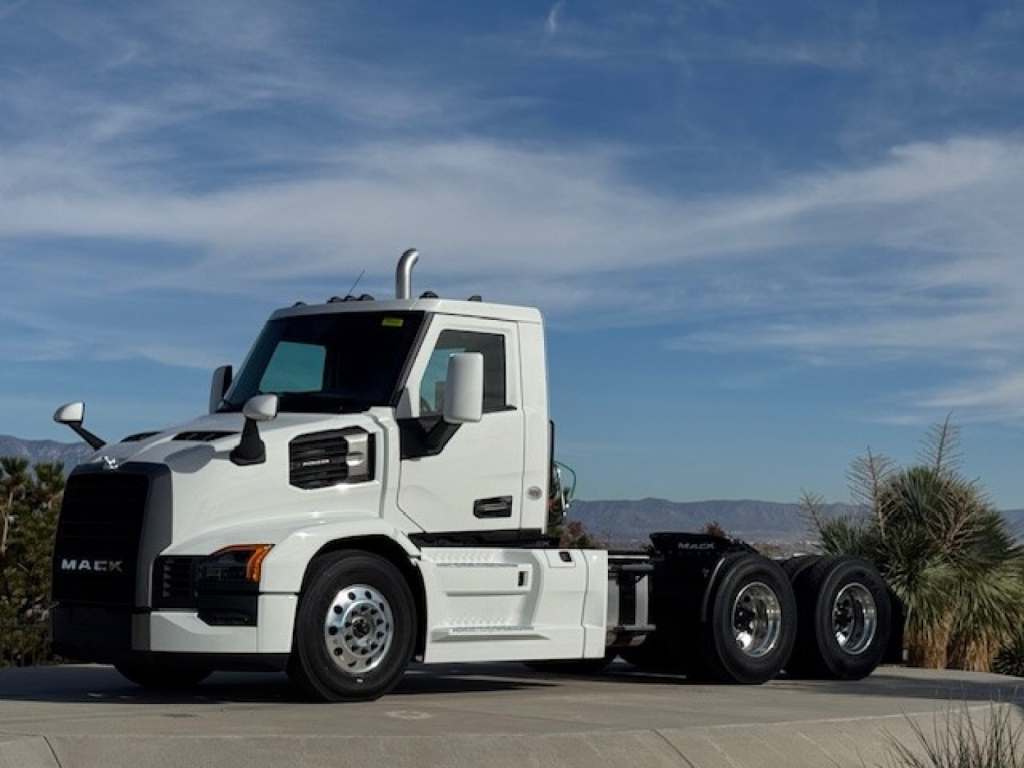
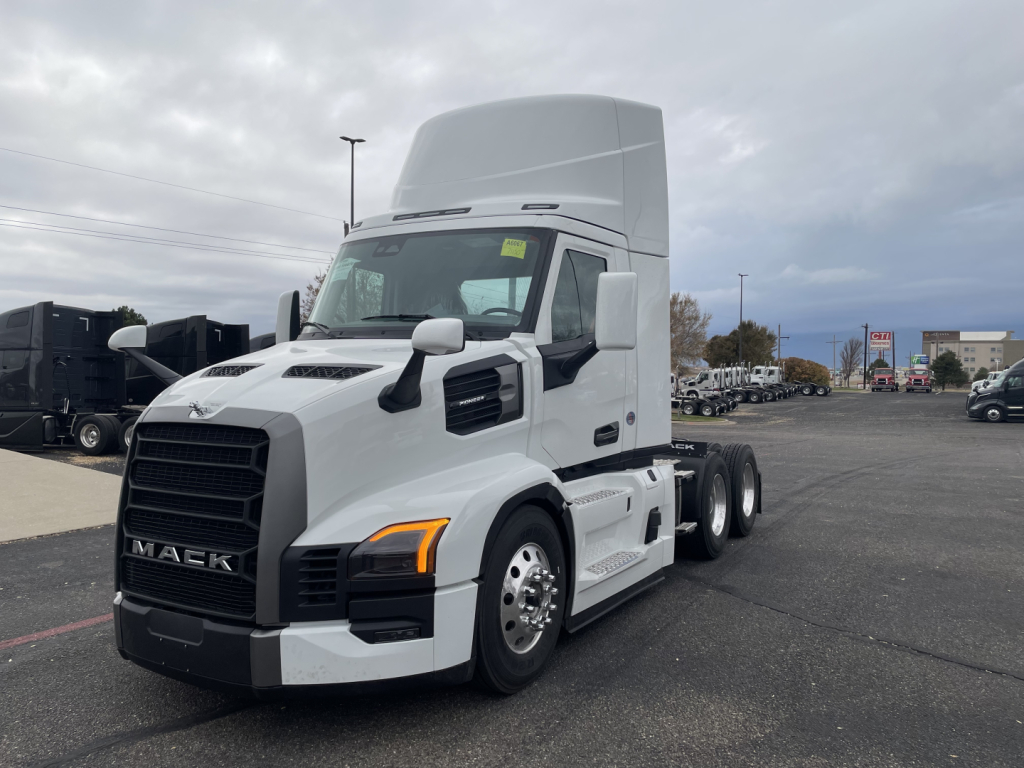
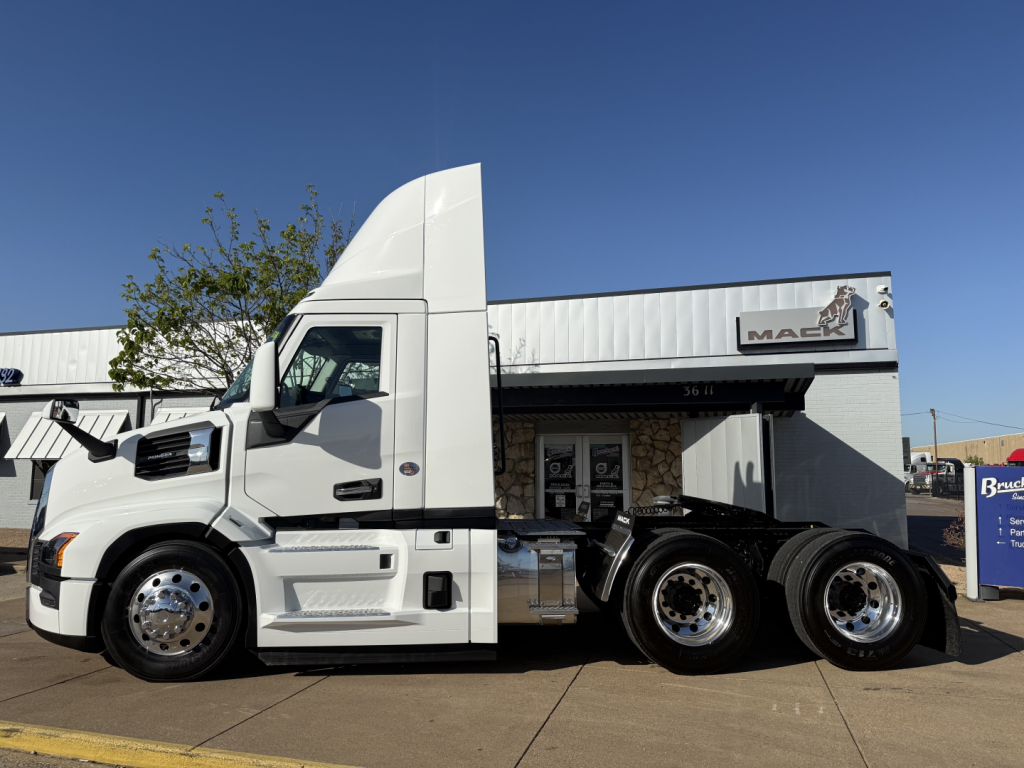
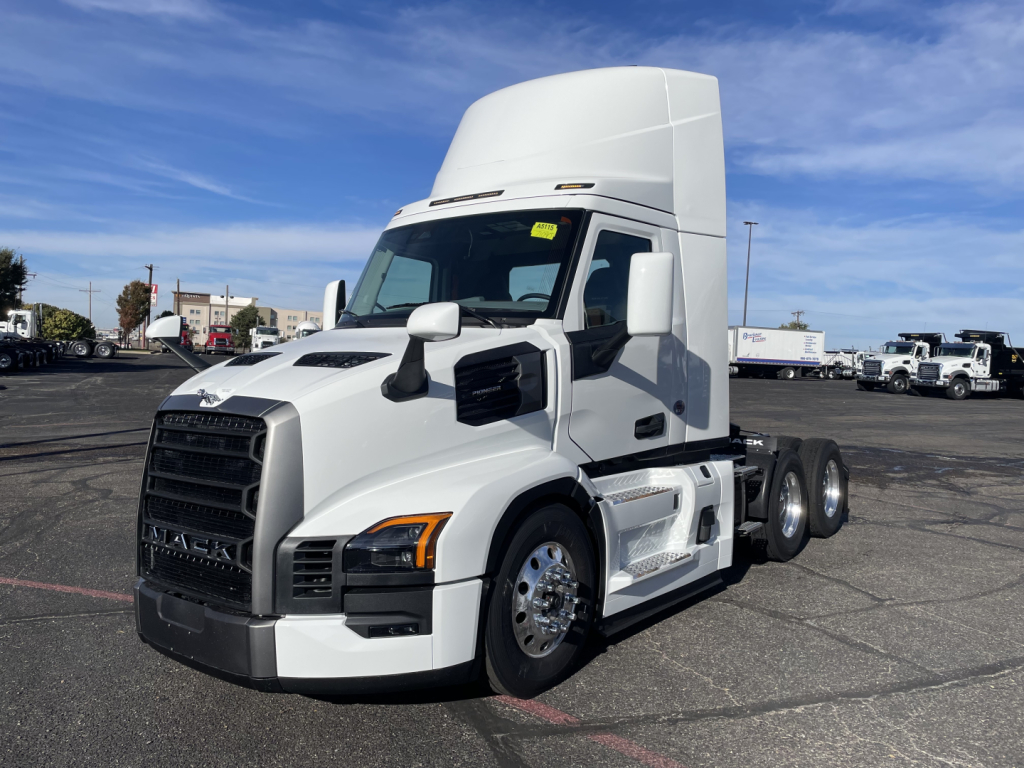
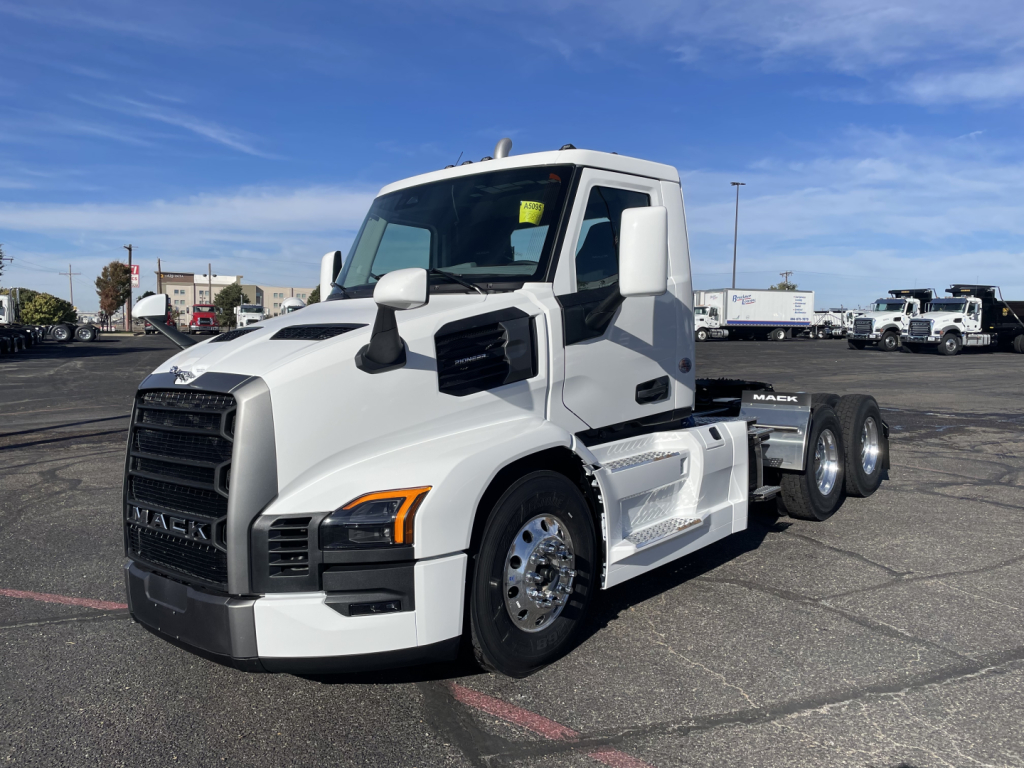
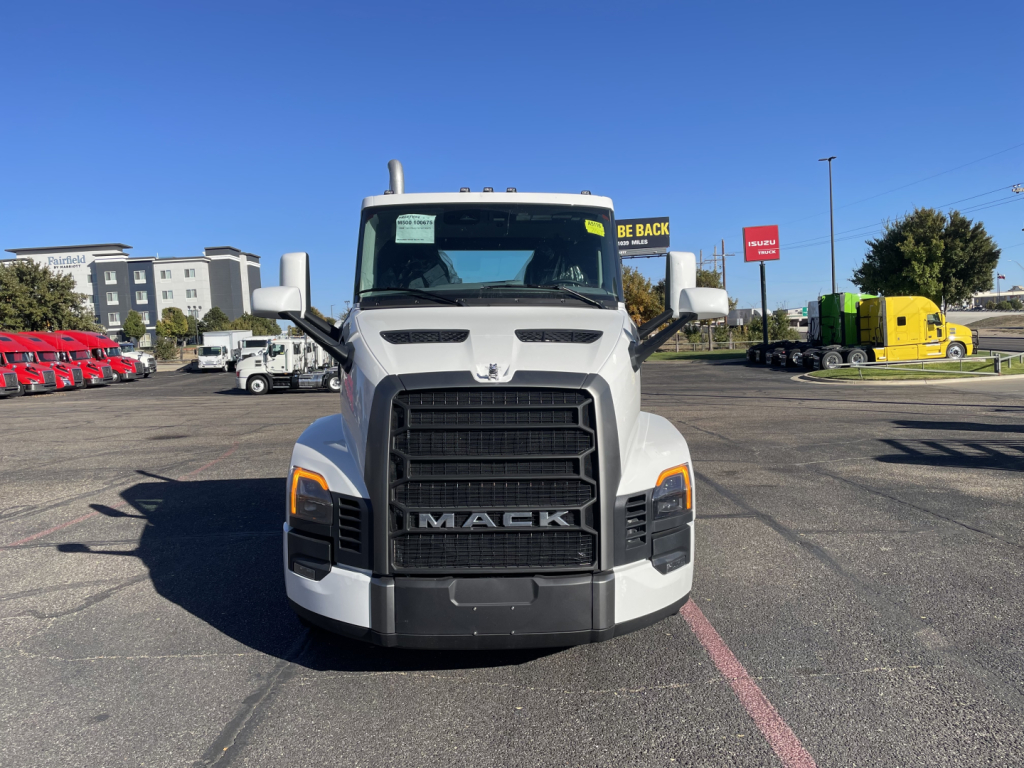
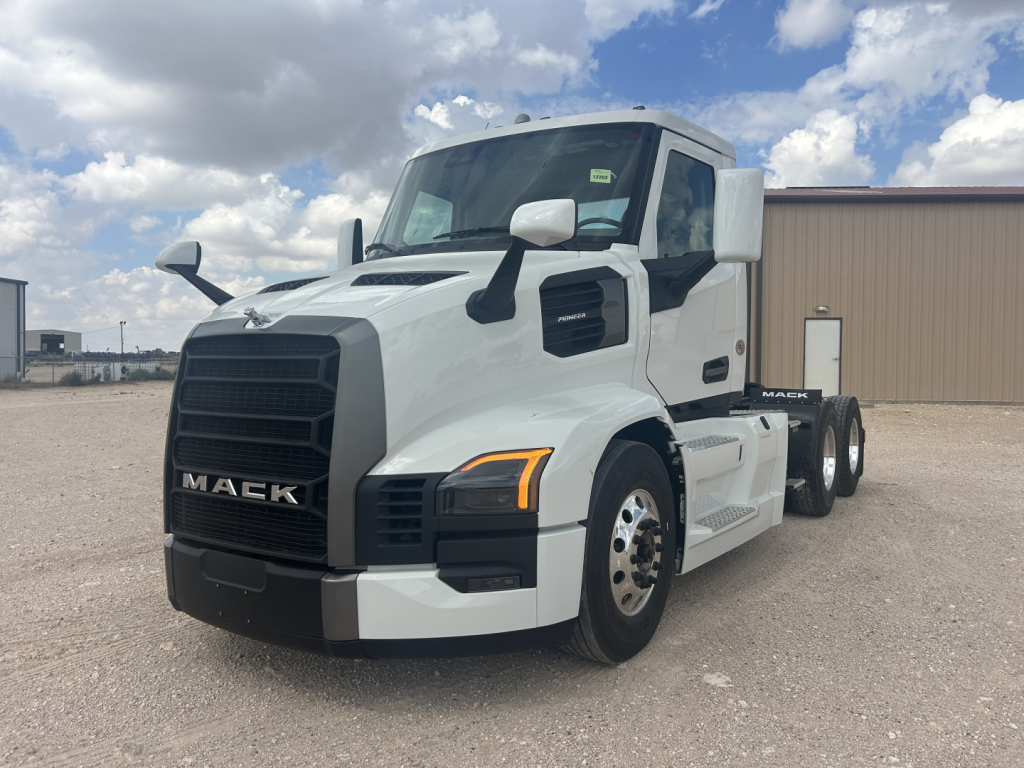
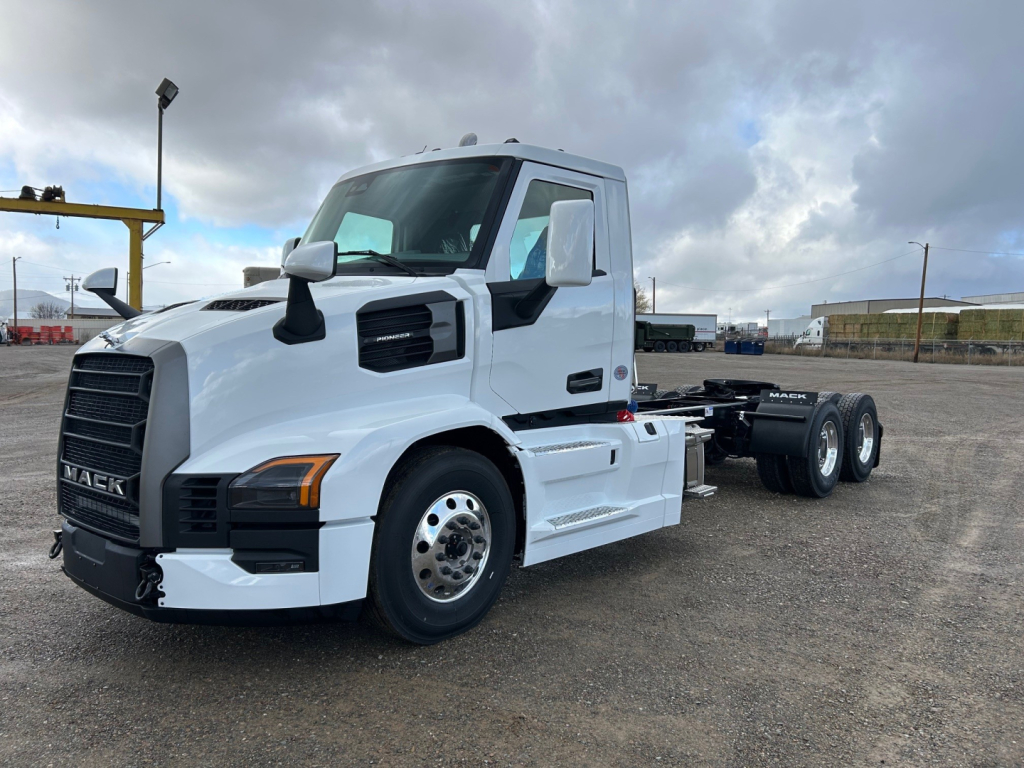
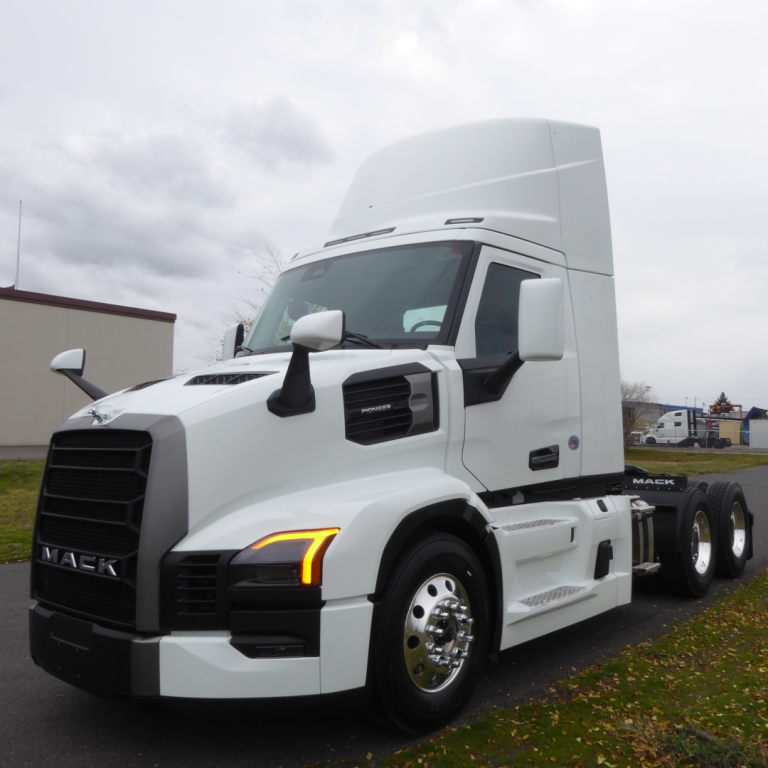
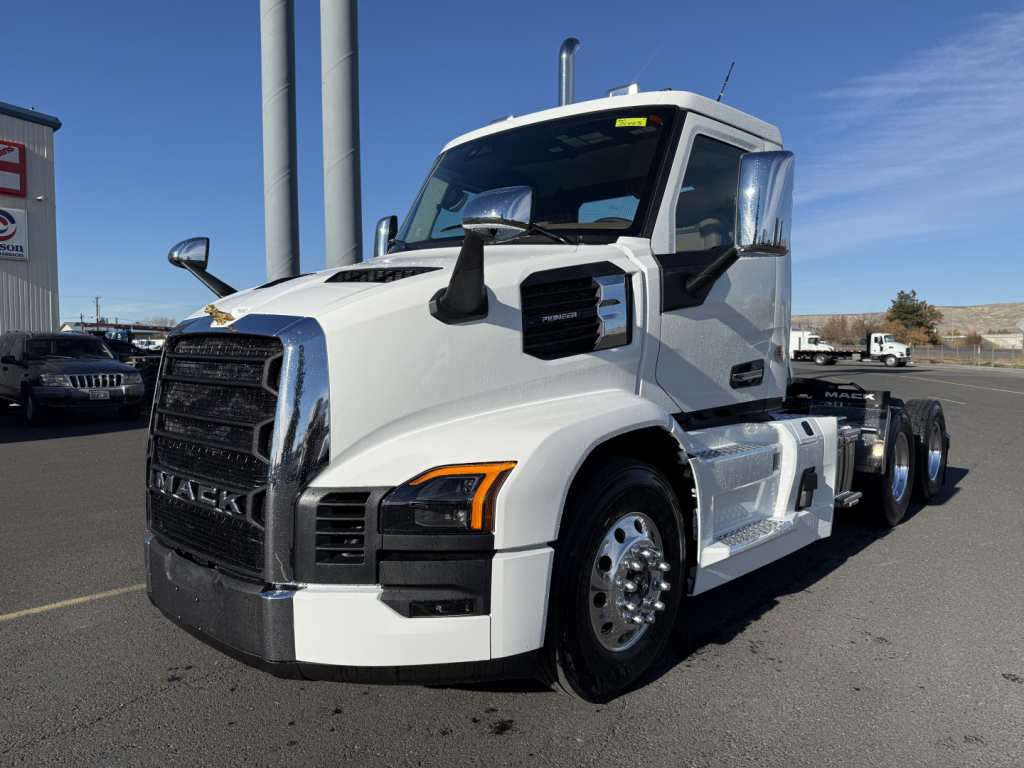
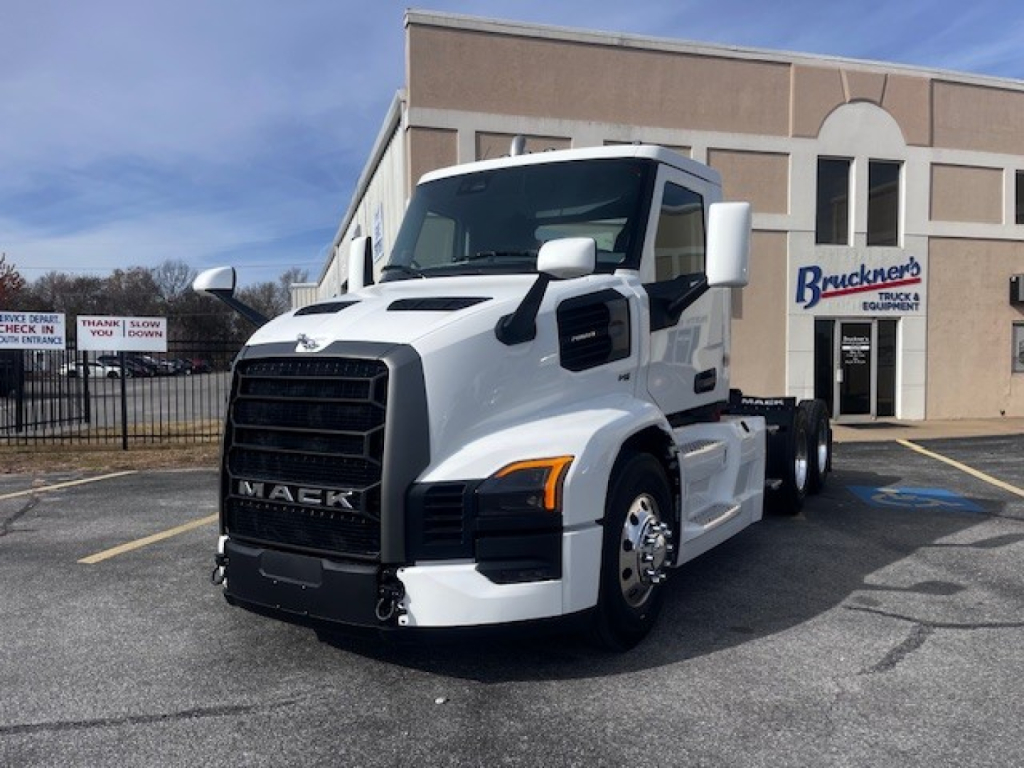
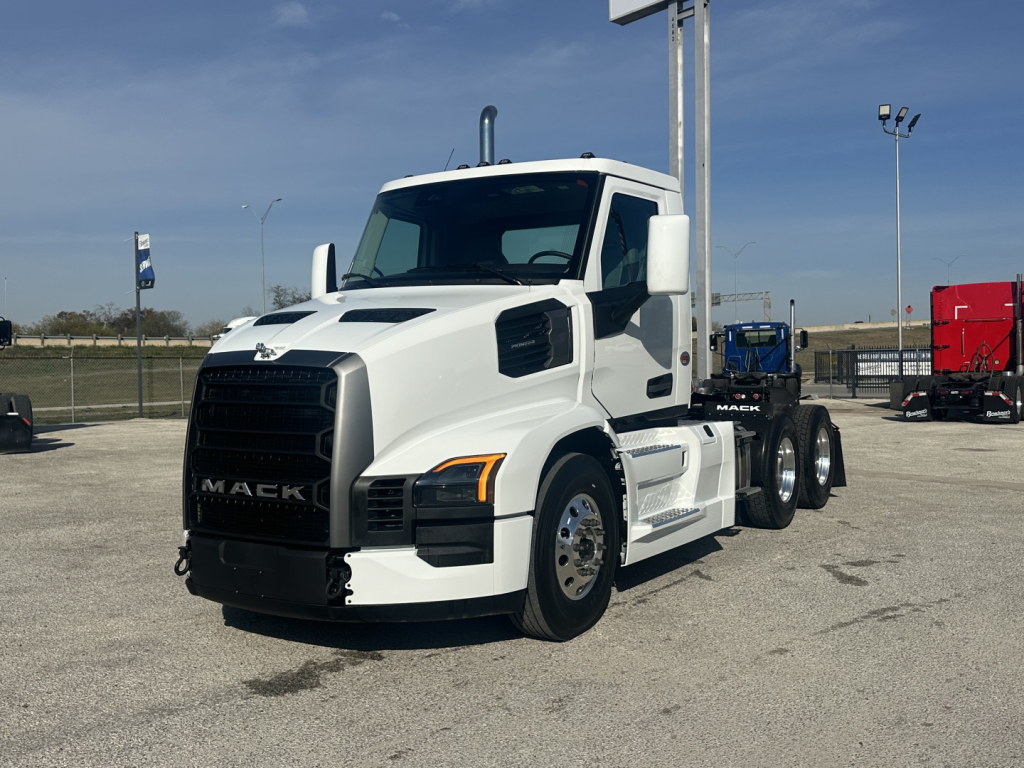
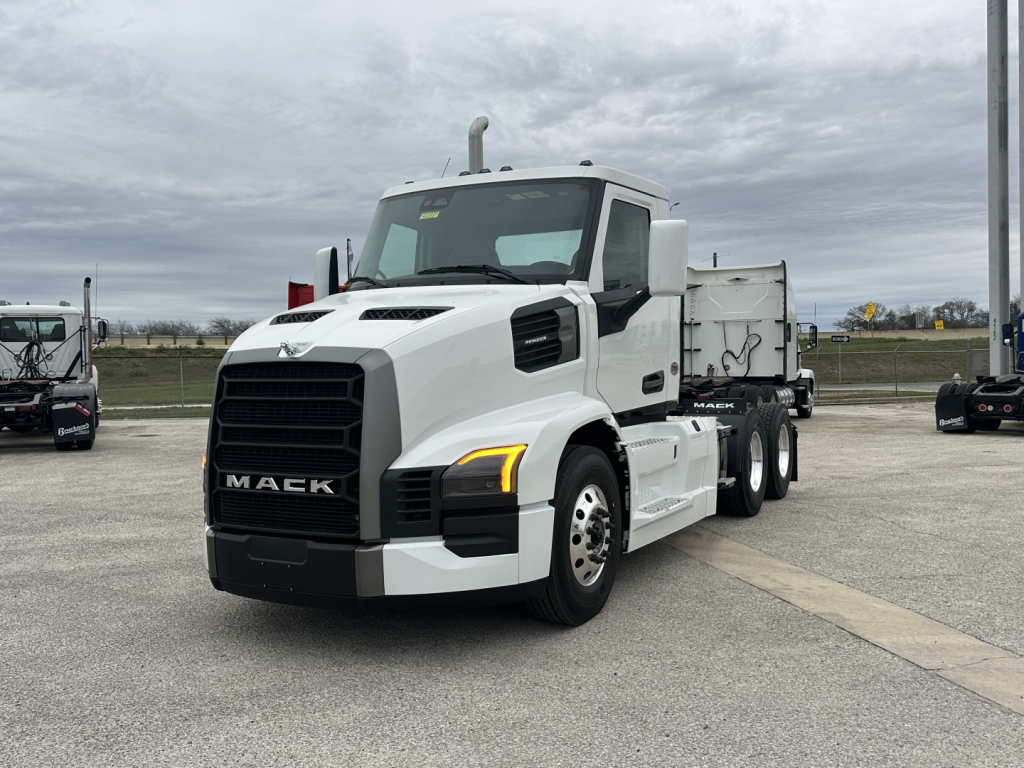
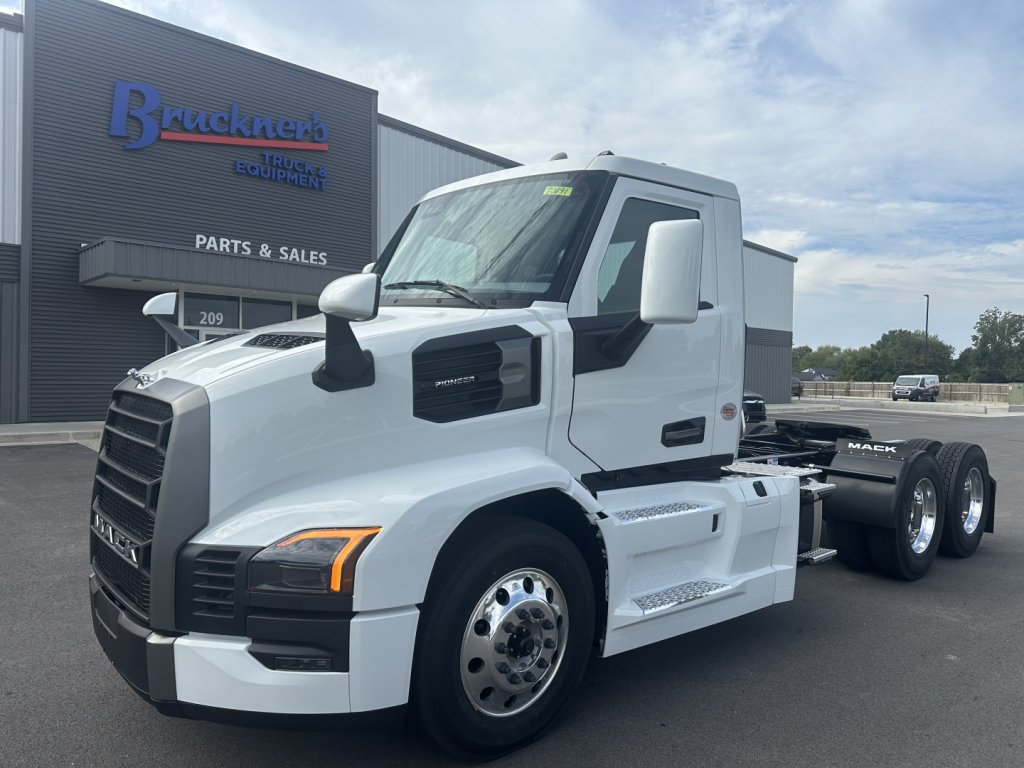
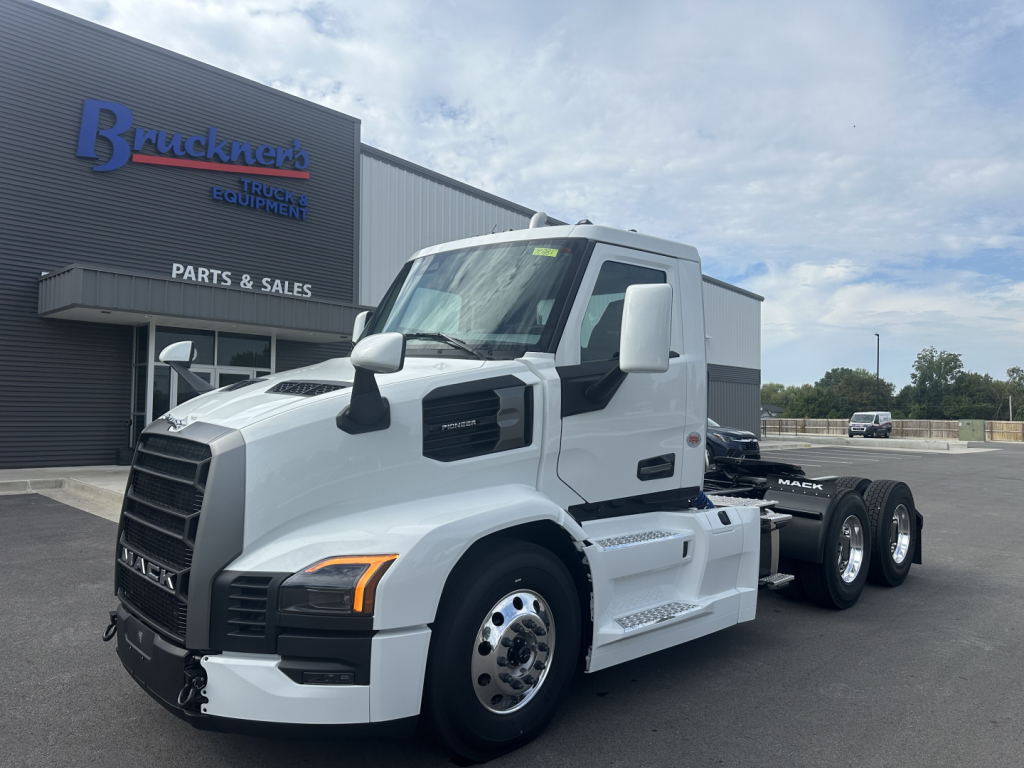
Selling a new 2026 mack conventional daycab truck? List your new 2026 mack conventional daycab truck for sale and reach thousands of commercial buyers.
New 2026 Mack Conventional Daycab Trucks
Current Mack daycab specs often center on MP-series engines, commonly the MP8 and in heavier or high-demand applications the MP13, matched with the Mack mDRIVE automated manual transmission. Buyers comparing new Mack conventional daycab trucks should pay close attention to horsepower and torque ratings, but also to GCWR, axle spread, suspension type, and intended duty cycle. A 13,200 lb to 14,600 lb steer axle and 40,000 lb tandem rears are common fleet-friendly specs, while air ride suspension, full locking differentials, and JOST air-slide fifth wheels are frequent options depending on lane and trailer mix. Rear axle ratios such as 3.36, 3.56, or similar can materially affect startability, cruise RPM, and fuel economy.
For linehaul and regional freight, a Mack day cab is often spec'd for driver comfort and uptime as much as for pulling power. The absence of a sleeper reduces overall length and can improve maneuverability in urban terminals, tight yards, and customer docks. Buyers should look at wheelbase, bumper-to-back-of-cab dimensions, and cab equipment such as seating, visibility, collision mitigation systems, and telematics support. If the truck will see mixed service, details like frame reinforcement, PTO provisions, dual stacks, wet kit compatibility, and front stabilizer configuration can matter just as much as engine output.
New 2026 Mack conventional daycab trucks appeal to buyers who want modern emissions technology, current safety systems, and a factory-fresh maintenance baseline. The best spec depends on the route and trailer more than the badge on the hood. A regional van or reefer tractor may prioritize fuel economy and overdrive gearing, while dump, tanker, heavy local haul, or severe-service work may call for higher horsepower, heavier axle ratings, and more aggressive driveline components. Reviewing the full chassis specification is the fastest way to separate a day cab built for general freight from one built for demanding vocational duty.
Frequently Asked Questions about New 2026 Mack Conventional Daycab Trucks
What is a Mack conventional daycab truck best suited for?
A Mack conventional daycab is best suited for operations where the driver returns home daily and sleeper space is unnecessary. Common uses include regional freight, dedicated routes, drayage, tanker work, dump applications, bulk haul, and local vocational service. The conventional hood design provides engine access and allows the truck to be spec'd across a wide range of highway and work-truck applications.
What engine and transmission options are common in new Mack daycab trucks?
Many new Mack daycab trucks are equipped with Mack MP-series diesel engines, most often the MP8, with higher-output applications sometimes using the MP13. These engines are frequently paired with the Mack mDRIVE automated manual transmission in 12-speed or 13-speed configurations. The exact combination should be selected based on gross combined weight, terrain, trailer type, and how often the truck will operate in stop-and-go conditions versus sustained highway speeds.
Which specs matter most when comparing Mack conventional daycabs?
The most important specs are axle ratings, wheelbase, suspension type, rear axle ratio, engine torque, transmission gearing, and fifth wheel configuration. Buyers should also verify frame section, PTO capability, differential locks, fuel capacity, and cab equipment. These details determine how well the truck fits the intended application, from fuel-efficient regional van service to heavier vocational or bulk hauling work.
Is a daycab better than a sleeper for regional fleet use?
A daycab is often the better choice when overnight accommodations are not needed. It reduces chassis length, can lower curb weight, and usually improves maneuverability in terminals and urban delivery environments. For regional fleets with predictable same-day returns, a daycab can be a more efficient and practical spec than a sleeper, provided the wheelbase and fuel capacity match the route structure.
Why do rear axle ratio and suspension choice matter on a Mack daycab?
Rear axle ratio affects launch performance, gradeability, cruise RPM, and fuel economy. A numerically higher ratio generally favors heavier loads and startability, while a lower ratio often supports lower engine speed at highway cruise. Suspension choice also matters because air ride can improve ride quality and freight protection, while other suspension setups may be preferred for durability or stability in vocational service. These two spec areas have a direct impact on operating cost and job suitability.