
New 2026 Mack Conventional Daycab Trucks For Sale in Texas
Shop new 2026 Mack conventional daycab trucks in Texas. Compare MP13 power, mDRIVE specs, axle ratings, wheelbases, and daycab applications.
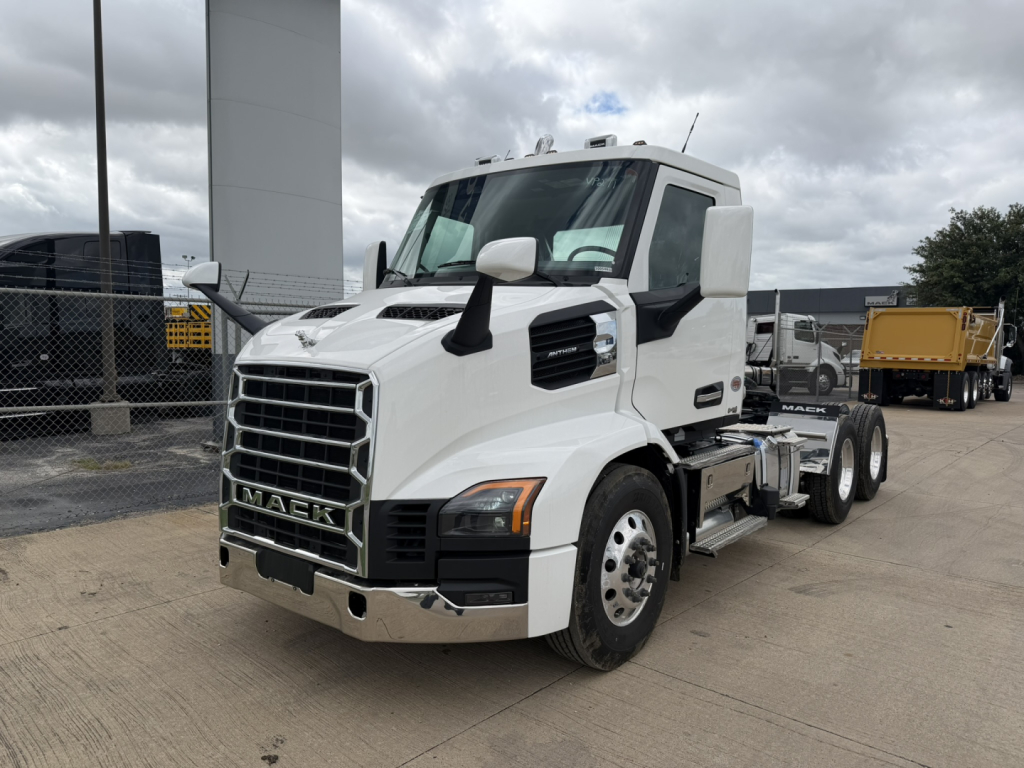
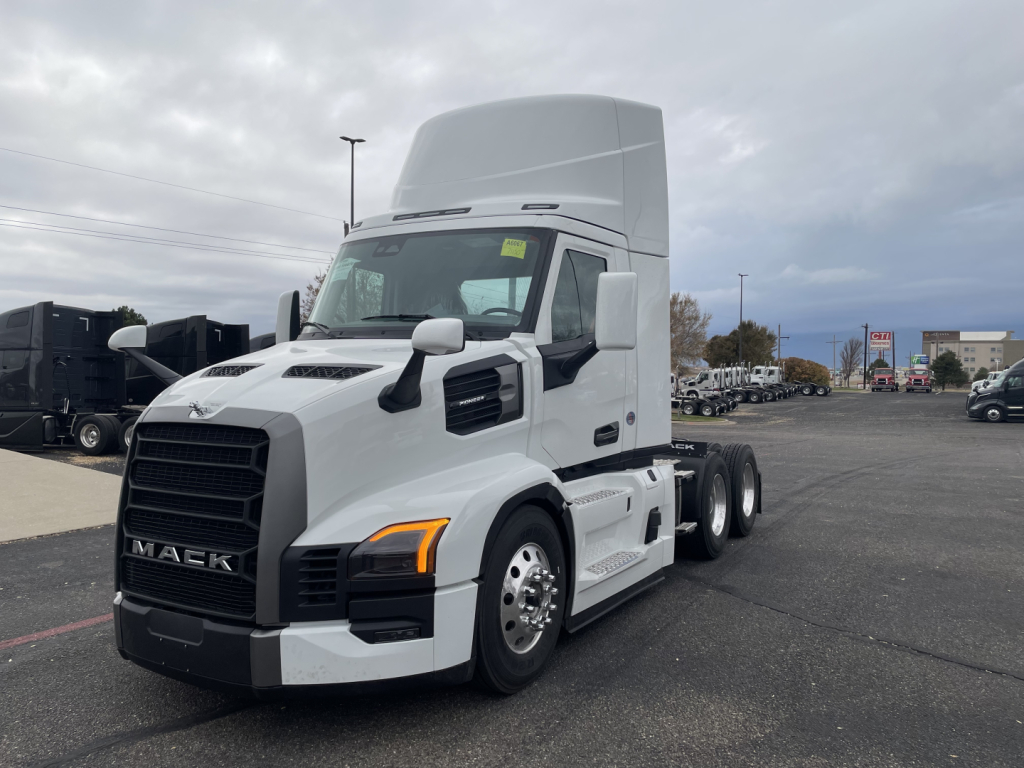
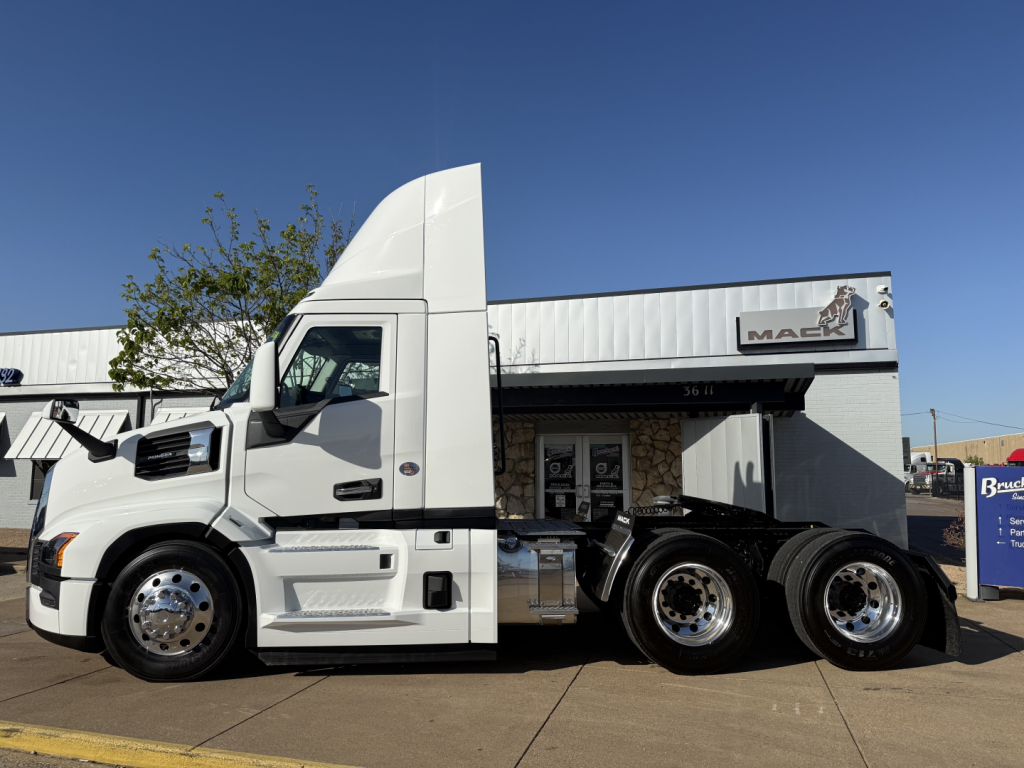
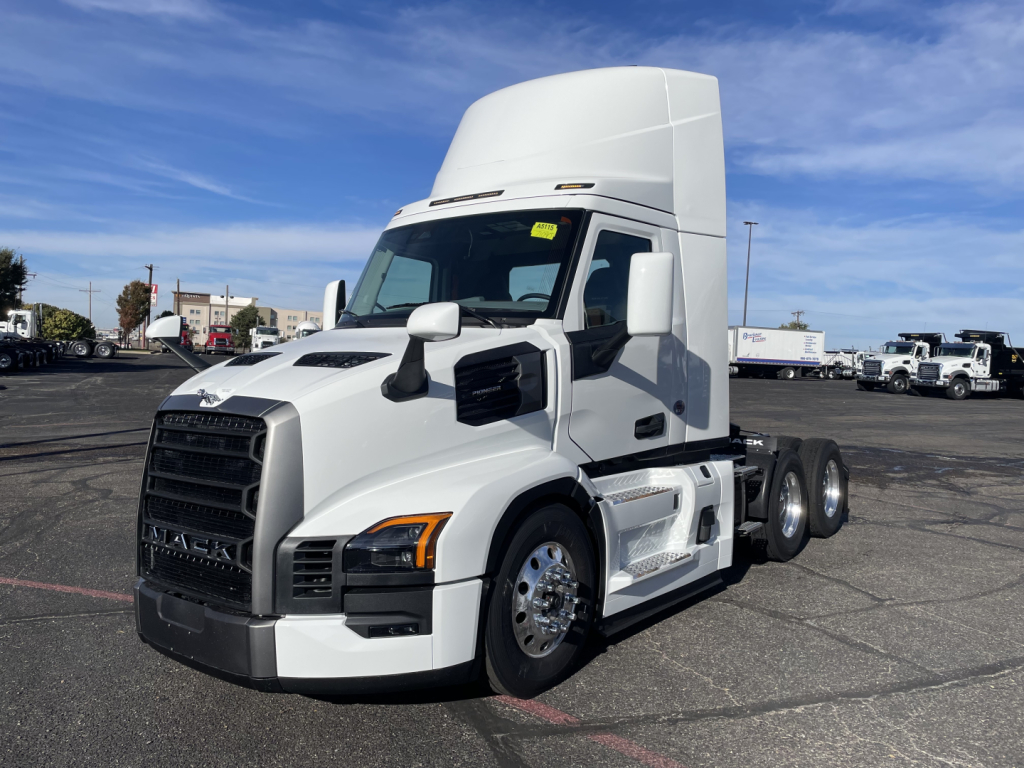
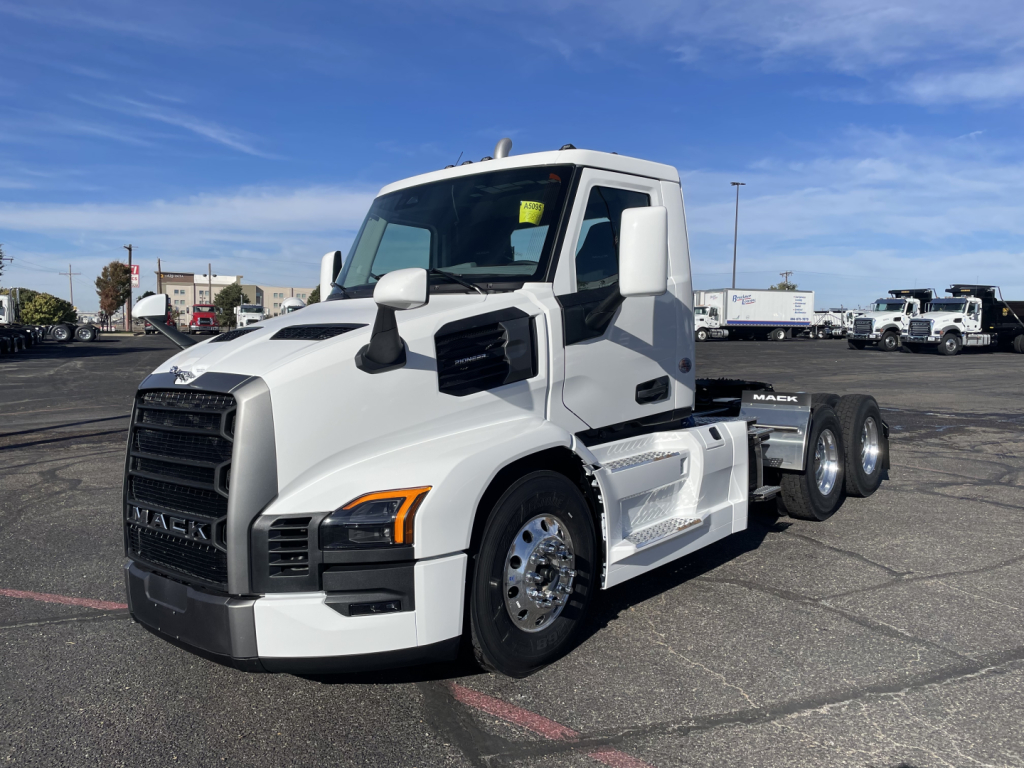
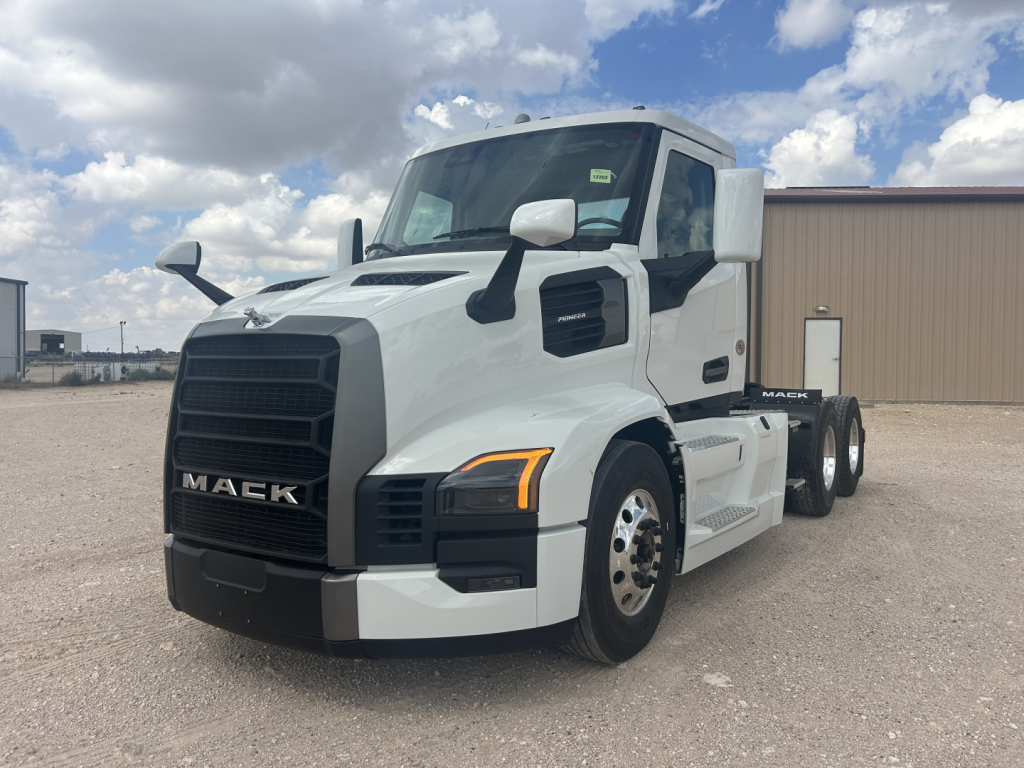
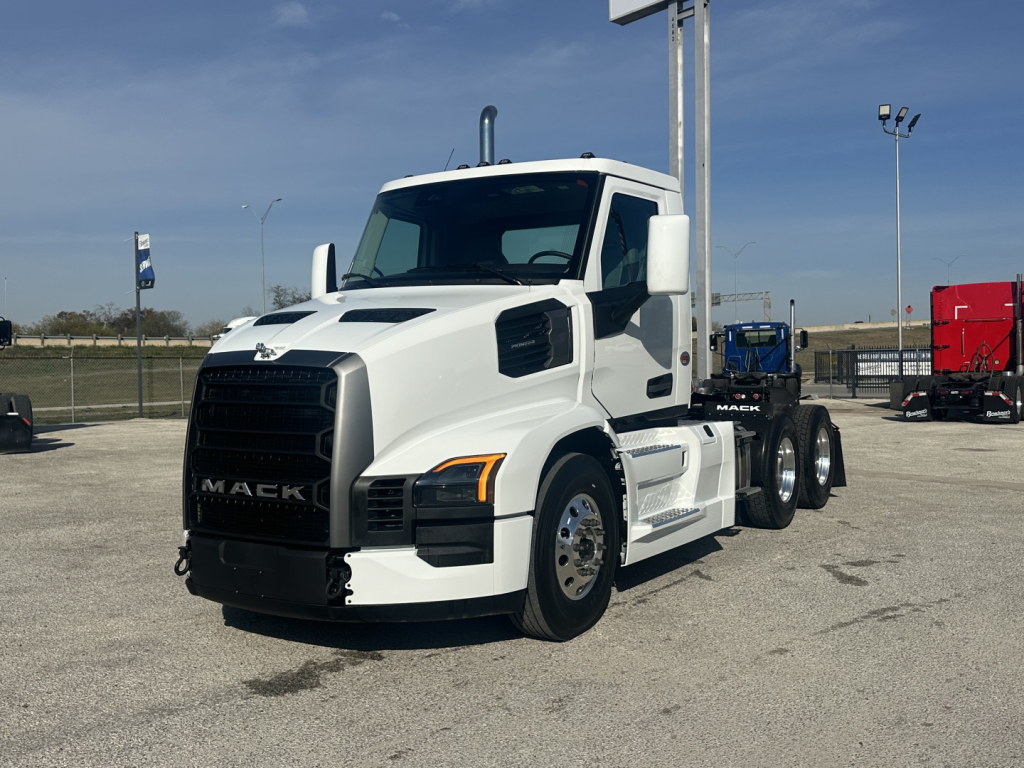
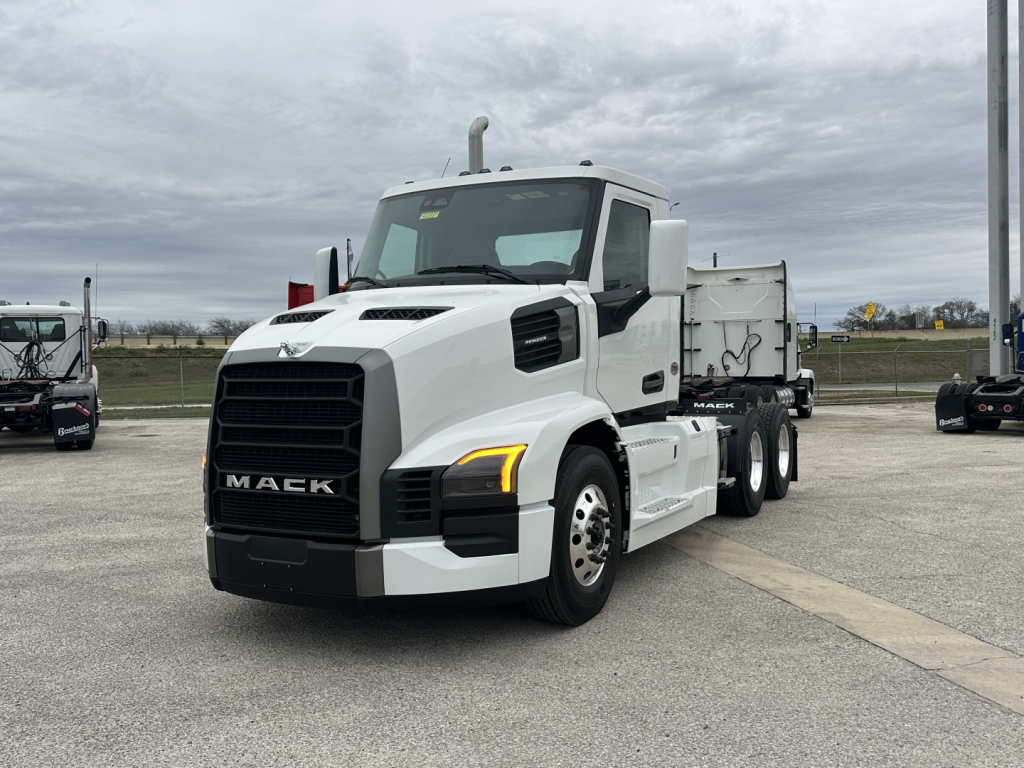
Selling a new 2026 mack conventional daycab truck? List your new 2026 mack conventional daycab truck for sale and reach thousands of commercial buyers.
New 2026 Mack Conventional Daycab Trucks in Texas
The key buying decision usually starts with the powertrain and rear axle ratio. Many late-model Mack daycabs are spec'd with the MP13 engine in ratings around the mid-400 horsepower range, often paired with the Mack mDRIVE automated manual transmission. That combination is popular because it balances fuel economy, drivability, and low-driver-fatigue operation in mixed highway service. Buyers should match horsepower, torque, and gearing to the intended duty cycle. A lower numerical ratio like 3.08 can help on highway fuel economy, while heavier regional or vocational pulls may justify a different ratio for startability and grade performance. Front axle ratings around 12,000 to 13,000 pounds and tandem rears around 40,000 pounds are common on 6x4 tractors, but the right spec depends on trailer weight, bridge law considerations, and how often the truck will operate off pavement or under full load.
Chassis layout matters just as much as engine spec. Wheelbases in the mid-180-inch range are common on conventional daycab tractors because they leave room for fuel capacity, fairings, and fifth wheel placement without sacrificing maneuverability. Sliding fifth wheels, including air-slide setups, are useful for fleets that pull multiple trailer lengths or need flexibility in kingpin settings and axle loading. Dual fuel tanks in the 75- to 100-gallon range are also common, especially for regional routes where fewer fuel stops improve utilization. Buyers comparing Texas-spec daycabs should also look closely at braking systems, suspension, and traction equipment. Full disc brakes can improve stopping consistency and serviceability in some applications, while interaxle and interwheel differential locks are valuable for construction entrances, oilfield access roads, and wet yard conditions.
Cab environment and driver-assist equipment have become a bigger part of the value equation on new Mack daycab trucks. Premium trim packages, aluminum wheels, roof or chassis fairings, adaptive cruise, and collision-mitigation systems are now common features on higher-spec units. For operations trying to retain drivers on dense regional schedules, seat comfort, switch layout, visibility, and automated transmission calibration can matter nearly as much as rated horsepower. A well-spec'd Mack conventional daycab should be judged on total application fit: engine and transmission pairing, axle ratings, fifth wheel setup, fuel capacity, braking package, and the kind of routes it will run every day.
Frequently Asked Questions about New 2026 Mack Conventional Daycab Trucks in Texas
What are Mack conventional daycab trucks best used for?
Mack conventional daycab trucks are commonly used for regional haul, local delivery, tanker work, flatbed service, dedicated route operations, and vocational tractor applications. A daycab is designed for operations where the driver returns the same day or does not need sleeper space. Compared with a sleeper tractor, a daycab usually offers lower curb weight, easier maneuvering, simpler cab access, and a chassis layout that works well for frequent trailer swaps and urban or regional routing.
What engine and transmission are common in new Mack daycab tractors?
A common configuration in newer Mack conventional daycab trucks is the Mack MP13 engine paired with the Mack mDRIVE automated manual transmission. This setup is widely chosen for its balance of horsepower, torque delivery, fuel efficiency, and ease of operation. Exact ratings vary by application, but many buyers look in the mid-400 horsepower range for general freight and regional service. The best spec depends on gross combination weight, terrain, average speed, and the amount of stop-and-go work in the duty cycle.
How do I choose the right axle ratio and wheelbase for a Mack daycab?
Axle ratio and wheelbase should be selected based on trailer type, loaded weight, road speed, and turning requirements. A taller highway ratio such as 3.08 can support fuel-efficient cruise performance in regional highway service, while heavier or more demanding applications may need a ratio that improves launch and gradeability. Wheelbases in the mid-180-inch range are common because they balance maneuverability with space for fuel tanks, fairings, and fifth wheel travel. Buyers pulling different trailers should pay close attention to kingpin setting, bridge requirements, and sliding fifth wheel adjustment.
Are disc brakes and differential locks worth it on a Mack daycab?
They can be, especially when the truck sees variable terrain or mixed on-road and off-road conditions. Disc brakes are often valued for strong stopping performance, predictable brake feel, and reduced fade under repeated use. Differential locks are important when traction is limited, such as at construction sites, muddy yards, wet docks, or oilfield approaches. For a strictly highway tractor, these features may be less critical, but for many Texas operations they add useful capability and uptime protection.
What should buyers compare first on a new Mack daycab in Texas?
Start with the application-driven items that affect operating cost and performance every day: engine rating, transmission, rear axle ratio, axle capacities, wheelbase, fuel capacity, and fifth wheel type. After that, compare braking system, suspension, driver-assist technology, fairings, and interior trim. Texas buyers also tend to pay close attention to cooling performance, fuel range, and traction equipment because operating conditions can include long regional runs, high temperatures, heavy gross weights, and mixed highway or jobsite access.