
Mack Conventional Day Cab Trucks For Sale
Compare Mack conventional day cab trucks by MP8 or MP13 powertrain, axle gearing, PTO needs, and used-truck inspection priorities for US and Canadian routes.
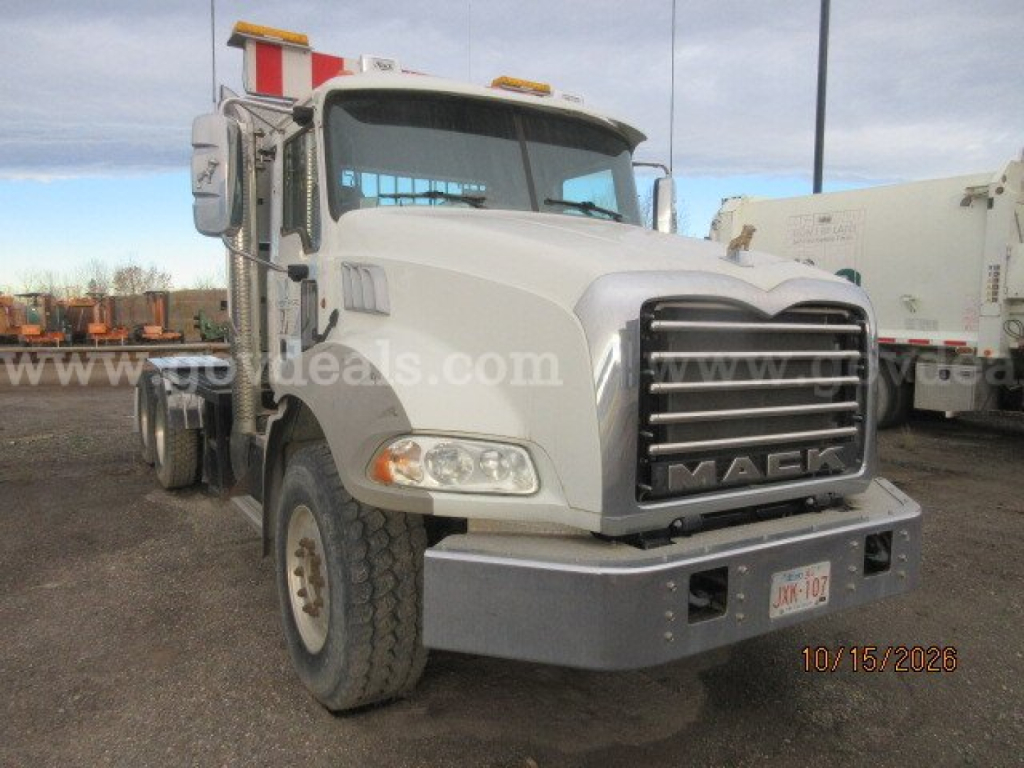
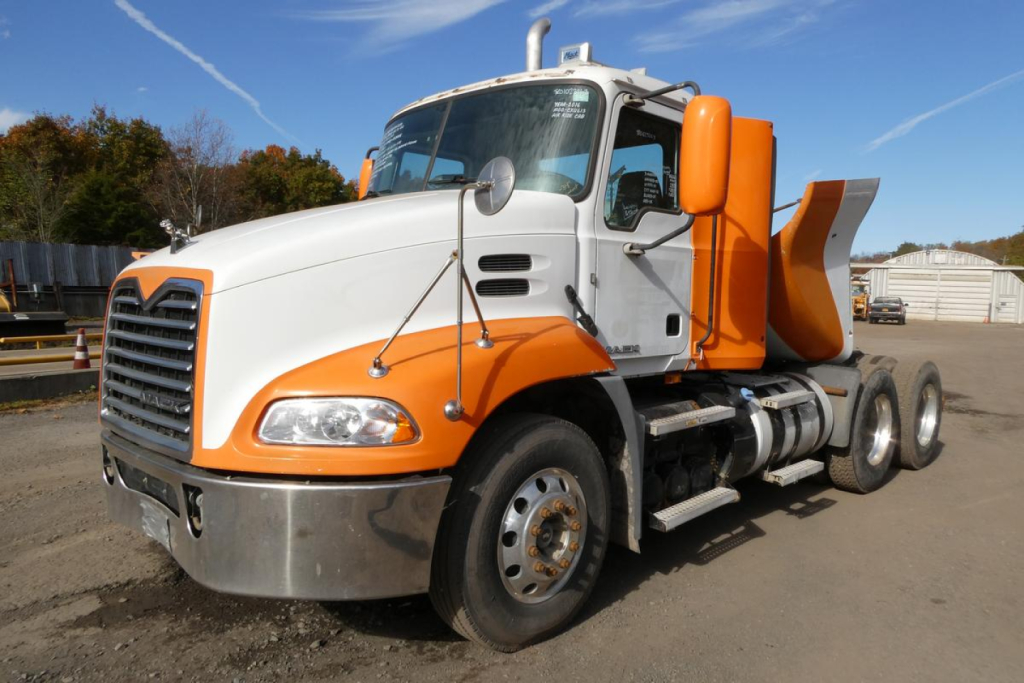
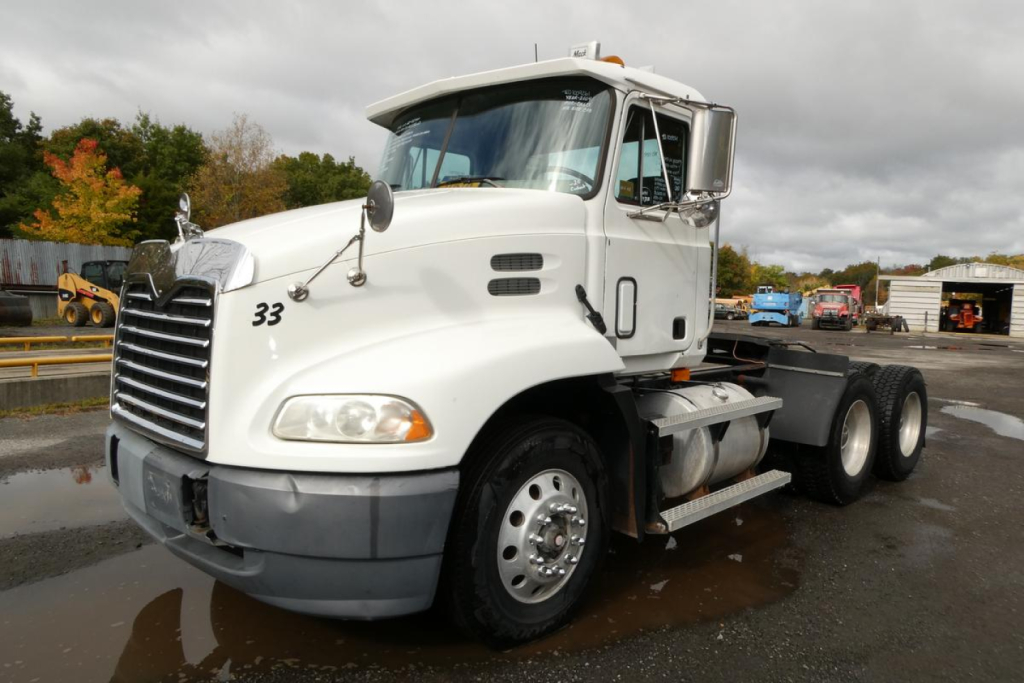
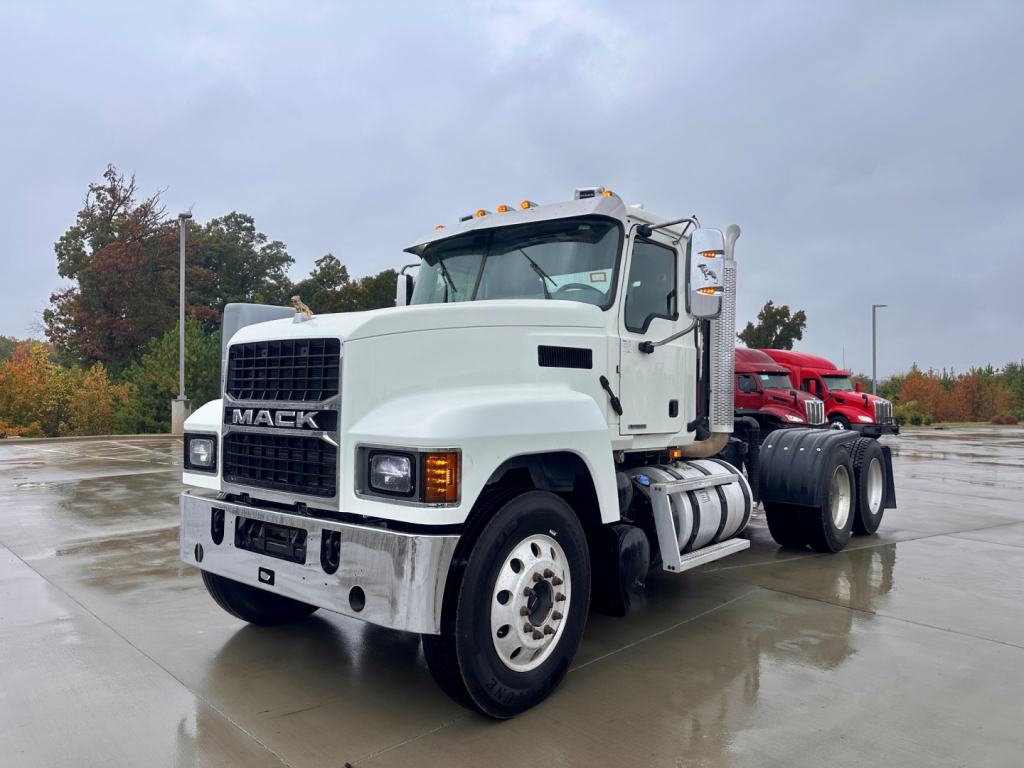
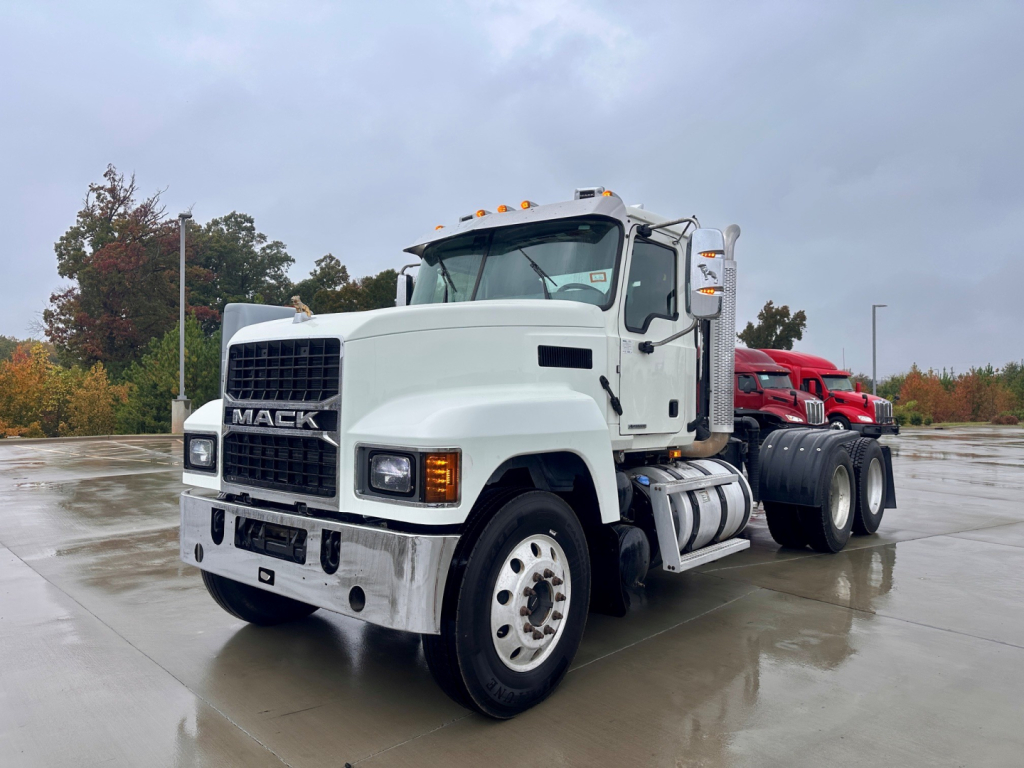
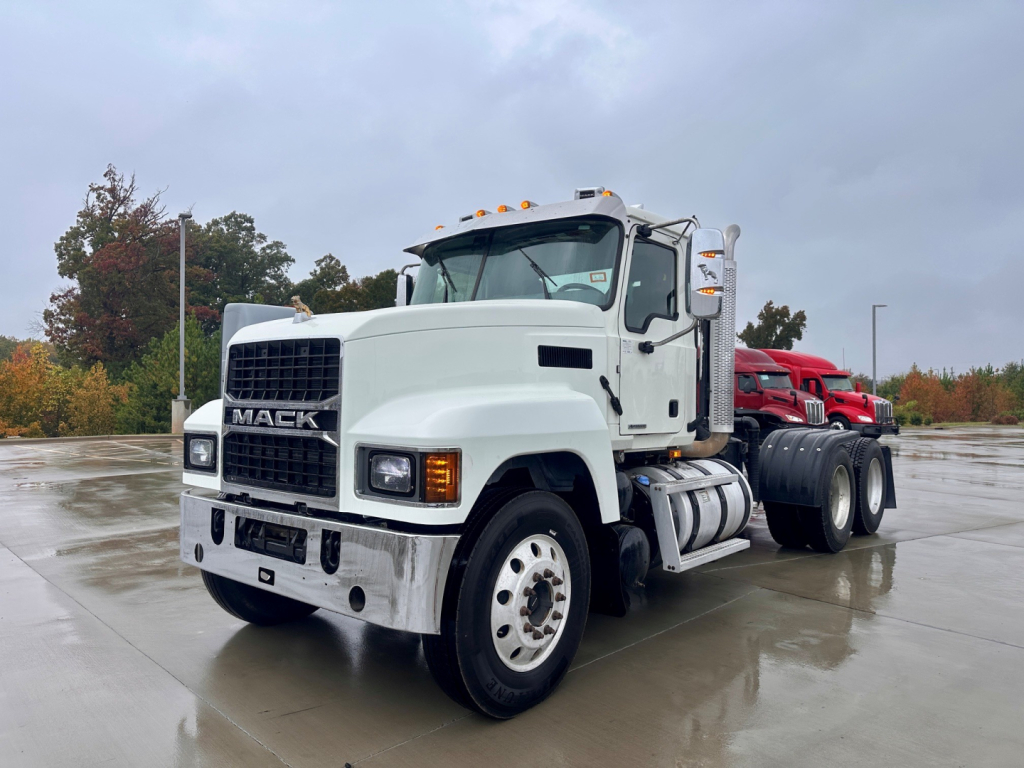
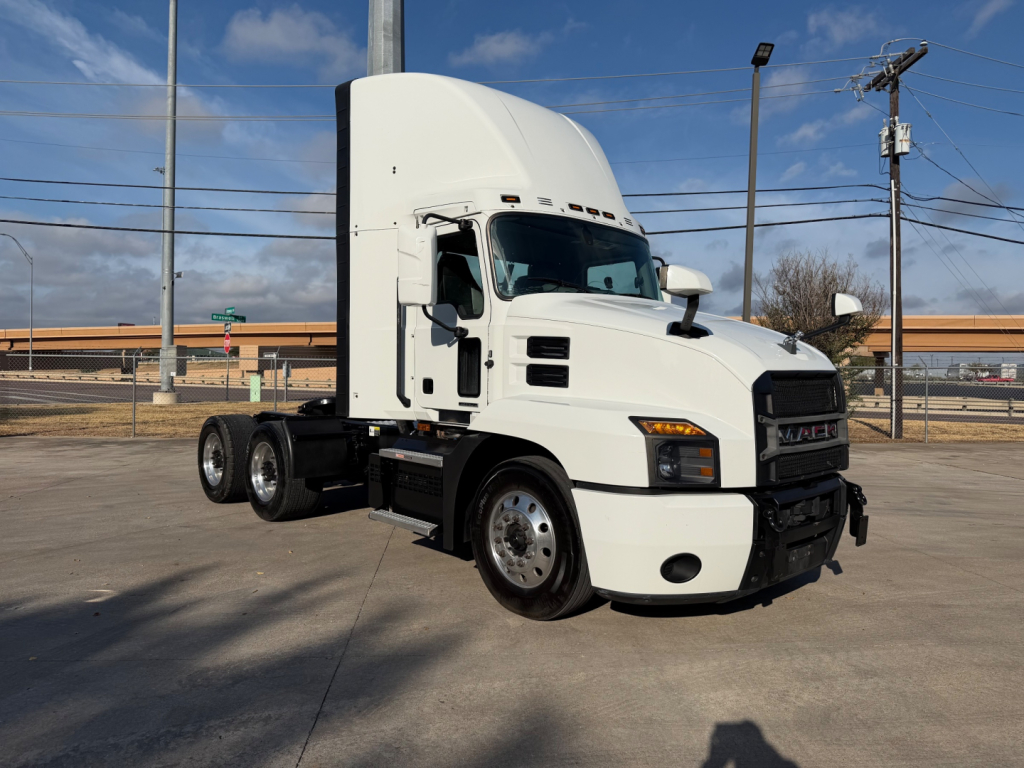
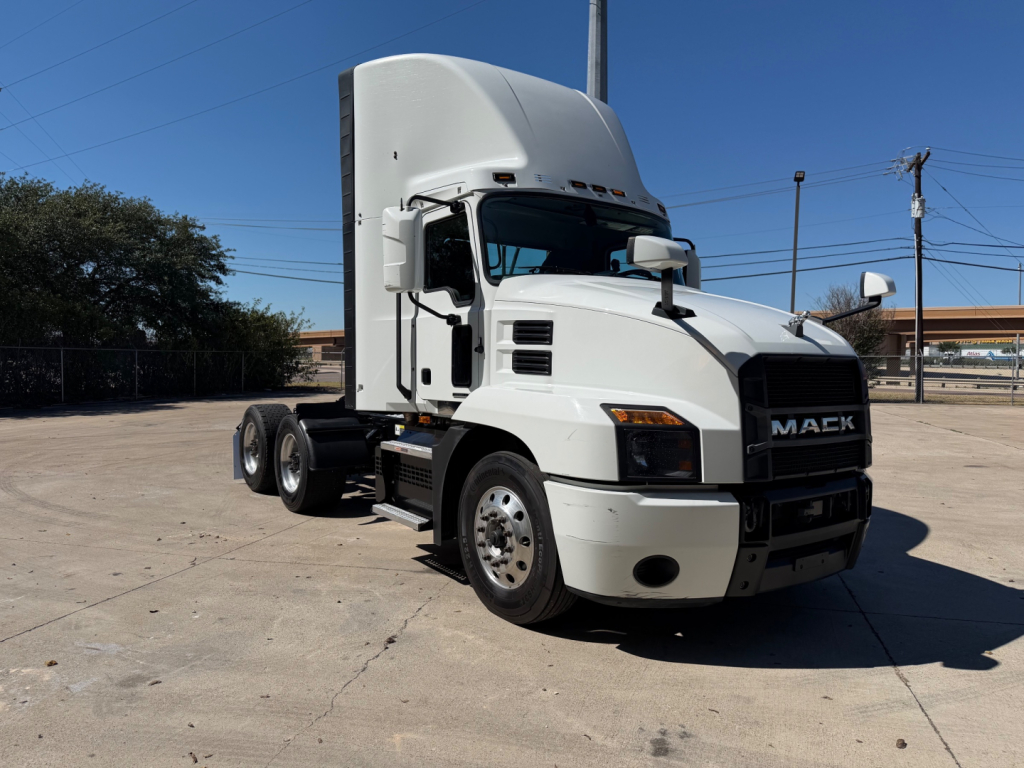
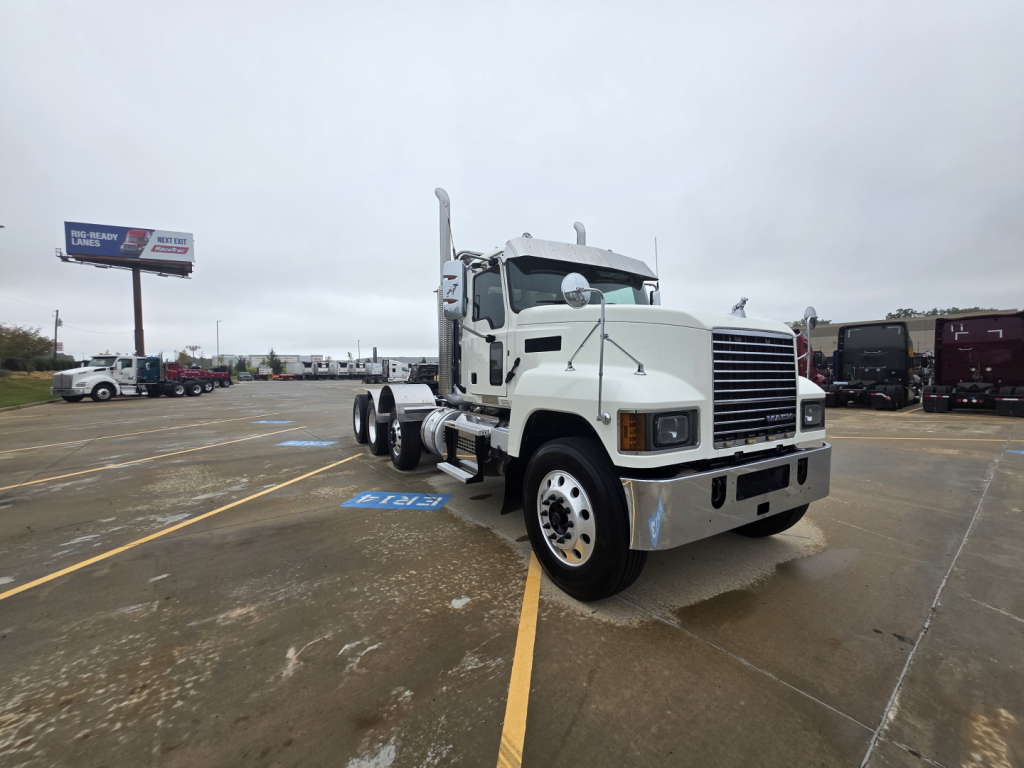
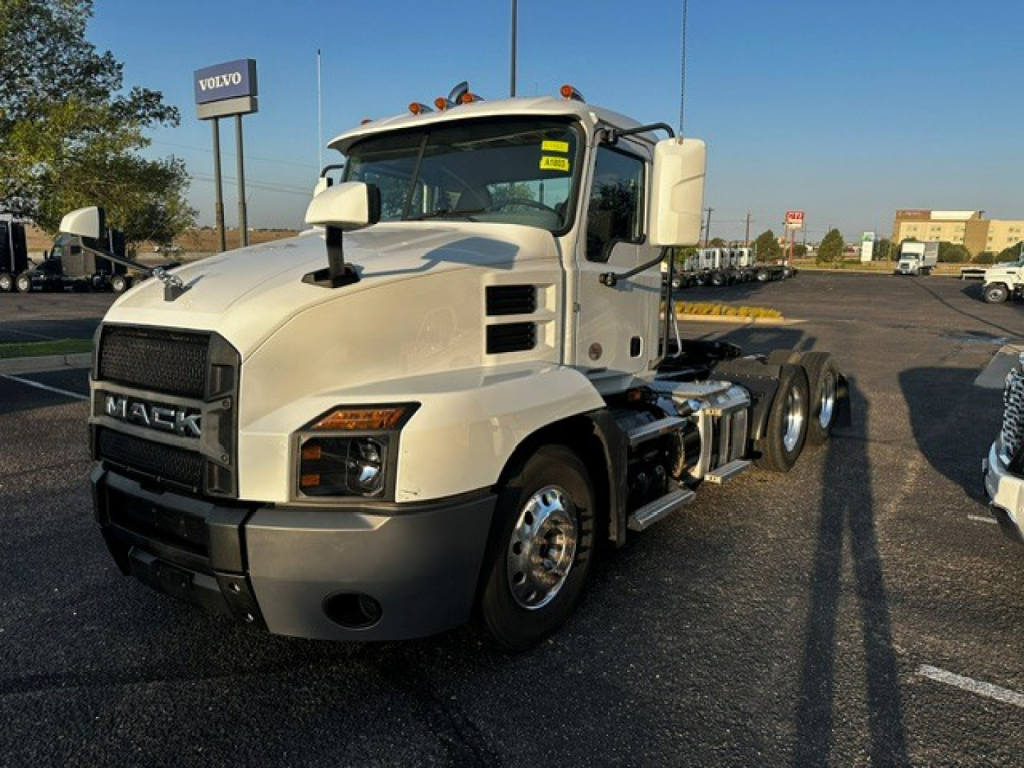
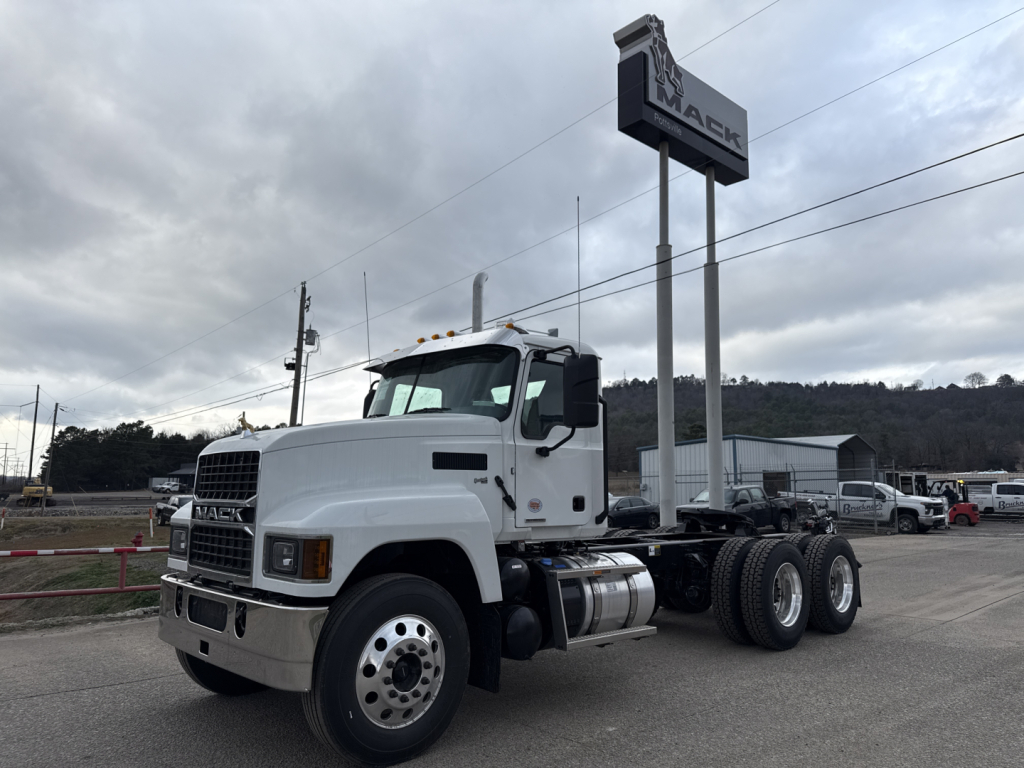
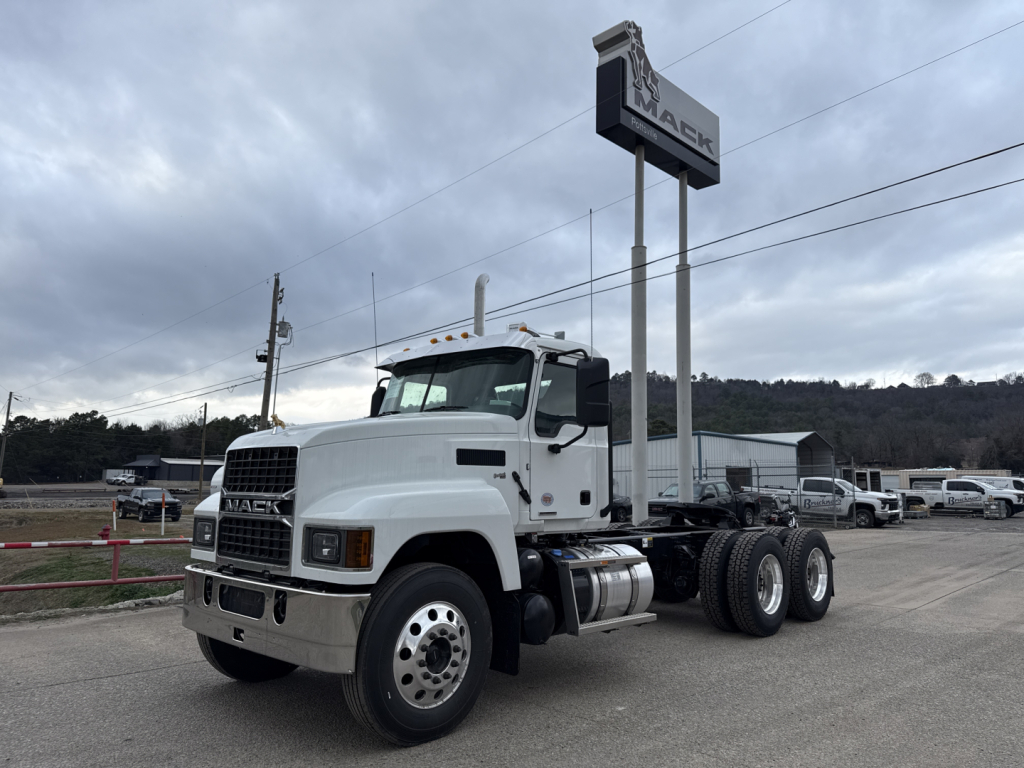
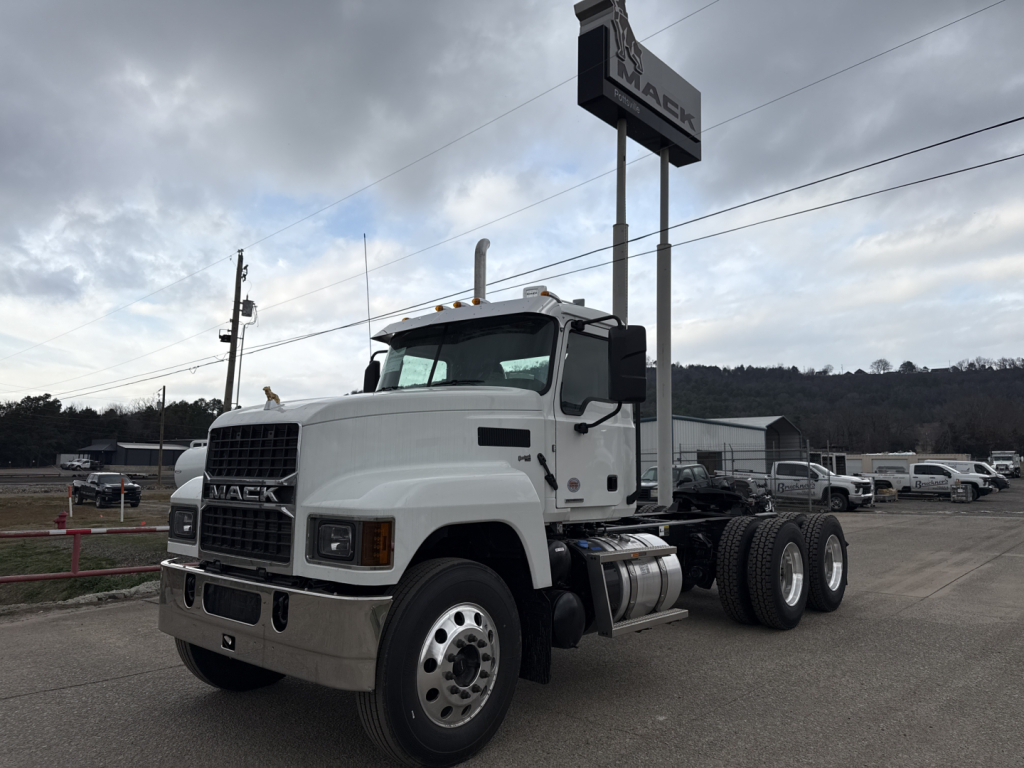
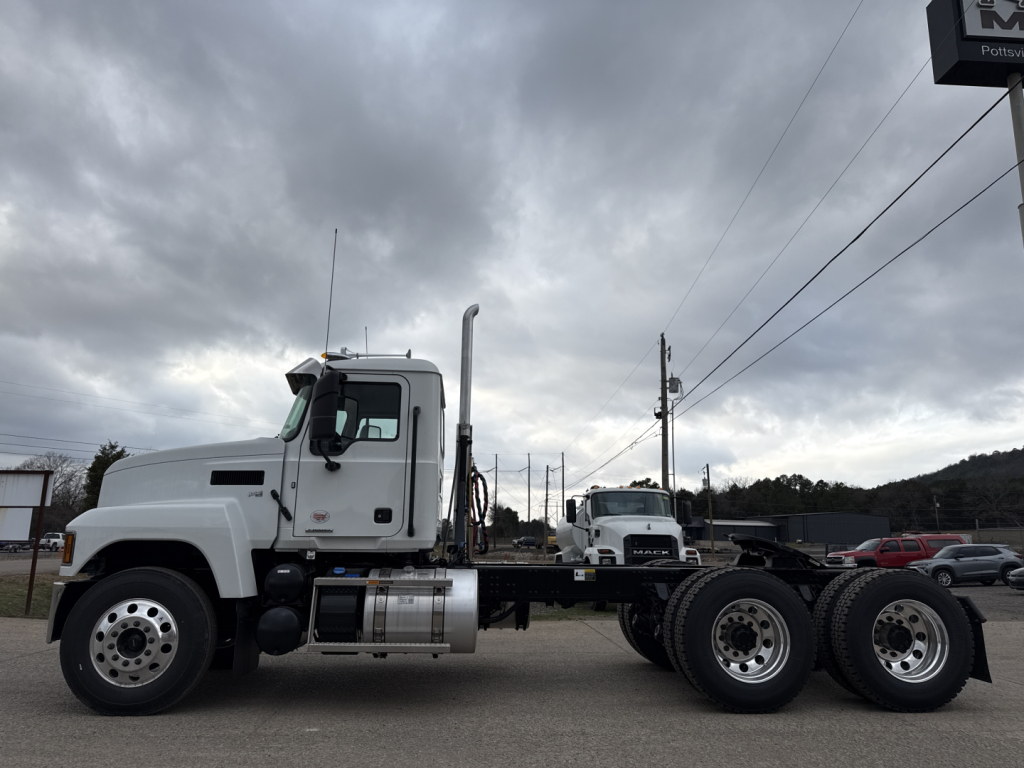
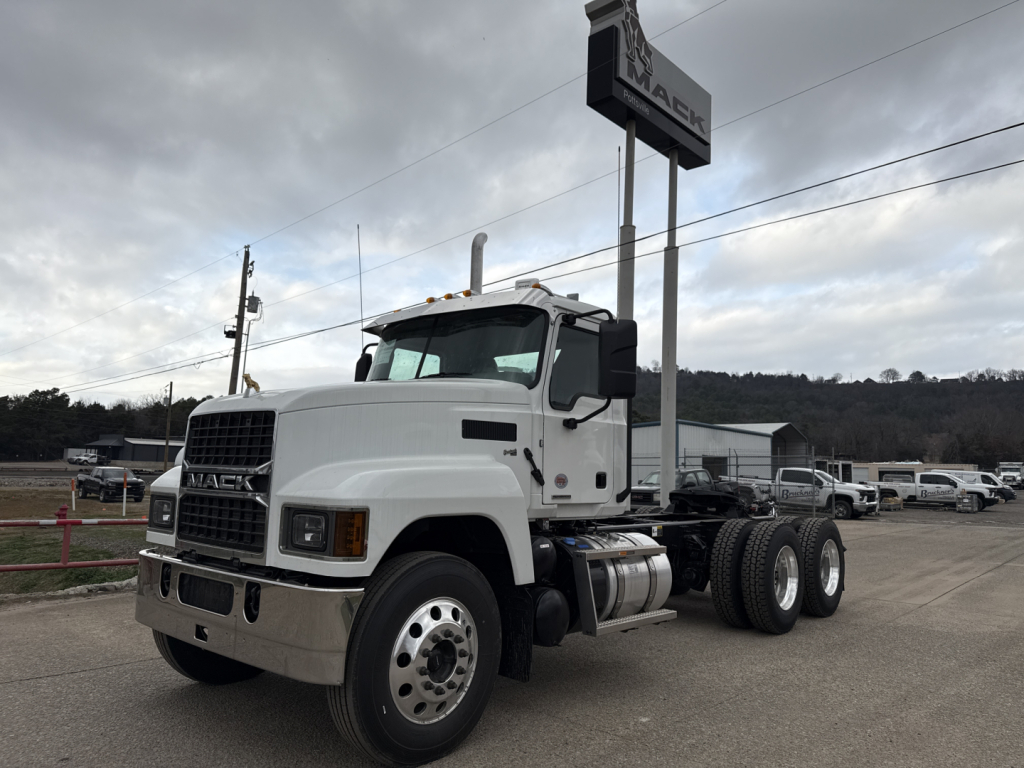
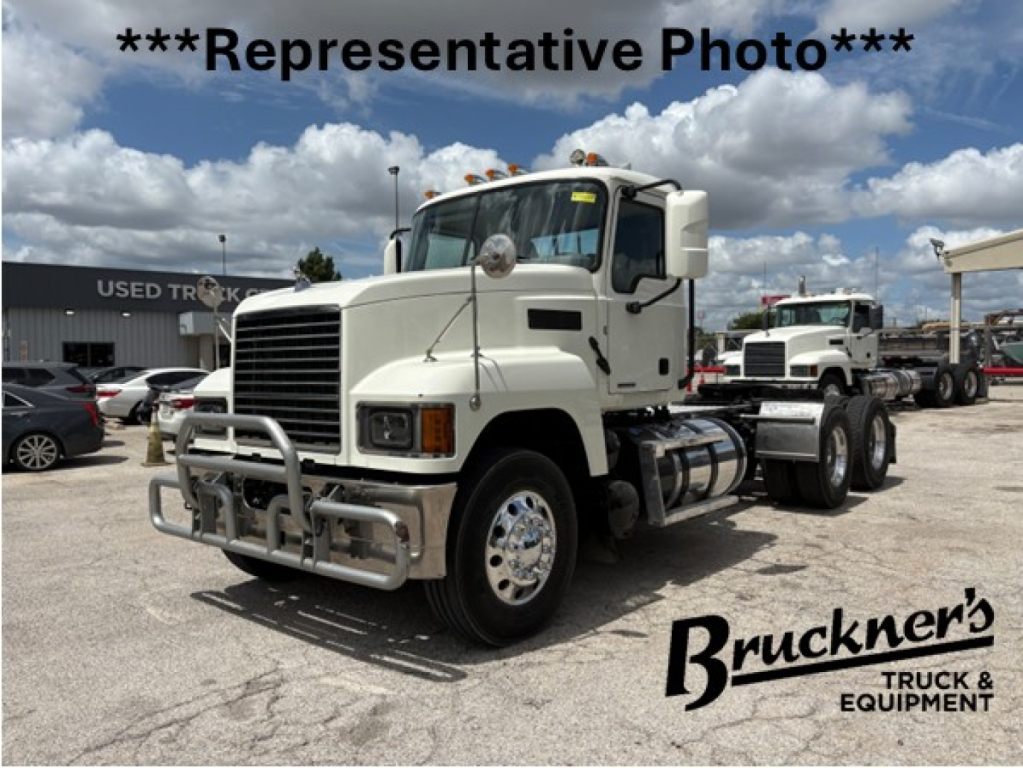
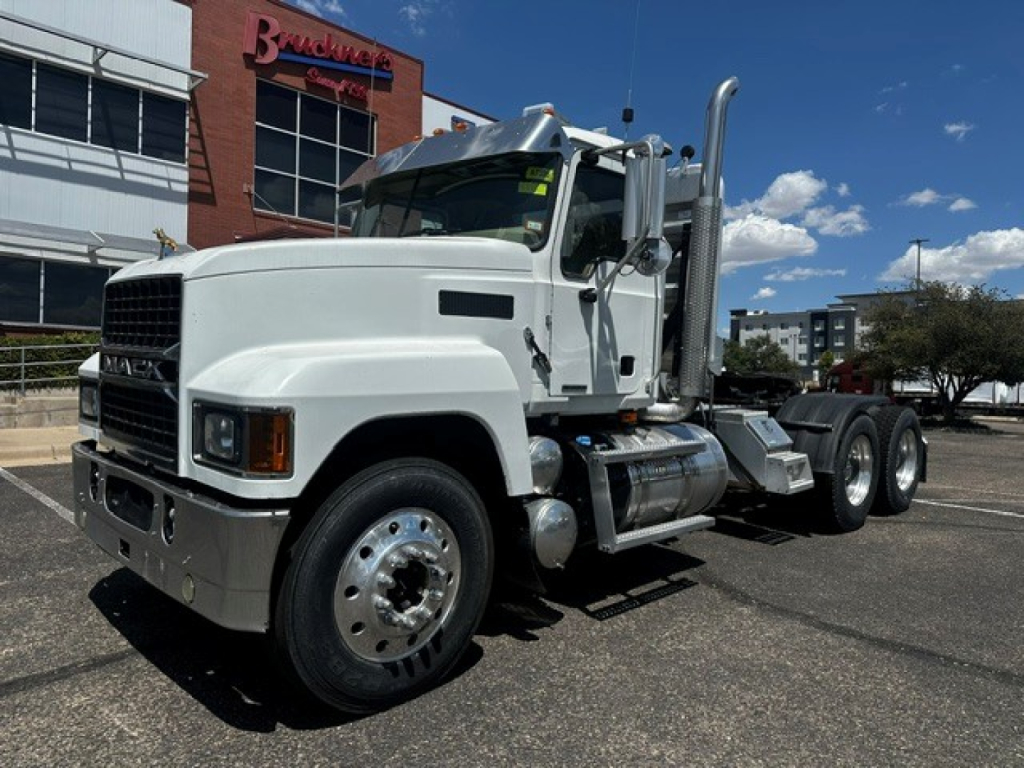
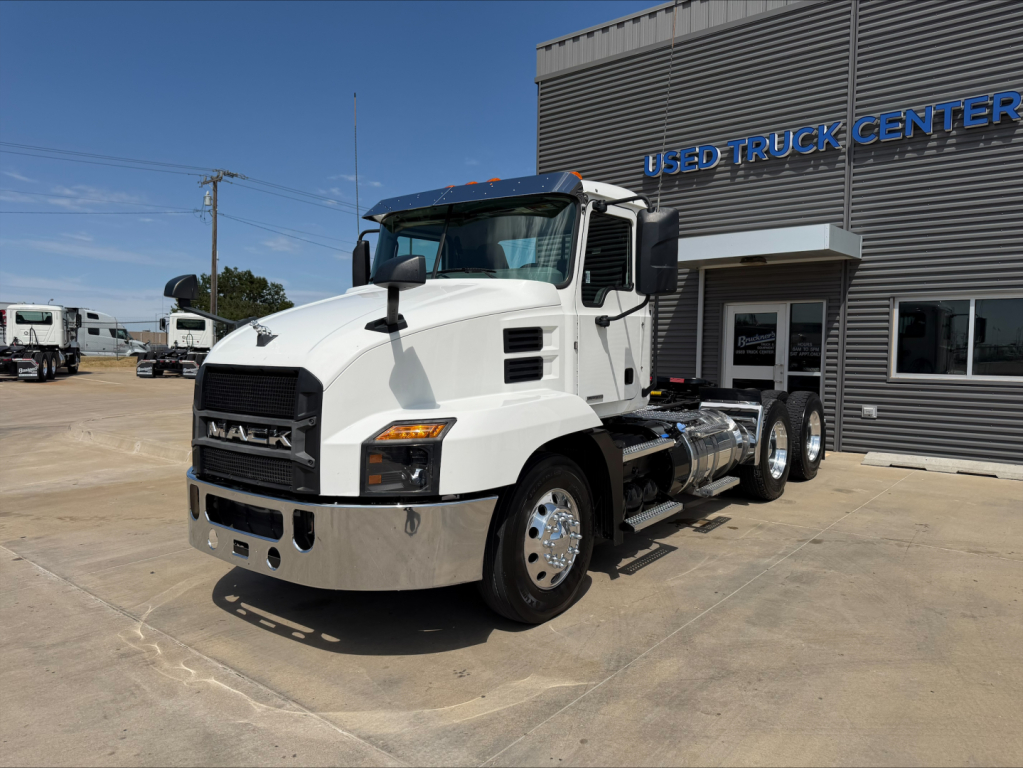
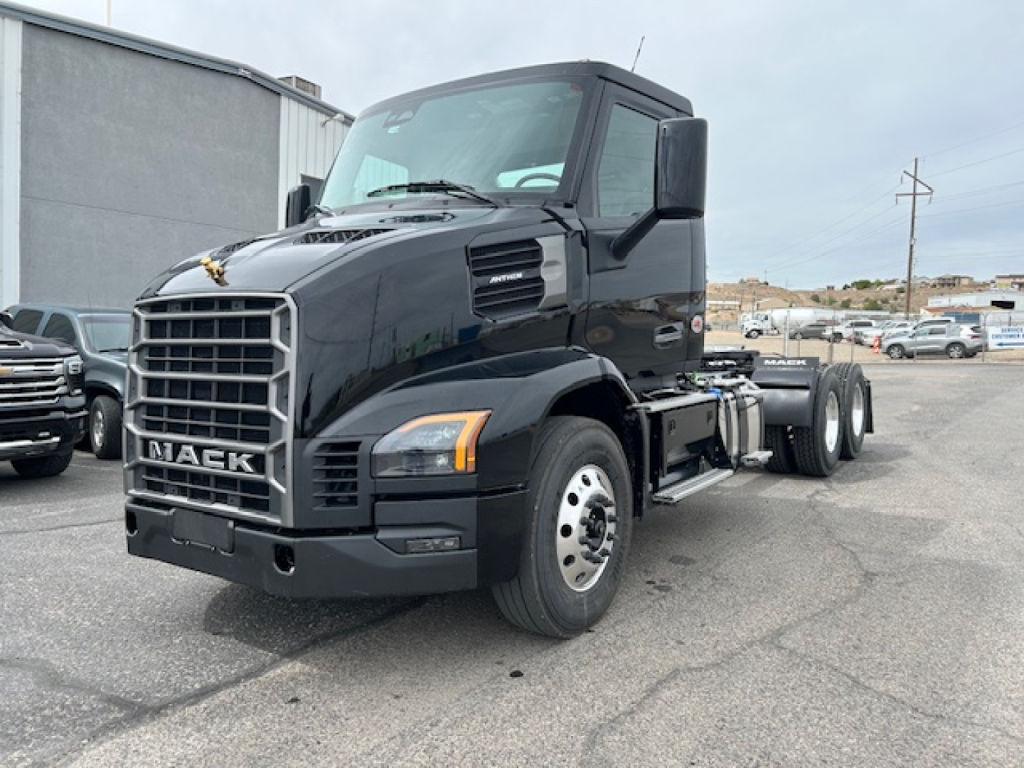
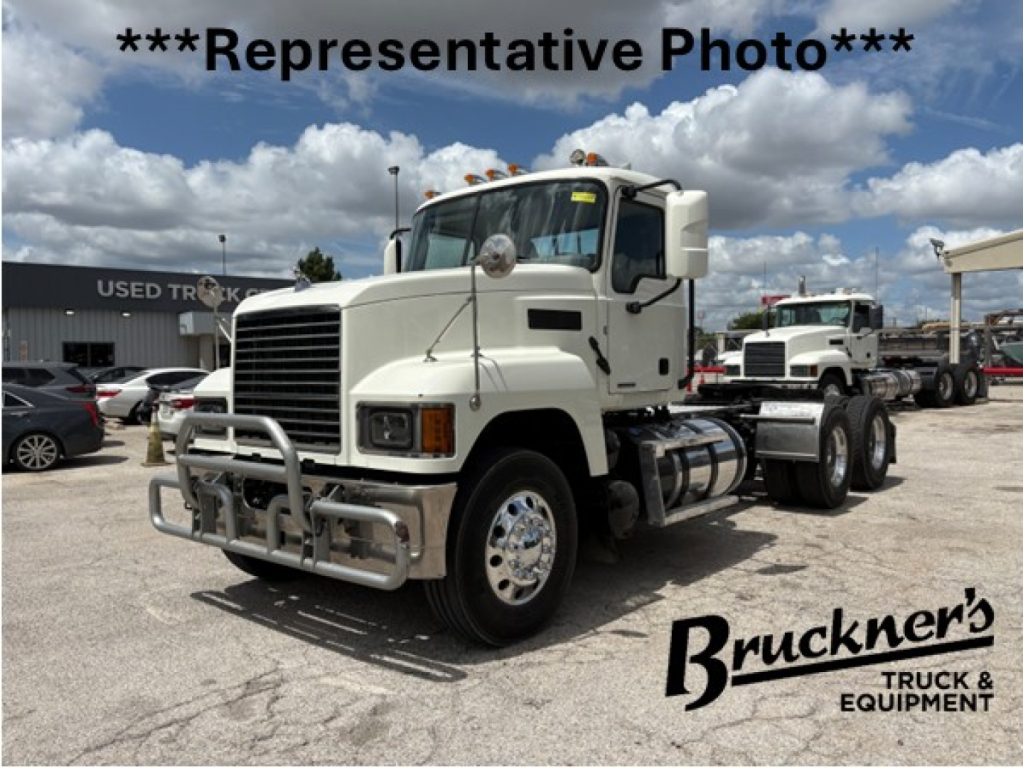
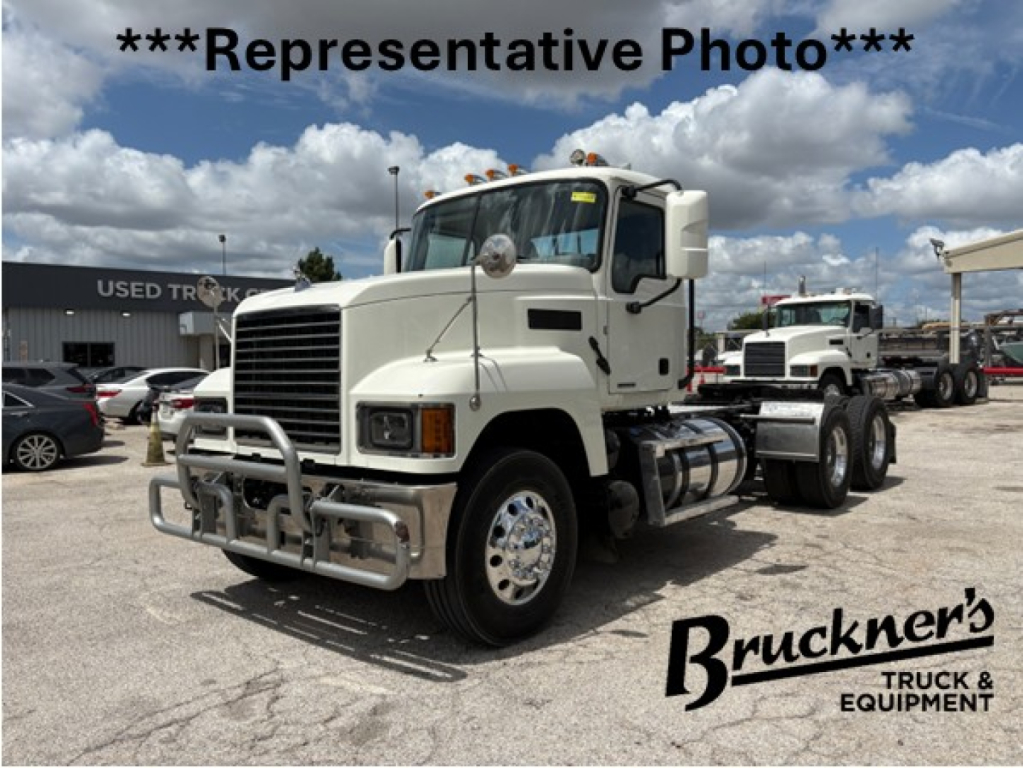
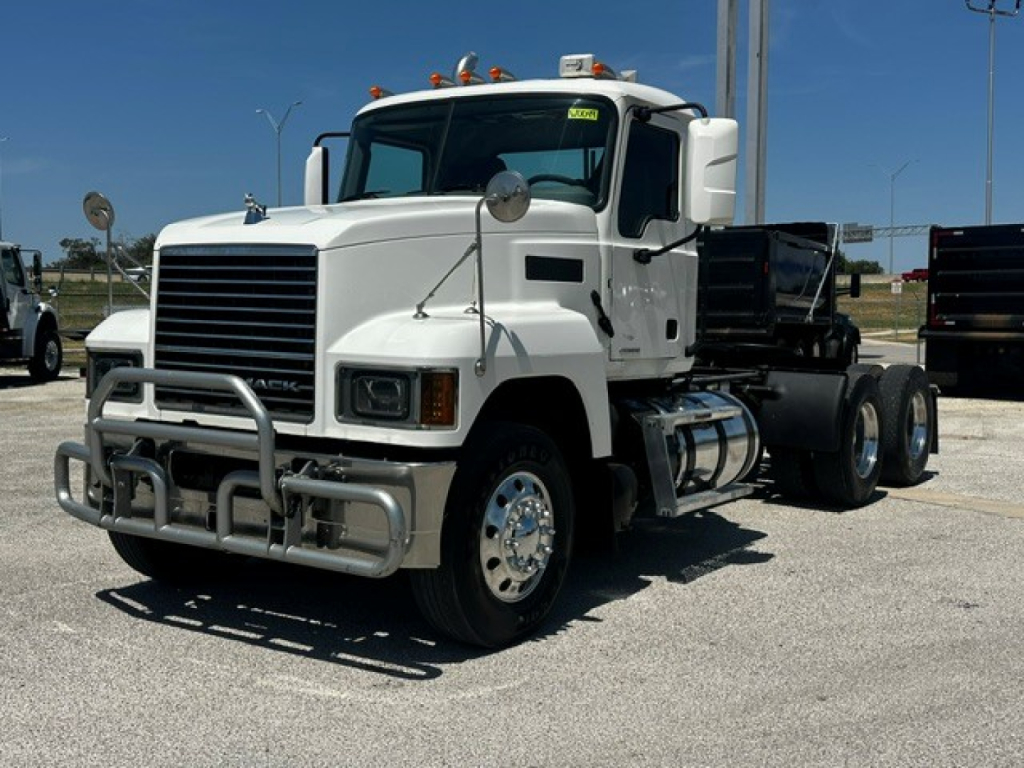
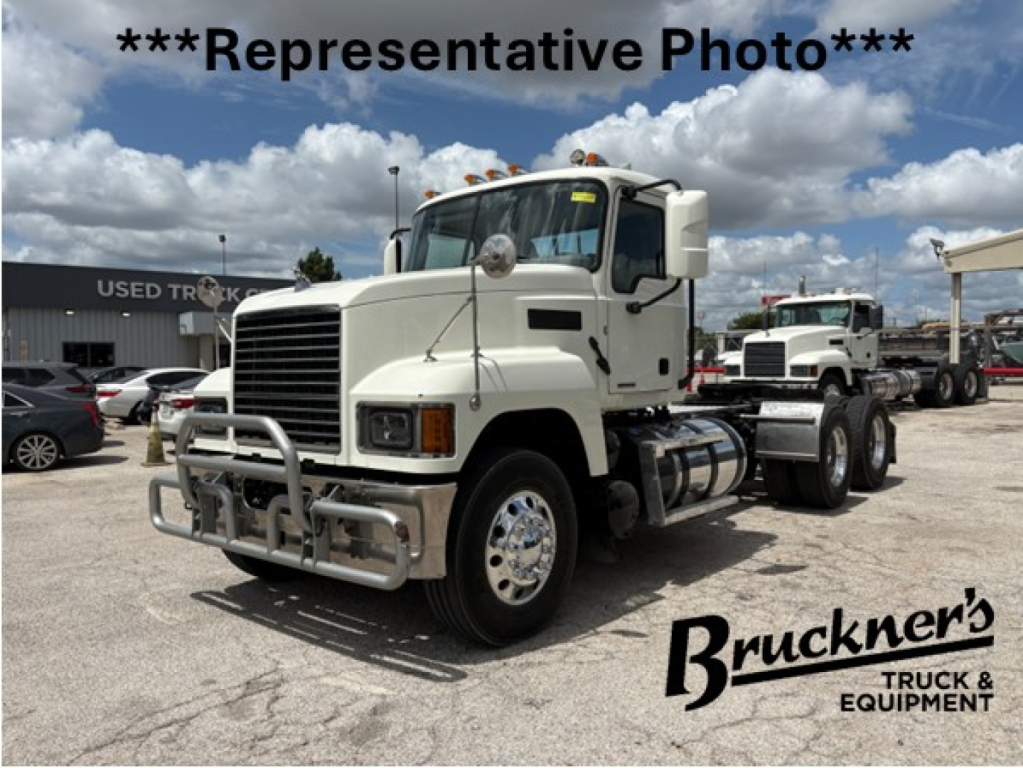
Showing 1 to 28 of 156 results
Selling a mack conventional day cab truck? List your mack conventional day cab truck for sale and reach thousands of commercial buyers.
Mack Conventional Day Cab Trucks
On used tractors, compare ECM mileage and engine hours with maintenance records, then inspect clutch operation, fifth-wheel jaw wear, suspension bushings, and frame repairs. Engine year determines emissions equipment: 2007-era Mack engines introduced DPF systems, and 2010-era engines added SCR and DEF. Inspect salt-exposed frames, air lines, and electrical connectors across northern states and Canada, and verify legal axle loads for each operating jurisdiction. For new trucks, specify PTO provisions before ordering, confirm engine and aftertreatment warranty terms, and account for the 12% federal excise tax on qualifying new US truck sales.
Frequently Asked Questions about Mack Conventional Day Cab Trucks
What rear axle ratio should I choose for a Mack day cab?
A numerically higher axle ratio usually improves loaded startability, while a lower ratio can reduce highway engine speed. For a Mack day cab, compare axle gearing with transmission ratios, tire size, operating speed, and gross combination weight. Frequent starts on grades need a different specification than steady interstate hauling. Confirm gradeability and cruise RPM using the actual powertrain specification rather than comparing axle ratios alone.
Can a Mack day cab run a dump trailer or walking floor?
A Mack day cab can power a dump or walking-floor trailer when its PTO and hydraulic system match the trailer's requirements. Verify hydraulic pressure, flow, reservoir capacity, return plumbing, and filtration against the trailer manufacturer's specifications. A dump wet kit is not automatically suitable for continuous walking-floor operation. On mDRIVE-equipped tractors, confirm approved PTO compatibility, control programming, and operating interlocks before planning a conversion.
How do I check a used Mack mDRIVE before buying?
A loaded road test and a Mack-compatible diagnostic scan are the best checks of a used day cab's mDRIVE. Review clutch wear data and calibration history, then watch for delayed engagement, shudder, or harsh low-speed maneuvering. Verify clutch calibration after documented clutch work. Automated shifting does not eliminate clutch wear, especially on Mack tractors used for repeated dock moves, steep approaches, or bulk hauling.
Can I operate an older Mack day cab in California?
CARB's Truck and Bus Regulation generally requires a 2010 or newer engine in diesel Mack day cabs over 26,000 pounds GVWR operating in California. The engine's model year, not simply the chassis year, controls that requirement. Clean Truck Check adds separate testing and reporting obligations for covered heavy-duty vehicles, including out-of-state and Canadian trucks. Verify any exemption and compliance status before committing the tractor to California routes.
Is a shorter-wheelbase Mack day cab always better for local work?
No, a shorter-wheelbase Mack day cab improves maneuverability but can reduce trailer clearance and axle-spacing flexibility. Check trailer swing past cab corners, landing-gear clearance, fifth-wheel travel, and steer-axle loading at the intended kingpin position. A longer chassis can suit tankers, bulk trailers, or added hydraulic equipment, but additional wheelbase alone does not authorize higher legal weight.