
Mack Conventional Daycab Trucks For Sale in Washington
Shop Mack conventional daycab trucks in Washington. Compare MP8 and MP13 specs, axle ratings, wheelbases, mDRIVE options, and fleet-ready setups.
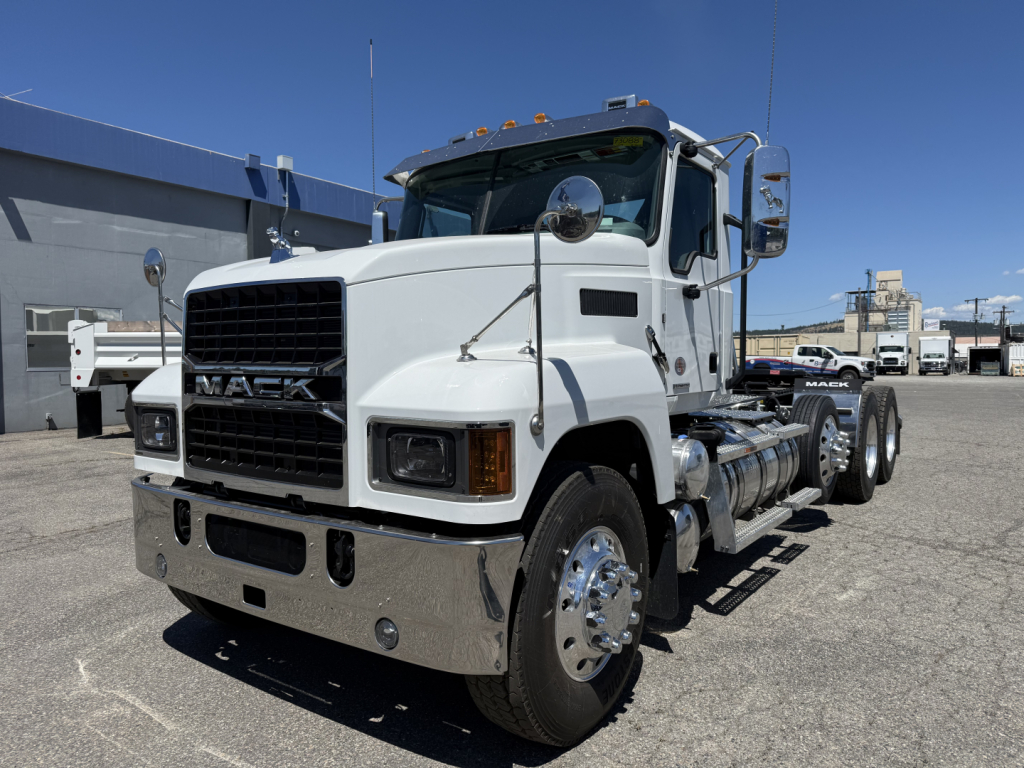
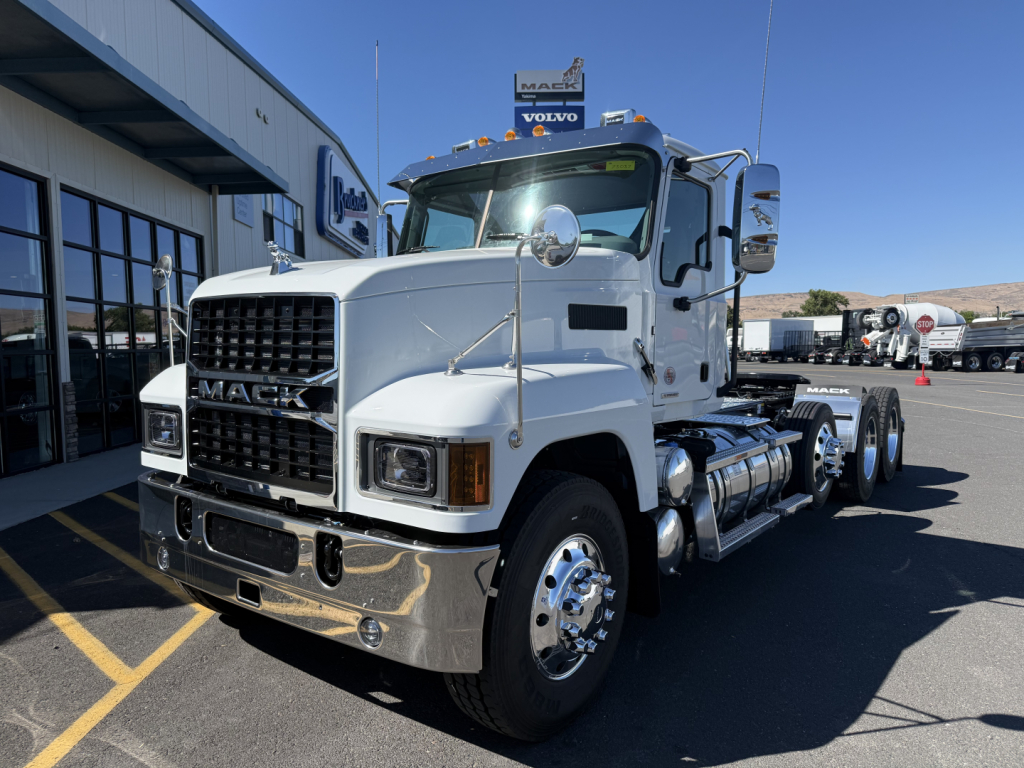
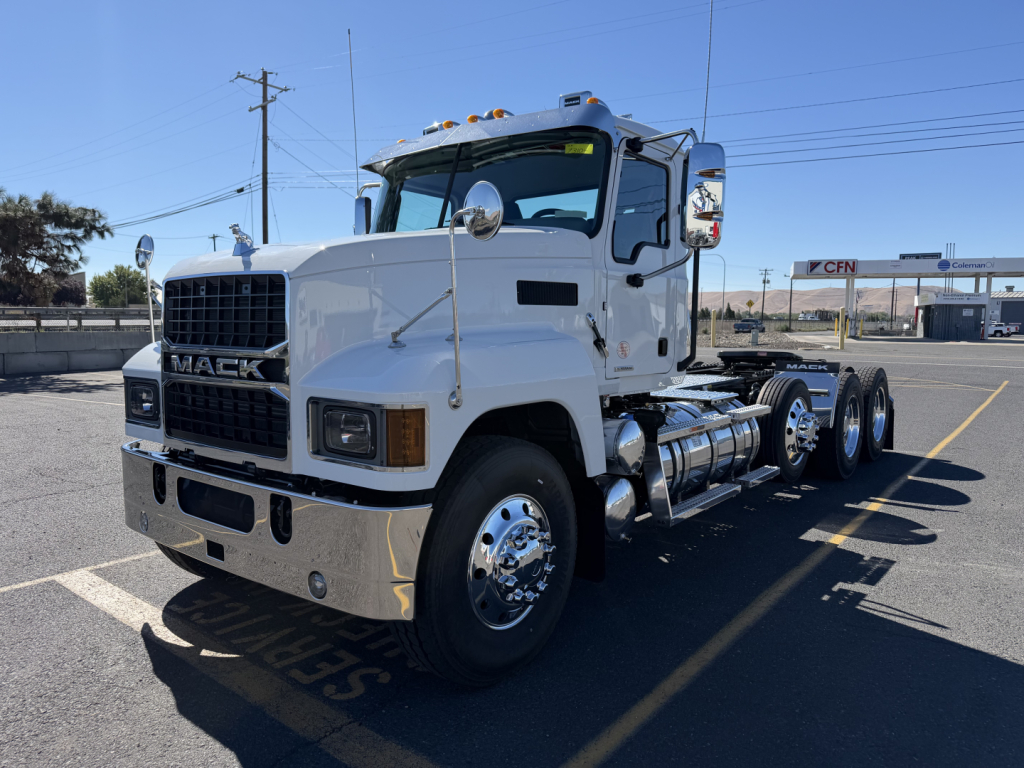
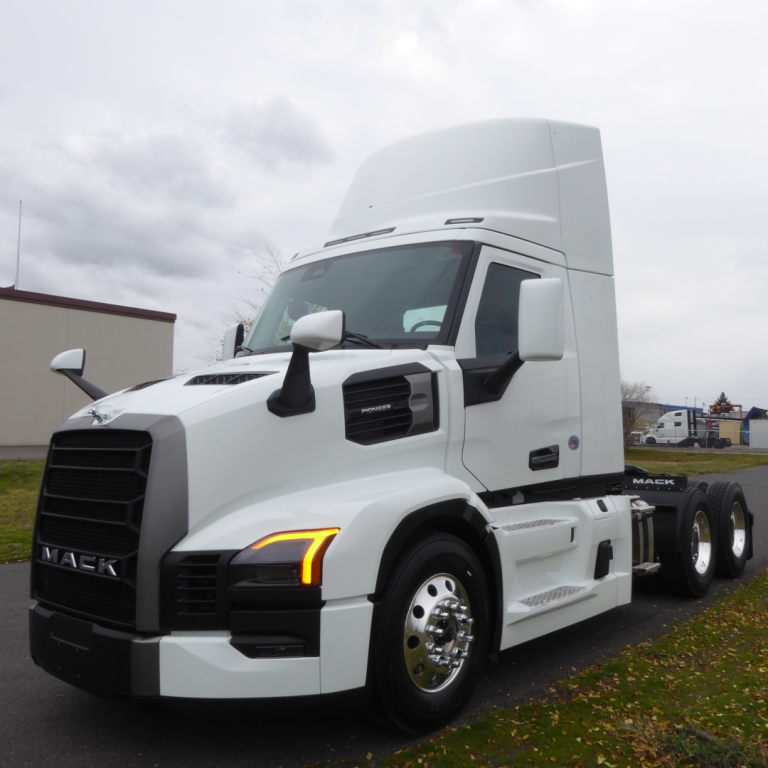
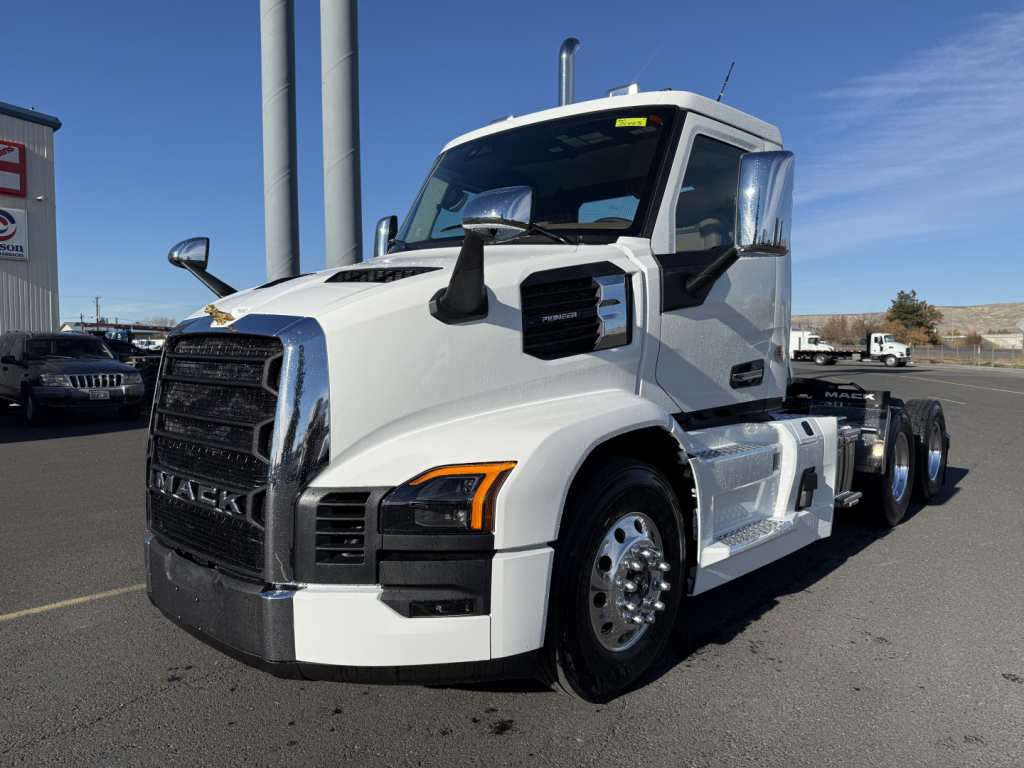
Selling a mack conventional daycab truck? List your mack conventional daycab truck for sale and reach thousands of commercial buyers.
Mack Conventional Daycab Trucks in Washington
The main spec decisions start with engine, transmission, and rear ratio. Mack MP8 engines are a common fit for fleets that want a broad horsepower band for general freight, while MP13 power is better suited to heavier combined weights, steeper terrain, or operations that want stronger performance reserves. Mack mDRIVE automated manual transmissions are common on late-model daycabs because they reduce driver fatigue in traffic, improve shift consistency, and pair well with fuel-efficient gearing. Buyers should look closely at horsepower, torque, transmission calibration, direct drive versus overdrive, and rear axle ratio, because those choices affect startability, cruising rpm, and fuel burn more than the badge on the hood.
Axle ratings and chassis layout matter just as much as powertrain. Washington buyers often compare 13,200 to 14,600 lb steer axles, 38,000 to 40,000 lb rear suspensions, and wheelbases around the high-180s to low-210s depending on trailer type and bridge considerations. A shorter wheelbase is easier around yards, ports, and urban delivery points, while a longer wheelbase can ride better and package fuel tanks, DEF, and deck equipment more cleanly. Air ride suspension, frame spec, fifth wheel style, tire size, and brake package all deserve a close look, especially for fleets mixing highway miles with frequent loading docks, rough terminals, or heavy kingpin weights.
Mack daycabs are known for stout chassis design, strong vocational crossover appeal, and integrated powertrain options that simplify service planning. Buyers comparing trucks in this class should pay attention to emissions warranty status, driver-assist features, interior trim, PTO readiness if needed, and software-supported maintenance history on newer units. For fleets standardizing around Mack, the value is often in parts familiarity, driver acceptance, and a truck that can move from regional linehaul to tougher local service without feeling underspecified.
Frequently Asked Questions about Mack Conventional Daycab Trucks in Washington
What is a Mack conventional daycab truck best used for?
A Mack conventional daycab is best suited for regional hauling, local freight, drayage, dedicated route work, and vocational tractor applications where a sleeper is not needed. The day cab layout reduces weight and overall length compared with a sleeper tractor, which helps in tighter yards, ports, and metro delivery environments. In Washington, these trucks are often chosen for a mix of interstate runs, mountain grades, and high-cycle local work.
What is the difference between a Mack MP8 and MP13 in a daycab?
The MP8 is a popular choice for general freight and regional service because it offers strong performance with a broad range of horsepower ratings and typically favorable operating efficiency. The MP13 is a larger-displacement engine better suited to heavier gross weights, steeper routes, and applications that benefit from more torque reserve. The right choice depends on payload, terrain, cruising speed targets, and how often the truck will operate near maximum combined weight.
Why does wheelbase matter on a conventional daycab tractor?
Wheelbase affects maneuverability, ride quality, deck space, and how the truck matches to different trailer types. A shorter wheelbase generally turns easier and works well in ports, city terminals, and tight customer locations. A longer wheelbase can improve ride stability and make it easier to package tanks, battery boxes, and sliding fifth wheel travel, but it may be less convenient in confined areas.
Is Mack mDRIVE a good transmission choice for daycab fleets?
Mack mDRIVE is a strong fit for many daycab fleets because it automates shifting while still delivering the durability and gearing flexibility expected in Class 8 service. It can help reduce driver fatigue in stop-and-go traffic, improve shift consistency across multiple operators, and support fuel economy goals when paired with the correct axle ratio. Buyers should still confirm the transmission model, speed count, direct-drive or overdrive setup, and software calibration to make sure it matches the route and load profile.
What chassis specs should buyers compare first on a Mack daycab?
The most important chassis specs to compare are front axle rating, rear axle rating, suspension type, wheelbase, rear axle ratio, brake setup, and fifth wheel configuration. These determine legal payload support, trailer compatibility, handling, and service life in the intended application. For fleets in Washington, steer axle capacity, tandem suspension rating, and gearing are especially important because the truck may see a mix of heavy local work, wet roads, and sustained grades.