
2027 Mack Conventional Daycab Trucks For Sale in Washington
Shop 2027 Mack conventional daycab trucks in Washington. Compare Anthem and Pinnacle specs, MP engines, mDRIVE options, and axle setups.
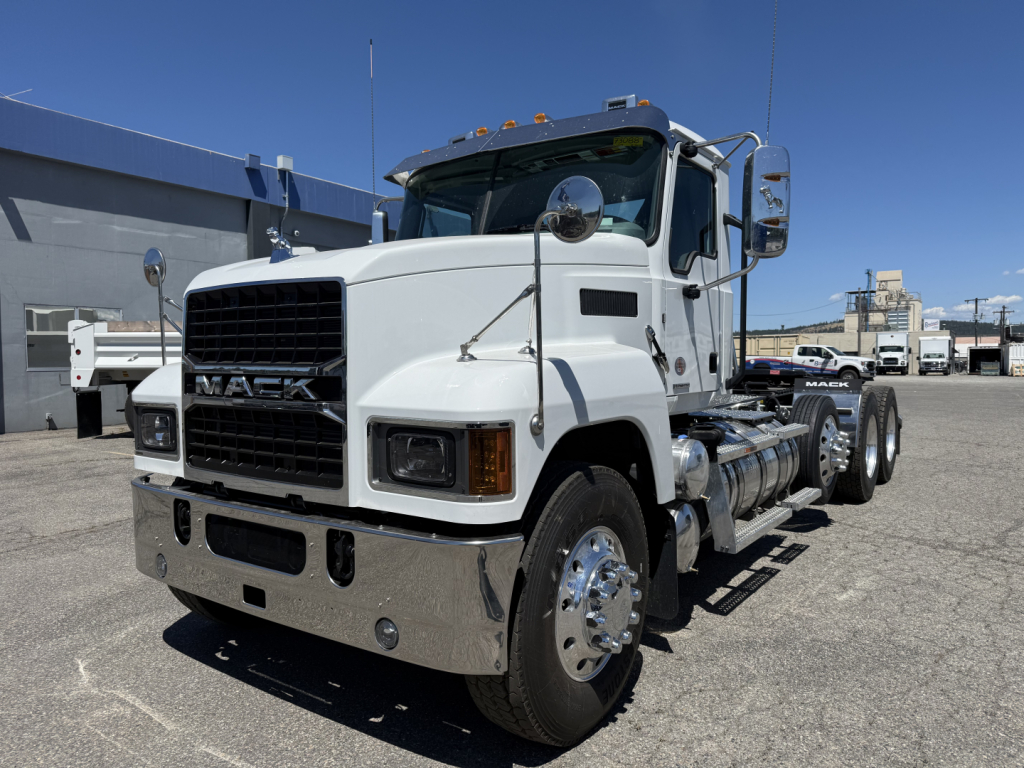
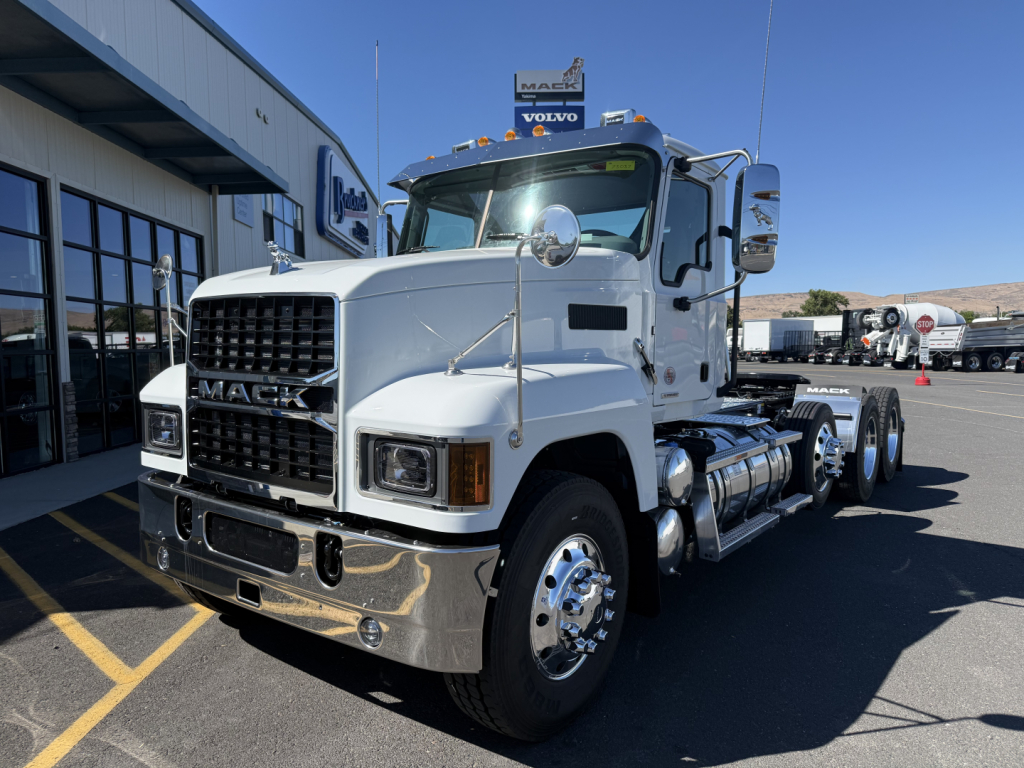
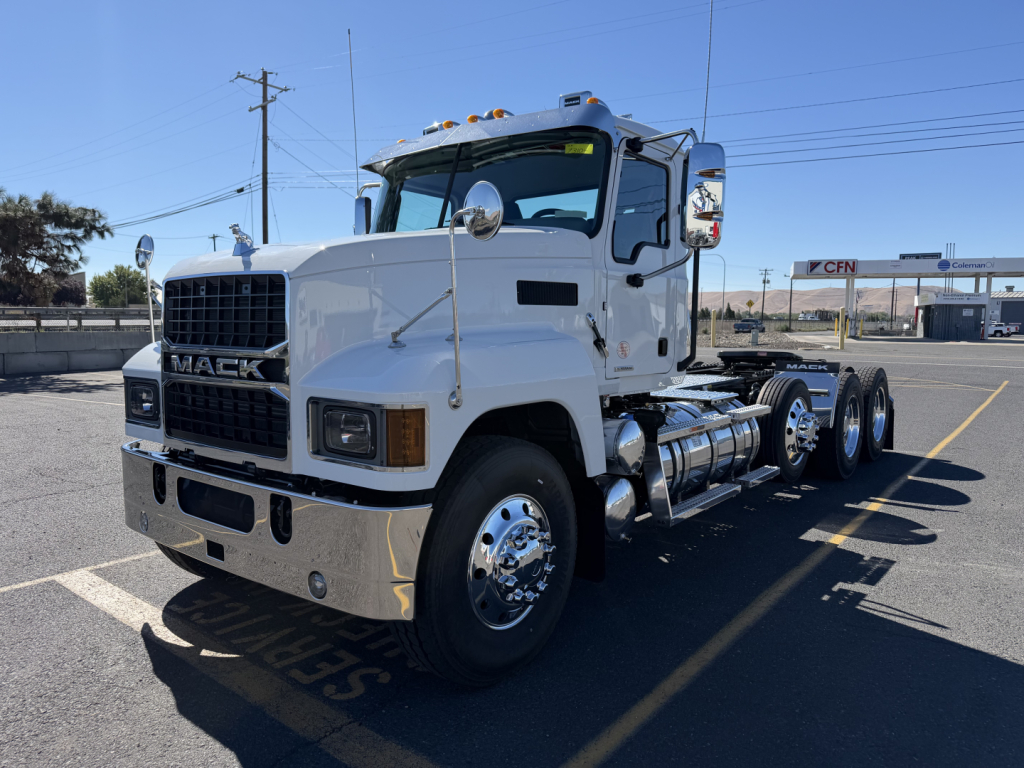
Selling a 2027 mack conventional daycab truck? List your 2027 mack conventional daycab truck for sale and reach thousands of commercial buyers.
2027 Mack Conventional Daycab Trucks in Washington
The first buying decision is usually wheelbase, axle rating, and powertrain. Buyers comparing Mack conventional daycab trucks should look closely at front axle ratings such as 12,000 to 14,600 lbs, rear axle capacities around 40,000 lbs, suspension type, and intended trailer weight. Mack MP7 and MP8 diesel engines remain common in this category, with horsepower often falling in the mid-400 range for general freight and heavier specs available for more demanding routes. The mDRIVE automated manual transmission is a frequent choice because it reduces driver fatigue, shifts consistently in traffic, and helps fleets manage fuel economy and training across multiple operators.
For Washington service, application details matter. A daycab running I-5 regional freight has different needs than a tractor pulling heavier loads over Snoqualmie Pass or working in port and distribution-center traffic around Tacoma and Seattle. Buyers should pay attention to rear suspension design, ratio selection, fuel tank capacity, and brake spec, especially if the truck will see elevation changes, frequent stops, or longer regional turns. Visibility from the cab, ingress and egress, and turning radius also carry more weight in daycab service than many buyers expect, particularly for urban deliveries, drop-and-hook operations, and tight yard maneuvering.
Cab environment and long-term serviceability are also part of the value equation. Mack conventional daycabs are known for straightforward driver controls, solid interior durability, and a chassis layout that supports easier maintenance access than many highly packaged aero tractors. When comparing listings, it helps to verify emissions configuration, PTO readiness if needed, fifth wheel setup, wheelbase, tire size, and whether the truck is optimized for van, reefer, flatbed, or bulk work. A well-matched Mack daycab can lower operating cost per mile while still delivering the heavier-duty feel that many fleets and owner-operators want in a regional tractor.
Frequently Asked Questions about 2027 Mack Conventional Daycab Trucks in Washington
What is a Mack conventional daycab truck best suited for?
A Mack conventional daycab truck is best suited for regional hauling, local freight, drayage, dedicated routes, and terminal work where the driver returns home daily. The daycab layout removes sleeper weight and length, which can improve maneuverability, simplify maintenance, and allow more payload flexibility depending on the spec. It is a strong fit for van, reefer, container, and some flatbed applications.
What engines and transmissions are common in 2027 Mack daycab tractors?
Common powertrain choices in this category include Mack MP-series diesel engines, especially the MP7 and MP8, paired with the Mack mDRIVE automated transmission. Horsepower and torque vary by application, but many regional daycabs are spec'd in the mid-400 horsepower range with gearing selected for fuel economy and gradeability. Buyers should confirm the exact engine rating, rear axle ratio, and transmission programming because those details affect performance more than the model badge alone.
How do I choose between a Mack Anthem daycab and a Mack Pinnacle daycab?
The Anthem generally appeals to buyers prioritizing aerodynamics, highway efficiency, and a more modern regional linehaul spec. The Pinnacle is often favored by buyers who want a traditional Mack conventional platform with proven durability and broad application flexibility. The right choice depends on route speed, trailer type, fleet maintenance preference, and how much emphasis you place on fuel economy versus a heavier-duty traditional chassis feel.
What specs matter most when buying a daycab in Washington?
In Washington, axle ratings, engine torque, cooling capacity, suspension, and gearing deserve close attention because terrain and weather can change operating demands quickly. A truck running mostly flat interstate freight may be spec'd very differently from one hauling heavier loads across mountain passes or operating in port congestion. Buyers should also review fuel capacity, brake configuration, and wheelbase to make sure the truck fits both route length and maneuvering requirements.
Is an automated transmission a good choice for a regional Mack daycab?
For many fleets and owner-operators, an automated transmission is an excellent fit in a regional Mack daycab. Systems like mDRIVE reduce clutch wear, ease driver onboarding, and help maintain consistent shifting in stop-and-go traffic or on rolling terrain. The key is making sure the transmission calibration, rear axle ratio, and engine rating are matched to the truck's gross combination weight and route profile.