
Mack Conventional Daycab Trucks For Sale in Arkansas
Shop Mack conventional daycab trucks built for local and regional hauling, with MP engines, mDRIVE transmissions, tandem axles, and fleet-ready specs.
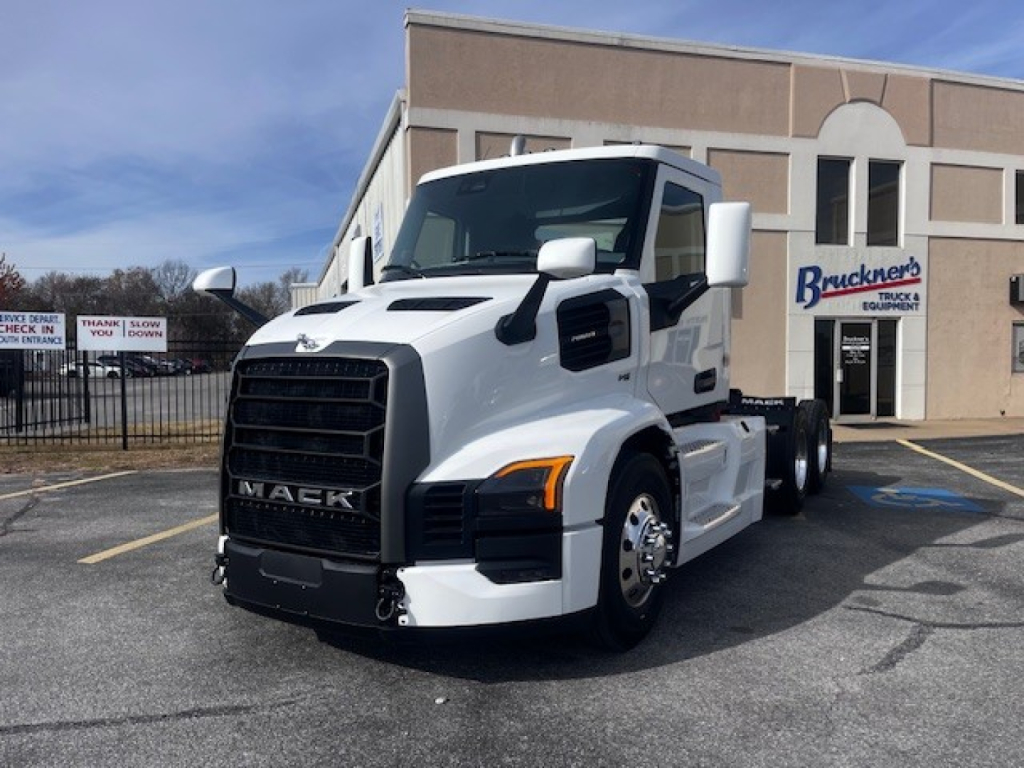
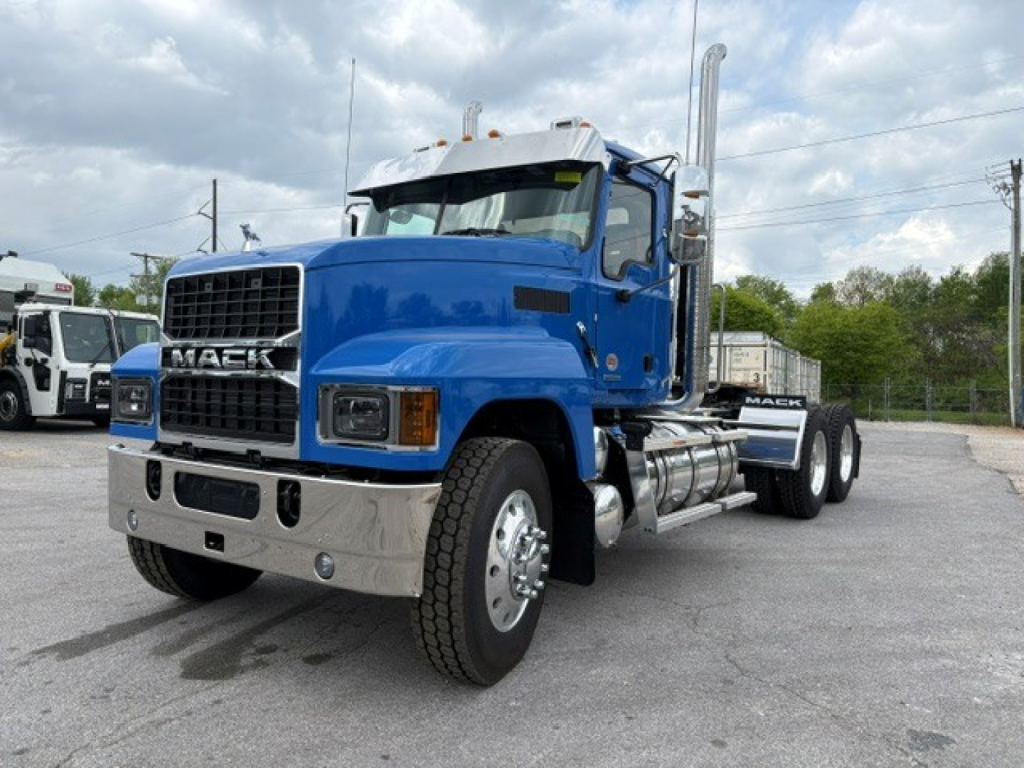
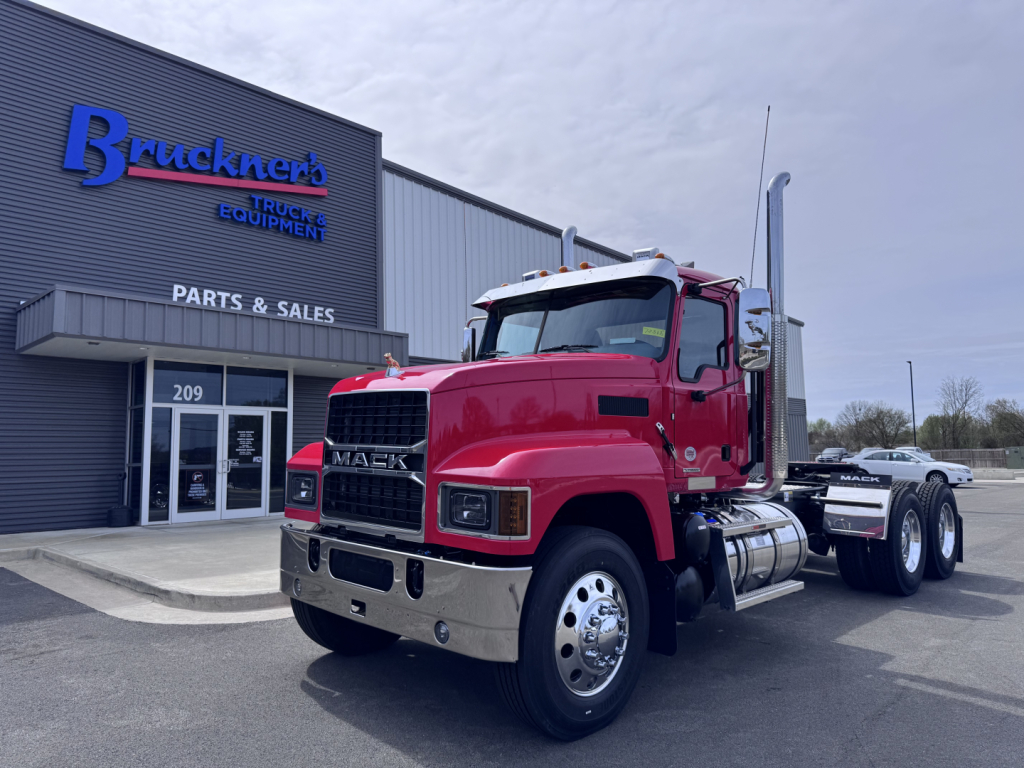
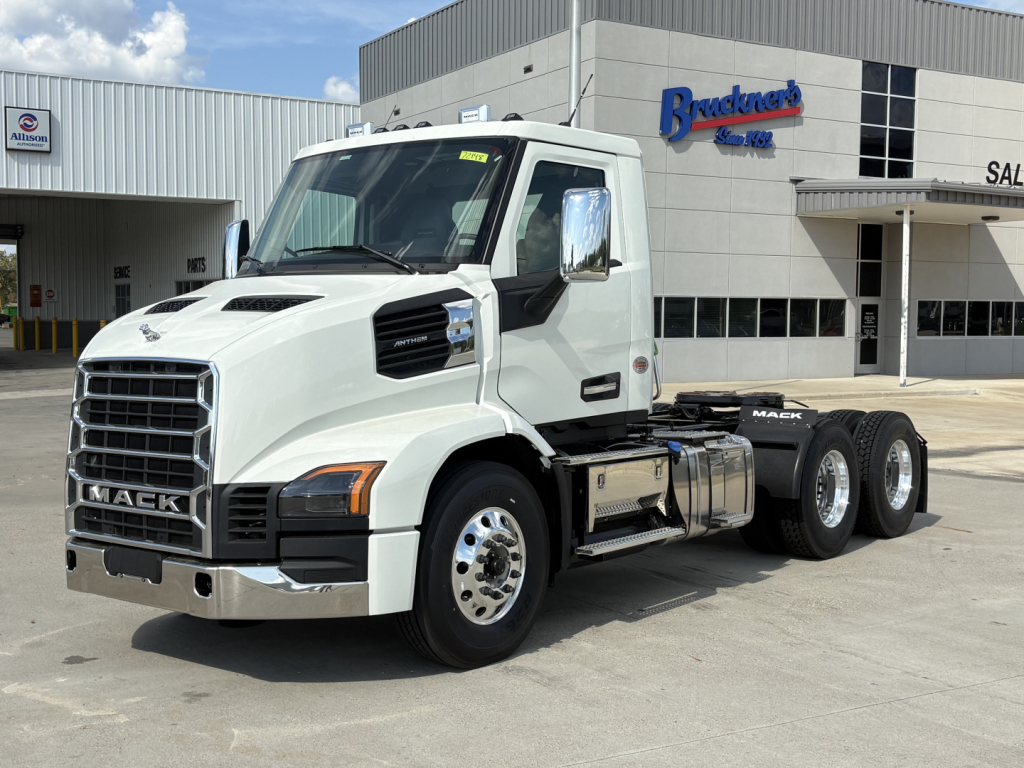
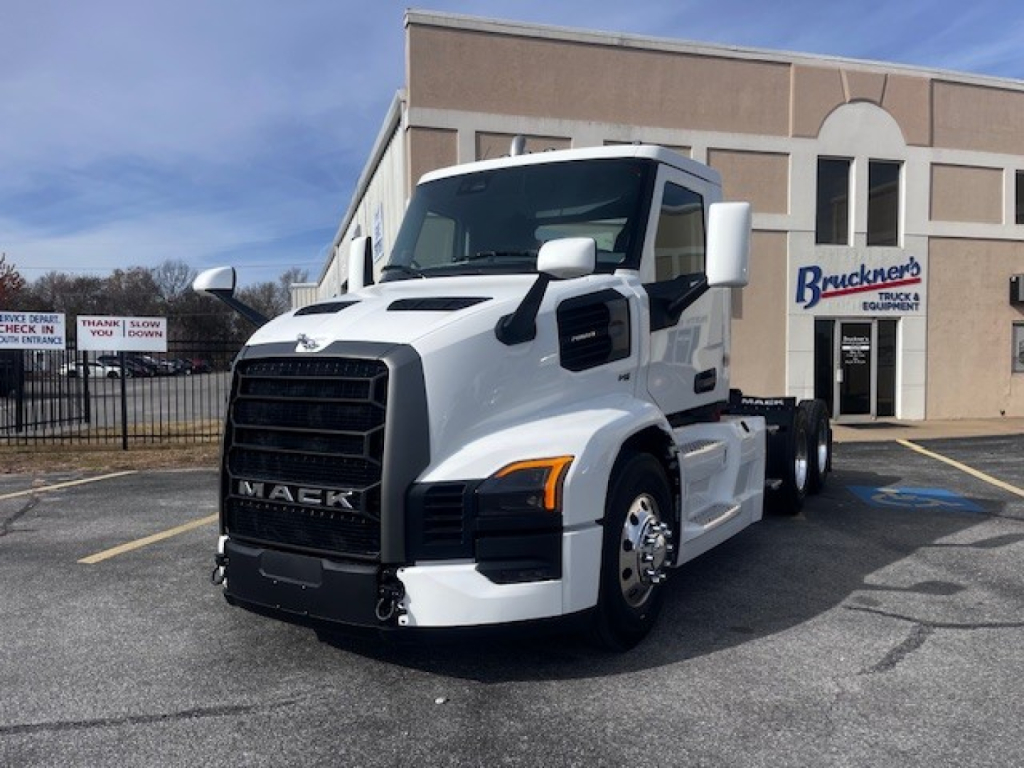
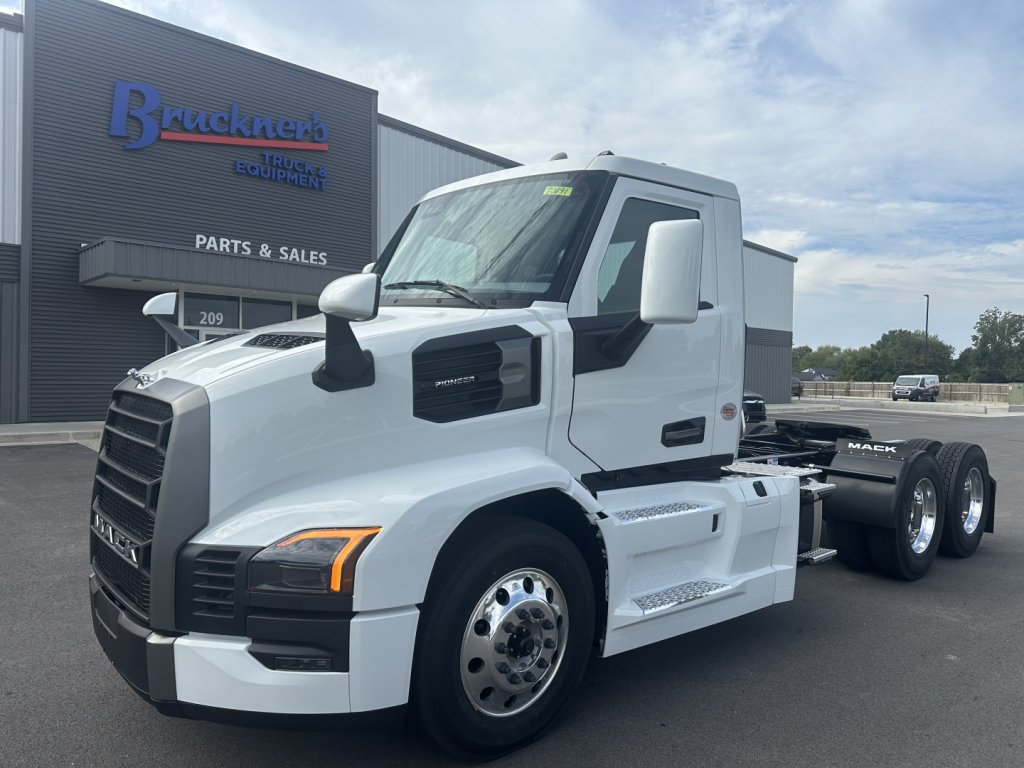

Selling a mack conventional daycab truck? List your mack conventional daycab truck for sale and reach thousands of commercial buyers.
Mack Conventional Daycab Trucks in Arkansas
The key spec decisions usually start with engine and driveline. Current Mack daycab configurations commonly show MP8 or MP13 engines in the 445 to 505 horsepower range, paired with Mack mDRIVE 12-speed automated manual transmissions. That combination is popular because it balances fuel economy, driver consistency, and low-speed launch performance for mixed regional duty cycles. Tandem axle setups with 38,000 to 40,000 pound rears, front axles from about 12,000 to 14,600 pounds, and rear ratios such as 3.08, 3.25, or 3.56 are common. A buyer comparing listings should pay close attention to wheelbase, fifth wheel spec, suspension type, and brake package because those details affect trailer swing clearance, bridge law flexibility, turning radius, and payload efficiency.
Mack conventional day cabs also stand out for buyers who want a truck that can be tailored to the route instead of forcing the route to fit the truck. A shorter wheelbase, such as the low-180-inch range, generally favors tighter yards and urban or plant traffic. A longer wheelbase in the 205 to 213 inch range can offer better ride quality and flexibility for certain trailer combinations or weight distribution requirements. Lightweight specs with aluminum components can help maximize payload, while heavier-duty rear suspensions, locking differentials, and higher axle capacities make more sense for severe service or jobs that see mixed pavement and jobsite conditions. Air ride suspensions such as Mack MaxLite setups are common on fleet-oriented highway tractors because they help with ride control and trailer protection.
Cab layout and operating cost matter just as much as published horsepower. A Mack daycab is typically chosen for frequent entry and exit, strong visibility, and a more efficient tare weight than a comparable sleeper tractor. Buyers should look beyond model year and focus on application match: engine size for terrain and gross combination weight, mDRIVE calibration for stop-and-go versus steady regional miles, and axle ratio for cruise rpm and startability. For Arkansas-based operations, where routes can range from interstate runs to dense local delivery and industrial freight, the right Mack conventional daycab is usually the one that matches lane length, trailer type, and payload target without carrying unnecessary chassis weight or overbuilt components.
Frequently Asked Questions about Mack Conventional Daycab Trucks in Arkansas
What is a Mack conventional daycab truck best used for?
A Mack conventional daycab truck is best suited for local and regional hauling where the driver returns home daily and sleeper space is not needed. Common applications include dry van, refrigerated, flatbed, tanker, intermodal drayage, and dedicated industrial freight. The conventional hood design provides easier engine access and strong cooling capacity, while the daycab layout reduces tare weight and overall cost compared with a sleeper tractor.
What engine and transmission options are common in Mack daycab tractors?
Many late-model Mack conventional daycab tractors are spec'd with Mack MP8 or MP13 diesel engines and paired with Mack mDRIVE automated manual transmissions, often in 12-speed overdrive versions. The MP8 is frequently selected for balanced regional performance and fuel efficiency, while the MP13 is a stronger choice for heavier gross weights, tougher grades, or fleets that want extra torque reserve. The mDRIVE transmission is widely used because it improves shift consistency, reduces driver fatigue, and supports fuel-conscious operation across mixed routes.
How do I choose the right axle ratio and wheelbase for a Mack daycab?
Axle ratio and wheelbase should be matched to trailer type, terrain, average payload, and the amount of city versus highway driving. Lower numerical ratios like 3.08 generally favor lower cruise rpm and fuel economy on highway-oriented runs, while ratios like 3.25 or 3.56 can improve launch feel and grade performance under heavier loads or more stop-and-go conditions. Shorter wheelbases improve maneuverability in tight yards and docks, while longer wheelbases can help with ride quality, weight distribution, and compatibility with certain trailer and fifth wheel positions.
Are Mack conventional daycabs good for fleet operations?
Mack conventional daycabs are a strong fleet choice because they are commonly spec'd with integrated Mack powertrains, durable chassis components, and driver-friendly controls that help standardize operation across multiple trucks. Fleets often value the combination of automated shifting, predictable maintenance intervals, and vocational-grade durability in a highway tractor format. They also fit well in operations that need one truck platform to handle regional linehaul, dedicated lanes, and occasional heavier-duty assignments.
What should I inspect first when comparing Mack daycab listings?
Start with the application-critical items: engine model, horsepower, transmission model, axle ratings, rear suspension, wheelbase, axle ratio, and brake type. Those specifications determine how the truck will perform with your trailers and payloads far more than paint color or trim level. It is also smart to verify fifth wheel configuration, locking differential availability, tire size, fuel capacity, and any weight-saving components if payload is a priority.