
2027 Mack Conventional Daycab Trucks For Sale in Arkansas
Shop 2027 Mack conventional daycab trucks with Anthem and Pinnacle specs, MP engines, Mack transmissions, and regional or vocational setups.
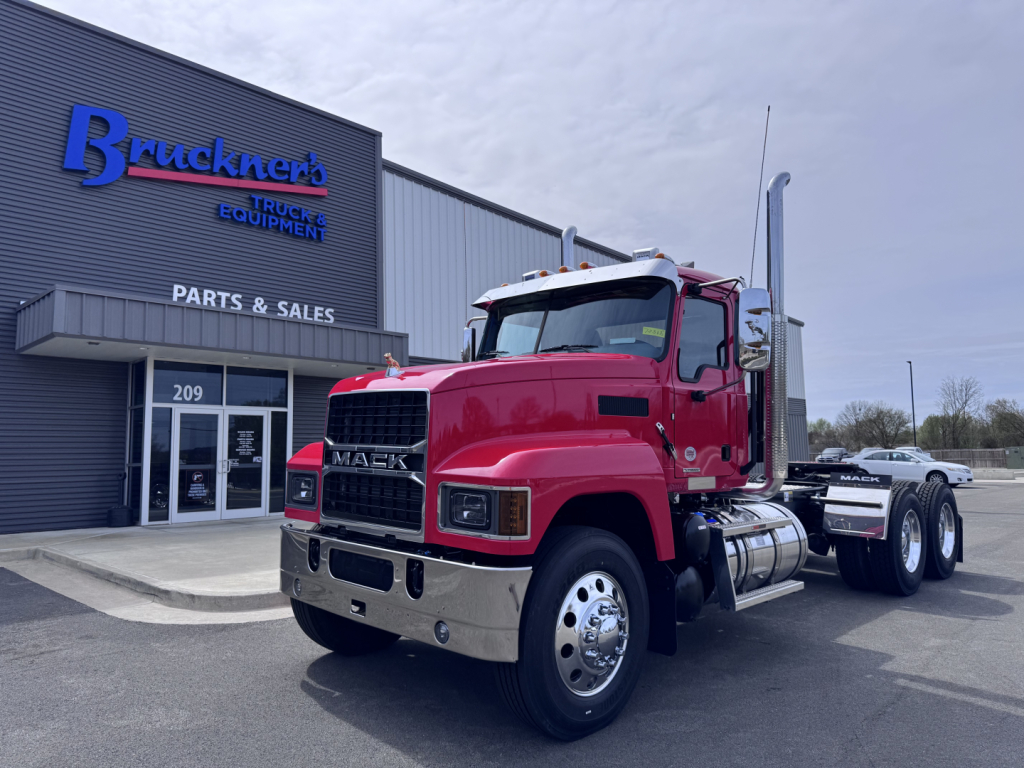
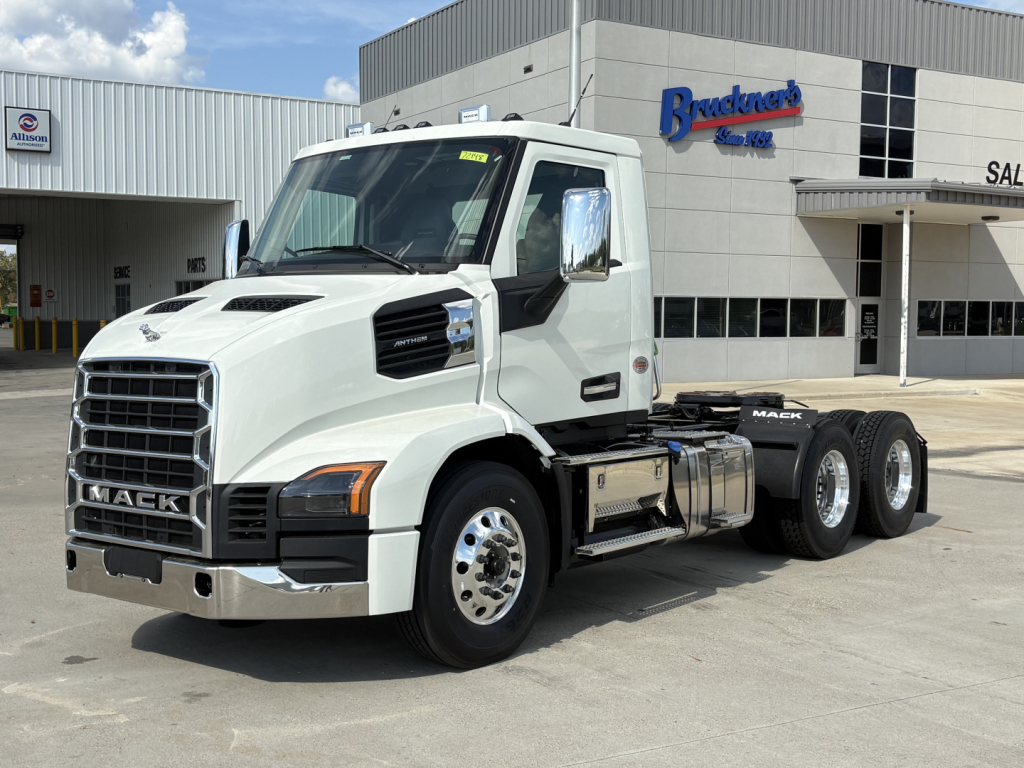

Selling a 2027 mack conventional daycab truck? List your 2027 mack conventional daycab truck for sale and reach thousands of commercial buyers.
2027 Mack Conventional Daycab Trucks in Arkansas
The biggest buying decision is usually the powertrain and axle package. Many 2027 Mack daycab trucks are spec'd with Mack MP8 or MP13 diesel engines, often paired with the Mack mDRIVE or other Mack automated manual transmissions in 12-speed configurations. Horsepower can vary from fuel-minded regional ratings into 500-plus horsepower vocational or heavy-haul setups. Front axle ratings commonly land in the 12,000 to 14,600 pound range, while tandem rears often run 40,000 to 46,000 pounds depending on application. Gear ratio, suspension type, and differential spec matter as much as engine rating. A fleet pulling van or reefer in regional service may prioritize fuel economy and lower cruising rpm, while a buyer hauling timber, aggregates, or heavier commodities may want full lockers, deeper gearing, and a heavier air ride or vocational suspension.
Wheelbase, fuel capacity, and brake spec also deserve close attention on a Mack conventional daycab. Shorter wheelbases improve maneuverability in tight yards, job sites, and city routes, but longer wheelbase specs can help with ride quality, deckplate space, and larger fuel tank options. Disc brakes are increasingly attractive for fleets focused on stopping performance and maintenance consistency, while drum brake setups still remain common in certain applications and service environments. Mack day cabs can also be ordered with features such as high-mounted air ride suspensions, interwheel differential locks, aluminum wheels, dual stacks, and heavier frame configurations. Buyers planning PTO use should confirm transmission PTO compatibility, frame rail layout, and any hydraulic or vocational body integration requirements before purchase.
Cab layout and operating environment matter more on a day cab than many buyers expect. Since the truck is built around daily entry, exit, and local or regional run time, seat support, dash visibility, control layout, and ingress become important productivity factors. Mack conventional daycabs are generally favored by drivers who want a solid, straightforward cab with good outward visibility and a familiar control feel. For Arkansas operations, it also makes sense to evaluate cooling package capacity, tire spec, and suspension tune based on a mix of interstate miles, secondary roads, and off-pavement job access. The best 2027 Mack daycab is not just the highest horsepower truck on the page. It is the one with the right axle ratings, gearing, wheelbase, and suspension for the freight, trailer, and terrain it will handle every day.
Frequently Asked Questions about 2027 Mack Conventional Daycab Trucks in Arkansas
What is the difference between a Mack Anthem day cab and a Mack Pinnacle day cab?
A Mack Anthem day cab is generally aimed more at highway and regional freight service, with an emphasis on aerodynamics, fuel efficiency, and on-road comfort. A Mack Pinnacle day cab is often selected for vocational, severe-duty, or mixed-service applications where heavier axle ratings, more rugged chassis specs, and jobsite durability are priorities. The right choice depends on the trailer, payload, terrain, and how much of the route is highway versus off-road or stop-and-go work.
What engine and transmission combinations are common in a 2027 Mack conventional daycab?
Common combinations include Mack MP8 or MP13 diesel engines paired with Mack automated manual transmissions such as the mDRIVE in 12-speed form. Lower horsepower ratings are typically used for regional freight and fuel-conscious fleet work, while higher horsepower specs are more common in logging, heavy vocational hauling, or applications with steep grades and heavier gross weights. Buyers should match horsepower, torque, rear axle ratio, and transmission calibration to the actual duty cycle rather than choosing engine output alone.
What axle ratings should I look for in a Mack day cab?
Typical front axle ratings on this class of truck range from around 12,000 to 14,600 pounds, with tandem rear axle ratings commonly at 40,000 or 46,000 pounds. Lighter ratings may be suitable for general highway freight, while heavier front and rear axle packages are often needed for logs, dump work, tanker service, or severe-duty regional hauling. It is important to consider gross combination weight, kingpin load, bridge laws, and any state or jobsite-specific weight requirements before deciding on axle capacity.
Is a Mack conventional daycab a good choice for logging or vocational work in Arkansas?
Yes, many Mack conventional daycab specs are well suited for Arkansas logging, aggregate, construction, and mixed on-road/off-road hauling. Buyers in these applications usually focus on heavier rears, full lockers, vocational suspension options, stronger frame specs, and gear ratios that support low-speed pulling power. Clearance, tire selection, cooling system capacity, and brake type also matter when the truck will spend time on rough roads, in woods operations, or under heavier stop-and-start loads.
What specifications matter most on a day cab besides engine horsepower?
Wheelbase, rear axle ratio, suspension type, axle ratings, brake package, fuel tank capacity, and PTO compatibility all matter as much as horsepower. These specifications determine how the truck turns, rides, stops, carries weight, and integrates with the trailer or vocational equipment. A properly matched day cab will usually outperform a higher horsepower truck that is poorly spec'd for the work.