
2026 Mack Conventional Daycab Trucks For Sale in Arkansas
Shop 2026 Mack conventional daycab trucks in Arkansas. Compare MP engine specs, axle ratings, wheelbases, and vocational daycab setups.
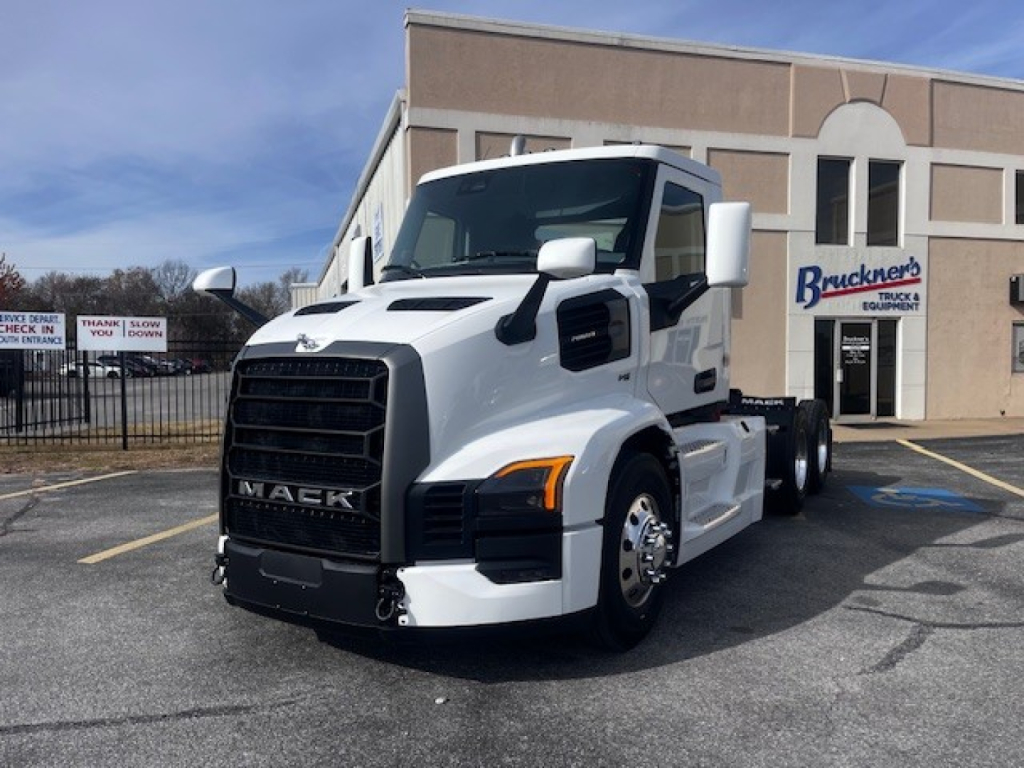
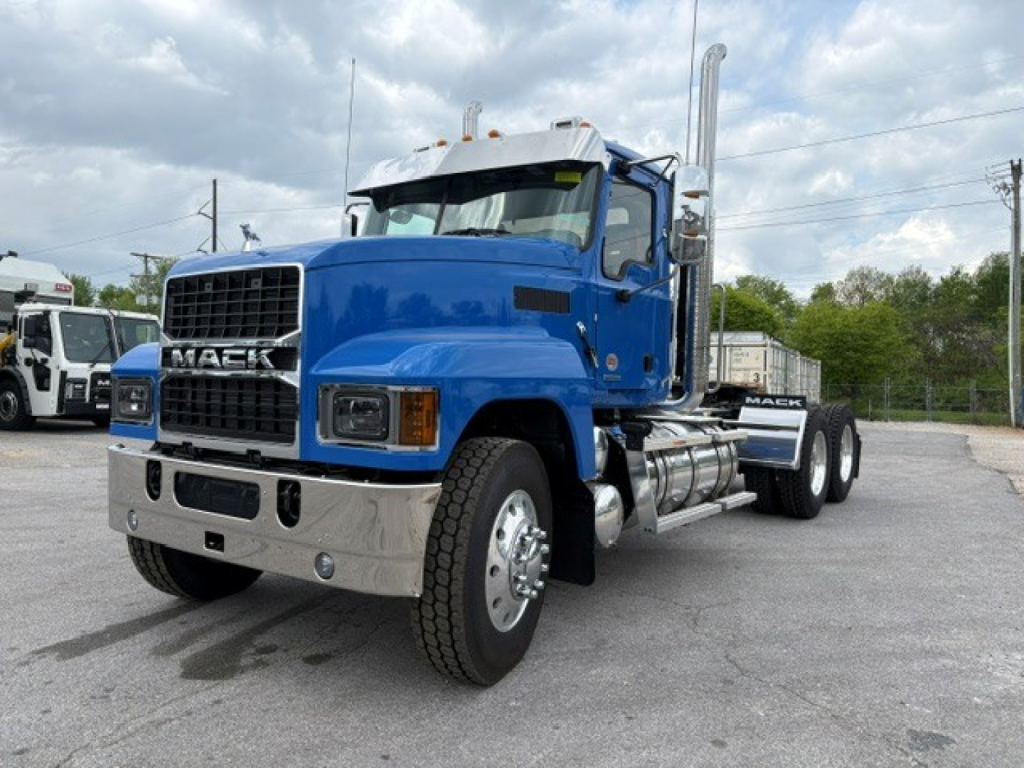
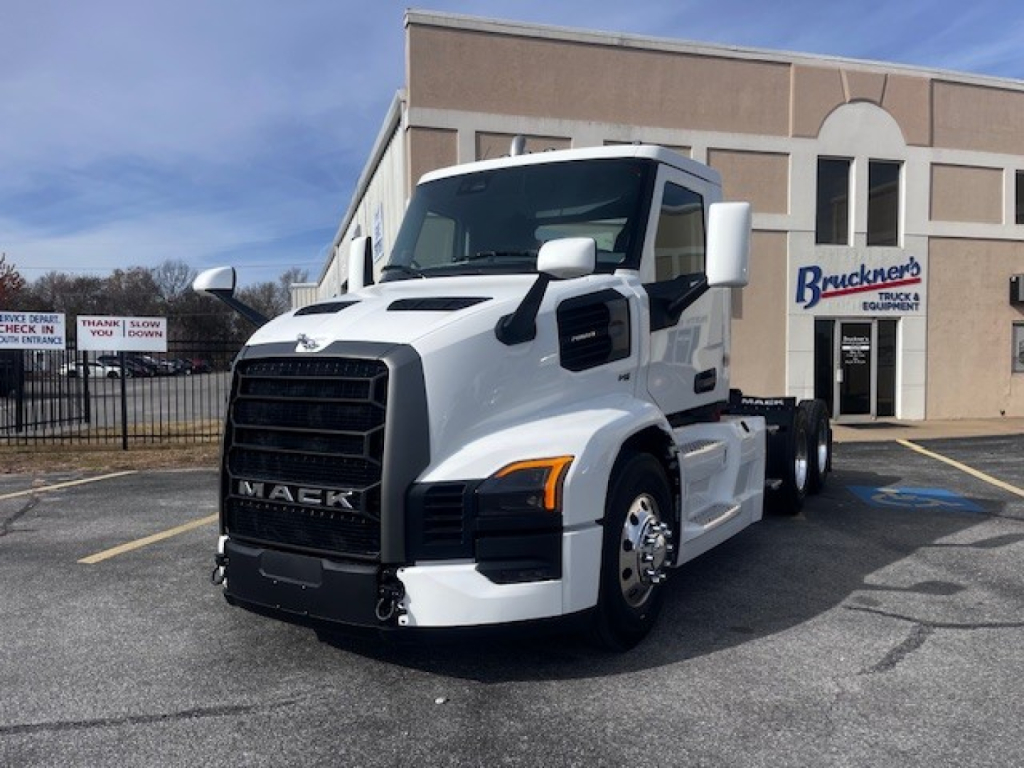
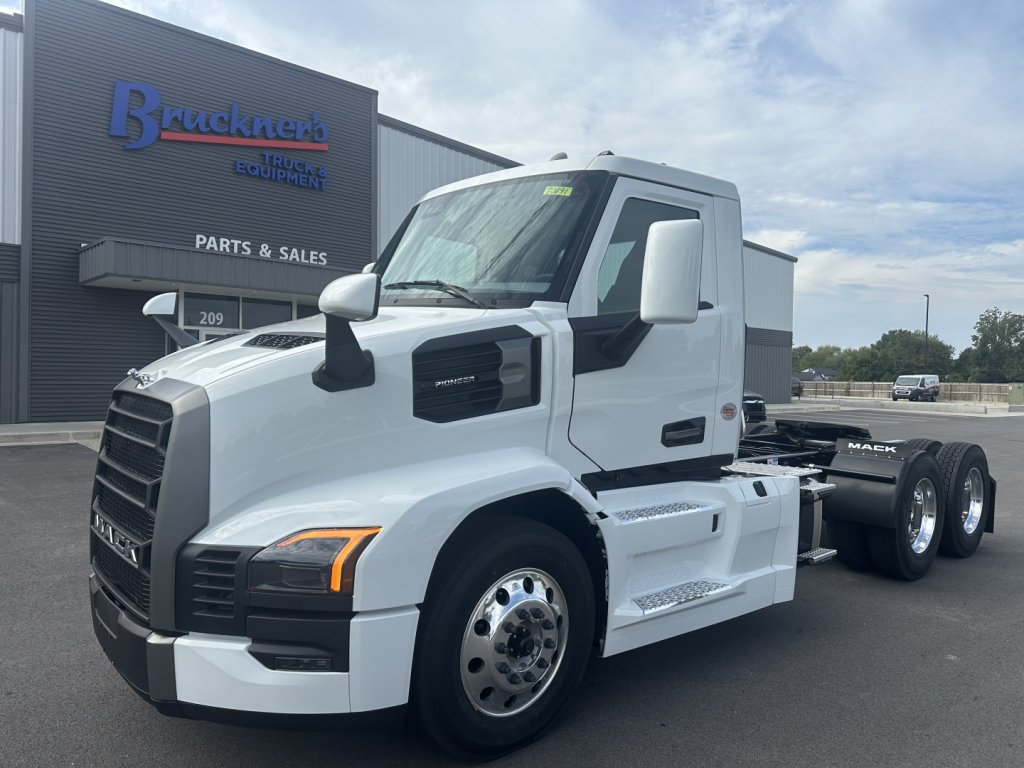
Selling a 2026 mack conventional daycab truck? List your 2026 mack conventional daycab truck for sale and reach thousands of commercial buyers.
2026 Mack Conventional Daycab Trucks in Arkansas
The spec decisions that matter most start with engine, transmission, rear suspension, and wheelbase. Many buyers focus on Mack MP series diesel ratings in the mid-to-upper horsepower range, often paired with the Mack mDRIVE automated manual transmission for fuel efficiency and easier driver onboarding, though manual options may still matter in specialized applications. Rear axle ratios, typically selected around the intended cruising speed and startability needs, have a direct effect on fuel burn and gradeability. Wheelbase is equally important on a conventional daycab because it determines bridge compliance, trailer swing clearance, and room for add-ons like side-mount hydraulic tanks, wet kits, battery box placement, headache racks, or vocational equipment.
Front axle and rear axle capacity should be matched to the work, not just the trailer. A buyer looking at a Mack daycab for end dump, lowboy, tanker, or heavy regional freight should pay close attention to steer axle ratings, tandem capacity, suspension type, frame rail strength, and brake configuration. Mack air ride suspensions are common on on-road and regional specs, while heavier vocational setups may prioritize stability and durability under rougher service. Other details worth checking include fifth wheel position, frame spacing, PTO provisions, crossmember layout, fuel capacity, and visibility features that affect tight jobsite maneuvering and daily urban use.
For buyers comparing 2026 Mack conventional daycab trucks for sale, the real question is how closely the truck matches the route and body plan. A lighter highway-oriented daycab can improve payload and operating cost on short regional lanes, while a vocationally spec'd Mack conventional daycab can support hydraulics, heavier axle packages, and tougher suspension demands. Also known simply as a day cab tractor, this equipment class is ideal when the truck returns home daily or runs shifts that do not require sleeper accommodations. A well-matched Mack daycab should be evaluated for uptime, service access, driver ergonomics, and how easily the chassis can be adapted for the exact trailer and application it will handle.
Frequently Asked Questions about 2026 Mack Conventional Daycab Trucks in Arkansas
What is a Mack conventional daycab truck best used for?
A Mack conventional daycab truck is best suited for local and regional hauling where a sleeper is unnecessary. Common uses include dry van and flatbed work, dump and end dump pulling, tanker service, lowboy work, municipal operations, and dedicated routes with daily return-to-base schedules. The conventional hood design also provides easier engine access than cabover layouts and is widely preferred in vocational and severe-service applications.
What specs matter most when buying a 2026 Mack daycab?
The most important specs are engine rating, transmission type, axle capacities, wheelbase, rear axle ratio, suspension, and PTO readiness. Buyers should also review steer axle capacity, fifth wheel setup, frame rail dimensions, fuel tank placement, and available room for hydraulic components or vocational accessories. These details determine whether the truck is better suited for linehaul, construction support, tanker pulling, or heavy regional use.
Is the Mack mDRIVE a good choice in a daycab truck?
The Mack mDRIVE is a strong choice for many daycab applications because it can improve fuel economy, reduce driver fatigue, and simplify operation in stop-and-go traffic or mixed regional service. It is especially attractive for fleets that want easier driver training and more consistent shifting performance. The right transmission still depends on duty cycle, terrain, gross combination weight, and whether the truck will need specialized PTO or vocational programming.
How does wheelbase affect a conventional daycab?
Wheelbase affects turning radius, trailer gap, bridge law flexibility, ride quality, and the amount of usable chassis space behind the cab. A shorter wheelbase generally improves maneuverability in urban areas and tight jobsites, while a longer wheelbase can provide room for wet kits, hydraulic tanks, headache racks, lift axles, or other equipment. The correct wheelbase depends on trailer type, kingpin setting, and any add-on equipment planned for the chassis.
Are Mack daycabs good for vocational applications in Arkansas?
Yes, Mack daycabs are commonly used in Arkansas for vocational work because they can be spec'd with heavier steer axles, durable suspensions, strong frame options, and drivetrain combinations suited for construction, aggregate, timber, agricultural, and regional industrial hauling. Buyers should still match the truck carefully to local terrain, legal weight requirements, and the exact trailer or hydraulic system the operation will use. A highway-spec daycab and a vocational-spec daycab can look similar at a glance but perform very differently in the field.