
2026 Mack Conventional Daycab Trucks For Sale
Shop 2026 Mack conventional daycab trucks. Compare MP engines, mDRIVE and manual specs, wheelbases, axle ratios, and regional haul setups.
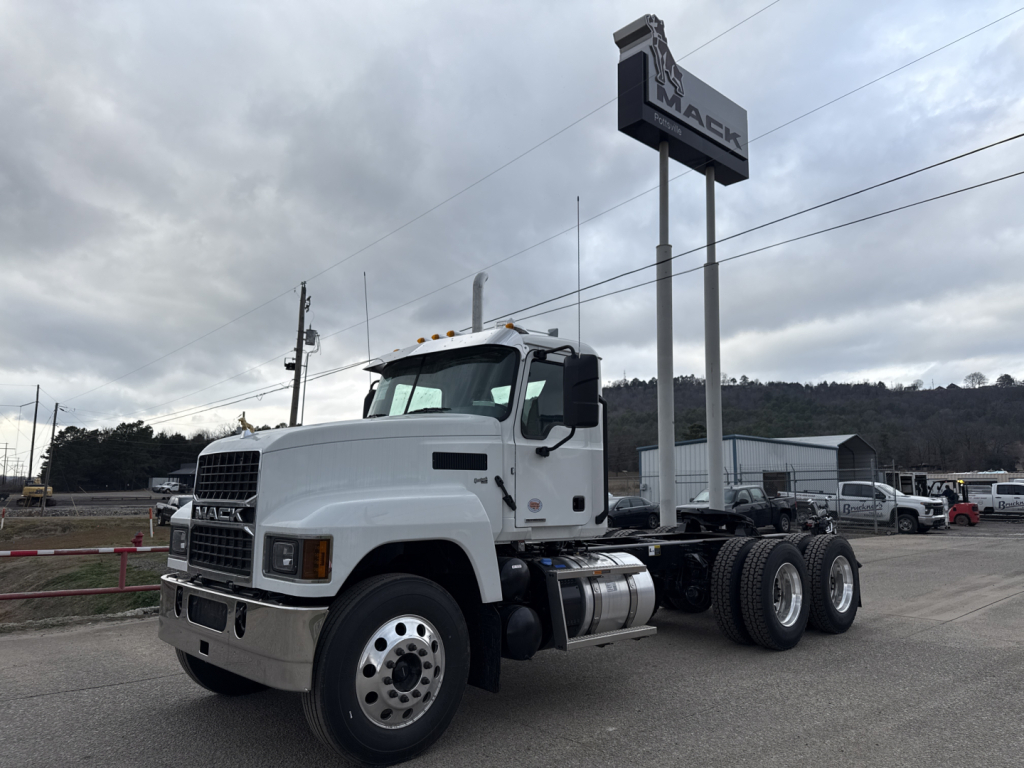
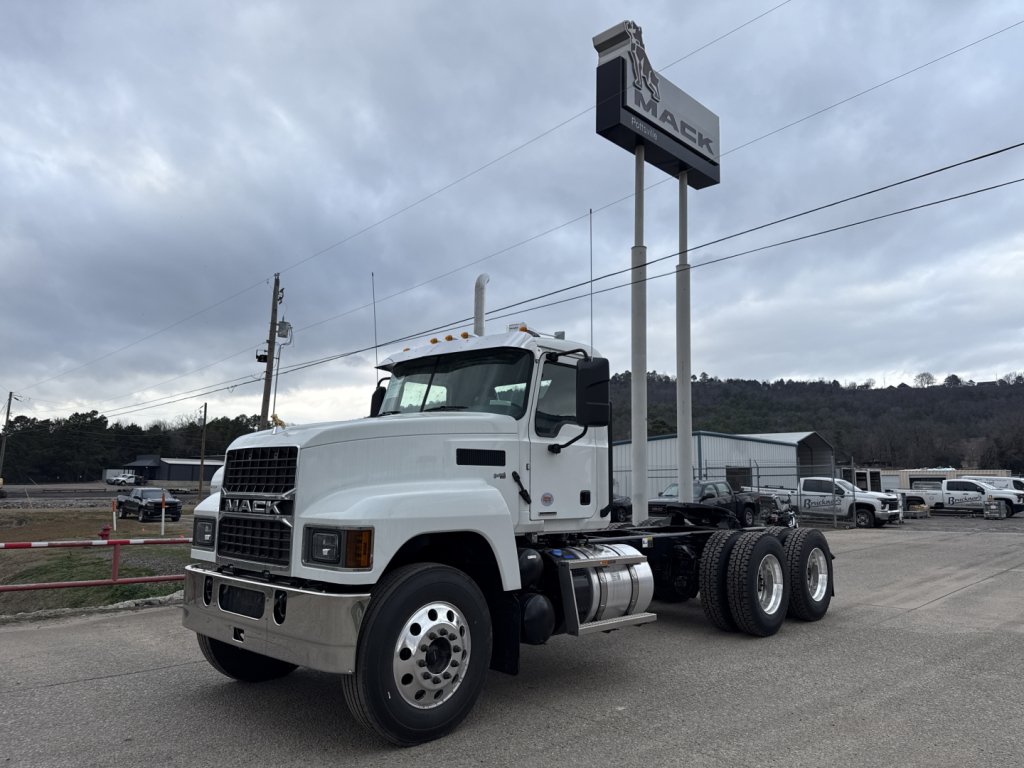
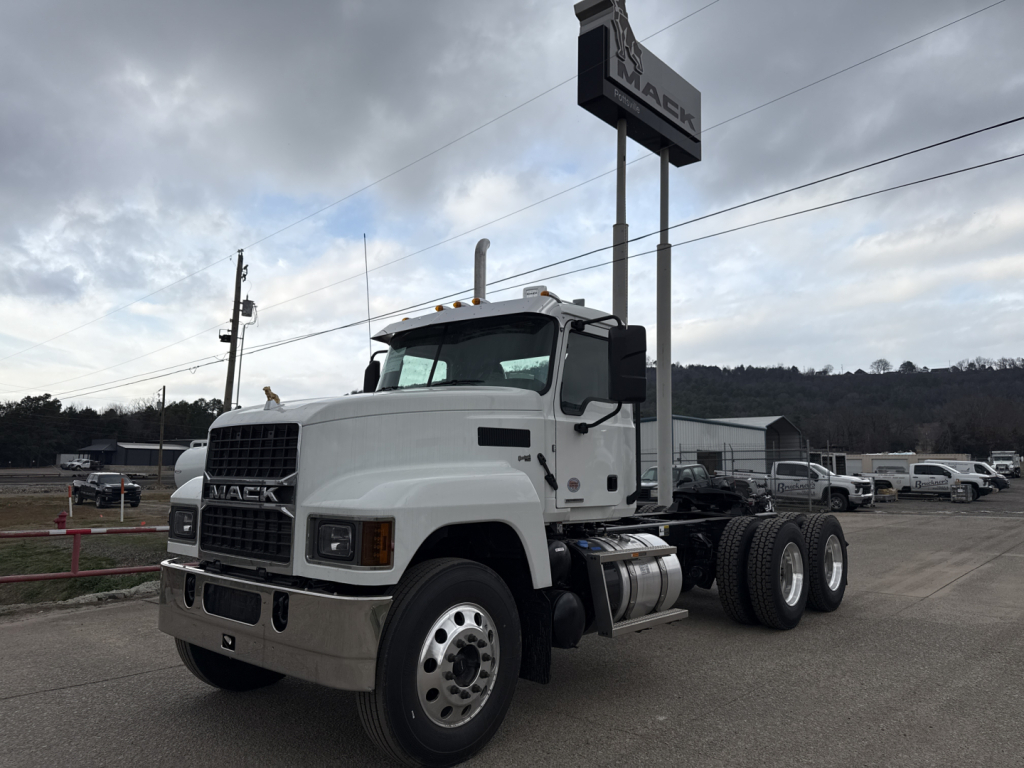
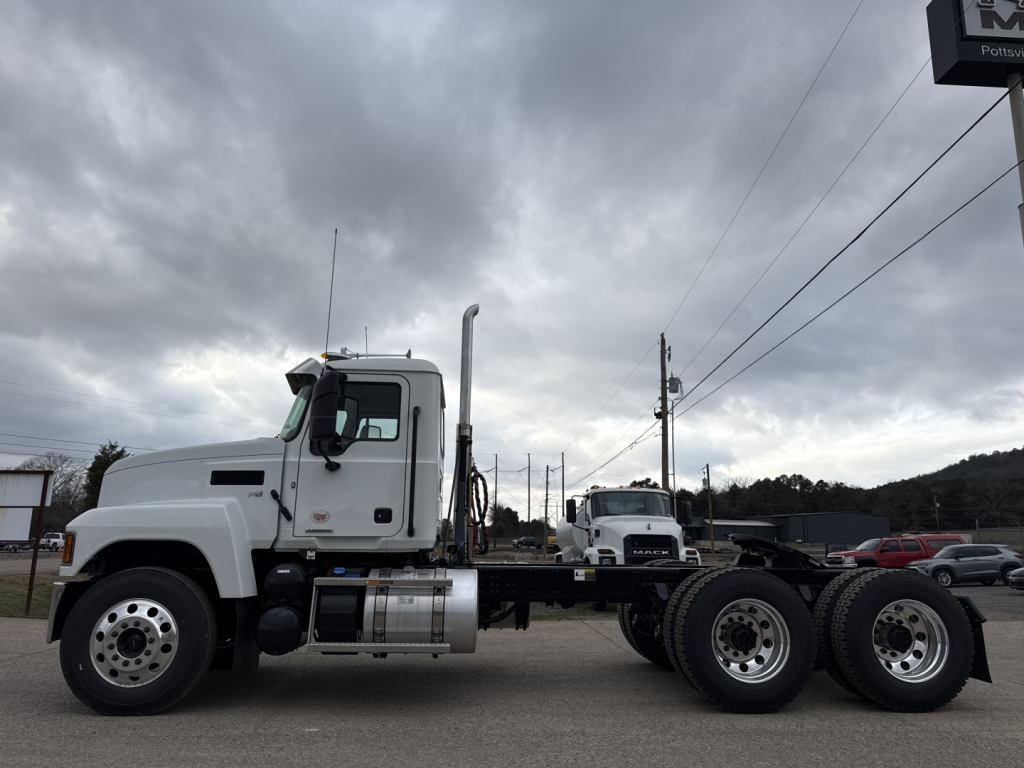
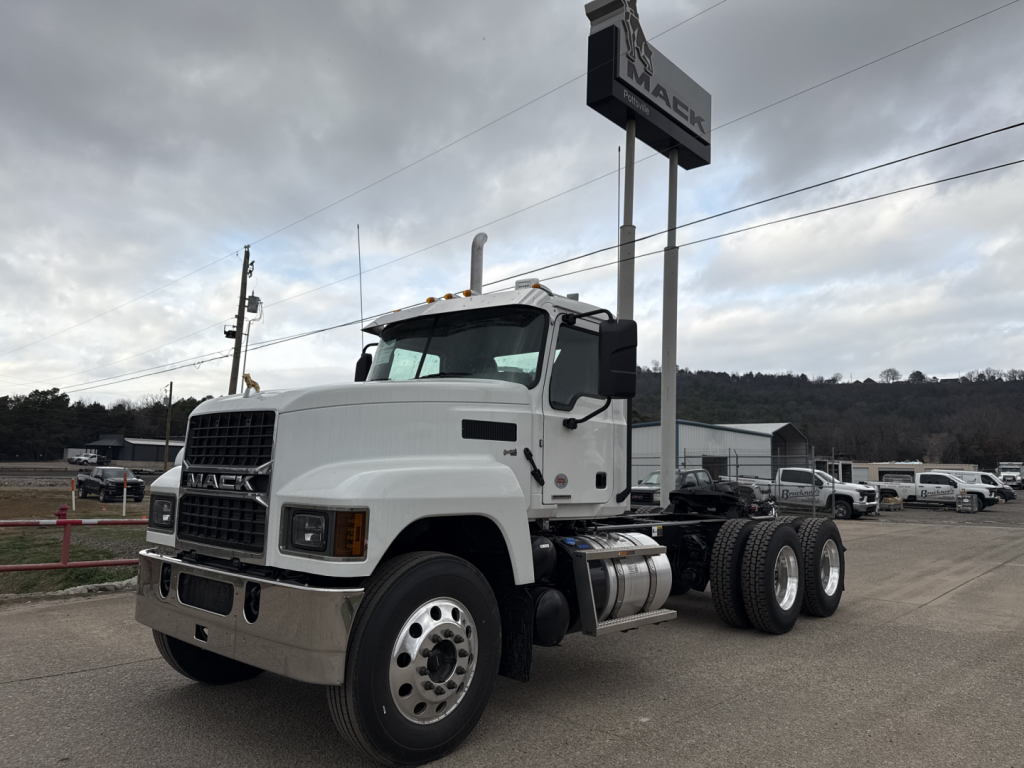
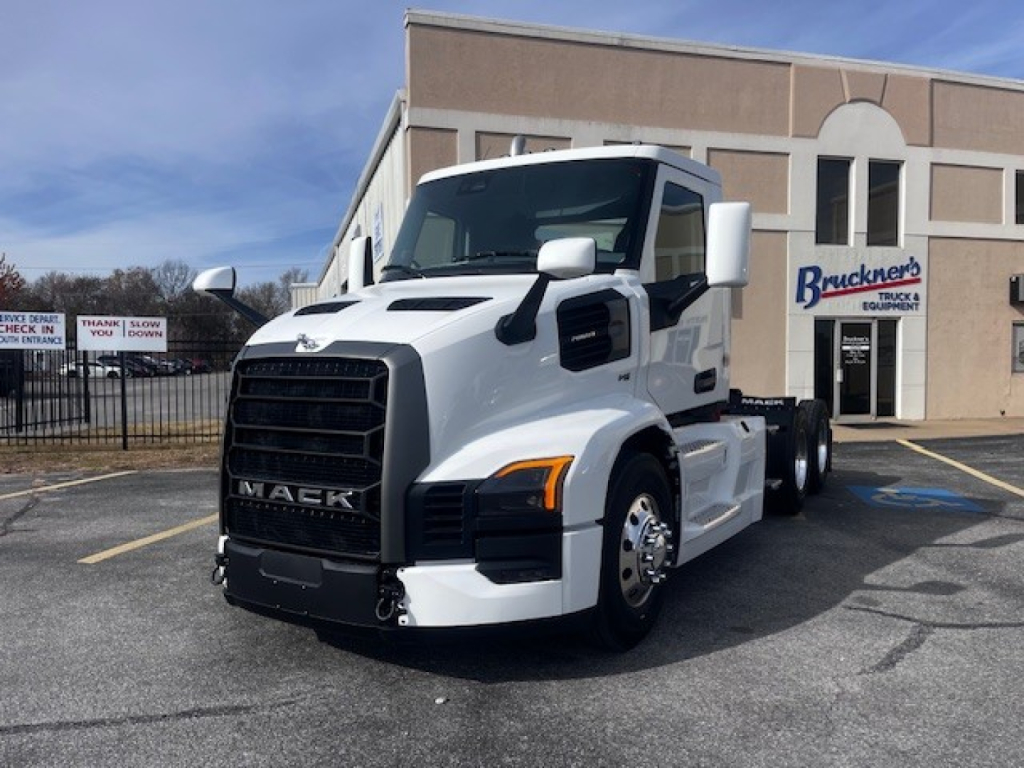
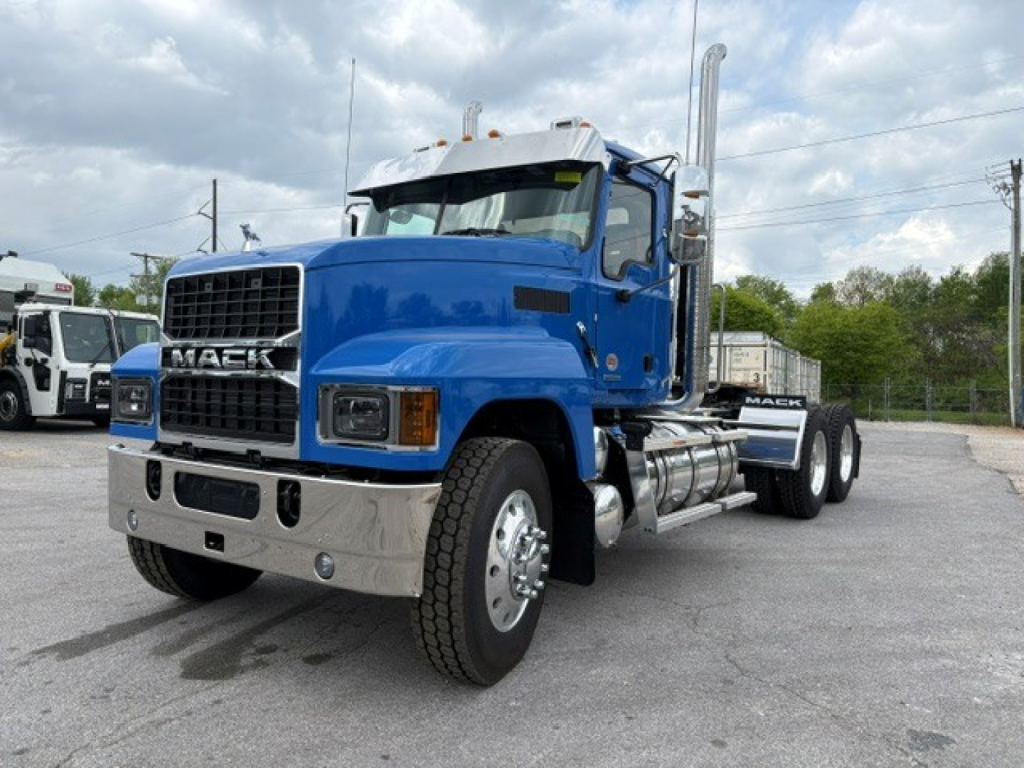
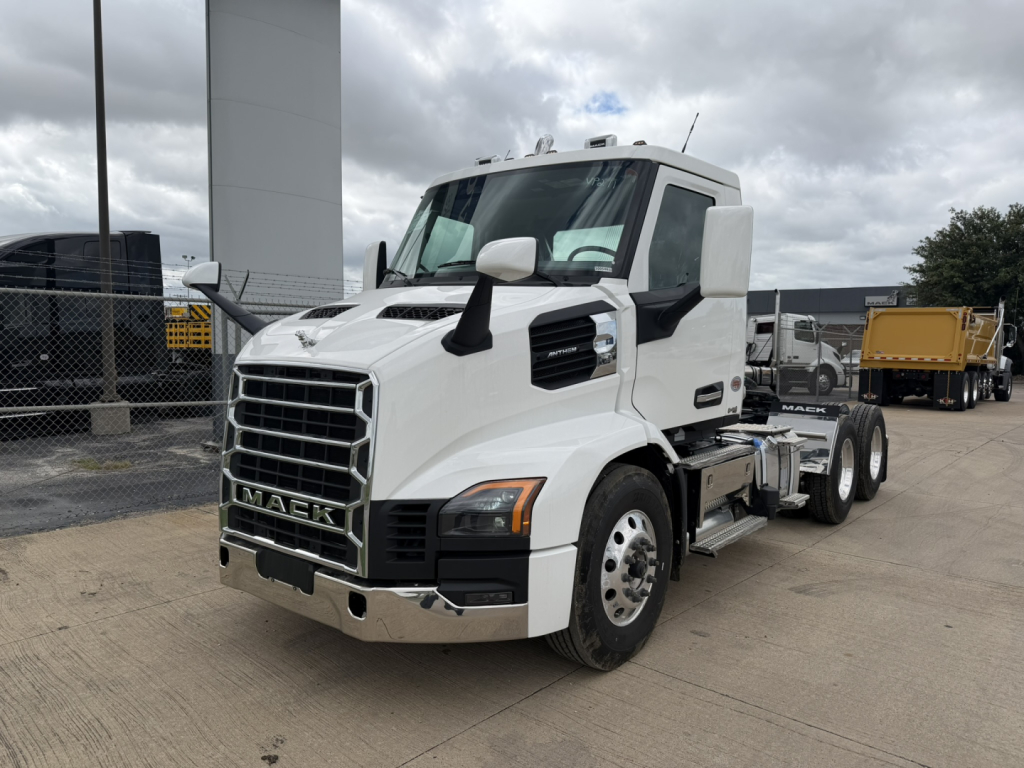
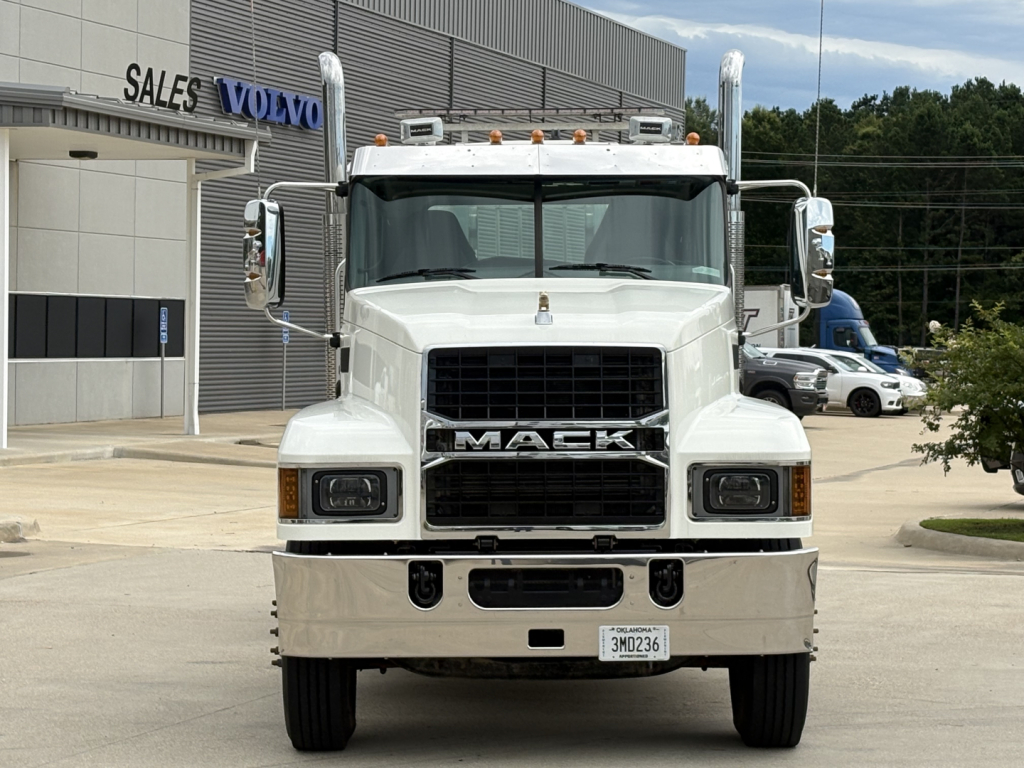
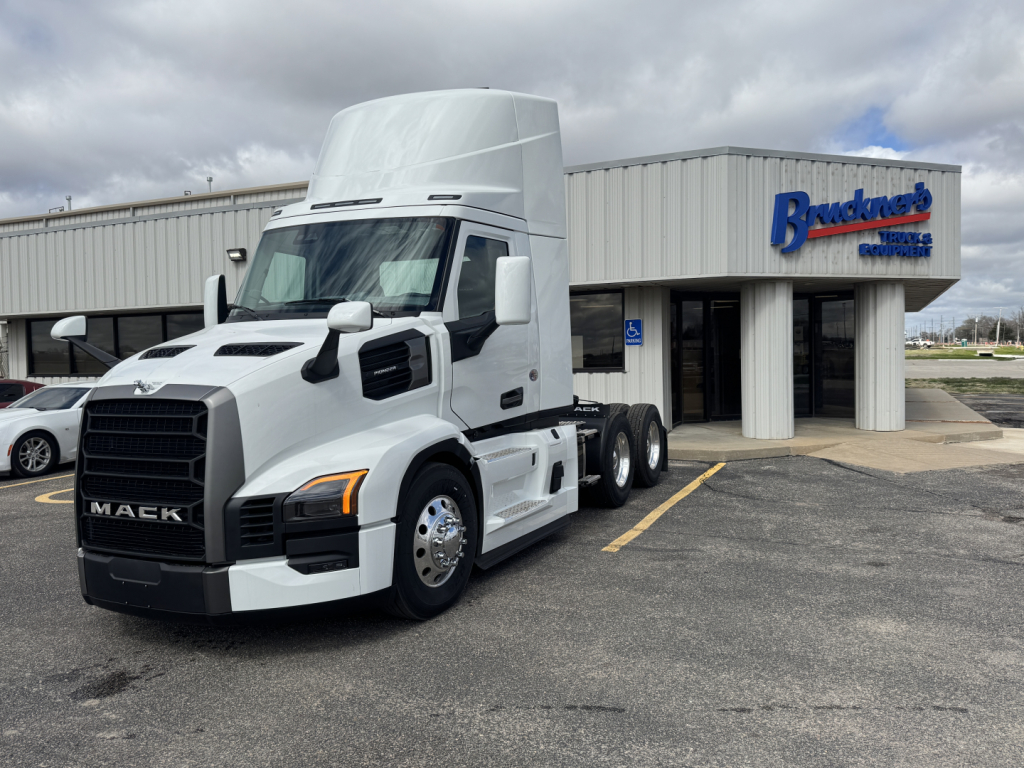
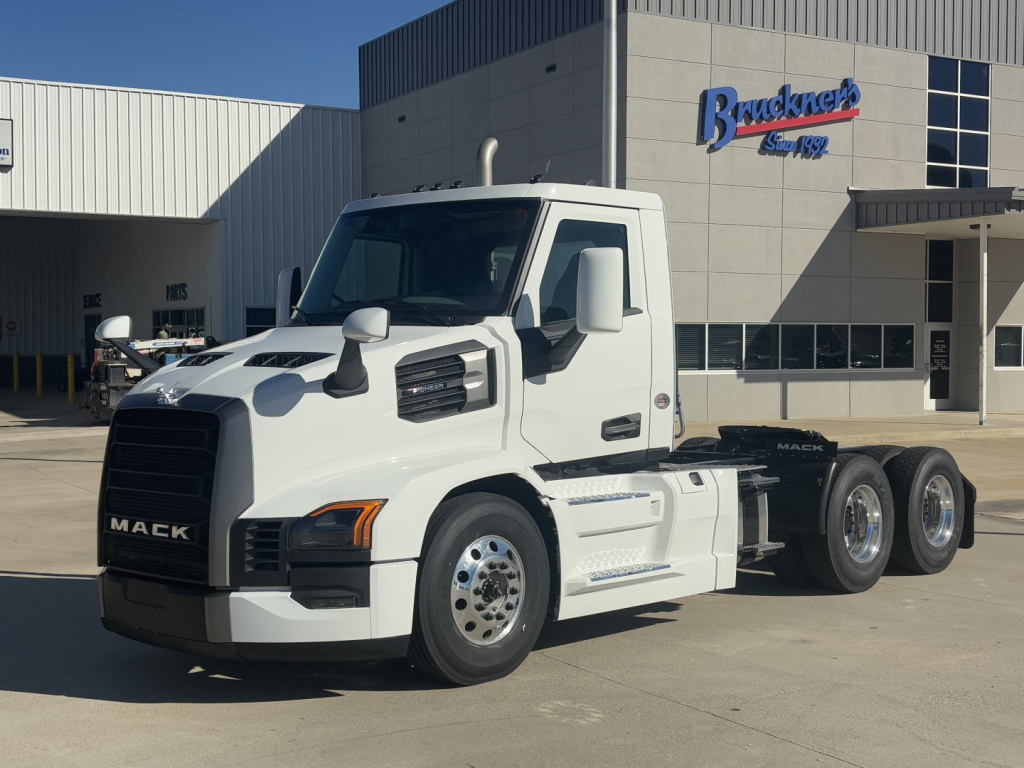
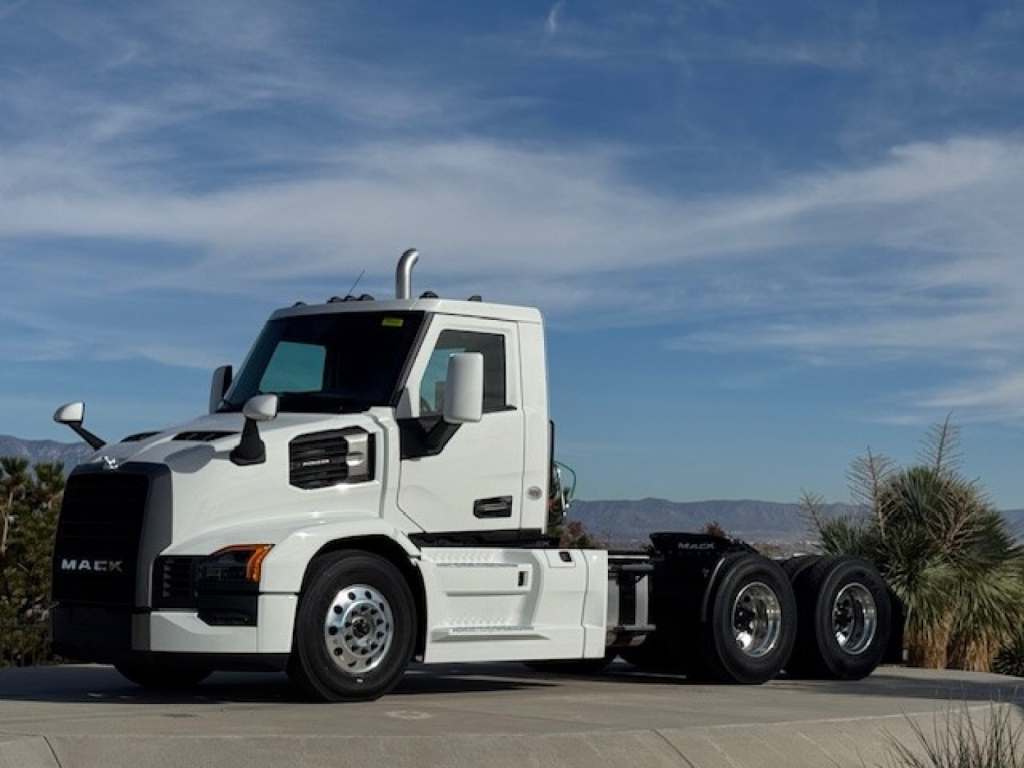
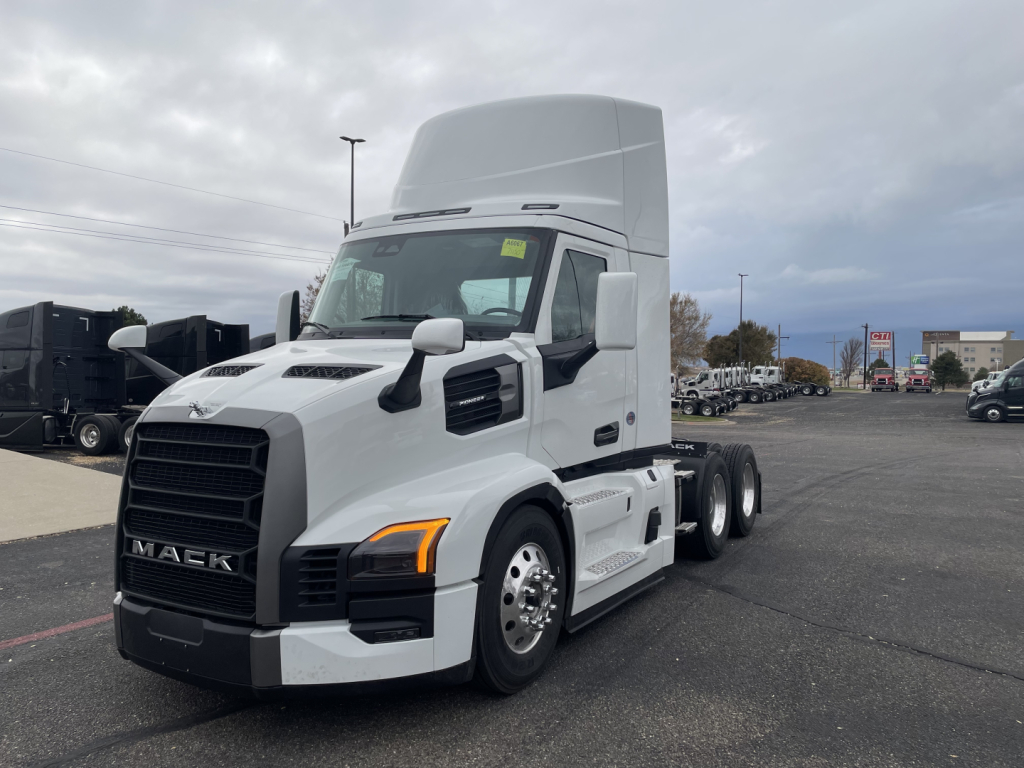
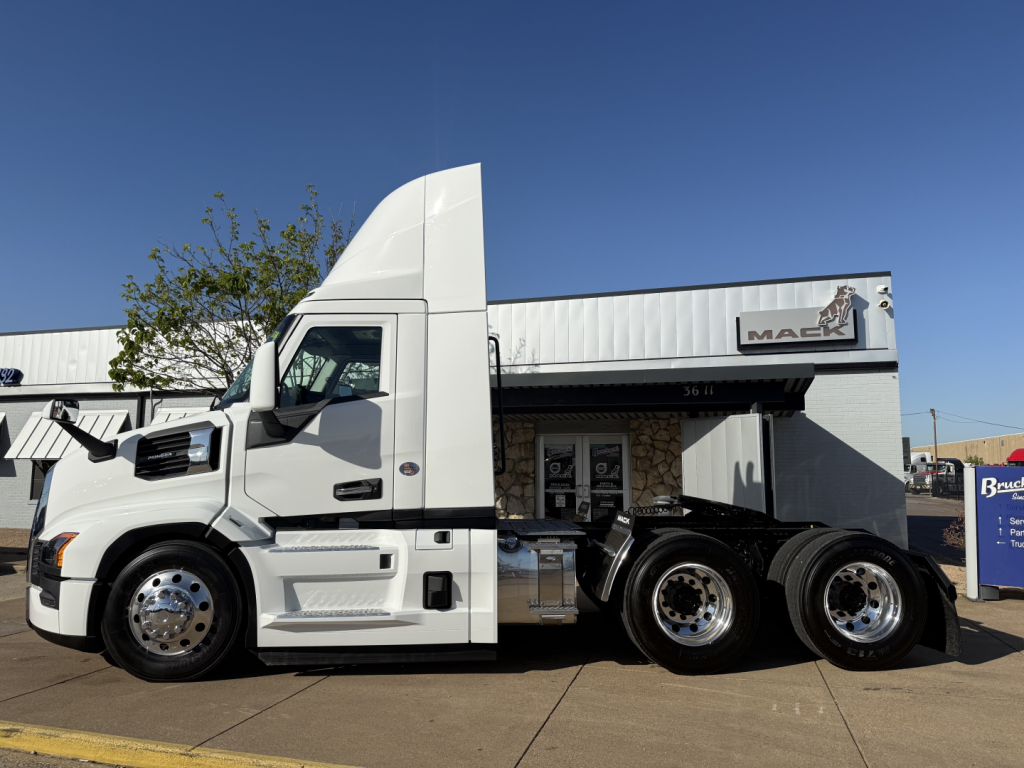
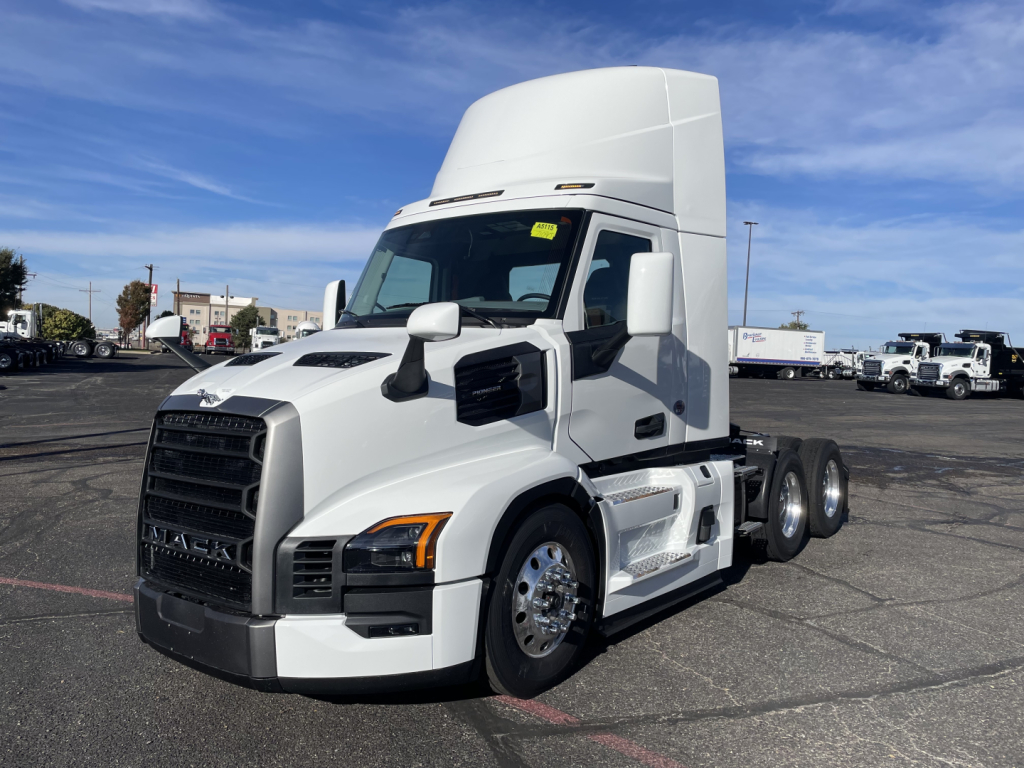
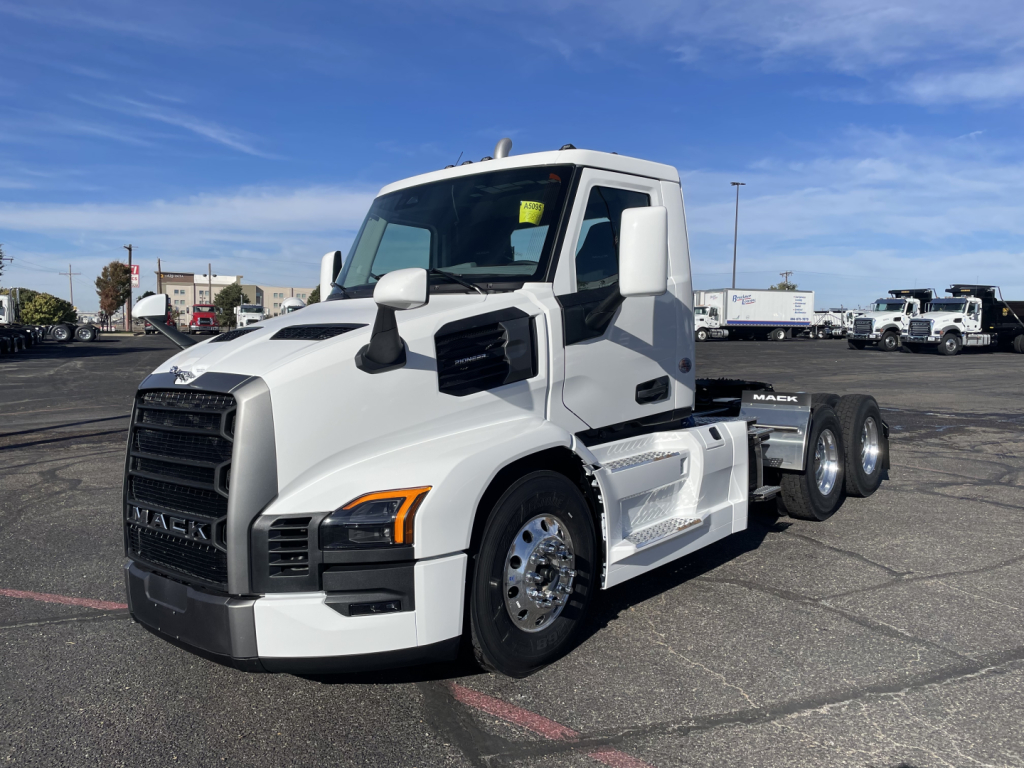
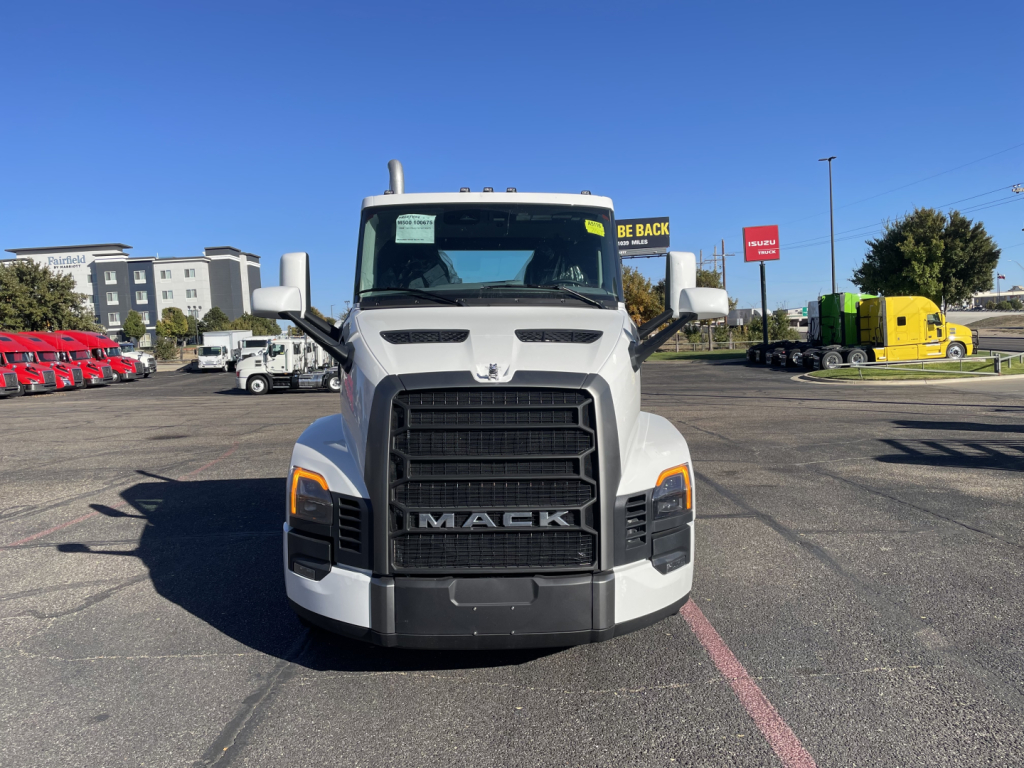
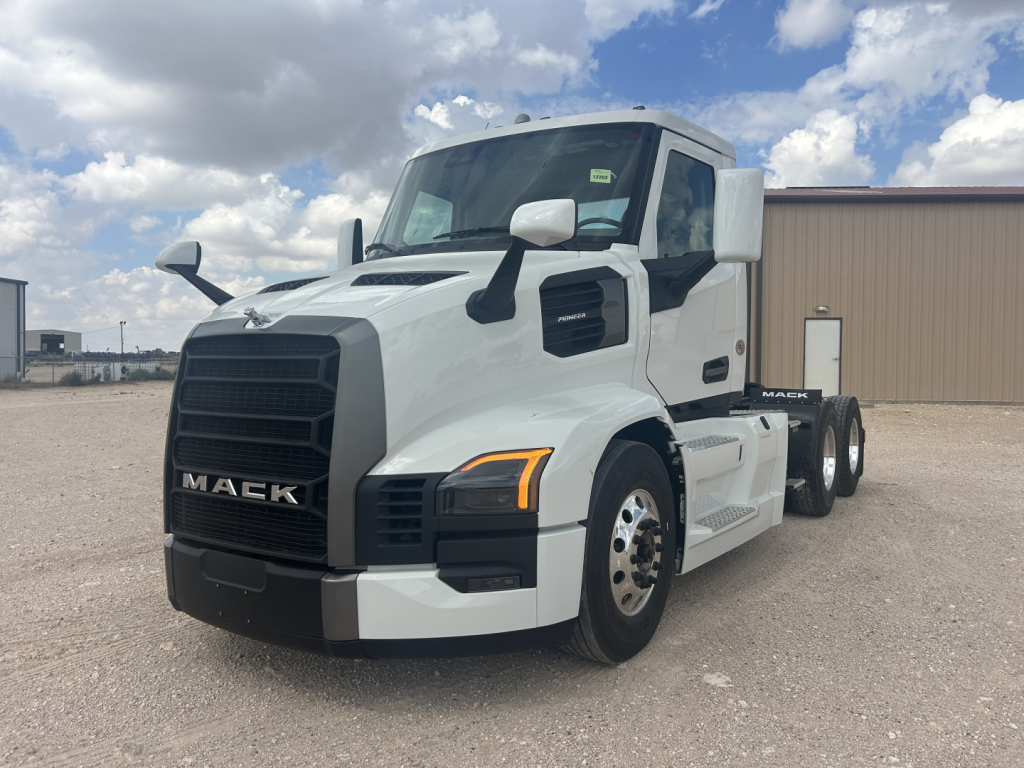
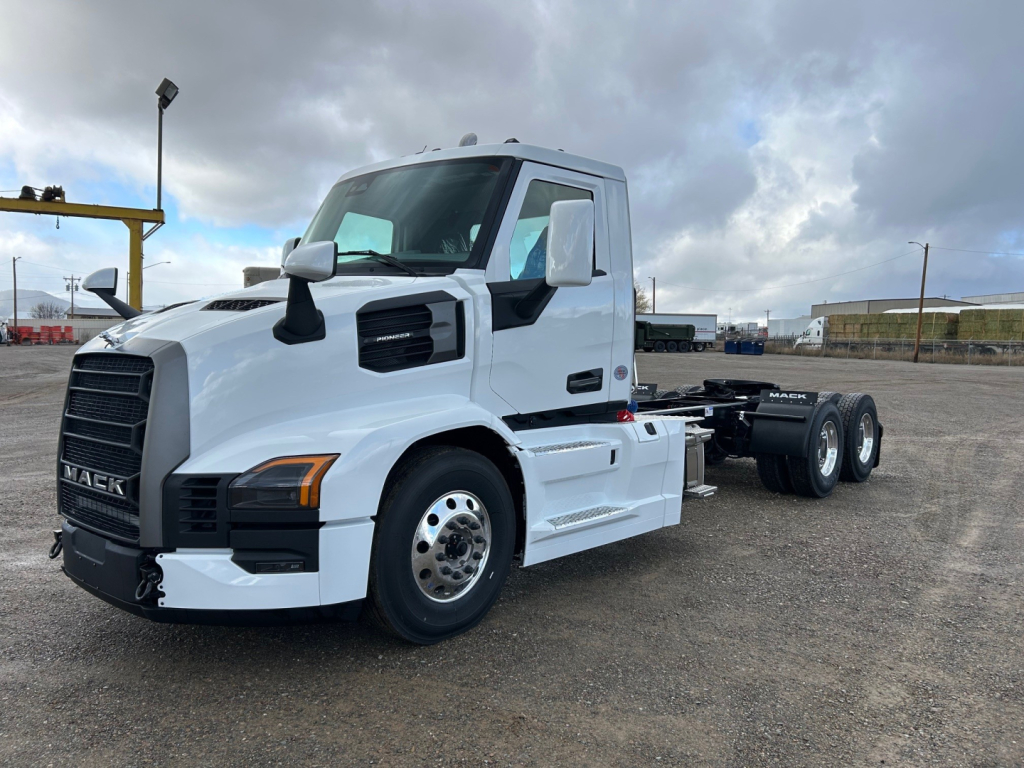
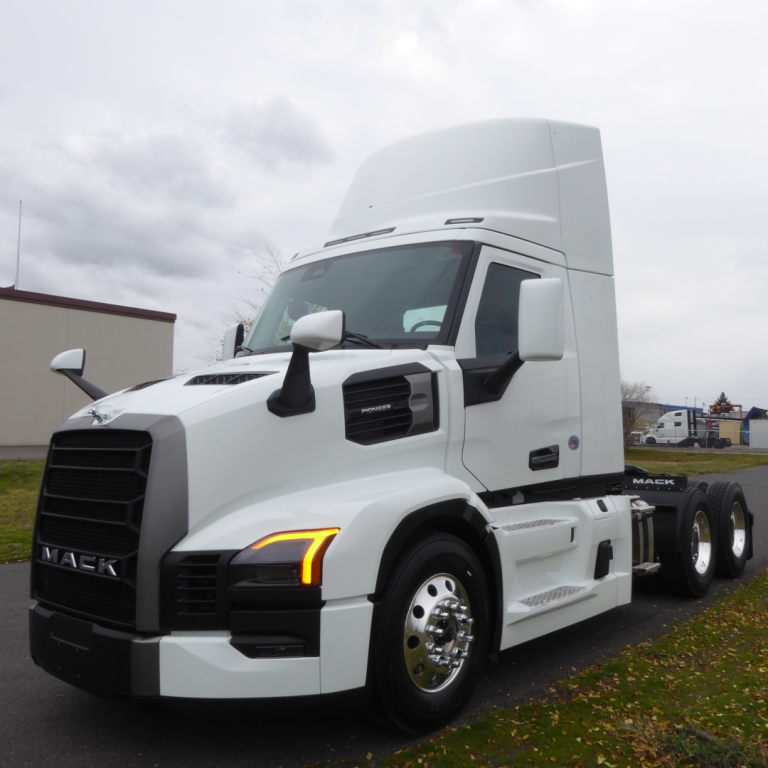
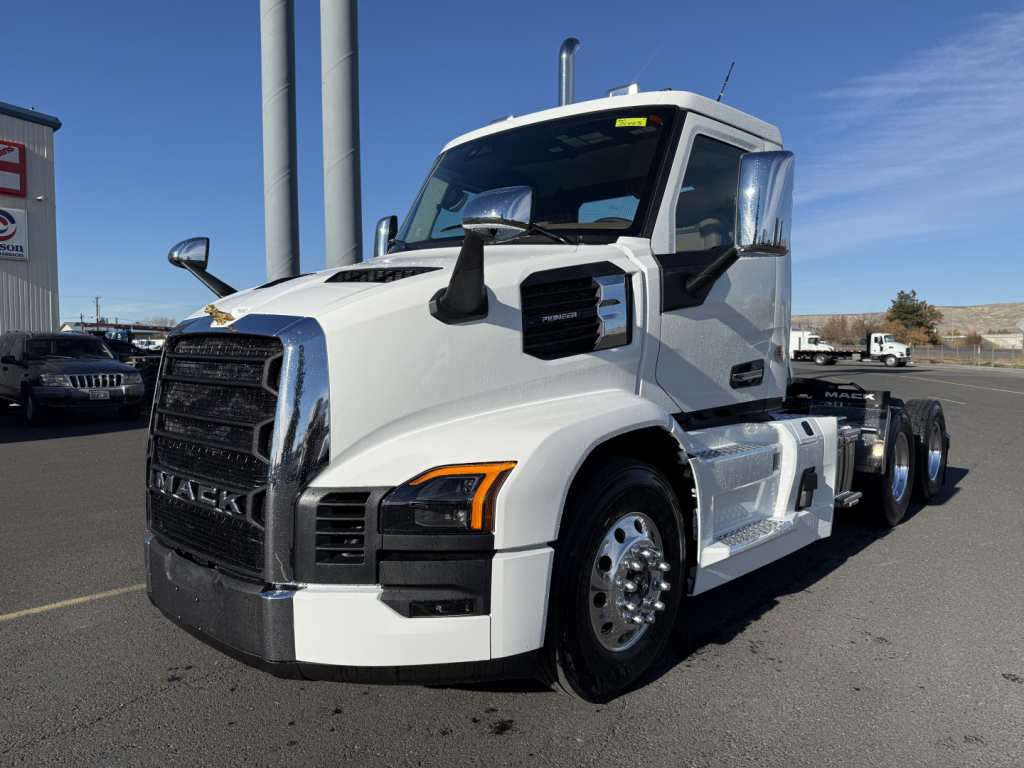
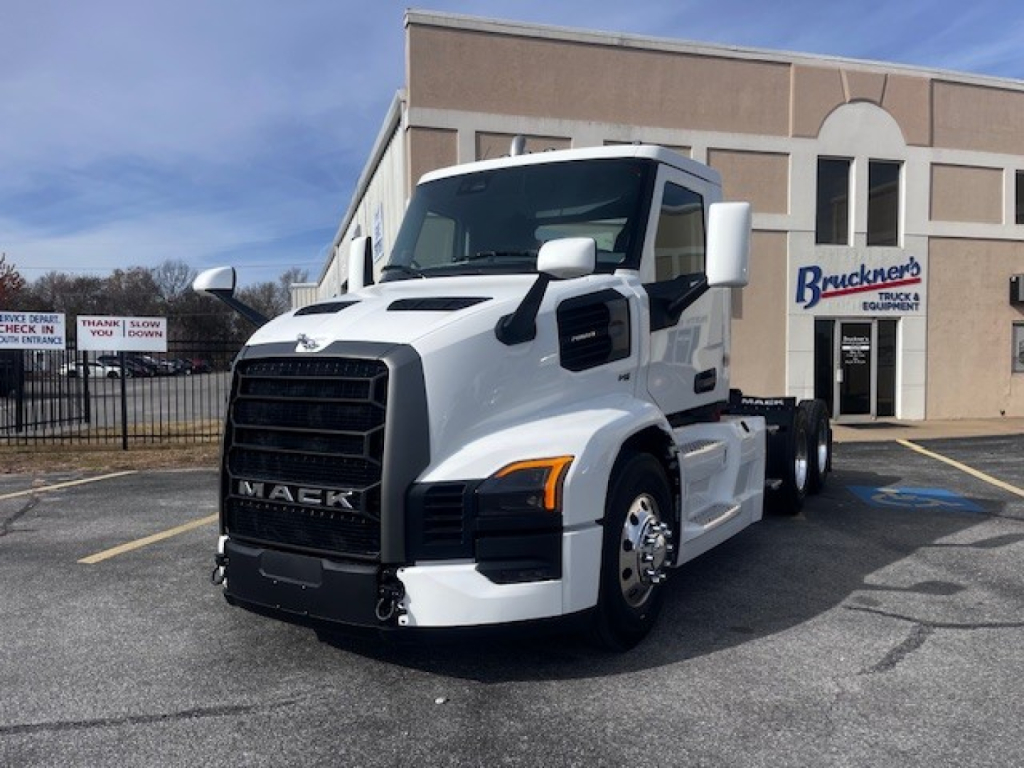
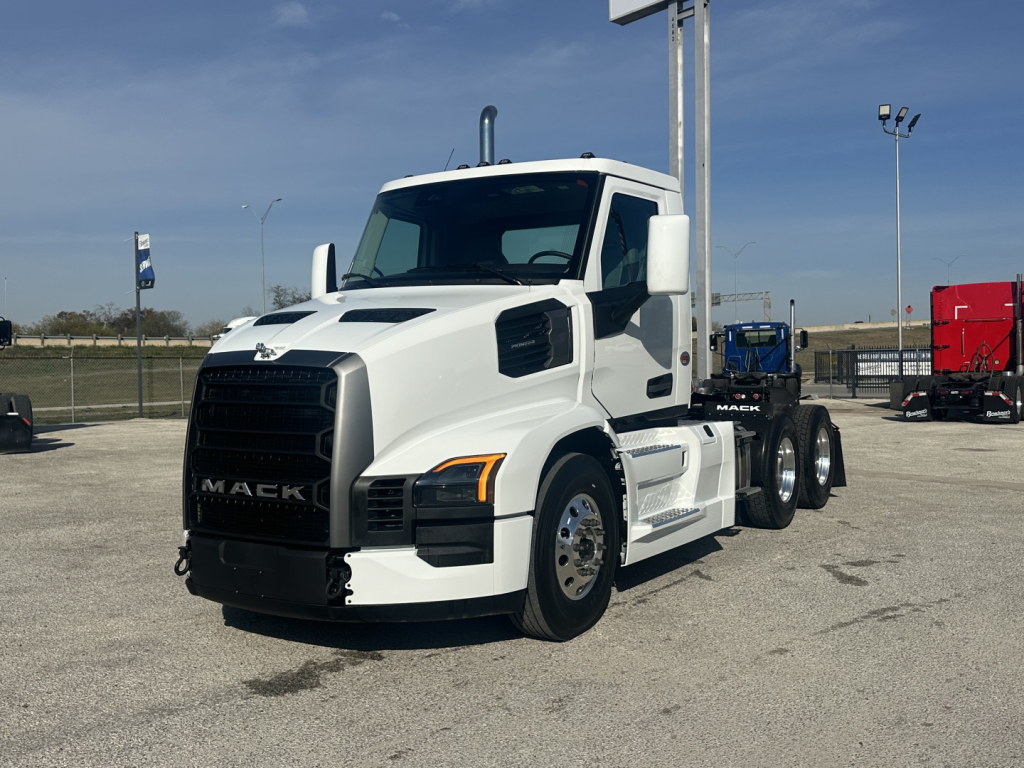
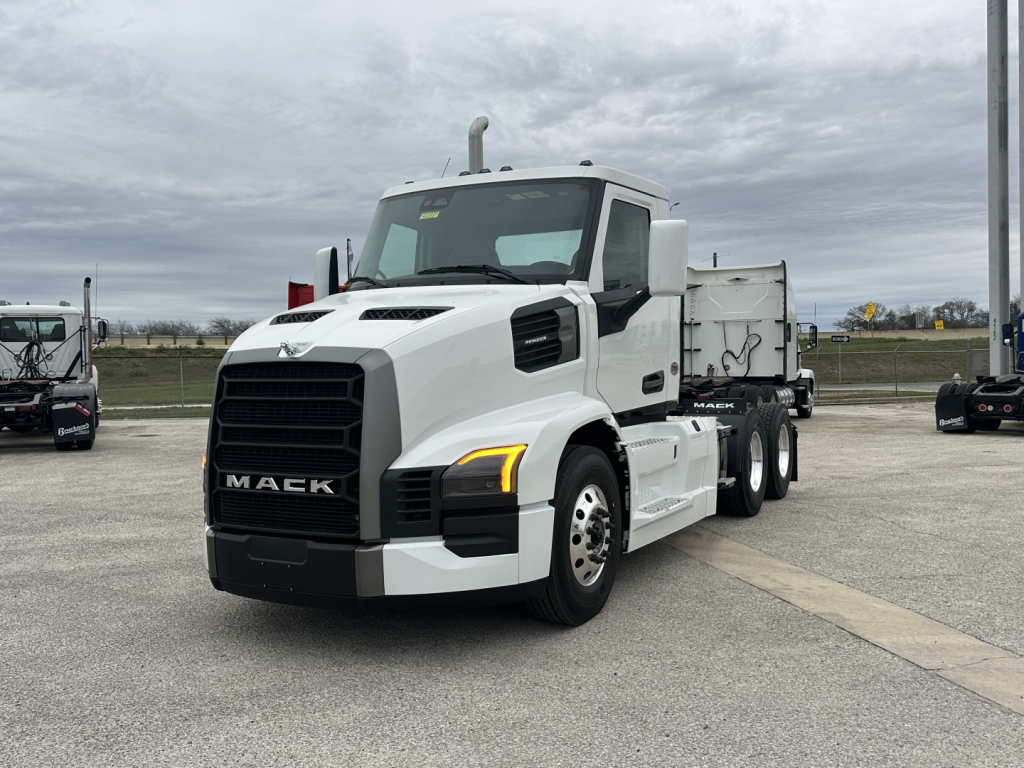
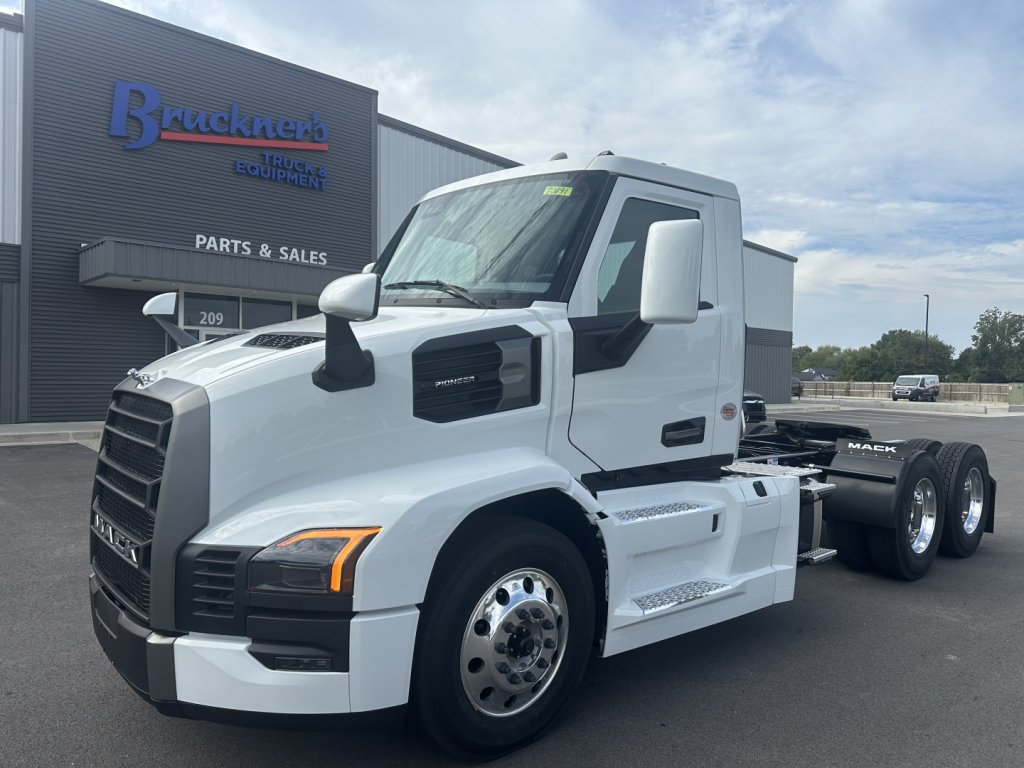
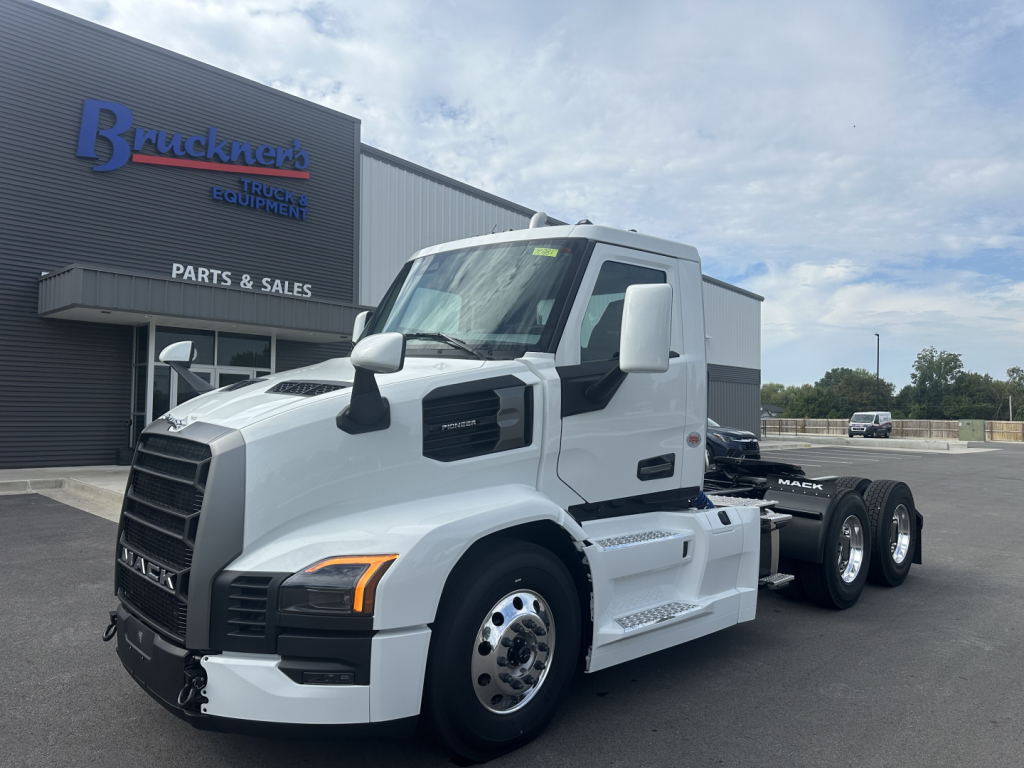
Selling a 2026 mack conventional daycab truck? List your 2026 mack conventional daycab truck for sale and reach thousands of commercial buyers.
2026 Mack Conventional Daycab Trucks
Engine and transmission choices matter more in a daycab than many buyers expect because these trucks often rack up stop-and-go miles, frequent trailer swaps, and high annual utilization. Mack MP-series diesel engines, including MP8 and higher-output options in some trims, are common in this category. Buyers comparing a 2026 Mack daycab should look closely at horsepower, torque curve, rear axle ratio, and whether the truck is spec'd with an mDRIVE automated manual or a traditional manual transmission. A lower numerical ratio can help fuel economy on steady regional lanes, while a deeper ratio may fit heavier freight, shorter runs, and more urban starts. Front axle and rear axle ratings also deserve attention, especially if the truck may see bulk, flatbed, tanker, or vocational trailer work in addition to dry van service.
Cab design, visibility, and driver ergonomics are major selling points in modern Mack daycabs. Newer Mack conventional daycab trucks emphasize aero improvements, tighter packaging, and easier cab access for drivers making multiple stops per shift. Buyers should compare interior layout, seat suspension, dash controls, steering wheel adjustment, and safety technology such as collision mitigation, lane departure warning, and integrated camera systems when equipped. Outside the cab, practical spec details often make the biggest difference in daily use: fuel tank capacity, fifth wheel type and position, frame layout, fairings, air ride suspension, and PTO compatibility if the tractor will support specialized equipment.
A good 2026 Mack conventional daycab should match the route, trailer type, and maintenance plan of the fleet. Regional carriers may prioritize aerodynamic packages, lighter spec components, and taller gearing for fuel burn. Heavy local operations may focus on durability, wheel cut, stronger axle ratings, and driveline specs that handle repeated starts under load. Mack remains a strong fit for fleets that want a durable highway tractor with brand-specific powertrain integration, straightforward serviceability, and a reputation for running hard in demanding duty cycles. The best comparison comes down to GCWR, cab comfort, emissions and idle strategy, and how well the truck's wheelbase and axle package fit your lanes and loading environment.
Frequently Asked Questions about 2026 Mack Conventional Daycab Trucks
What is a Mack conventional daycab truck best used for?
A Mack conventional daycab is best suited for local delivery, regional hauling, port work, dedicated route service, and vocational tractor applications where overnight sleeper space is not needed. The daycab layout reduces weight, shortens overall tractor length, and can improve maneuverability compared with a sleeper tractor. That makes it a strong choice for fleets that run predictable daily routes, frequent drop-and-hook operations, or urban and suburban freight lanes.
What specs should I compare first on a 2026 Mack daycab?
Start with engine rating, transmission type, axle ratio, wheelbase, and axle capacities. Those five items tell you most of what you need to know about how the truck will perform with your trailers and freight. After that, compare suspension, fifth wheel setup, fuel capacity, and any driver-assist or telematics features. A truck with the right horsepower but the wrong gearing or wheelbase can still be a poor fit for the work.
Is mDRIVE or a manual transmission better in a Mack daycab?
mDRIVE is often the better fit for fleets focused on fuel economy, driver consistency, and easier training across multiple operators. It can reduce shift-related wear and help in stop-and-go regional service. A manual transmission may still appeal to operations that want direct driver control, have experienced drivers, or run in applications where a specific manual spec matches established fleet preferences. The right answer depends on driver pool, terrain, maintenance practices, and total operating cost goals.
How does axle ratio affect a Mack conventional daycab?
Axle ratio changes how the truck balances startability, grade performance, cruise rpm, and fuel economy. A taller ratio such as a lower numerical gear can help lower engine speed at highway cruise and improve fuel efficiency on lighter or steady regional runs. A deeper ratio such as a higher numerical gear gives better pulling power from a stop and can be better for heavier loads, frequent city driving, or more demanding terrain. The ratio should always be matched to transmission spec, tire size, and typical gross combination weight.
What is the difference between a daycab and a sleeper in this Mack category?
The main difference is that a daycab has no built-in sleeping compartment behind the seats, while a sleeper tractor does. That gives the daycab a shorter cab package, lower tare weight in many configurations, and often better maneuverability in tight yards and customer locations. For buyers running same-day routes or regional work with drivers returning home daily, a daycab is usually the more efficient and practical configuration.