
2026 Mack Conventional Daycab Trucks For Sale in Texas
Browse 2026 Mack conventional daycab trucks in Texas. Built for regional haul, port, vocational, and local fleet work with strong spec flexibility.
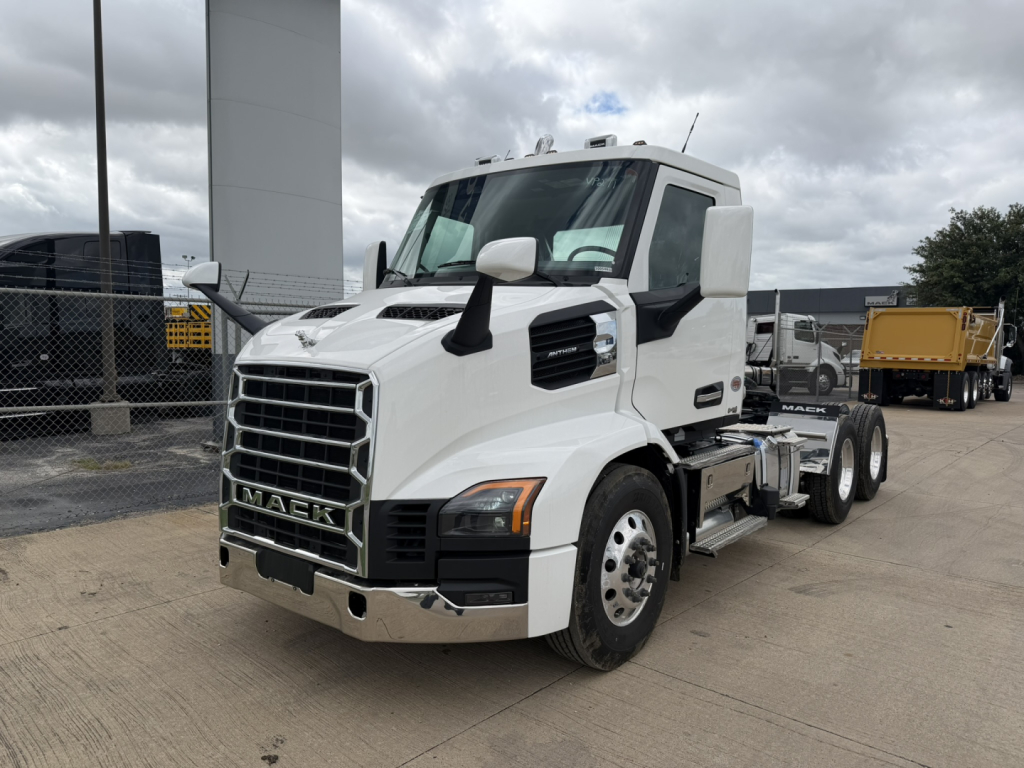
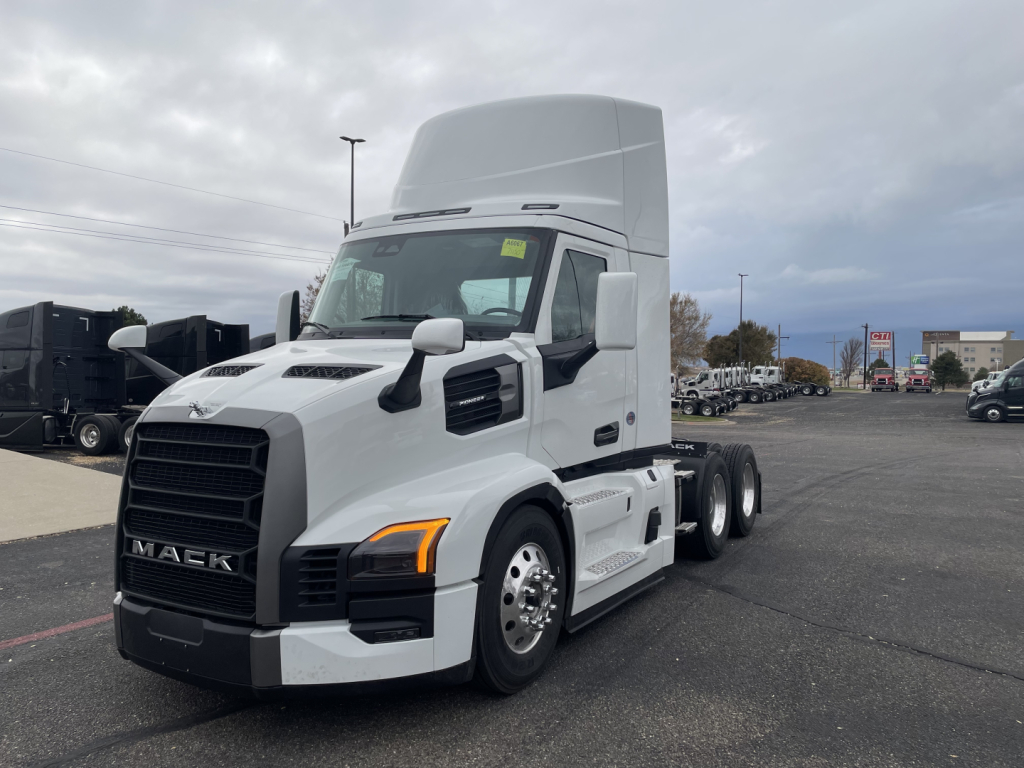
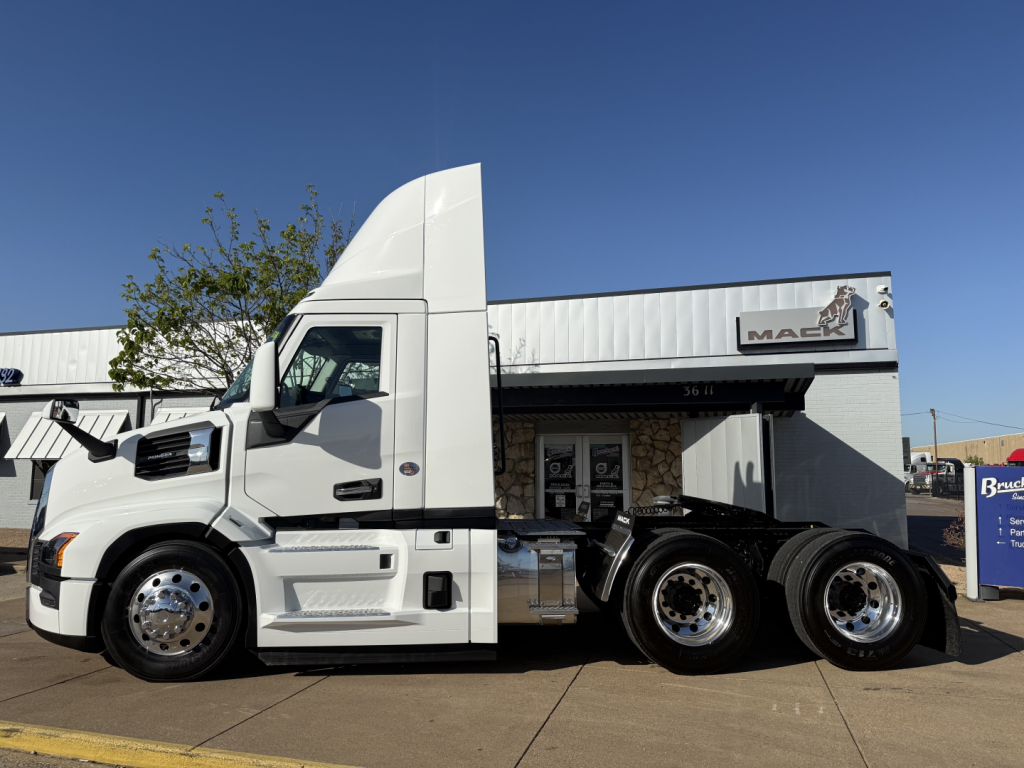
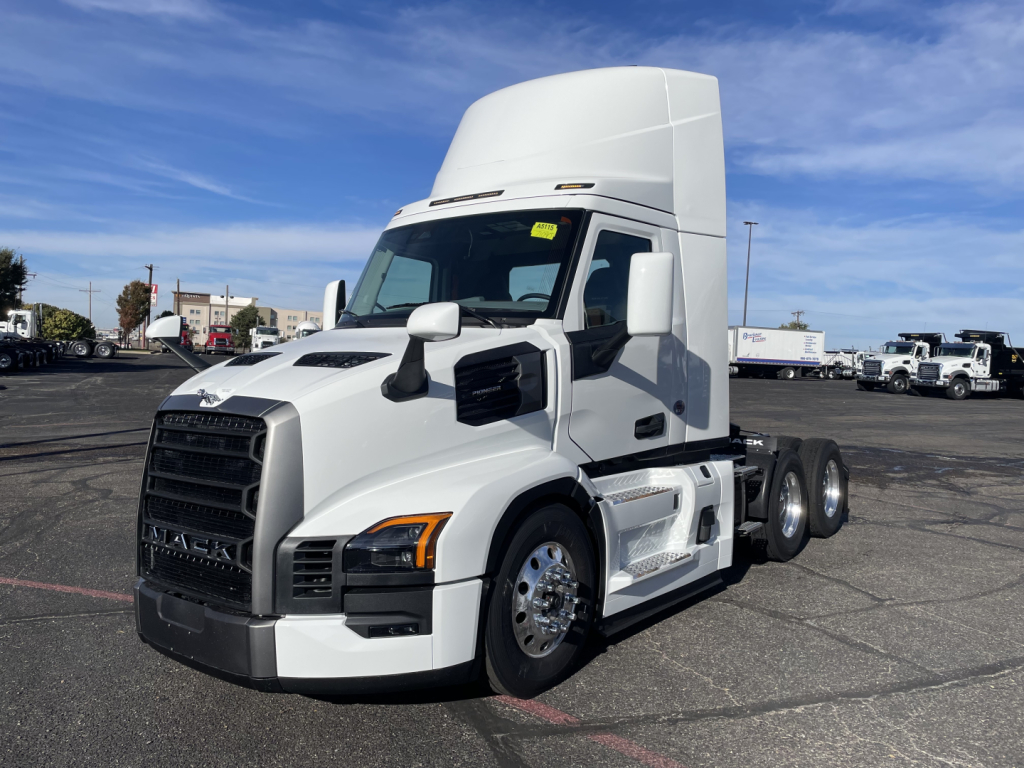
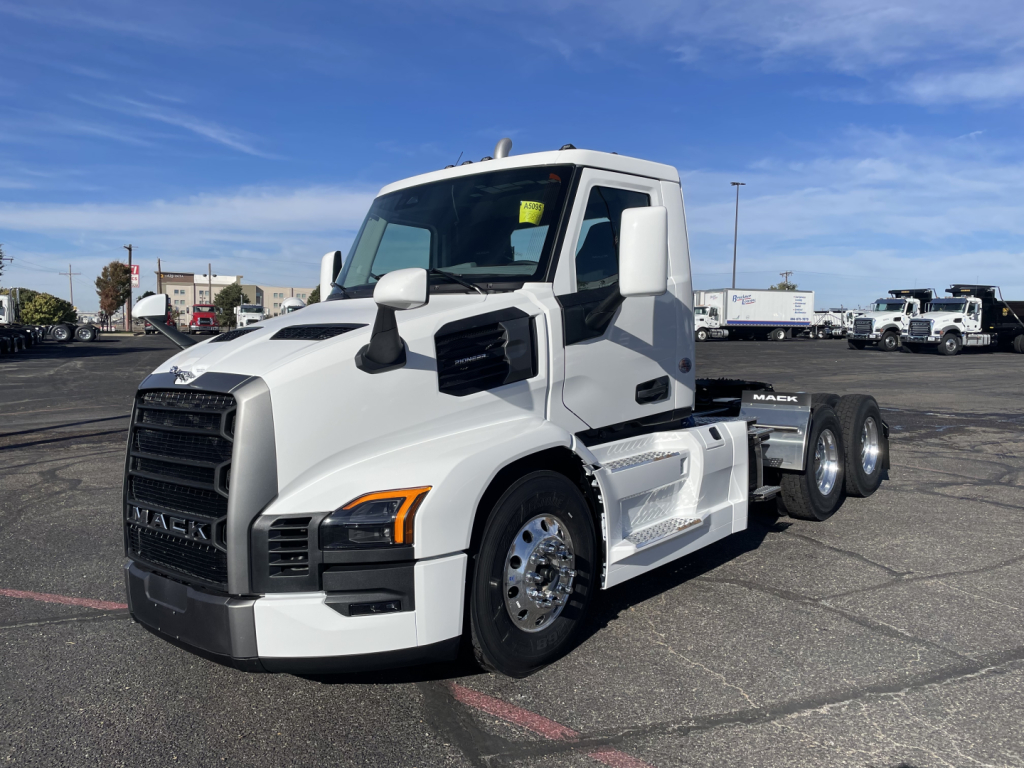
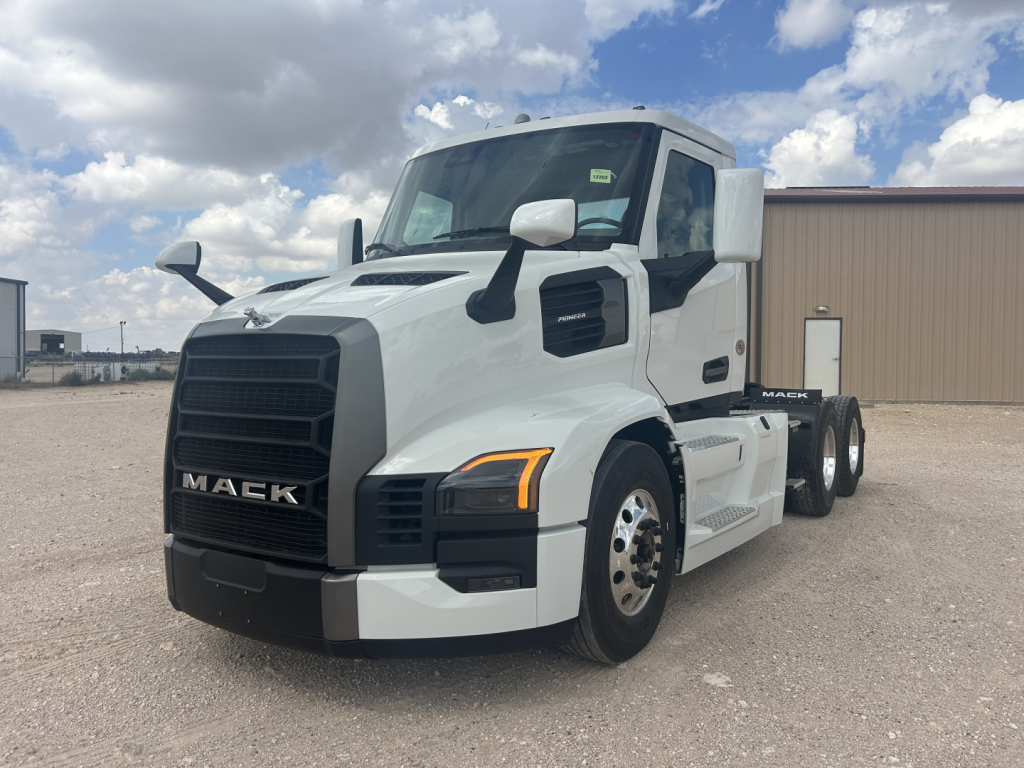
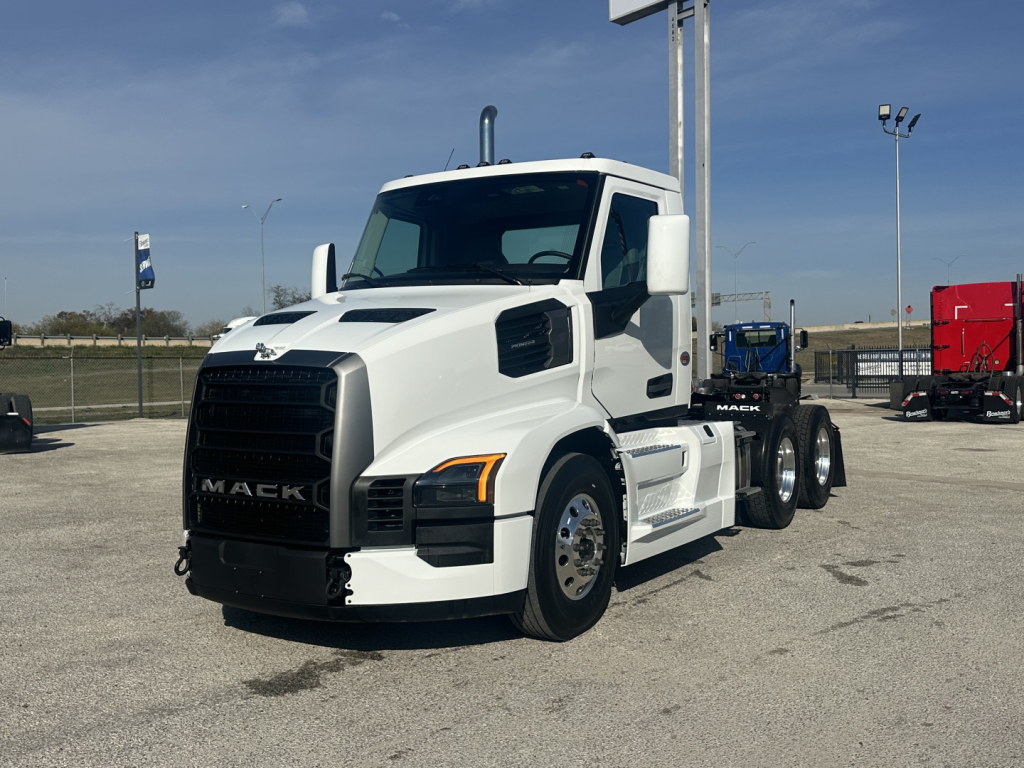
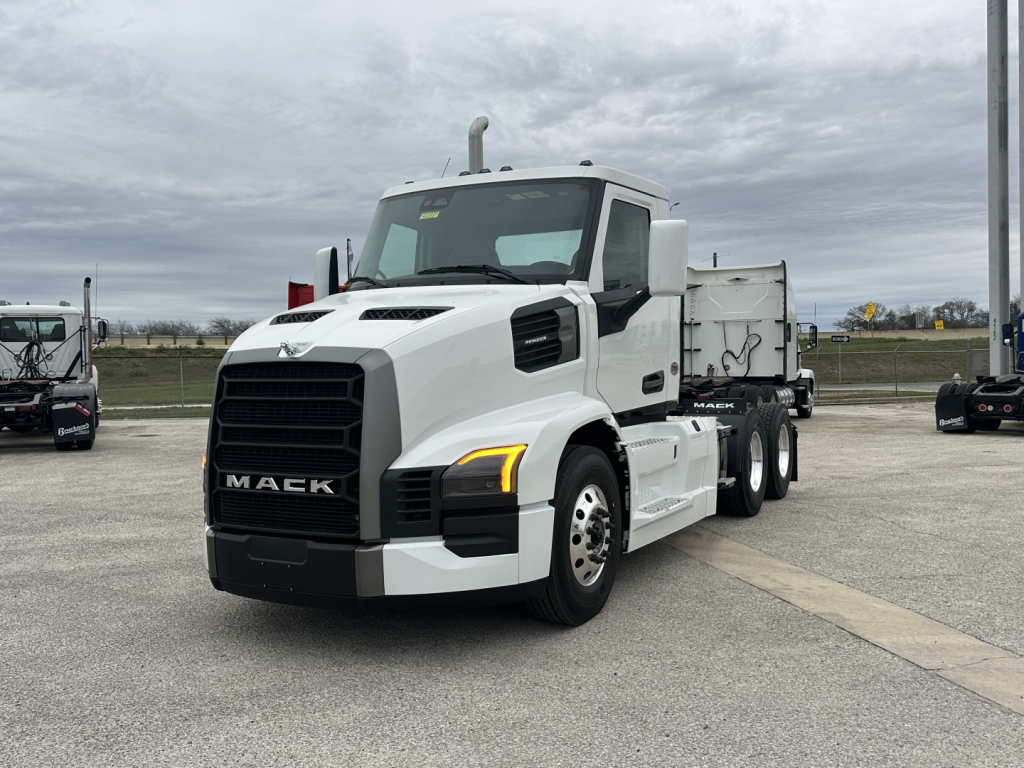
Selling a 2026 mack conventional daycab truck? List your 2026 mack conventional daycab truck for sale and reach thousands of commercial buyers.
2026 Mack Conventional Daycab Trucks in Texas
The biggest buying decisions are usually engine, transmission, and rear axle ratio. Mack MP series engines, especially higher-output options used in highway tractors, are common in this class and are known for strong low-rpm torque suited to heavy starts and regional pulling. Buyers often compare a manual Eaton setup against Mack mDRIVE automated transmissions depending on driver preference, fleet standardization, and route demands. Rear axle ratios such as 3.36 and nearby highway-friendly ratios can help balance cruise efficiency with startability, while wheelbases around the low-200-inch range are a familiar fit for many daycab tractor applications. If the truck will pull tank, flatbed, van, hopper, or end-dump trailers, confirm fifth wheel position, frame layout, PTO readiness, and bridge-law considerations before narrowing your choices.
Cab and chassis details matter more on a daycab than many buyers expect. A true working daycab needs enough interior room for all-day operation, but the real value is in visibility, ingress and egress, steering angle, and driver ergonomics in tight yards and urban traffic. On the chassis side, look at suspension type, front axle capacity, locking differential availability, brake spec, and tire package relative to the work. Air ride rear suspension is common for highway comfort and cargo protection, but heavier vocational use may call for different suspension priorities. If the truck is going into Texas heat and high utilization, cooling system capacity, idle management strategy, and aftertreatment service access deserve a close look.
For a buyer comparing multiple 2026 Mack conventional daycab trucks, the best unit is the one whose spec matches the lane, trailer, and weight profile without carrying unnecessary cost or complexity. A fuel-efficient regional tractor can be the wrong choice for severe-service starts, and a heavy vocational spec can add tare weight and burn where it is not needed. Focus on GCWR, engine rating, transmission logic, axle ratio, wheelbase, and maintenance support first. Mack daycabs have long been chosen by fleets that want a straightforward chassis with strong vocational crossover, and that makes this category especially useful for operations that need one truck to handle more than one type of work.
Frequently Asked Questions about 2026 Mack Conventional Daycab Trucks in Texas
What is a Mack conventional daycab truck best used for?
A Mack conventional daycab truck is best suited for operations that return to base daily and do not require sleeper accommodations. Common uses include regional freight, local delivery, drayage, tanker work, flatbed hauling, dump applications, and dedicated fleet routes. The conventional hood layout gives easier engine access for service, and the daycab configuration reduces weight and overall length compared with a sleeper tractor.
What specs matter most when buying a 2026 Mack daycab in Texas?
The most important specs are engine rating, transmission type, rear axle ratio, wheelbase, axle capacities, and suspension. Texas buyers should also consider the mix of highway and urban miles, trailer type, and legal weight profile because those factors directly affect gearing, startability, and fuel economy. A truck running long regional lanes across Texas may need a very different specification than one handling port work, construction support, or city pickup and delivery.
Is the Mack mDRIVE a good choice for a daycab tractor?
The Mack mDRIVE automated manual transmission is a strong choice for many daycab applications because it can improve driver consistency, reduce shift-related wear, and help with fuel economy in fleet service. It is especially attractive for operations with multiple drivers or routes that combine traffic, ramps, and frequent starts. A manual transmission may still appeal to buyers who want direct driver control or already run a manual-heavy fleet, but many modern regional and local operations prefer the automated setup.
How do I choose the right axle ratio for a Mack conventional daycab?
The right axle ratio depends on load, trailer type, cruise speed, terrain, and how often the truck starts heavy from a stop. Lower numerical highway ratios such as 3.36 are commonly used when fuel economy and steady road speed matter, while other ratios may be better for heavier vocational work or frequent stop-start duty. The axle ratio should always be matched to engine torque, transmission gearing, and intended gross combination weight rather than chosen as a standalone number.
What should I inspect on a daycab chassis beyond the cab itself?
Buyers should inspect the fifth wheel setup, frame condition, PTO provisions, suspension, brake configuration, wheelbase, tire wear pattern, and axle ratings. It is also smart to verify aftertreatment layout, DEF tank placement, battery box access, and any frame-mounted equipment that could affect trailer clearance or body installation. On a daycab, chassis layout determines how easily the truck can be assigned to different trailers or vocational tasks, so those details often matter as much as the powertrain.