
2021 Mack Conventional Daycab Trucks For Sale
Shop 2021 Mack conventional daycab trucks with specs built for regional haul, port work, fuel efficiency, and heavy vocational performance.
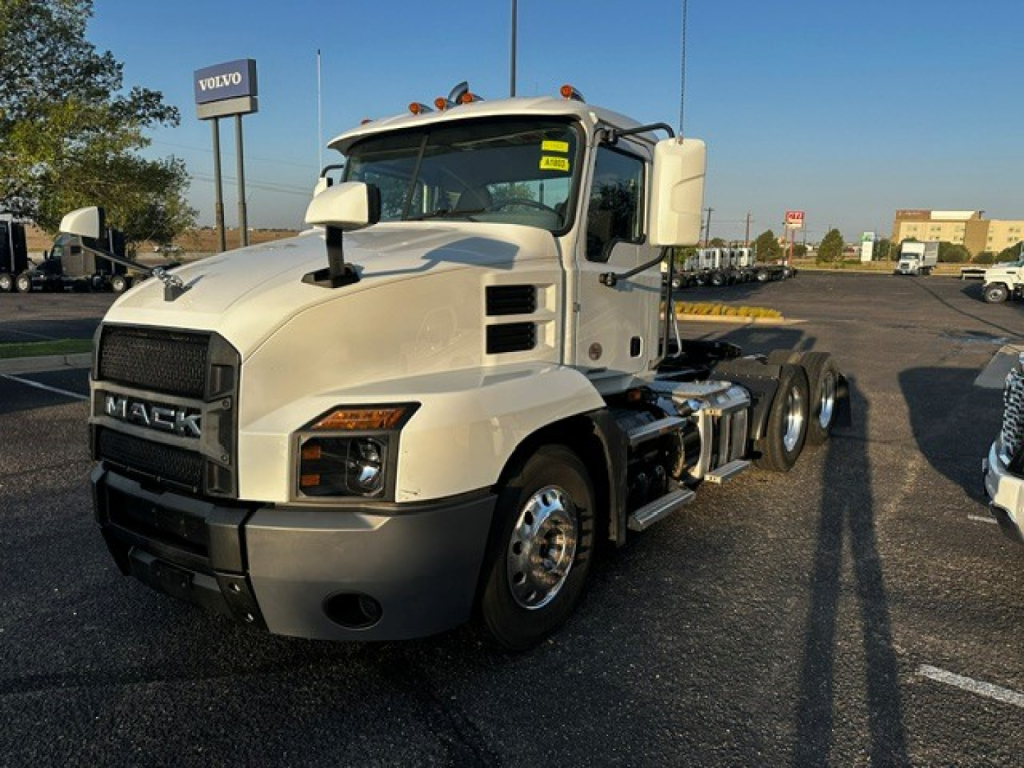
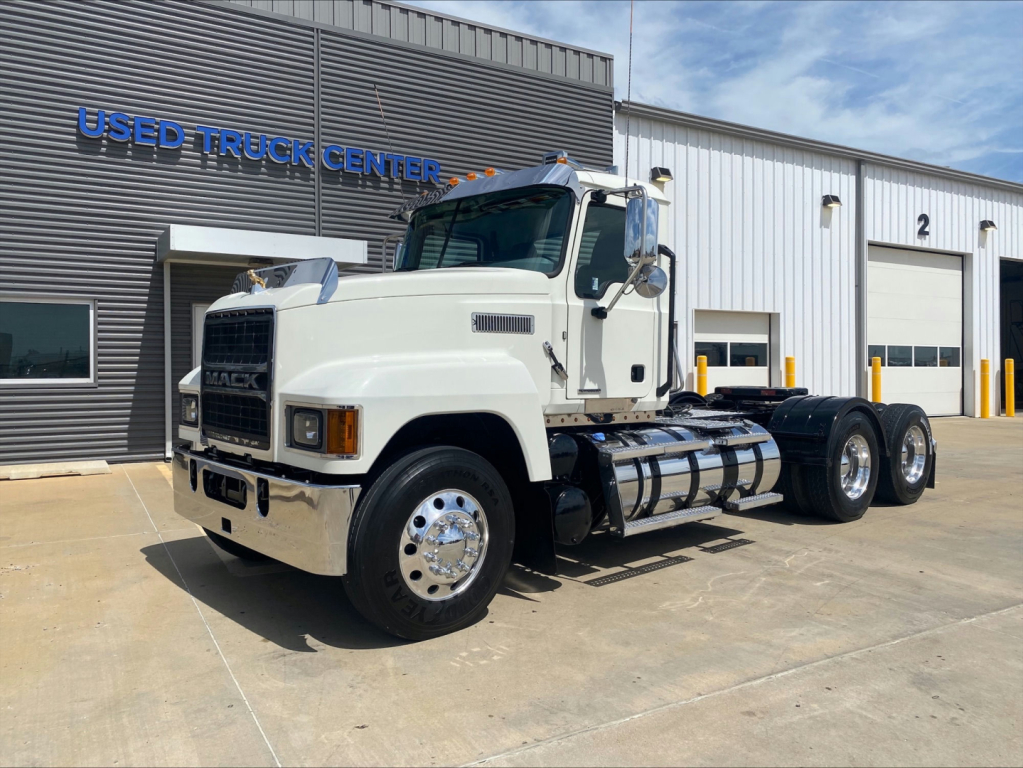

Selling a 2021 mack conventional daycab truck? List your 2021 mack conventional daycab truck for sale and reach thousands of commercial buyers.
2021 Mack Conventional Daycab Trucks
The main spec decisions on a 2021 Mack daycab are engine rating, transmission, axle setup, wheelbase, and rear ratio. Many are equipped with Mack MP8 or MP7 diesel engines paired with the Mack mDRIVE automated manual transmission, though some vocational or fleet builds may vary. Horsepower commonly lands in the mid-400s to low-500s depending on duty cycle. A buyer should match the powertrain to the job, not just the peak horsepower number. Regional van and reefer work may favor a fuel-conscious ratio and moderate wheelbase, while heavy haul, bulk, or steep-grade service may call for higher horsepower, heavier rears, full locking differentials, and a more aggressive ratio. Steer axles, rear suspensions, and fifth wheel settings also matter because they directly affect payload distribution, maneuverability, and trailer compatibility.
Mack daycabs from this period are often selected for their integrated driveline approach. Trucks spec'd with Mack engine, transmission, and axles can simplify parts sourcing and service familiarity for some fleets. Buyers should still pay close attention to maintenance history, aftertreatment performance, clutch and transmission calibration records on mDRIVE units, suspension wear, and signs of frame or fifth wheel stress if the truck has done heavy stop-and-go or port work. Tire size, air ride versus spring suspension, and wheelbase can tell you a lot about the truck's intended use. A shorter wheelbase daycab generally favors city maneuverability, while a longer wheelbase may ride better and fit certain trailer or weight distribution requirements.
For a buyer comparing multiple 2021 Mack conventional daycab trucks for sale, the best value usually comes from a truck whose spec matches the route profile and trailer type. A highway-oriented spec can feel underbuilt in severe service, while a heavy vocational build may carry more weight and cost more to run than necessary in regional freight. Focus on axle ratings, suspension capacity, ratio, brake setup, PTO provisions if needed, and driver-assist features that may be present on later-spec trucks. A well-matched 2021 Mack daycab can be a productive choice for fleets and owner-operators who need a durable regional tractor with Mack brand familiarity and a straightforward operating package.
Frequently Asked Questions about 2021 Mack Conventional Daycab Trucks
What is a 2021 Mack conventional daycab typically used for?
A 2021 Mack conventional daycab is typically used for regional hauling, local delivery, drayage, tanker work, flatbed operations, bulk hauling, and vocational tractor applications that return to base daily. The daycab design removes the sleeper to save weight, shorten overall length, and improve maneuverability. That makes it a strong fit for operations where the truck spends more time in terminals, traffic, job sites, or short to mid-range lanes than on multi-day over-the-road runs.
Which engines and transmissions are common in a 2021 Mack daycab?
Many 2021 Mack conventional daycab trucks are equipped with Mack MP7 or MP8 diesel engines, often paired with the Mack mDRIVE automated manual transmission. Exact horsepower and torque ratings depend on how the truck was ordered, but fleet and vocational specs commonly range from fuel-focused regional setups to higher-output heavy service configurations. Buyers should verify engine rating, transmission model, rear ratio, and axle capacity together because the full driveline package determines how the truck performs under load.
What should I check when buying a used 2021 Mack conventional daycab?
The key checkpoints are maintenance records, engine hours, mileage, aftertreatment history, transmission service history, suspension wear, brake condition, and evidence of frame or fifth wheel stress. On Mack mDRIVE-equipped trucks, it is smart to review calibration and clutch-related service records if available. Also confirm axle ratings, wheelbase, rear suspension type, and fifth wheel position to make sure the truck matches your trailers and legal weight targets. A clean-looking daycab can still be a poor fit if the chassis spec does not align with the intended application.
Is a Mack daycab better for regional hauling than a sleeper truck?
For many regional operations, a daycab is the more efficient choice because it reduces tare weight, improves maneuverability, and avoids paying for sleeper space that is not needed on daily return routes. That can make loading, turning, and terminal work easier while also simplifying the truck package. A sleeper still makes sense for teams, layovers, or routes that regularly require overnight rest. The better option depends on route length, driver schedule, customer locations, and payload priorities.
How important are wheelbase and axle ratio on a 2021 Mack daycab?
Wheelbase and axle ratio are two of the most important specs on any daycab because they directly affect turning radius, ride quality, gearing, and operating cost. A shorter wheelbase generally works better in tight urban freight and port environments, while a longer wheelbase may improve ride and trailer balance on highway routes. Rear axle ratio influences launch performance, cruising rpm, and gradeability. A mismatched ratio can hurt fuel economy or make the truck feel weak in heavy service, so buyers should choose based on terrain, trailer weight, and average trip length.