
2021 Mack Conventional Daycab Trucks For Sale in Oklahoma
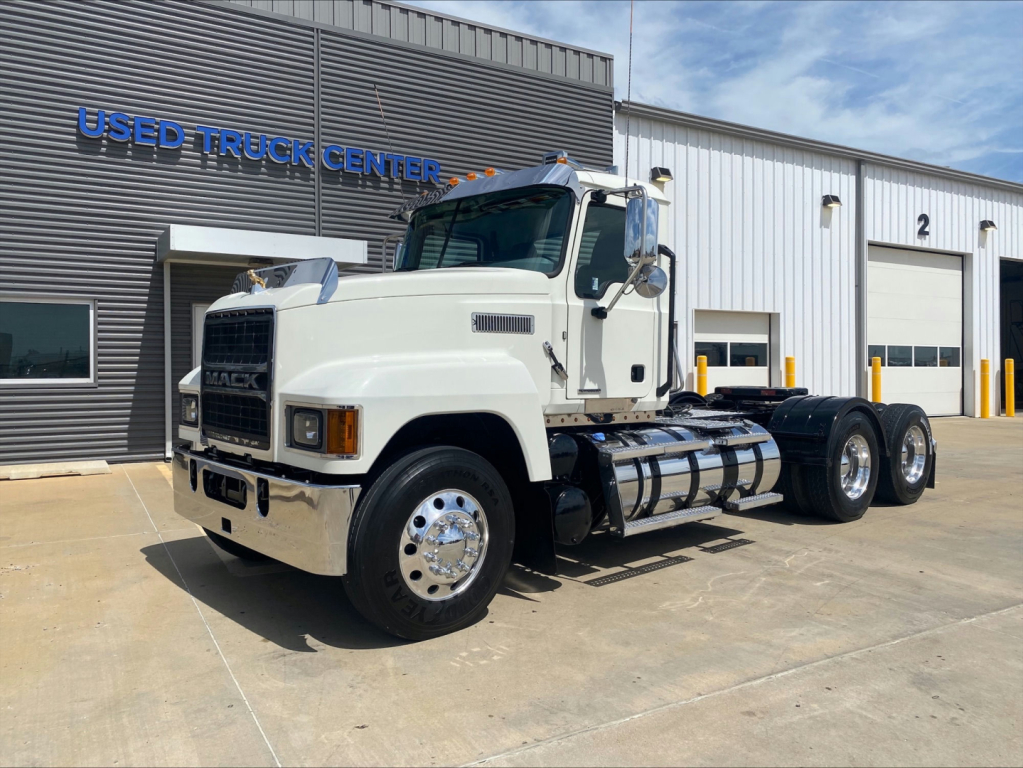
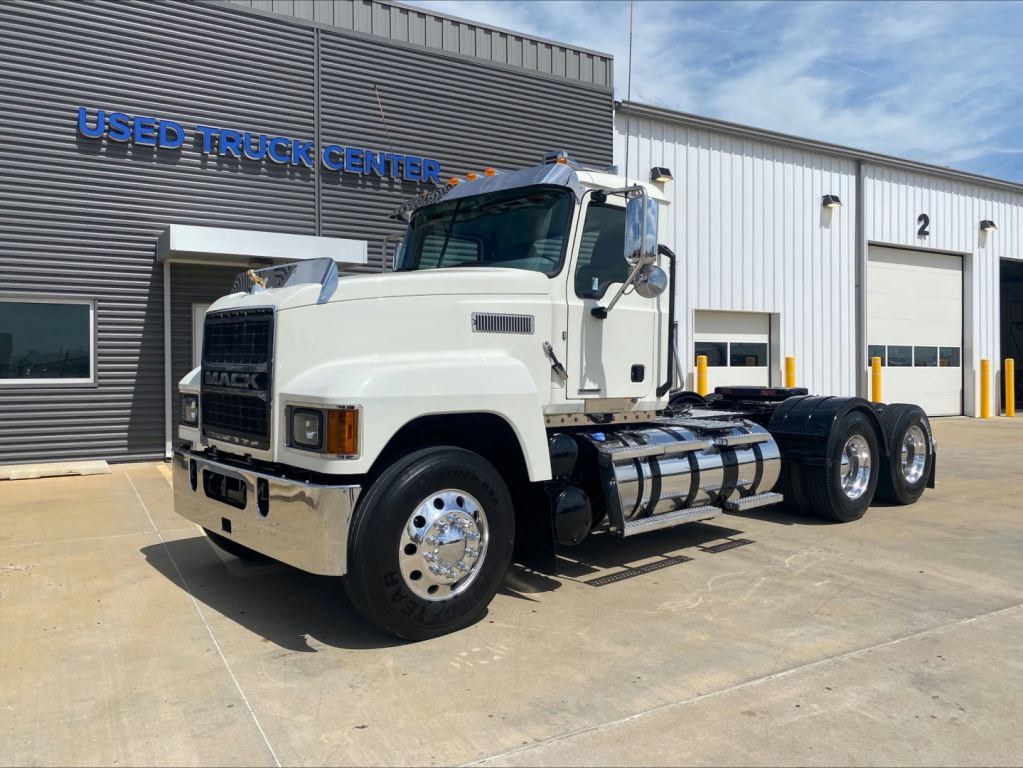
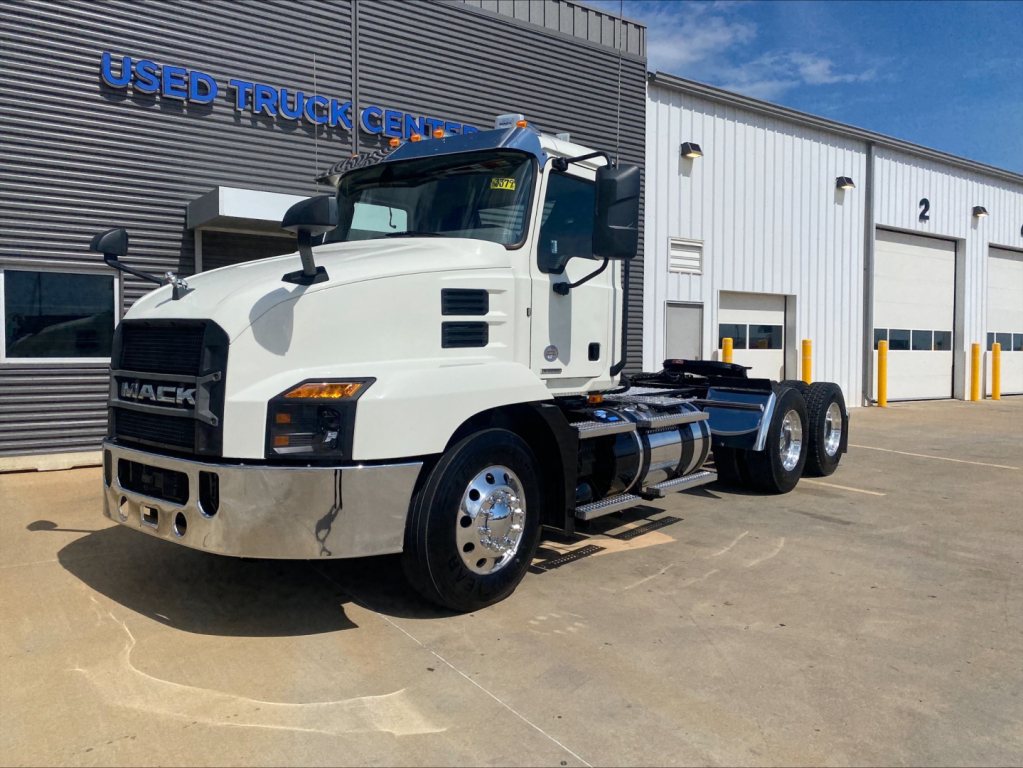
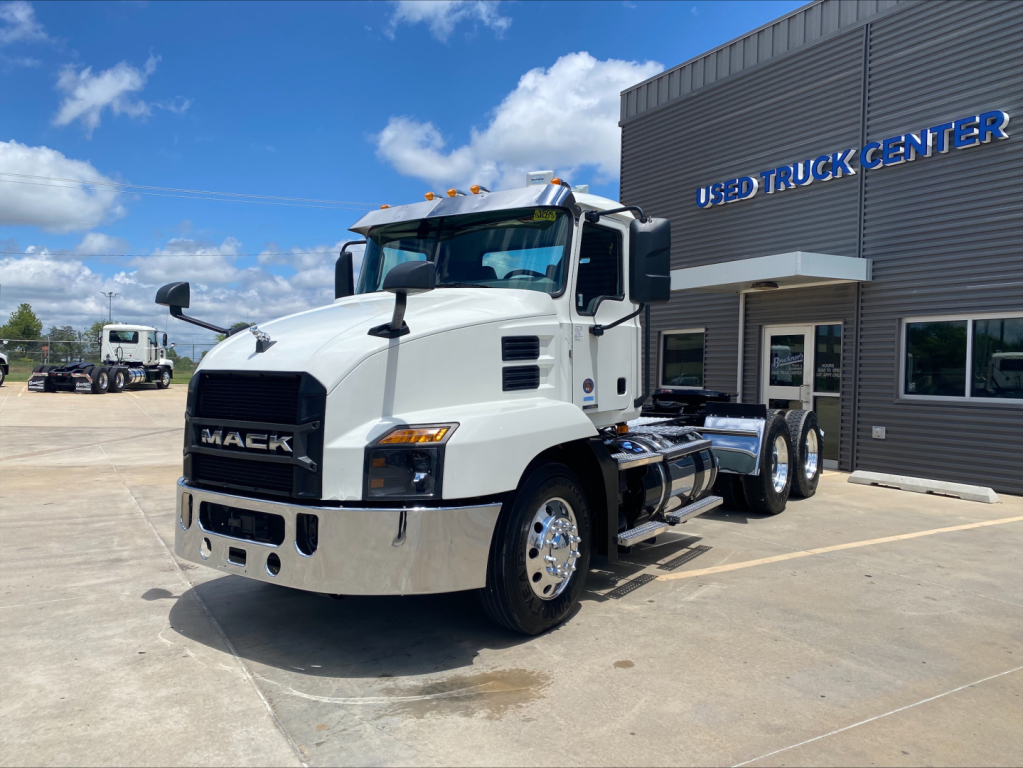
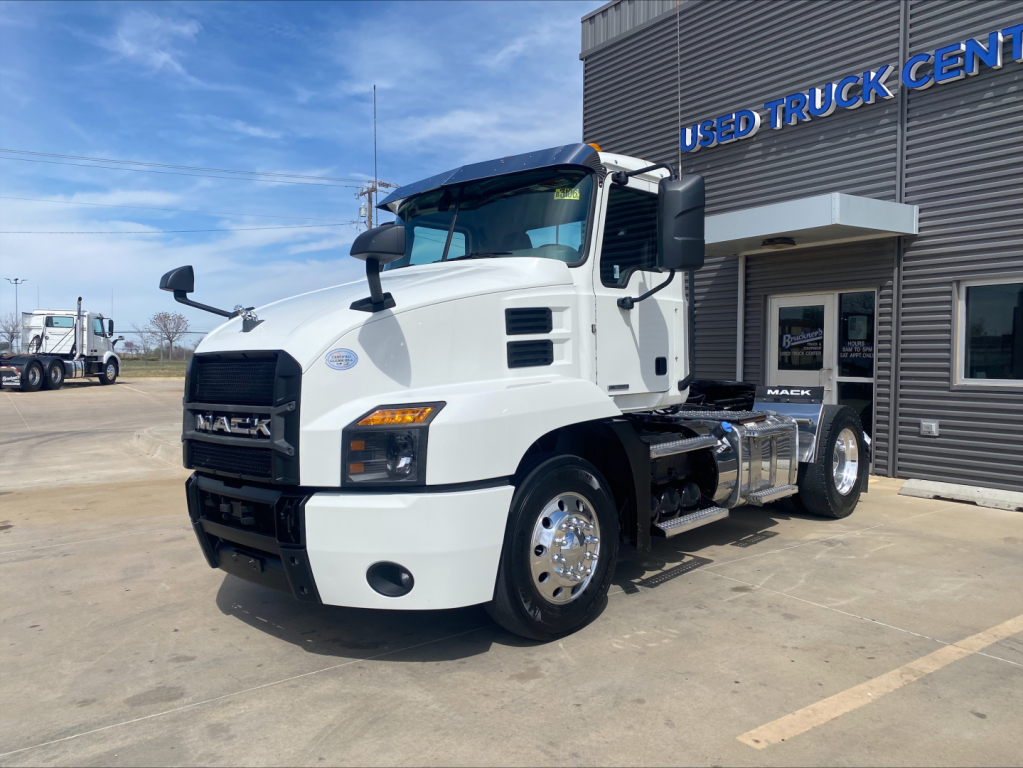
Have 2021 mack conventional daycab truck to sell? List it here to reach thousands of buyers.
2021 Mack Conventional Daycab Trucks in Oklahoma
Axle ratings, rear ratio, and wheelbase matter just as much as horsepower. Many conventional daycab tractors in this size range are spec'd with front axles around 12,000 to 14,600 pounds and tandem rears at 40,000 pounds, which suits general freight, tanker, dump, pneumatic, and heavy local applications depending on the exact build. A shorter wheelbase improves maneuverability in tight yards, urban docks, and plant traffic, while a longer wheelbase can help with ride quality, frame space, and fuel capacity. Buyers comparing Oklahoma trucks should also pay attention to fifth wheel type, slide travel, and frame layout if the truck will switch between trailer lengths or operate in mixed-service fleets.
Cab configuration and driver environment can have a direct effect on uptime and retention. A 2021 Mack daycab typically offers a straightforward, durable interior with air-ride seating, practical dash controls, and visibility suited to regional and local operations. Suspension spec is another key checkpoint. Air-ride rear suspension is common for ride quality and freight protection, while brake configuration, traction control, and tire condition will influence operating cost and safety. If fuel economy is a priority, look closely at aerodynamic package details, cruise and powertrain programming, and rear axle ratio, especially for trucks spending more time at highway speed.
For buyers shopping used 2021 Mack conventional daycab trucks for sale in Oklahoma, the best value usually comes from matching the truck's original spec to the work rather than chasing the highest horsepower number. A daycab set up for dry van and regional reefer work may differ substantially from one built for grain, equipment hauling, or short-haul industrial service. Review engine hours, maintenance records, emissions history, PTO capability if needed, and any signs of prior vocational use. When the wheelbase, axle package, driveline, and fifth wheel setup all line up with the intended trailers and routes, a Mack daycab can be a durable and efficient tractor for high-cycle fleet use.
Frequently Asked Questions about 2021 Mack Conventional Daycab Trucks in Oklahoma
What is a conventional daycab truck used for?
A conventional daycab truck is a road tractor with a standard hood and no sleeper compartment. It is commonly used for local delivery, regional freight, port work, tanker operations, dump trailer service, and dedicated short-haul routes. The main advantage is lower weight, easier maneuverability, and less complexity than a sleeper tractor when overnight accommodations are not needed.
What should I check first on a 2021 Mack daycab?
Start with the powertrain specification and intended application. Confirm the Mack engine model, horsepower, torque rating, transmission type, rear axle ratio, wheelbase, and axle capacities. After that, review maintenance records, fault history, aftertreatment condition, clutch or transmission service history if applicable, brake wear, suspension condition, and tire match. A truck with the right original spec is usually a better buy than one with more power but the wrong gearing or axle package.
Is the Mack mDRIVE a good choice in a daycab tractor?
The mDRIVE automated manual is a popular choice in Mack daycab applications because it reduces driver fatigue, improves shift consistency, and is well suited for fleets running mixed driver experience levels. It can perform well in both local and regional work when paired with the correct rear ratio and engine rating. Buyers should still verify software updates, clutch life, and service history, especially on used units that have seen repeated stop-and-go duty.
What axle and wheelbase specs are common on Mack conventional daycabs?
Many Mack conventional daycab tractors are spec'd with front axles in the 12,000 to 14,600 pound range and tandem rear axles rated around 40,000 pounds, though exact ratings vary by application. Wheelbase often falls in a range that balances turning radius with fuel tank capacity and trailer swing clearance. Shorter wheelbase trucks work well in city and yard environments, while longer wheelbase setups may better support highway stability, additional frame-mounted equipment, or larger fuel tanks.
Why does rear axle ratio matter on a 2021 Mack daycab?
Rear axle ratio affects launch performance, cruise RPM, fuel economy, and suitability for the truck's route profile. A faster ratio can help reduce engine speed at highway cruise and improve fuel economy on regional lanes, while a deeper ratio may better support heavier starts, vocational loads, or lower-speed operation. The best choice depends on trailer weight, terrain, transmission calibration, and how much time the truck spends on the interstate versus local roads.