
2020 Mack Conventional Daycab Trucks For Sale
Shop 2020 Mack conventional daycab trucks with MP-series power, mDRIVE options, and heavy-duty specs for regional haul and vocational work.
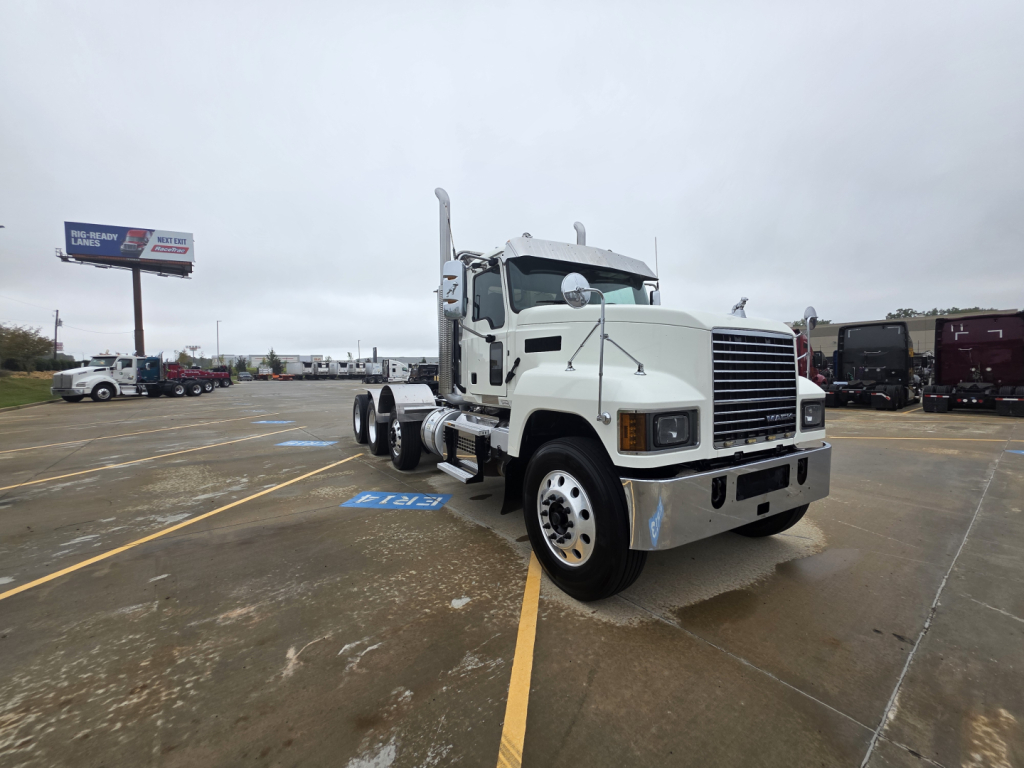
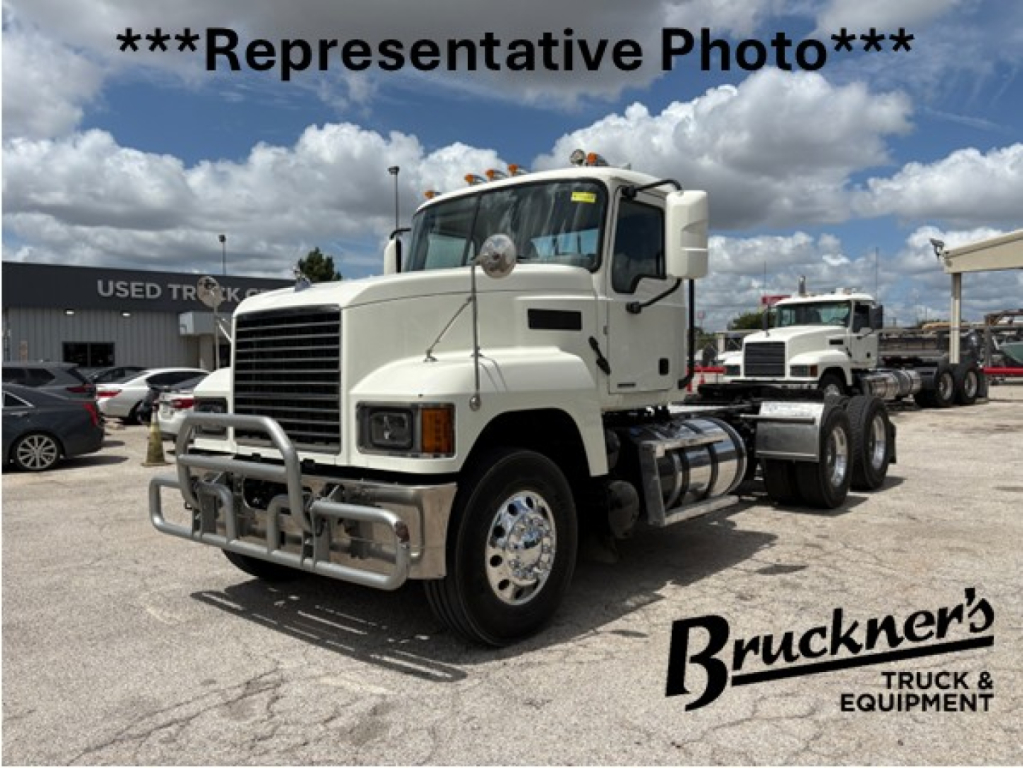
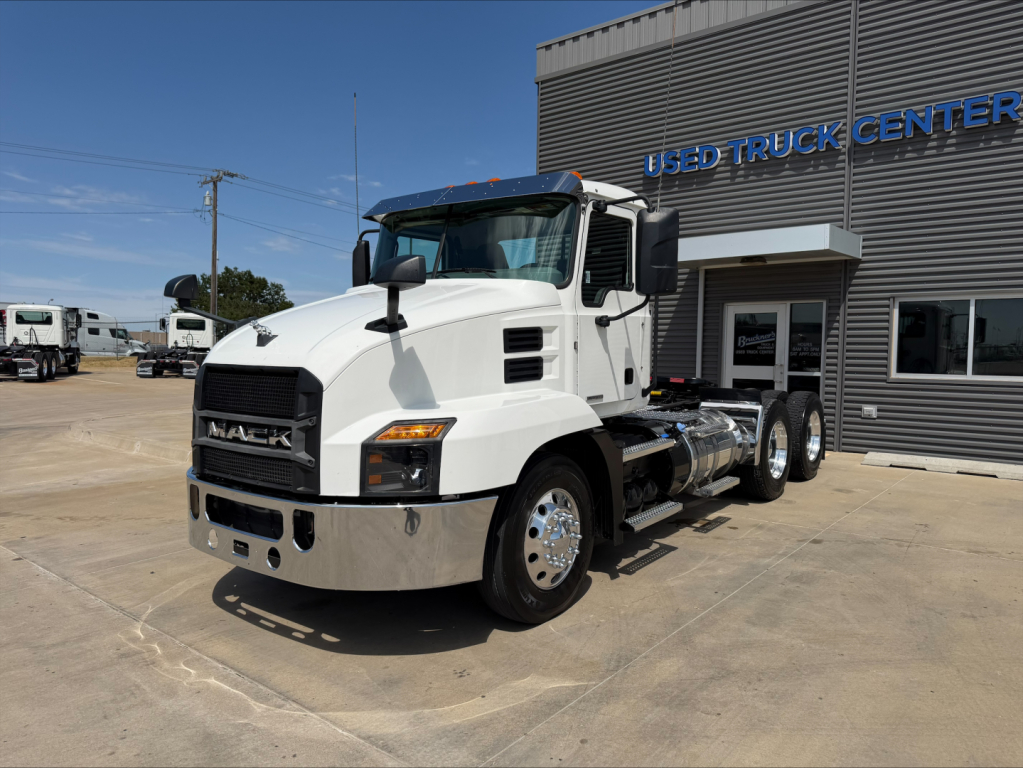
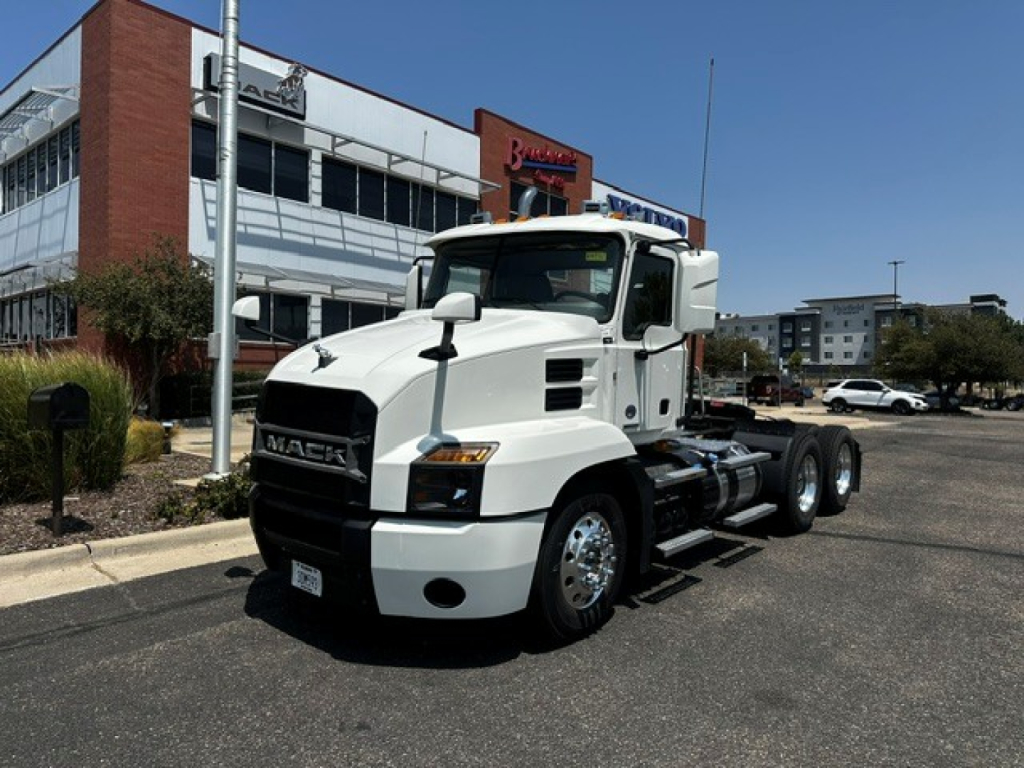
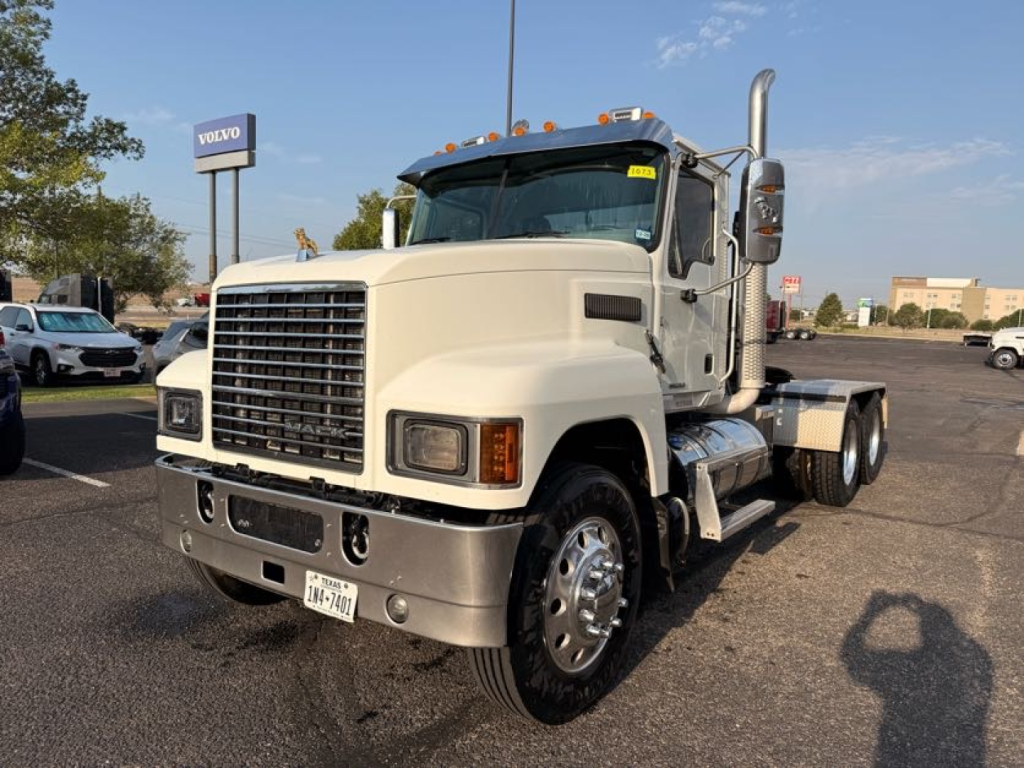
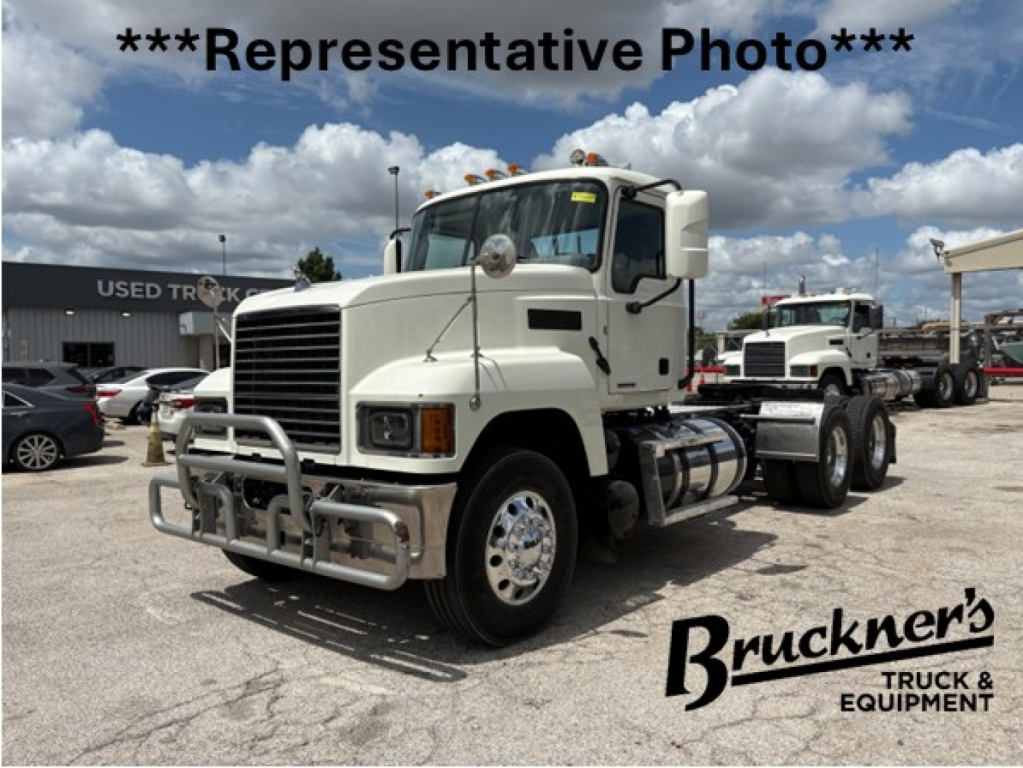
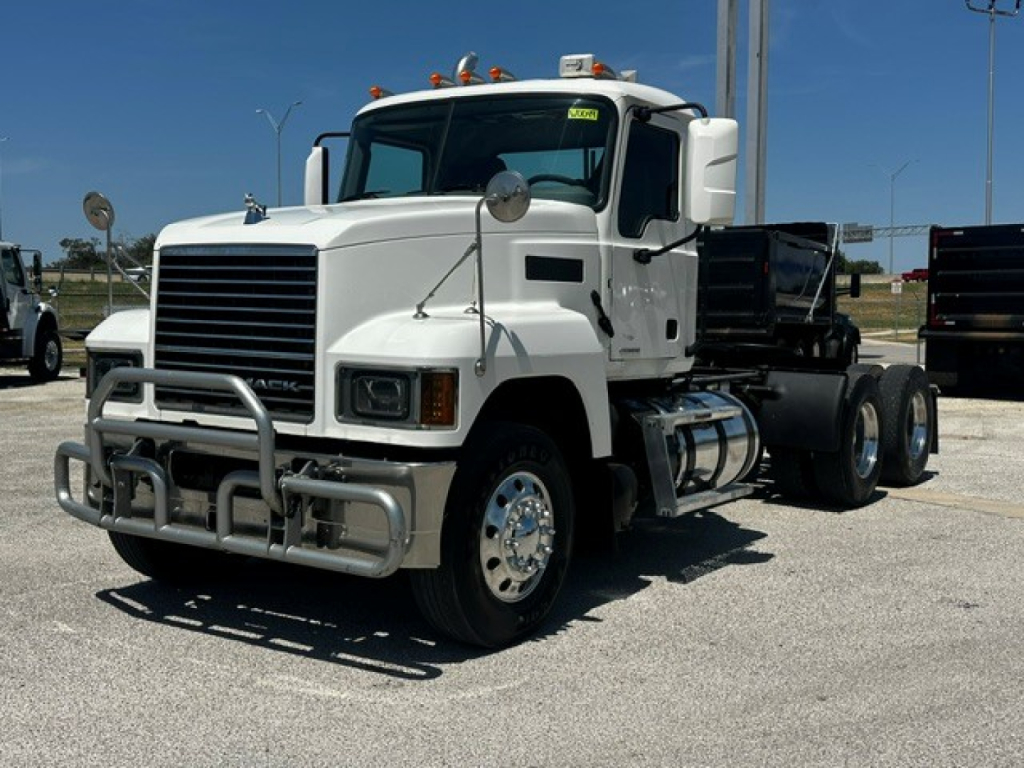
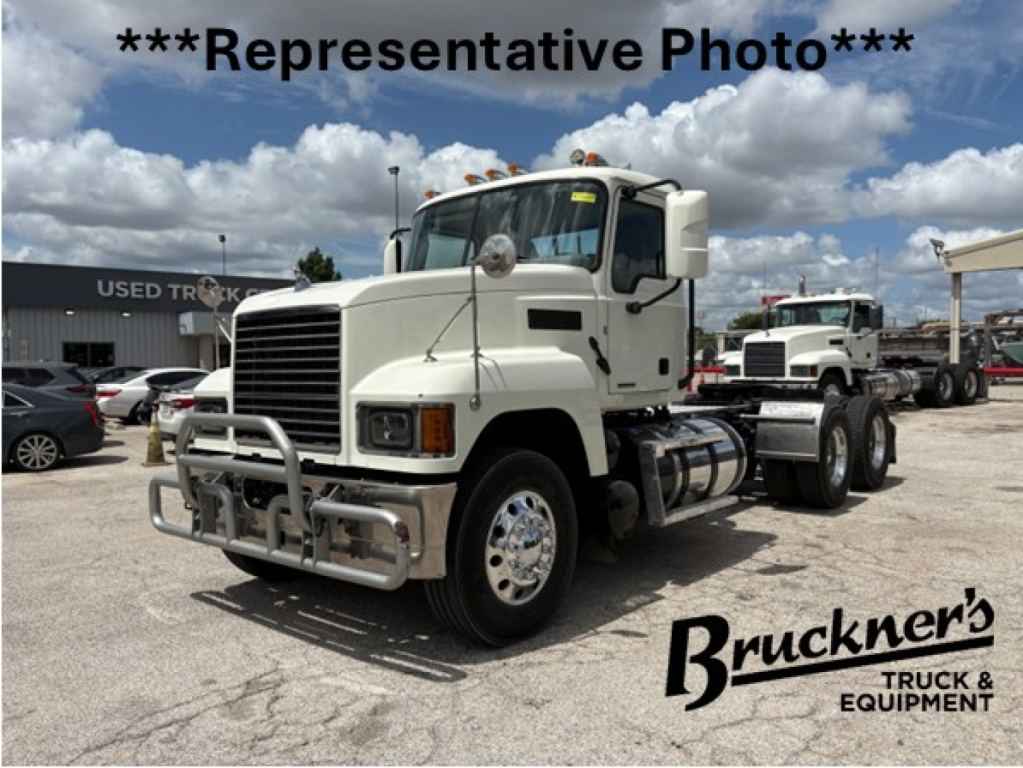
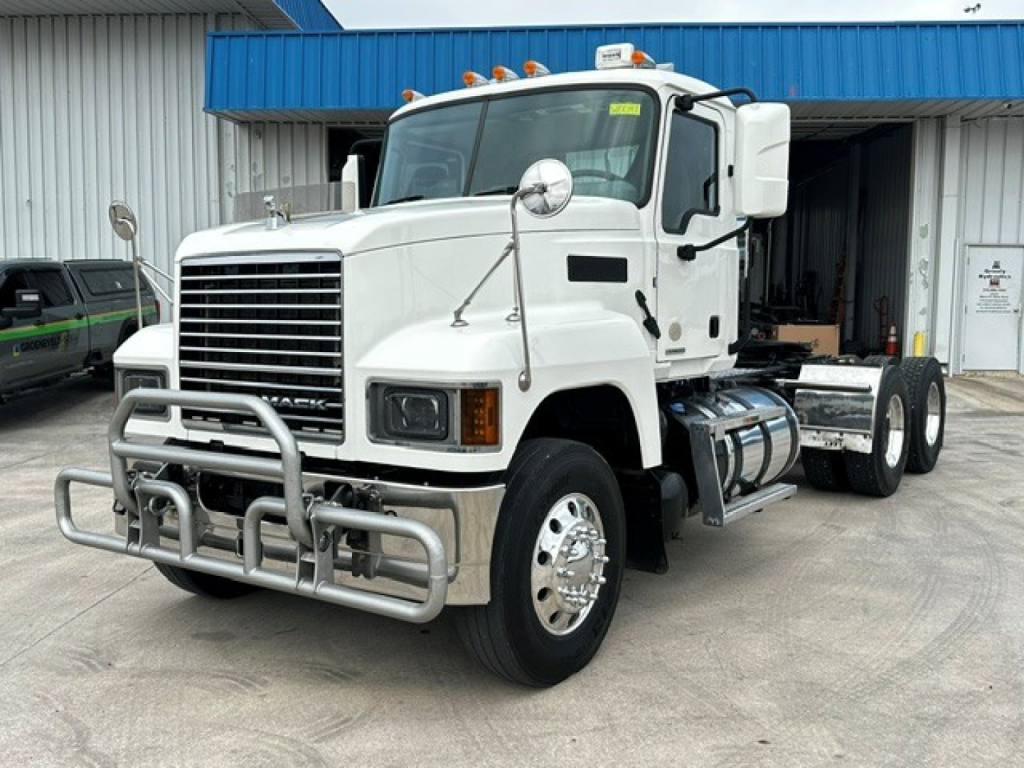
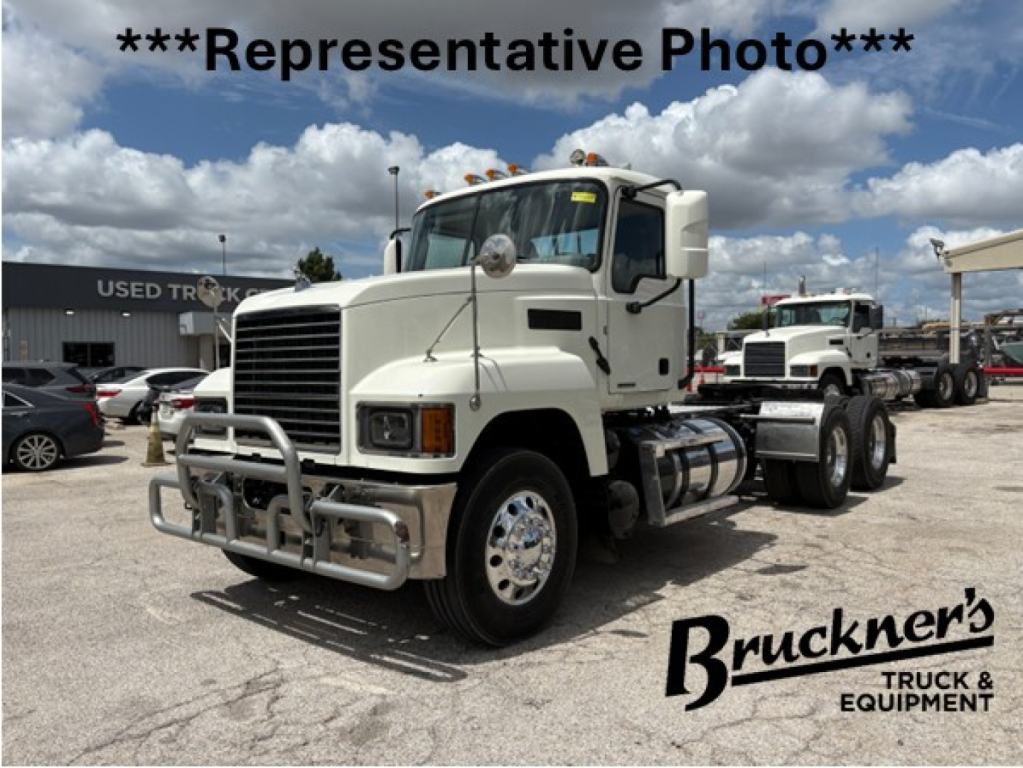
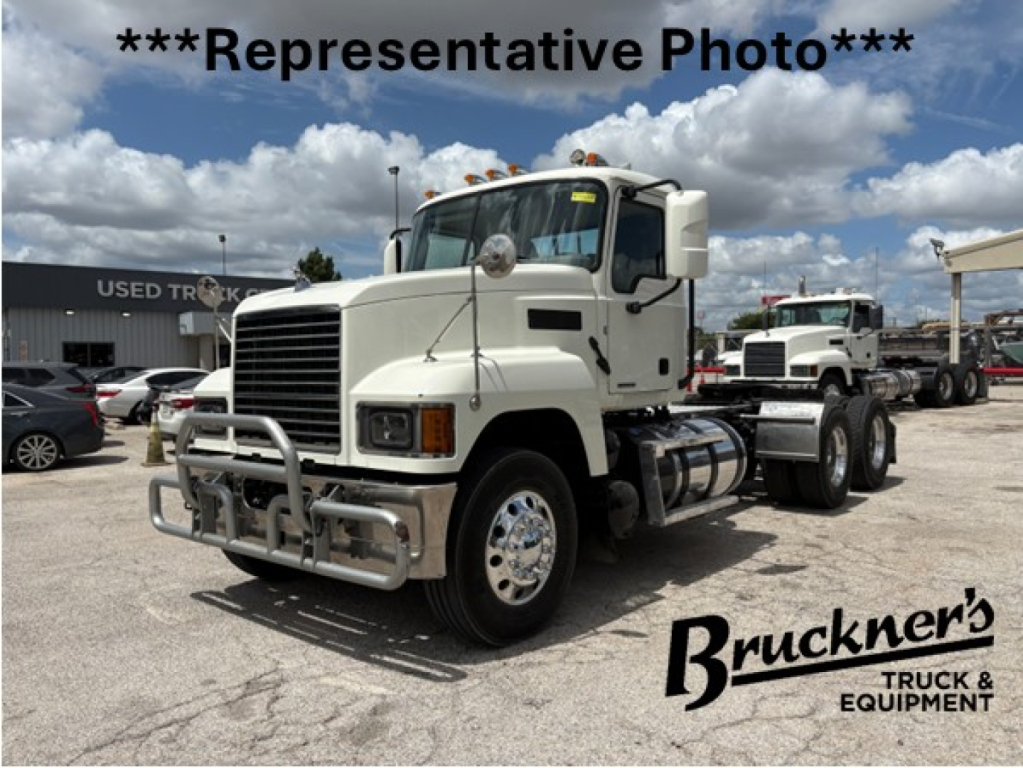
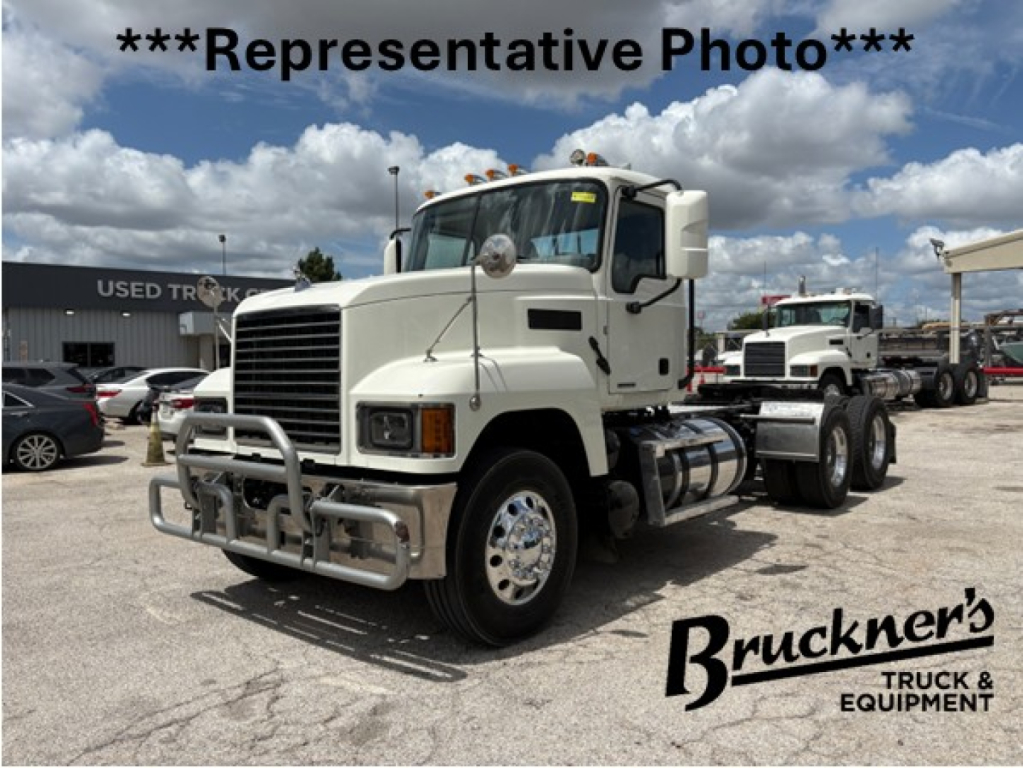
2020 Mack PI64T
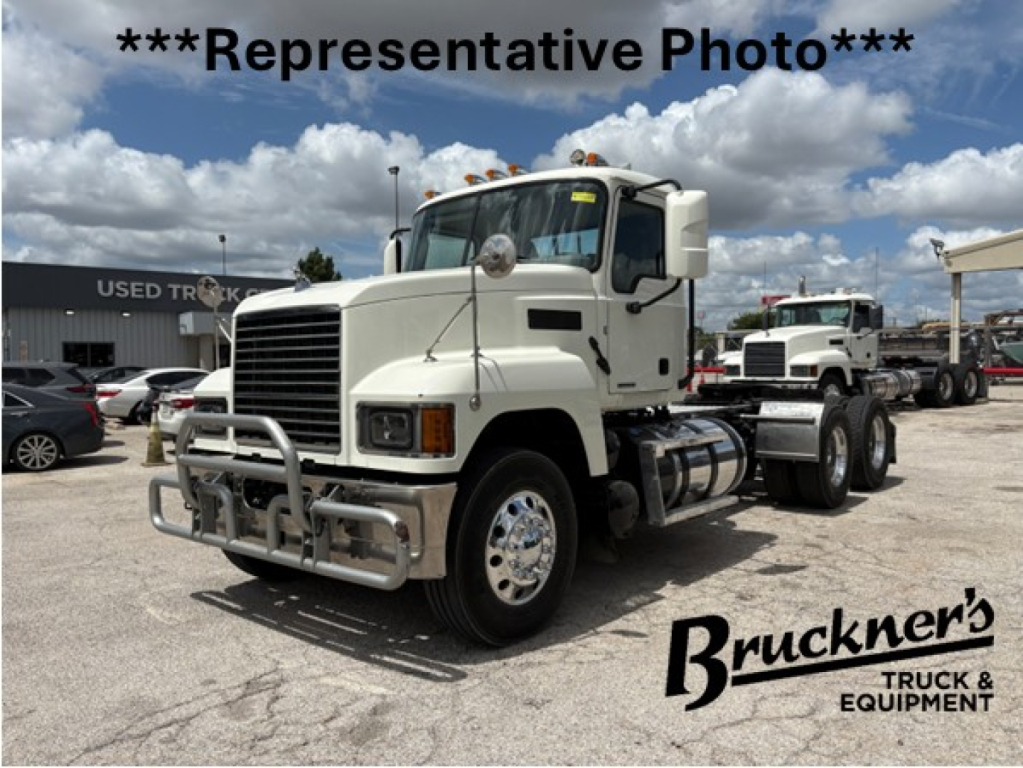
2020 Mack PI64T
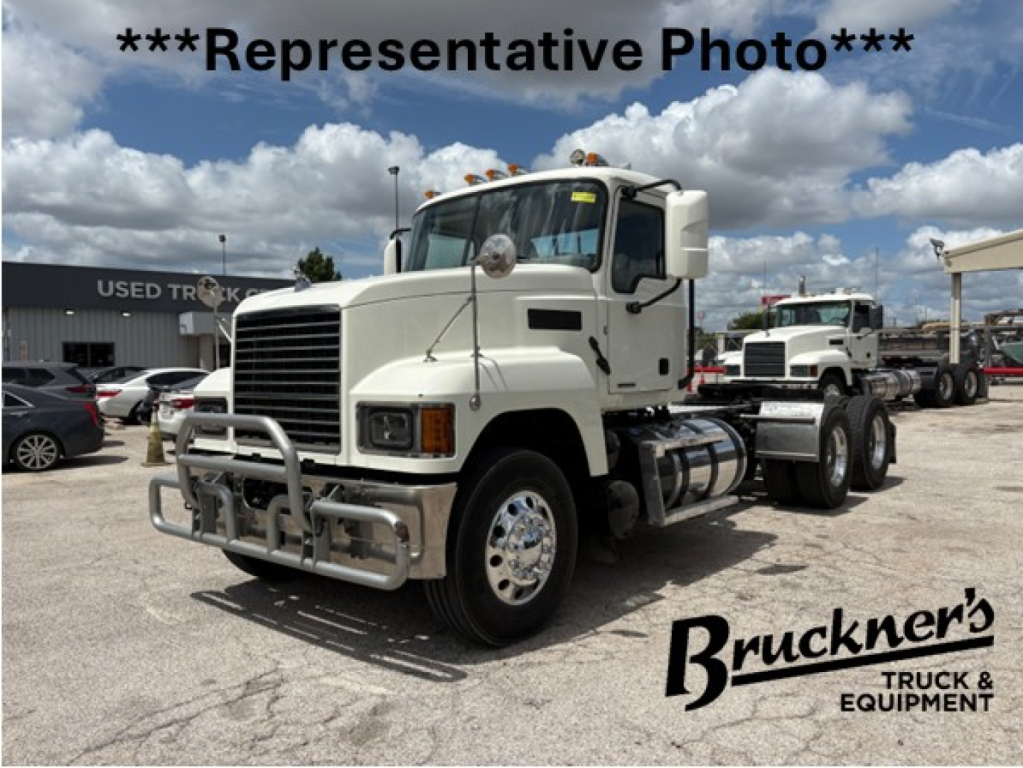
2020 Mack PI64T
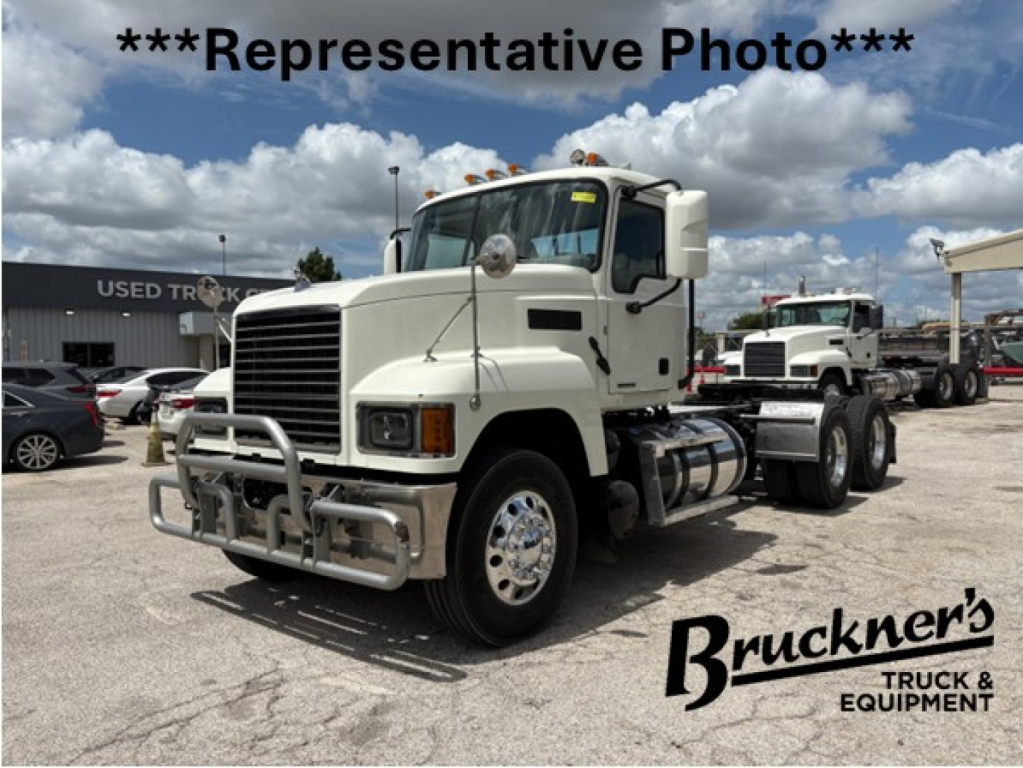
2020 Mack PI64T
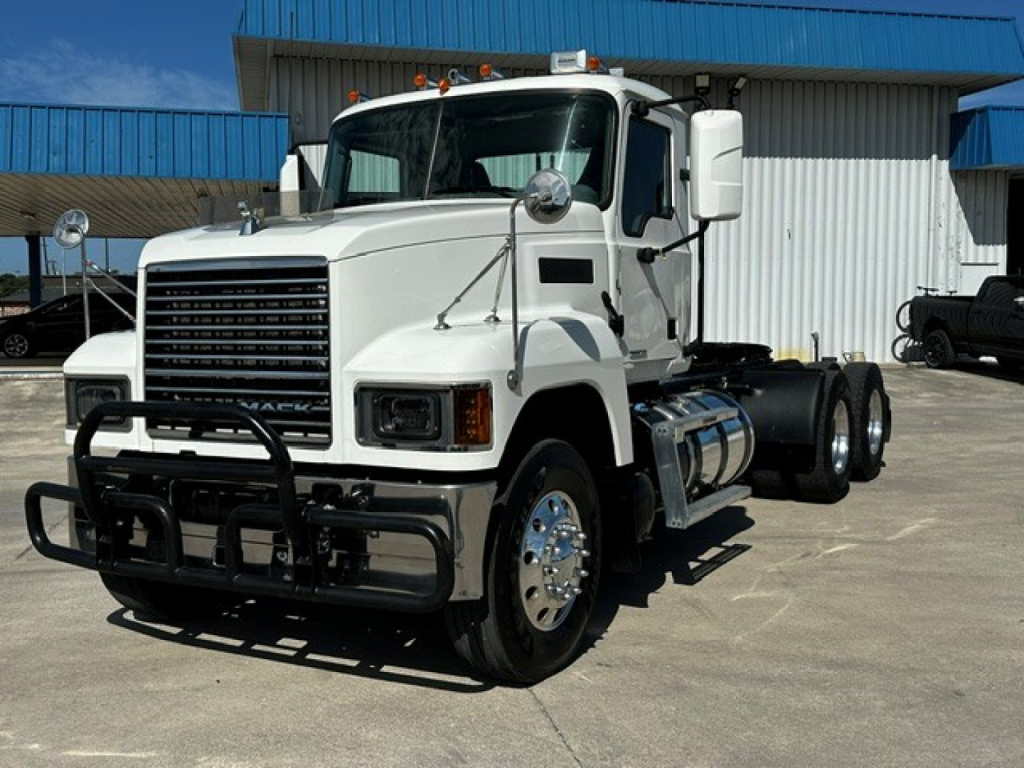
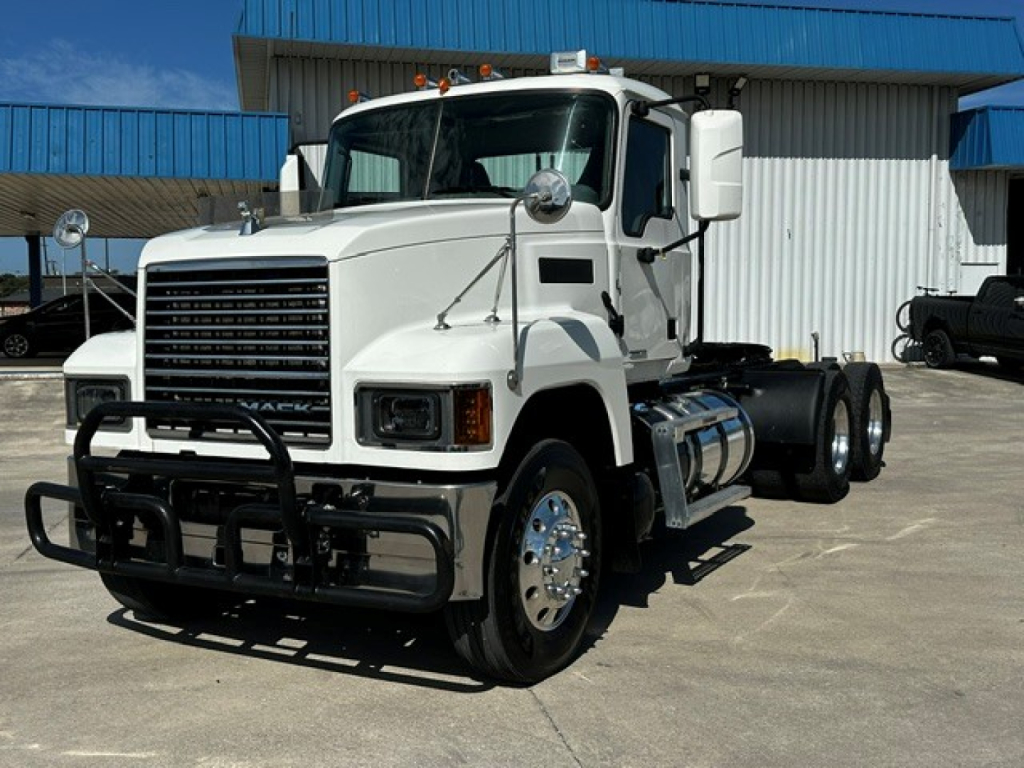
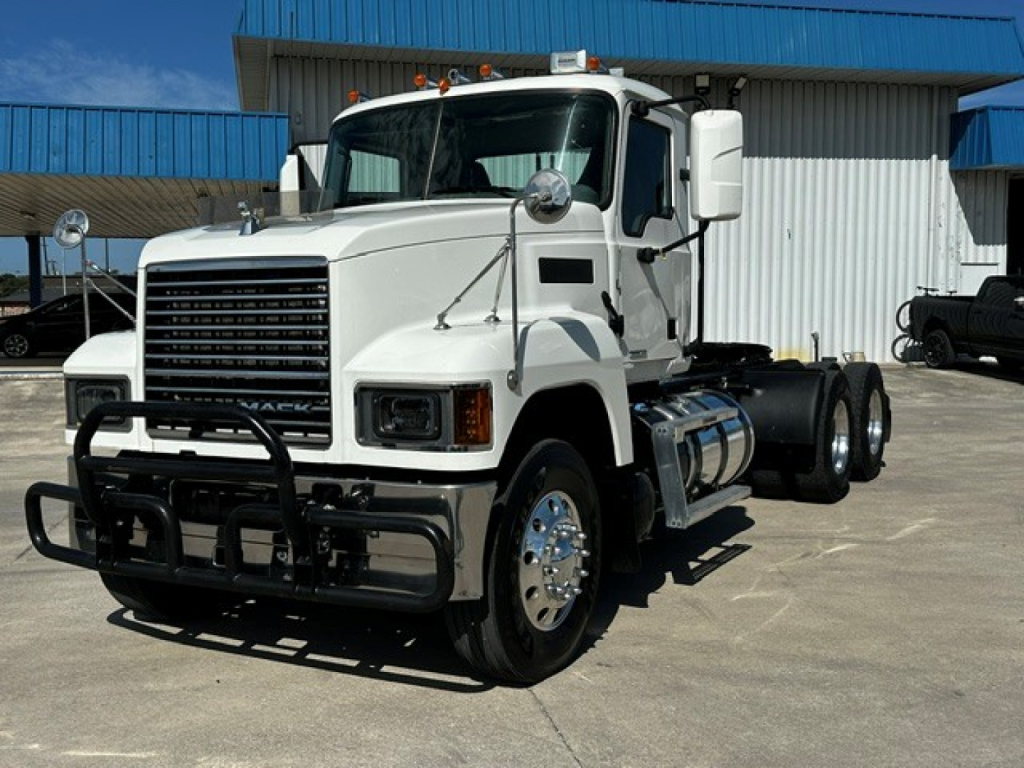
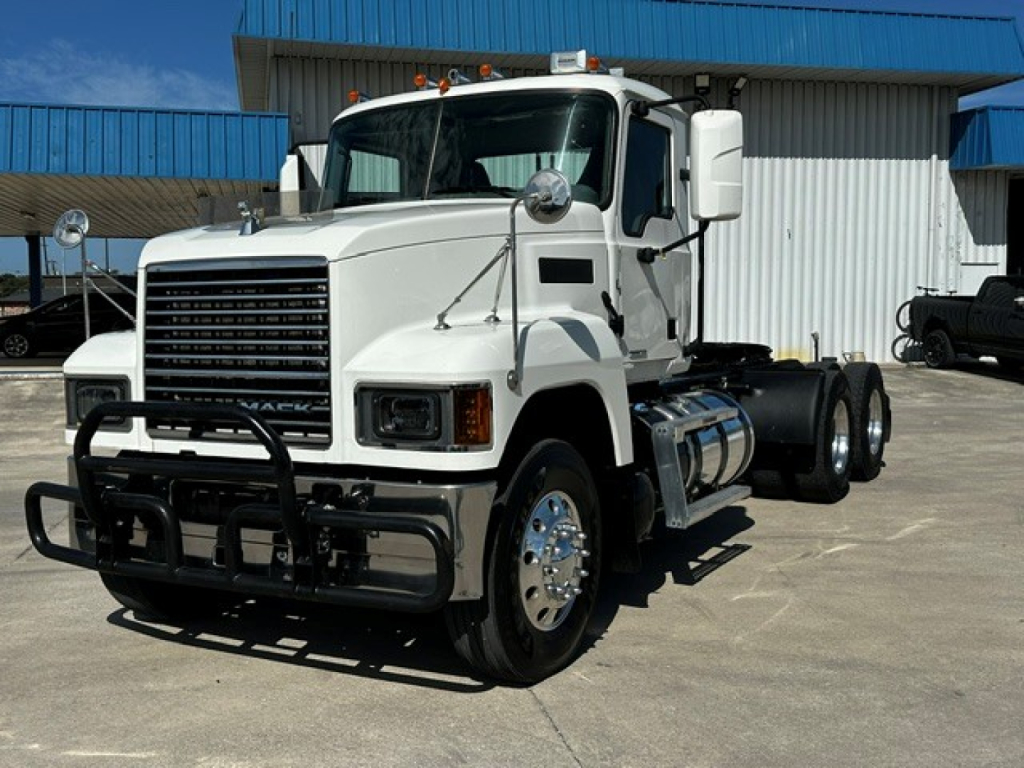
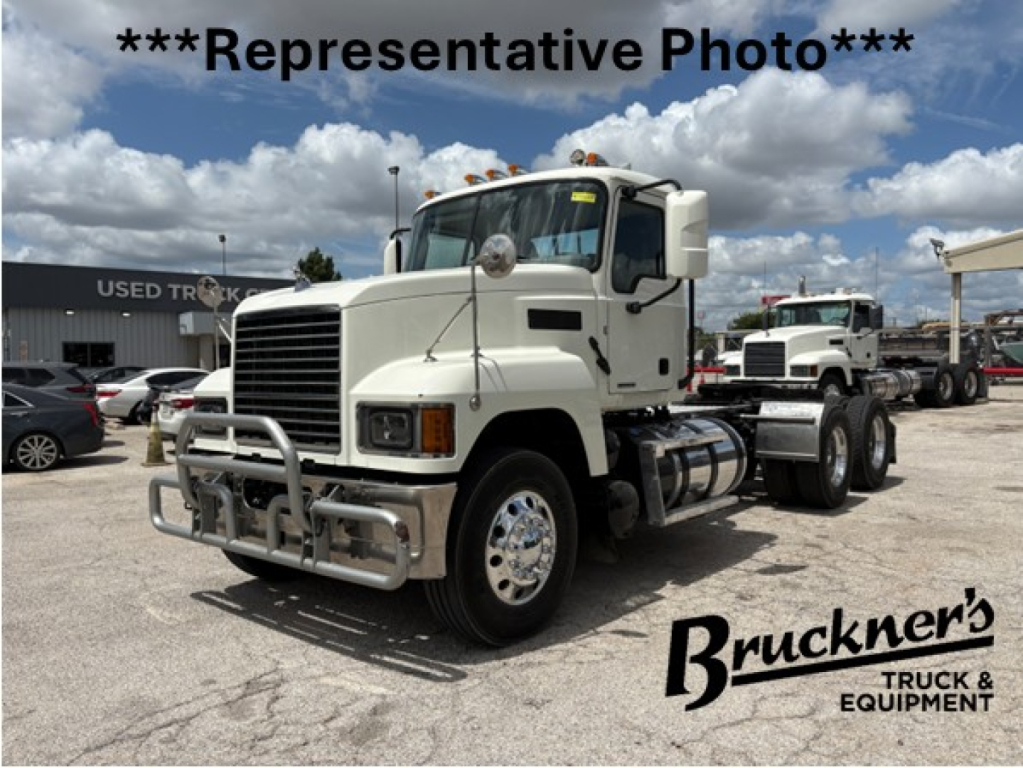
2020 Mack PI64T
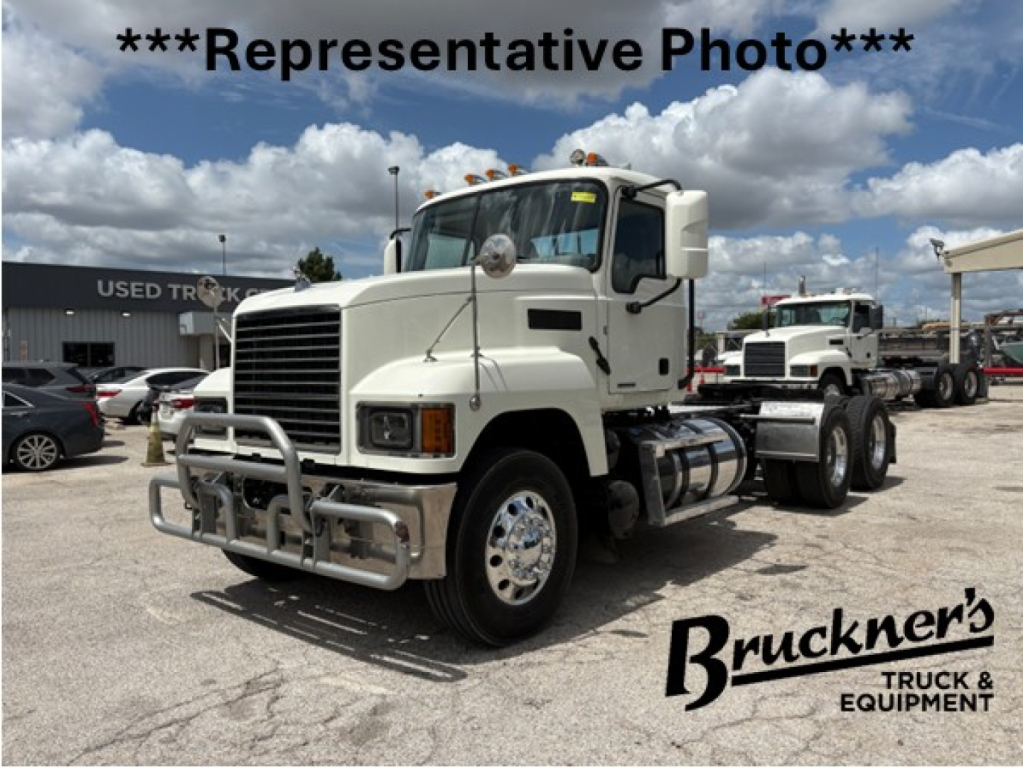
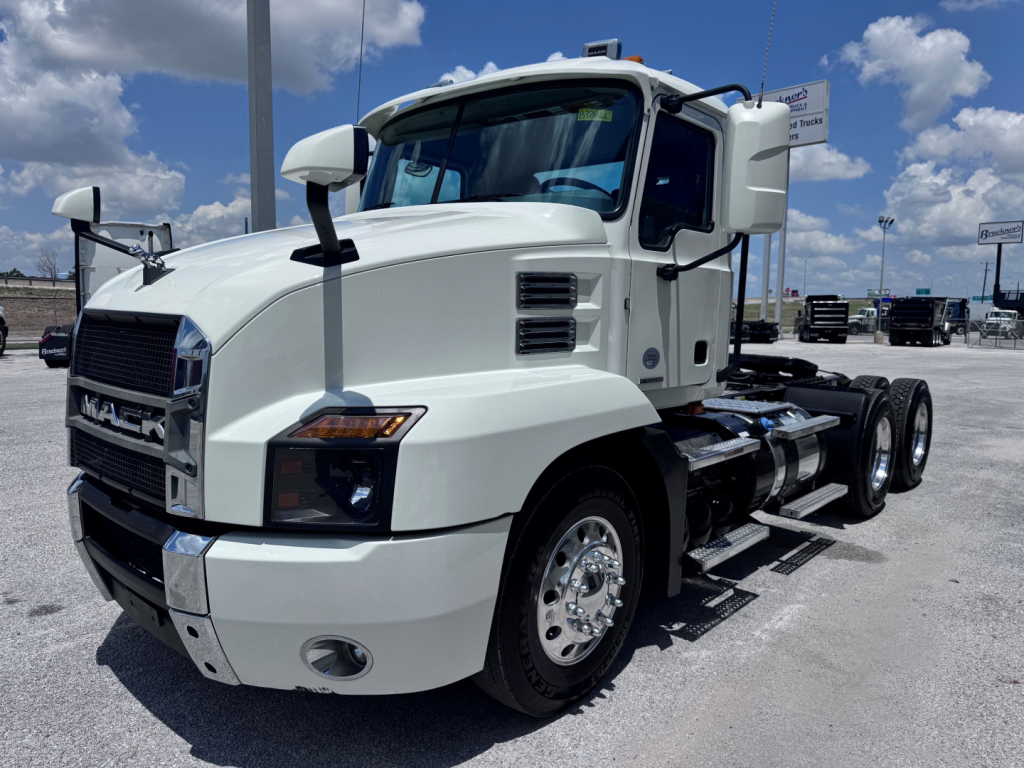
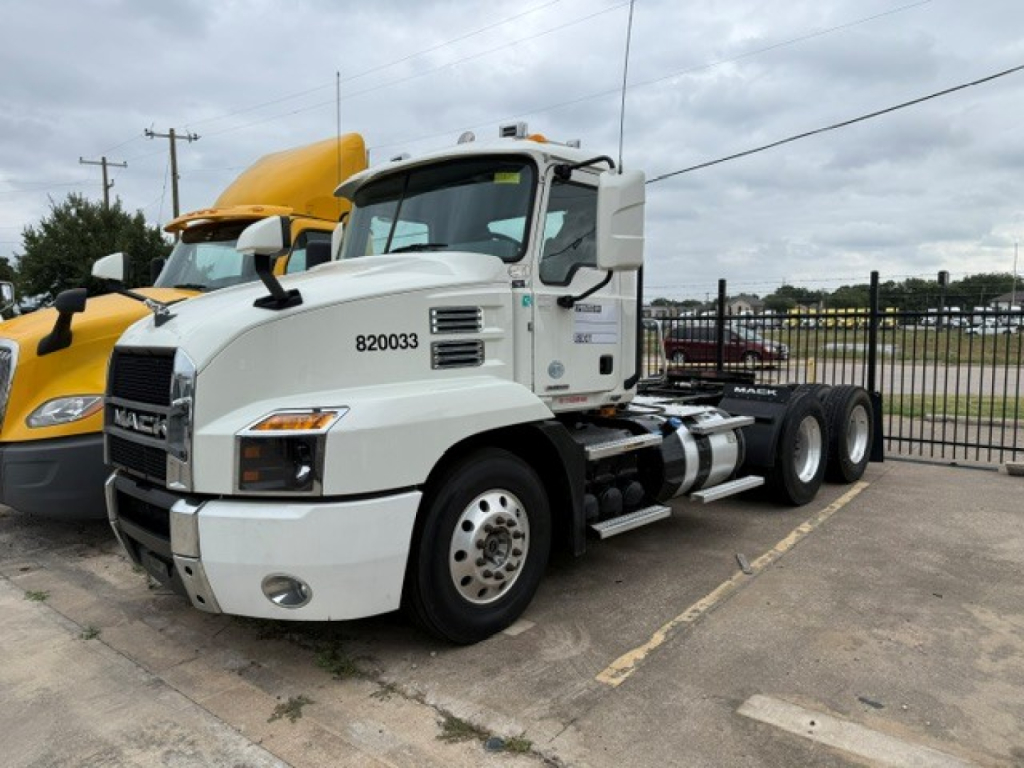
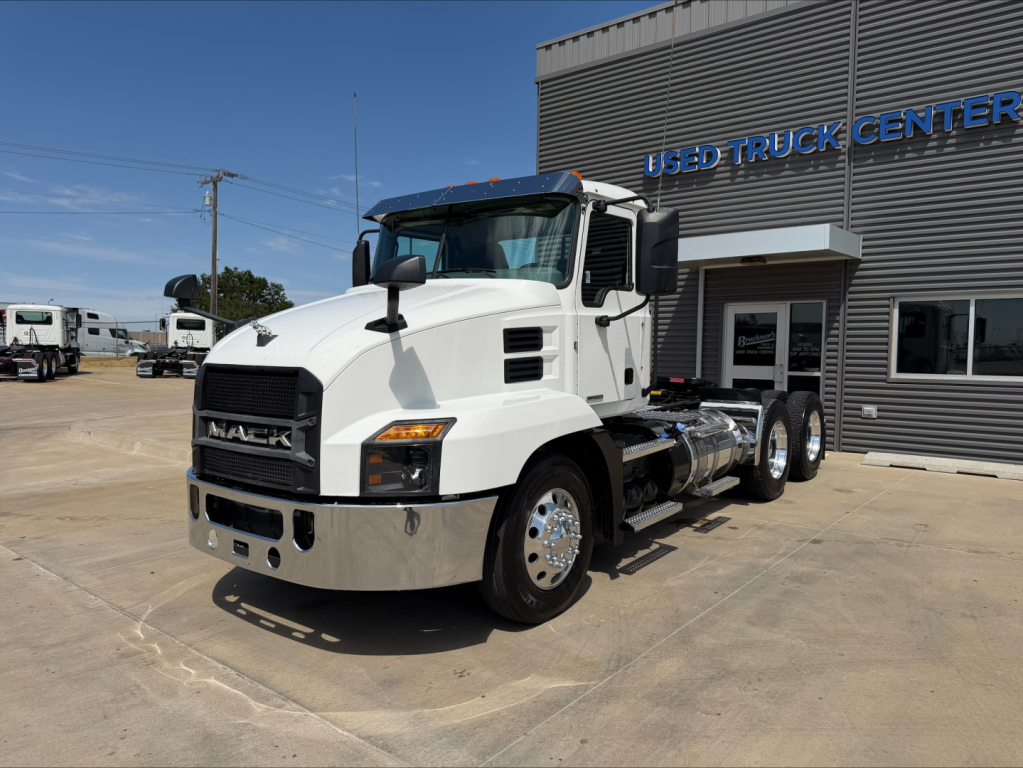
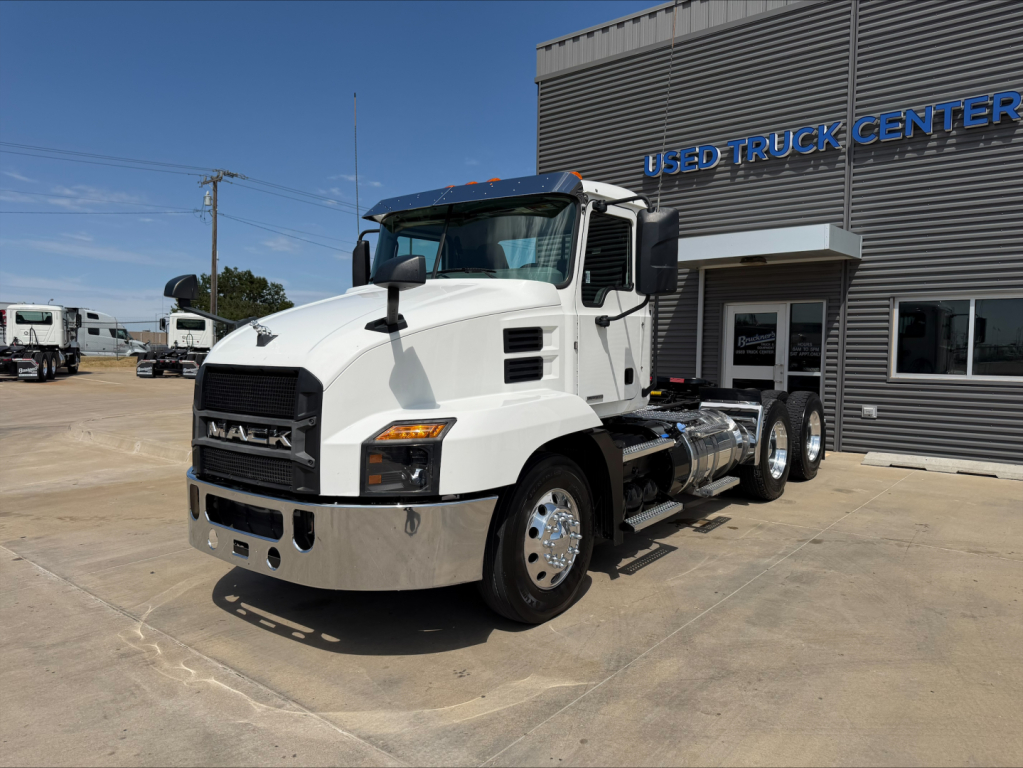
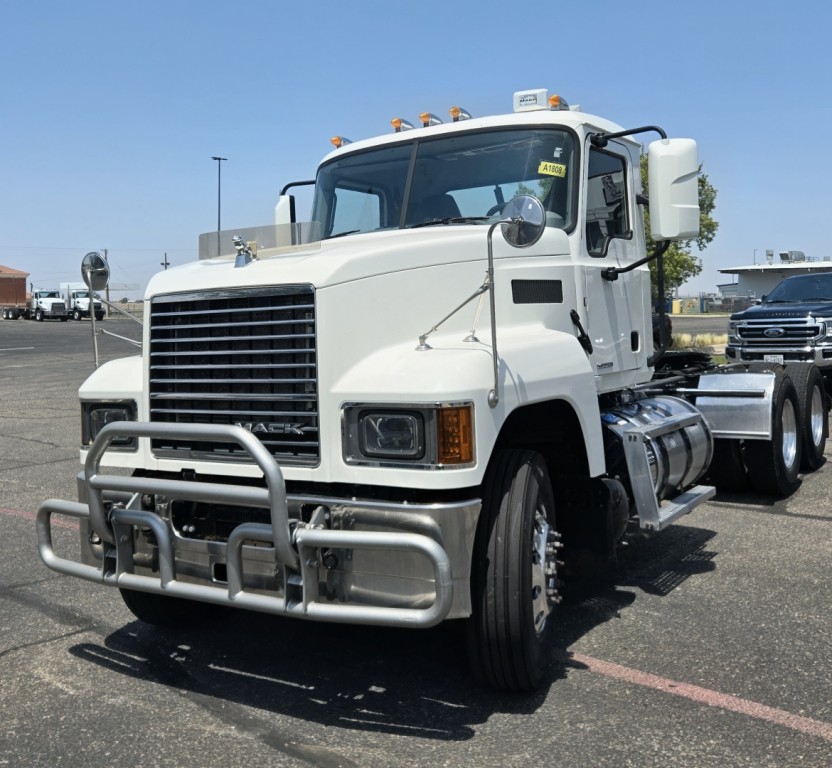
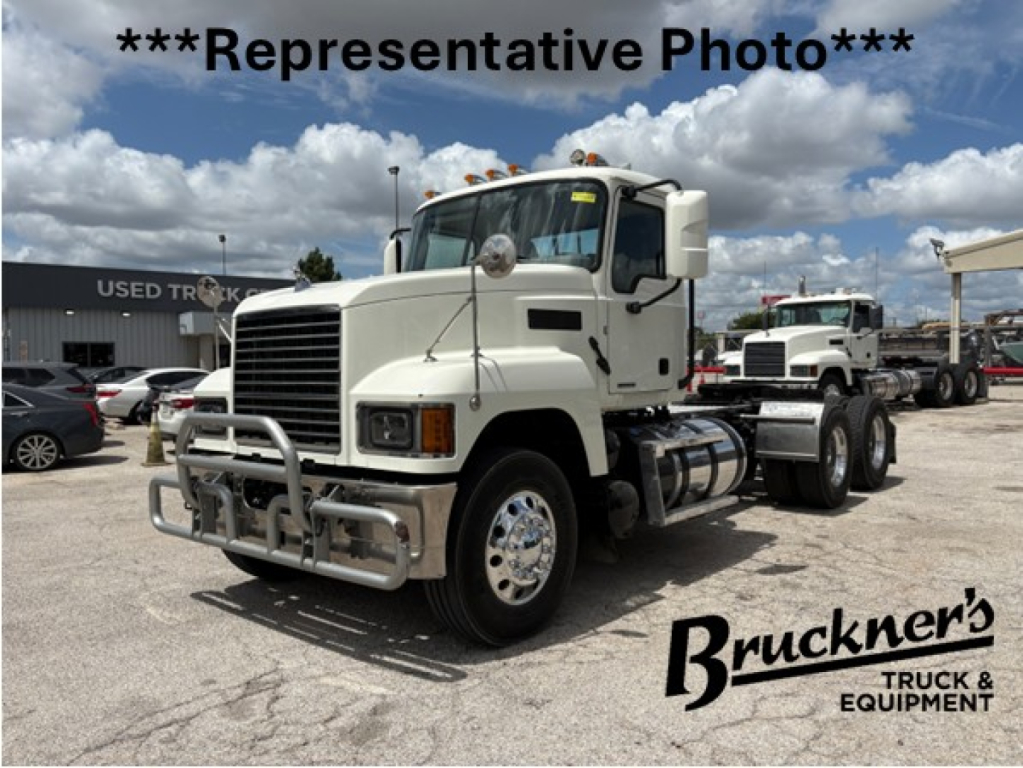
Showing 1 to 28 of 39 results
Selling a 2020 mack conventional daycab truck? List your 2020 mack conventional daycab truck for sale and reach thousands of commercial buyers.
2020 Mack Conventional Daycab Trucks
For a 2020 model, the first buying decision is usually axle and suspension spec. A lighter 6x2 or 6x4 highway-oriented setup can make sense for regional van, reefer, or tanker work, while heavier Mack daycab configurations with 40,000 lb rears, locking differentials, and mRIDE or rear air ride suspension are better suited for bulk, dump trailer, or severe-service routes. Wheelbase, frame rail thickness, and fifth wheel style matter more than many buyers expect. Air-slide fifth wheels add flexibility for trailer balance and kingpin settings, while a fixed plate can be preferable in dedicated applications. Front axle ratings in this category often start around 12,000 lbs and climb higher on vocational specs, especially where PTO equipment, heavier steer tires, or auxiliary components are involved.
Powertrain and emissions details deserve a close look on any 2020 truck. Mack MP engines are known for low-end torque and integration with the mDRIVE transmission, which can be a real advantage in stop-and-go or mixed-duty service. Buyers should compare horsepower, torque rating, rear axle ratio, and cruise speed target instead of looking at horsepower alone. A 3.21 or 3.40 ratio can fit very different operating profiles depending on tire size, gross combination weight, and terrain. Because 2020 trucks are fully modern emissions units, service history around DPF cleaning, DEF system performance, software updates, and regeneration behavior is important. For fleets that idle heavily or run short routes, maintenance records can tell you as much as the odometer.
Cab layout and driver environment also matter in this category because daycabs often cycle through multiple drivers and make frequent stops. Air-ride seats, heated mirrors, visibility packages, backup alarms, and PTO preparation are common spec points that affect daily usability. Mack conventional daycab trucks, also known simply as day cab semi tractors, are often chosen for their balance of durability, driver comfort, and straightforward vocational upfitting. A buyer comparing 2020 Mack daycabs should pay close attention to wheelbase, suspension type, axle ratings, PTO provisions, and intended trailer match, because the right spec will do more for long-term operating cost than cosmetic trim ever will.
Frequently Asked Questions about 2020 Mack Conventional Daycab Trucks
What is a 2020 Mack conventional daycab best suited for?
A 2020 Mack conventional daycab is best suited for regional and local hauling where a sleeper is unnecessary. Common applications include dry van, tanker, flatbed, refuse transfer, port drayage, bulk haul, and vocational tractor work. The daycab design reduces overall length and weight while improving maneuverability in yards, city routes, and customer sites.
Which engines and transmissions are common in 2020 Mack daycab trucks?
Many 2020 Mack daycab trucks are equipped with Mack MP-series diesel engines, most often the MP7 or MP8 depending on the duty cycle and gross weight target. The Mack mDRIVE automated manual transmission is a common pairing because it is well integrated with the engine for fuel economy and drivability. Some units may still be spec'd with manual transmissions, but mDRIVE is especially common in fleet and regional applications.
How do I choose the right axle and suspension setup on a Mack daycab?
The right setup depends on the load, trailer type, and route conditions. A highway-focused regional tractor may do well with a lighter spec and fuel-economy-oriented ratio, while heavier or off-pavement work usually calls for 6x4 drive, higher-rated rear axles, locking differentials, and a tougher suspension such as mRIDE or rear air ride built for demanding service. Buyers should match front axle rating, rear axle capacity, suspension, and wheelbase to the actual gross combination weight and terrain.
What should I inspect on a 2020 Mack daycab before buying?
Pay close attention to emissions system history, engine hours, idle time, transmission calibration, and maintenance records. On a 2020 truck, DPF service, DEF system function, fault code history, and evidence of repeated forced regens are important. Also inspect fifth wheel wear, frame condition, suspension bushings, brake life, tire wear pattern, and whether the truck's wheelbase and PTO provisions match the job you plan to run.
Is a 2020 Mack daycab good for vocational and PTO applications?
Yes, many Mack conventional daycab trucks are strong candidates for vocational and PTO-driven applications. They are often spec'd with heavy front axles, robust frame rails, differential locks, and transmission options that support hydraulic equipment. The key is confirming the truck has the correct PTO opening, pump setup, frame clearance, and axle distribution for the equipment or trailer it will support.