
2016 Mack Conventional Daycab Trucks For Sale

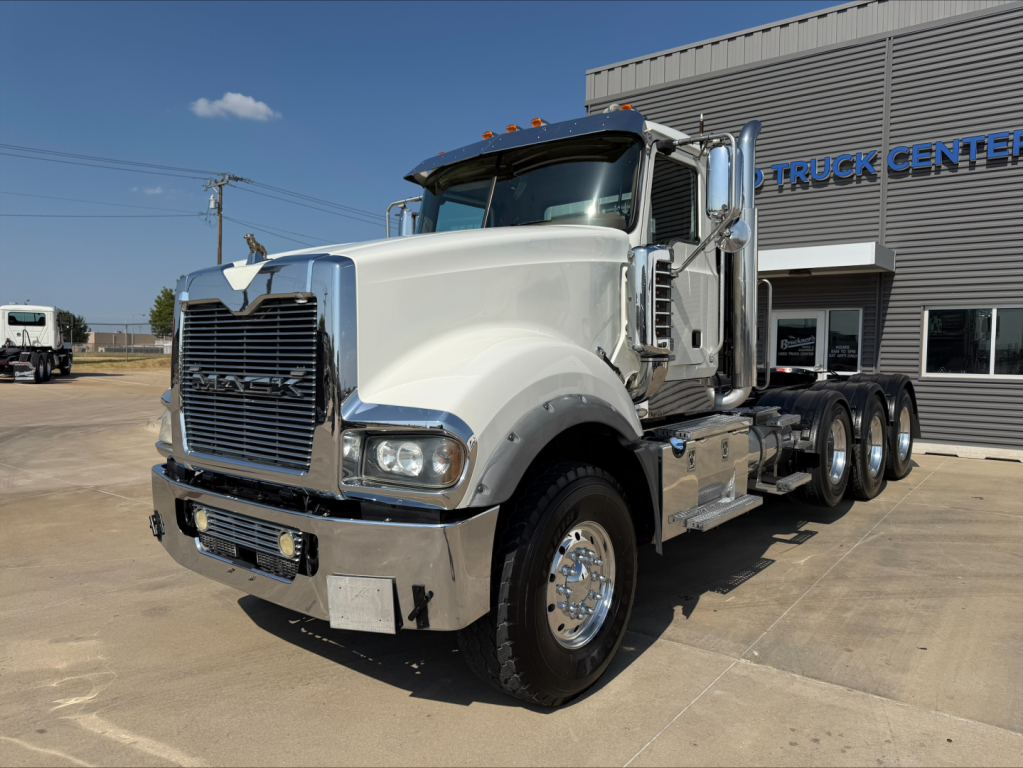
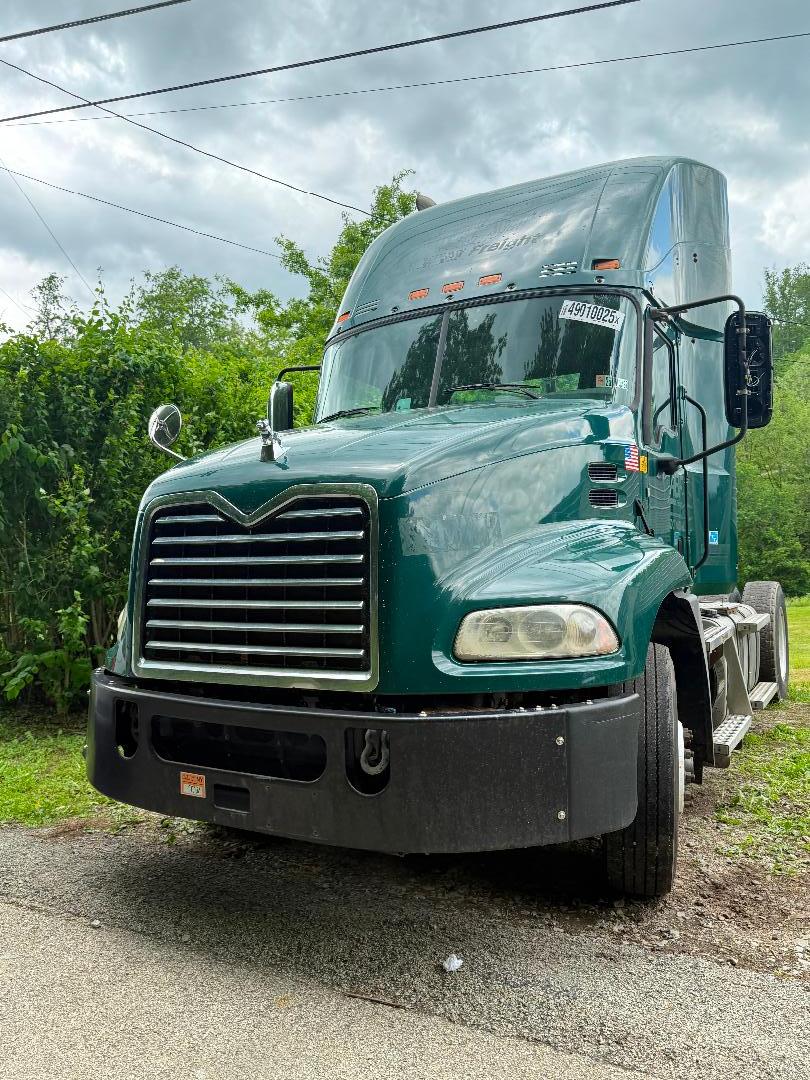
Have 2016 mack conventional daycab truck to sell? List it here to reach thousands of buyers.
2016 Mack Conventional Daycab Trucks
The powertrain is the first place to look. Many 2016 Mack daycabs are spec'd with Mack MP7 or MP8 diesel engines, commonly paired to the mDRIVE automated manual or a manual transmission depending on the application and fleet preference. Highway-oriented specs often use lower numerical rear axle ratios for fuel mileage, while heavier vocational or short-haul units may carry deeper ratios for startability and grade performance. Buyers should also compare horsepower and torque ratings against GCWR, expected trailer weights, and terrain. A true regional tractor spec might include a 6x4 tandem, air ride suspension, and a wheelbase in the low- to mid-200-inch range, while a construction-facing Granite daycab may carry heavier front axle ratings, tougher suspension specs, and more PTO-ready capability.
Cab and chassis details matter just as much as engine ratings. On a used 2016 Mack conventional daycab, check axle capacities, suspension type, fifth wheel setup, frame condition, and brake configuration before focusing on cosmetic items. A sliding fifth wheel gives more flexibility for mixed trailer lengths and kingpin settings, while a fixed setup can make sense for a dedicated lane or vocational assignment. Aluminum wheels, fairings, roof profile, and fuel tank size all affect weight, aerodynamics, and route range. Inside the cab, Mack daycabs from this era are generally straightforward and fleet-friendly, with controls laid out for drivers who spend full shifts in and out of the truck rather than multiple nights on the road.
For many buyers, a 2016 Mack daycab stands out for driveline integration and chassis toughness. Mack's in-house engine and transmission pairing is a major draw for fleets that want predictable shift logic, strong engine brake performance, and parts commonality. The right truck depends on the job: a Pinnacle leans toward regional freight and general highway use, while a Granite daycab is often better suited to severe-duty or heavier vocational tractor work. When comparing listings, focus on axle ratio, wheelbase, front axle rating, suspension, PTO provisions, emissions service history, and actual vocational use. Those details will tell you more about long-term fit and operating cost than badge or appearance alone.
Frequently Asked Questions about 2016 Mack Conventional Daycab Trucks
What is a 2016 Mack conventional daycab best used for?
A 2016 Mack conventional daycab is typically used for regional haul, local freight, drayage, terminal work, and vocational tractor applications where a sleeper is not needed. The daycab layout reduces empty weight and simplifies the truck for drivers who start and end their shift at the home terminal. Mack offered specs in this category that fit both highway freight and heavier-duty jobs, so the best use depends on the exact chassis, axle ratings, and driveline configuration.
Which Mack models are common in a 2016 conventional daycab configuration?
The most common Mack models in this class are the Pinnacle for highway and regional tractor work and the Granite for vocational or severe-duty applications. A Pinnacle daycab is usually the better fit for linehaul-style regional routes, fuel economy, and standard van or reefer pulling. A Granite daycab is often chosen for dump, construction, equipment hauling, or heavy trailer work where stronger front axles, tougher suspensions, and vocational chassis options are more important than aerodynamic efficiency.
What engines and transmissions are common in a 2016 Mack daycab?
Many 2016 Mack conventional daycabs are equipped with Mack MP7 or MP8 diesel engines. Transmission choices commonly include the Mack mDRIVE automated manual or a traditional manual transmission, depending on fleet preference and the intended work. The MP7 is often seen in lighter regional applications, while the MP8 is more common when higher horsepower and torque are needed for heavier gross weights or more demanding terrain.
What specs should buyers check first on a used 2016 Mack daycab?
The most important checks are axle ratings, wheelbase, rear axle ratio, suspension type, fifth wheel setup, engine rating, transmission model, and emissions history. These items determine how the truck will pull, what trailers it can handle, and how efficient it will be in your operation. Buyers should also inspect frame condition, brake system type, tire wear patterns, PTO provisions if needed, and maintenance records for DPF, SCR, and EGR components because those systems can affect uptime and operating cost.
Is a 2016 Mack daycab a good choice for regional fleets?
A 2016 Mack daycab can be a strong regional fleet choice when the truck is spec'd correctly for route length, trailer weight, and terrain. Mack daycabs from this period are known for durable chassis design, integrated powertrain options, and straightforward fleet operation. For regional work, the best units usually combine a highway-oriented wheelbase, tandem drive axles, an efficient rear ratio, and enough fuel capacity to cover daily miles without carrying unnecessary weight.