
Mack Conventional Daycab Trucks For Sale in Oklahoma
Shop Mack conventional daycab trucks in Oklahoma. Compare Anthem, Pinnacle, and CXU specs, MP engines, M-Drive options, and axle setups.
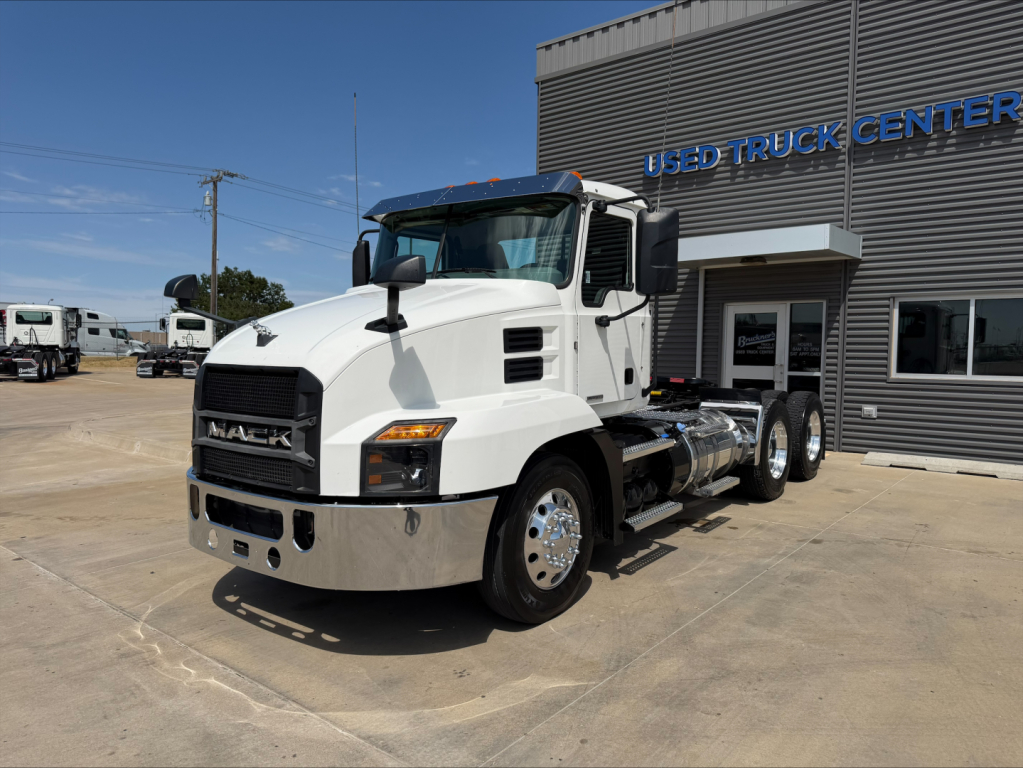
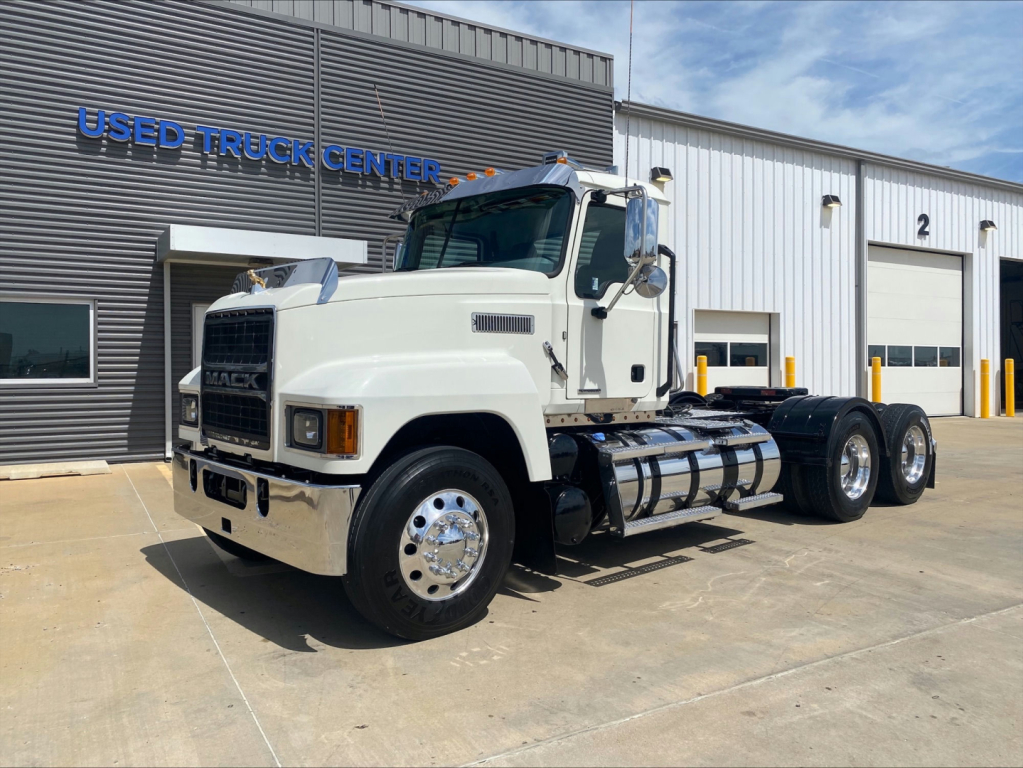
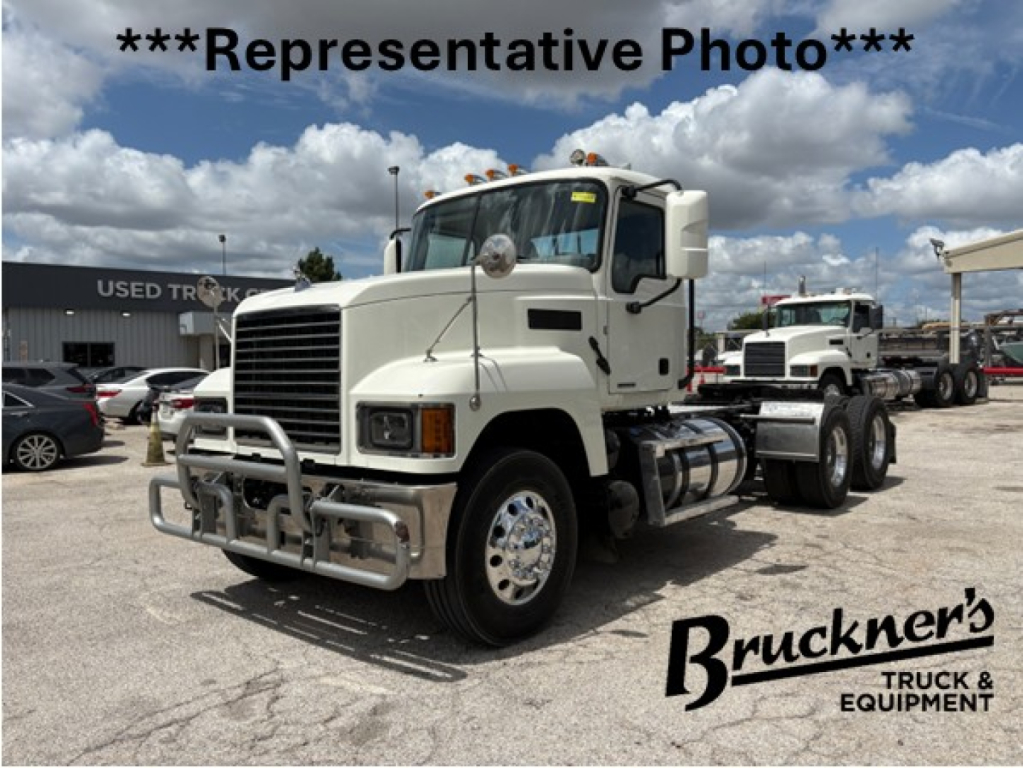
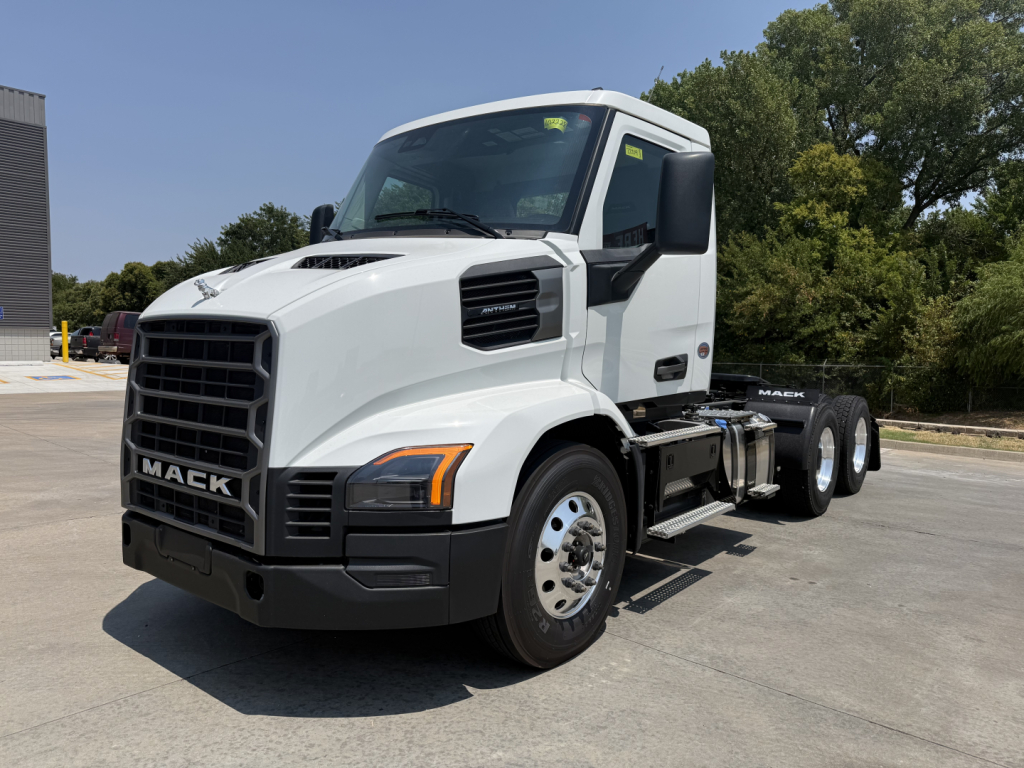
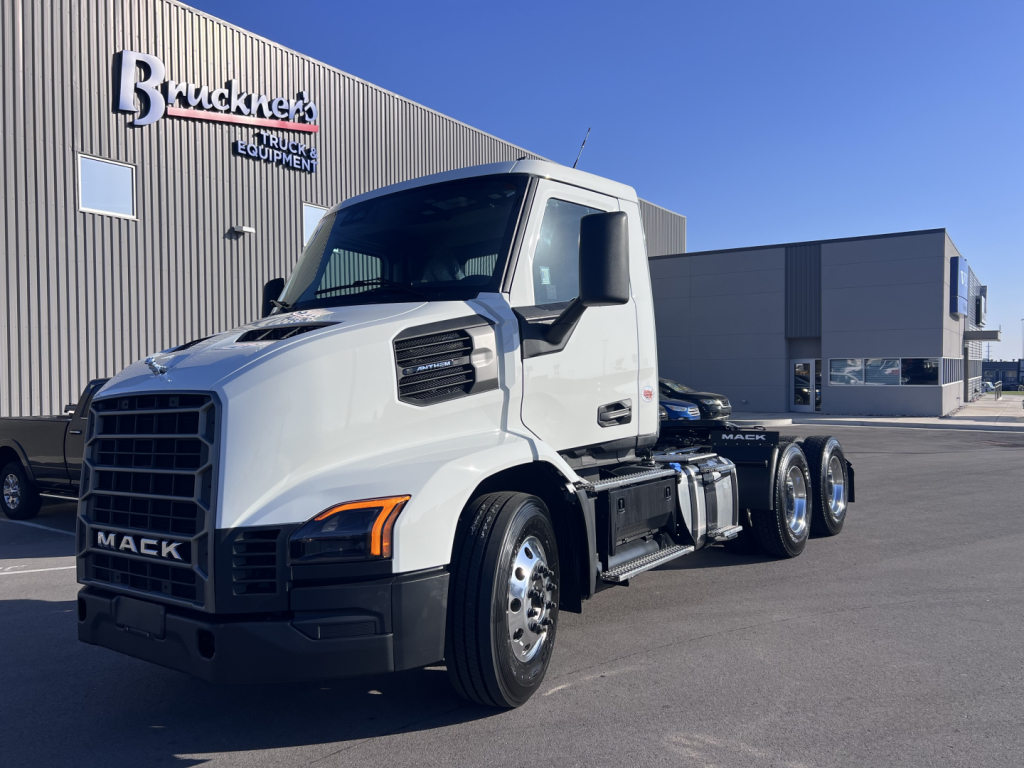
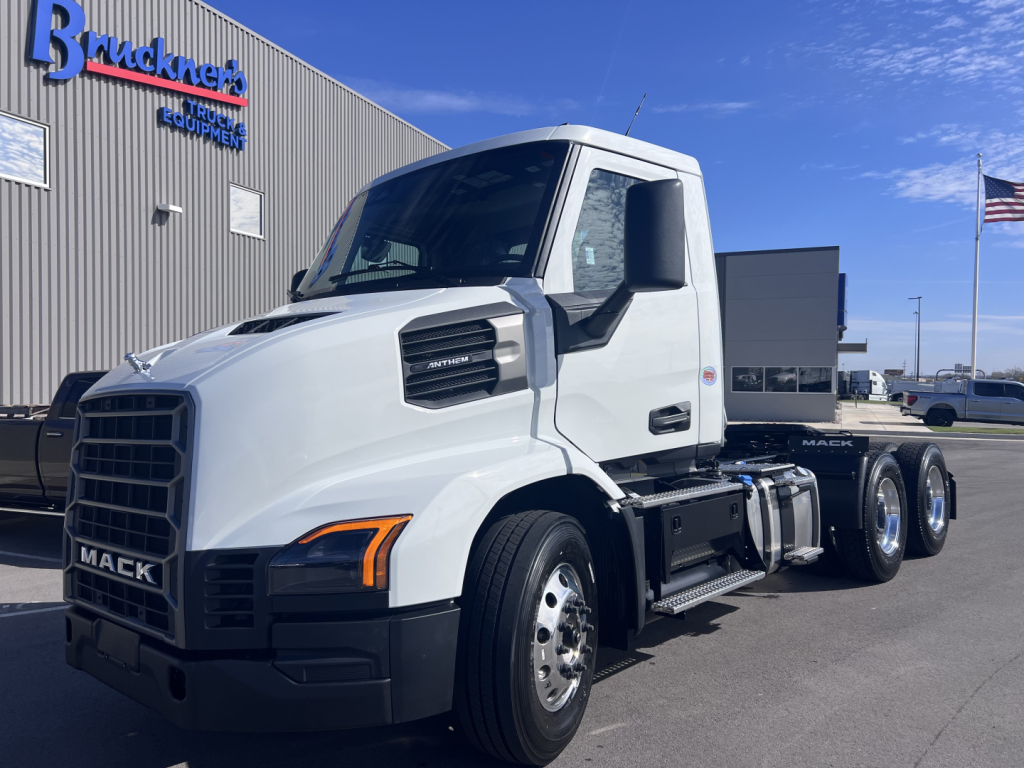
2020 Mack PI64T
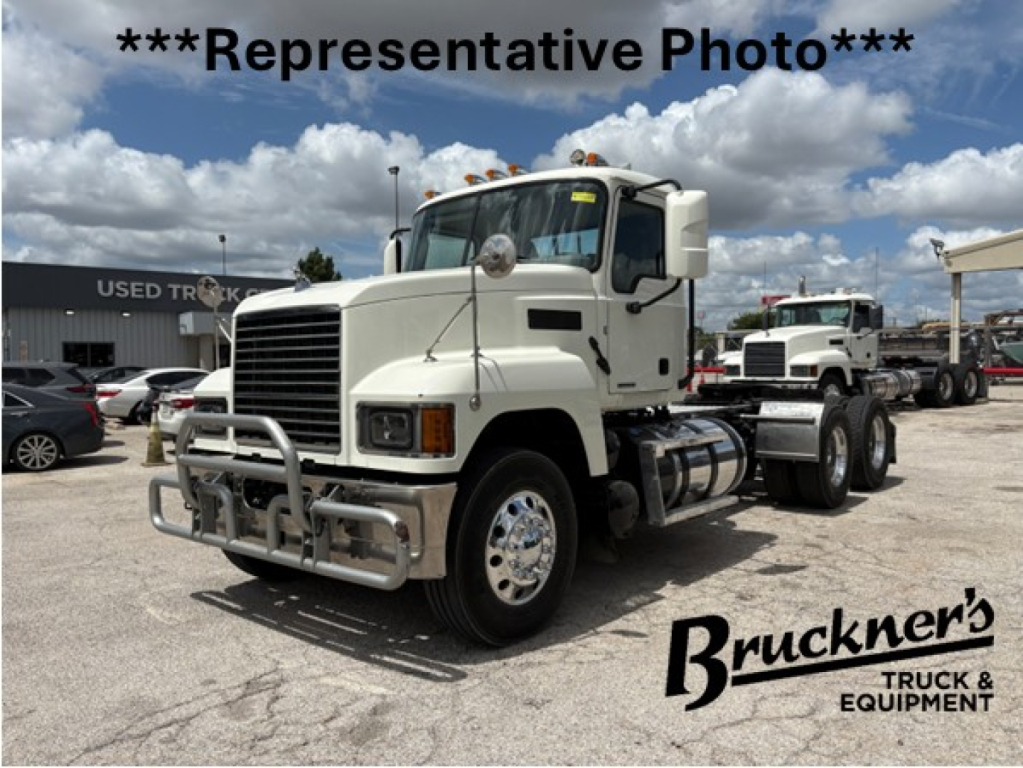
2020 Mack PI64T
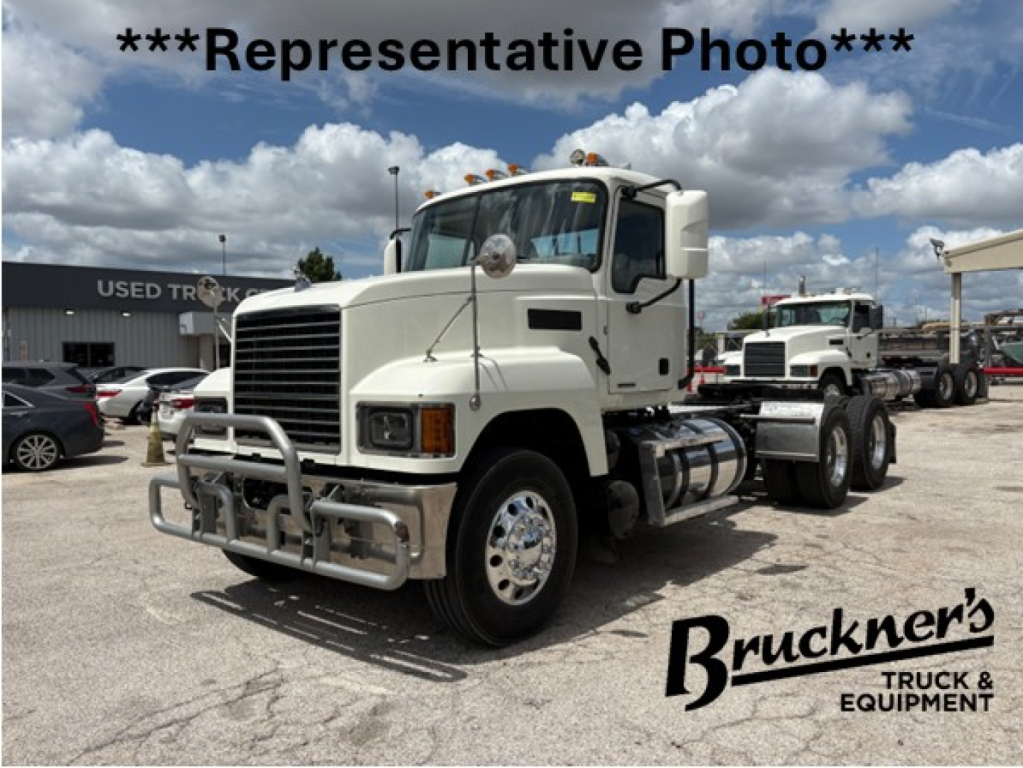
2020 Mack PI64T
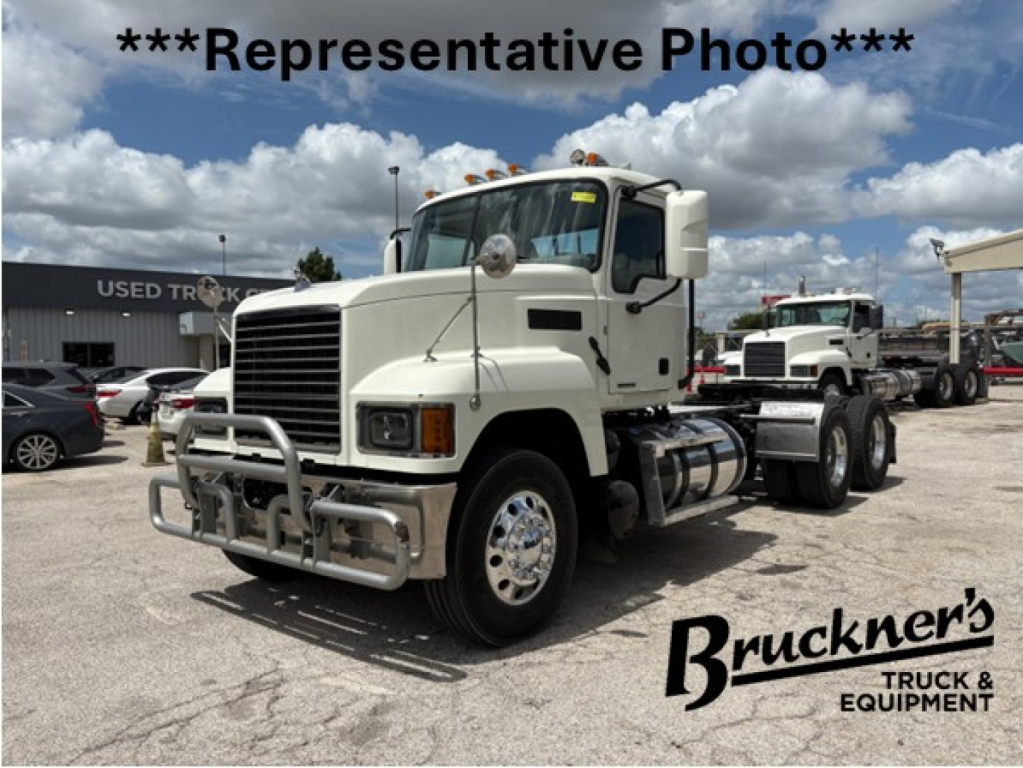
2020 Mack PI64T
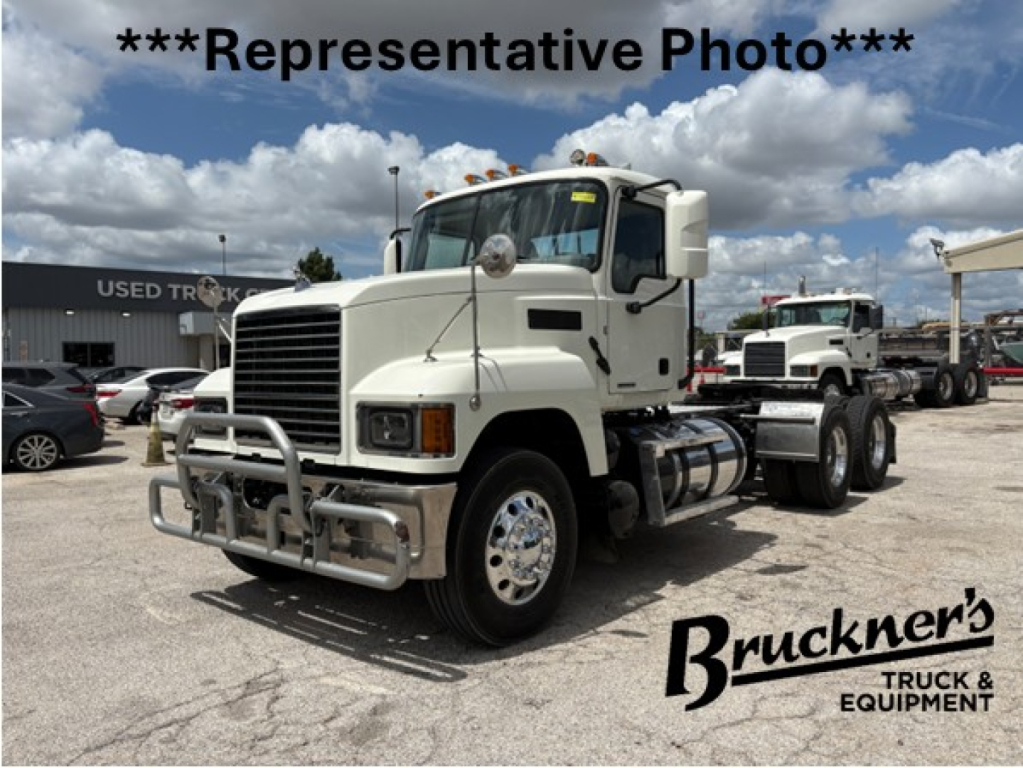
2020 Mack PI64T
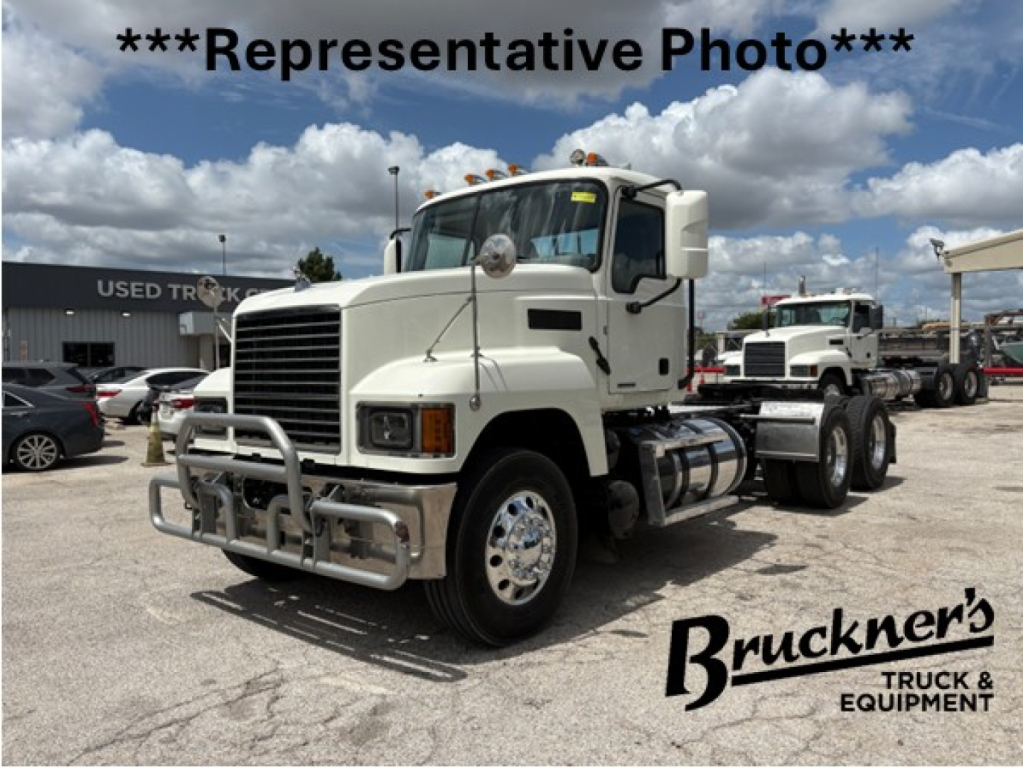
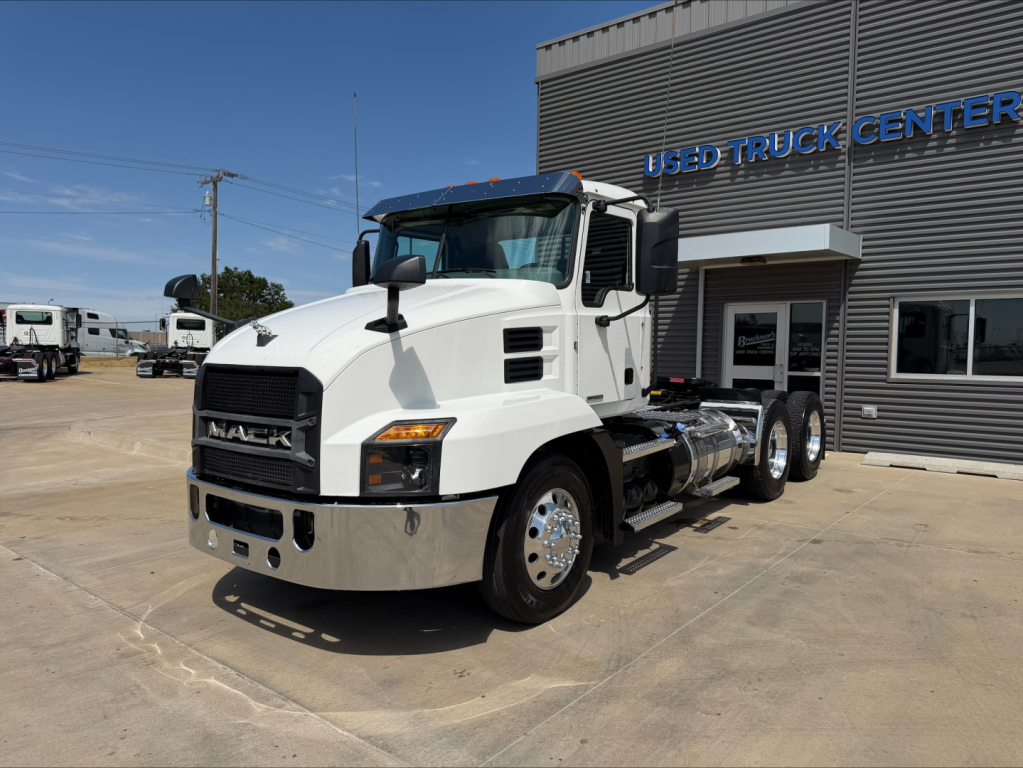
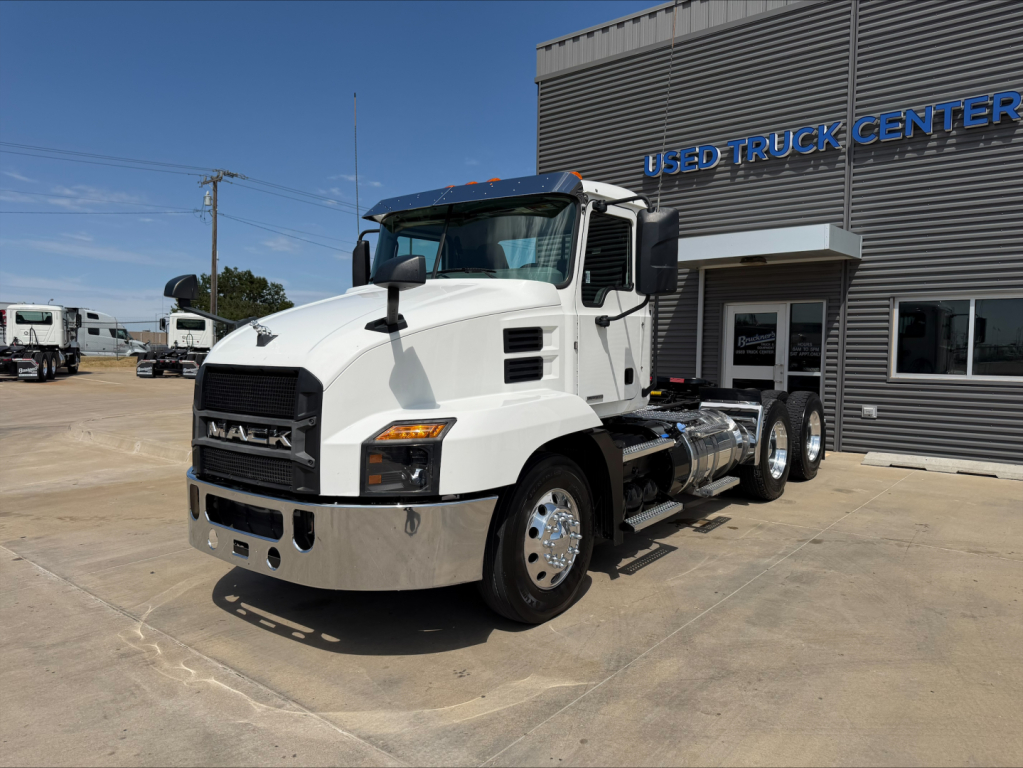

Selling a mack conventional daycab truck? List your mack conventional daycab truck for sale and reach thousands of commercial buyers.
Mack Conventional Daycab Trucks in Oklahoma
Powertrain is a major decision point on a Mack daycab. Many are equipped with Mack MP7, MP8, or MP13 diesel engines paired to the Mack mDRIVE or M-Drive automated manual transmission, typically in a 12-speed configuration. Horsepower commonly falls in the 425 to 505 range on highway-oriented tractors, with torque, rear ratio, and transmission programming playing just as big a role as peak horsepower. A 2.79 or 3.07 rear ratio can favor fuel economy on lighter regional runs, while 3.25 or 3.56 gearing is often preferred for heavier starts, hill work, and vocational pull. Front axle ratings often run from 12,000 to 14,600 pounds, while rear axle capacities commonly range from 23,000 pounds on single-axle units to 40,000 pounds or more on tandem tractors.
Wheelbase, suspension, and fifth wheel spec should match the freight. A shorter wheelbase such as the mid-160s to 180s can help with turning radius and dock access, while wheelbases around 190 to 225 inches are common on tandem regional tractors that need a more stable ride and room for frame-mounted equipment. Mack air-ride suspensions are common on this class and are well suited for general freight, tank, and distribution work. Buyers should also look closely at fifth wheel height, sliding versus fixed fifth wheel setup, PTO requirements, fuel capacity, and brake configuration, especially if the truck will pull multiple trailer types or transition between highway and vocational service.
A good Mack daycab choice comes down to duty cycle more than model year alone. For long regional turns and fuel-conscious fleet work, an Anthem with an MP7 or MP8 and overdrive mDRIVE may make the most sense. For heavier tractor applications, a higher-horsepower MP8 or MP13 with a deeper ratio, heavier front axle, and 40,000-pound rears can be a better fit. Single-axle Mack daycabs remain attractive for lower empty weight, simpler maintenance, and operations that do not need tandem capacity. Buyers comparing listings should focus on axle rating, wheelbase, engine family, rear ratio, suspension, and transmission calibration before judging trucks only by mileage or appearance.
Frequently Asked Questions about Mack Conventional Daycab Trucks in Oklahoma
What is the best Mack engine for a conventional daycab truck?
The best engine depends on the work. Mack MP7 engines are commonly chosen for fuel-efficient regional hauling, while the MP8 is a popular middle ground for buyers who need stronger pulling power without stepping into the larger MP13. An MP13 can make sense for heavier duty cycles, frequent gross weights near capacity, or applications that demand stronger grade performance. The right choice comes down to average load, terrain, start-stop frequency, and the rear axle ratio paired with the engine.
Is a single-axle or tandem-axle Mack daycab better?
A single-axle Mack daycab is often better for lighter freight, lower operating weight, and tighter maneuvering. It can also reduce tire, brake, and maintenance costs. A tandem-axle daycab is usually the better choice for heavier trailers, higher gross weights, rougher yards, and more versatile freight options. Buyers should match axle count to legal weight requirements, trailer type, and how often the truck will run loaded versus empty.
What wheelbase is common on a Mack conventional daycab?
Mack conventional daycab wheelbases commonly range from about 167 inches on more maneuverable single-axle tractors to around 225 inches on heavier tandem-axle units. Shorter wheelbases are easier to position at docks and in crowded terminals. Longer wheelbases can improve ride quality, weight distribution, and space for fuel tanks, DEF tanks, battery boxes, or PTO-related equipment. The correct wheelbase depends on trailer swing clearance, bridge law considerations, and overall application.
Are Mack mDRIVE transmissions good for regional and local hauling?
Yes. Mack mDRIVE automated manual transmissions are widely used in regional and local daycab service because they help reduce driver fatigue, support consistent shift logic, and can improve clutch life compared with poorly driven manual transmissions. The transmission programming and rear ratio matter as much as the transmission itself, especially in stop-and-go work, heavy starts, or mixed highway and city routes. Buyers should confirm the transmission model, overdrive or direct-drive setup, and intended vocation.
What should I compare first when shopping Mack daycab trucks in Oklahoma?
Start with the core operating specs: engine model, horsepower, transmission type, rear axle ratio, axle ratings, wheelbase, and suspension. Those specs determine how the truck will actually perform on Oklahoma highways, county roads, energy-sector routes, and local delivery lanes. After that, review mileage, maintenance history, brake and tire condition, and any application-specific equipment such as PTOs or fixed fifth wheels. A truck with the right spec for the job is usually more valuable than one with a newer model year but the wrong drivetrain.