
2027 Mack Conventional Daycab Trucks For Sale in Oklahoma
Shop 2027 Mack conventional daycab trucks in Oklahoma. Compare Anthem and Pinnacle specs, axle ratings, wheelbase, mDrive, and engine options.

Selling a 2027 mack conventional daycab truck? List your 2027 mack conventional daycab truck for sale and reach thousands of commercial buyers.
2027 Mack Conventional Daycab Trucks in Oklahoma
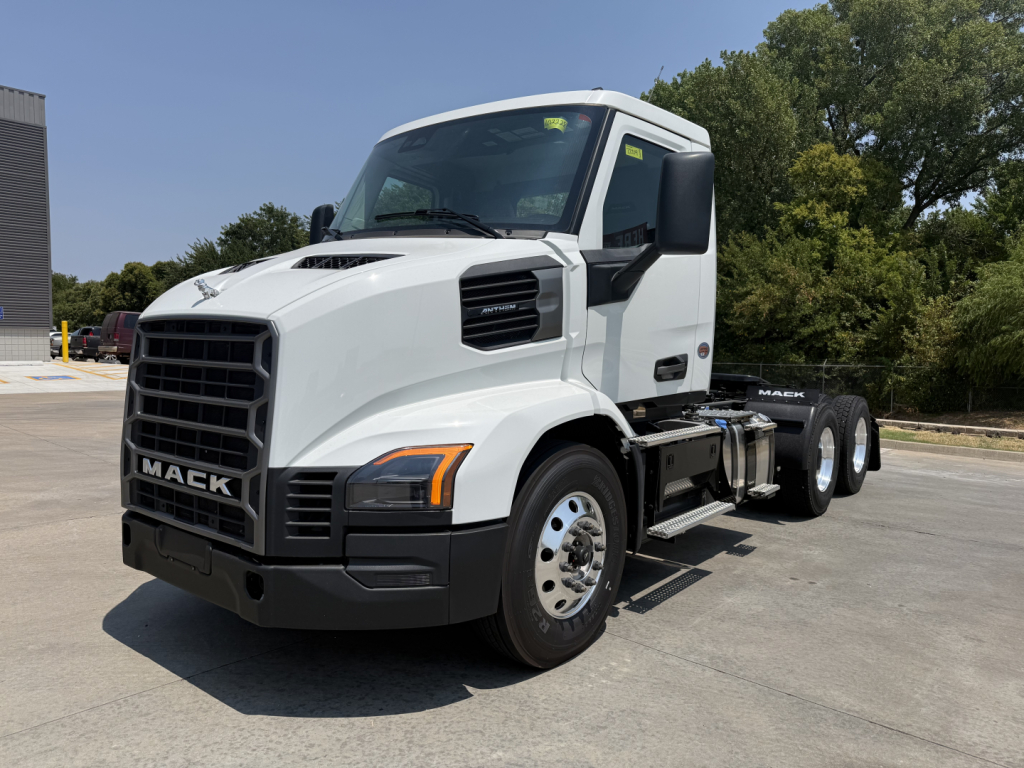
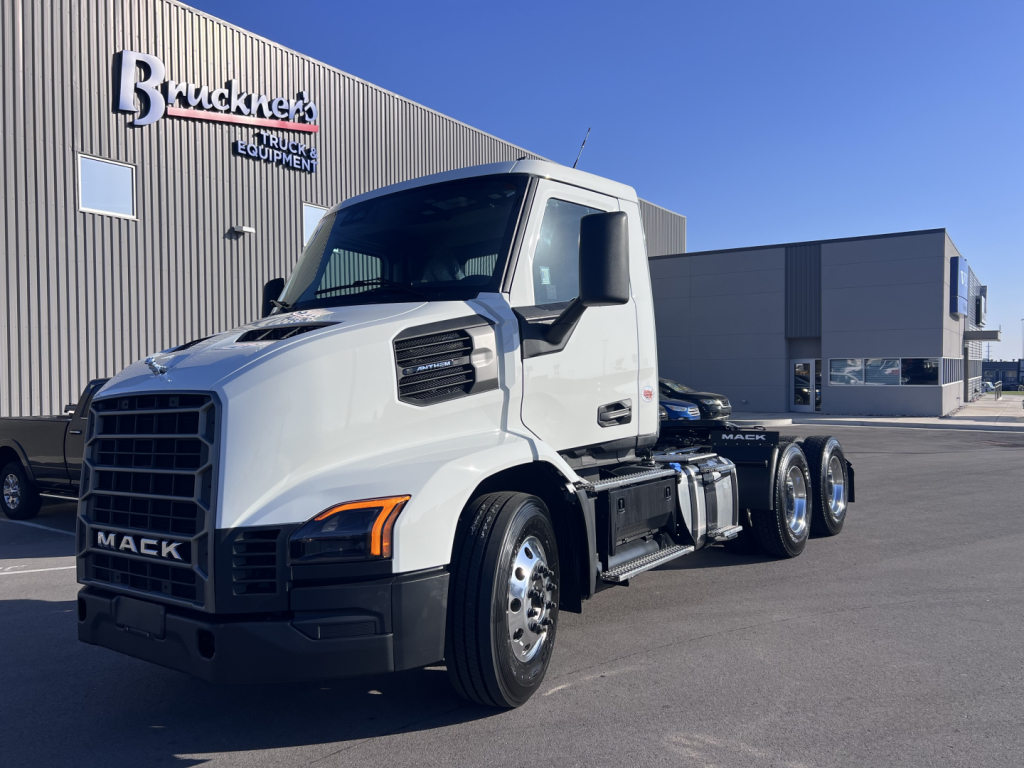
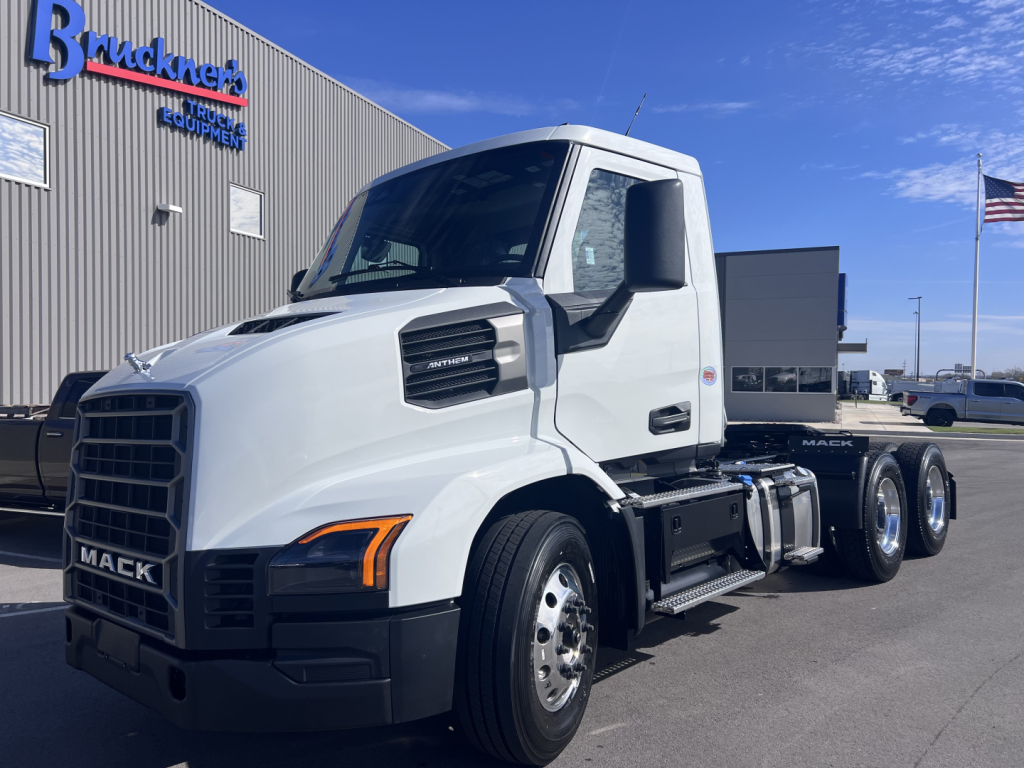
For buyers comparing specs, the first decisions are usually engine, transmission, axle ratings, and wheelbase. Current Mack daycab configurations often center on the Anthem or Pinnacle platform, with MP series diesel power and the mDrive automated manual transmission being common choices. Horsepower can range from efficient regional setups in the low-to-mid 400 hp range up to 500 hp class specs for heavier work. Front axles commonly fall around 12,000 to 12,500 pounds, while tandem rears are often 40,000 pounds on air ride. A shorter wheelbase around the mid-180-inch range is attractive for tighter maneuvering and lighter trailer work, while longer wheelbases in the 200-inch-plus range can better support wet kits, sliding fifth wheels, or more demanding body and trailer combinations. Rear axle ratios like 2.79, 3.36, or 3.56 each push the truck toward a different job, from fuel-efficient highway cruising to stronger startability and vocational pulling power.
A Mack conventional daycab can be spec'd either as a cleaner highway tractor or as a more jobsite-capable unit. Buyers hauling hopper bottoms, tanks, flatbeds, or dry vans may prioritize fuel economy, aero improvements, and lower cruising RPM. Buyers pulling end dumps, lowboys, or heavier regional loads often look for higher horsepower, heavier front axle capacity, dual exhaust, a wet kit, and gearing that keeps the truck responsive off-road or in rolling terrain. In Oklahoma, it also makes sense to pay attention to cooling performance, PTO or hydraulic requirements, suspension type, and tire size, especially if the truck will split time between highway miles and rough yard access.
The main advantage of a Mack daycab is that the engine, transmission, and chassis are designed to work as one system. That can simplify driver operation, improve shift quality, and help with long-term serviceability. When comparing listings, pay close attention to gross combination weight rating, fifth wheel setup, frame rail spec, fuel capacity, and whether the truck is a single axle or tandem axle tractor. A well-matched 2027 Mack conventional daycab should fit the trailer, terrain, and duty cycle first, then the horsepower number second. That approach usually leads to a truck that earns better over the long haul, even in demanding regional service.
Frequently Asked Questions about 2027 Mack Conventional Daycab Trucks in Oklahoma
What is the difference between a Mack daycab and a sleeper tractor?
A Mack daycab deletes the sleeper compartment and keeps a shorter cab, which reduces overall weight and usually shortens the wheelbase. That makes it better suited for local and regional routes, more frequent turns, and applications where drivers return daily. A sleeper tractor is the better fit for long-haul work that requires overnight accommodations and added storage.
What horsepower is typical for a 2027 Mack conventional daycab?
Many Mack conventional daycab specs fall between about 425 and 505 horsepower, depending on the intended use. Lower horsepower settings are common for regional van, reefer, and fuel-efficient lane work, while higher horsepower setups are more common in dump, heavy haul, tank, and other demanding applications. The right rating depends on trailer type, gross weight, terrain, and rear axle ratio.
Is the Mack mDrive transmission a good fit for daycab applications?
The mDrive automated manual is a common choice in Mack daycabs because it reduces driver fatigue, delivers consistent shifting, and integrates closely with the Mack engine. It works well in both highway and vocational-style service when the truck is spec'd correctly. Buyers should still confirm transmission programming, PTO needs, and axle ratio to make sure the truck matches the intended duty cycle.
What specs matter most when buying a conventional daycab in Oklahoma?
The most important specs are usually axle ratings, wheelbase, rear axle ratio, horsepower, transmission, and suspension. In Oklahoma, buyers also tend to pay close attention to wet kit availability, cooling capacity, tire size, and maneuverability because many trucks see a mix of highway freight and jobsite or ag-related work. Matching the spec to the trailer and terrain is more important than choosing the highest horsepower available.
Can a Mack conventional daycab be used for dump or end dump work?
Yes, many Mack conventional daycabs are spec'd for dump and end dump service, especially when equipped with the right horsepower, rear ratio, wheelbase, and hydraulic wet kit. Buyers should verify PTO compatibility, frame strength, suspension, and front axle capacity because those details matter in off-road and higher-payload applications. A highway-oriented daycab and a dump-ready daycab can look similar but perform very differently once loaded.